HO train layout built with foam board – Craig’s

Craig’s been in touch with his HO train layout built with foam board:

“Al:

I have been reading for quite awhile and …just thanks. I really appreciate the tips.

I sent one post in about making some street lights and keep telling myself that I should do another on some of the things I have been doing for my layout.

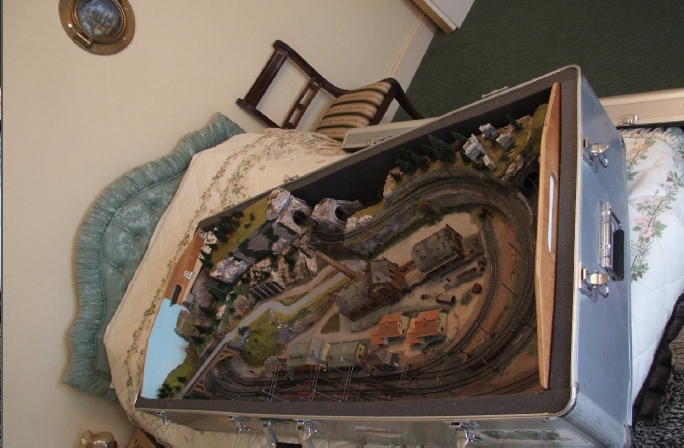
Mine is about 5 x 9 feet, takes up half the garage (which my wife constantly reminders me about, but that’s another story).

I bought the cookie cutter layout benchwork from a guy who just likes to construct roadbed.

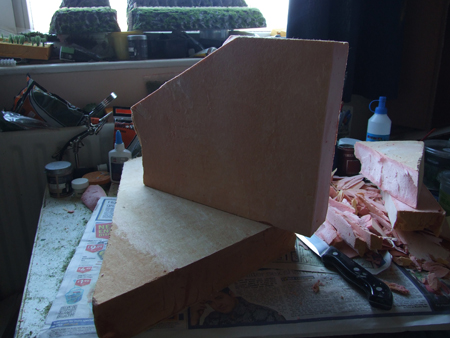
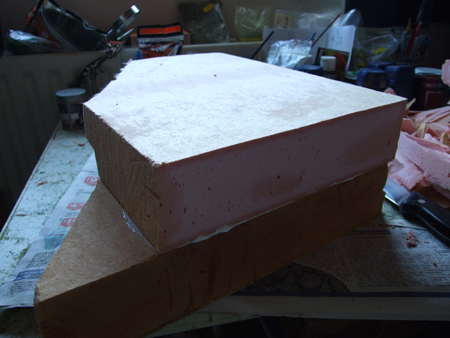
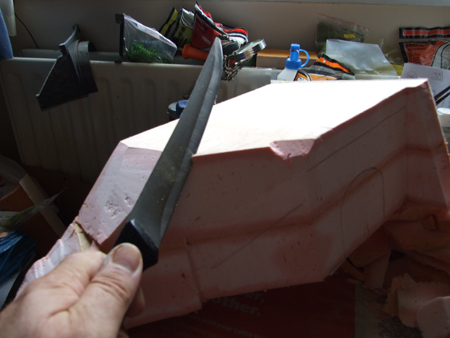
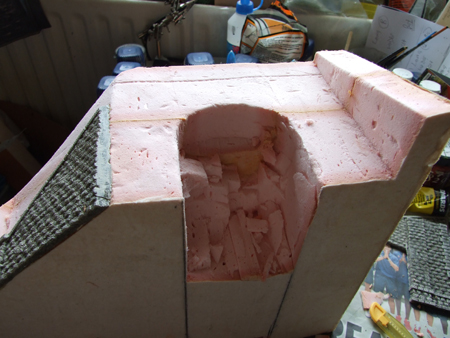
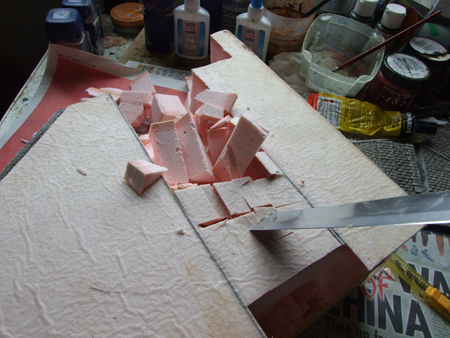
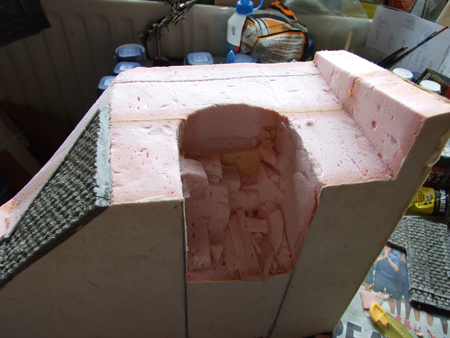
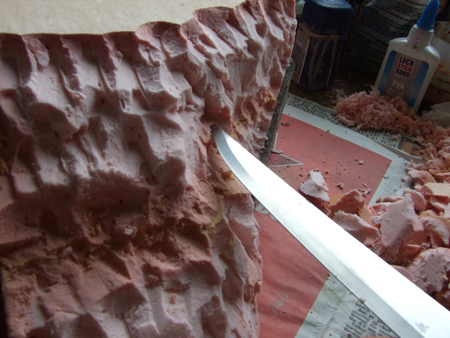
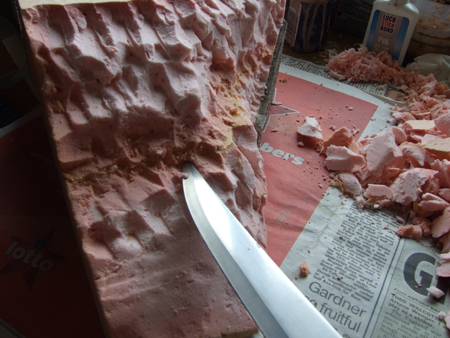
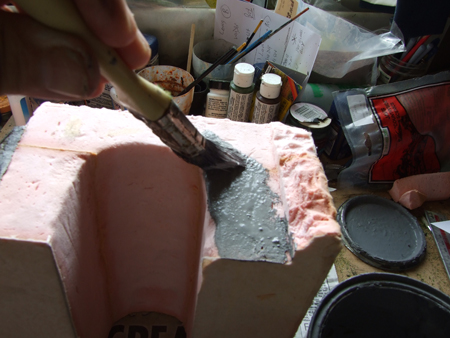
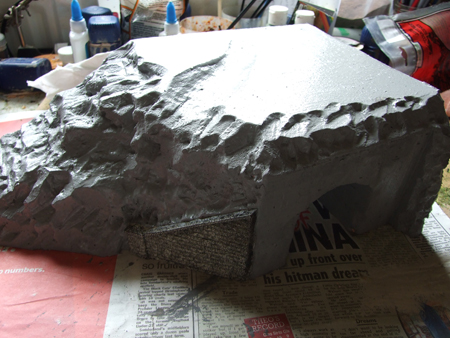
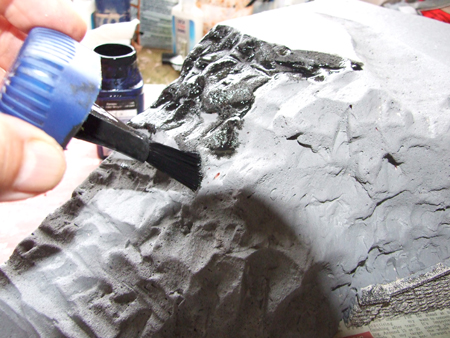
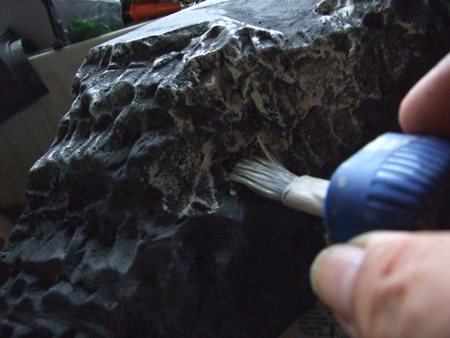
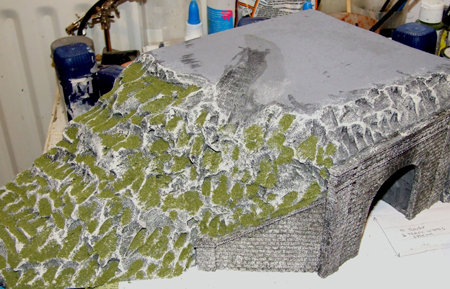
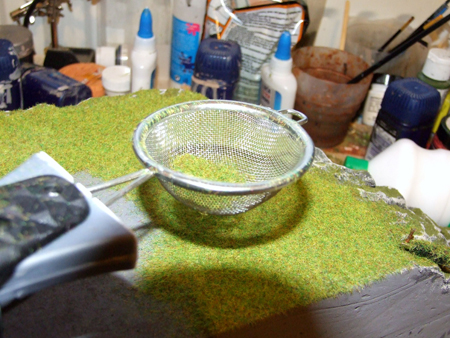
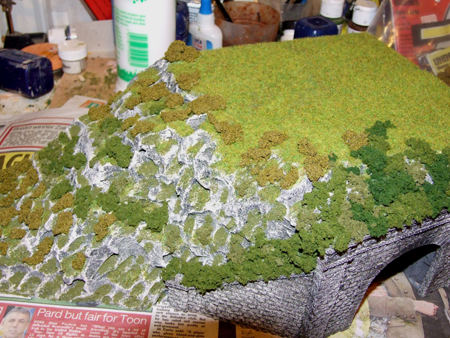
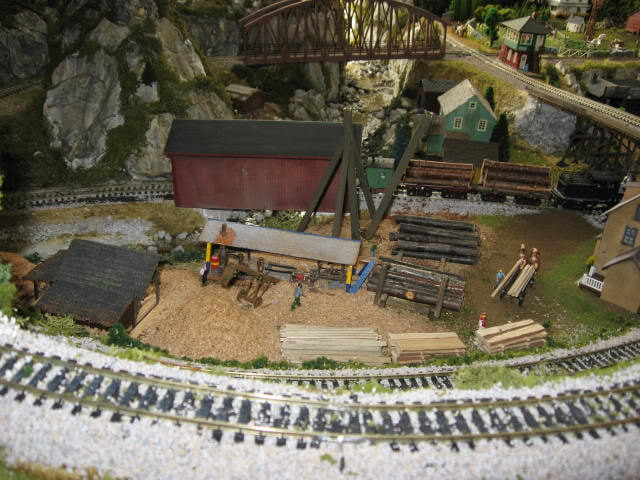
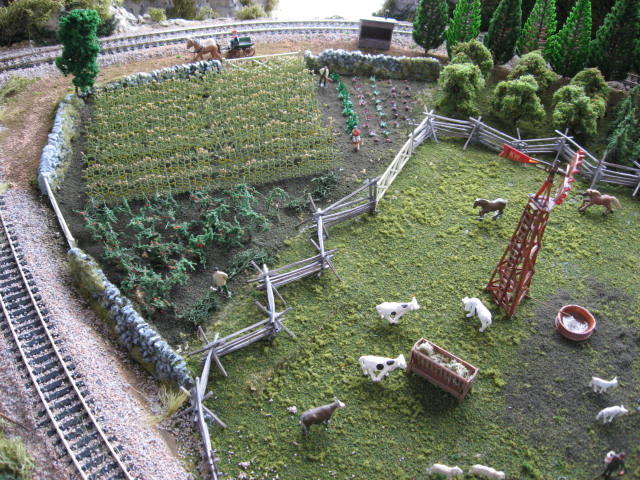
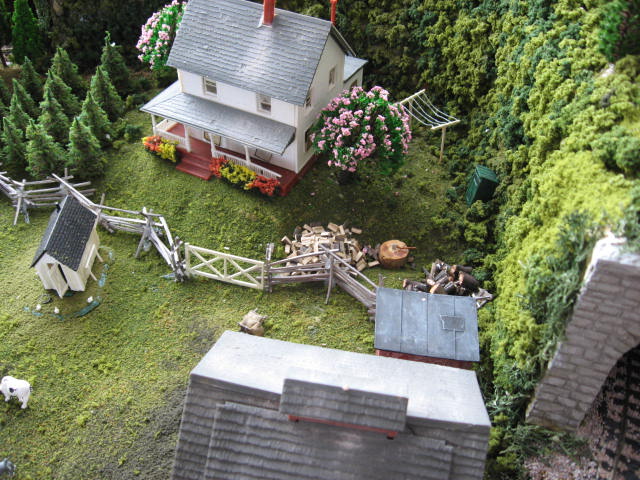
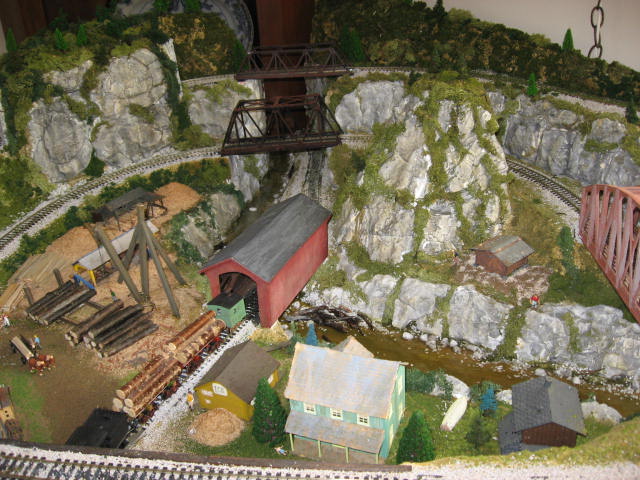
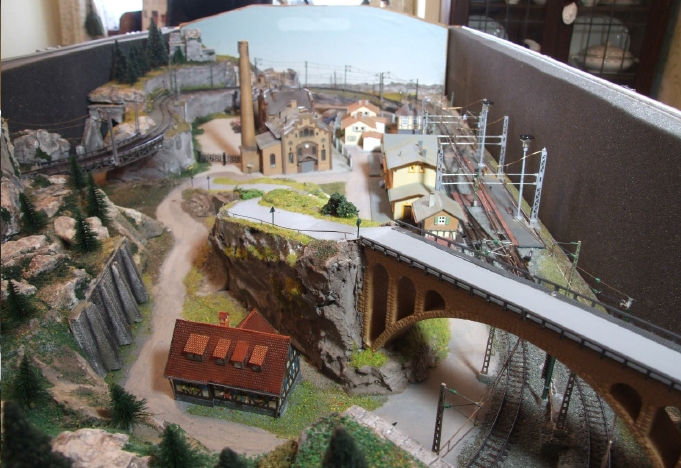
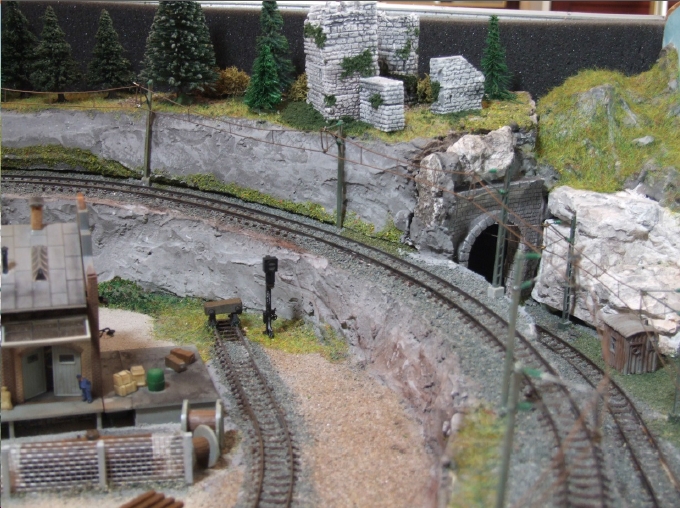
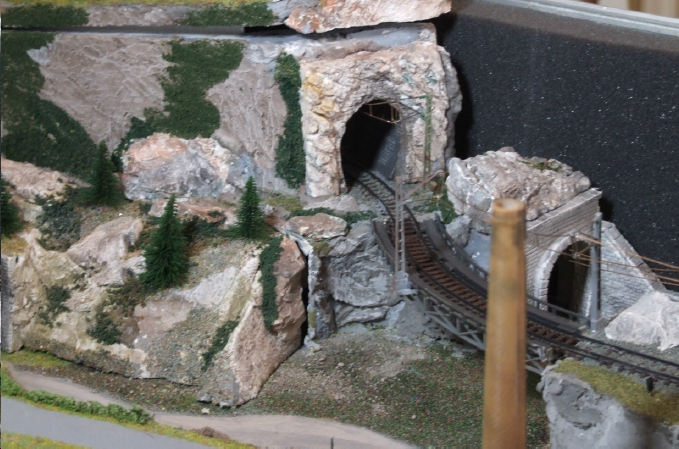
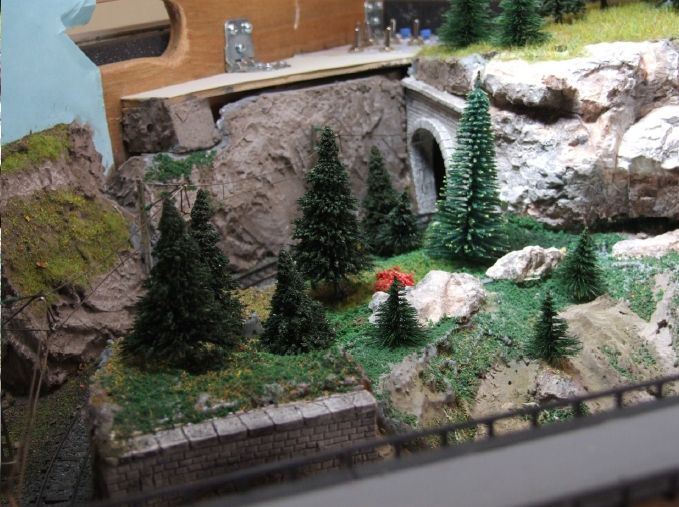
I have added all the pink foam insulation for the mountains and to fill in between the tracks. It’s a work in progress, but I thought to share, hope it’s worth looking at. My first layout, and I made mistakes and have learned much from the experience.

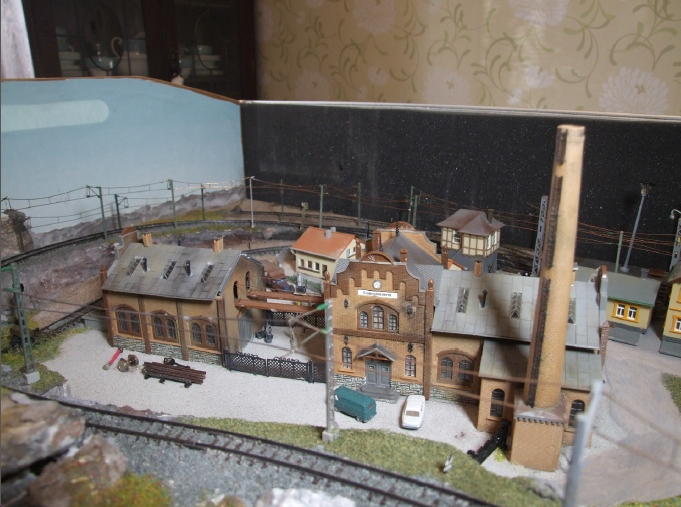
My layout has little towns named after my grandkids. Caelville shows a couple of boxcars being unloaded at the local mercantile.

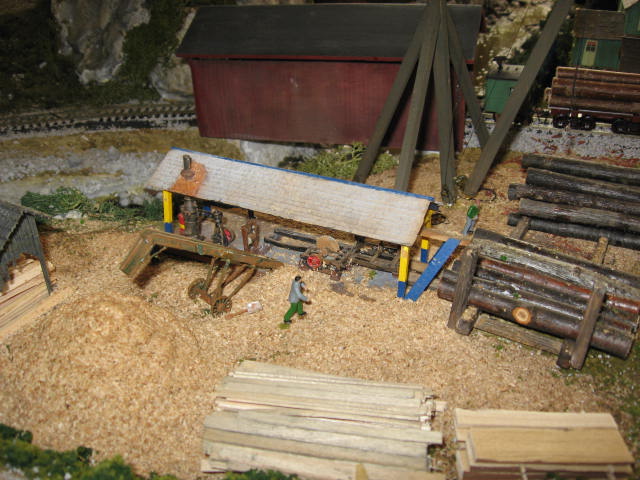
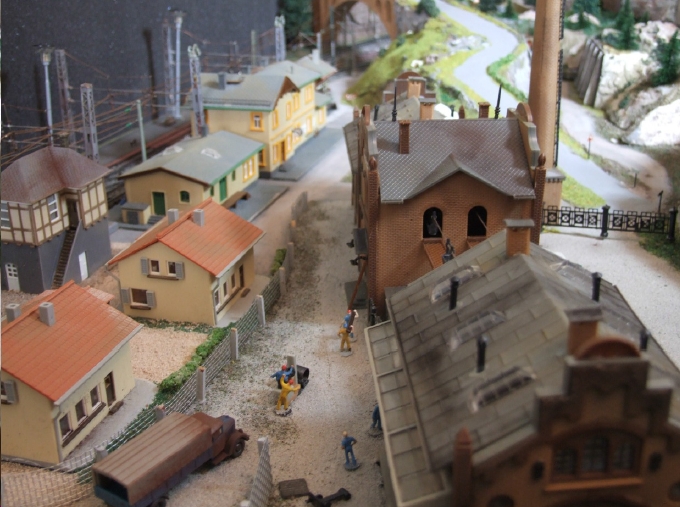
Downtown shows the teaming metropolis of Hunter and a couple of policemen shaking down two suspicious guys hanging around outside the shops. A little welding operation is going on at Teds workshop across from the new house under construction.

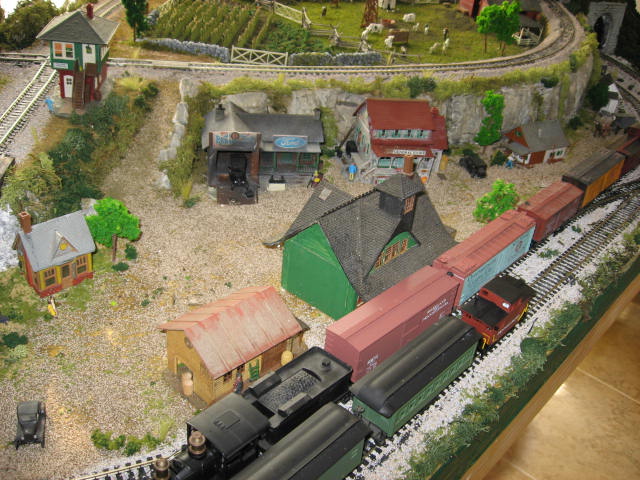
Downtown #1 gives us a view of the biker bar tucked back in the alley. Farther down the road we see the plumbing and hardware store and the local market.

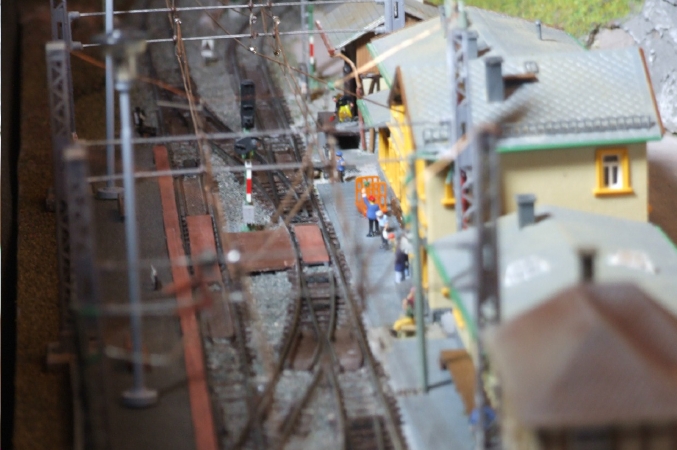
A hot dog stand supplies snacks to the people getting off at the train station across the street.

I also wanted to put lights in a truck, so I drilled out the headlamps and glued two grain of rice bulbs inside them and ran the wire down through the roadway to the transformer. Turned out OK.

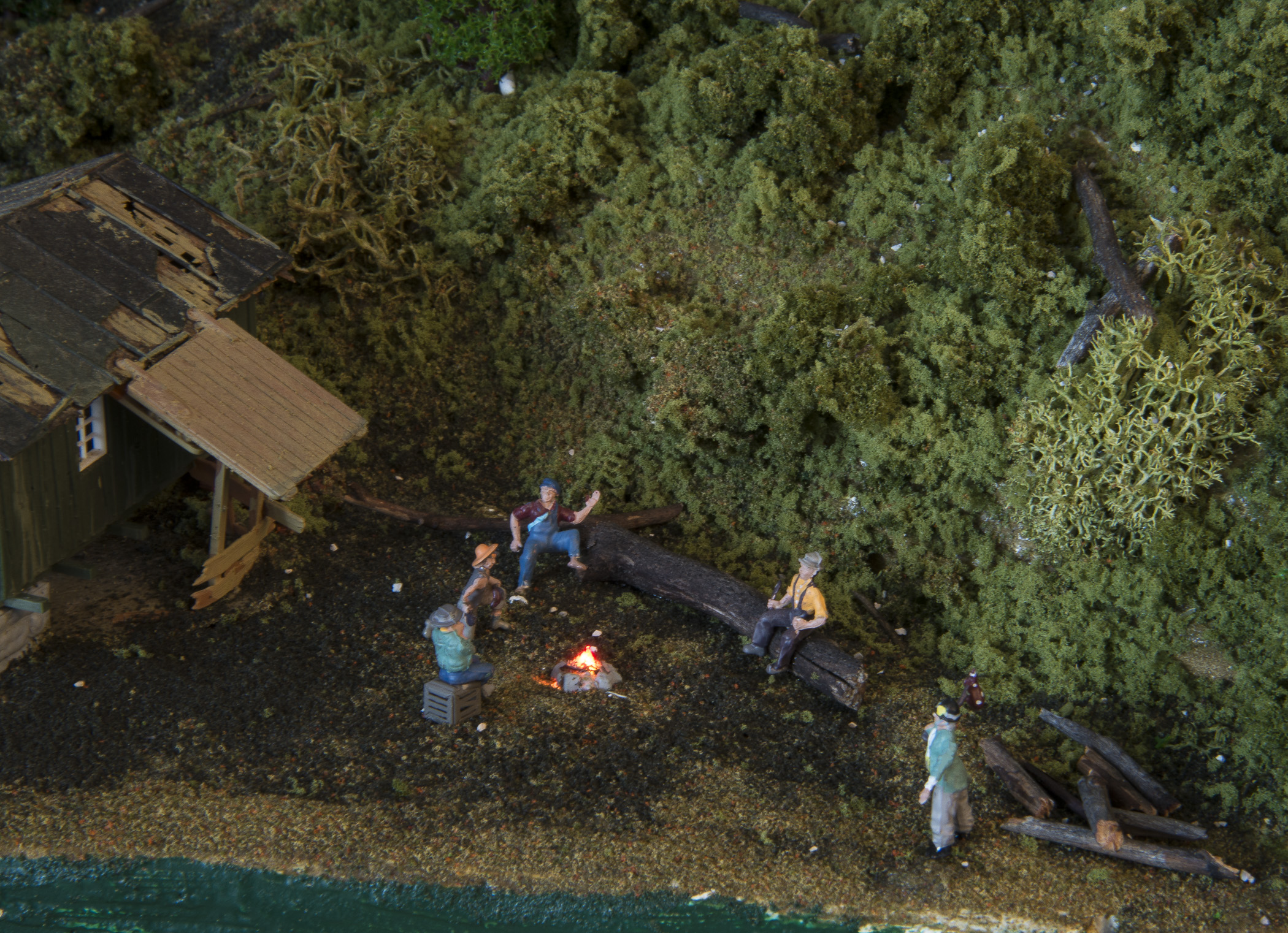
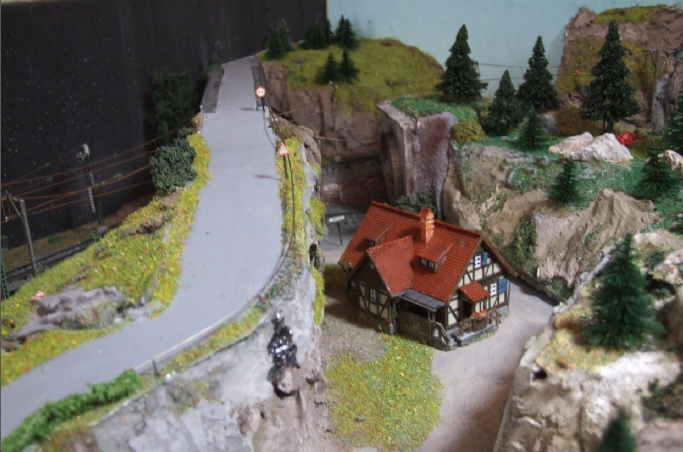
At the outskirts of town, below Caelville some folks are enjoying the lake and the fishing, camping and canoeing. On the other end of the layout, Sonny’s gas station has the monopoly on all the cars coming into Hunter.

I’ll take some better pictures next time, sorry for the blurry ones. I made some silos and a corrugated steel workshop that I will send pics in of. They turned out OK and were interesting to do.
Thanks, and keep up the good work.

Craig”

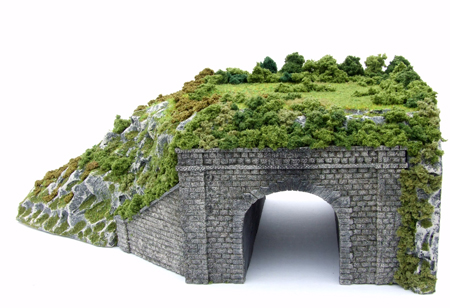
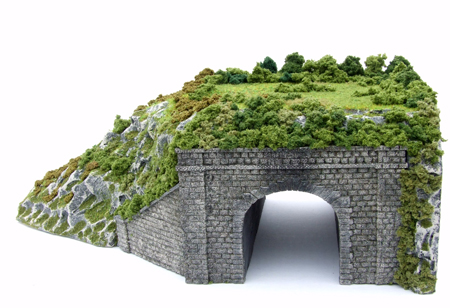
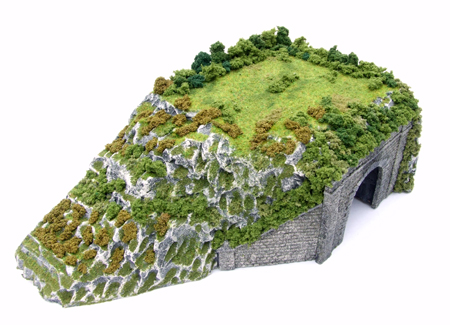
HO model train tunnel

ho train layout built with foam board camping lake

ho train layout built with foam board Downtown #1

ho train layout built with foam board Downtown


HO scale Hunter

model train store

ho train layout built with foam board gas station


“Hi Al, photos of the engine house finally complete.

The Two stall enginehouse is now complete after 70 hours of work.

All the interior detail, lights and cabling, weathering all done. Ready for instalation on my friends layout.

Brian”

engine house

engine house

HO engine house

HO engine house

HO scale engine house


Brian’s engine shed is just stunning. A work of art.

And I just loved Craig’s narrative on his HO train layout built with foam board! Superb. Hope you enjoyed it as much as me.

I keep getting mails on how to submit a layout – it’s all very simple – just hit reply to any of my mails.

One thing though: don’t attach too many pics to one mail otherwise they won’t get through. Split the pics over multiple mails if you have lots of pics. Hope this makes sense.

And if Craig and Brian have got your imagination flowing, here’s how to put it to good use.

Keep ’em coming.

Best

Al

PS Latest ebay cheat sheet is here.

PPS More HO scale train layouts here if that’s your thing.


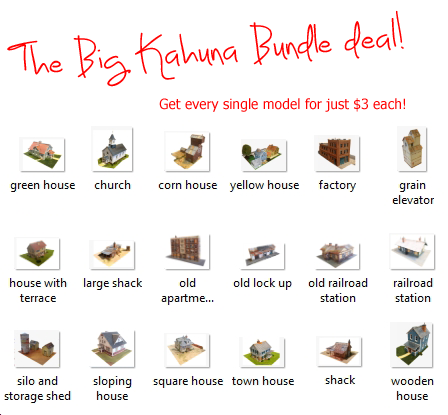
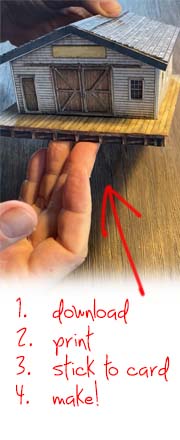
Need buildings for your layout? Have a look at the Silly Discount bundle.

Cameron’s stunning layout

I love seeing layouts built from scratch, so I thought I’d share this excellent ‘running commentary’ from Cameron.

Hope you like it!


“Dear Alistair,

Last Fathers day my kids gave me a Hornby Mixed Freight set. Bless their nylon socks. Since then I have contracted a major case of the Model Railway Bug and have been putting together a layout ever since.

Although I am from ‘down under’ it is based on a small town in Surrey England I spent some time in as a kid. This is the first time I have built a layout since I was 10 so I have pretty much had to learn from scratch again.

I have been reading all your posts and they have given my a great deal inspiration along the way. It truly is the best forum on the interweb.

With the layout getting close to completion I thought now was a good time to start sharing some of my own experiences and anecdotes. I have taken photos and notes of my experience along the way so if your readers are interested I can put together a series of posts on the process and outcome.

Phase 1 – Head Scratching

The kids gave me oo scale, so oo scale it is. The Station Master at the local Hobby shop recommended an 8×4 layout so that was another decision easily made. I then found I had plenty of time for ‘head scratching’ while I saved up for the track.

Having done a bit of drafting in my youth I decided to use some simple model rail computer software to design the layout. Not as well considered or drafted as Alistair’s designs but for me it was all part of the process. Good design drawings have some great benefits down the track.

– I designed the layout with a couple of loops so I could run two trains simultaneously (red and yellow on the plan).

– I did one loop with large radius bends so I could run larger locos at higher speeds on it ( yellow loop on the plan).

– a shunting yard is an important part of the layout. I incorporated a long ‘yard lead’ (the handle of the fork,) that does not interfere with the loops. The lead also seves ad an arrival/departures track for the station. There are lots of good articles on how to arrange shunting yards. The yard and lead are shown as green on the plan bellow.

– Every one says to be prepared to rethink it all once you lay the track and start running trains around it. I have to agree.

– the other tip is to mark the beam supports (if you have any) on the plan. This way you can locate them away from any point motors or other equipment that might need to go on the underside of the board.

At this stage the ‘trouble and strife’ (wife) did not know what she was in for. Hold that thought.

Phase 2 – Sawdust

Now relegated to the shed I commenced the construction of baseboard and table. The table is made of 9mm medium density fibre board with a pine frame under. The ramps are 4.5mm plywood with blocks of timber every 100mm or so to prop them up. The whole lot is glued and screwed together.

To achieve the section where the track goes under a bridge I put gradient on both the inside and outside lines of the track. This ensured the gradient of the inside track did not get too steep (3%) while the outside track stayed at a very shallow gradient (1%). This created a lot of extra framing work so I am not sure that I would attempt it again next time.

For the bridge I used a piece of aluminum flat bar that I picked up quite cheap from the local hardware. One thing I found from the train set I had as a kid was that when you went to fish out derailed trains from tunnels the detail on the engines would get caught on the tunnel framing and chicken wire causing them to break. For that reason I made the inside of the tunnels quite smooth to avoid damage.

Some great cost saving tips I found at this stage are as follows.

1. Ask your local hardware if they have any mdf or plywood packing sheets left over from other orders. When sheet plaster and other items are delivered to hardwares they often have a packing sheet top and bottom to protect the main item. If they don’t give it away they will usually sell them but for only $5 a sheet. This is a lot cheaper than a new sheet. They are usually, and quite conveniently in this instance, 8 foot x 4 foot.

2. When it comes to pine framing ask them if you can go through the off cuts.

Save your pennies for track and train I say.

Cam”


A huge thank you to Cam for sharing. After all these years of this blog I’m still stunned at what comes in.

And you can see the best bits in the Beginner’s Guide.

If you’ve taken a few years or decades off – it’s perfect to catch up and create your own layout.

Best

Al

More from Alan

“Al, I grew up doing model railroading with my Dad, mostly American Flyer from his childhood.

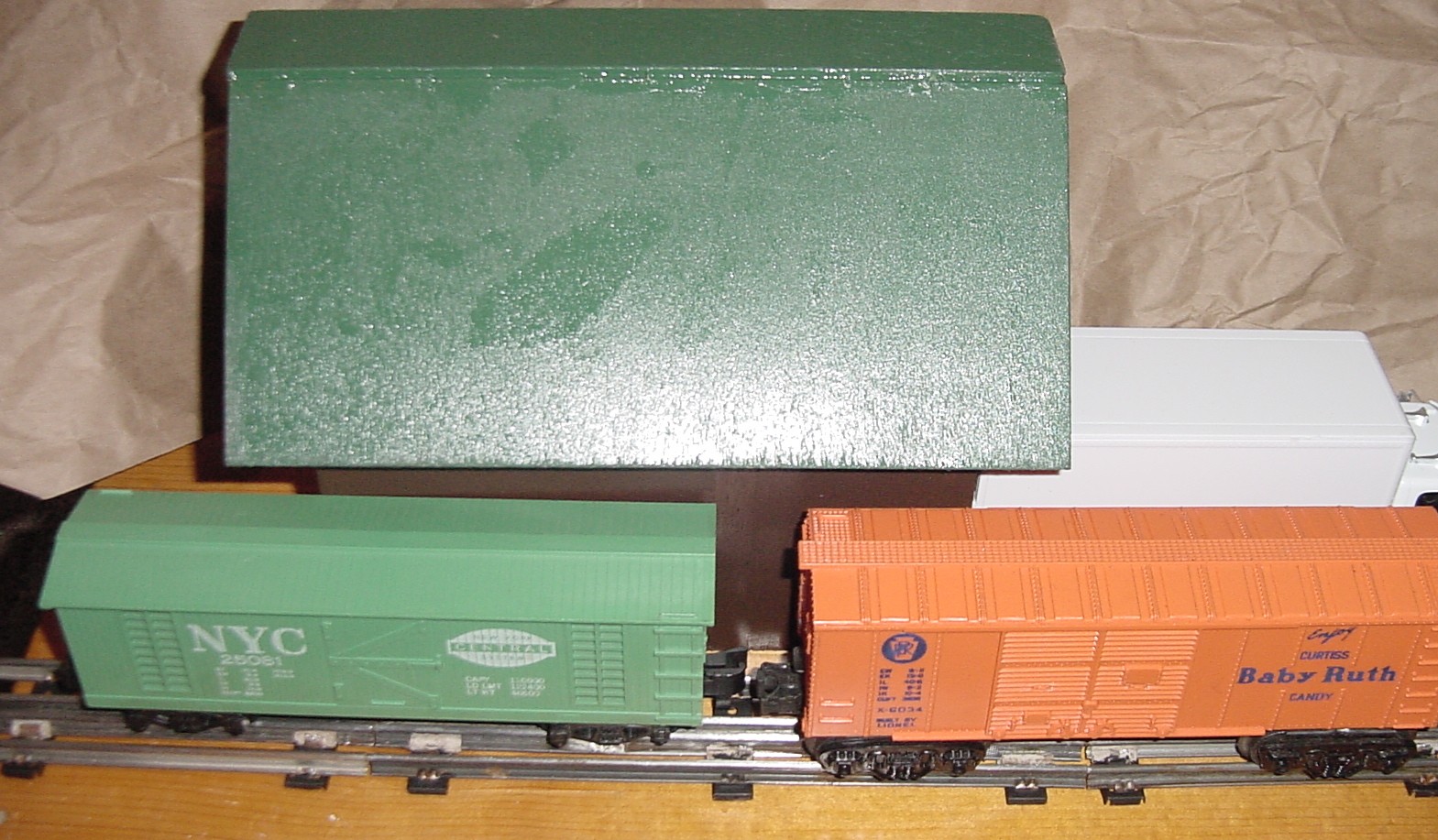
After he passed away, the stuff was packaged up and sat in boxes for more than 20 years. I started a layout two years ago and to my shock, most of the engines still ran. Most of my engines and rolling stock from my Dad and are more than 50 years old.

Anyway, I have now started to work on scenery and the coaling plant is my beginning. I also plan to have an ore mining area that should be completed soon.

Keep the emails coming. I really do enjoy them.

Gene”

1

2

3

4


“Hi Al,

I can only run trains for a limited period of time before I get bored, so I’m always looking for something else to do, such as filming or photographing it.

I also like making up cameo poses, and my latest is a tablet exchange for single line working and a lorry (truck) which has just made a delivery. The driver is seen rolling up the sheet prior to roping down the load. The rope can be seen lying on the ground.

keep up the good work

Alan”

DSCF7564

DSCF7567


DSCF7569

DSCF7573

DSCF7598

DSCF7785

DSCF7786


Another fine installment from Alan. And I love the fact that Gene is using his late father’s engines and rolling stock – the pics look great too.

That’s all this time folks. Please keep ’em coming.

And don’t forget the Beginner’s Guide if you want to take that very first step on your own layout.

Best

Al


Need buildings for your layout? Have a look at the Silly Discount bundle.