Joe’s DCC HO scale layout

Joe’s been in touch with his DCC HO scale:

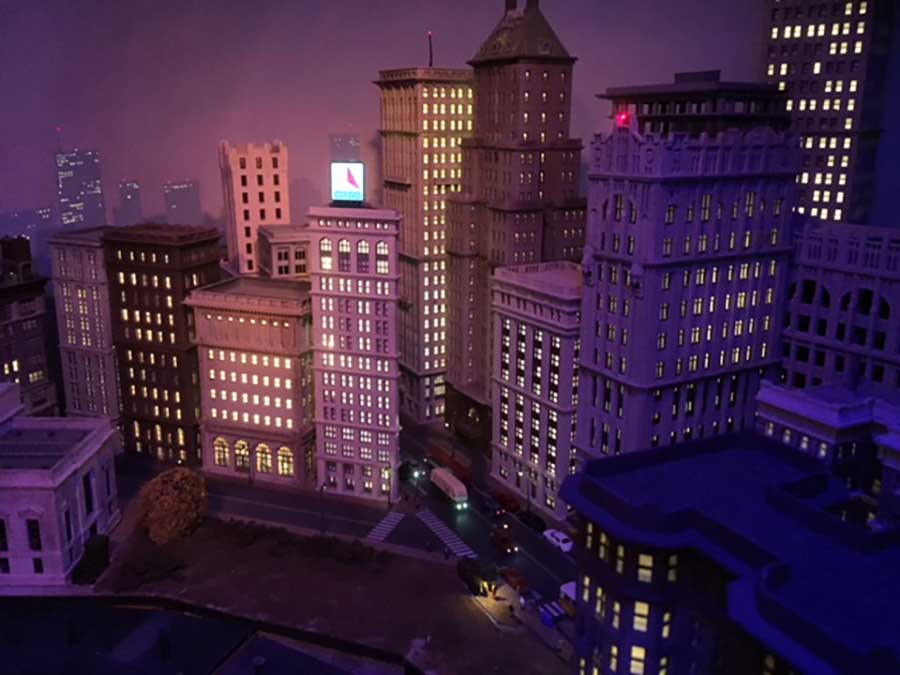
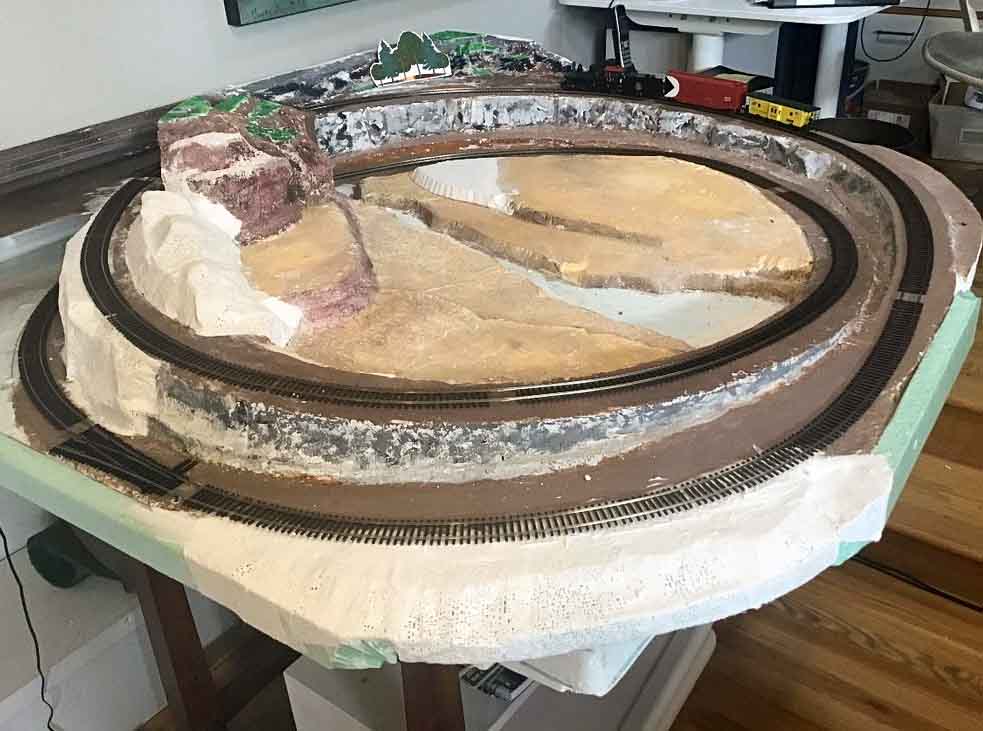
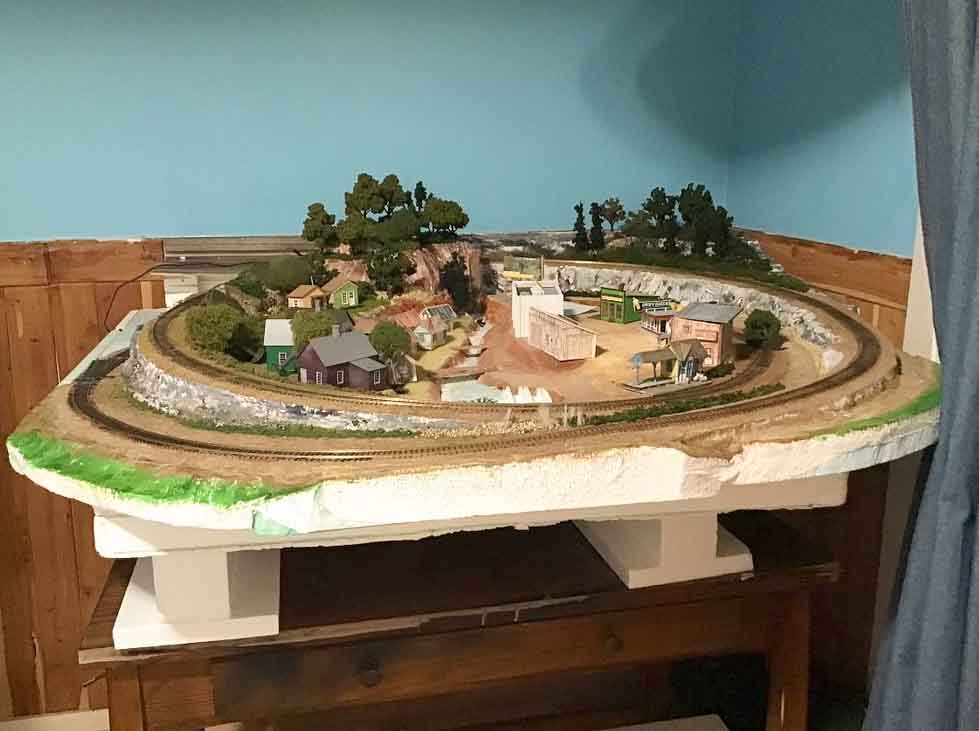
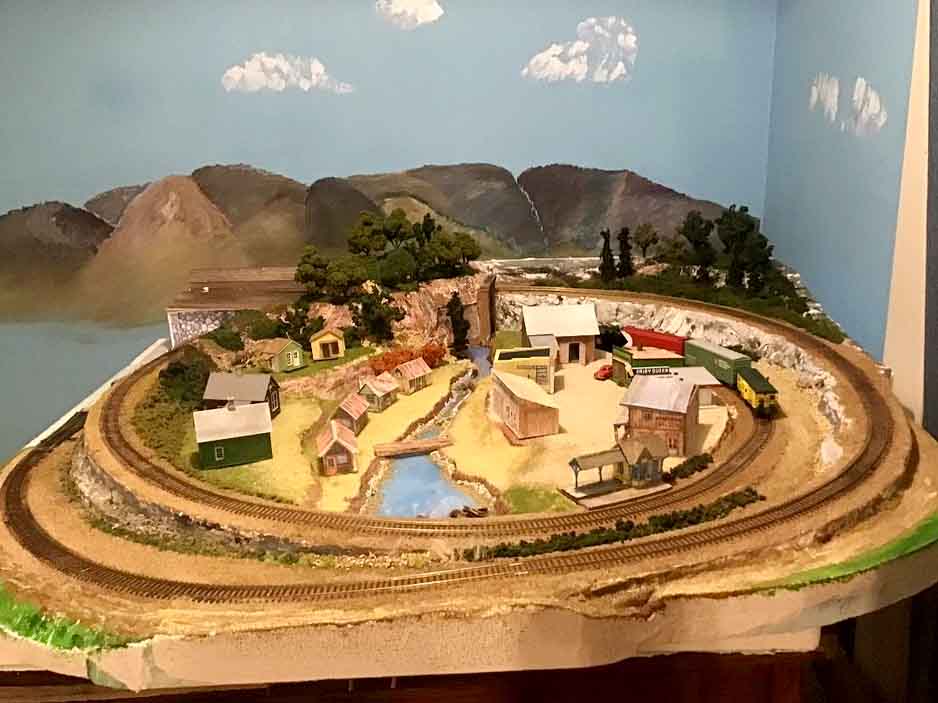
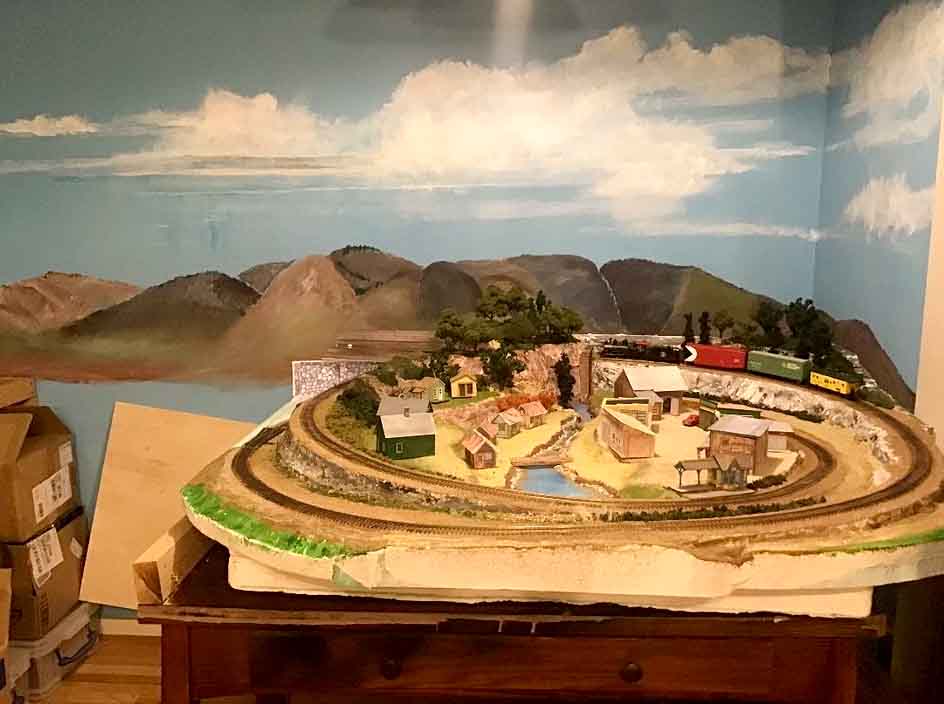
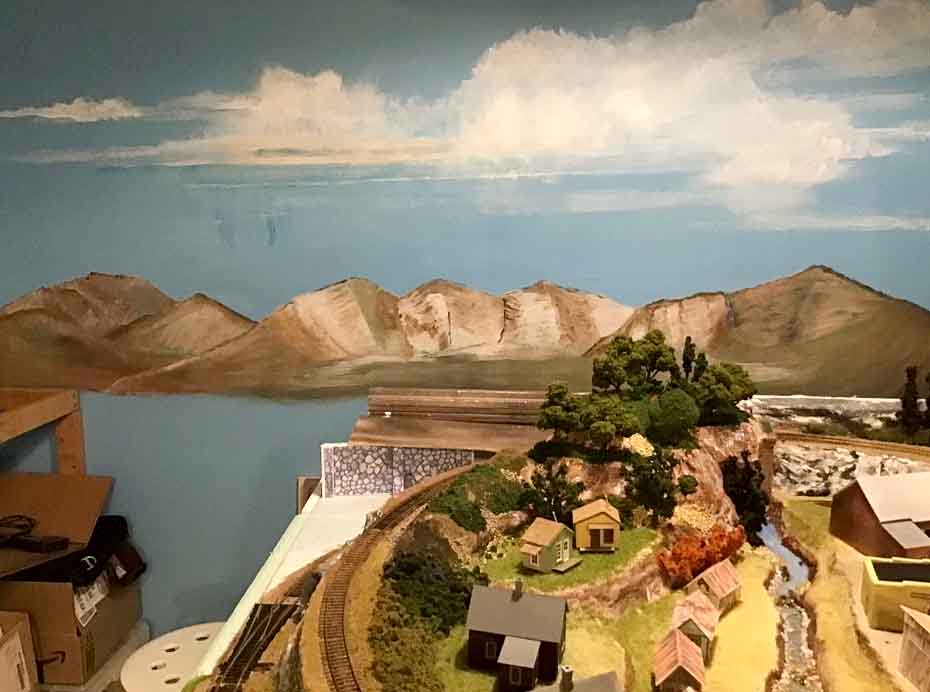
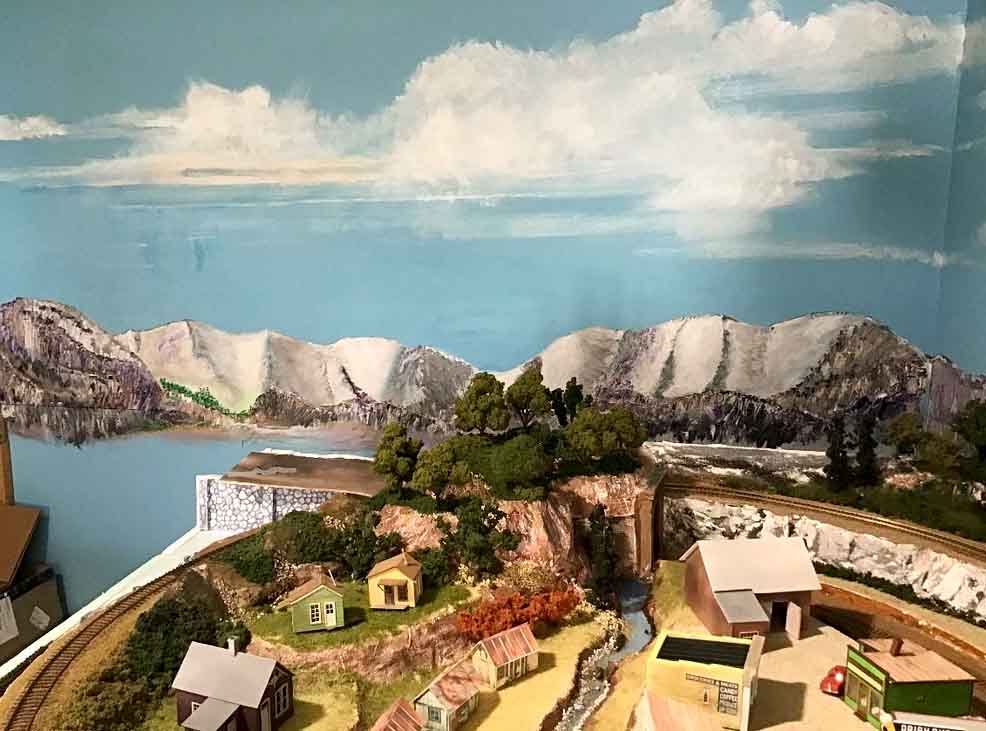
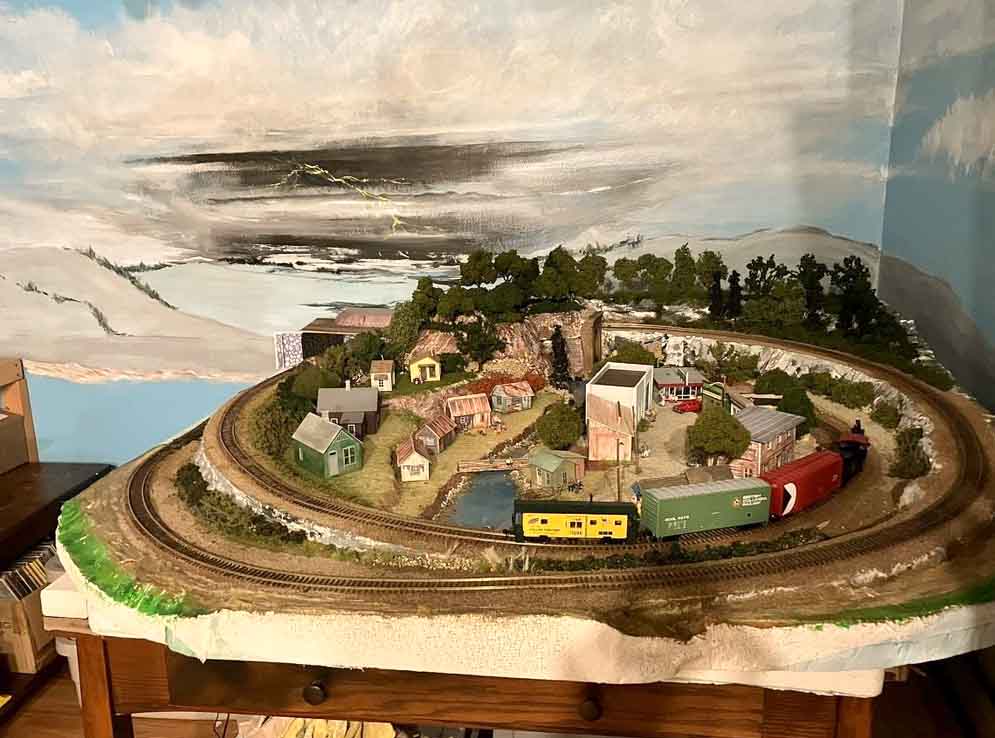
“Hi, several years ago i sent pix of my old layout, I have since moved and building a new HO layout here in Florida. I have less than two months into it so here’s some early pix.

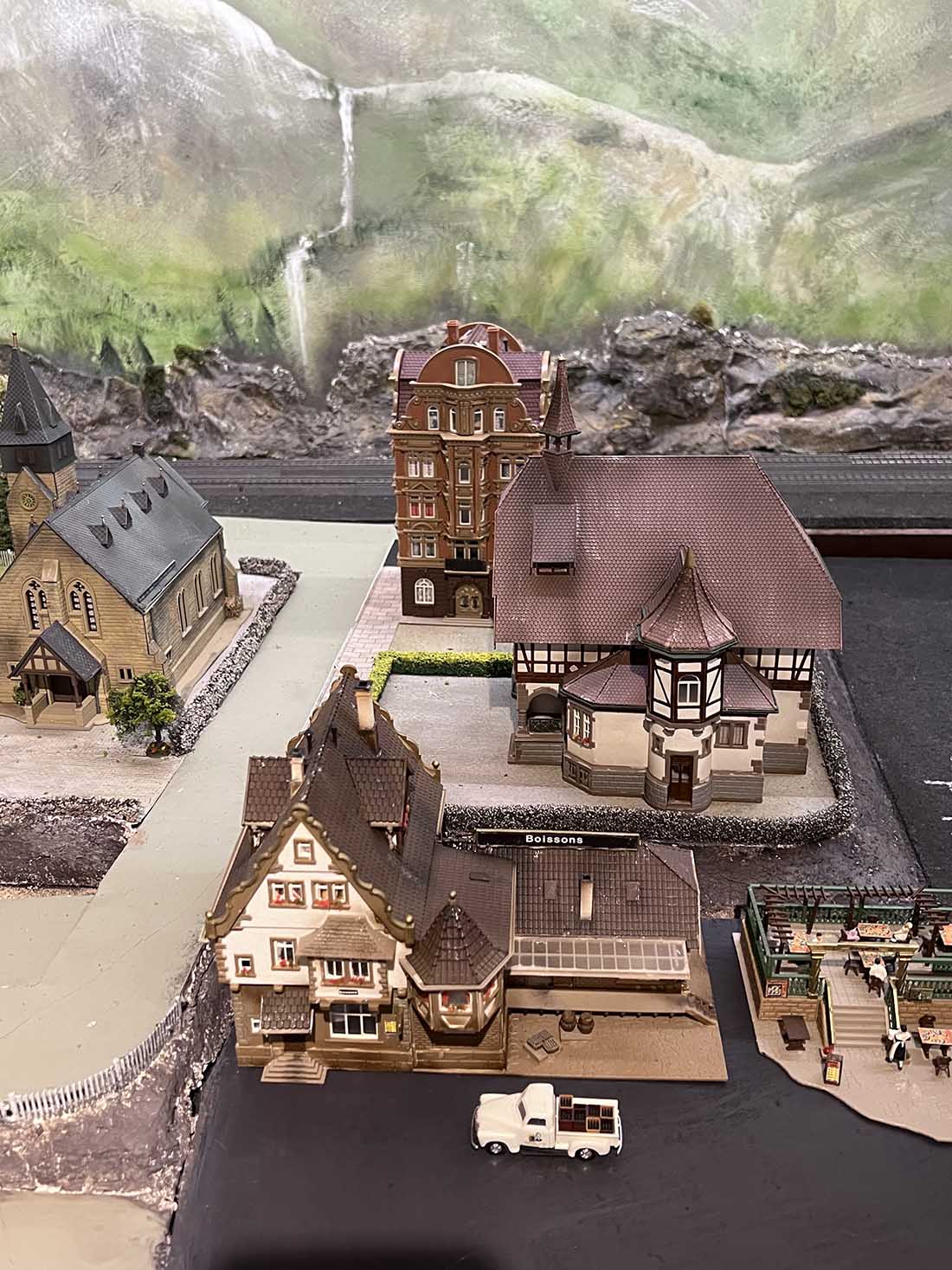
All the buildings you see except for the one with the shops below and apts on top I built myself using balsa wood and pix taken from the internet via google images.

The roadway is convex using wall compound spread with a 3 inch blade. I still have to add an oil streak down the lanes.

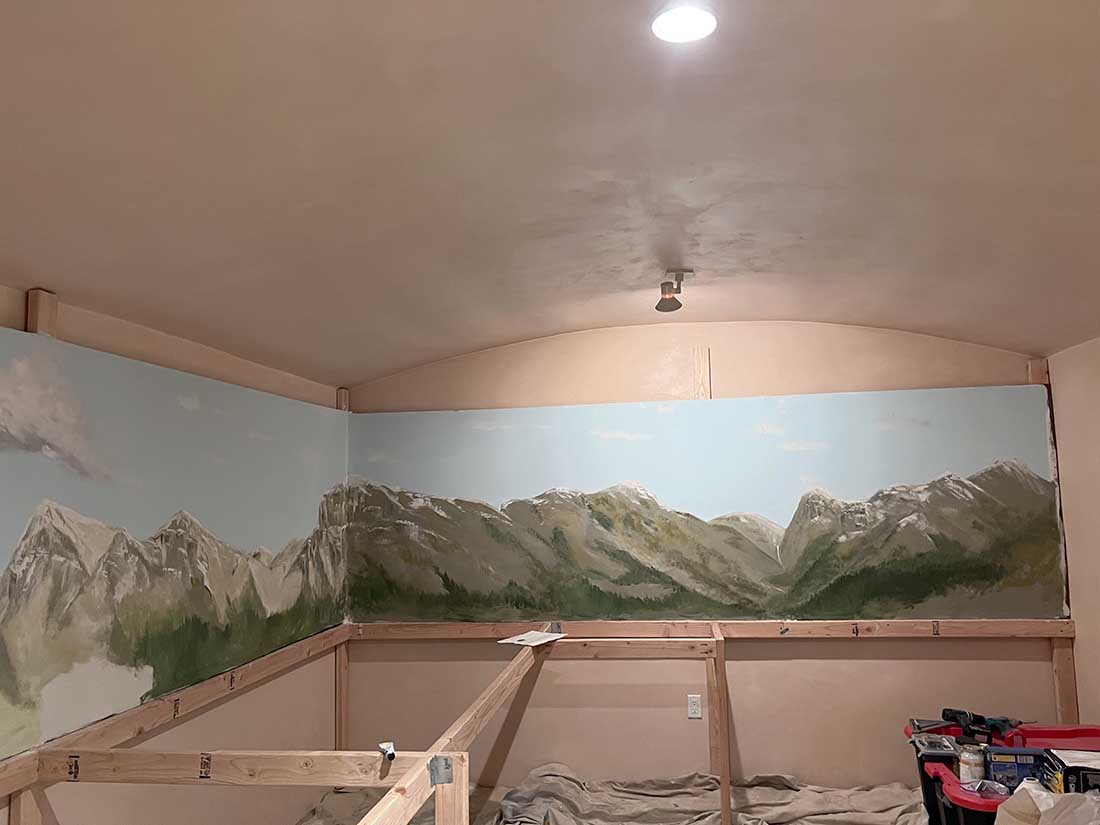
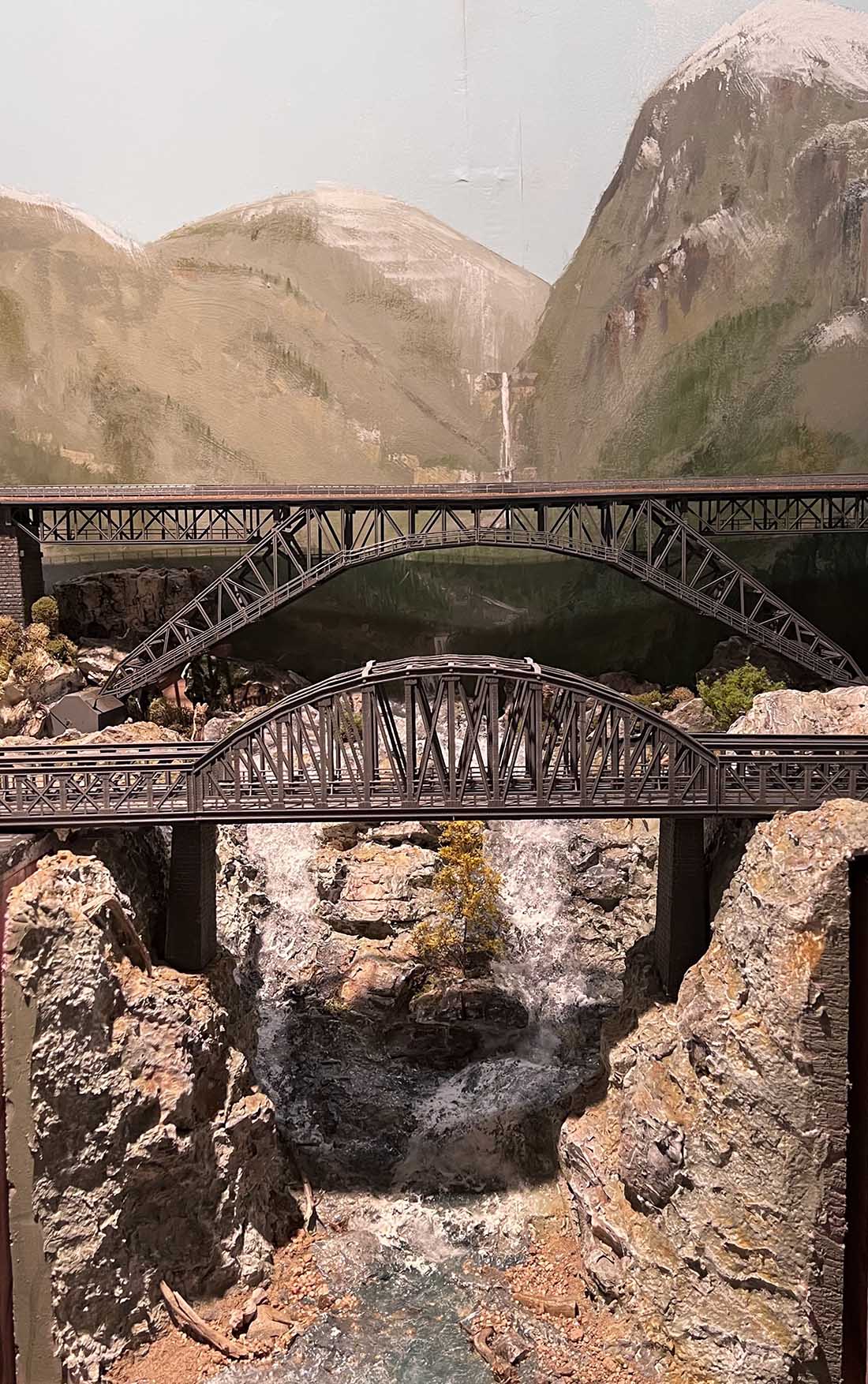
The background views were taken from the internet and expanded using print shop as a banner.

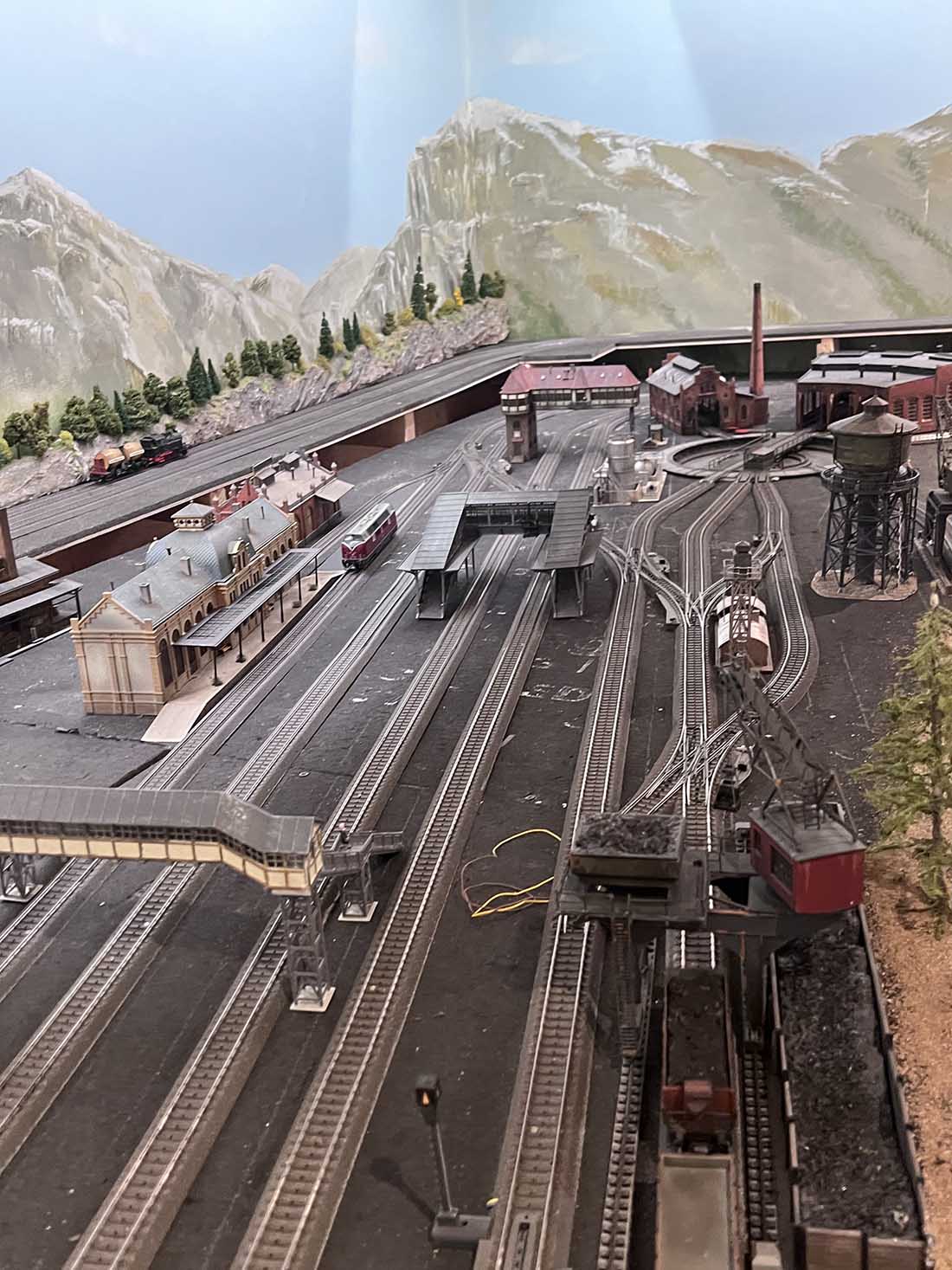
The train station I built is in the middle of two 3ft passenger platforms.

I would estimate that after just 2 months work i’m about 20% along. Hundreds of trees to be added and more people. Street lights and telephone poles will be added soon.

System runs on dcc with Bachmann locos.

I will send more as it progresses!

Joe”

HO scale bench

HO scale house

HO scale gas station

DCC HO scale layout bank

DCC HO scale fire engine

DCC HO scale sidings


Now on to Andrew:

“Hi Al,

Thank you to all your readers and to you for sharing good ideas.

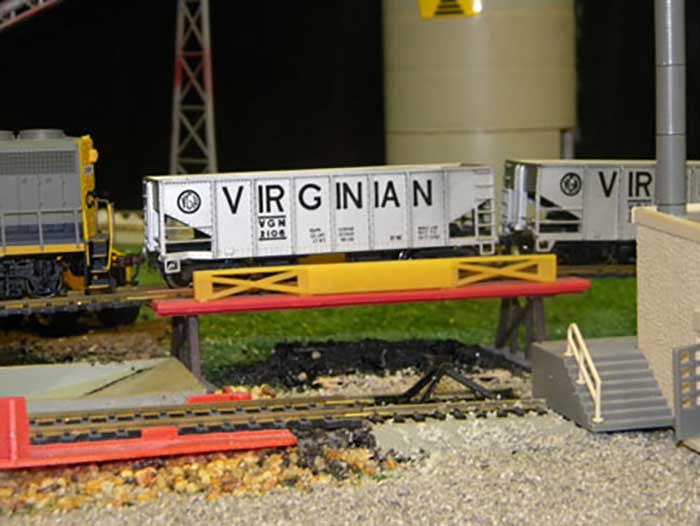
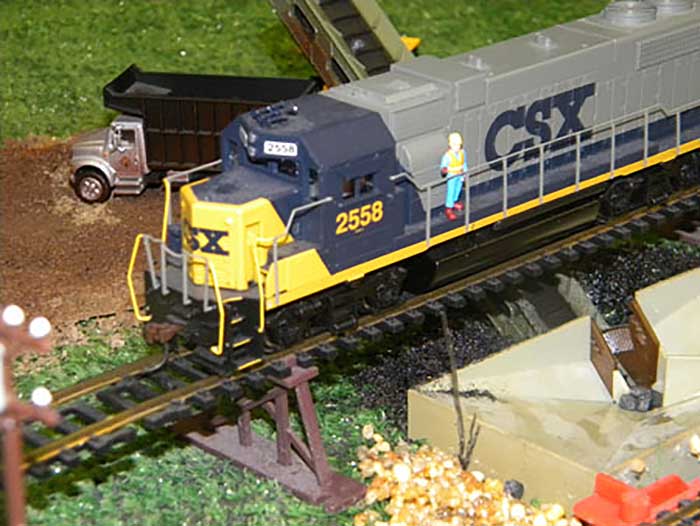
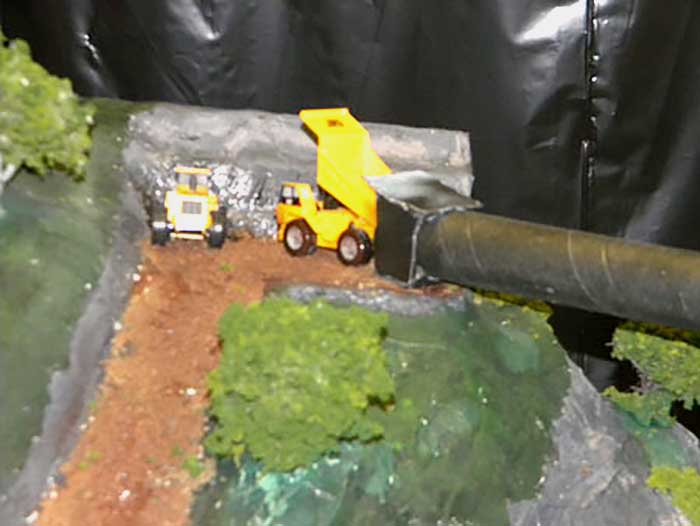
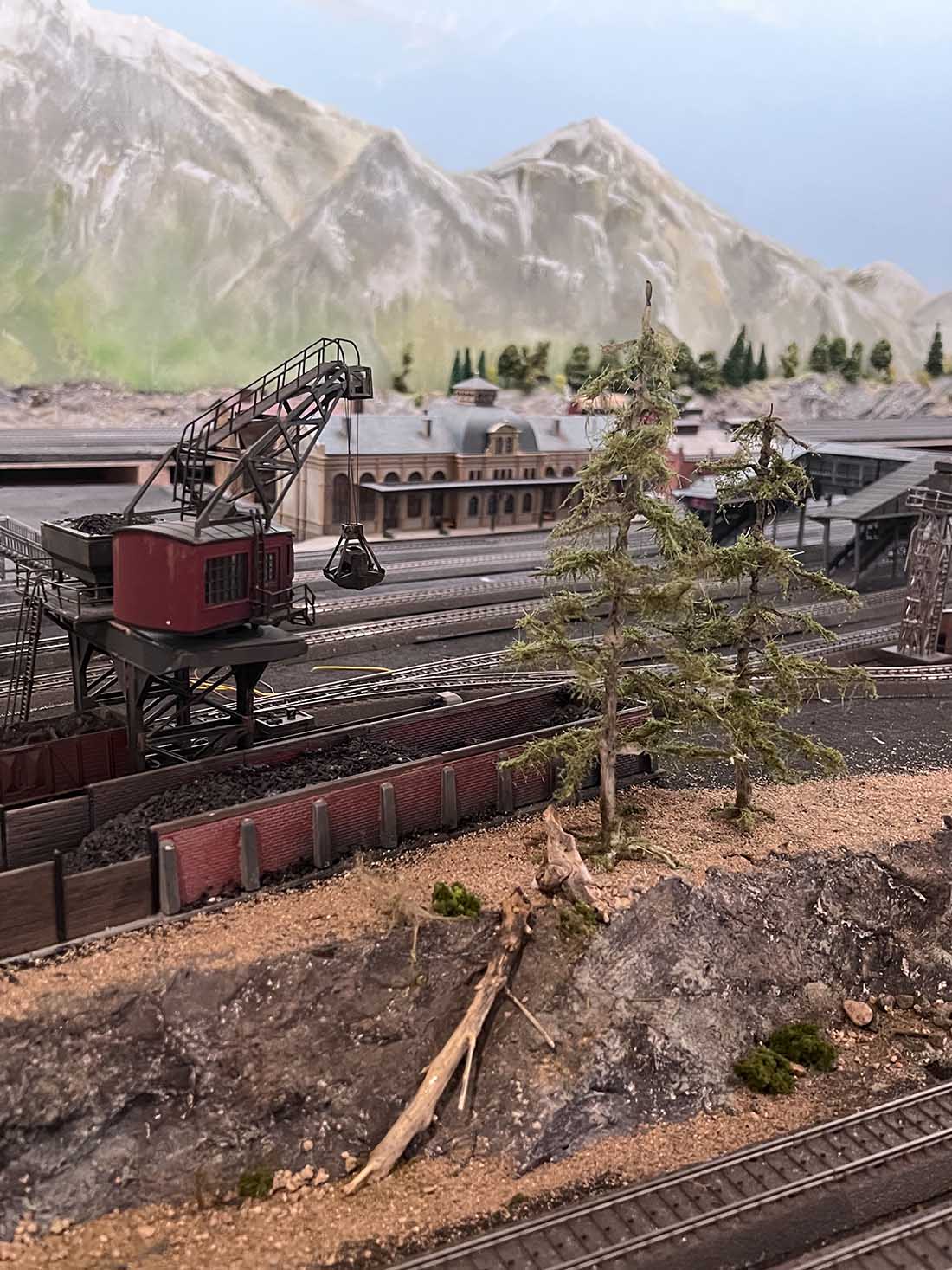
I saw your recent post from Roberto with recycled tracks rails as a cargo for his wagons. Attached are some photos of my use for the spare sleepers. I made coal bunkers with the redundant sleepers and coal from the foam that protected my last computer. Coal in the trucks is random lumps off the sole of old flip-flops (thongs in Australia)

Best wishes to you and all your readers

Andrew

Andrew”

model train coal bunker

coal bunker HO scale

Now on to Alan. And I have to say, I agree with him. Why just dump your unused cars and locos in a box?

“Hi Alistair, I just thought that you may like to see the sought of thing that an odd mind like mine can come up with.

I wanted a storage shelf for my ‘O’ gauge vehicles and this was the start of “Justash Elf Village”, I could’nt see the point of plian shelves would appreciate all comments good or bad as we can always learn.

There are more photo’s of this and ‘Tramps End’ if you wish to see them.

Alan.”

A big thanks to Joe, Andrew and Alan.

That’s all for today folks.

Please do keep ’em coming.

And if today is the day you get started on your layout just like Joe, the Beginner’s Guide is here.

Best

Al

PS Latest ebay cheat sheet is here.

PPS HO scale train layouts here if that’s your thing.



Model railroad LED lights

Fred’s been back with his stunning model railroad LED lights:

“Hi Al –

It’s been a while, but this latest backdrop – in the center of my layout has taken almost a year to prepare and install.

It’s another plexiglass backdrop – 10” by 6’ which received a coat of black paint on the front side, then white gesso, in preparation for painting of water, city, and coastline mountains in acrylic.

I back lit it, in varying degrees of specificity, with most lights placed after I had painted it and could tell where to place lights.

Thus backlit, it was suitable for scratching out the building fenestration with tip of xacto knife to display lit windows.

The traffic lights, anti-collision lights, rooftop lights, bell buoys, auto headlights, factory strobe lights, coastal village lights are all fashioned from Evans Designs’ (Oregon) Pico or “Z” scale micro LEDs.

These are .65 mm wide, by .4mm high. Tiny but very bright. The 14” leads are no thicker than human hair, and difficult to work with or solder.

Then I glue with Cyoacrilinate (Sp?) glue a suitable segment of fiber optic thread (ranging from .25mm to .7mm depending on the effect) to poke through holes drilled where I wanted lights in the plexi backdrop.

Making these light sources takes forever, but like all things is much quicker when you manufacture a bunch at once. I would typically sit down with three dozen LEDs, a bunch of precut fibre optic threads about 3/4 inch long, a tiny cup with some fresh crazy glue in the bottom, and a can of spray accelerator beside me.

Taking a new LED in one hand, isolate the proper side of the light (back side, if you can see it, is slightly blue, and shows the solder connections.) give a quick spray on the light, then with other hand dunk the fibre thread in glue.

Then, channeling all of your remaining possible vision, stick the end of the thread to face of the light. Don’t breathe! Wait a good five seconds and start to relax your thread holding fingers to see if it’s fast. If it is, you’re almost there…

Now taking a glue detailer wire that I forgot to describe, just dive into the cup again and fetch a tiny drop to circumscribe the junction of the FO thread and the face of the LED.

Spray it again and you have one of Fred’s unpatented “LED/Fibreoptic mosquito lights” for your train layout.

When you have a bunch made, twist them together for convenience at spraying with black paint and for visual location on your bench.

If you can’t get this to work for you, no one will hold it against you if you throw your favorite anvil through the shop wall. I’ve come close!

(I used .060 inch plexi this time, but discovered to my frustration that to properly backlight a reasonable string of buildings, I needed to glue thicker plexi to the back, sanded on both sides to diffuse light.

I have found that I can get away (despite all the advice) without resistors, as long as I run them off Woodland Scenics “Just Plug” hub and four dimmer switch distribution modules. (Other areas of the layout have been working fine for over seven years now.

The only thing is that you have to segregate the circuits by color, or weird things happen. This makes for wiring problems – you should put all the static red A/C lights on one circuit, but if there are towers, smokestack lights, hi-rise buildings, etc. across the six foot width of the panel, then you wind up having to string these lights from four or five modules.

By ganging up similar lights ( usually white lights can be “ganged” up to a dozen or more this way before the brightness is compromised. Be careful with insulation – one short will trip the breaker on that “Just Plug” dimmer circuit, killing them all, (or worse yet, blinking!)

When placing different colored lights through some backlit plexi, first I paint the inside of the holes, and especially the lights – with their short little fiber optic noses (they wind up looking like big mosquitos before installation) with black spray paint. THIS IS VERY IMPORTANT, otherwise different color light will spill into adjacent parts of the backdrop.

Threading the light through the hole, I put a drop of crazy glue on the backside, pulling it quickly with the fibre optic thread, gently, until it’s snug against the back of panel, and then I give it a brief spray of glue accelerator. With my light in place, I snip off the thread on the finish side of the backdrop. LIGHT WILL ONLY EMIT FROM THE TIP OF THE THREAD.

That the fibre optic thread might protrude a fraction of a mm beyond the face of the backdrop actually turns out to be a help, because after painting or touching up a bit you can still spot where the light is.

When you’re all done, you can either snip a little closer, or carefully sand off the tip. I use women’s fingernail emery boards.

To adjust the light level in each light, you can either dim it from the module, or taking a tiny piece of wire, dip the tip in black paint and juuussst touch the end of the fibre optic thread. (Takes hours!)

Anyhow, using this technique, (and maybe five or six hundred LED micro lights and thirty lighting modules for this part only, I have built a model railroad LED lights backdrop that looks a lot like the Hudson or East River in NYC, I think. I still have a lot of finish painting to do, but now I’m going to make a cold martini and admire my new urban microworld.

Sorry for the “stream of consciousness” writing style, but I’m hoping some of your readers will be able to figure out enough to try it and maybe even tell me some things I haven’t learned the hard way!

Fred”

model railroad LED lights backdrop

model train back drop

model train back drop


model railroad LED lights night time backdrop

N scale oil refindery LED lights


A huge thanks to Fred for sharing his latest pics, and how he makes his stunning lighting.

His model railroad LED lights really do have to be seen to be believed.

If you missed his last post, this pic goes to it:

N scale harbor airport night

Fred’s N scale factory.

There’s this one too which is just as stunning:

N scale layout.

Please do leave a comment below – I’d love to know your thoughts on this one.

One last thing, Dale has asked about a track short, can anyone help?

That’s all for today folks.

Please do keep ’em coming.

No really, please do send something in – otherwise I’ll have to put my feet up for a bit!

And if today is the day you stop dreaming and start doing, the Beginner’s Guide is here.

Best

Al

PS Latest ebay cheat sheet is here.

PPS More N scale layouts here if that’s your thing.


model train answers

Tom’s 1950s N scale

Tom’s been in touch with his 1950s N scale – I do love a layout with a theme!

“In the 1950’s I grew up with a Lionel train table my dad built in the basement of our house in Berkley Michigan.

About a year ago I decided to build a N scale railroad in my house. I first had to do a lot of reading about the changes in model railroading from the 1950’s. DCC what a change from having to section off different areas of your layout. Also what materials are now available for landscaping from card stock buildings to ground cover.

THE THEME:

The theme of my railroad takes place in the early 1950’s on the Baltimore & Ohio rail line between Baltimore and Cincinnati. The village is in the mountains of West Virginia along Highway 50.

The main line along this route takes you through the mountains into the rolling farm lands of eastern Ohio. There are two spears one that will take you up into the village with a stop at the passenger depot. The second spear is to the local coal mines and trucking fright yard.

Tom”


Now on to Greg:

Greg’s been in touch with some fab pictures of his HO scale diesel locomotives.

But what I like best about his layout is not the locos, but how he’s picked his theme, and then how he’s made it personal.

Carry on reading and you’ll see what I mean:

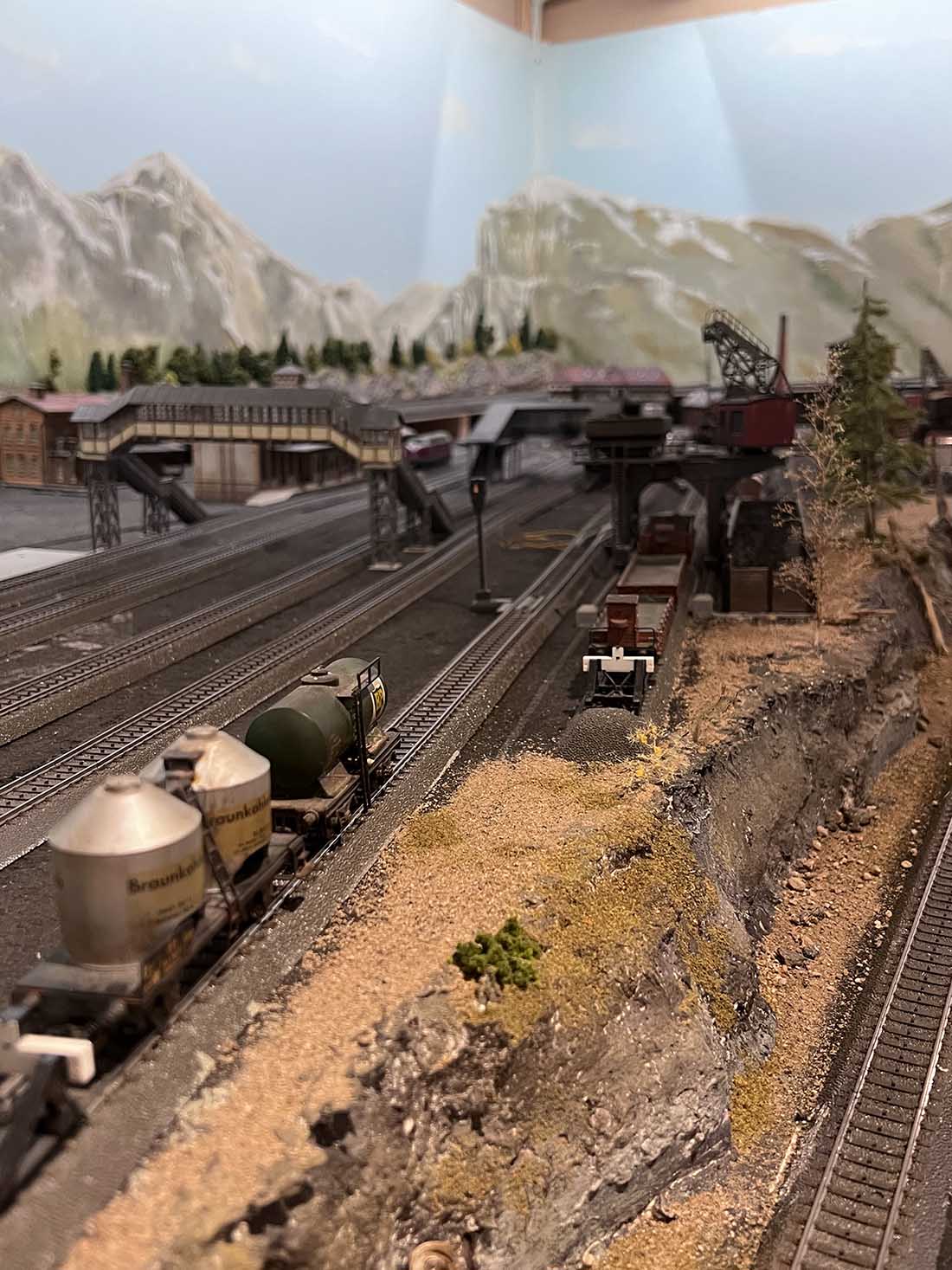
“My current layout is 26 foot by 18 foot modeled in HO scale. It is a DC layout.

My layout is a “living scrapbook” of my life. Several of my HO scale diesel locomotives are ones I either road/worked on when I worked for the railroad or ones I have seen in person.

I have done a lot of custom painting and detailing of my locomotives and rolling stock to bring the personal connections to them.

HO scale diesel locomotives

Several of my car and locomotives are numbered for friends and family, birthdates or anniversaries as the reporting numbers. Great way to make things mean more to me personally that way. It has a connection to me more than a store bought stock number.

I have a nice mix of diesel locomotives as well as a few of the giant steam locomotives which allows me to enjoy a wide time frame of operations this way.

The layout is, as most of us model railroaders feel, a work in progress.

I’m still adding details to the scenery as well as more lighting for the night time effect. I’m already working on plans for a bigger layout when we move and have more space.

Greg”

HO scale diesel locomotives

HO scale diesel locomotives

HO scale train station

HO scale freight

model train girder bridge

model railroad girder bridge

HO scale diesel locomotives freight

HO scale diesel locomotives freight

model train barn

model train yard

HO scale diesel locomotives freight

A big thanks to Tom and Greg.

That’s all for today folks – please do keep ’em coming because I’m pretty much out of stuff now.

Dare I say it, but I might even have to put my feet up for a few days next week – it’s that quiet.

But if today is the day you stop dreaming and start doing, just like Tom and Greg, the Beginner’s Guide is here.

Best

Al

PS More HO scale train layouts here if that’s your thing.