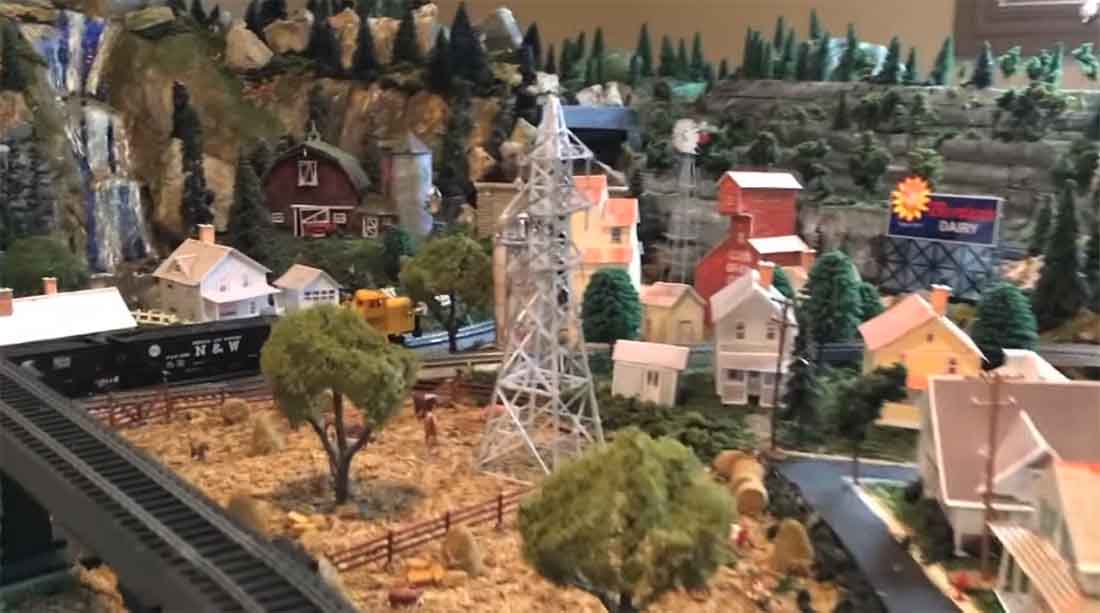
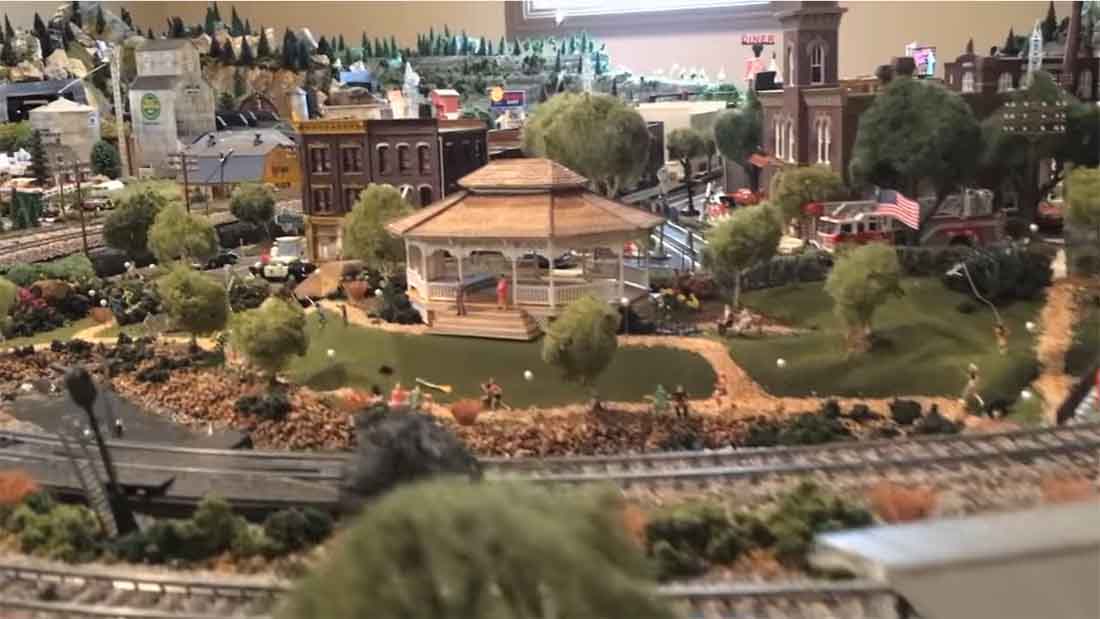
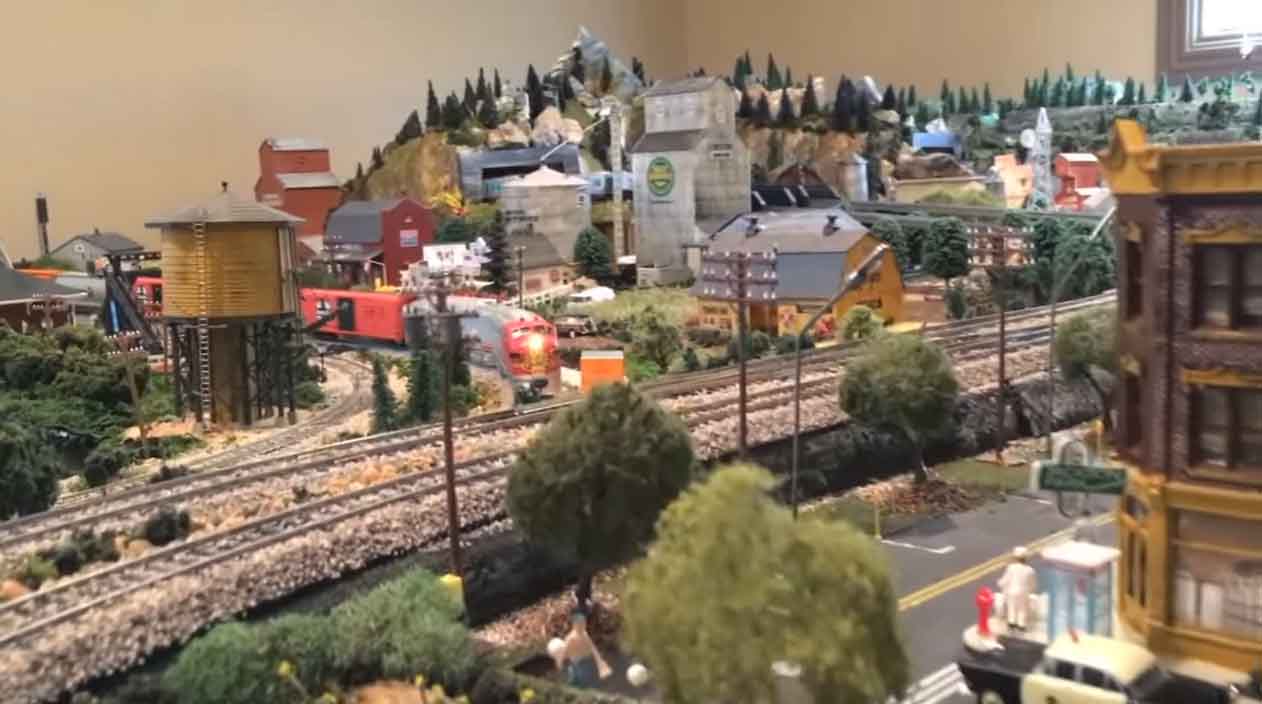
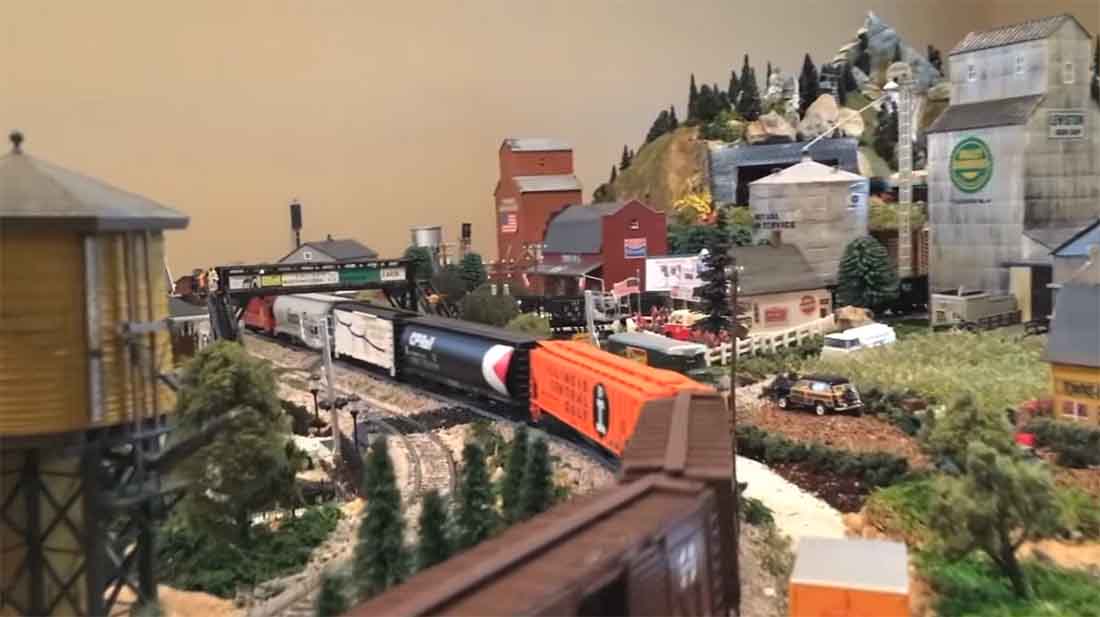
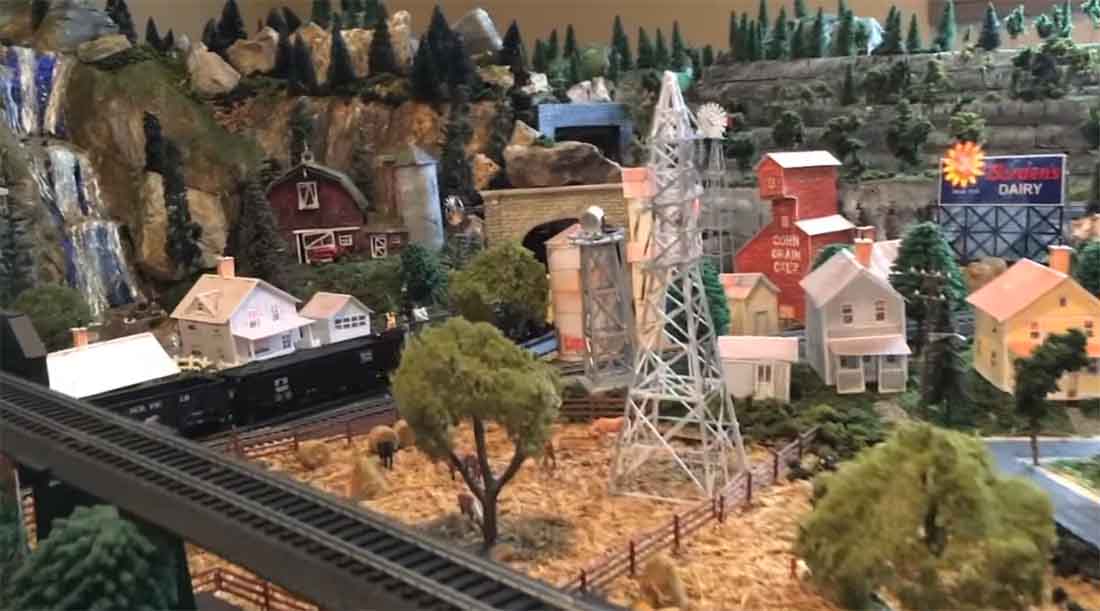
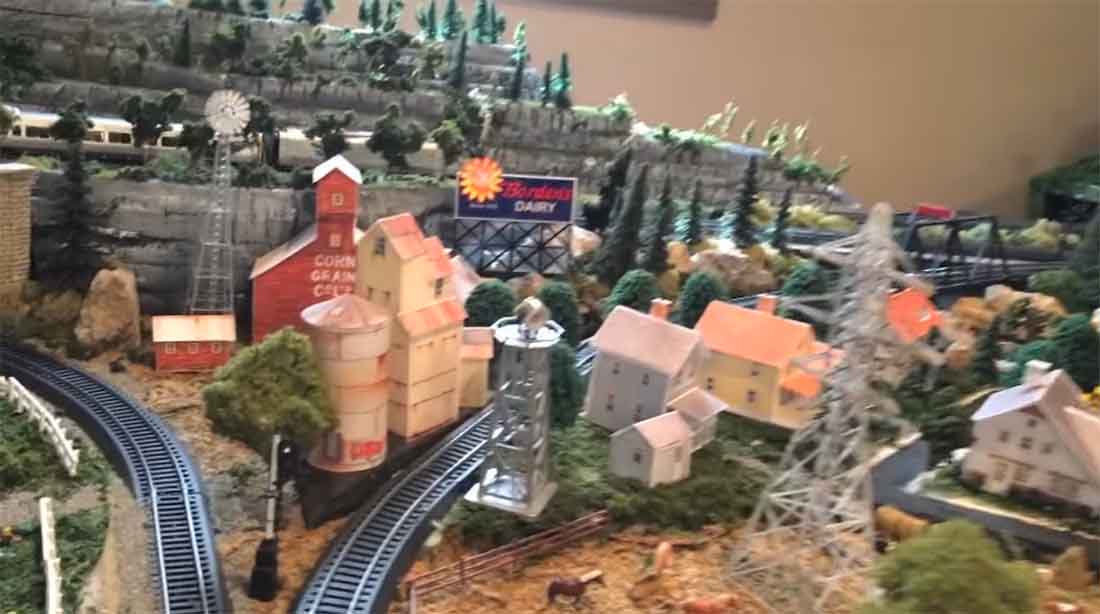
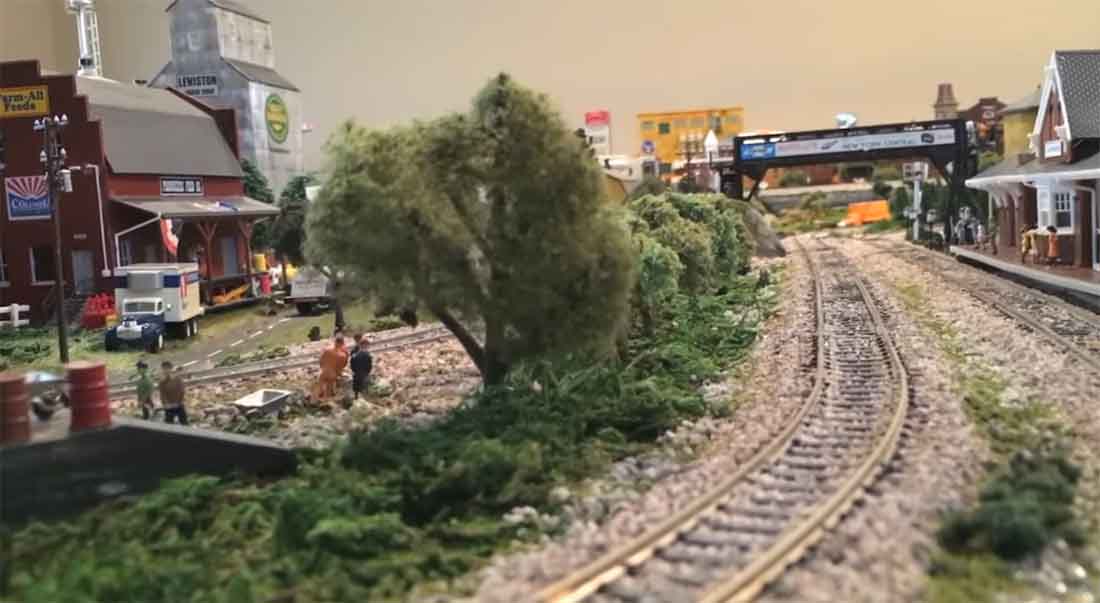
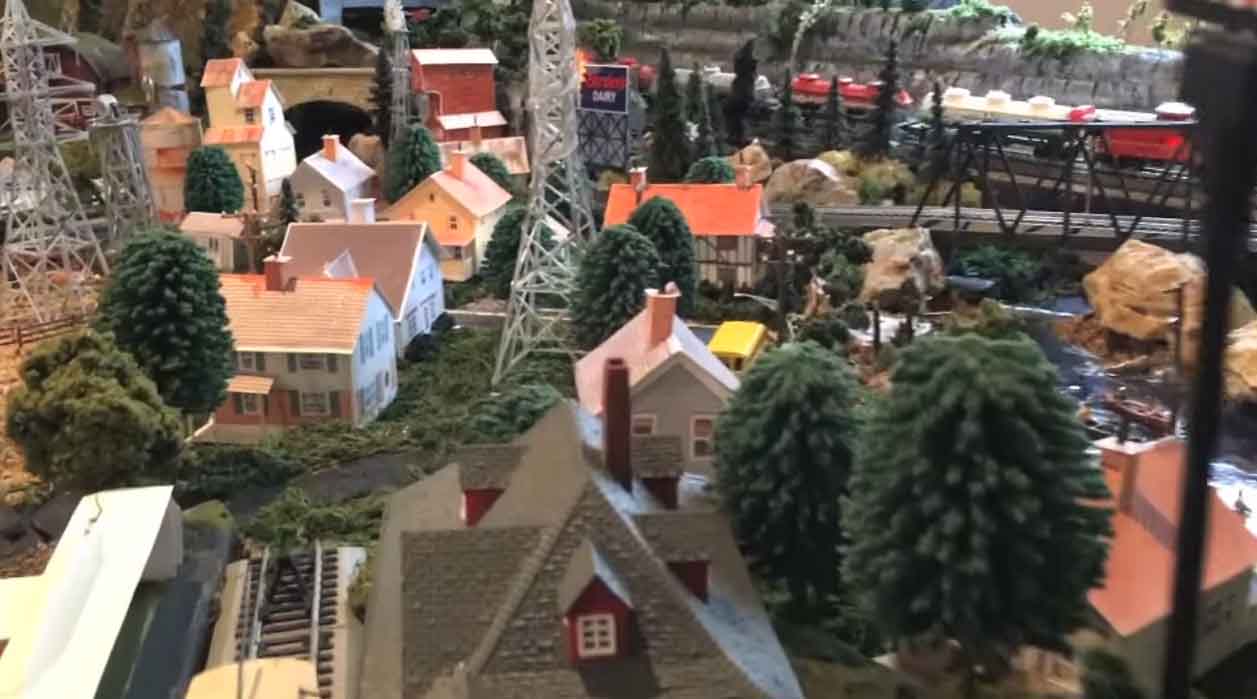
HO scale helicopter fly through

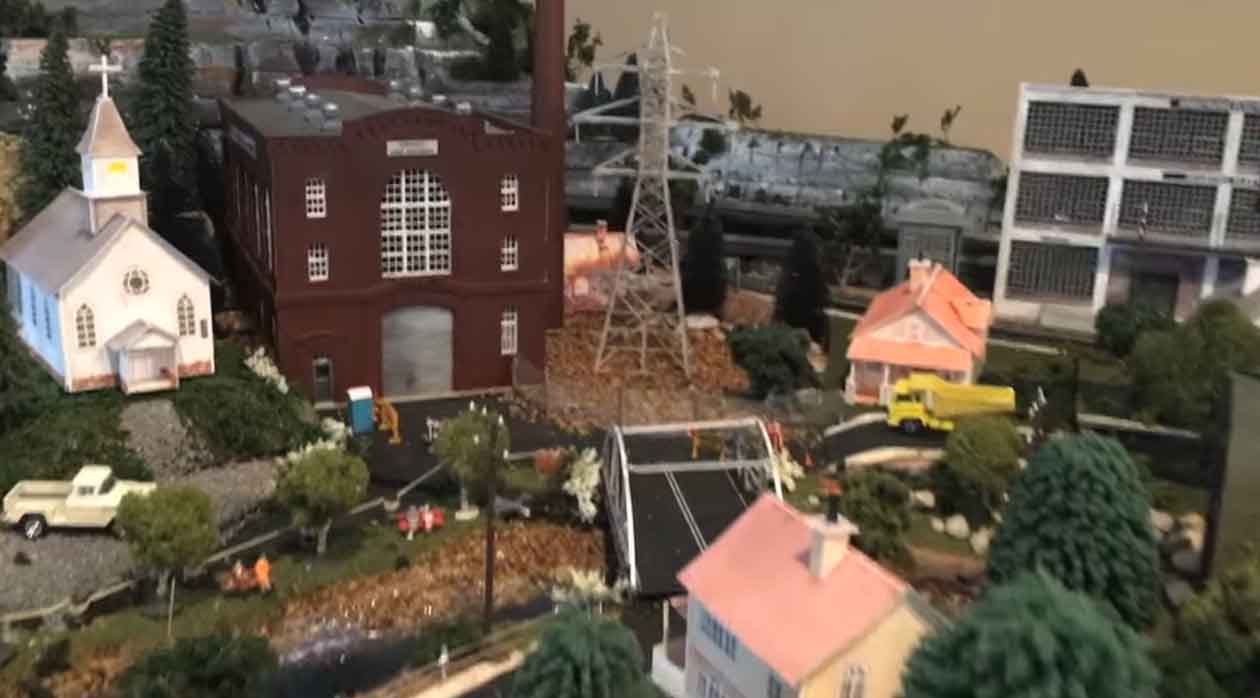
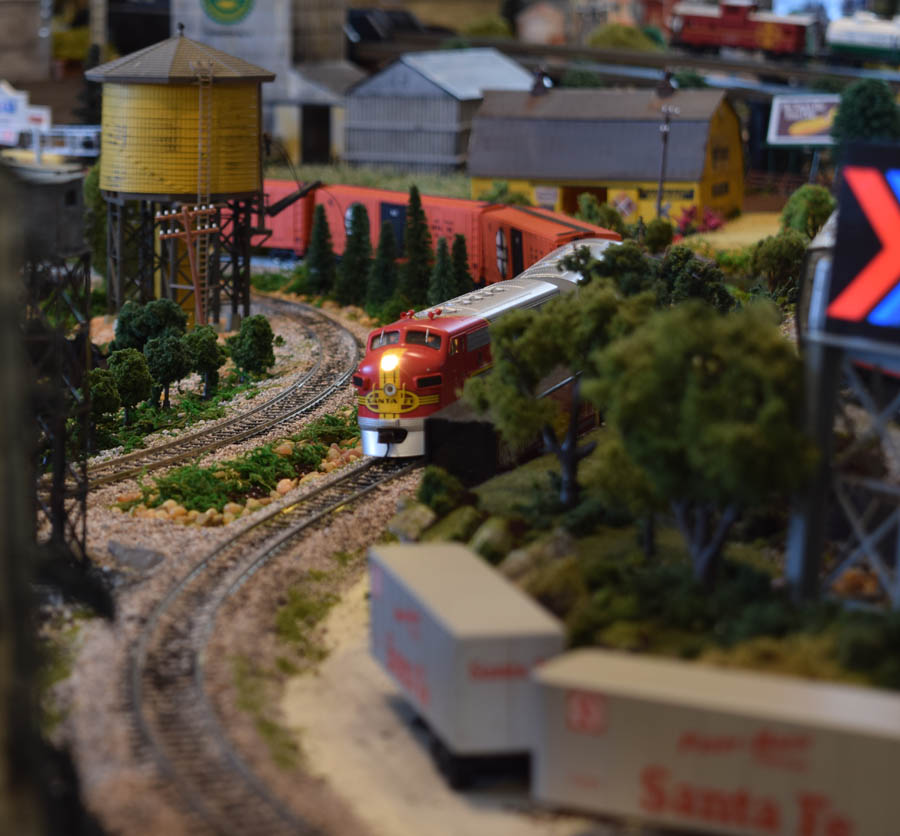
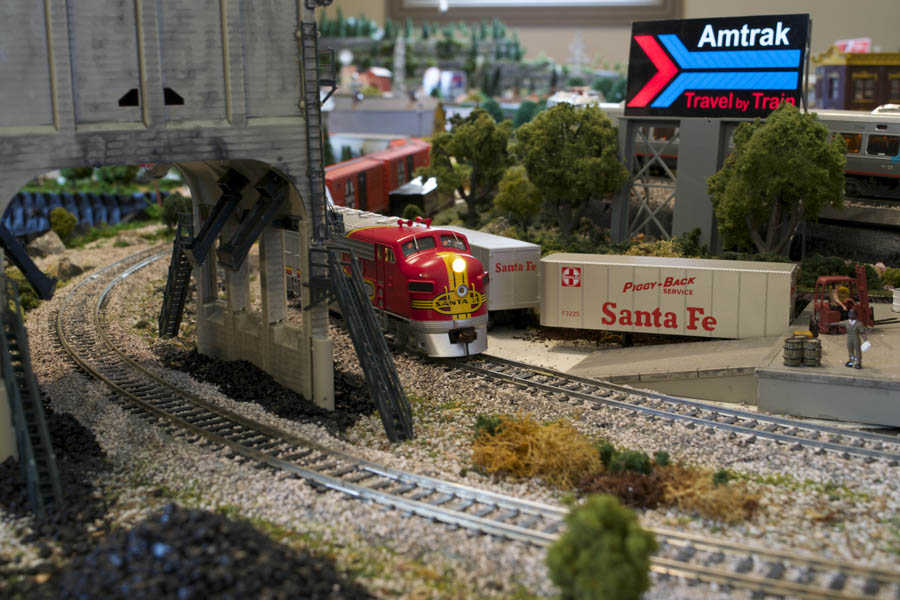
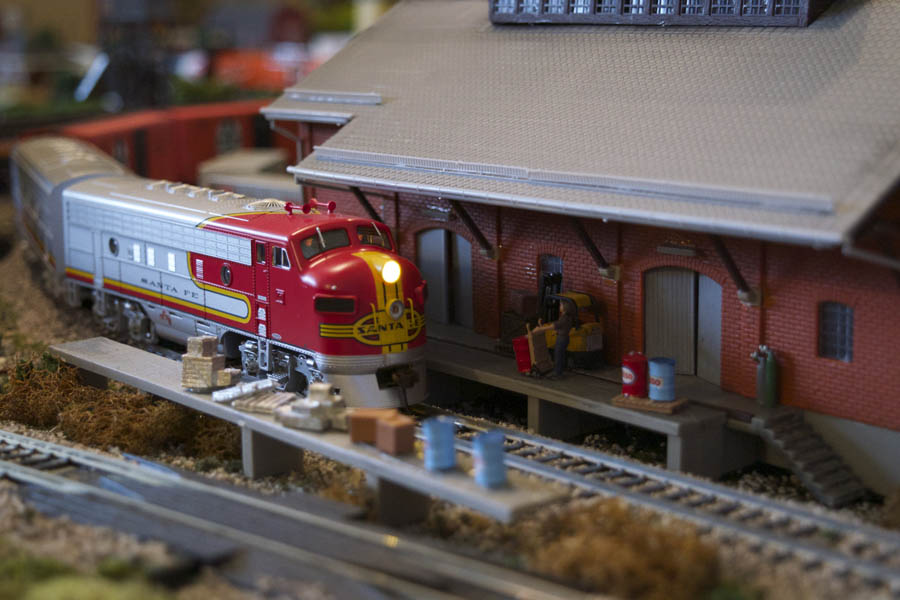
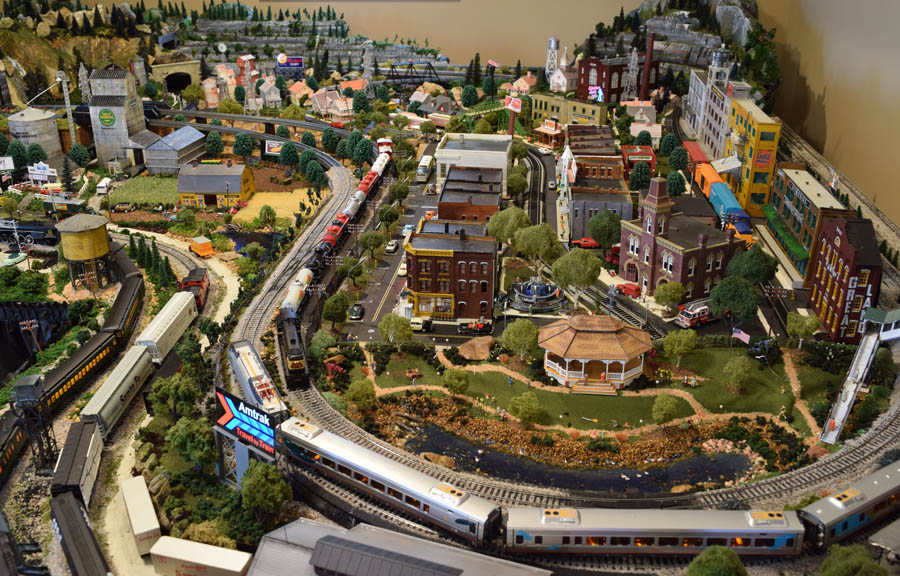
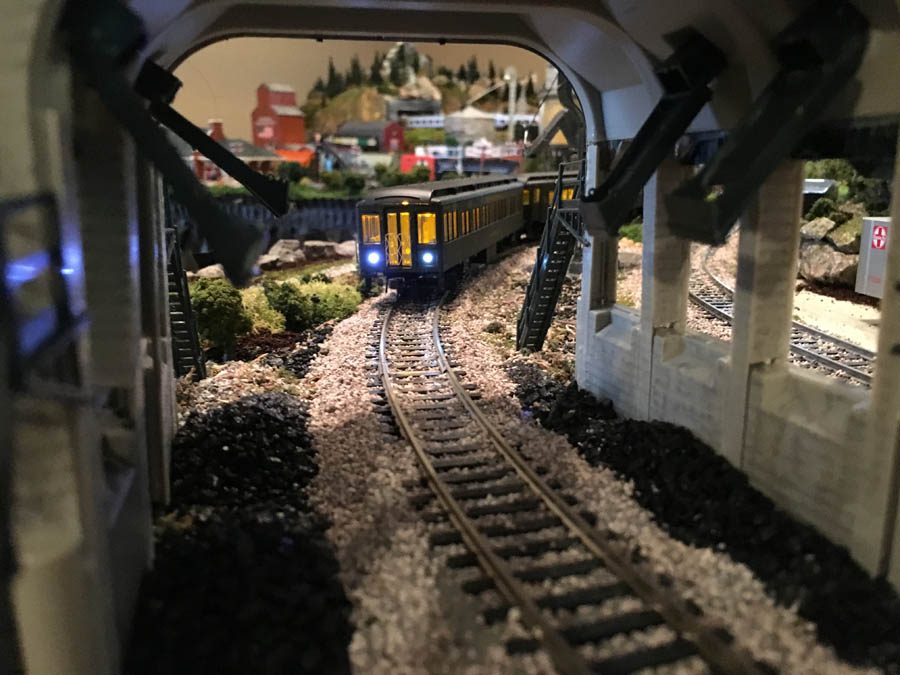
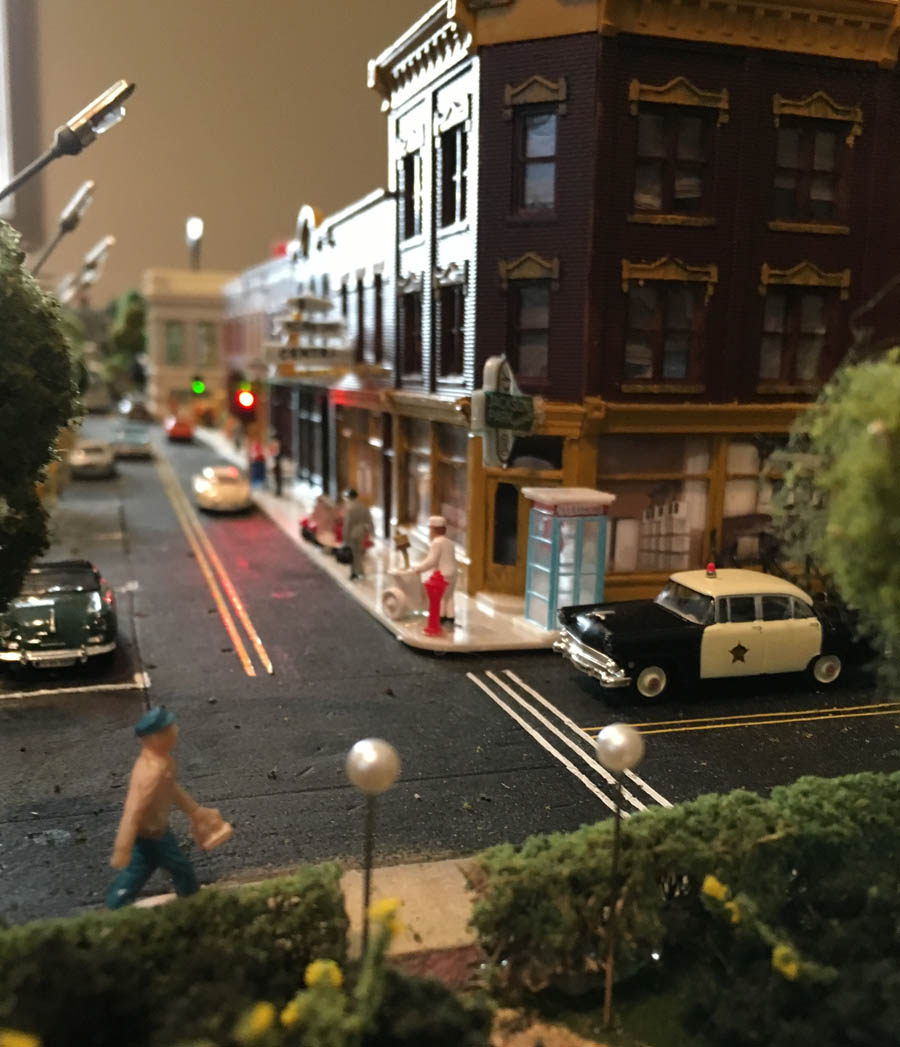
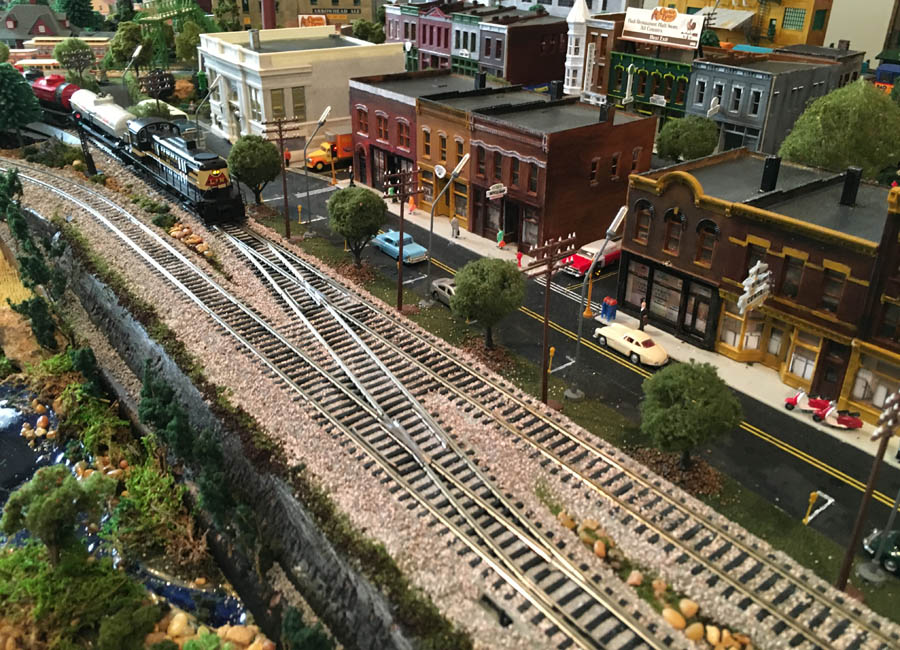
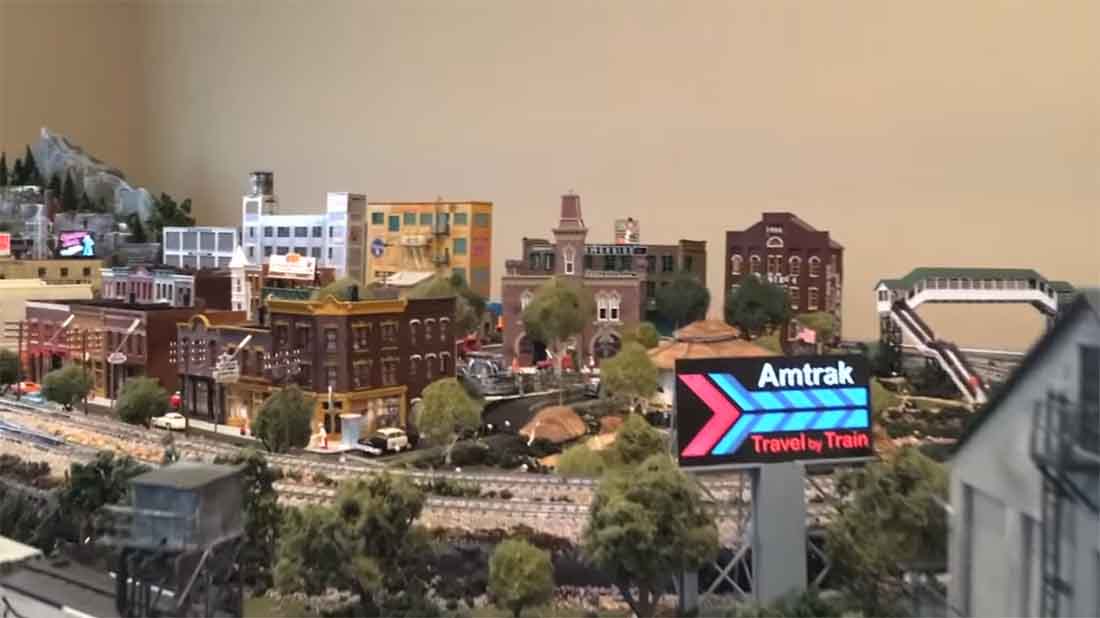
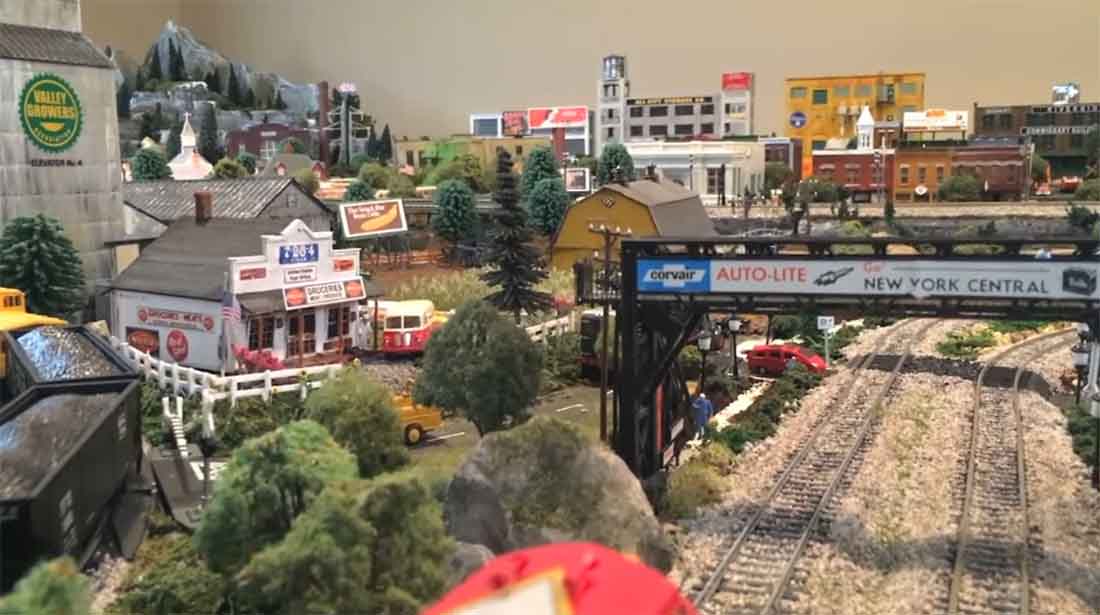
This put a huge smile on my face – Mike’s HO scale helicopter fly through.

A wonderful bit of fun – but you eyes are soon glued on the scenery.
HO scale helicopter fly through

HO scale printable buildings

HO scale printable buildings

model train

model train

HO scale printable buildings houses

HO scale printable houses

HO scale printable buildings houses

model railroad


HO scale helicopter fly through:
HO scale helicopter fly through

HO scale model railroad printable buildings

HO scale printable buildings church


If you missed Mike’s last post, it’s here. Some stunning pics and another video too.

And I was right, a lot of Mike’s pics are in the Beginner’s Guide.

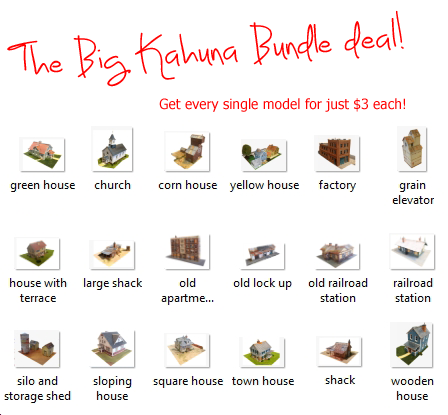
Not all of Mike’s buildings are from the printable buildings buy you’ll see the ones that are.

Now on to Fred, who has some worthwhile tips:

“Hi Al,

I’ve only been reading your blog for a week now, but have enjoyed it immensely.

As a relative newcomer to railroad modeling I can’t offer any “how to” tips, because I haven’t really had the experience for years (I’m 70 now – last electric train I had was the Lionel “standard Gauge” monster I inherited from my dad!)

For years I was an RC aircraft modeler, but eventually got worn down by the violent destruction of years of work from control mishaps or a lost radio signal!

So I approach railroad modeling in my dotage with the hope of less heartache from my creations. As a newcomer I can still give you my recent impressions about this wonderful hobby, nonetheless.

As a professional architectural modeler of the 1970s and 1980s, the most important thing to me (then and now) was the issue of scale, and all of us designing buildings developed a pretty good eye for something that was out of whack in our models.

Whether or not people understand their sensitivity to scale, most viewers have it. And I would guess that all RR modelers share a real sense of it.

After all, for many modelers that’s really the whole goal, isn’t it – to achieve success with the illusion that you have created a miniature world (or a piece of a miniature world) that evokes the real thing.

And few issues are as important as scale. Texture of materials has scale. Color has scale – look down at a “real life layout” some time from an airplane and notice how the colors fade as a function of their distance from the eye, even without apparent help from air pollution.

Movement has scale – a flashing light on a police car is not the same as a flashing anti-collision light on a power plant stack. One flashes rapidly, the other in a lazier “on/off” sequence, since the larger bulb filament takes its time to completely go dark. (The current day electronics for reproducing scale lighting effects are really remarkable.) But one careless decision on track ballast can undo all the well executed aspects of your model so far.

Developers often use scale phenomena deceptively to make a building site look larger and more commodious than it really is – simply by changing the size of a piece of architectural vocabulary that offers some fundamental insight into scale – the size of the bricks or concrete block in a drawing, for instance.

When I built models I always spent a lot of time fashioning scale human figures on my foam cutter. I made sure that their heads and hands were the correct size. Although I sometimes used them in the final presentation model, where they helped me was in their placement within various portions of my designs – Is there adequate room in the lobby of a building? Does it feel cramped? Or does it feel cavernous? At the end of the day the human figure was the perfect yardstick, not only for my model, but for my design behind the model.

I would suggest that scale figures can help in RR Modeling as well……not necessarily as end participants in the layout as much as a visual aid during the decision making process. An aid at choosing and building structures, spotting an offending detail from kits (I find that ladders and railings are a real problem in N Scale, and have already started pitching what came with my kits for a wire brass and solder solution on my part.

My tip is this: spend as much time as you can fashioning a couple of human figures at 1:160 scale (for N scalers) and then use them as you model. Use them to design your refineries, your feed lots, your Victorian neighborhoods. It will really help you envision your miniature world!

All the best,

Fred

Boston”

That’s all for today folks. Please do leave a comment below if you enjoyed Mike’s HO scale helicopter fly through.

Please do keep ’em coming.

And if today is the day you get started on your layout, the Beginner’s Guide is here.

Best

Al

PS More HO scale train layouts here if that’s your thing.


Union Pacific HO engine – Mike’s

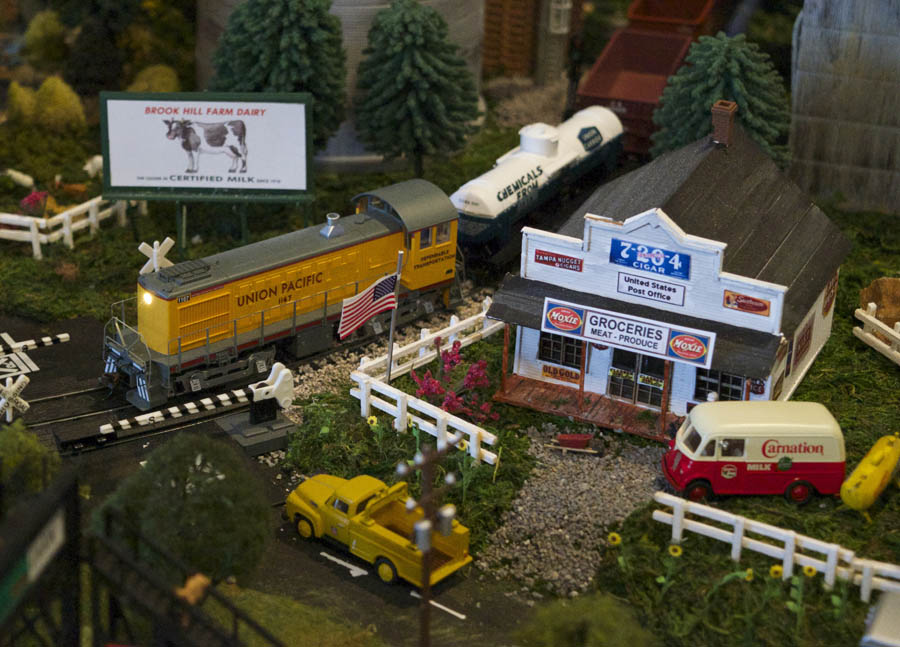
Mike’s been in touch with his Union Pacific HO engine layout:

“Good afternoon Al.

I Shot a video showing each scene in my layout and all my engines.

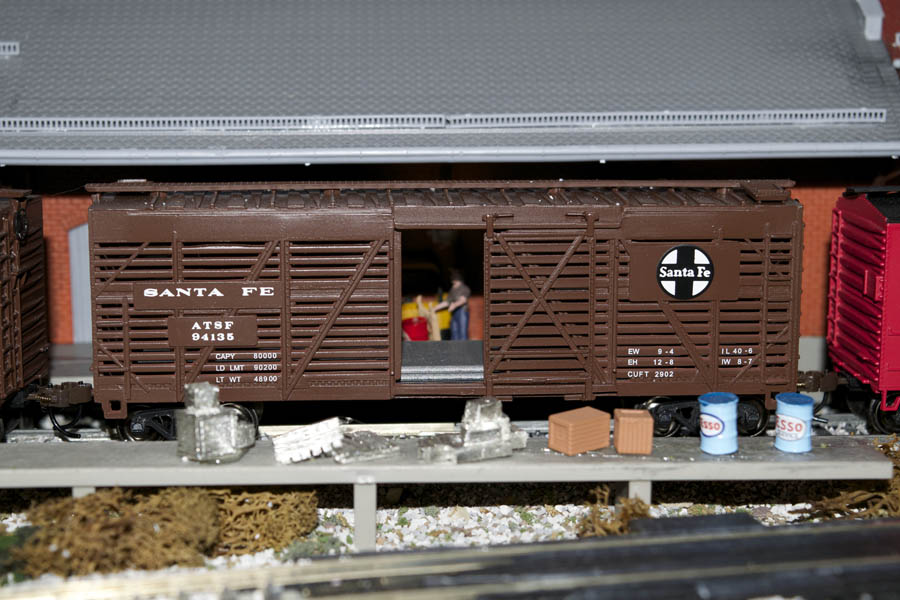
Santa Fe Freight
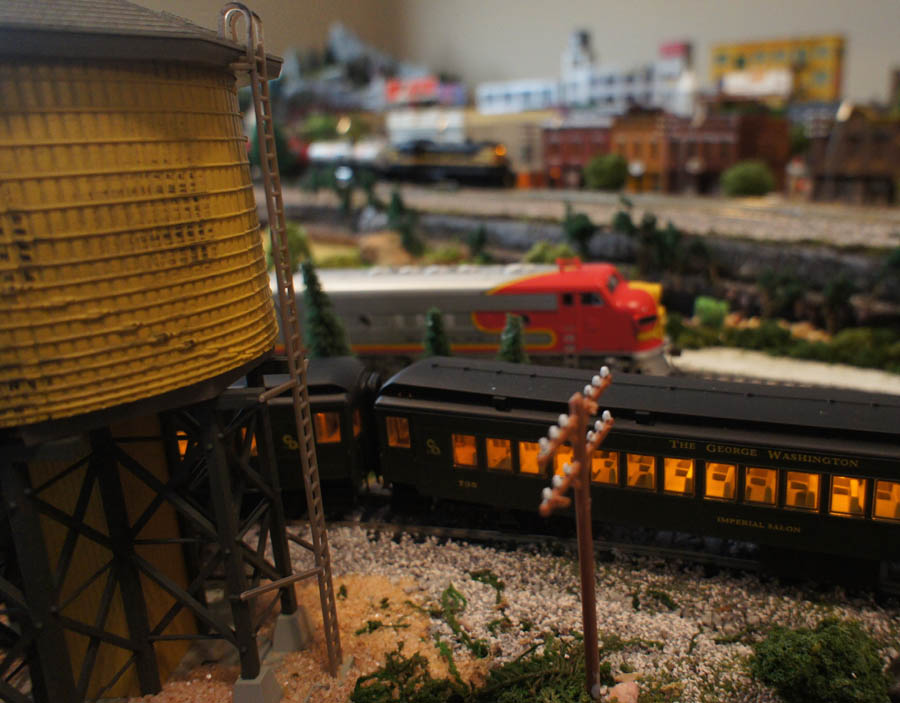
Chesapeake & Ohio Passenger
Union Pacific
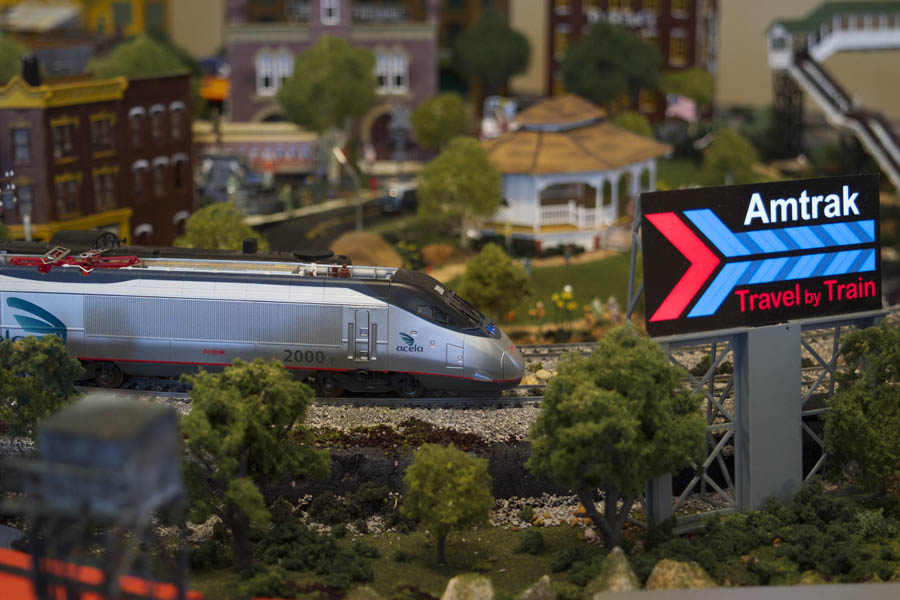
Amtrak Passenger
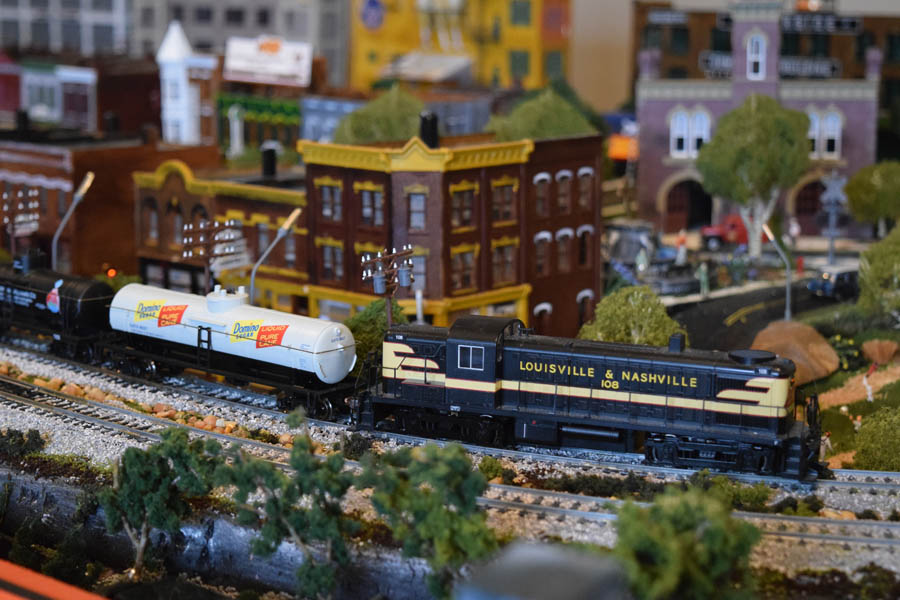
Louisville & Nashville

I’ve updated my layout based on feedback from my last post.

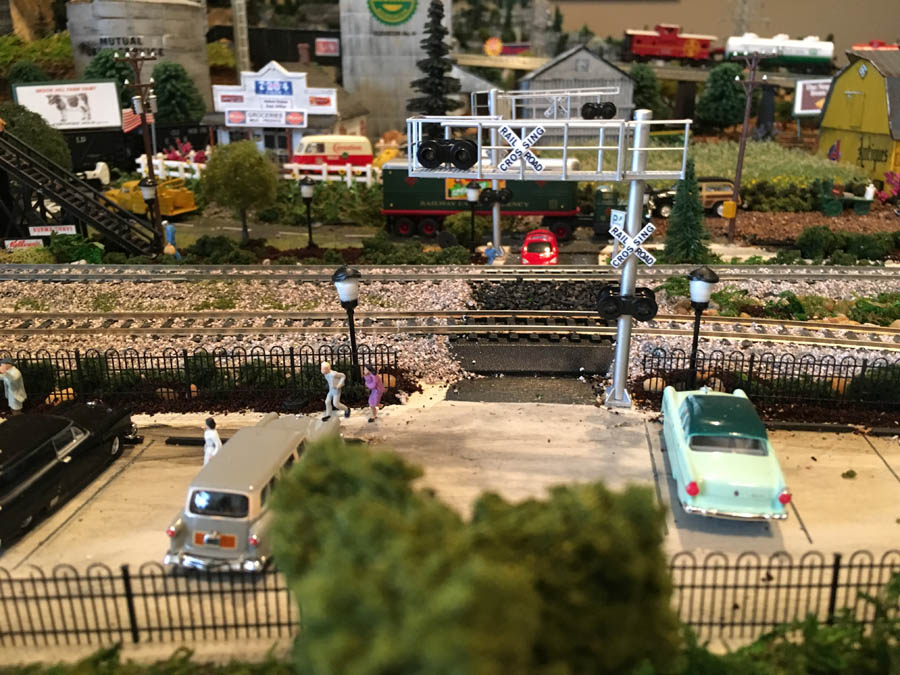
I added ballast to my e-z track. It looks much better.

I added one set of traffic lights, crossing lights and street lights.

I’m still not that great with my wiring so I only have the traffic lights operating.

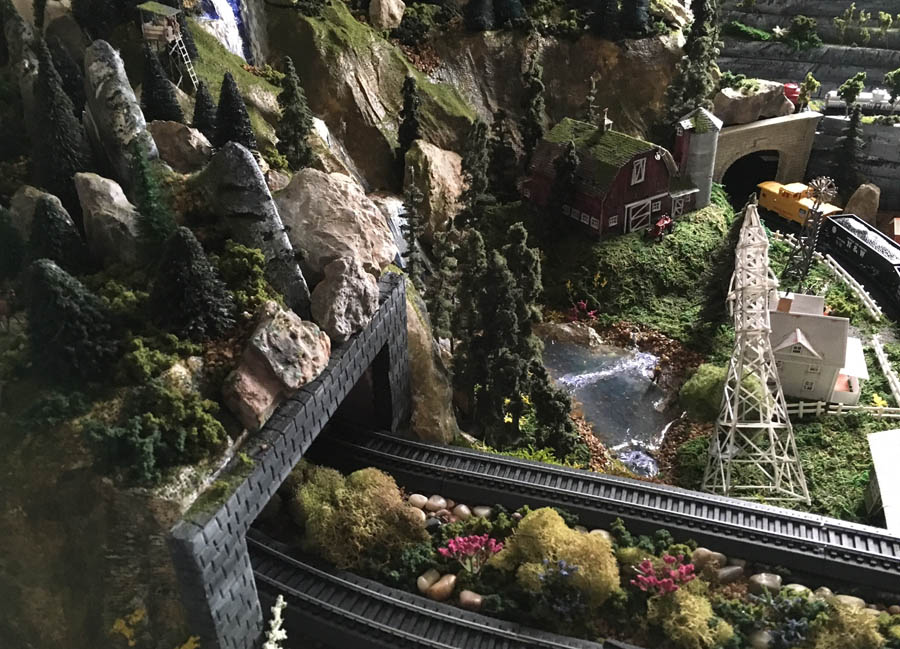
I’m also sending some pictures of each engine and some scenery and one more video that I had some fun with.

I want to thank you and your readers for all the tips and suggestion.

Now its time to enjoy.

Best,

Mike”

Union Pacific HO engine

Union Pacific HO engine background

santa fe HO engine

santa fe HO engine

santa fe HO engine

sant fe HO engine


Union Pacific HO engine:

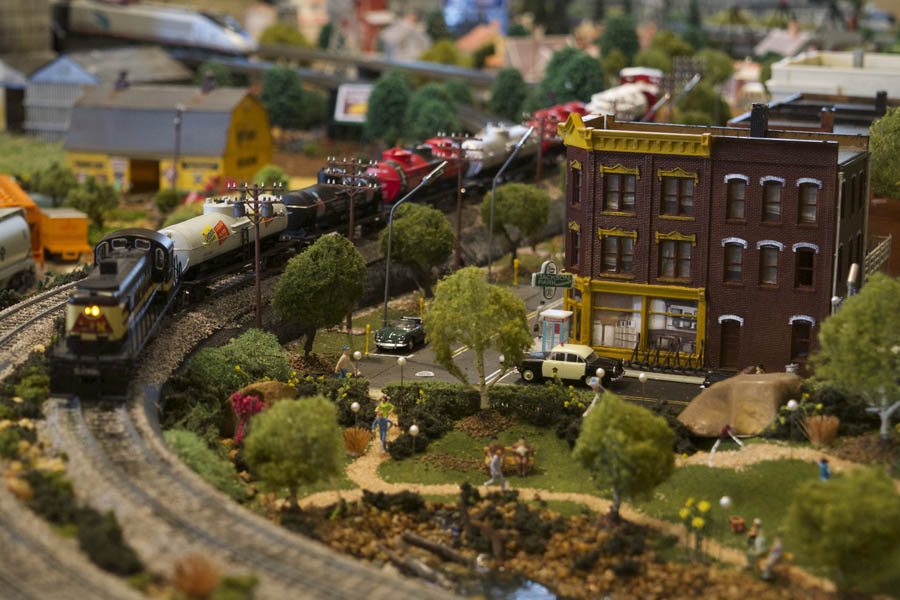
freight

Louisville & Nashville engine

Louisville & Nashville engine

amtrack ho scale

steam engine ho scale

Union Pacific HO engine

passenger car HO scale

model train tunnel

railroad crossing ho scale

Union Pacific HO engine

model train building

model train building

And this one is the video:


And lastly Dan sent this in which I rather liked:

“Alastair,

Well, the D&W RR has been in mouth balls for quite a while, so I have been absorbing the tips from all the other modeler so,but I think I have one or two.

The D&WRR has had box cars that were always what they call “shake the box”, they were quality cars, I believe they were Athern, just add the trucks,add the sliding doors ,etc. what they lacked was a good weight.

One day in a magazine, they said what an HO box or Hopper should weigh, I got a small light scale, to start weighing my cars, many were not heavy enough, which sometimes caused tipping on curves.

One day at a train show, I bought a couple of 40 ft. Box cars, and noticed how nice and “heavy” they were,opening the doors, I found a fairly large steel nut glued inside, to increase the weight.

I bought those cars, and started to add the nut to my box cars, covered hoppers,and Cabooses. The extra weight rides better and smoother.

Dan, Danville and Western RR”

That’s all for today folks.

I can’t thank Mike enough for sharing his Union Pacific HO engine update – stunning stuff.

If I’m not mistaken, I think a lot of the pics in the Beginner’s Guide are from Mike’s layout. And no wonder, they are superb.

Hope you enjoyed Mike’s pics and vids as much as I did – have a look at all the comments below.

And if you model in HO or N scale, have a quick look at the ebay cheat sheet. It’s a silly time of year for some great bargains.

Please do keep ’em coming.

And if today is the day you get started on your layout, the Beginner’s Guide is here.

Best

Al

PS Latest ebay cheat sheet is here.

PPS More HO scale train layouts here if that’s your thing.


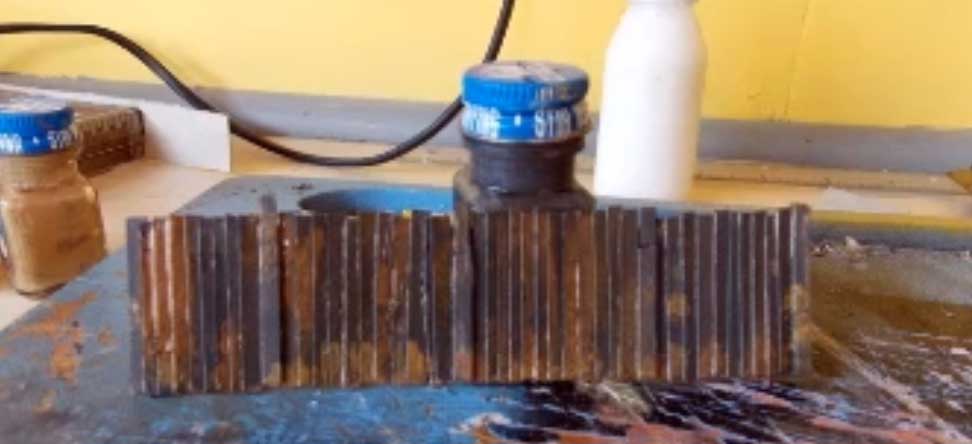
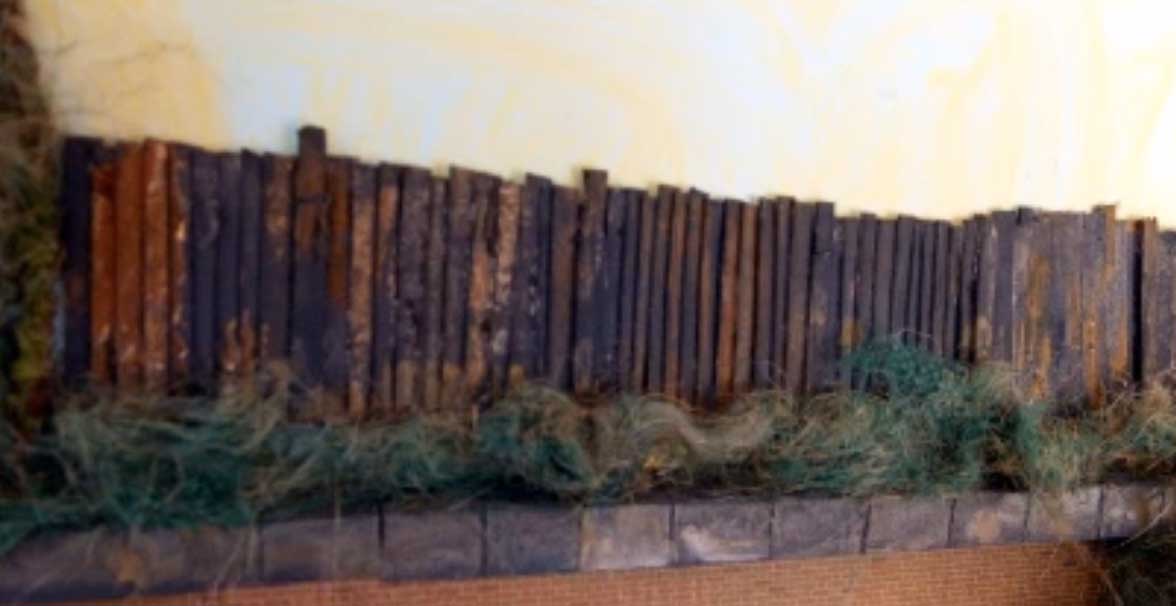
How to make fence for HO train scale

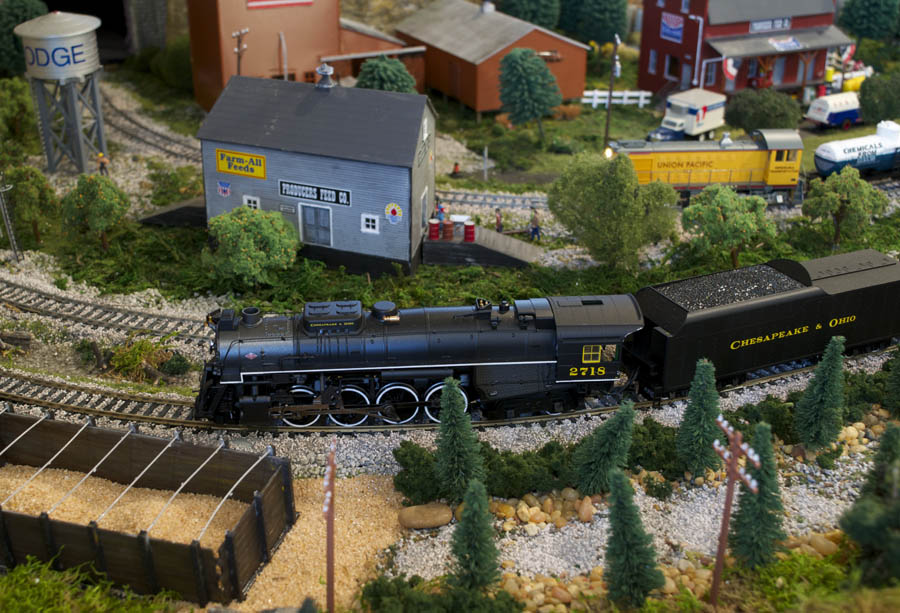
I got this in from Paul: ‘How to make fence for ho train scale’.

It’s always the simple ideas that work best.

“Hello Alastair,

Here’s a simple idea of mine that might be of some interest.

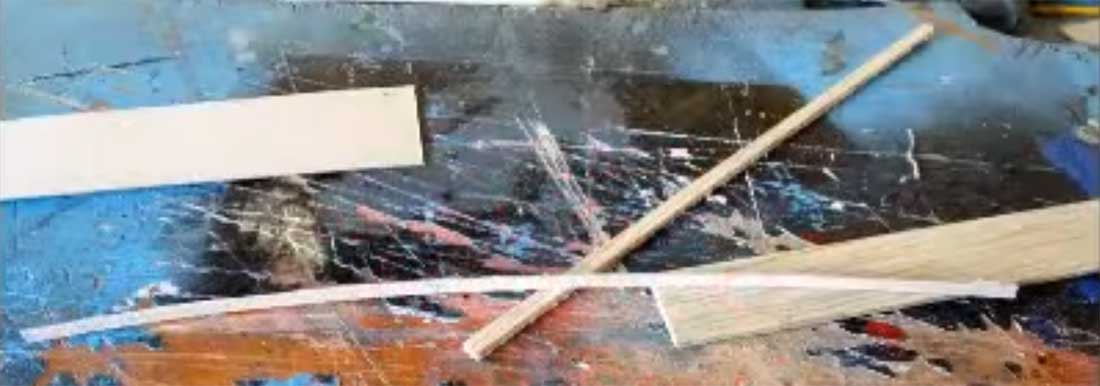
HO scale fence parts

Chop up some balsa wood and card

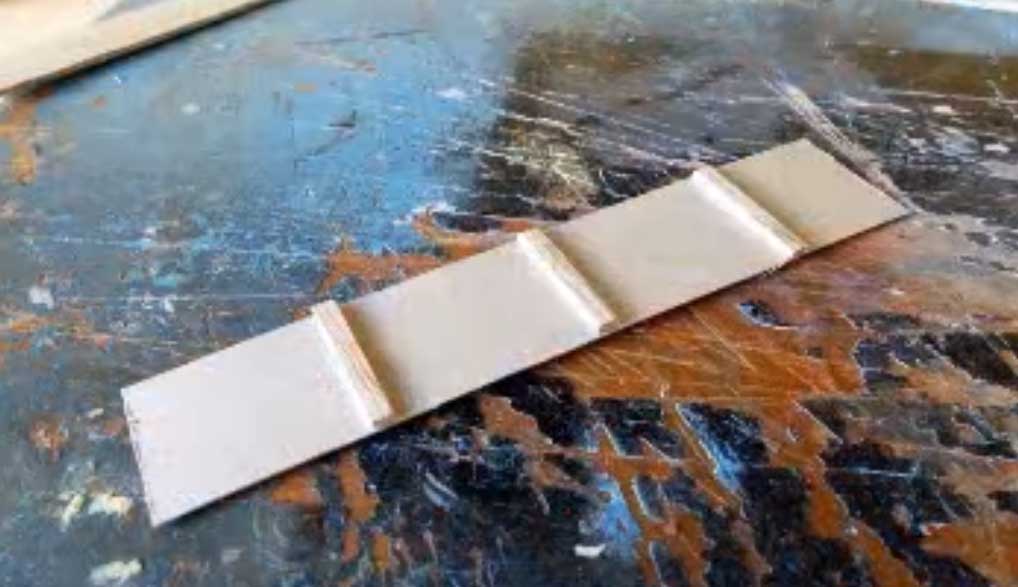
model train fence parts

Create a fence frame.

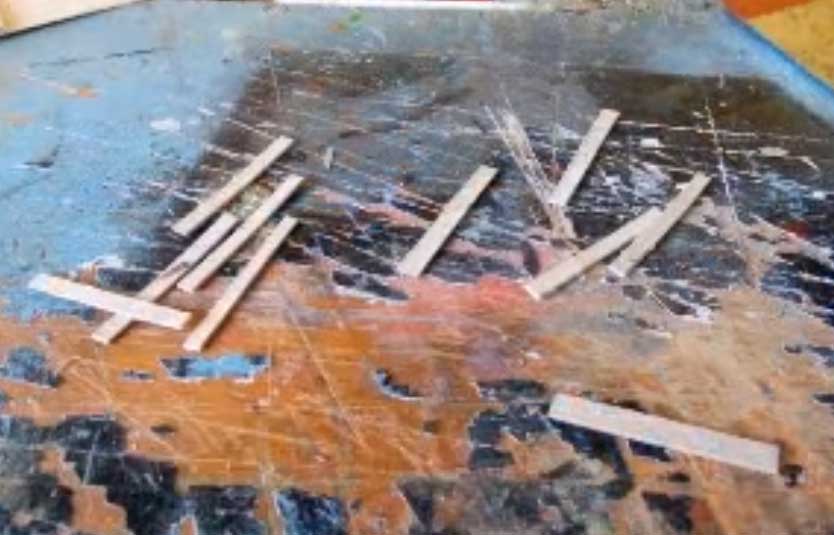
model train fence parts

Cut out some planks

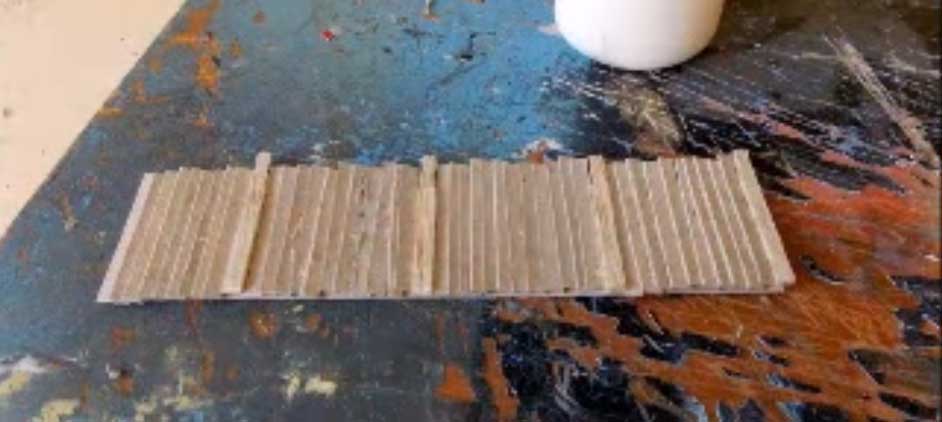
How to make fence for ho train scale

Add to the frame.

How to make fence for ho train scale

Paint with random dark browns.

How to make fence for ho train scale

Paul”


Next, some tips from Donald, Tony and Gary:

“Another idea for fence is to find lace ribbon in the type of pattern you want for the fence and lay it out flat and spray paint it silver or black, or any color you like and use 1/16 square stock balsa wood for posts and top/bottom rail, glue ribbon to wood. The materials are cheap and go a long way.

Tony”


“Hi Al,

A great tip for making chain link fences; depending on the scale your modeling, get two different sizes of solid wire use the thicker wire for top rail of fence & the smaller wire for your posts, cut to sizes you need, make jig on a piece of wood ( 1 x 4 ) works well, lay out your pattern on wood, cut grooves in wood to form your fence.

Next cut wire into lengths & lay in grooves & solder posts to top rail, set aside, then get some material that a dress shop makes wedding vales, cut vale material into strips to match fence size , hang strips & add a small weight on one end to stretch then use silver spray paint ,paint both sides of strips and let dry.

Next glue to your fence frames this makes a good looking fence.

Donald

P.S. I wouldn’t use your wife’s wedding vale unless she lets you.”


“You need to understand what you are modeling. Understand the era. The people, clothing, furniture, tools, locomotives, rolling stock, cars, trucks, buildings.

Take lots of pictures or find pictures to download.

Visit the area and look at the geography and plants. It is hard to model a railroad without Knowing the prototype. Being in love with the railroad and the era also the area it is built in.

Also how it was built and the reason it was built in the first place. Did it haul coal or logs or was it a general merchandise carrier. Was it a branch line or main line.

If you love what you are modeling you spend days or years in the research end of things before you build.

Even after you are up and running you will never tire of researching your railroad and it’s history.

There is always more to learn about your favorite area and railroad. Even if it is a fictional line. It will be based on a real era, area or railroad.

Gary”

That’s all for today folks. A big thanks to Paul for sharing his take on ‘How to make fence for ho train scale’.

Please do keep ’em coming.

And if today is the day you get started on your layout, the Beginner’s Guide is here.

Best

Al

PS Latest ebay cheat sheet is here.

PPS More HO scale train layouts here if that’s your thing.
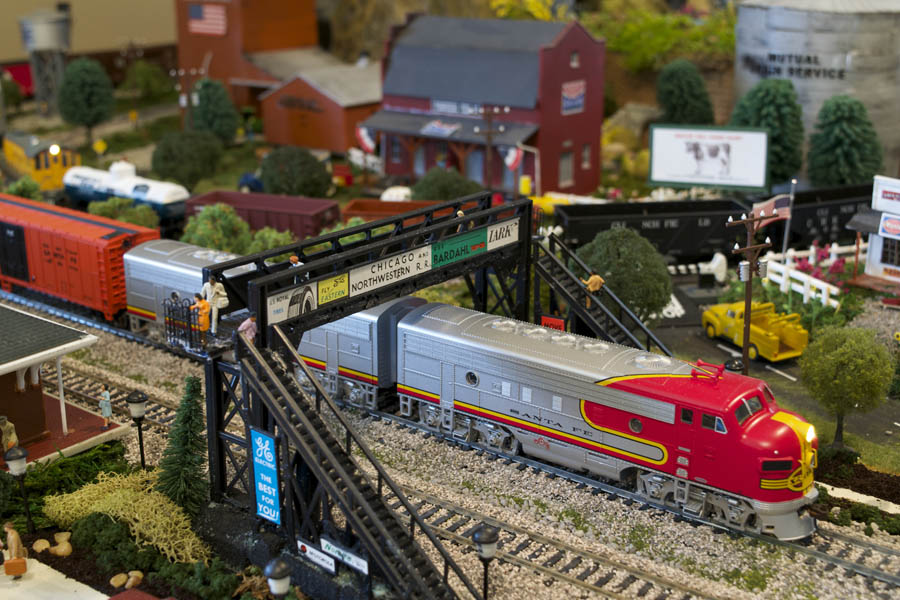


model train answers