“Al,
I have been following your site for a while now and I enjoy all of the posts and tips.
As with many of your readers, I have gotten the “BUG” again after many many years thinking about it.
I had a large HO layout in my parents house as a boy but after college, marriage, etc, I never had the time to start another layout.
Well, my in-laws came across a box of Lionel Tin plates (Pre-war). For those who are not familiar with Lionel grading, they made all of their trains out of metal until WW II. After that they started using plastics.
I was always fond of Lionel trains but HO was the popular scale in the 70’s so that’s what we built. Well, I jumped in with both feet, started with a small 2-4-2 steam engine and some track.
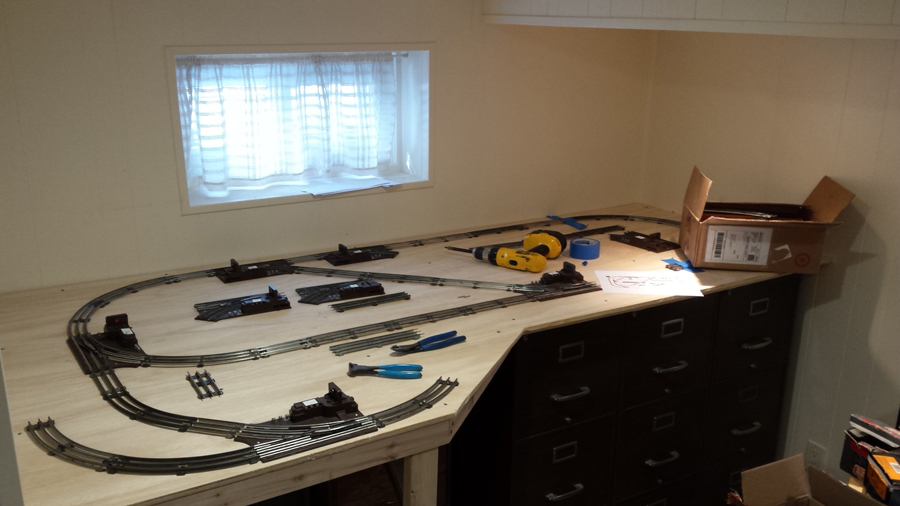
I recently negotiated for some space in the basement for a 4 X 8 table and began construction.
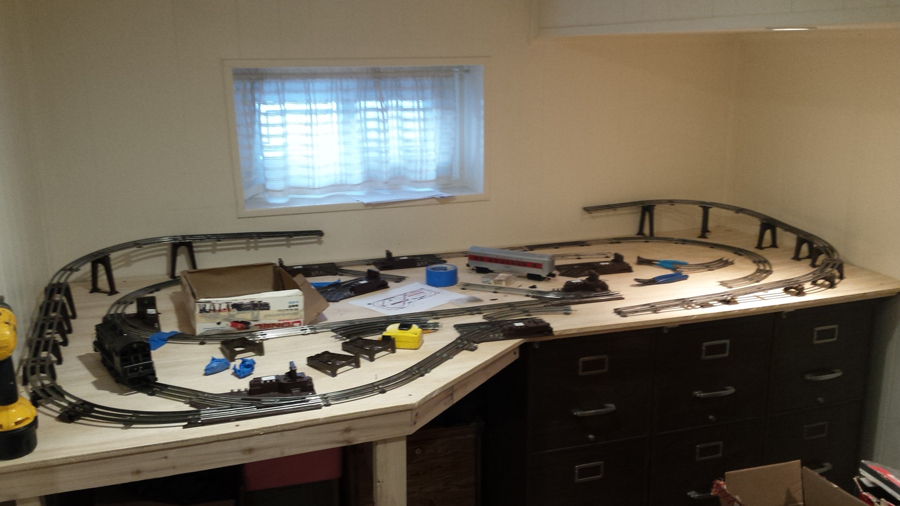
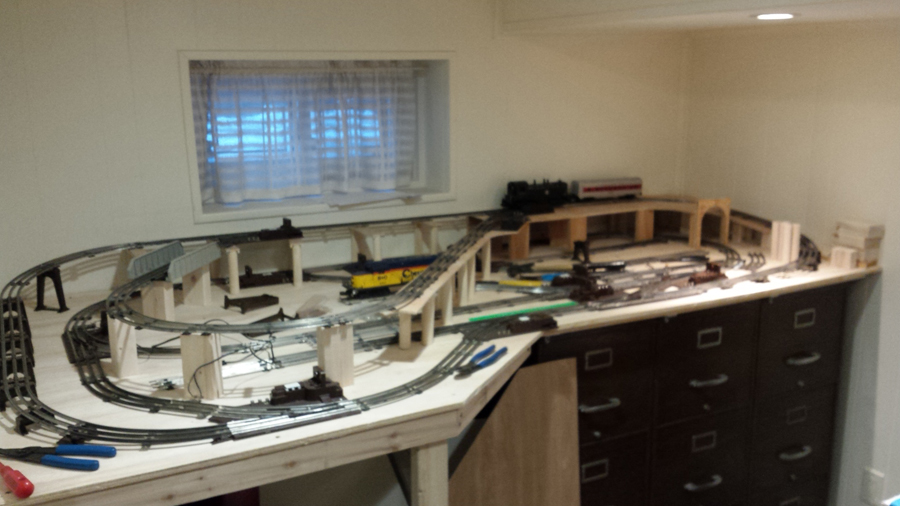
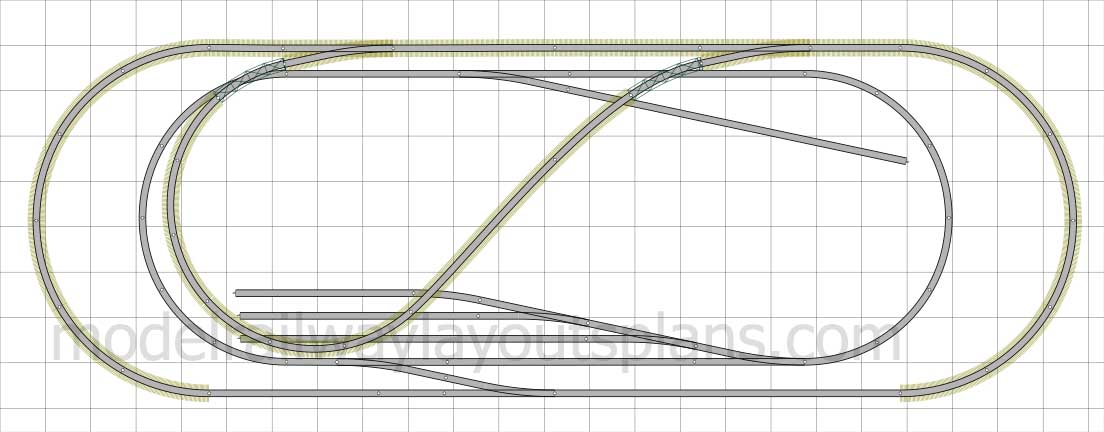
I have always been more interested in running trains than scenery so I have jammed in as much as I could fit. The track it all O27. I have just about finished laying the track and will be wiring next.
I have done some test runs and so far so good. I will work on the scenery last, but I will do it this time.
I have a mix of steam and diesel, passenger and freight so I can keep changing as I like.
No particular line or theme to the plan as of now.
I got my 11 year old son the Lionel Polar Express set for Christmas and he is anxious to see it run.
The detail that Lionel put into the set is amazing, one of the best Berkshires I’ve seen.
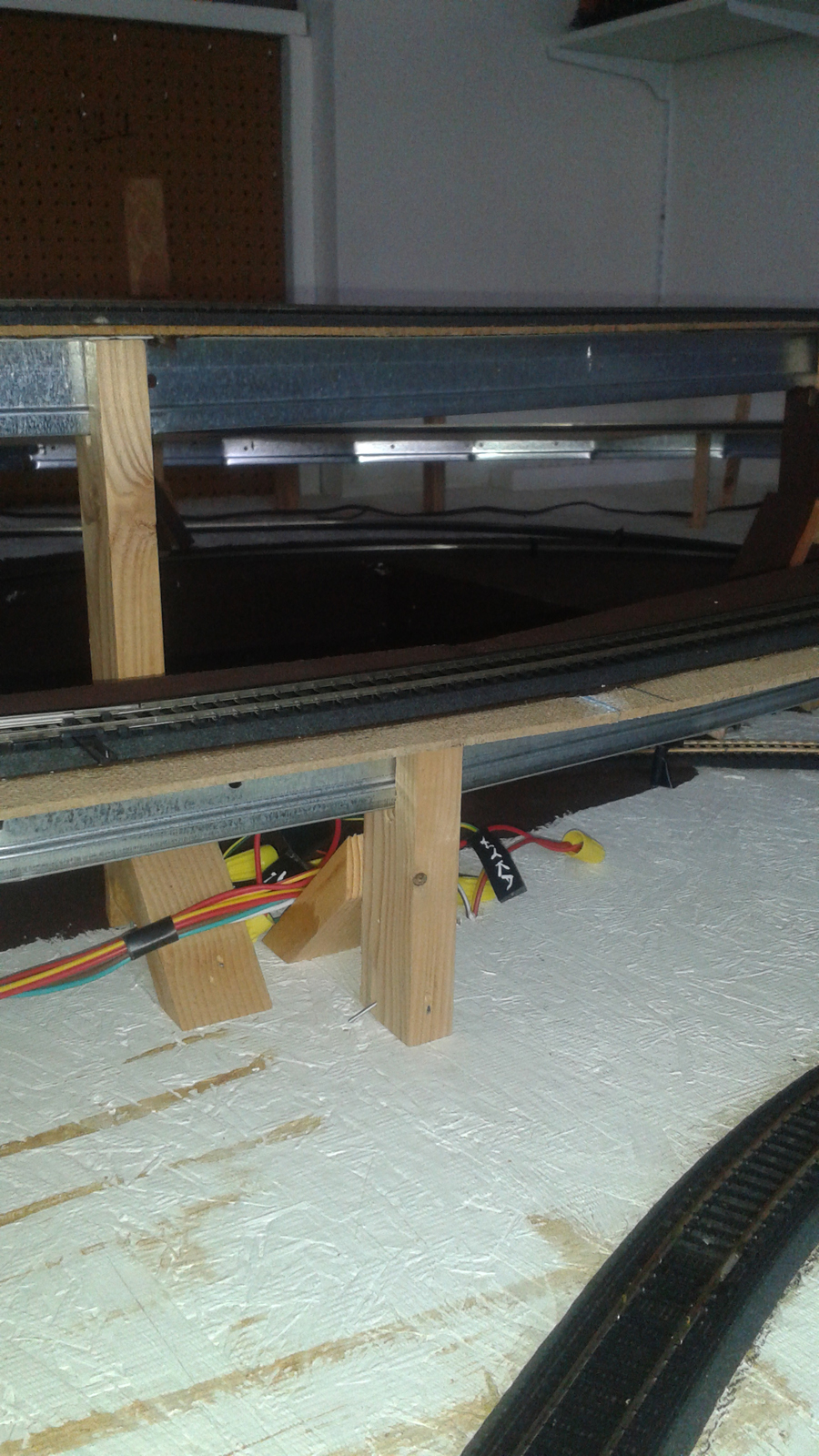
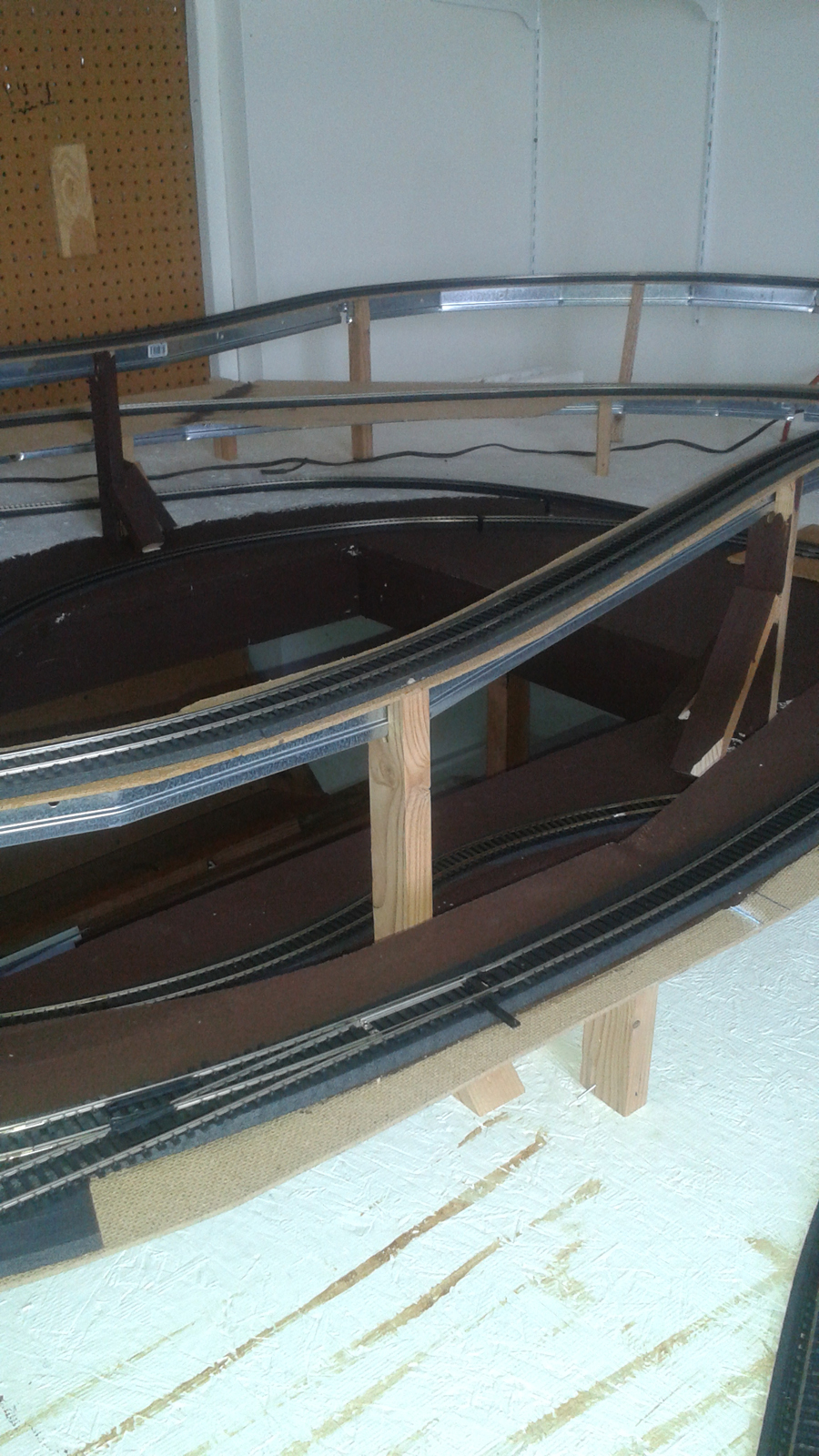
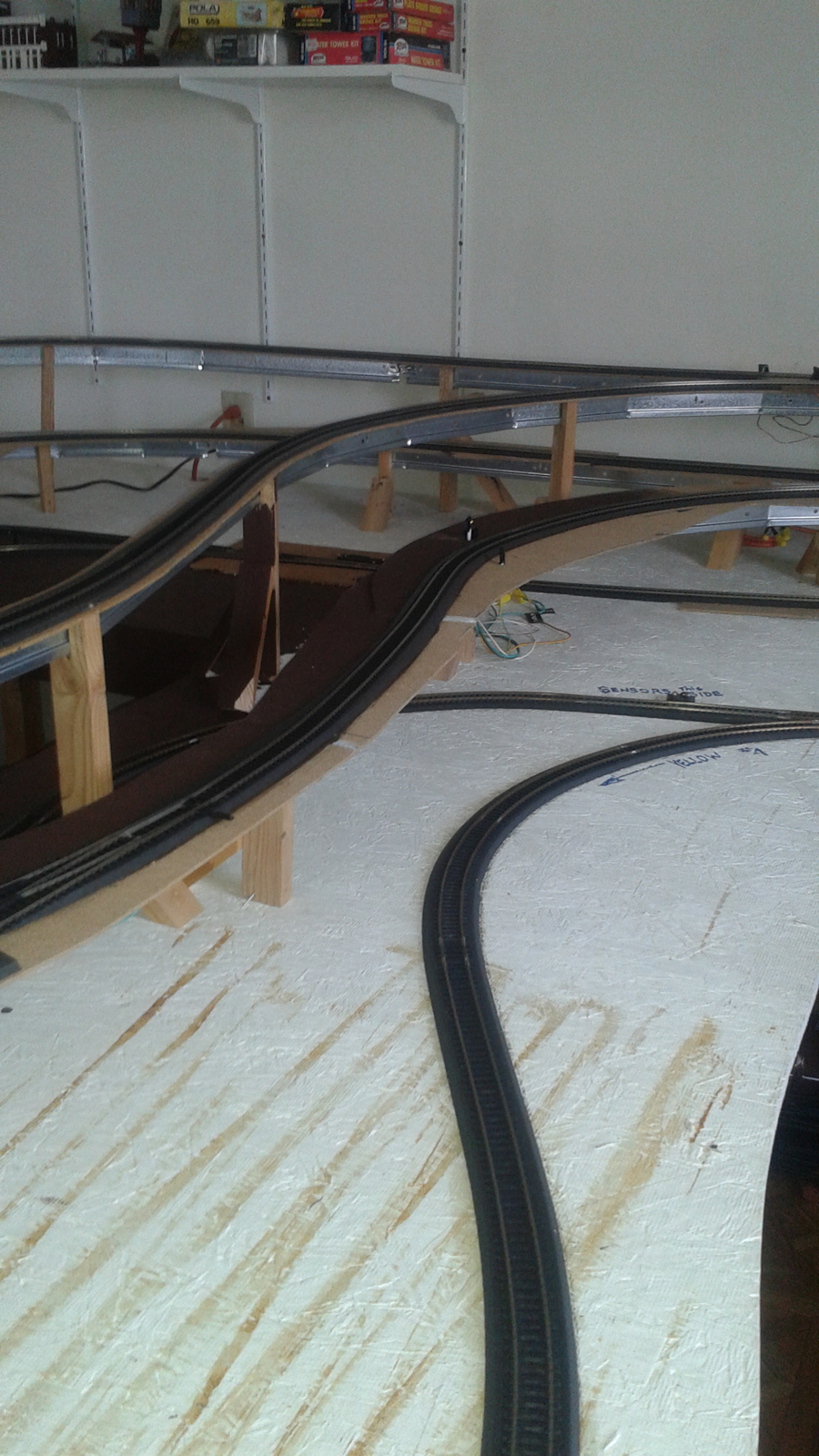
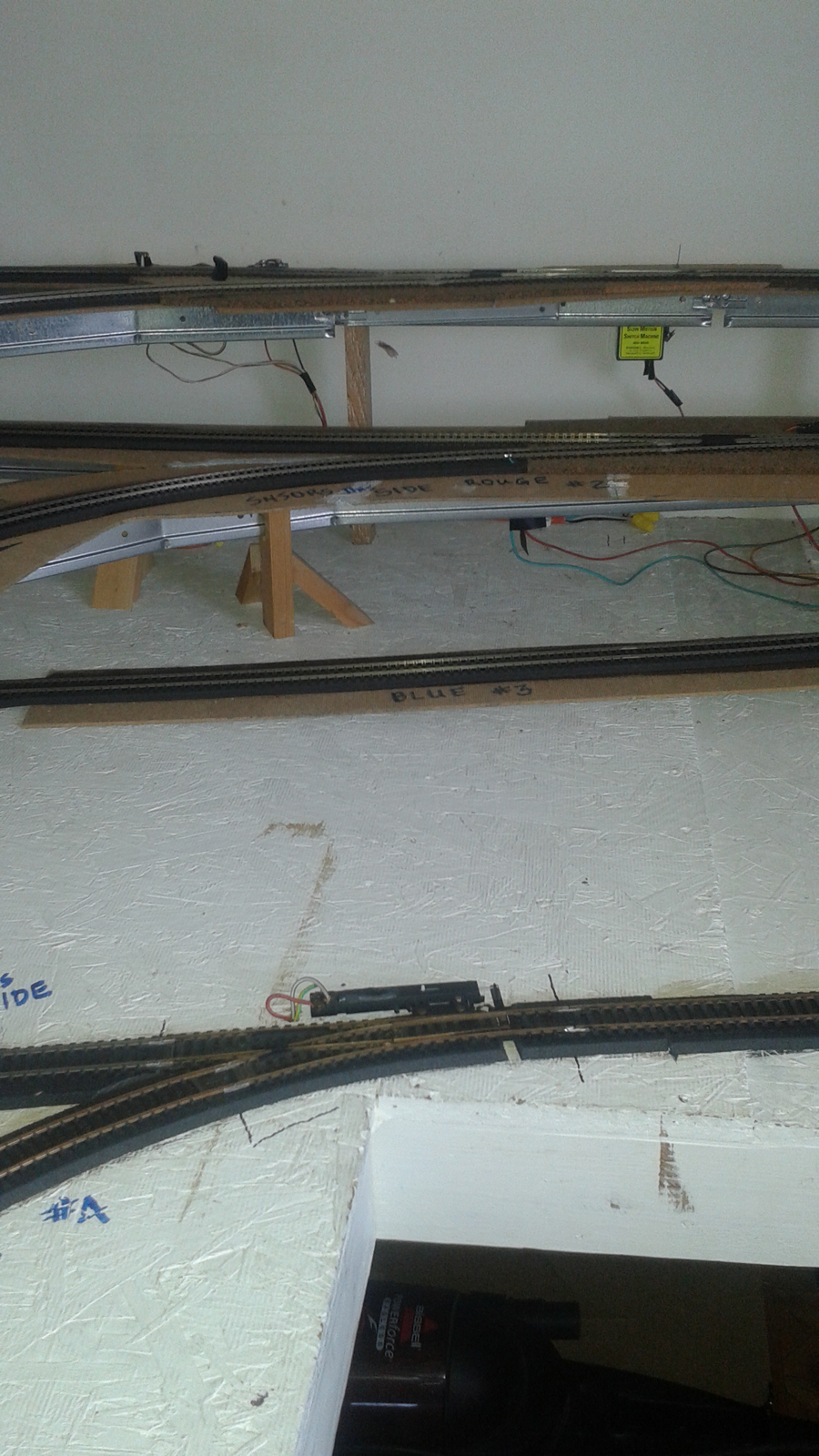
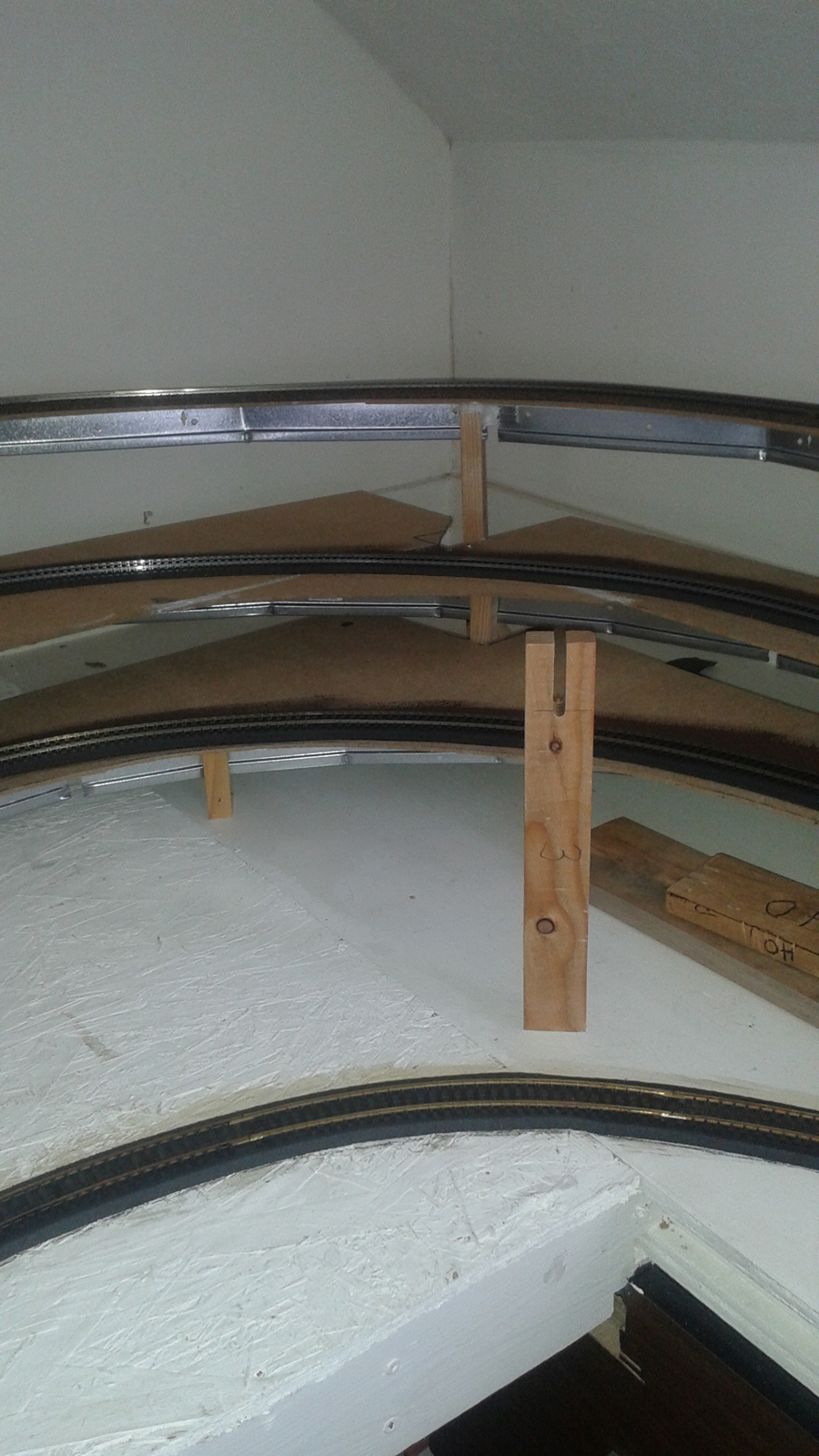
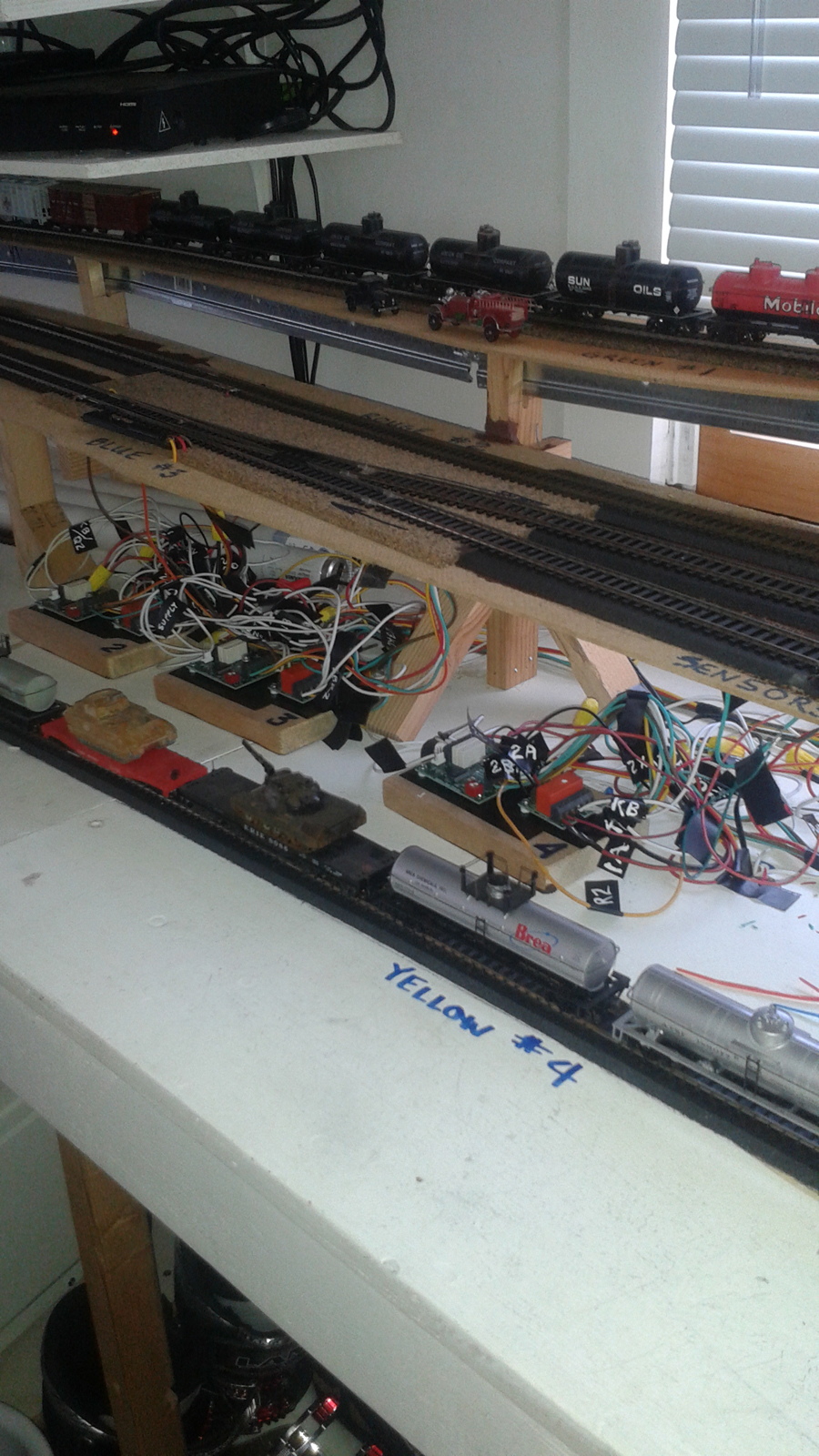
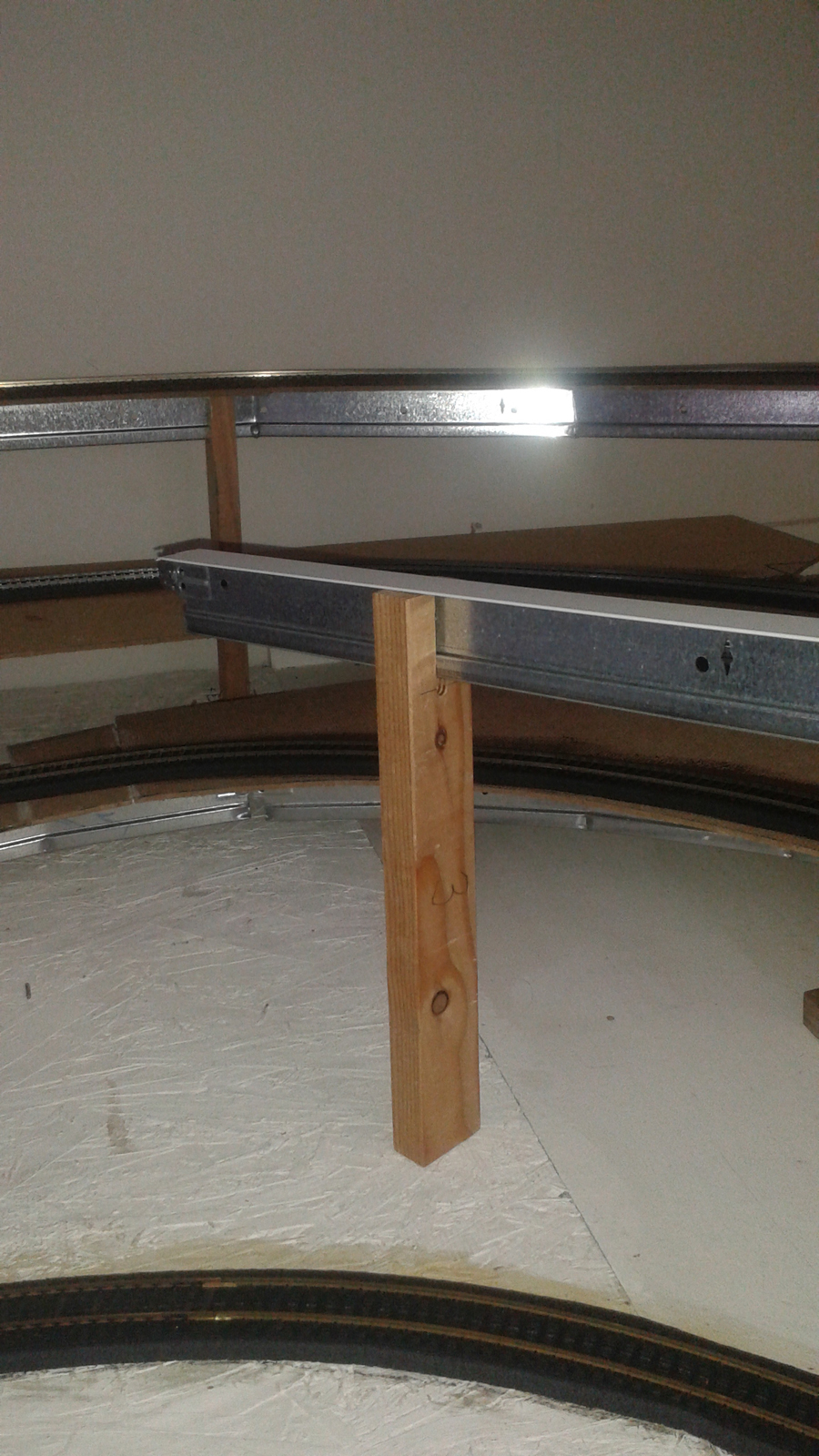
I have attached a few progress photos and a short video.
Thanks,
Bob S,
Long Island, NY, USA”
“For me the important part is to get as much out of my hobby as I can without spending too much money.
To that end I go to flea markets, garage sales and train shows to find good deals on collections of old Tyco rolling stock. For not much money I can detail, repaint, add knuckle couplers and steel wheels, and other minor items and get a nice looking and nice rolling fleet of cars for not much money, but a bit of time and work.
Rick”
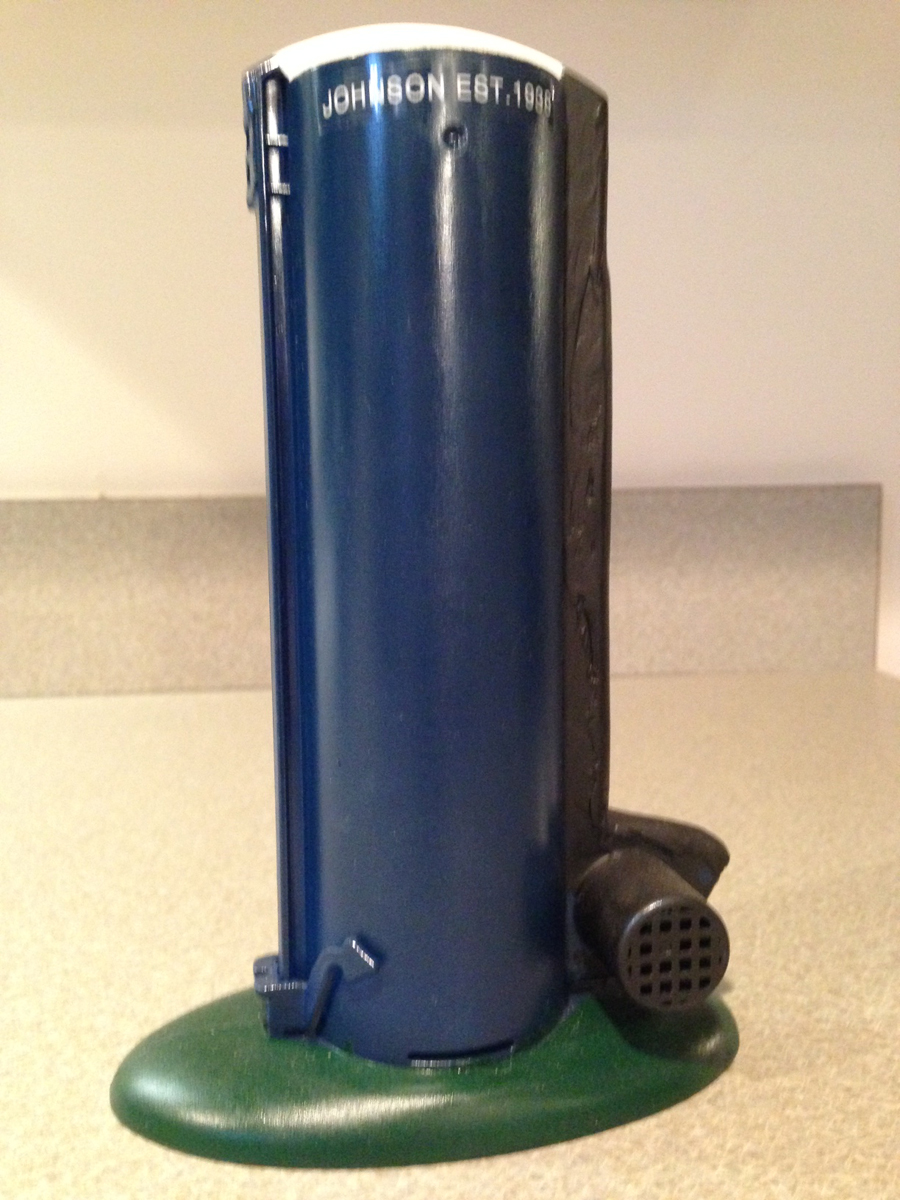
“I signed up for your emails about a week ago. One of them mentioned what you do with oddball things you find that you can use in your train layout. Was laying in the hospital bed a couple years ago and was looking at this breathing machine that was supposed to blow into to see if I had enough strength in my lungs. I said you know that looks like a silo. So here it is!
Roger”
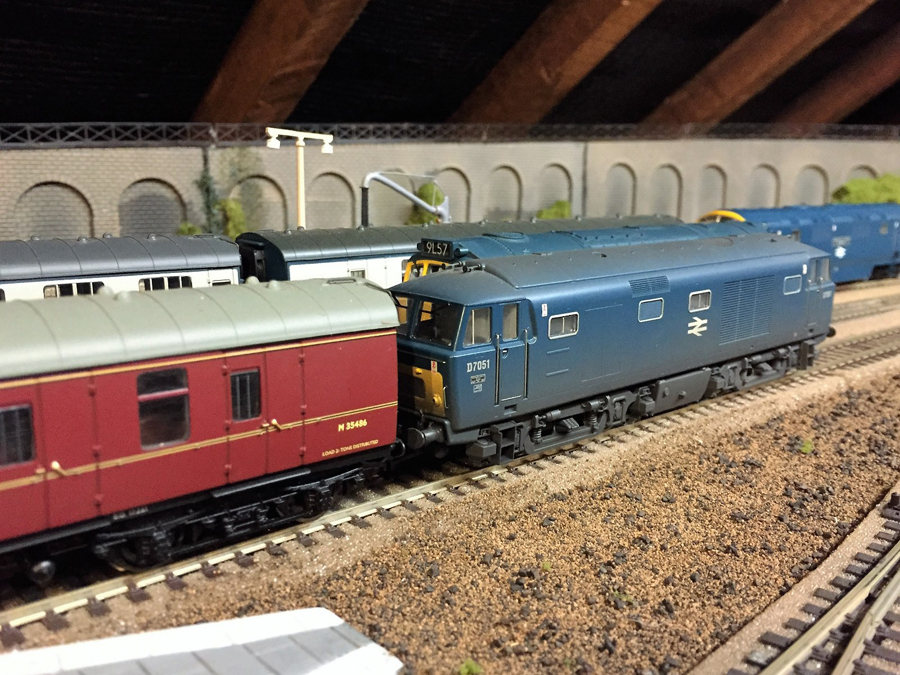
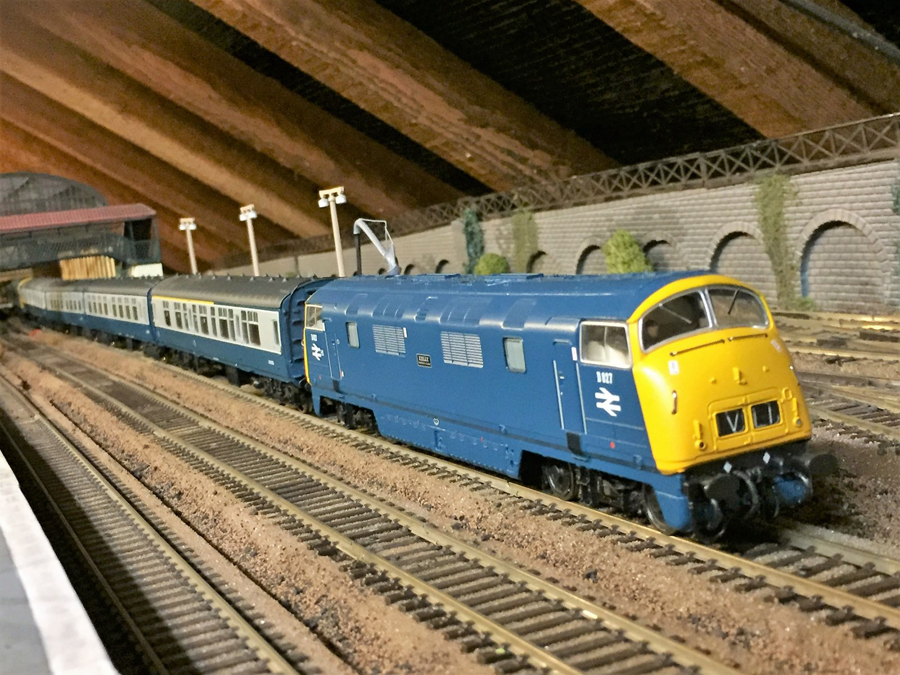
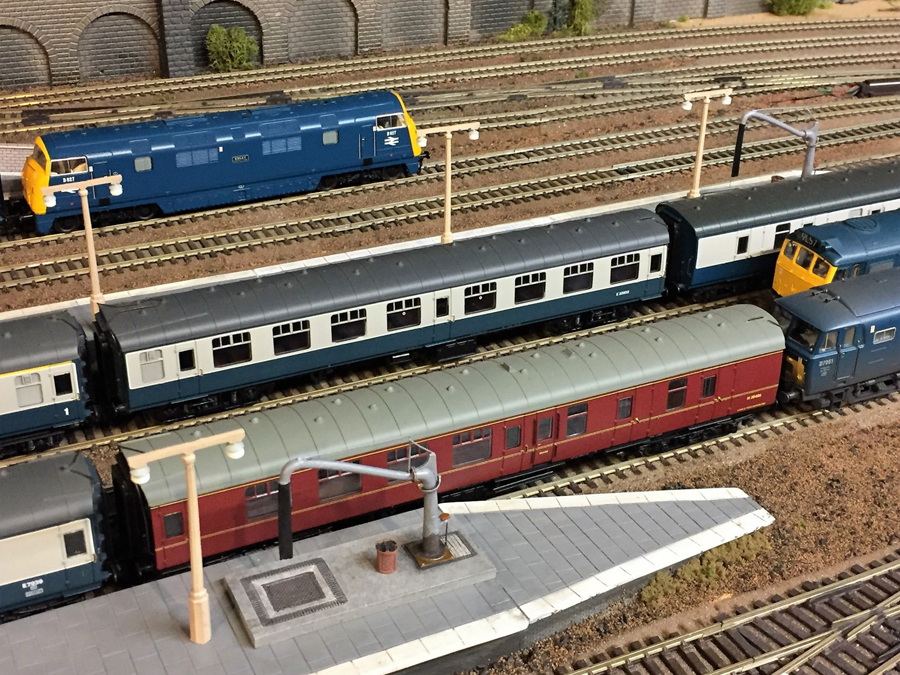
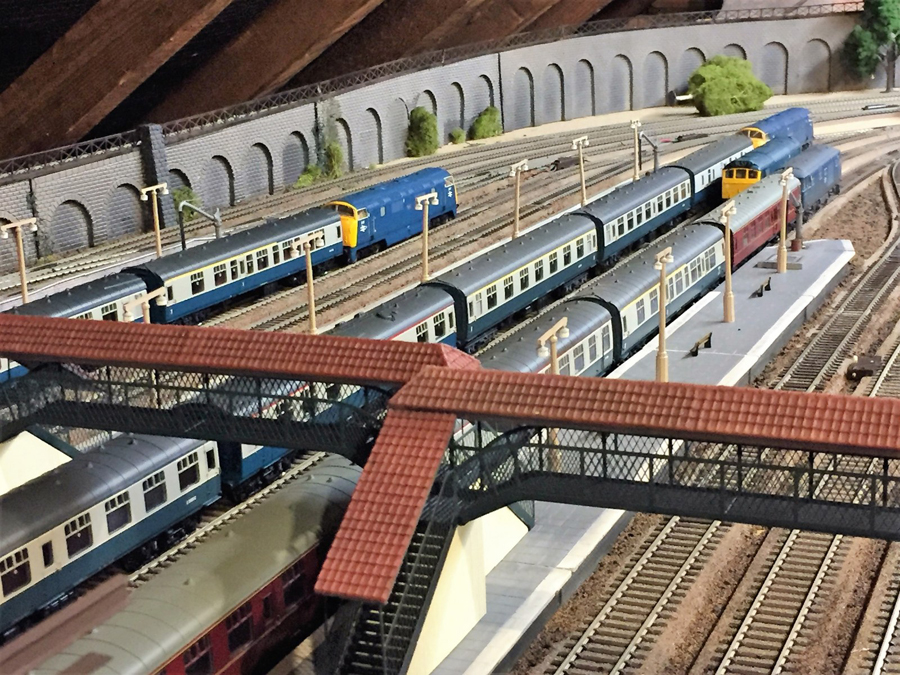
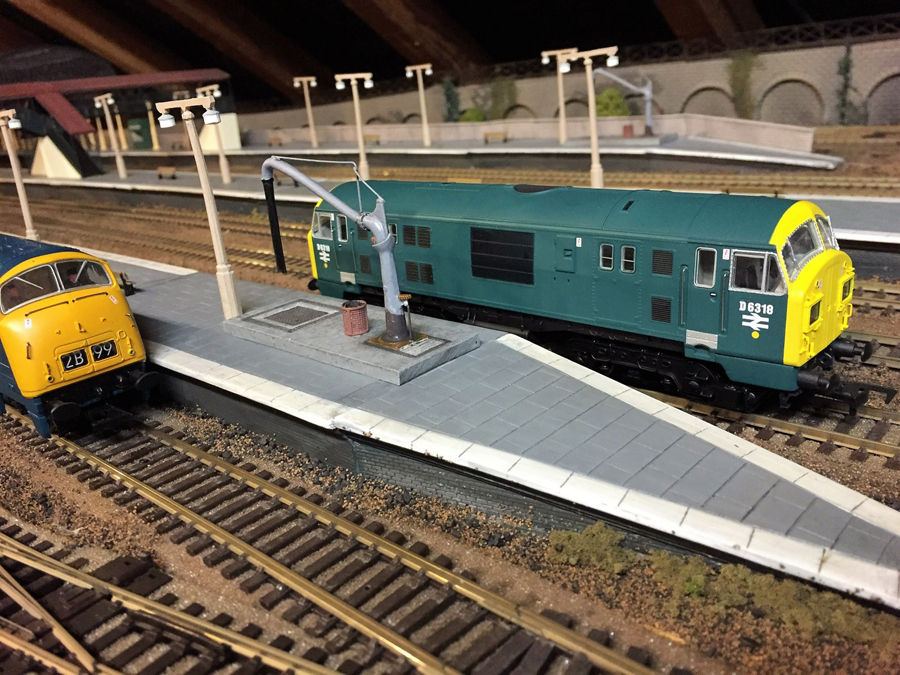
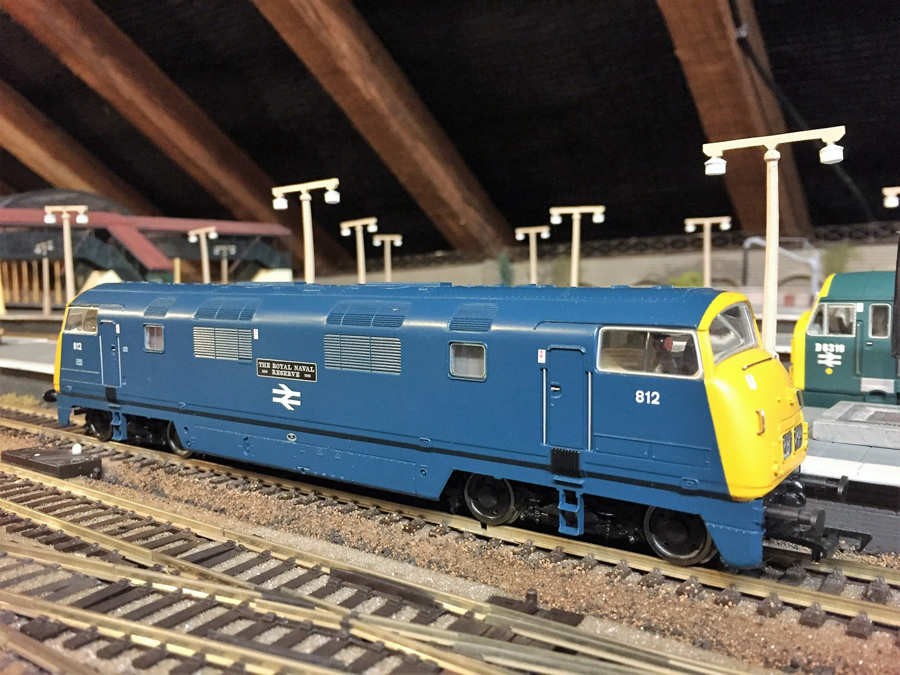
“I have just made a requested video showing the pulling power of a couple of diesels pulling a long rake of coaches, bit of fun, but not realistic on a model railway.
Regards
Dave”
Latest ebay cheat sheet is here.
Thanks to everyone – enjoyed Rob’s narrative, it’s all about getting started! And Roger proves a point – it really is amazing what you can make use of if you keep your eyes open.
Lots more like this in the Beginner’s Guide.
Keep ’em coming folks.
Best
Al