Andrew’s girder bridge

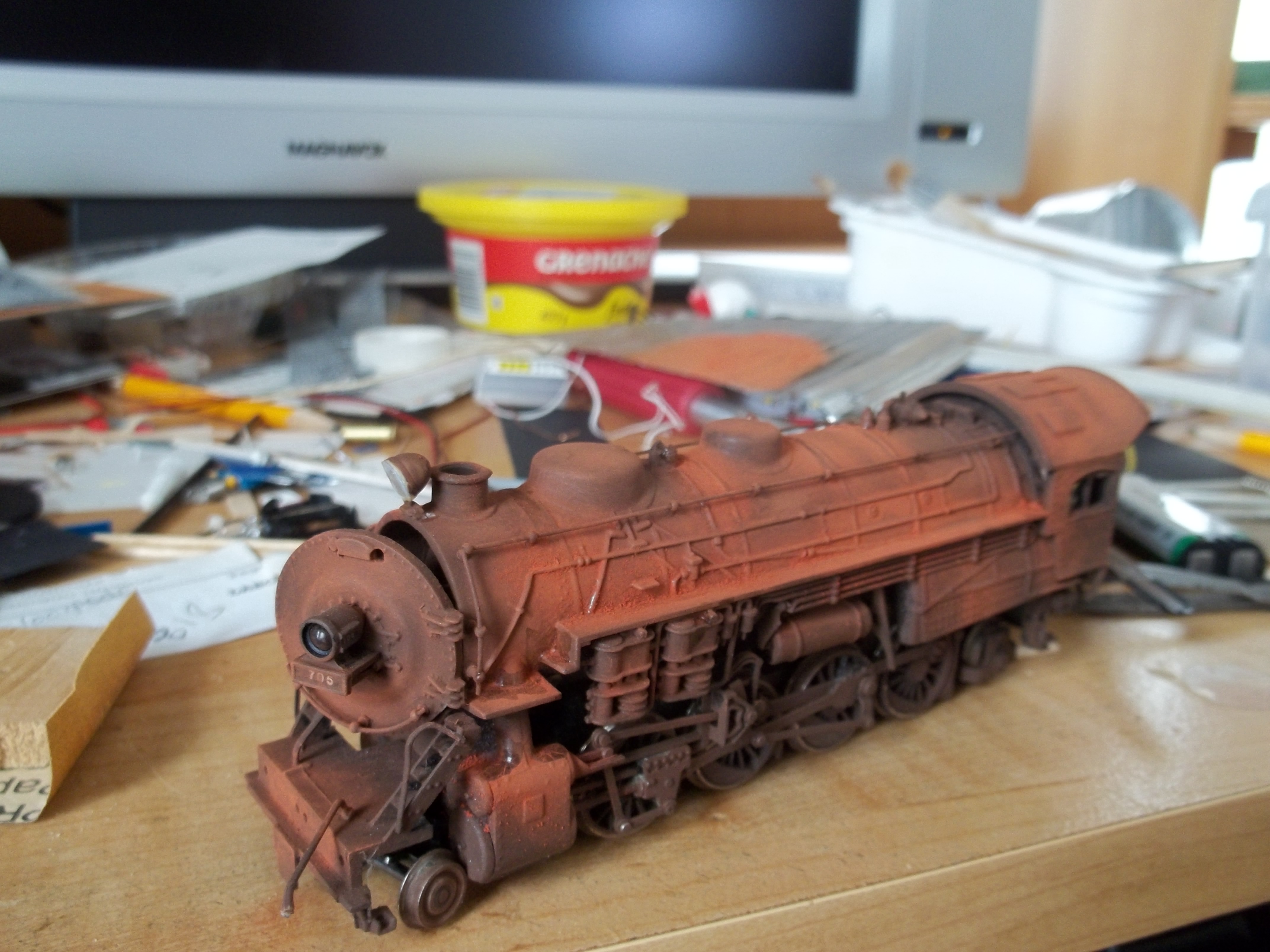
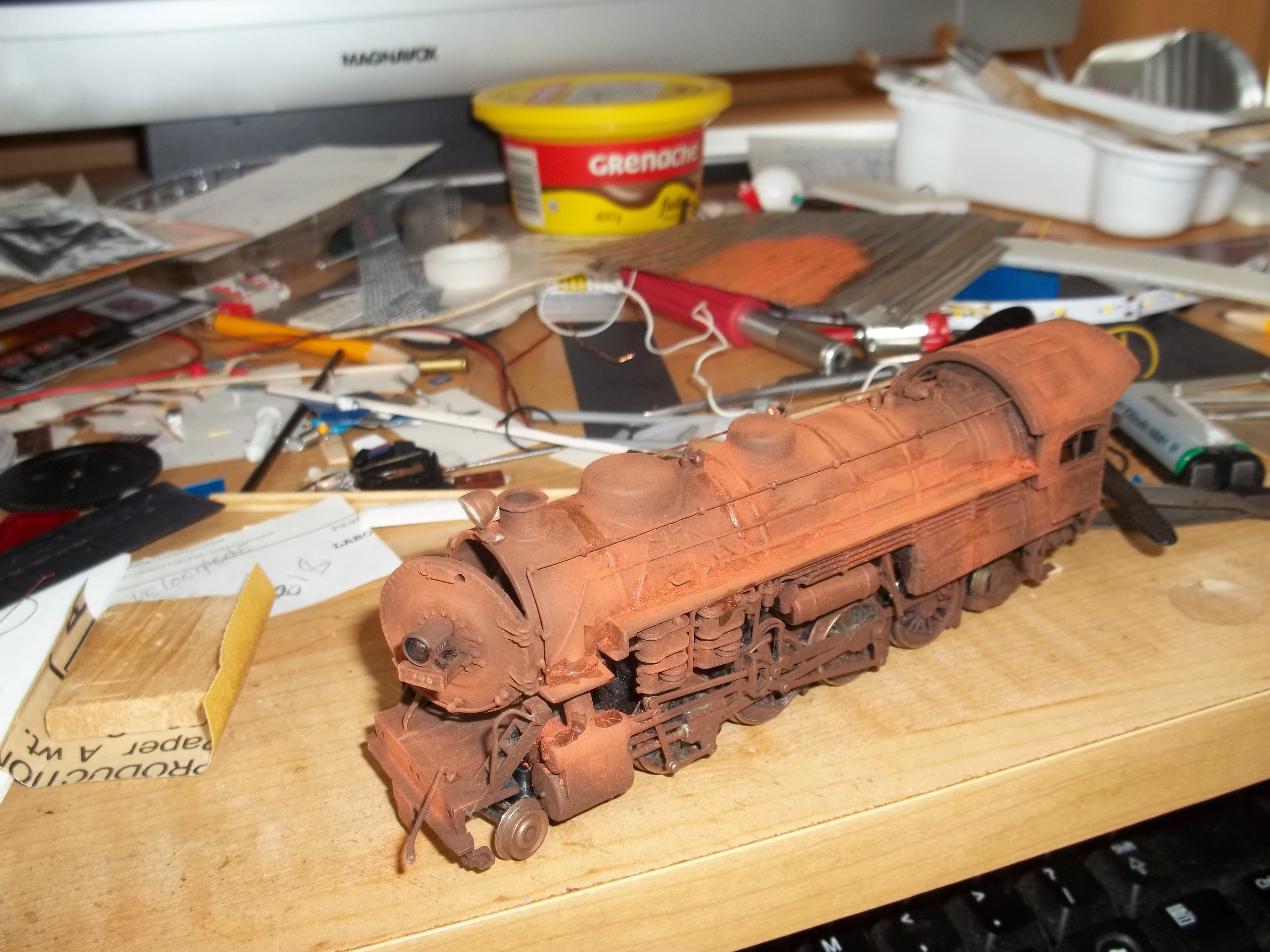
“Hi Al. I been trying to weather this old locomotive. Im new at weathering and need lot’s to learn. So only way is try it and then ask other’s for there opinion .

I did a brown acrylic crafter’s paint along time ago and found it was t0o brown. This is my learning stage of weathering. I noticed how coffee get’s when you leave a little on the bottom of your cup and air evaporates the water. The coffee thicken’s to a nasty brown sludge. I painted coffee in different area’s of the locomotive . Place’s where rust or corrosion would take more of a hold. Then I let dry and added more cold coffee to the same spot’s.

The coffee started to sort of layer on it. Then I took crushed brown chalk and went over all the area’s . I will add moss and such to crack’s and corner’s dirt as well. I will paint the wheels black as pure iron doesn’t rust like the rest. The locomotive will be set in a diorama of a swamp and very wet scene and almost sunk in it.

So just wanted your opion and if you think other’s would like to see and give there’s as well. It be a learning thing from other’s who know how to do weathering. so go ahead and put on the net. Unless you think it’s to crappy a job wont hurt my feeling’s. thank’s Al.

Kim”
ho scale 004

ho scale 006


“Hi Al

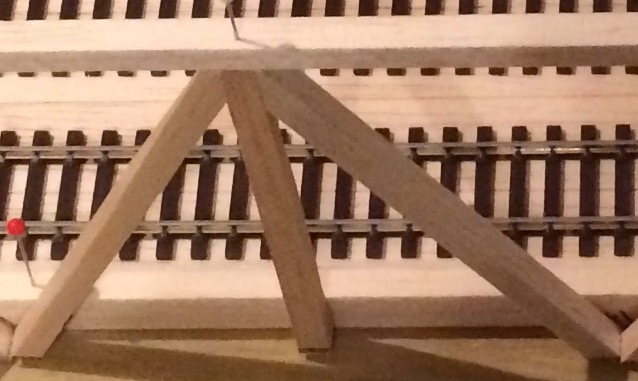
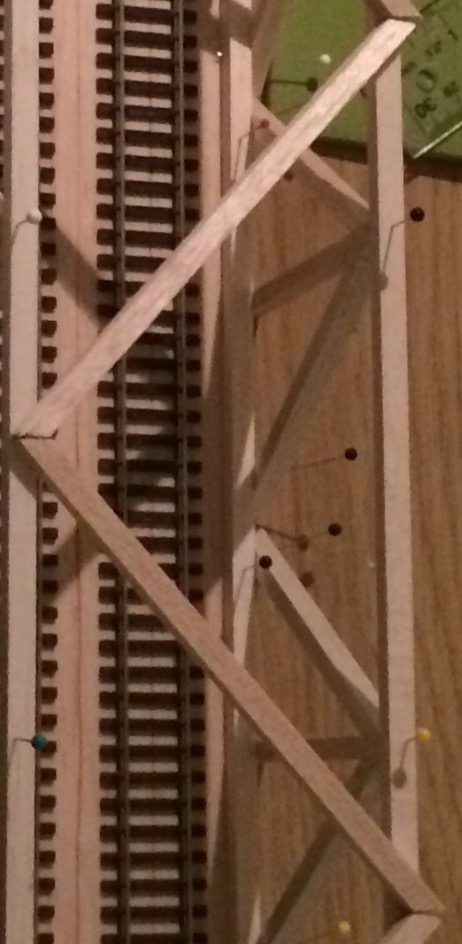
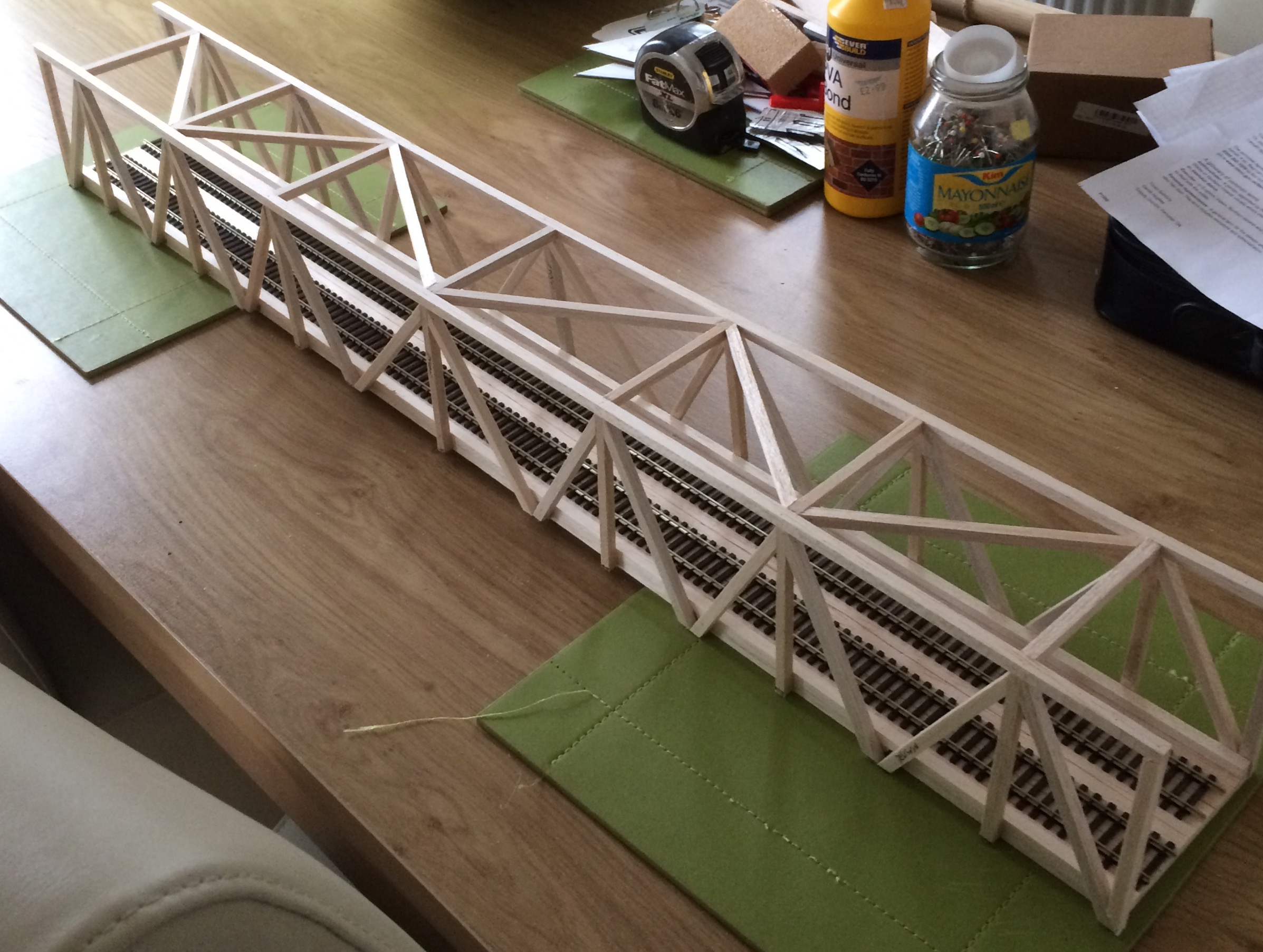
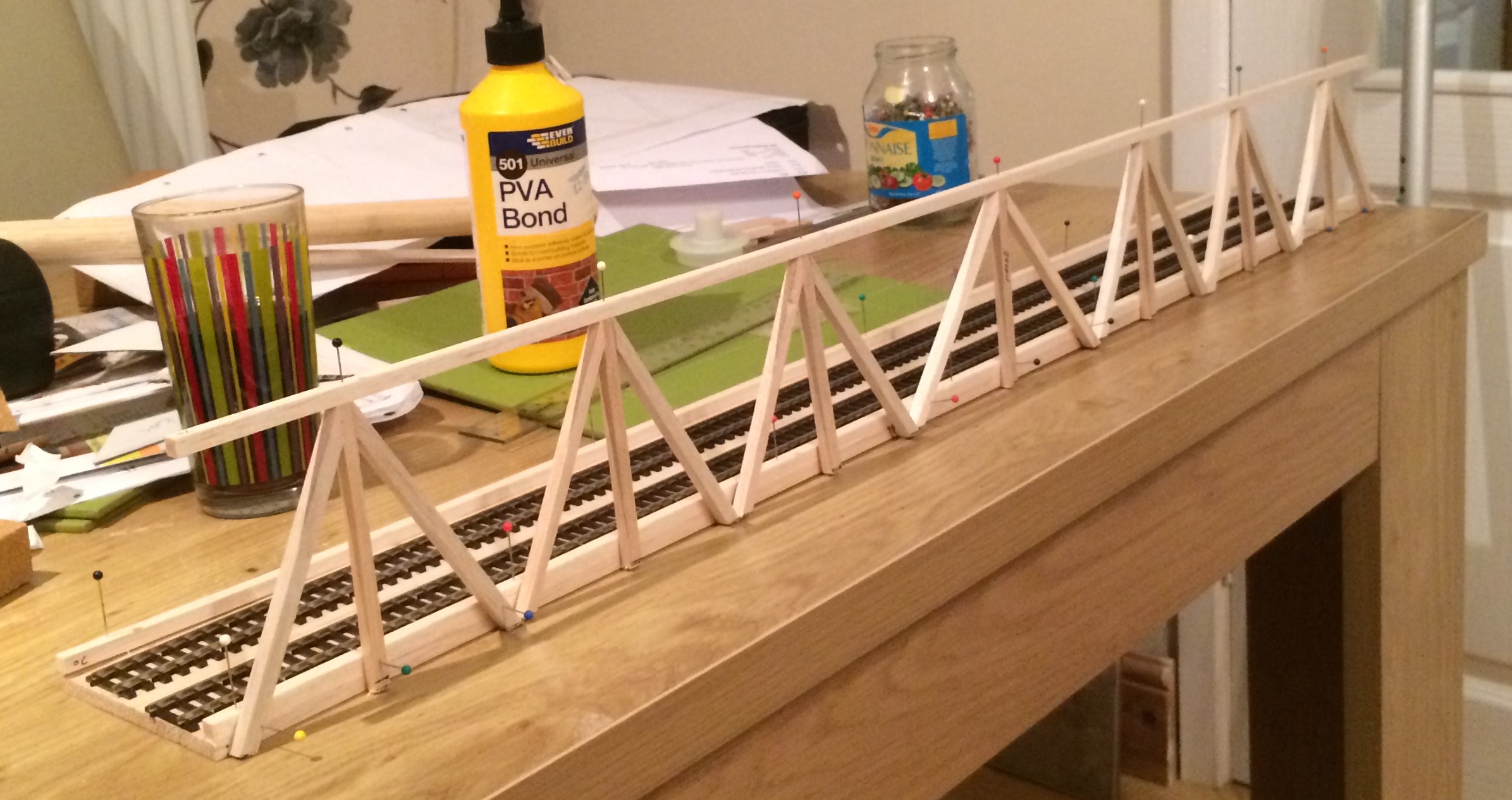
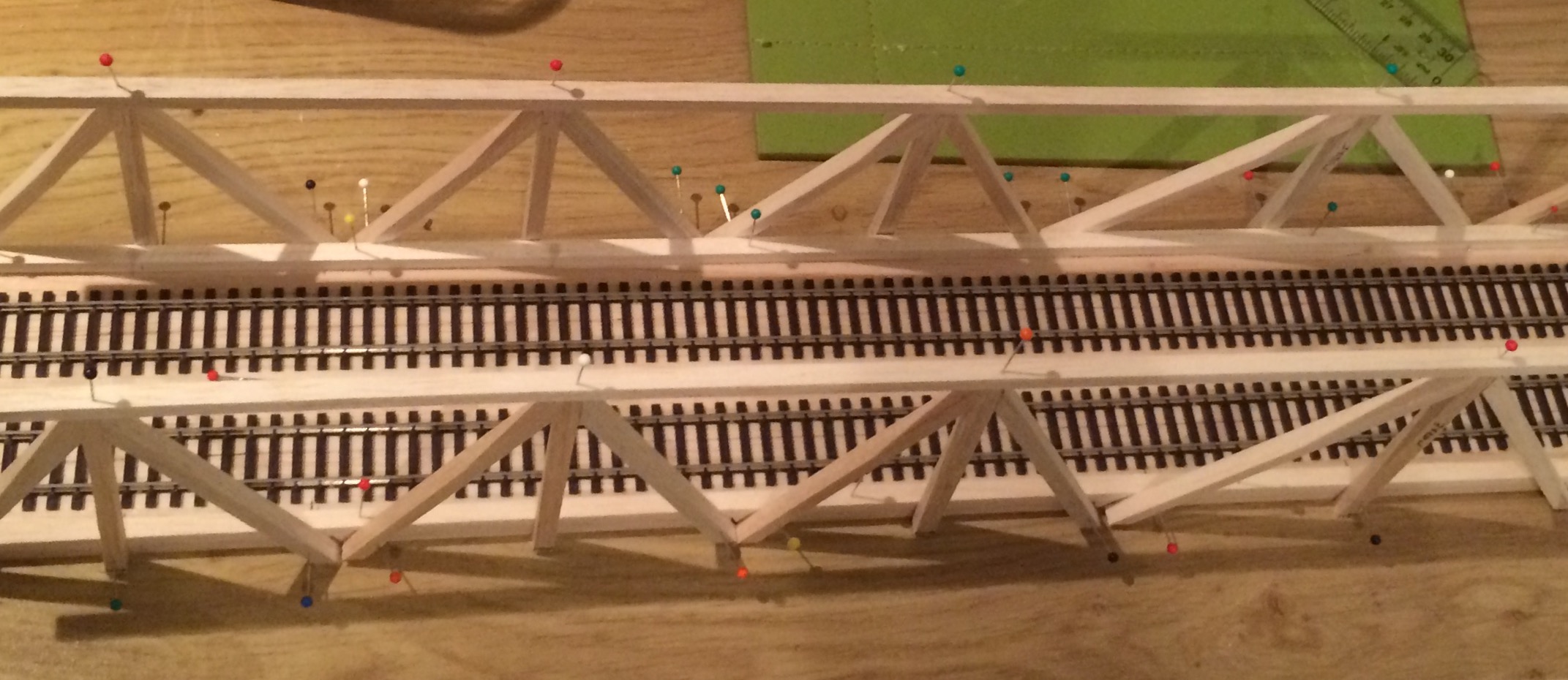
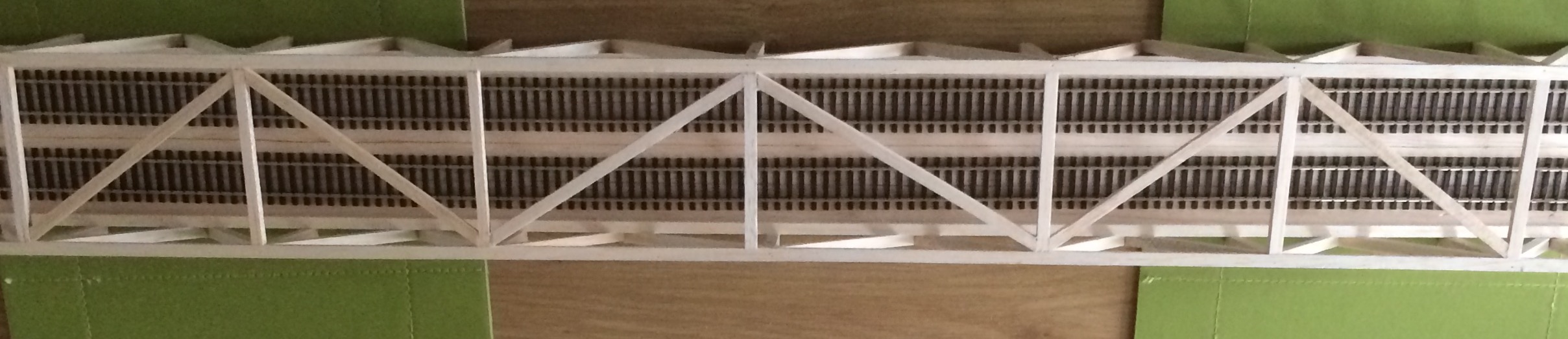
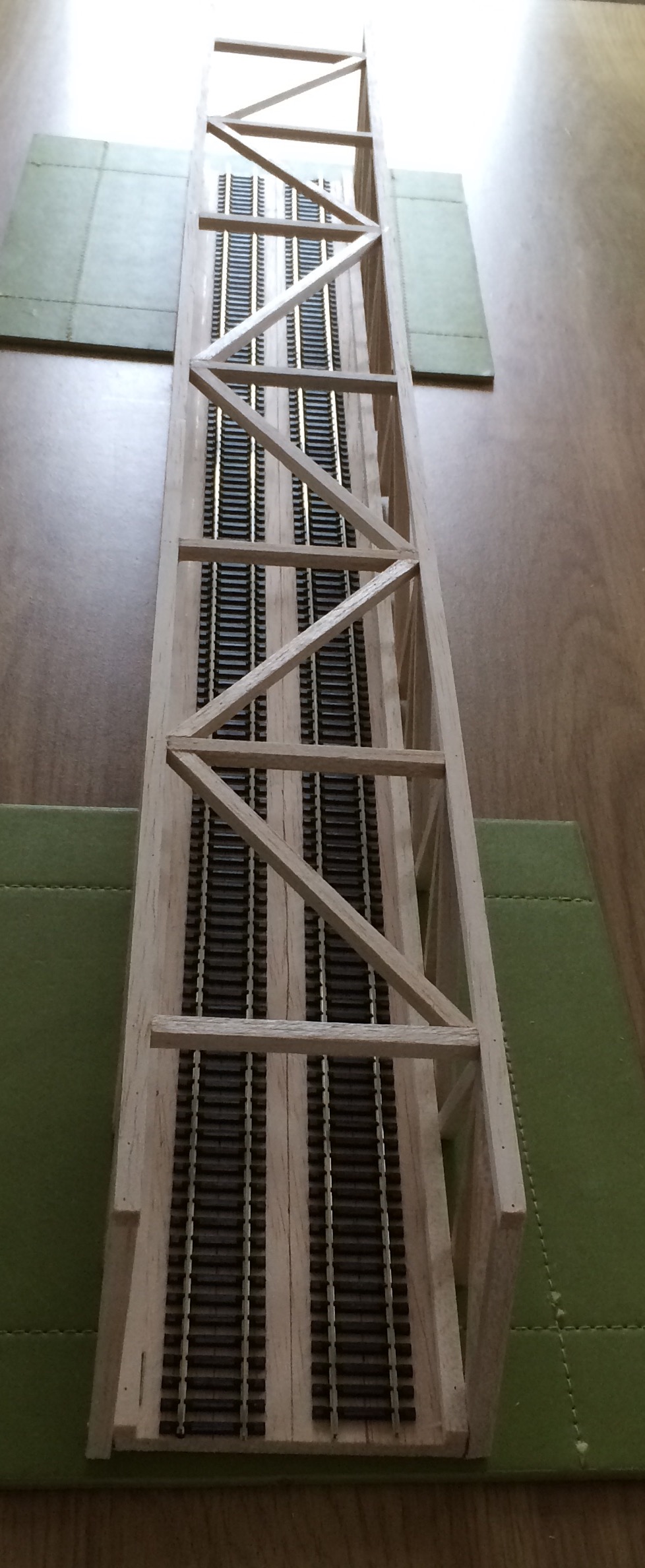
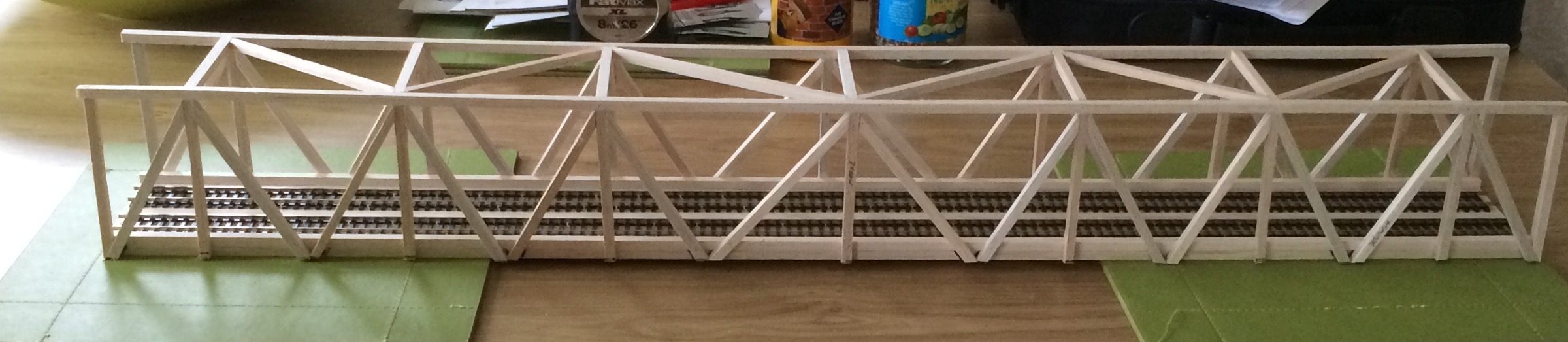
Do you remember the BIC razor Bridge some month ago? Well I though as I wanted to do an up and down rail I would redesign the Bridge, so I scratch built a new Bridge, as I was a Royal Engineer and put my skills to work.

It’s a fairly big Bridge, spanning 100mm width and Heigh with a massive 1 meter length.

So here are my pictures to show all. Can’t wait to redesign my layout now!

Andy”
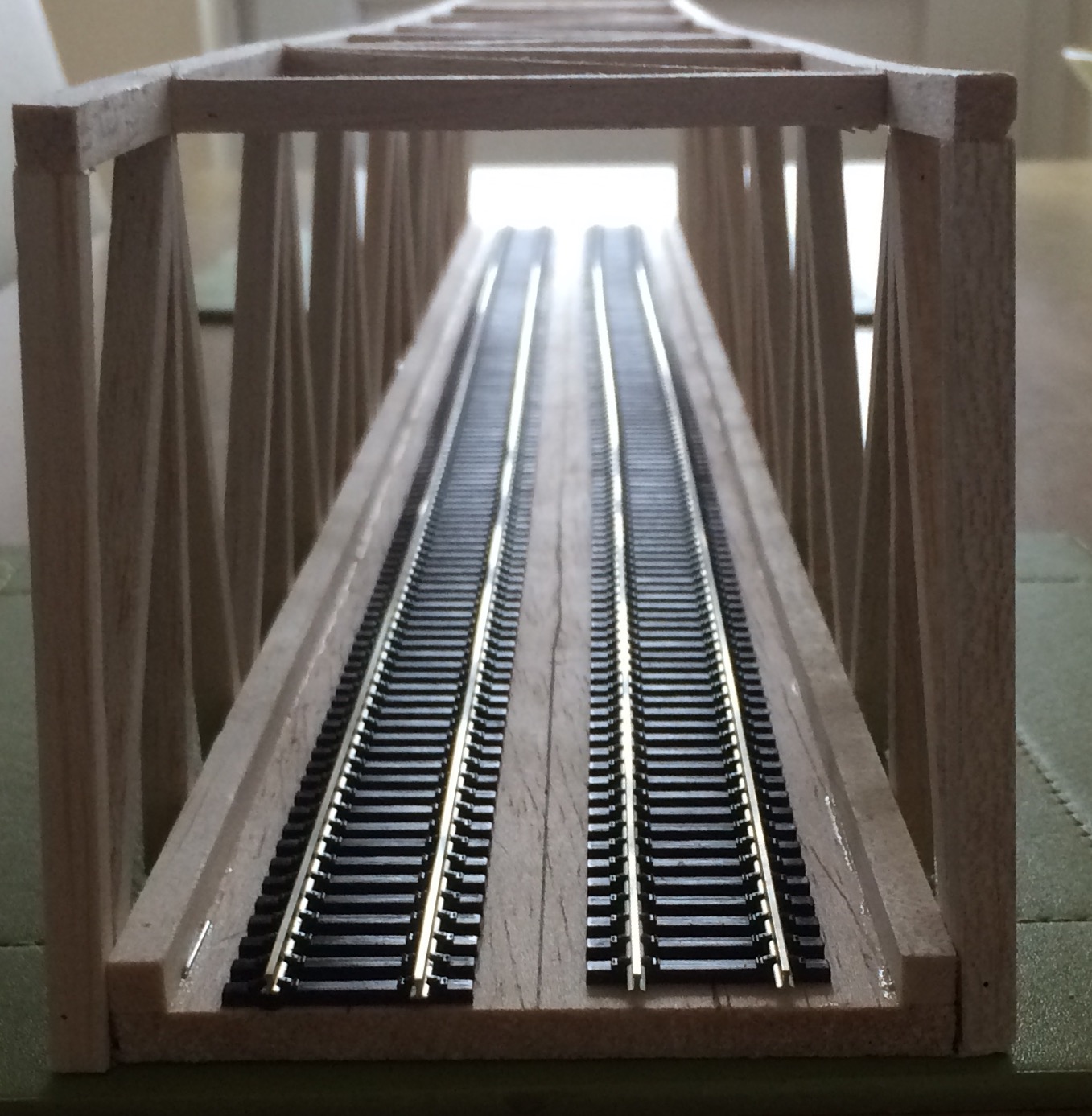
image2

image3

image4


image5

image6

image7

image8

image9

image10


Excellent pics from Andrew – enjoyed that. Looking forward to seeing it on his layout too.

That’s all for today folks.

Please do keep ’em coming.

And if today is the day you get started on your layout, the Beginner’s Guide is here.

Best

Al

PS Latest ebay cheat sheet is here.

PPS More HO scale train layouts here if that’s your thing.



N gauge layout – inside a drawer!

“Hi Al.

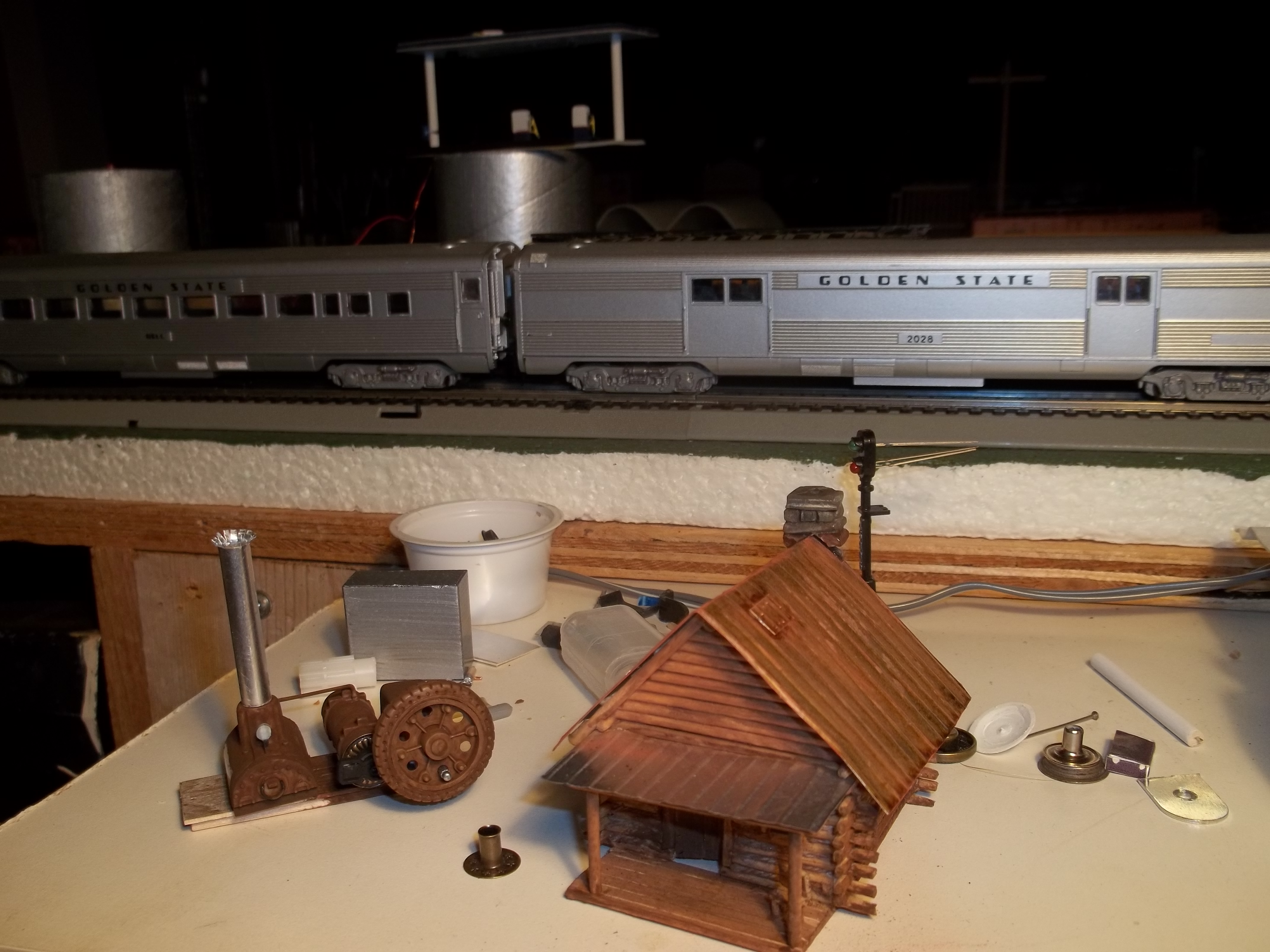
Hope everyone is doing well. How is the dog doing? I been messing with junk again. The old steam engine for farm’s or railroad is being put together with pieces of a tank model.

Have a bunch of things to put on it still. Not sure what I will do with it onece finished maybe sink it in a swamp or in a broken down shed.

The other is a log cabin deep in the wood’s. I used real stones for the chimney or fireplace. Will add black chalk around the fireplace to look like silt. It’s my first go at weathering sort of. what ya think?

Kim”

ho scale 004


“Hi Alastair,

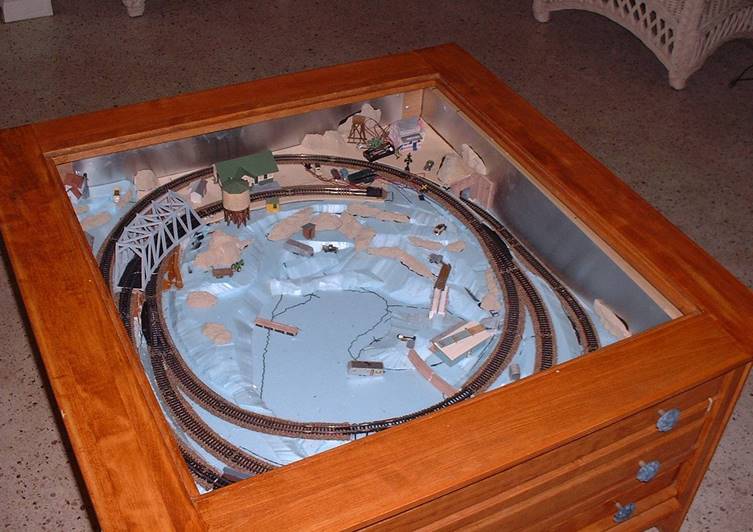
Here’s a tip I figured out for wiring on my N gauge layout. I am building it inside a drawer under the glass top of a 30 inch X 30 inch cocktail table in my living room.

A problem I encountered was that since I had to pull the drawer out to work on the layout it involved disconnecting a whole lot of wires, especially if I wanted to flip the drawer over to work on the underside. I went to the local computer store and purchased a couple of those flat ribbon wires they use to connect components inside computers and the receptacles to go with them.

Now I can connect and disconnect 30 wires at a time by simply unplugging one end of the flat ribbon cable.

All the wires are color coded too so it is easy to keep track of their purpose, and the ribbon is flexible enough to allow you to pull the drawer part way out and push it back in without disconnecting any of the wiring.

I’m including a photo of my layout in mid construction before I started the plaster work. I’m using a digital camera to take photographs for the perimeter of the drawer and will use my computer to print them on mat finish photo paper to glue around the drawer. Then I’ll paint the landscape to match the photo backdrops.

Bob from Florida”

train_layout

“Well, seeing as how I am the least handy person on this planet, and cheap to boot, here are a couple:

Since my layout is in a permanent winter mode, I wrapped the plywood bases in white bedsheets —
It makes a a great “canvas” for laying down landscaping and a SUPERB conduit to run the wiring between the sheets and the wood – no drilling required.

The “snow” is actually a ceramic product: Duncan’s no-fire snow, available, among others, online at Amazon. You can paint or sculpt it on, and it dries to a plaster-like state.

More recently I wanted to add some ice-covered ponds, and as I dislike mixing chemicals, etc. for water effects, I went to the nearest drugstore and purchased a couple of ladies’ hand mirrors, you know, the kind they carry in their purses. I laid down some snow and partially buried them, feathering the edges with more snow.

But then I wanted a larger ice-covered swamp or pond, and here comes the cheapest solution of all: I headed to the kitchen, ripped off a good-sized sheet of food clingwrap (like Saran Wrap), painted the bedsheet in the colors I wanted to show through, and laid the wrap on top with a little landscape cement. You can make it smooth or rippled, and it looks great!

I hope these help.

Bill”


“I am new to this hobby and learn a lot by my mistakes.

The buildings you build usually are put together with super glue.

If you get super glue on your fingers and thumb, it will take days to get it off.

Solution: spend $3.00 for Nitrile disposable gloves, ten to a pack. (not latex, one size fits all.)

It will be the best 30 cents you ever spent per pair! Just throw them away when done.

Bruce

Fallbrook, California”

I just love what Bob is building there – can’t wait to see it finished. There’s been quite a number of layouts like this on the site now.

Don’t forget, to grab the Beginner’s Guide and stop dreaming and start doing. It’s a great first step.

And thank you for all the suggestions on the ebay cheat sheet too. Latest one is here.

Best

Al

PS Latest ebay cheat sheet is here.

PPS More HO scale train layouts here if that’s your thing.


More tips and tricks

“OK Al,

It’s hard to find an inexpensive paint when making models of rolling stock or structures. (I am in Canada.) I have used plastic compatible automotive primer. It comes in two colours, grey Nd brown. The grey has a poured cement, or concrete, appearance. The brown can be used on buildings, bridges, and rolling stock. There’s a black equivalent which is used for people.

Assemble the building, use the aerosol primer paint in a well ventilated area, add the colour highlights, then let the thing dry. The primer goes on looking terrible, it drys quickly and is a thin film.

Using a highly diluted black ink and water wash and weather the model. The weathering will cling to the primer. Leave to dry, this will take a while, go do another modelling project.

The grey for cement can be done the same way. Using the black on people is best done painting a layer, let dry, then highlight the colours on the people, the black is the shadows from light sources.

IN ALL CASES, the priming paint needs to be PLASTIC COMPATIBLE! Not using this type of pain, the model will become a blob of plastic.

Next time, how to paint and ballast track and roadbed.

Geoff”


“Cleaning tracks and wheels – never use an abrasive. It makes tiny scratches which hold impurities.

I use Goo Gone on a clean cloth rag, for both tracks and wheels.

For tracks, stretch the cloth over two extended fingers. Squirt the Goo Gone over the finger tips, and rub the rails. Silver or brass, doesnt matter, the oxide and scenery goop and other dirt come right off.

For wheels I do the same thing. To be thorough, take the trucks apart and clean the wheels and contacts. I have both toys and expensive models. They all disassemble and reassemble easily.

Goo Gone has a pleasant orange smell. Seems safe enough. It’s really great on those damn sticky price labels. Cleans pine sap too.

Dave”


“Hi Al

I am not very experienced in the more professional skills!! I have just started however there are few tips I have learnt to date.

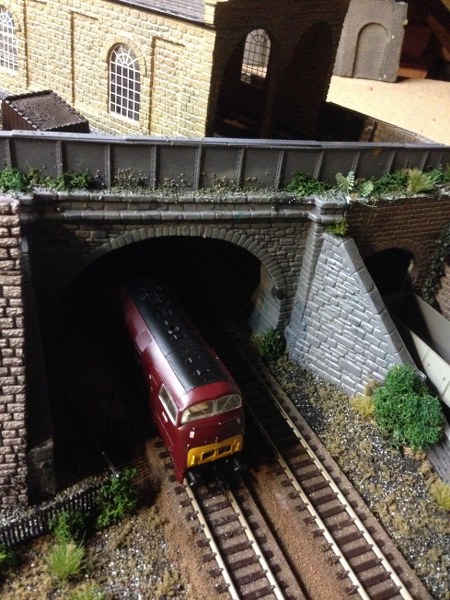
1) Cheaper items such as the Peco tunnel entrance is very cheap and once surrounded by scenery as per photos I sent earlier looks very realistic this is a few pounds only – see photo

2) Use foam underlay and fill in with ballast and scenery again as photos cheap and easy for the leaner but very realistic once down – see photo

3) Think about how realistic you can be within the confines of the layout i.e. how do passengers and cars etc get to the station forecourt? and how will the staff get to the engine shed?, paths should have purpose to be appreciated

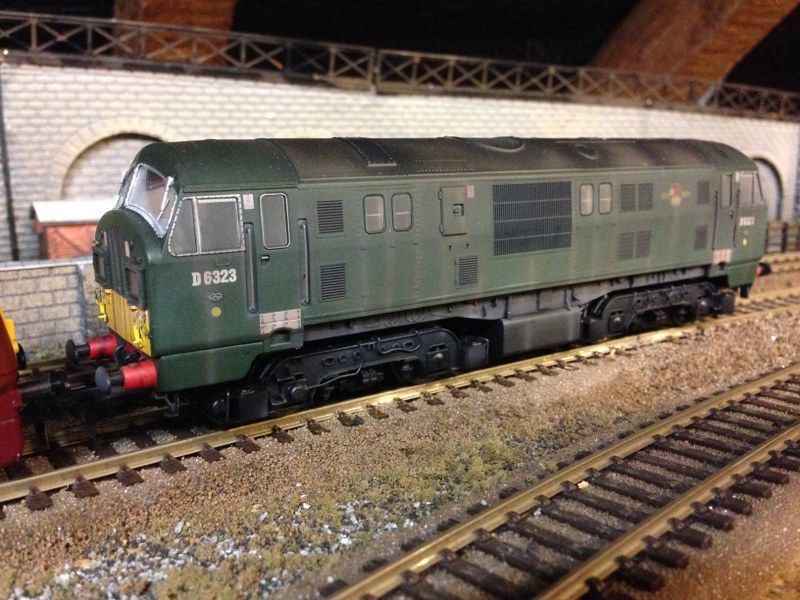
4) Remember virtually nothing is pristine and perfectly clean in the world, think about dirt, weathering, weeds, rust, coal and ash was everywhere on shed, this is cheap and you gain experience quickly – see photo

I am working on a much bigger section now the main through station i will let you know the progress – so far so good and there will be many hours spent in the loft to get this right! again taking it from old Hornby platforms which clip together, which is fine but into a more realistic station.

Regards

Steve”

IMG_2827_450x600

IMG_2866_800x600

IMG_2877_450x600

Some nice tips there – thanks to Steve, Geoff and Dave.

That’s all for today folks.

Please do keep ’em coming.

And if today is the day you get started on your layout, the Beginner’s Guide is here.

Best

Al

PS Latest ebay cheat sheet is here.

PPS More HO scale train layouts here if that’s your thing.