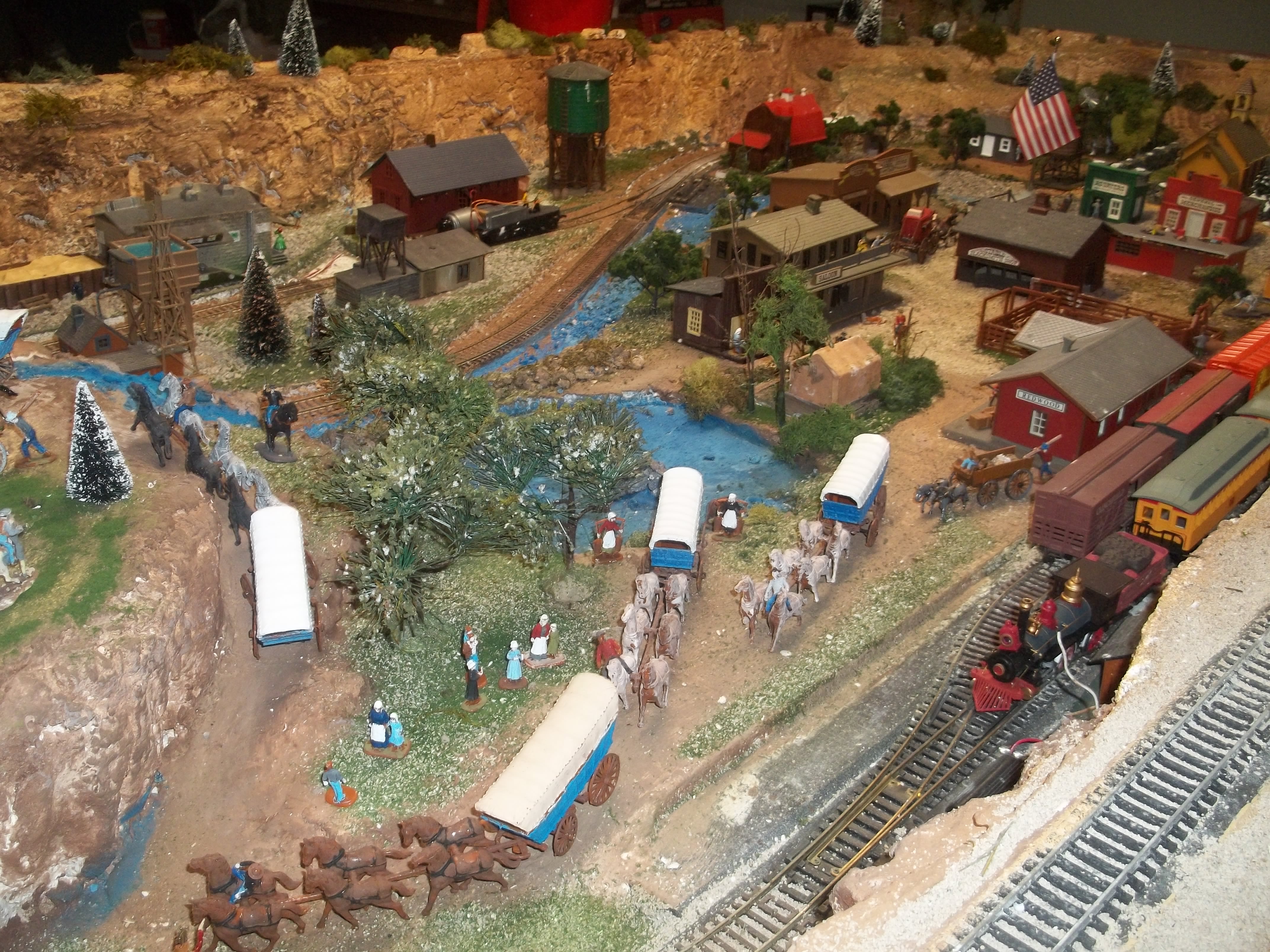
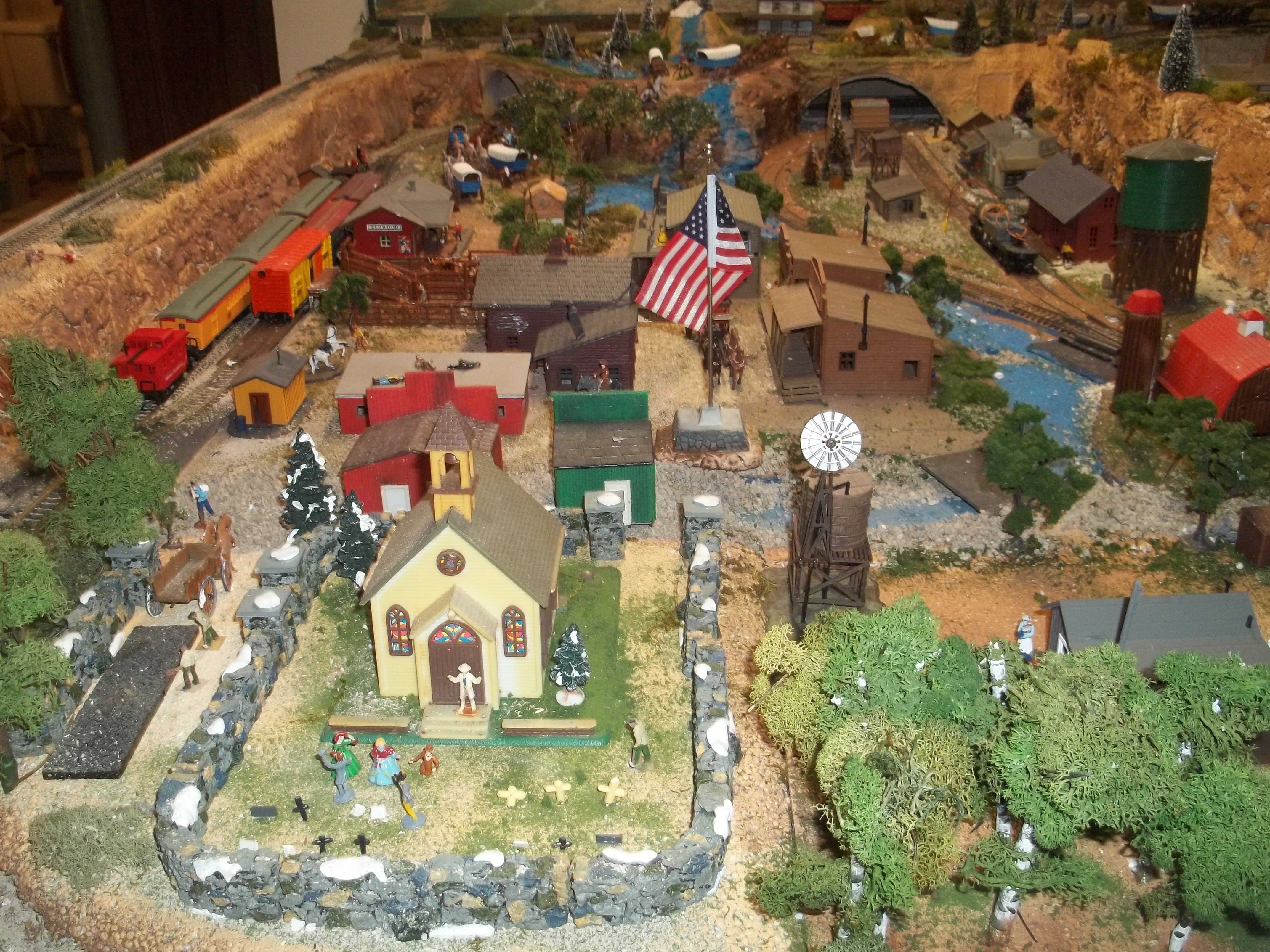
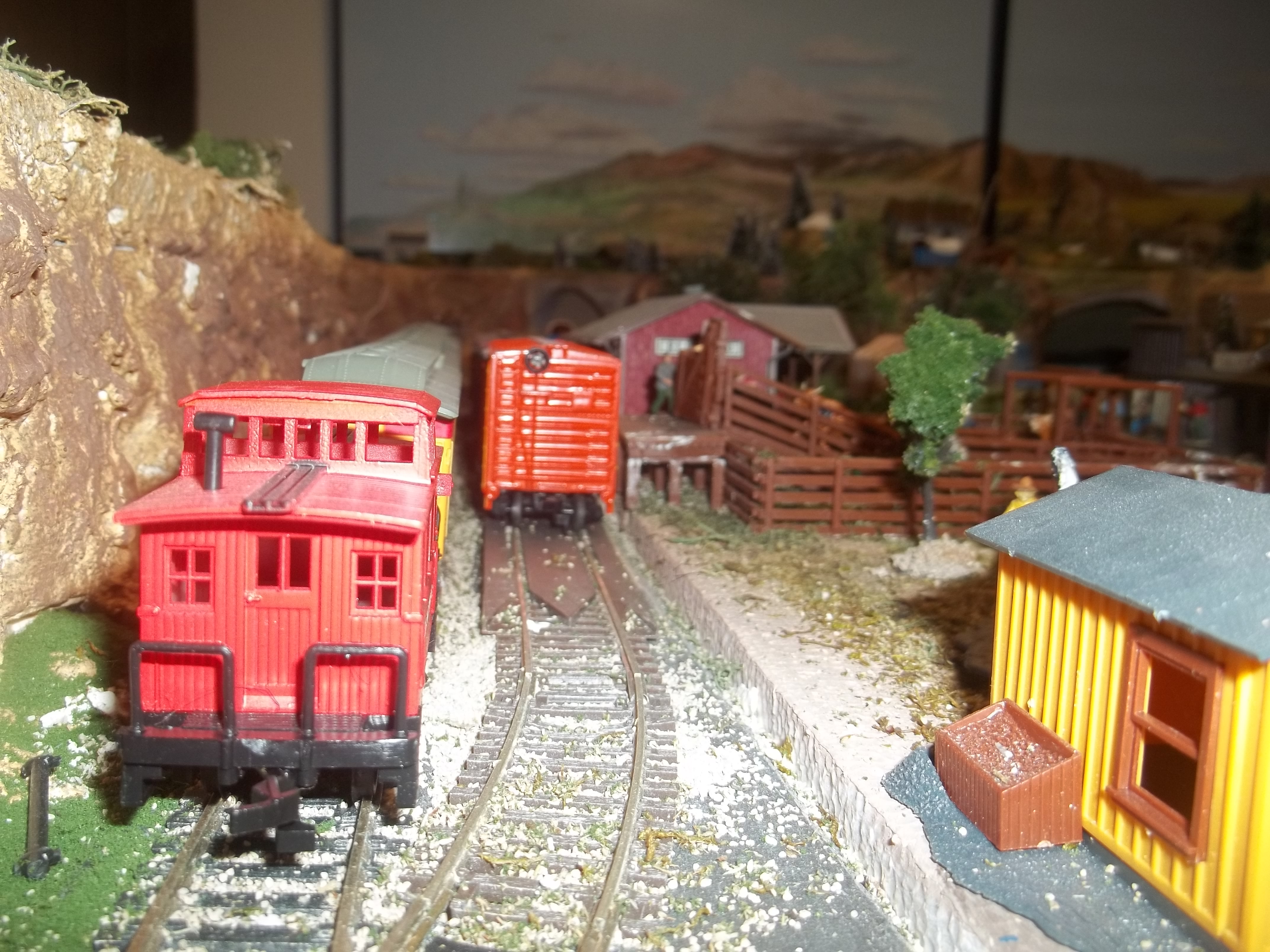
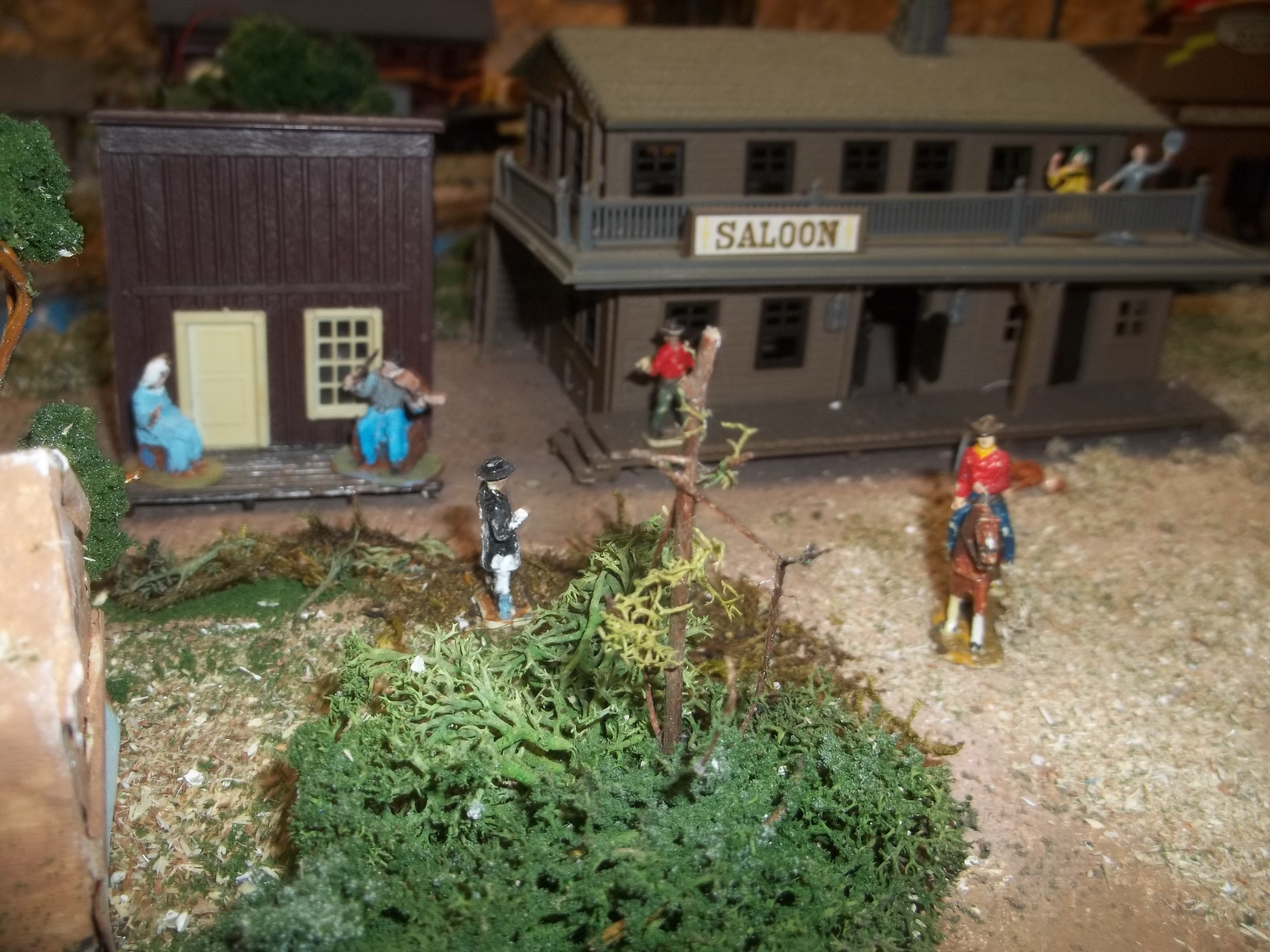
The latest from Ken

I’m starting with a subject I’m very fond of today: making a start!

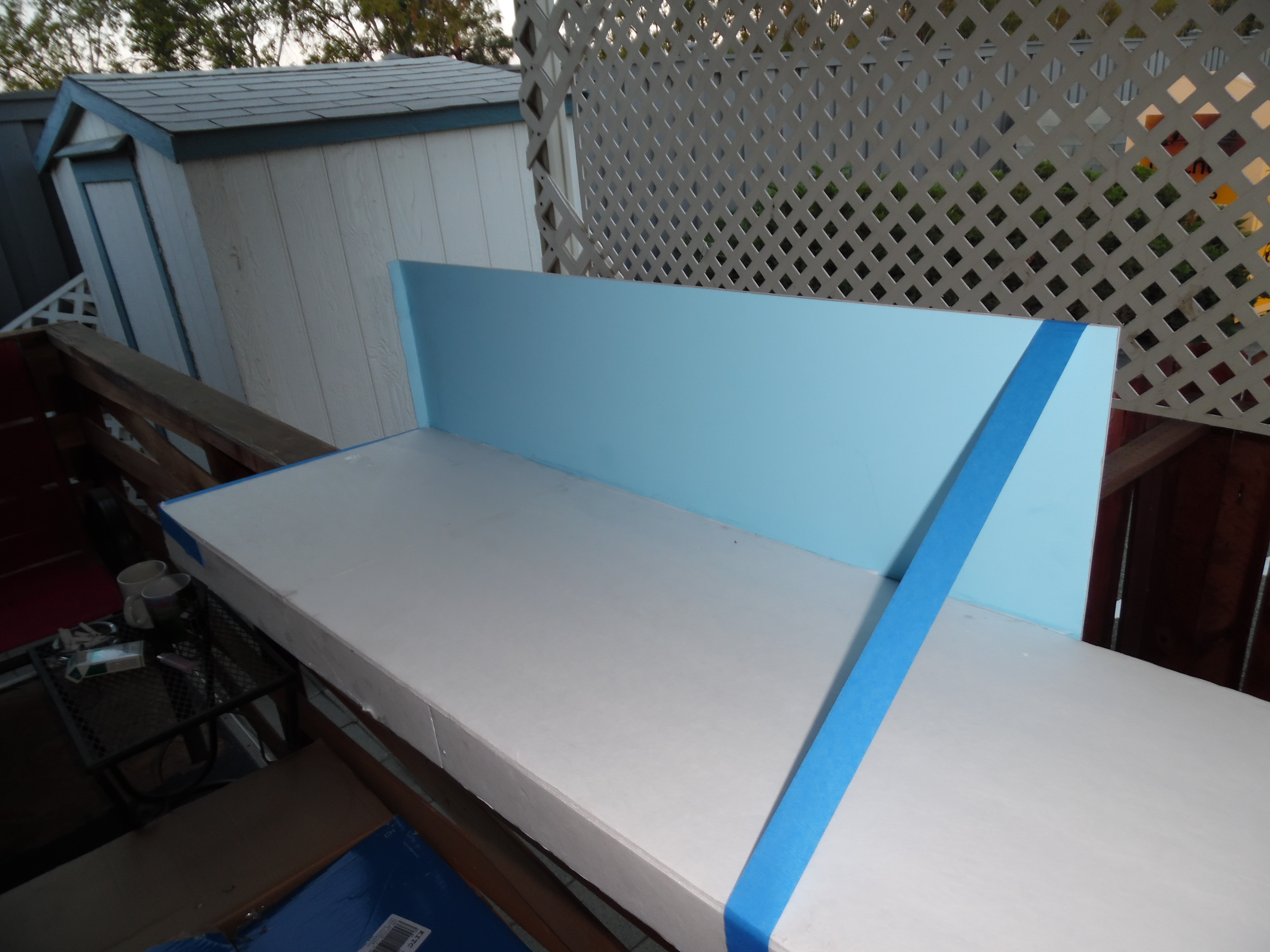
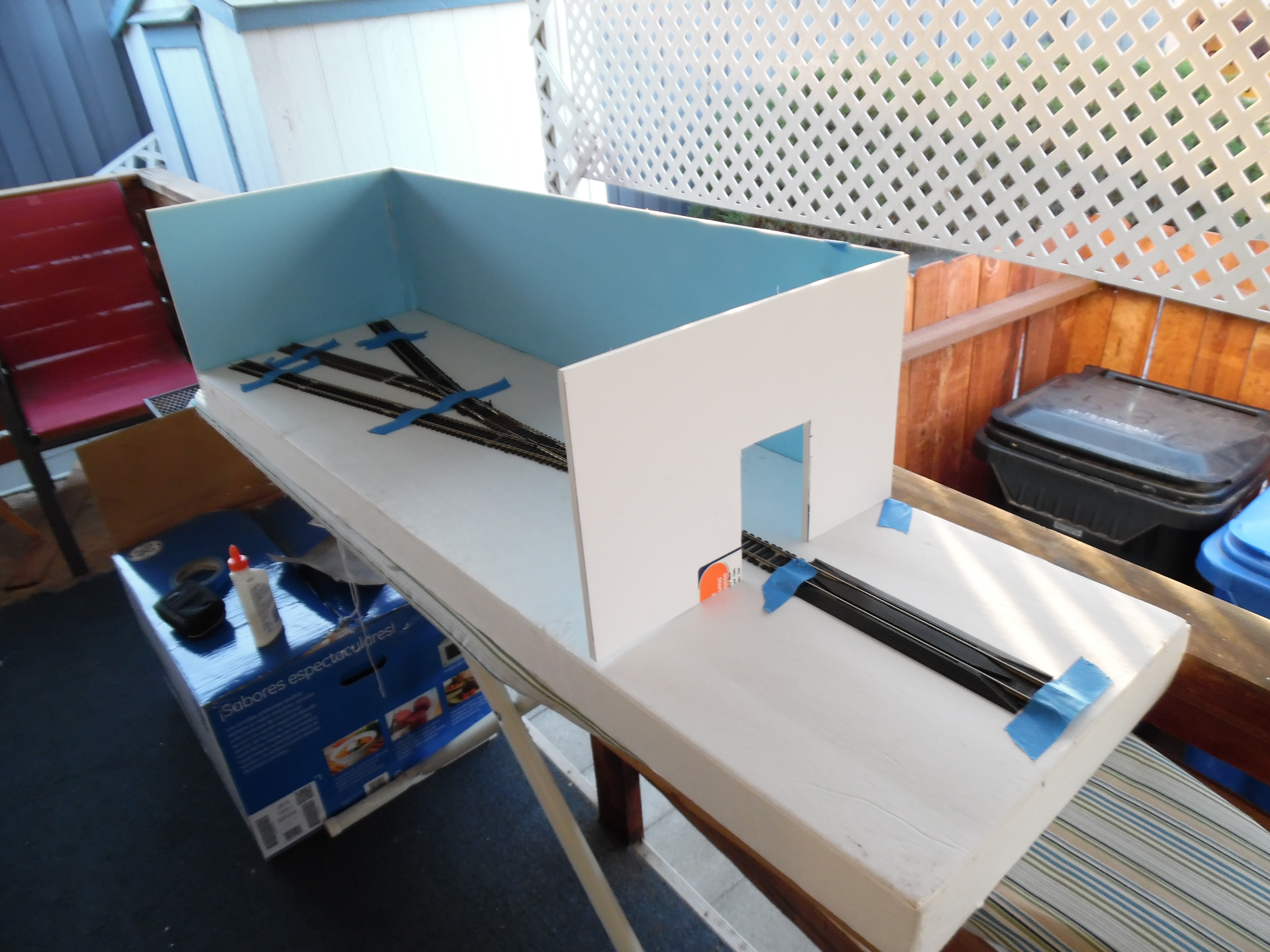
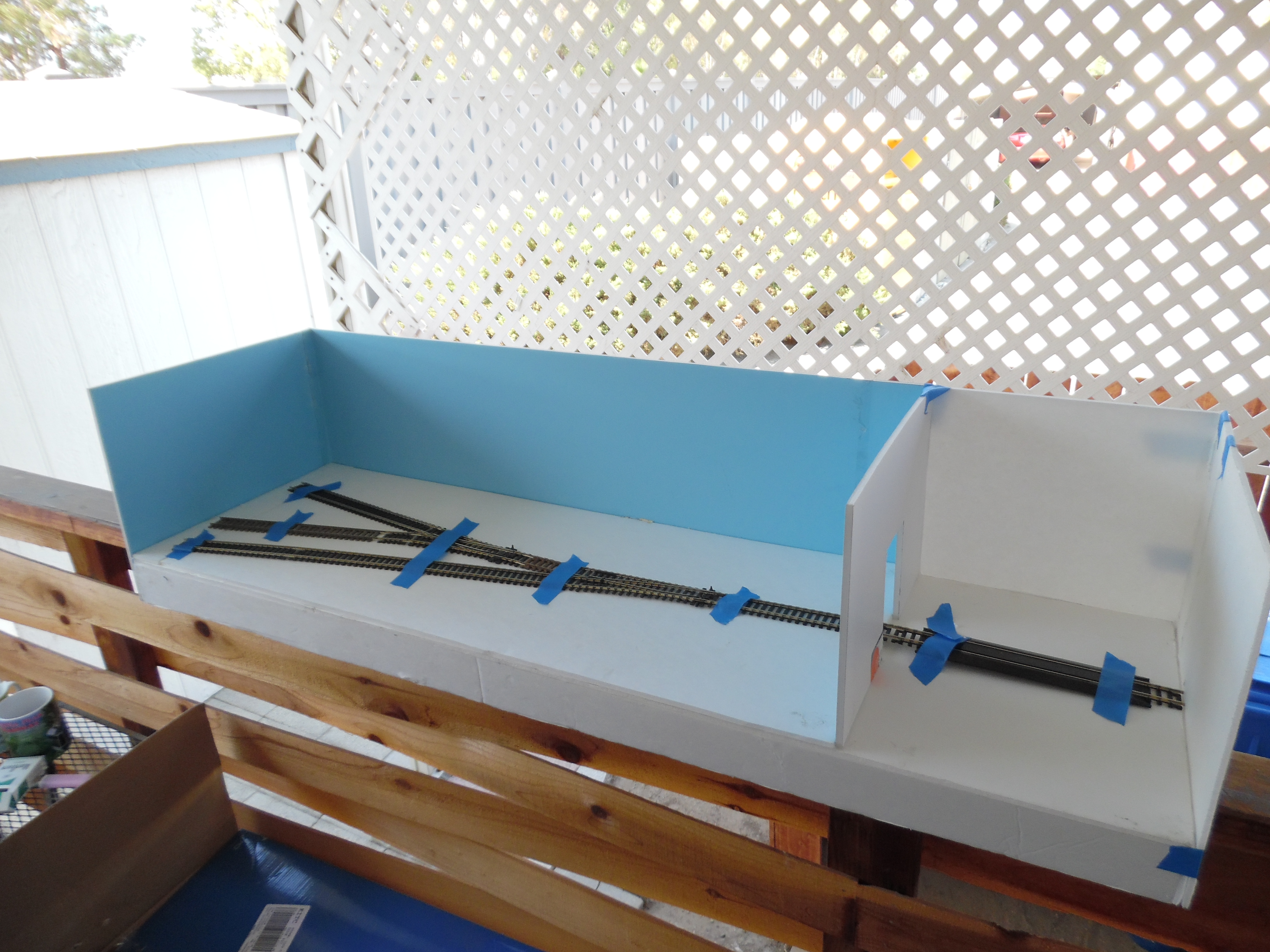
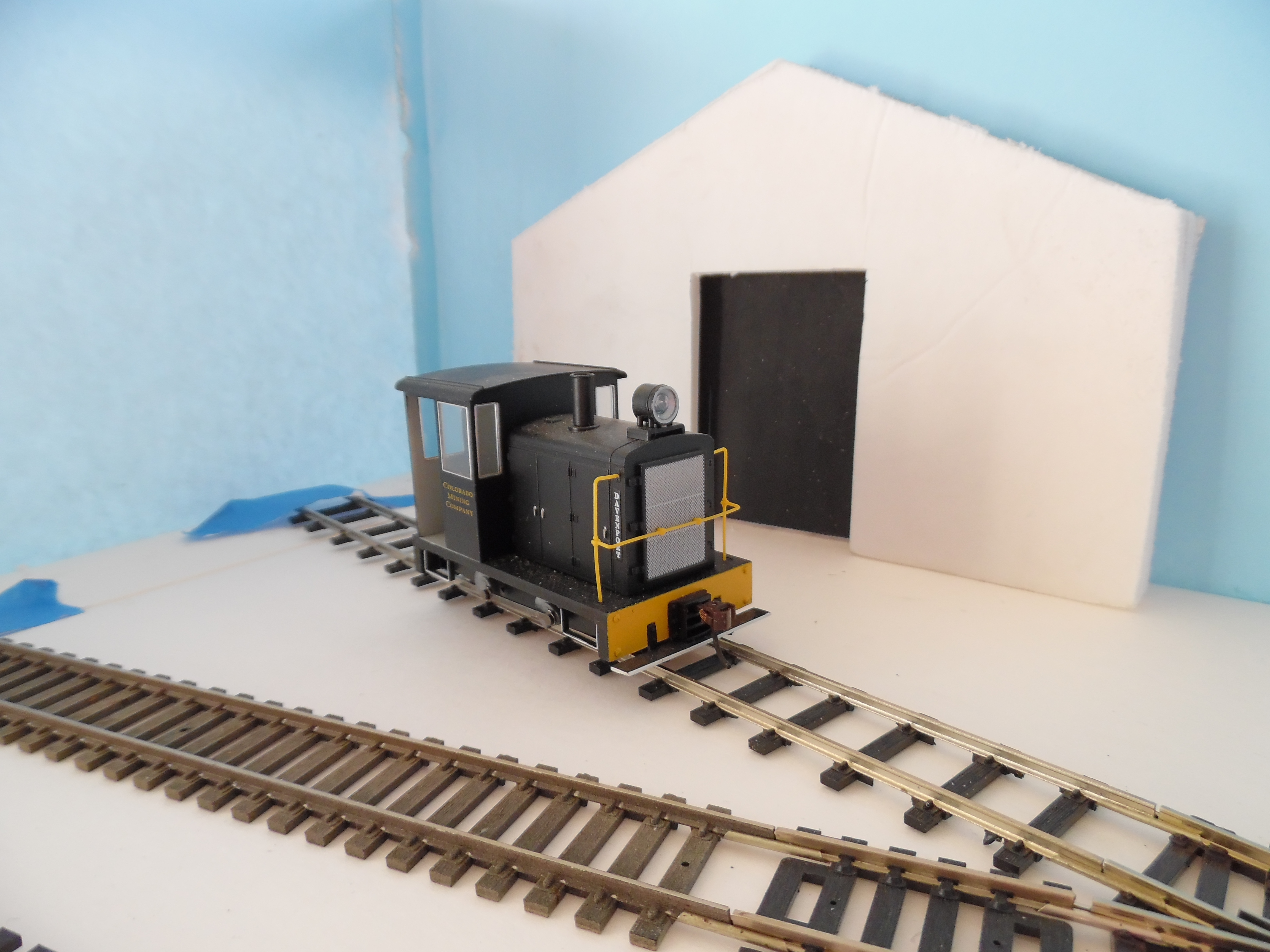
“Hi Al….Started this year…Hollow core door and will have a 4ft extension off the back left…

Mike”

Mike’s made a great start. And it doesn’t matter how small your start is – just make one. That’s how the fun begins.

Now on to Gregory.

He made his start here, if you want to get up to speed.

“Well I am happy to see the positive response from my project, so let’s keep going:

First of all, I ended up using XtrkCad for a number of reasons. It is very hard for me to understand the underlying principles of CAD. Somehow, I was able to understand XtrkCad. (I tried SCARM, Anytrack, 3rdPlanit, CadRail. Ugh. I almost gave up!)

XtrkCad let me do two things that the others could not.

Create curves with 7” radius in HO scale.

Remember, some of these tracks are running in urban streets and this is common for street running.

Secondly, it allowed me to create a custom turnout, to match the Richard Orr single point turnouts. This was the biggest issue for me.

Downside is that there is no 3D. But I will address that later.

So I started:

The right side is the Howard Street area and the elevation is 0”

The dark line in the middle is a two sided backdrop and the left side is the run to Waukegan and is at elevation 4”. So the backdrop will have tall flats on the Chicago side and shorter flats on the Waukegan side.

The High Speed line to Milwaukee will disappear under a viaduct and remain hidden.

On the Chicago side, the topmost track will disappear behind some industrial low relief buildings. (Actually, I have some from Al that should work out just fine.) I didn’t put any industrial switching in just yet.

Then reality started to rear its ugly head. On the right side, I have 10 tracks running parallel and only 4 feet to fit them in.

The easiest one to get rid of was the center track running through the station. So I removed that and put a double crossover on the Waukegan side. The siding behind the buildings at the top had to go too. They were the least useful in this plan.

All of those tight turns and switches in an inaccessible area under Waukegan had to go too. That would never be a reliable situation.

So I made it a simple loop that would run along the edges of the railroad. It gave me pretty much access to those tracks (and overhead wire).

This is the loop that the Electroliner would run on. I have a brass model from Nickle Plate.

There are a few others available, but none of them are real reliable runners. So simplicity wins out. And if I want to run in the other direction, I just have to
switch the trolley poles.

They were articulated trains (one truck supported the ends of two cars). They had a top speed of 110mph, but the highway crossing gates could not come down fast enough, so they were restricted to 90 mph.

The North Shore also had freight operations. So the Steeple cab locomotive will pick up cars from the Railroad interchange (right next to the 2 sided backdrop) and drop them off at the Merchandise
Dispatch warehouse (double track spur on the Chicago side) and to various industries north of the city.

I put in a few spurs, just to reserve the space. This will be refined later on.

For those of you who are not familiar with the Electroliners, here are some pictures.


They were articulated trains (one truck supported the ends of two cars). They had a top speed of 110 mph, but the highway crossing gates could not come down fast enough, so they were restricted to 90 mph.

The North Shore also had freight operations. So the Steeple cab locomotive will pick up cars from the Railroad interchange (right next to the 2 sided backdrop) and drop them off at the Merchandise Dispatch warehouse (double track spur on the Chicago side) and to various industries north of the city.

I put in a few spurs, just to reserve the space. This will be refined later on.

The interchange tracks curve a bit at the far end. I anticipate that they will go under a bridge or something and butt up against a mirror.

This should create the image that they continue to go on, past the edge of the table. The mirror has to be set at an angle, so the viewer won’t see himself/herself when looking at it.

That’s it for today. There are still a lot of adjustments to be made.

Gregory”


“Al, the way I see it.

Do your homework. Set reasonable goals relative to:

What layout do I want to build?

How much space do I actually have to work with?

What trade offs will I have to make between wants and practicality?

Where are my skills and expertise?

What outside help might I need?

What outside help is actually available to me and at what cost?

What family time and relationships will be affected by this hobby?

What financial impact and hardships might this hobby impose?

Can I keep it from getting out of control?

Do I have physical limitations to consider?

These are just some considerations. There will be others because we are all different in our own way.

Zip”


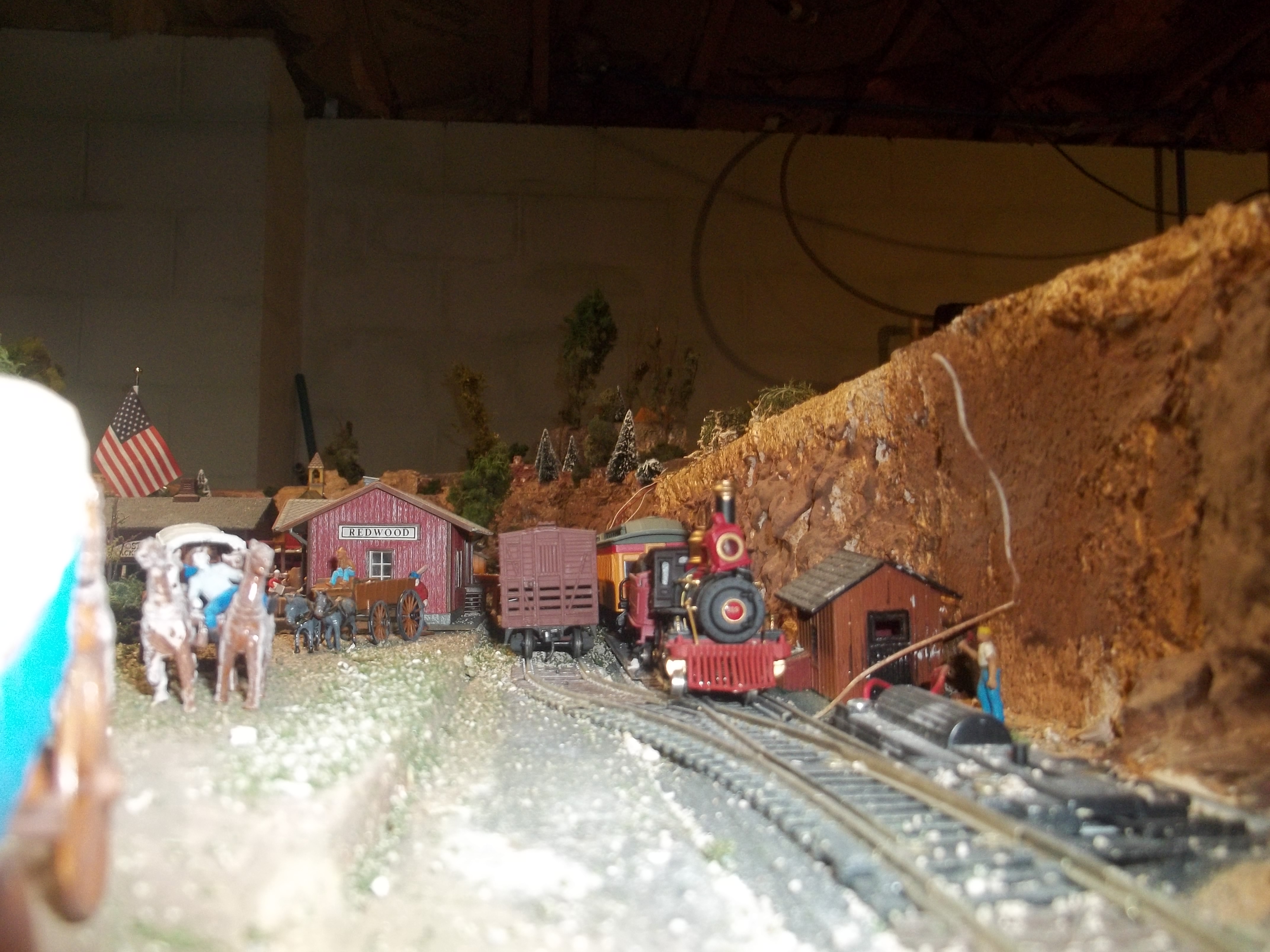
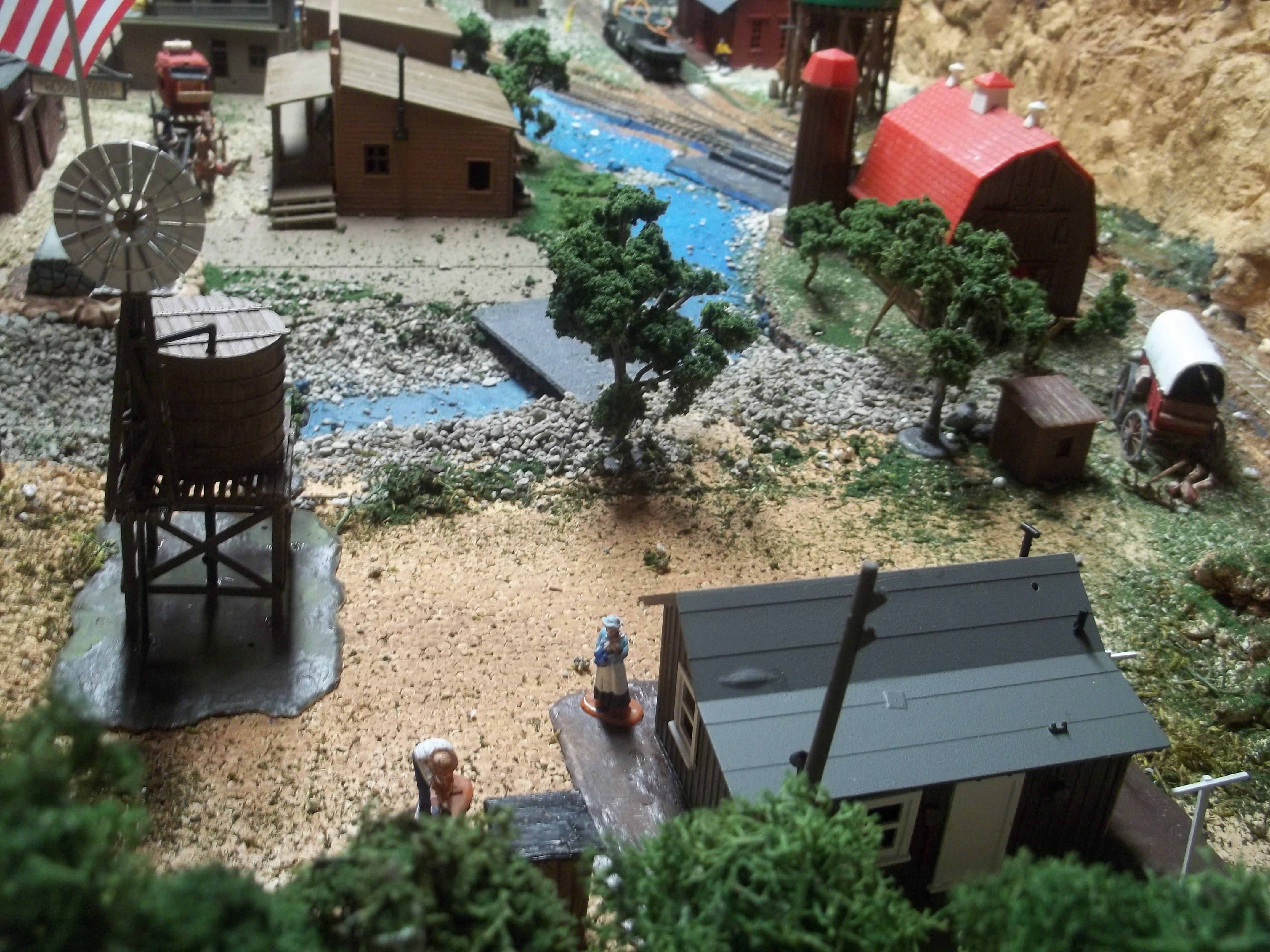
“Hi Al hope all is well and i trust you and your followers have had a great summer modeling! Have a new vid that shows the layout running and the real water spouts are up and flowing. Take a look and I ask you all what kind off vid you would like to see the workings off the layout or the finished .. Maybe a start to finish vid what do you guys think?

Ken”

(Ken’s latest takes a while to get going – but stay with it. It’s worth it).


A huge thanks to Ken – have a look at the comments below!

That’s all for today folks.

Please do keep ’em coming.

And if today is the day you get started on your layout, the Beginner’s Guide is here.

Best

Al

PS Latest ebay cheat sheet is here.


David’s train light

“Hi Alastair:

Greetings from West Hartford, Connecticut, USA.

I have to tell you that the information you pass on to us is so helpful in creating our own “word of trains.”
A question: I’m almost positive that I saw about a year ago in one of your emails an article on using dryer lint to help in the making of scenery. I was going to print it out but never did. If it did come from you, would it be possible to send it out again? I’ve been thinking about it and why not use a handful of lint mixed with some green dye or very diluted green water base paint and sprinkled with some ground foam and you might have a decent looking shrub.

Thanks again for all the helpful information you send out.

Leon”


“Al,

Here’s a tip: I’m putting down G gauge track for my garden railroad. I’ve found that ¼” crushed gravel, not pea gravel, makes an excellent underlayment for the roadbed. But for ballast on top of that, I’m going to use #3 poultry grit! It’s just the right size, shape, and color, and it’s cheaper than dirt: $12.00 for a 50# bag at your local feed store.

P”


“Not stunning, but I always keep a pot of sawdust going; it’s really useful for scatter material and can be glued in small clumps around the bases of walls etc, dabbed with a few different greens and yellows, and becomes weeds/foliage/whatever.

Paul”


“I got this watch powered light i put on the back of this cab.

David”


Latest ebay cheat sheet is here.

A nice tip from David – works really well I thought.

Keep ’em coming.

Best

Al

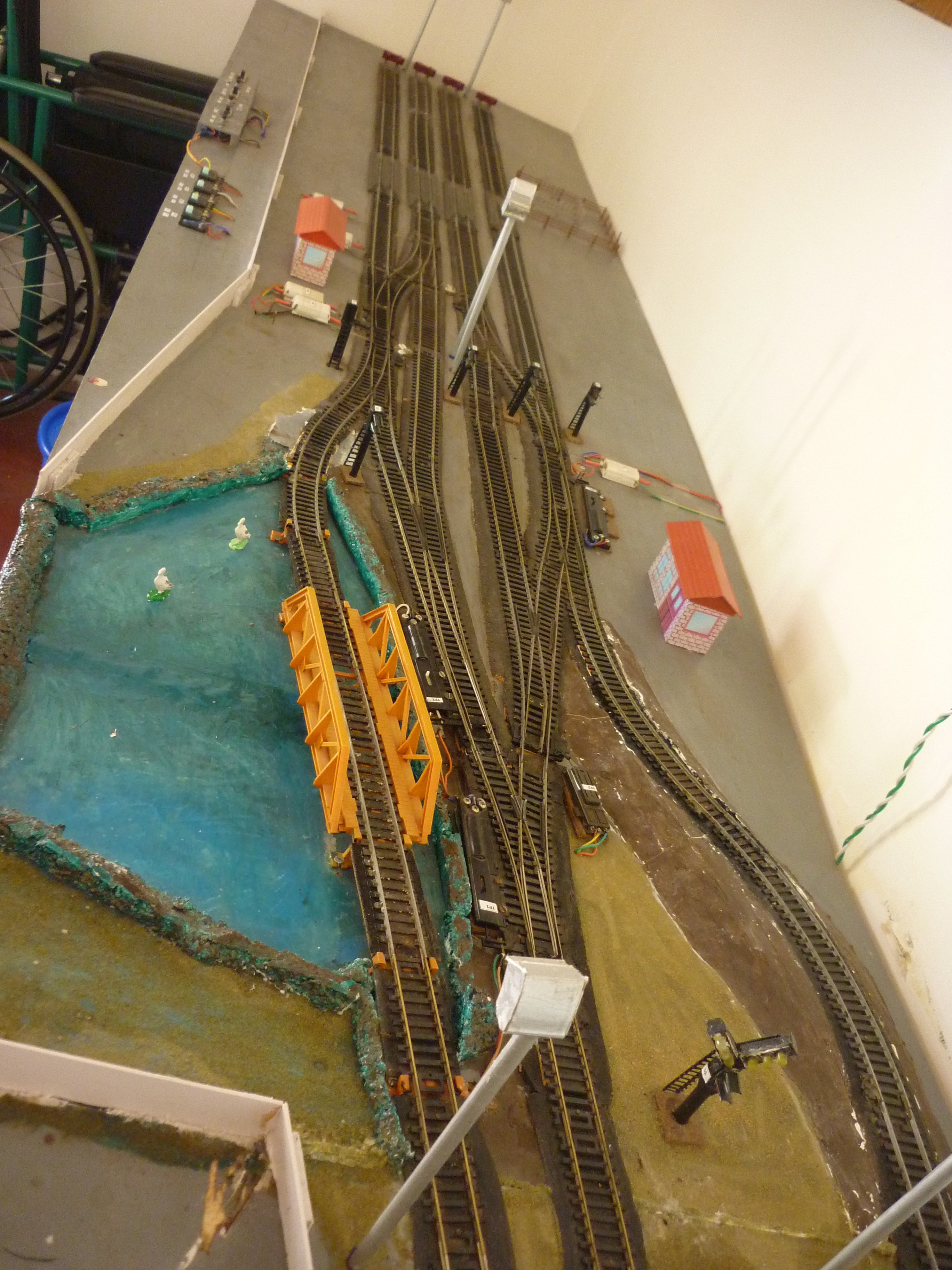
Alan’s latest update

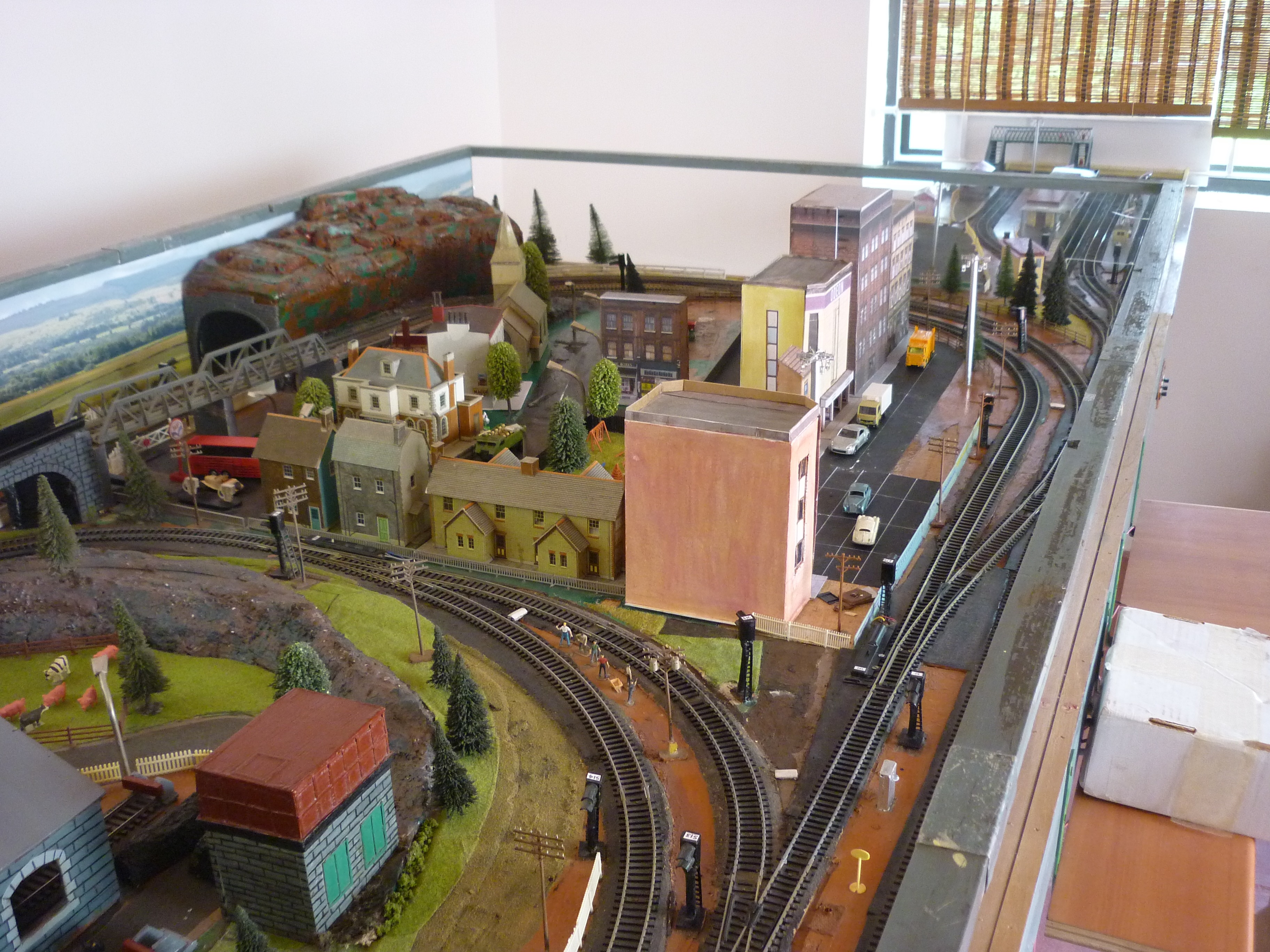
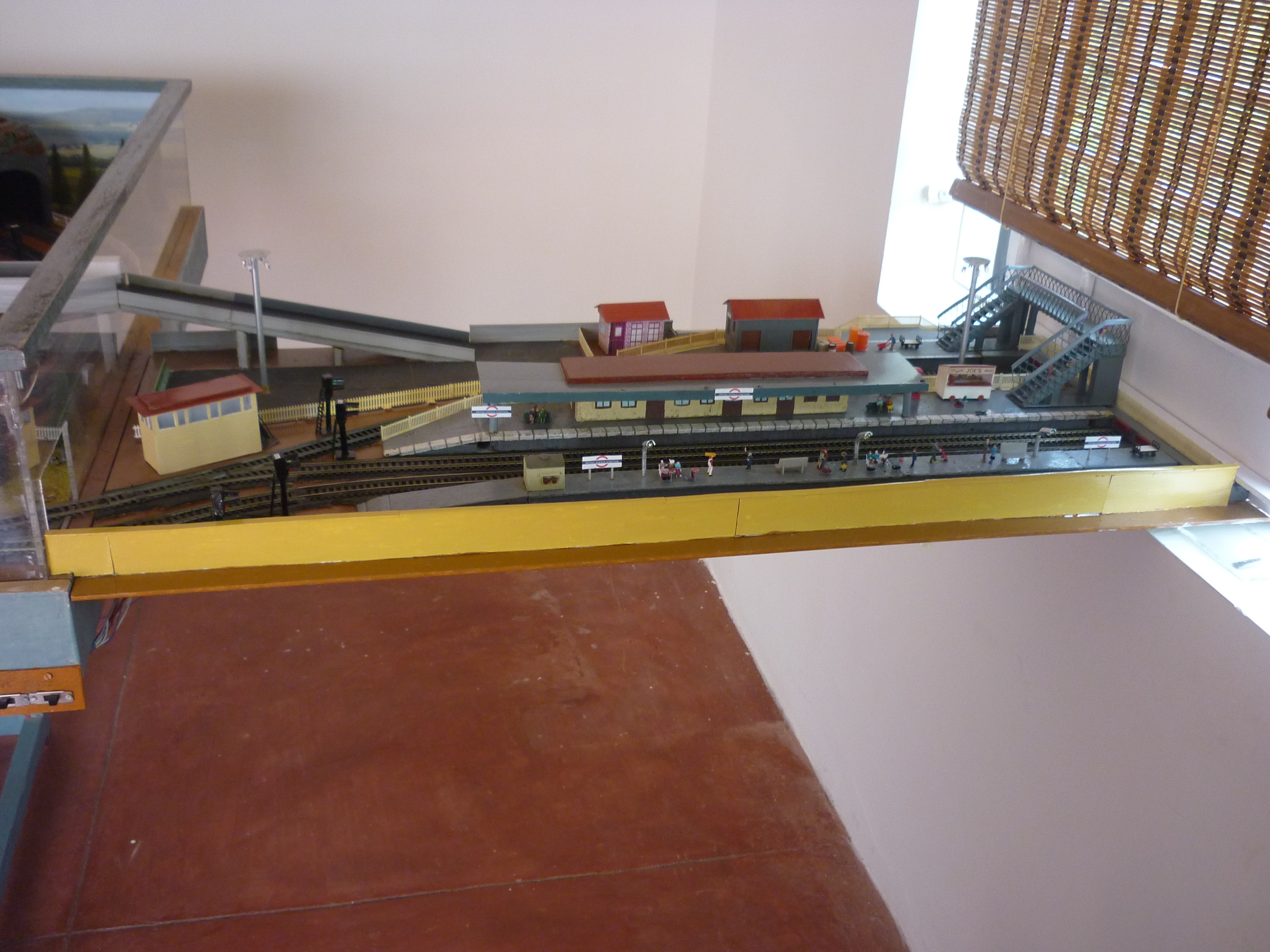
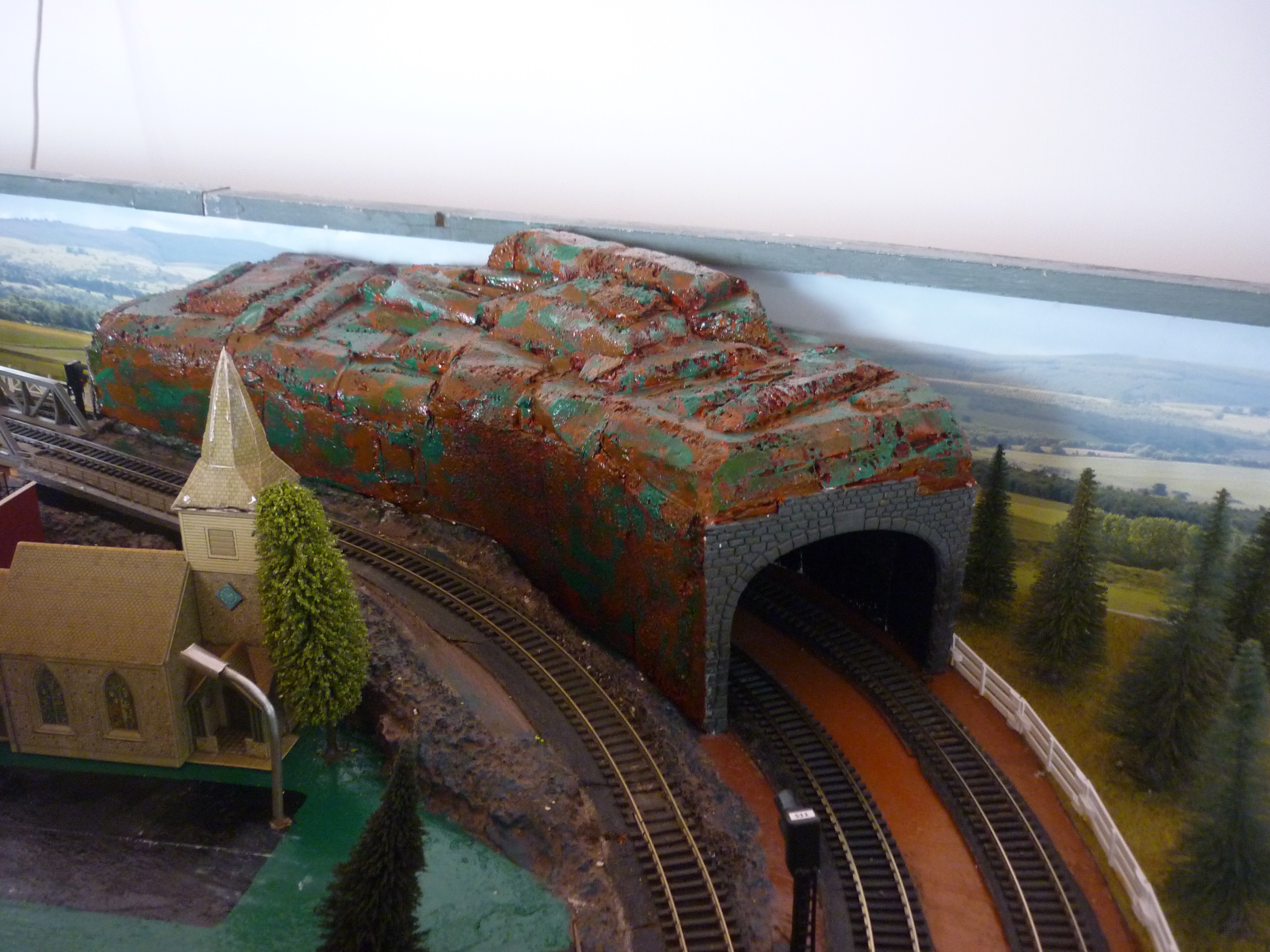
“Hi Al,

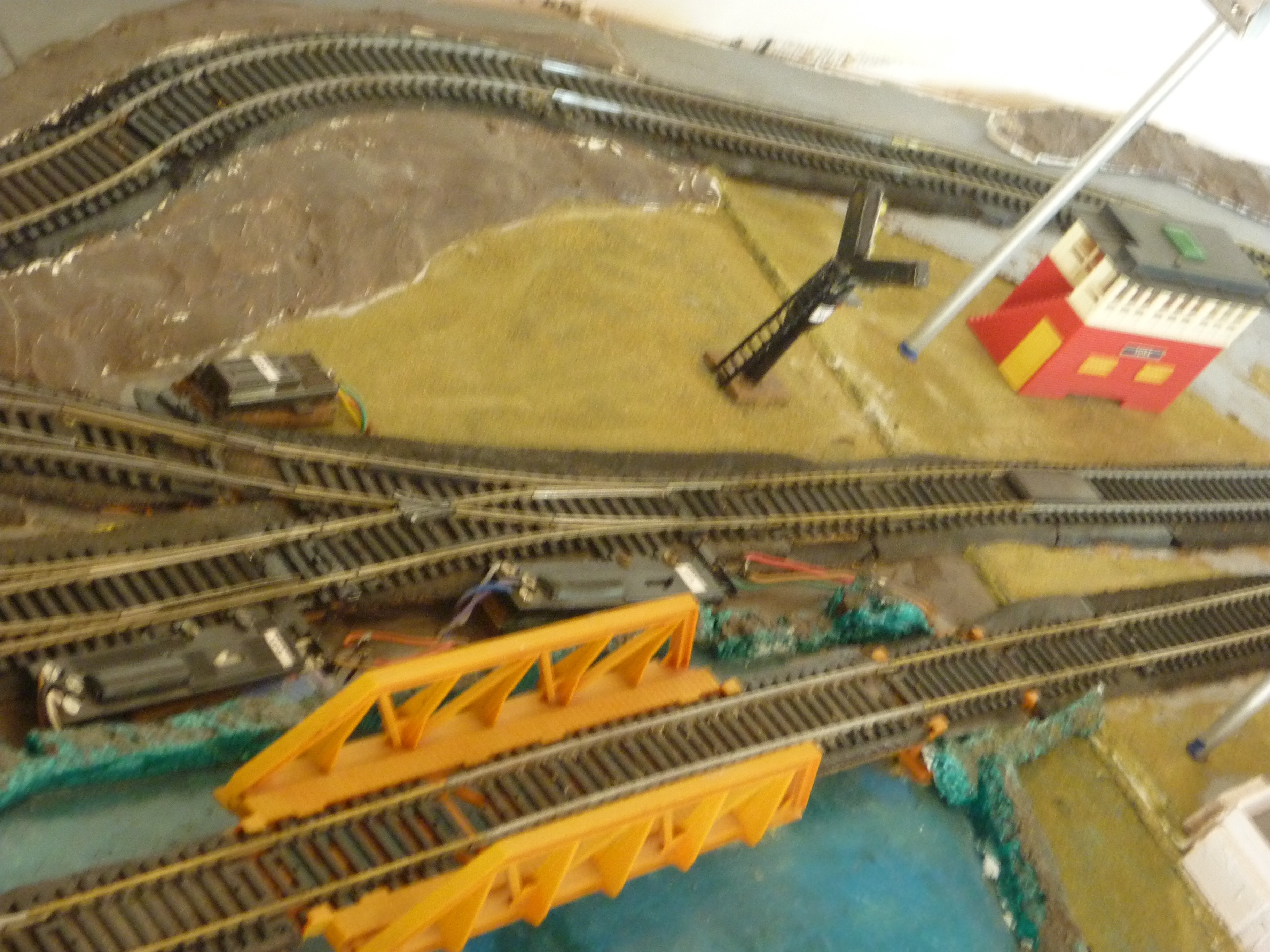
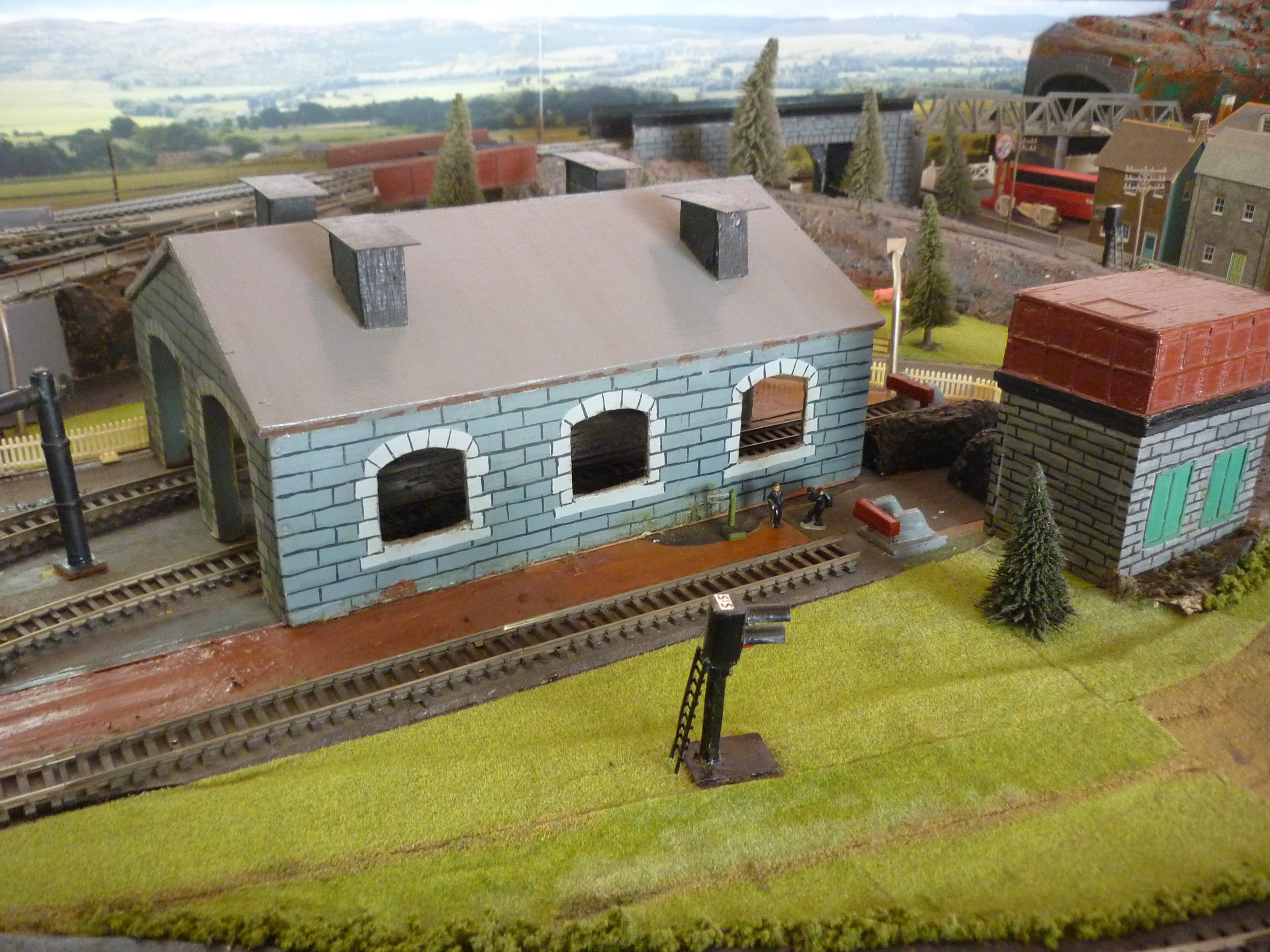
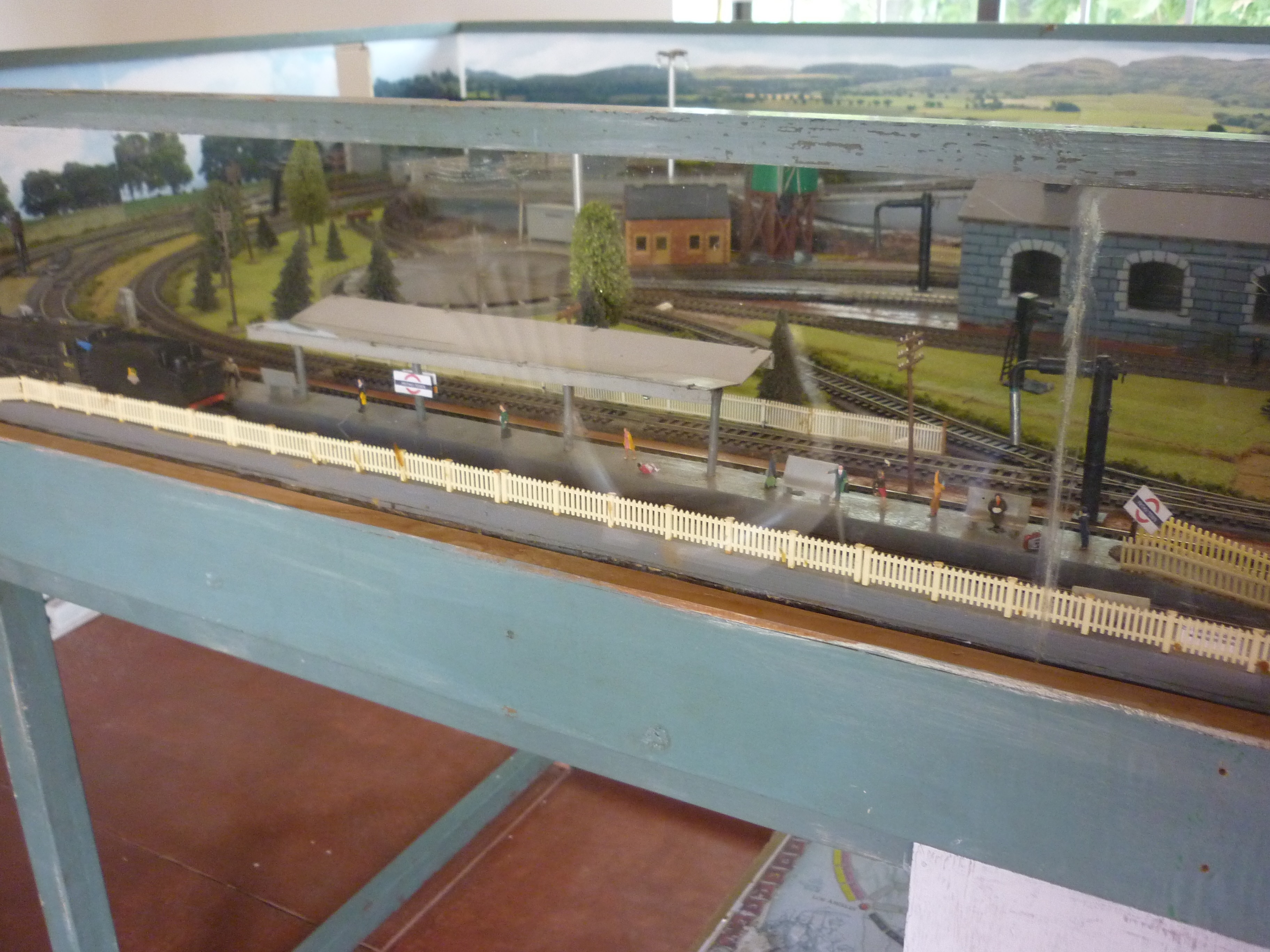
just to update you on the progress of my layout. I have just completed building a new Metcalfe loco shed with a stone finish to match the station. It’s a very sturdy building and can recommend it.

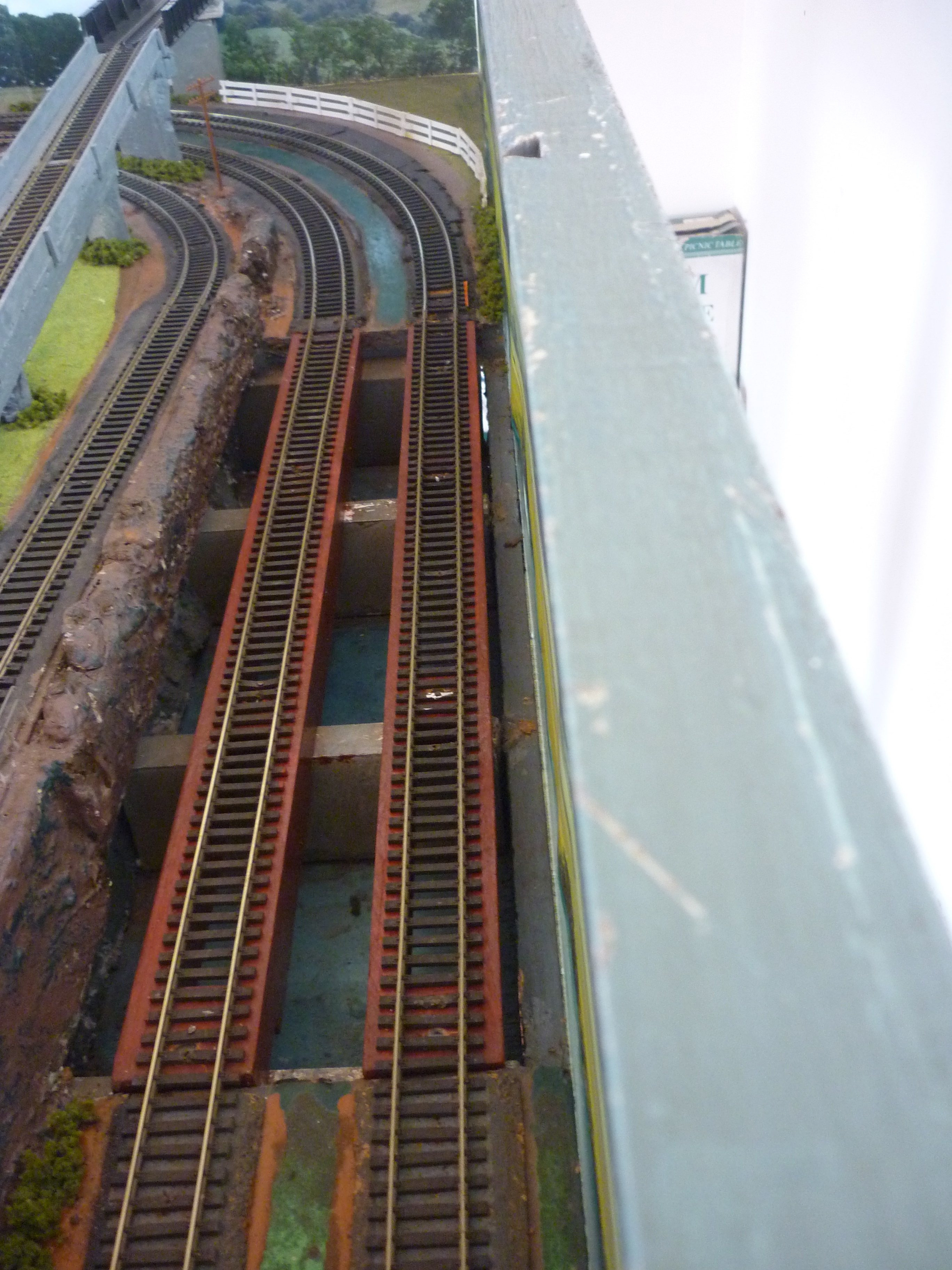
I have also constructed a high level double track circuit so I can run-in new locos, or test ones that have been serviced. I can’t really run them in properly with an end to end layout. I did mention that I’m not a great fan of ’roundy roundy’ layouts, but I must admit that it’s nice to see longer trains travelling at some speed at eye level. I plan to fit a backscene at some time but don’t intend to put full scenery on it.

Having built the high level track, The lower ‘South Wales layout’ was in its shadow, so I bought som LED 5metre strips and fitted them under the shelf. It makes it a lot better.

Best wishes.

Alan”

photo 1

photo 2

photo 3

photo 4


“Dear Alastair,

I have been following the amazing Dave’s remodelling of his attic layout with great interest. In a recent instalment Dave was showing a little transformer he used for powering his LED street lighting and this obviously has many uses for stations signalling etc where LEDs can be used.

I teach simple electronics to teenage children at GCSE level in the UK. One of the things they need to know is which resistor to use with an LED and this depends on several factors;- The circuit voltage, the LED forward voltage (how much voltage the LED needs for optimal performance), The LED forward current (how many milliamps the LED needs for optimal performance) and how many LEDs you wish to use in your circuit.

LEDs used to be fairly standard at 2 volts and 20 milliamps but with the advent of larger and super bright LEDs this isn’t the case these day and the more powerful LEDs can use up to 3.5 volts. As a rule of thumb a 330r resistor will protect any LED connected to 3 – 12 volts DC. So if not sure, use one of about that value.

You will need to get the information on your LEDs which should be available from the manufacturers or distributors People such as Rapid Electronics, Maplin, Kingbright, etc are a good source of information.

Thank you for keeping my interest in model railways going if only as an observer of other peoples’ talent.

Regards

Paul”

Big thanks to Alan and Paul – some good LED advice there. Keep ’em coming.

That’s it for this time.

Don’t forget the Beginner’s Guide is here if today’s the big day when you make your start.

Best

Al

PS Latest ebay cheat sheet is here.