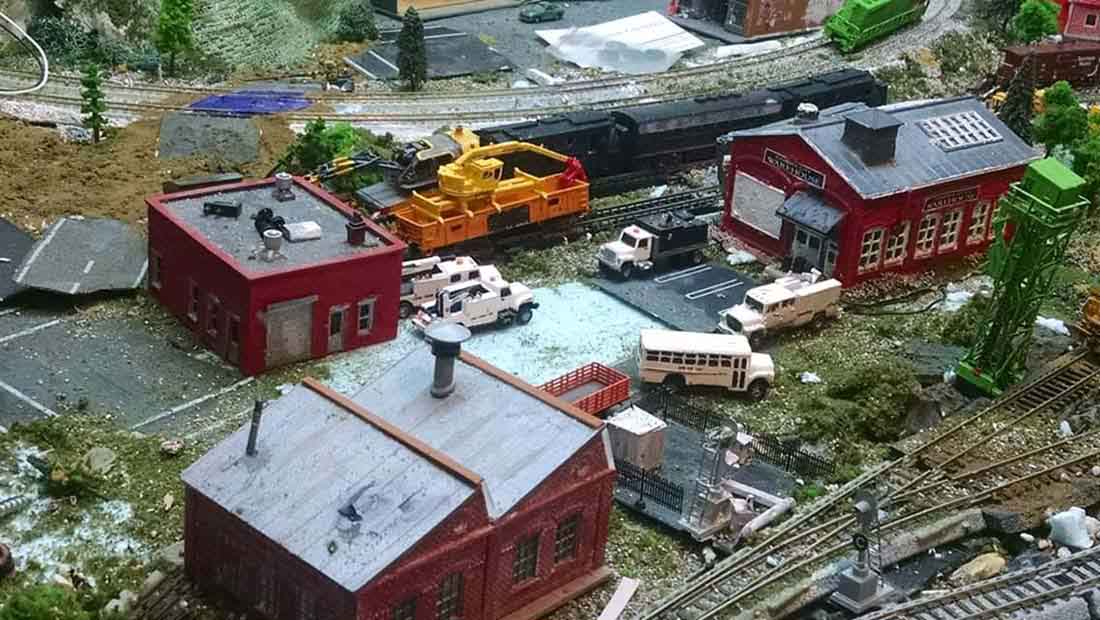
Atlas track plans

Dean from New Mexico has been back in touch with his Atlas track plans:

“My last layout, the Scenic Ridge, is pretty much complete, and it’s time for me to start on my next layout, another small railroad.

Today I’m going to talk about my design process using Atlas Track Planning Software (ATPS) and the design I came up with.

First, here are the design criteria I developed to help in the process:

    A standard door size (30″ x 80″)

    Lots of action!

    Two main tracks so I can run two trains at once unattended

    Support for a yard engine to

    –assemble cars in a classification yard
    –work several industries

    Use flex track for better realism

    DCC

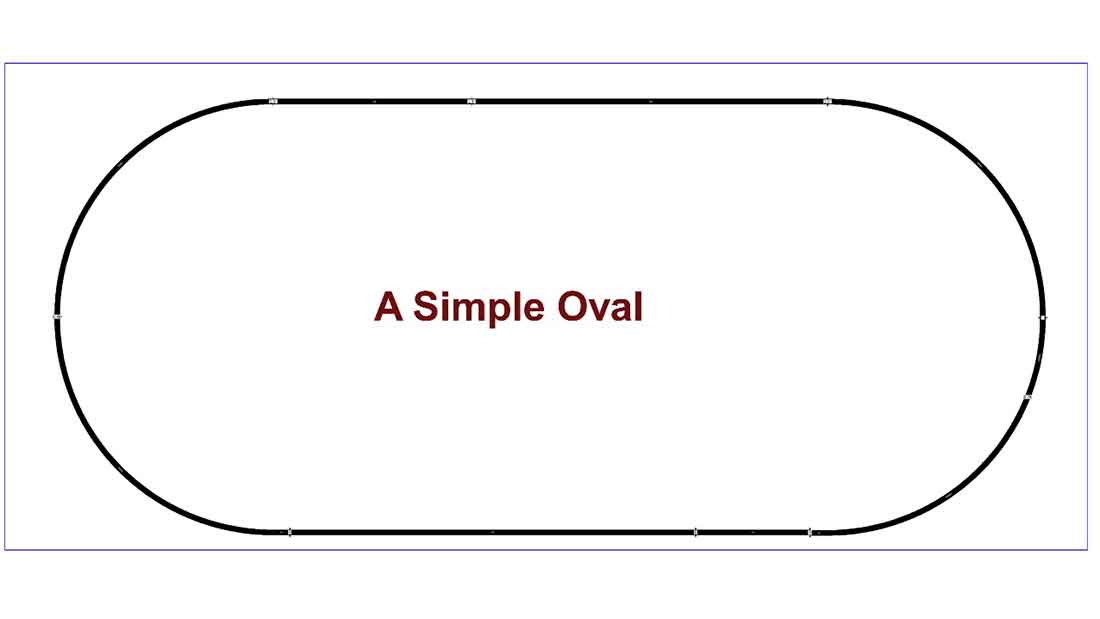
Here’s how I started the planning process. Many people begin with a simple oval. It’s an easy layout, but it’s kind of boring.
Atlas track plans

Here’s a second start—adding curves and tunnels or other features makes it more interesting, but there’s not much room for getting in my double line or industrial sidings.

Atlas track plans

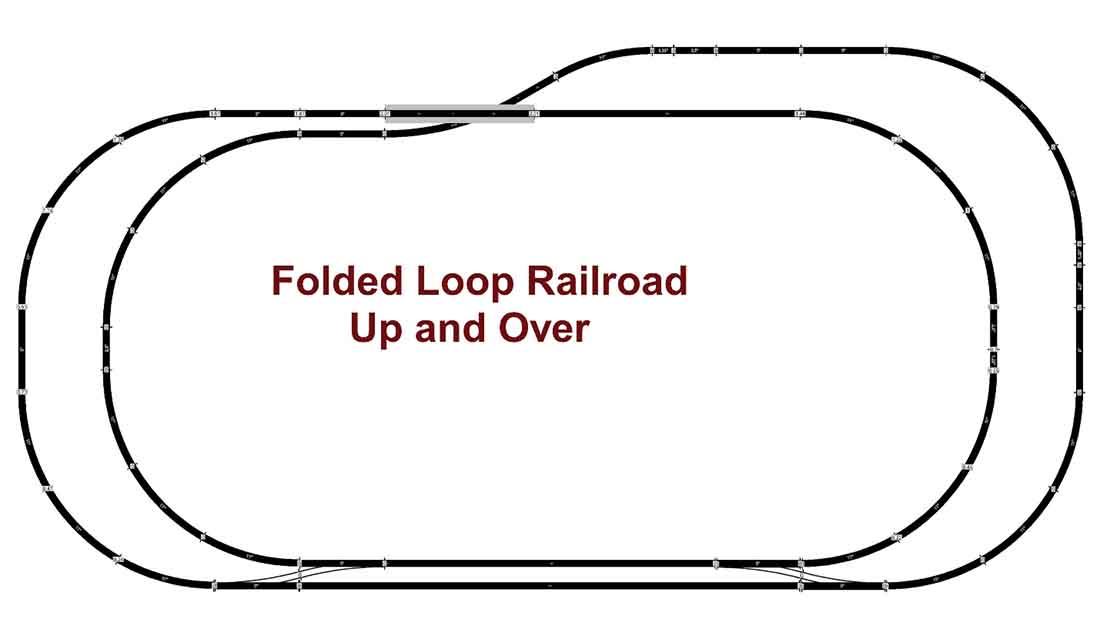
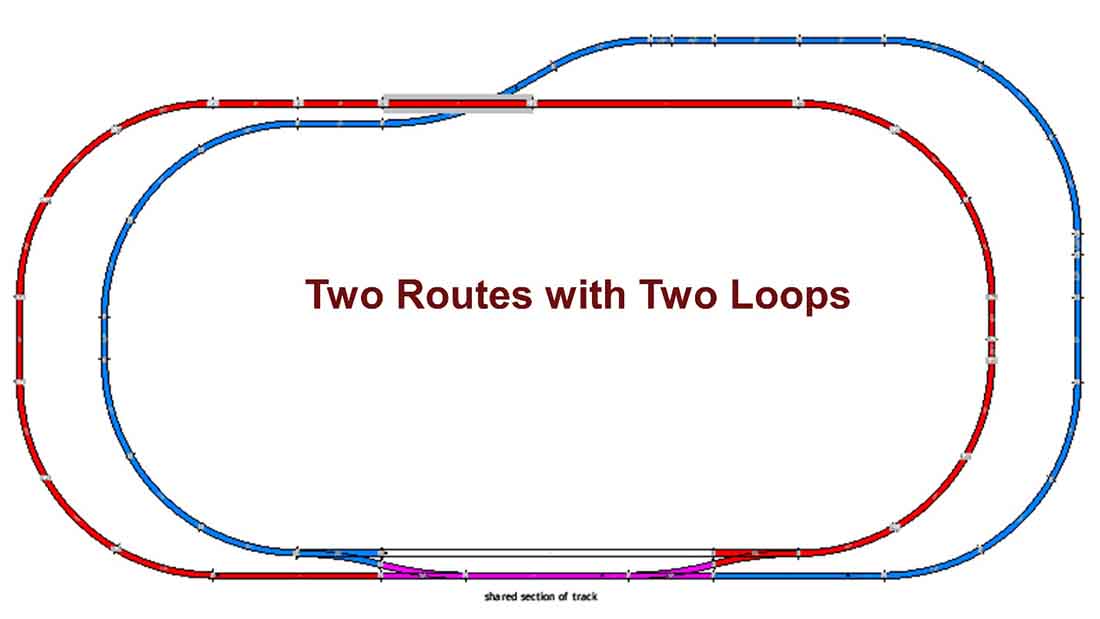
This is another design that I actually built in both G scale and N scale, an up and over layout. If you follow the black route around, you see that it has one main track that comes back on itself.
Atlas track plans

Atlas track plans

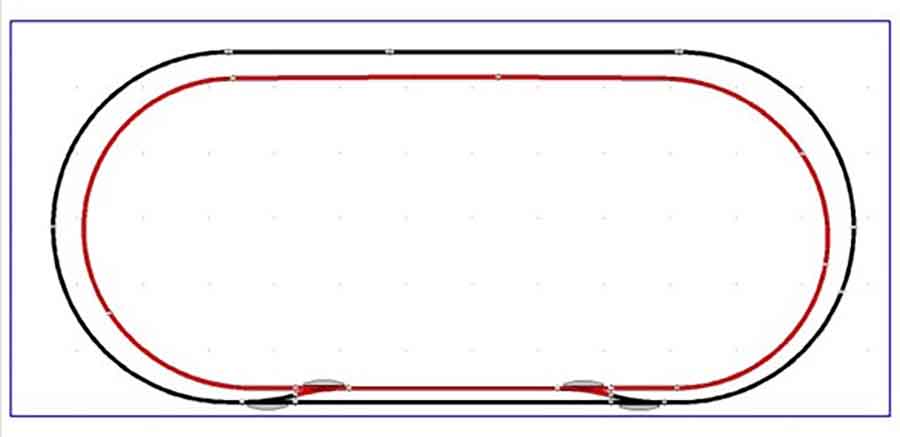
So back to the drawing board for my future layout. For this I started with two ovals.
Atlas track plans

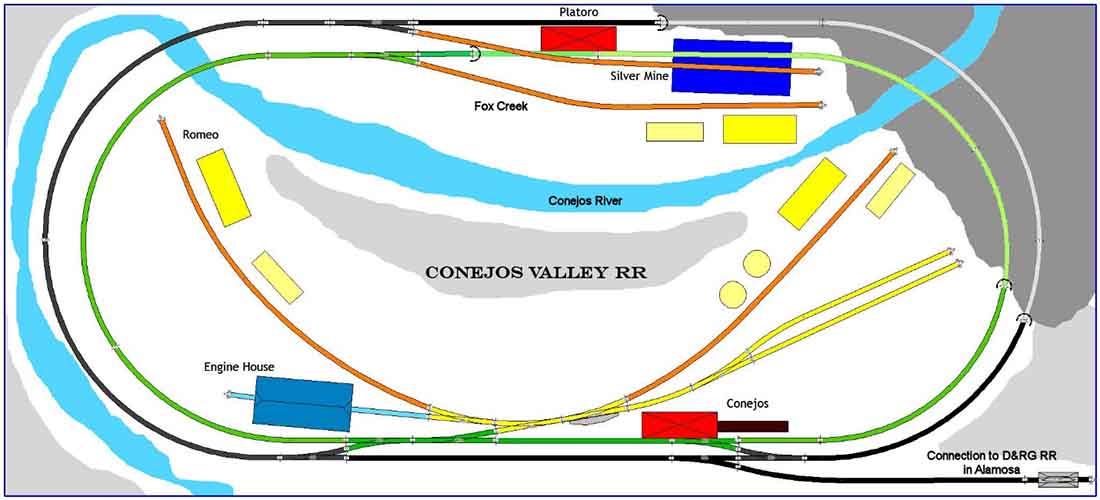
In my final design shown below, each of the two loops can have a train running around continuously.

To the two main tracks I added some sidings, two stations (red), a mine (blue), an engine facility with an engine house (red), a classification yard, and several possible industrial locations (green and yellow).

Note that the long branch line to Romeo can be used by the yard engine to work the classification yard and industrial areas.

The yard engine can be working the yards and sidings, assembling and disassembling trains while the two trains on the mains keep running by themselves.

There is a complication for the local yard switcher that makes operations more interesting.

The local needs to dodge around the two main-line trains to work the industrial sidings at Fox Creek or the mine at Platoro. This siding at the lower right, representing the interchange to the D&RGW can be used as a fiddle track to add and remove cars.
Atlas track plans

In my plan, I have added two tunnels, a large mountain (dark gray) on the upper right, and lower hills (light gray). To help separate the two towns, I added a river (blue) and a central hill (gray).

To see more details on my planning process and final design, please see my youTube video at


Right now, I am calling this the Conejos Valley Railroad. The Conejos River valley exists in Southern Colorado, Platoro and Romeo are real towns, but Conejos is fictional.

In my mind the railroad connects with the Denver and Rio Grande Western in Alamosa and runs from Conejos, through Fox Creek, up the river to Platoro. FYI, conejos in Spanish means rabbits, and Platoro is a combination of plata (silver) and oro (gold).

I think my plan is more representative of what I call the “British” model. Great Britain has a much more extensive railroad system than in the U.S. with many more trains, both freight and passenger.

I think of the British layout as having 2 or more concentric circles of track (I’ve seen up to five loops) and lots of details–buildings, people, autos– completely filling the space.

In the U.S. we have far fewer passenger trains and long trains passing through varied landscapes. Except for the Atlantic coast, there are few passenger lines. For example, Amtrack serves only a few cities in my state with only two trains running per day.

Thus, U.S. model layouts tend to have a longer single main line, with more scenery between towns and few passenger trains. I think of the folded loop layout above as “American”.

Here’s an interesting, but unrelated, story that Al might want to pull. Thirty years or so ago, my wife and I were traveling around England and had spent a day in Windsor seeing the castle and town.

We had traveled down over the short stub line from Windsor to Slough and were waiting for a train back to London. After a bit, several police in flack jackets showed up on the platform across from us and directed everyone there to leave.

Suddenly a long black train with royal markings silently pulled into the station. “The Queen?” Unfortunately, no.

Several people (Royals?) got out of the train and were led up to waiting cars where they were whisked away, presumably to Windsor. Very exciting to us!

Dean”

Now on to Hugh:

“Hi Al

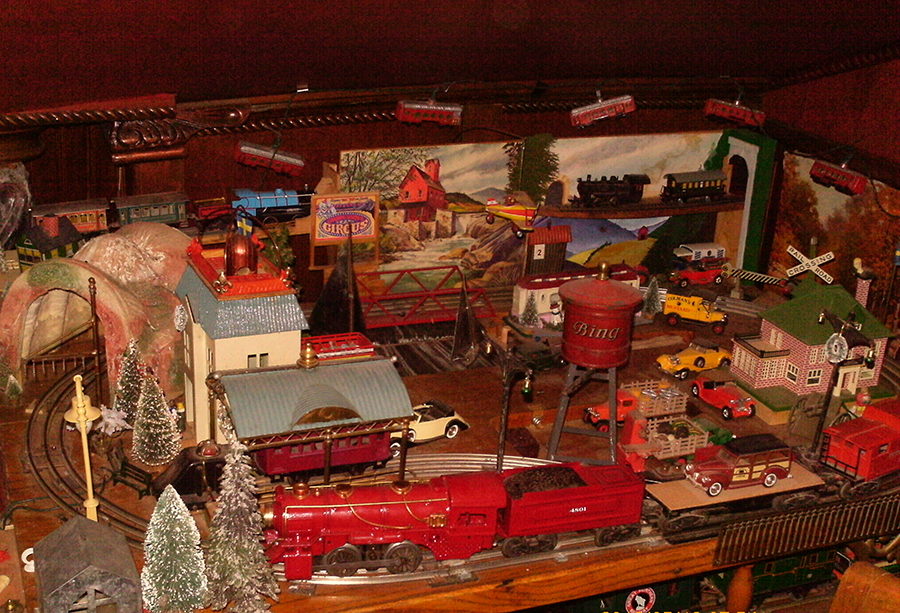
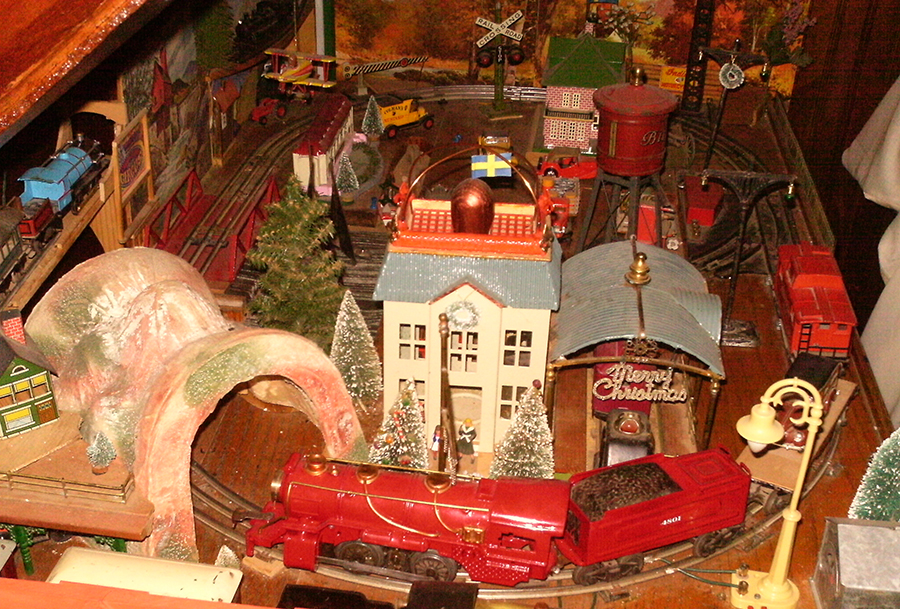
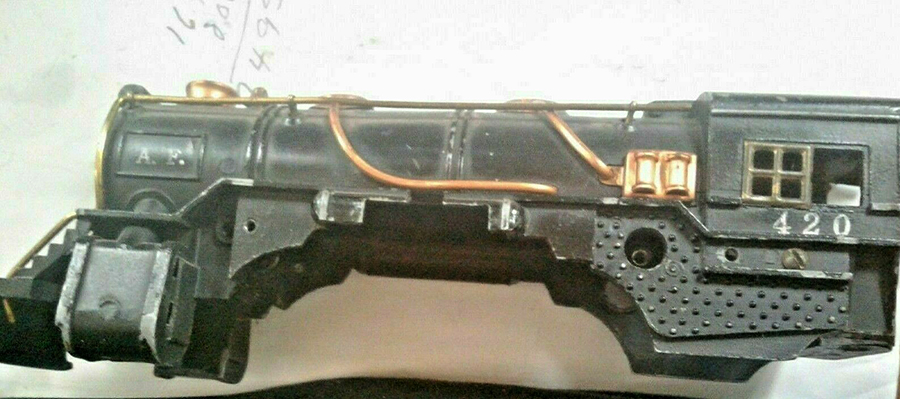
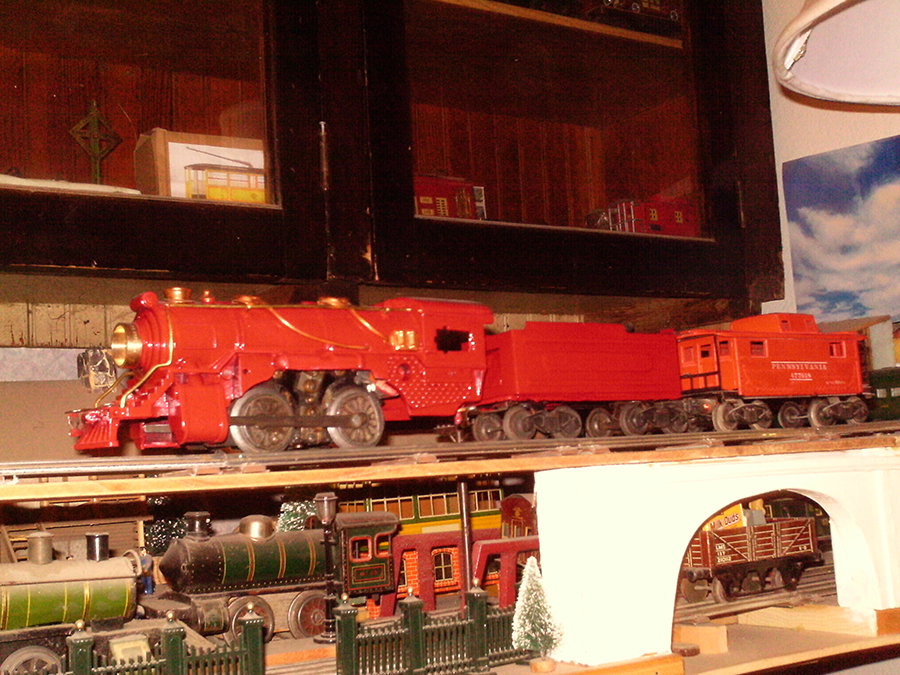
I think some of the American Flyer die cast Locos are nearly as detailed as mid 1930s Lionel. So for Kid Proof Christmas displays I have used a couple AF 420 shells with Marx motors. Some shells are broken and cheap but if they have all the trim the bodies can be fixed with products like JB Weld epoxy.

This red one is a mixture of many spare bits.

The tender is a Marx wedge with post war Lionel trucks.

The flat car is prewar Lionel with post war trucks and the PRR caboose is the last tin plate one that Lionel made in the late 1930s and continued into 1946.

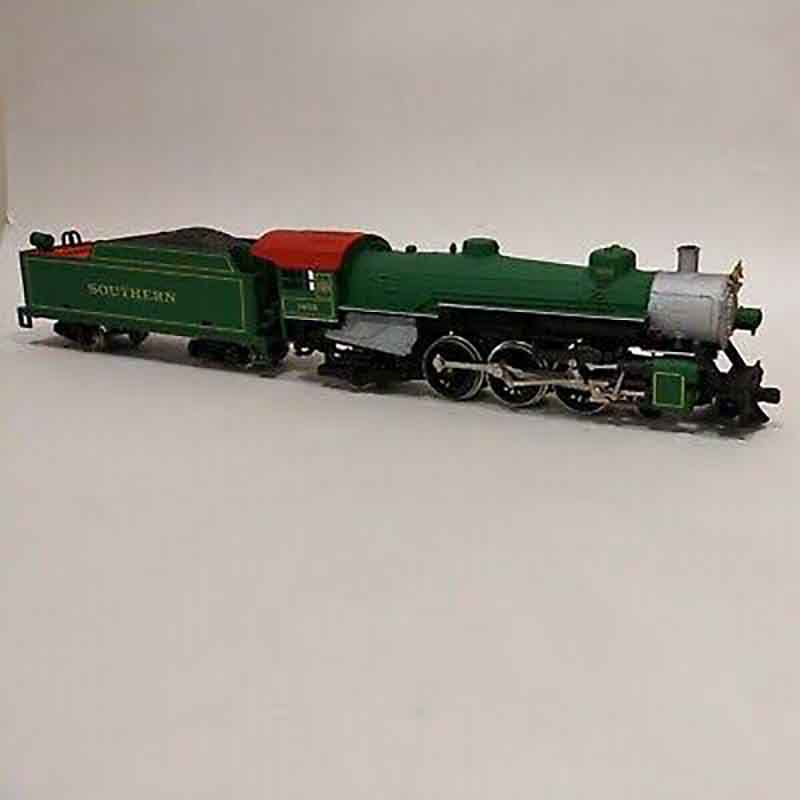
The next to the last image is a modern era Lionel powered AF loco set up to pull a 1934 Lionel North Shore set.

Hugh”
american flyer

O gauge

american flyer

O gauge

A big thanks to Dean for sharing his Atlas Track plans.

I also like the way Hugh ‘kid proofed’ his locos.

That’s all for today folks.

Please do keep ’em coming.

And if today is the day you get started on your layout, the Beginner’s Guide is here.

Best

Al

PS Latest ebay cheat sheet is here.


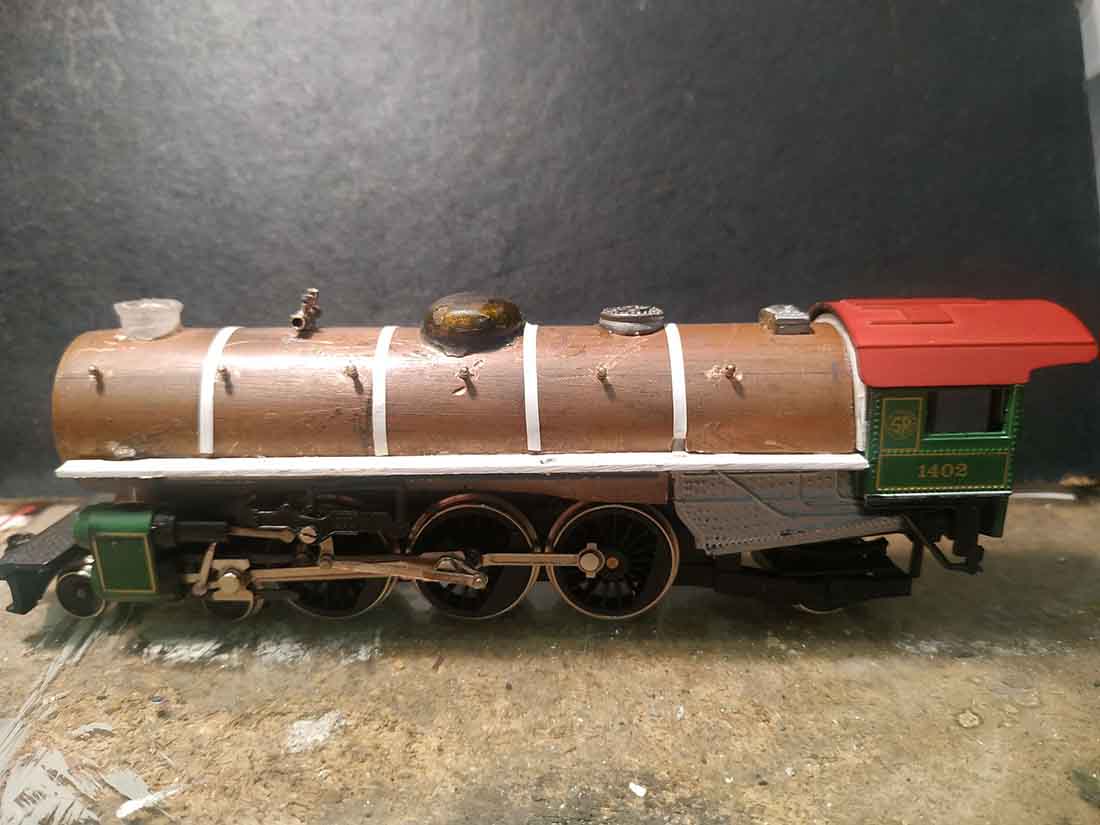
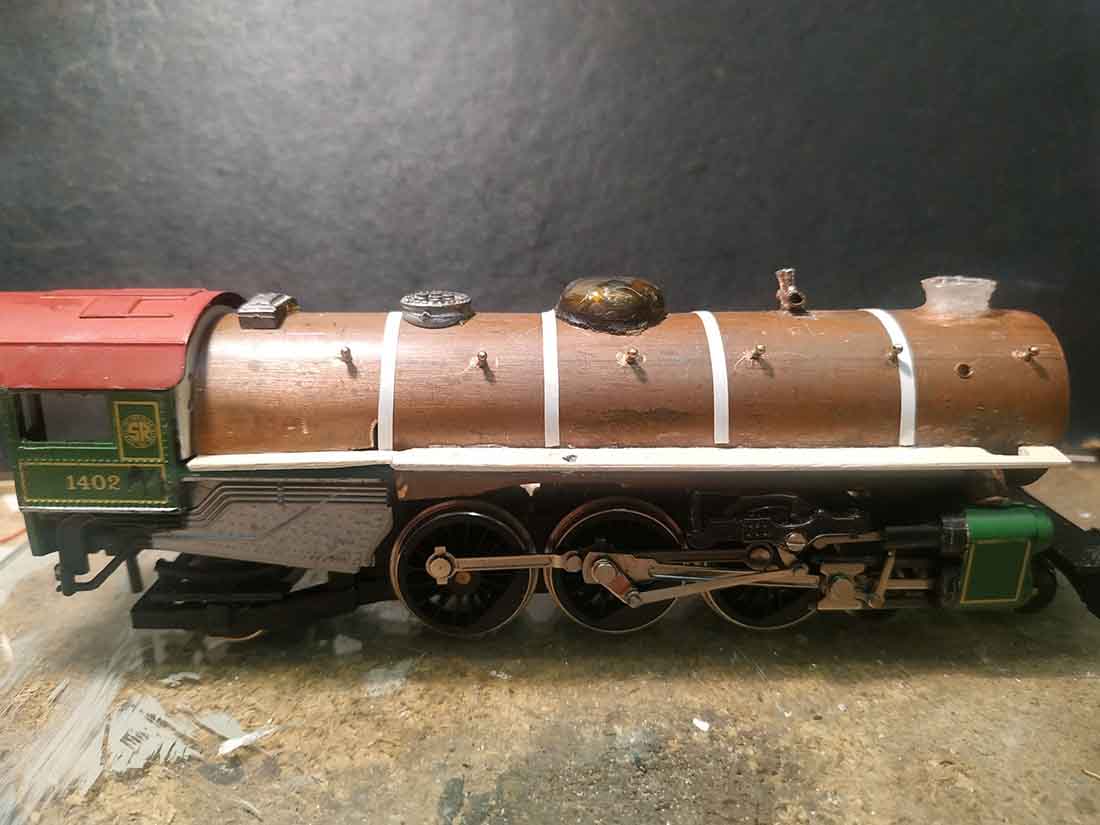
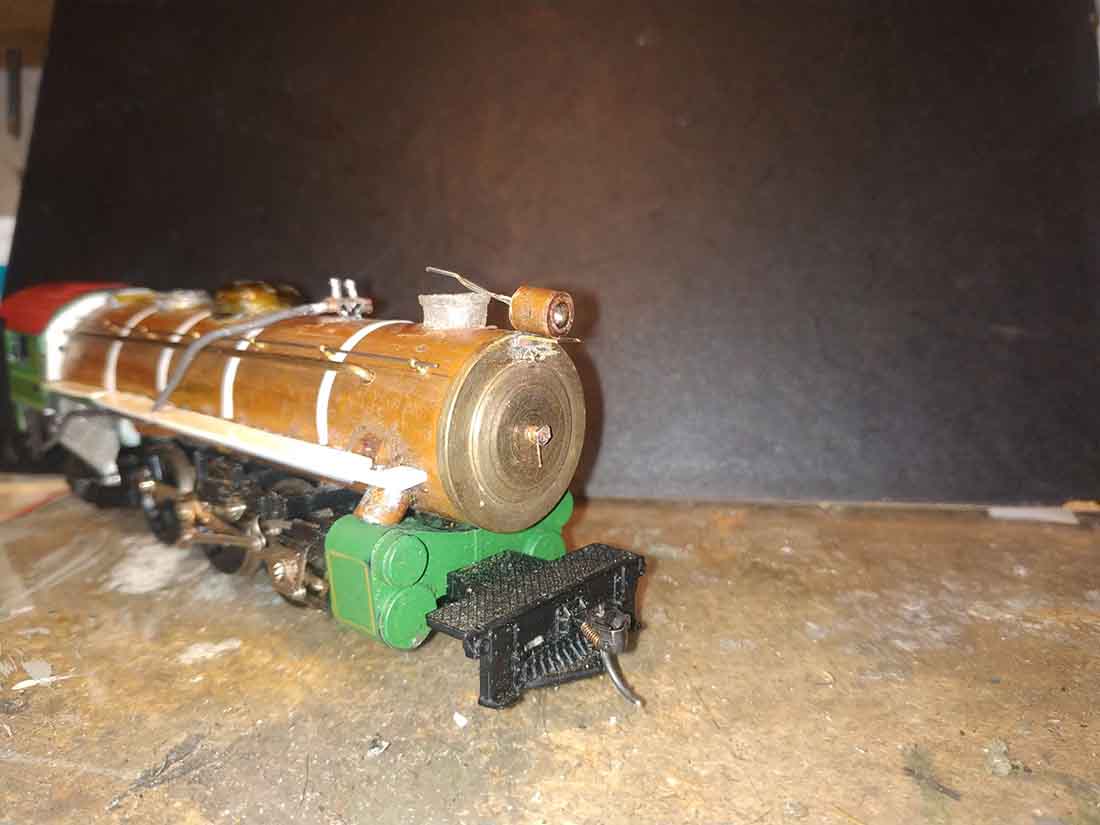
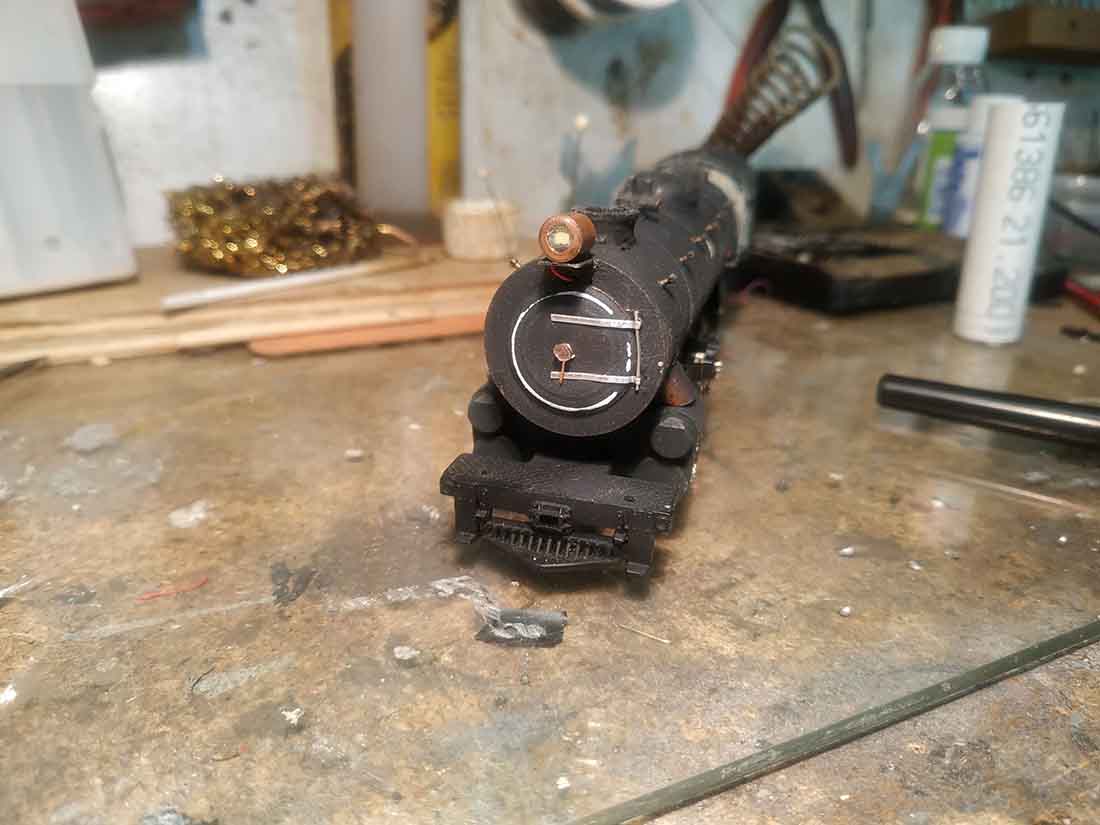
Scratch built locomotive

Henry’s been back in touch with a wonderful back story of his Scratch built locomotive:

“Hello Alastair

A little different submission from me this time. I know that you are very keen for people to make a start on their layouts, and rightly so.

However, this post is about making a start and finishing it.

During the 1980’s there were very few South African Steam locomotives on the market. The ones that were on the market were white metal and brass kits, that cost an arm and a leg. (Many of them are still being manufactured today).

An alternative to spending a huge amount on a single locomotive, was to scratchbuild or kitbash. This is the story of one such a project, started by my late dad.

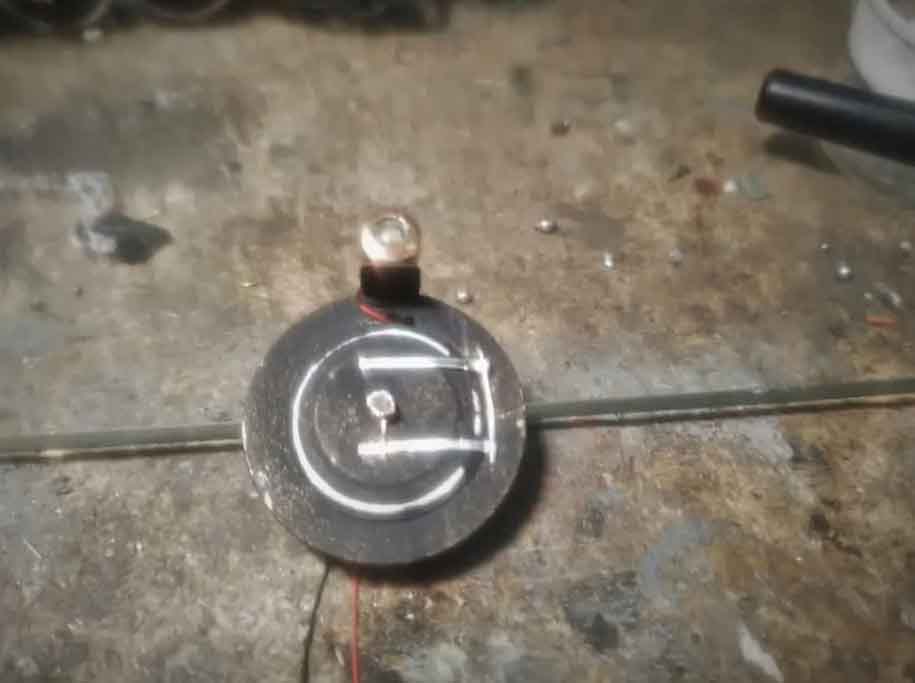
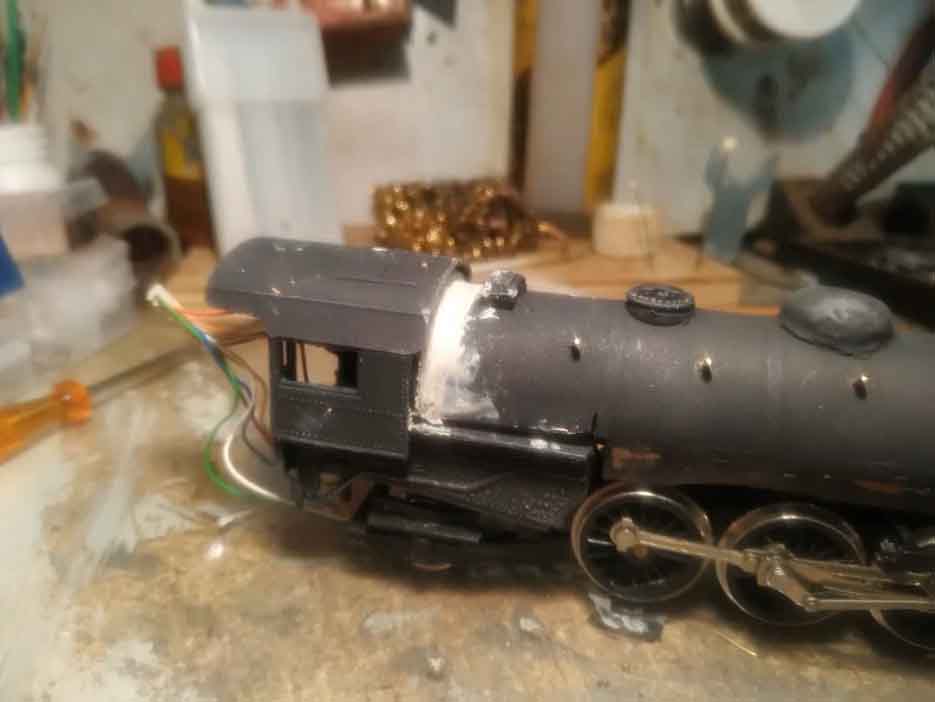
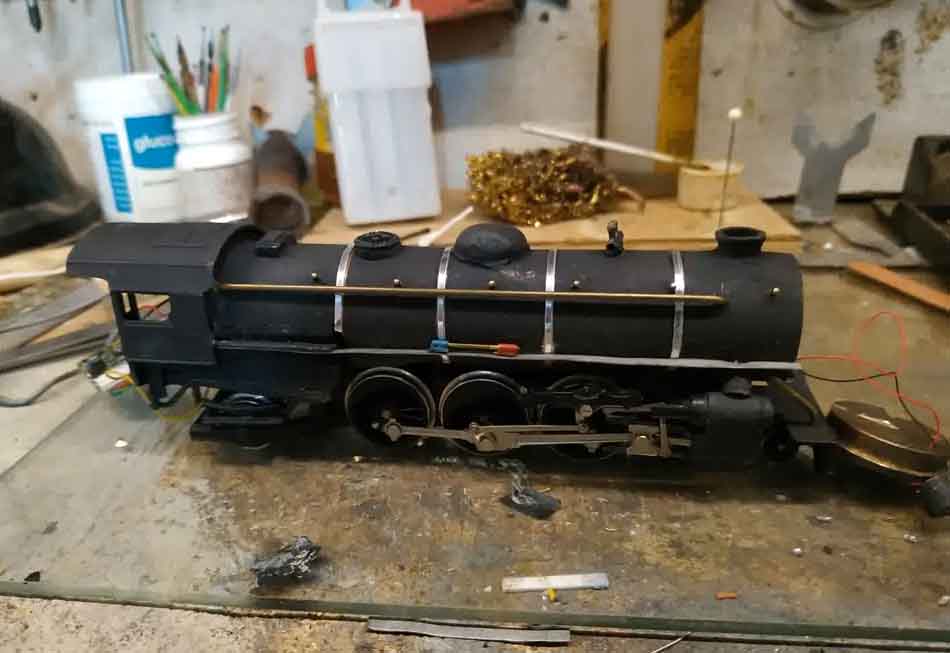
He bought locomotives with the same wheel arrangement as the prototype, and then proceeded to strip everything down, leaving only the mechanism running. Then began the process of rebuilding, using plans, photos and other reference material.

Sadly, when my dad died in 2006, he left about 4 South African Steam locomotives unfinished. I inherited them, and packed them away for one day…

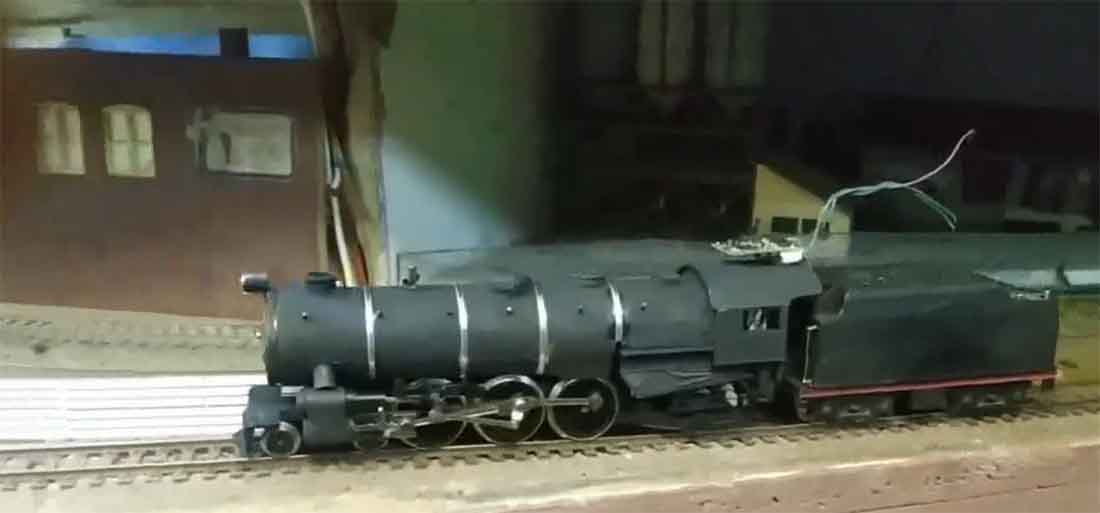
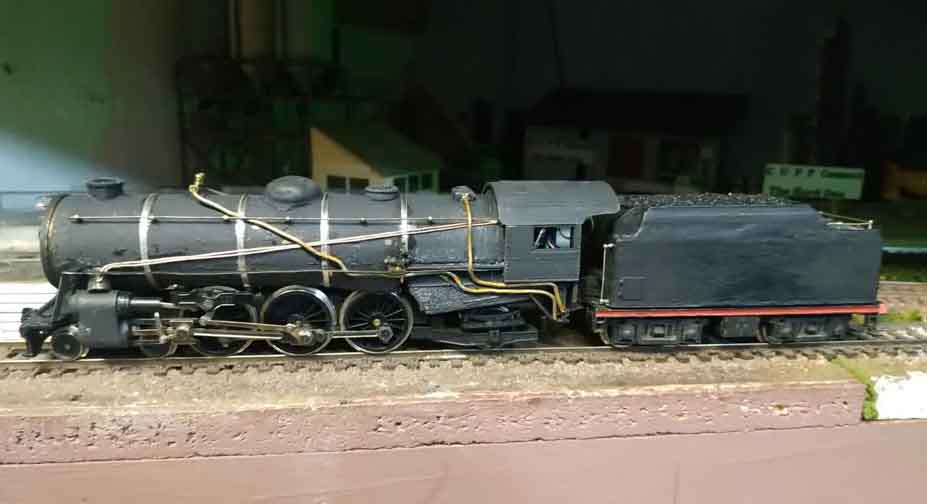
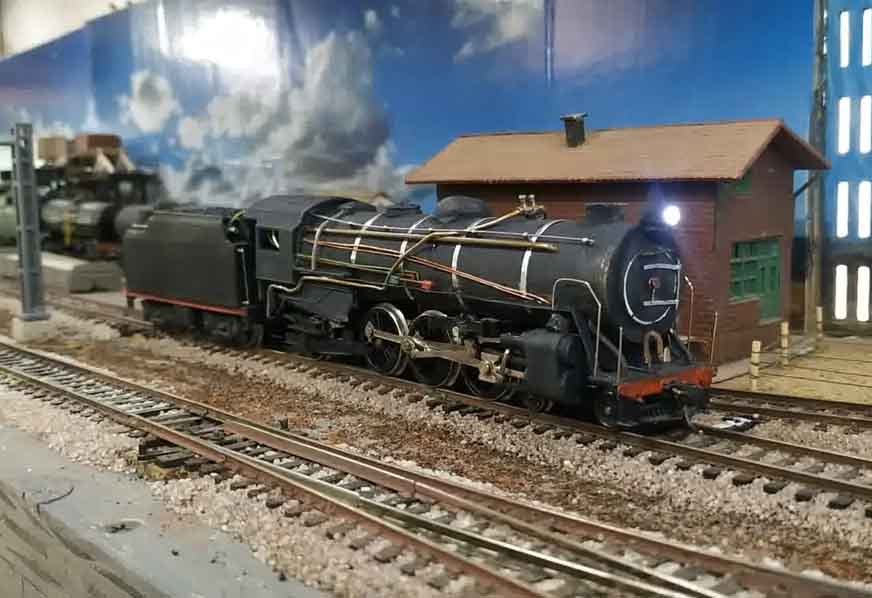
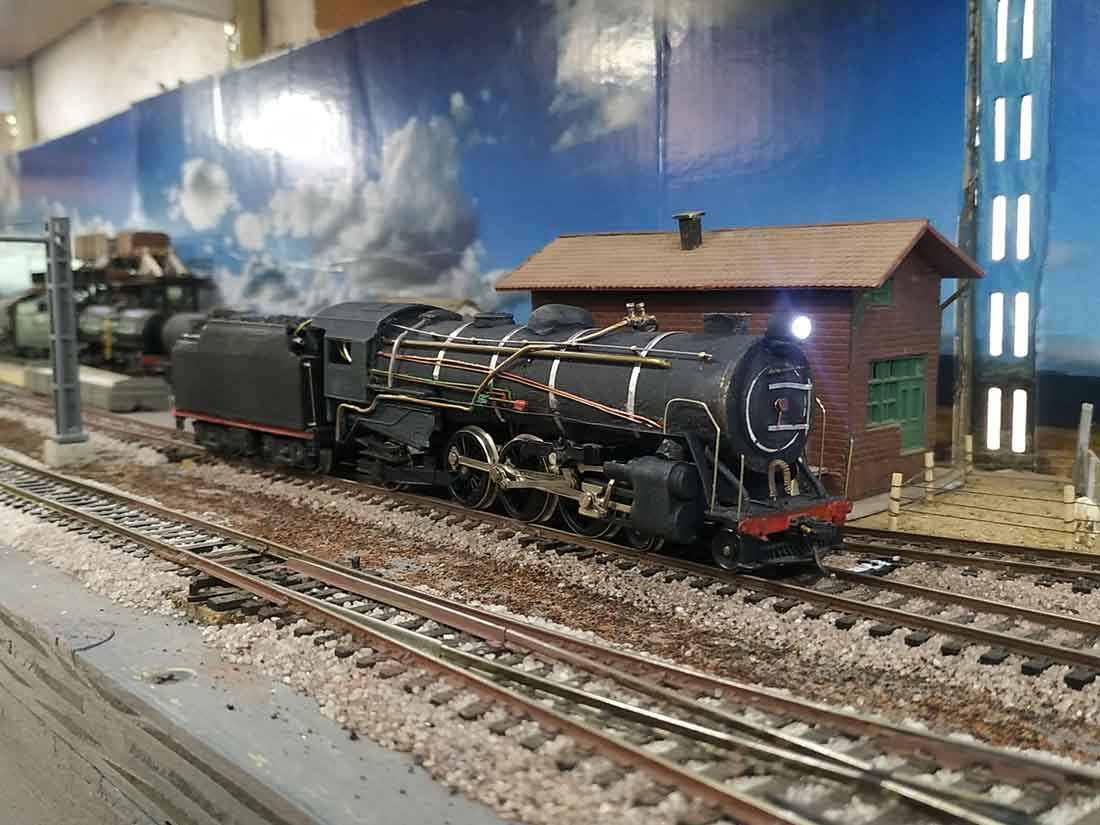
Well, for one of those locos, the one day has arrived. It is a South African Railways class 16 DA with a narrow firebox.

I include a few photos as well as a link to a youtube video showing the build process.

The Green loco was the starting point for this build. Now, I have completed what my dad had started 35-40 years ago.

Henry”

Scratch built locomotive

Scratch built locomotive

Scratch built locomotive

Scratch built locomotive

Scratch built locomotive

front of model train smoke box


locomotive steam train scratch build

model train test run

adding detail to loco scratch build

adding pipes to loco scratch build

model train loco running

steam train scratch build


A big thanks to Henry for sharing his scratch built locomotive.

I really did enjoy his narrative because there’s always something special about posts that give a nod to the loved ones who got us involved in this hobby.

Please do leave a comment below if you have similar memories – I’d love to hear them.

That’s all for today folks.

Please do keep ’em coming.

And if today is the day you stop dreaming and start doing, the Beginner’s Guide is here.

Best

Al

PS More HO scale train layouts here if that’s your thing.


Need buildings for your layout? Have a look at the Silly Discount bundle.

Model railroad scenes

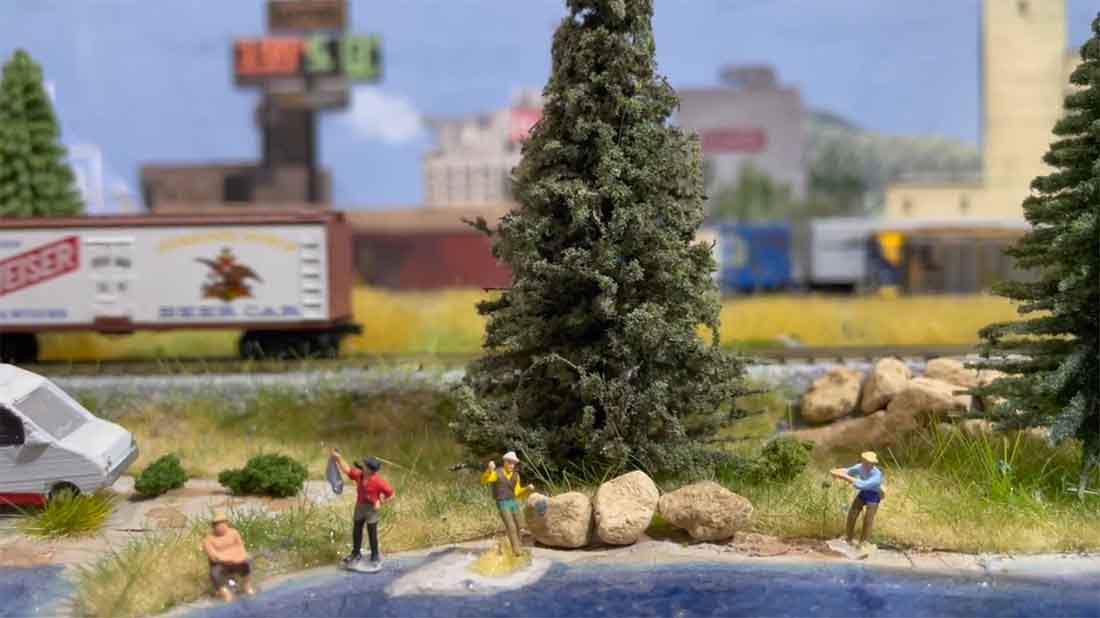
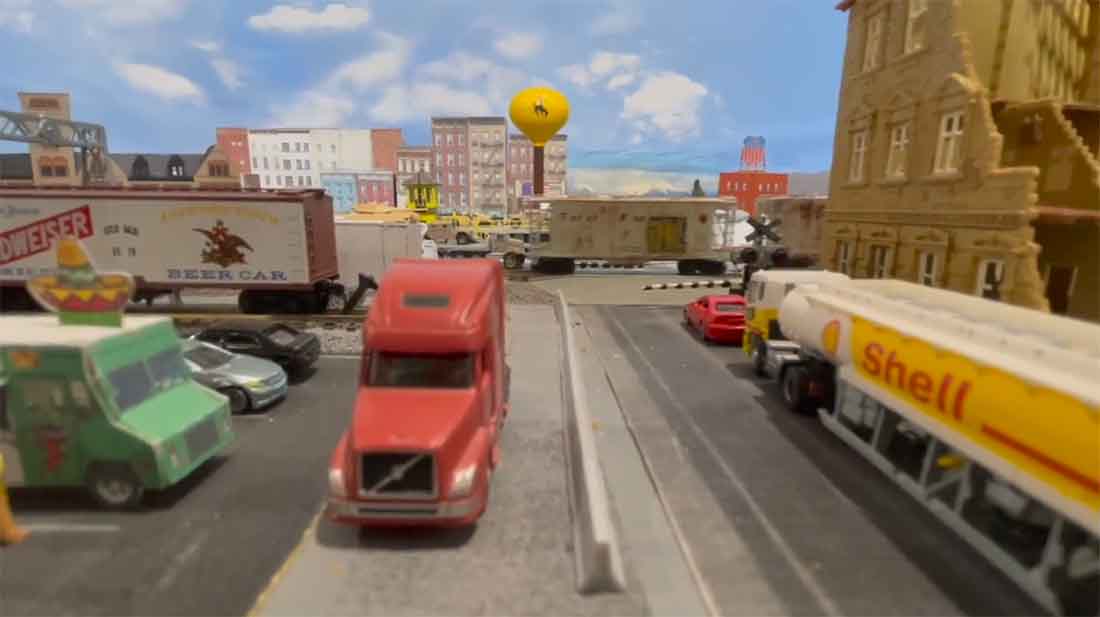
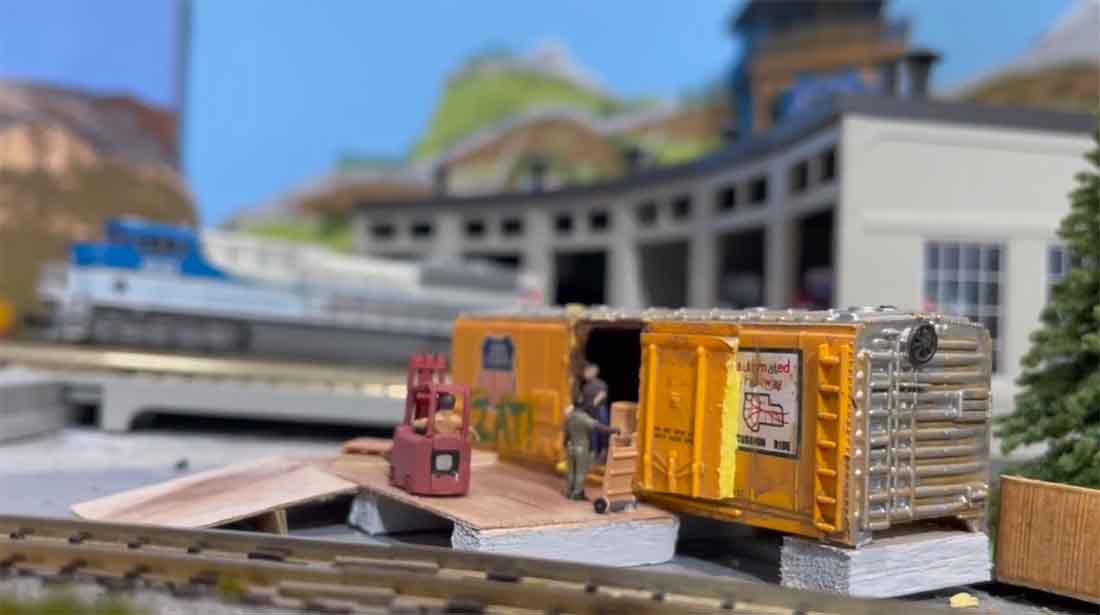
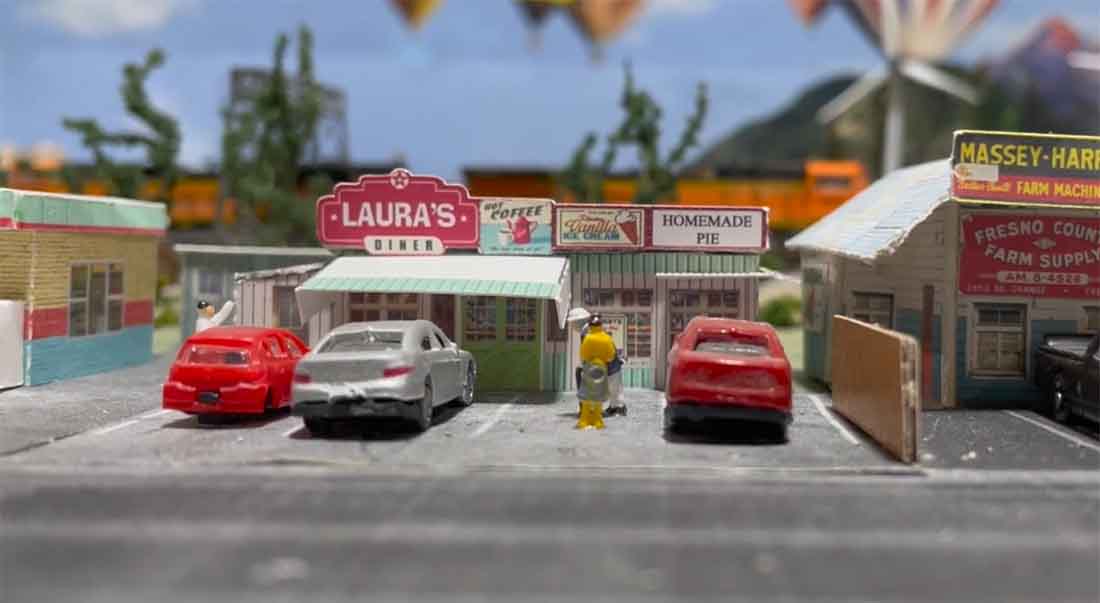
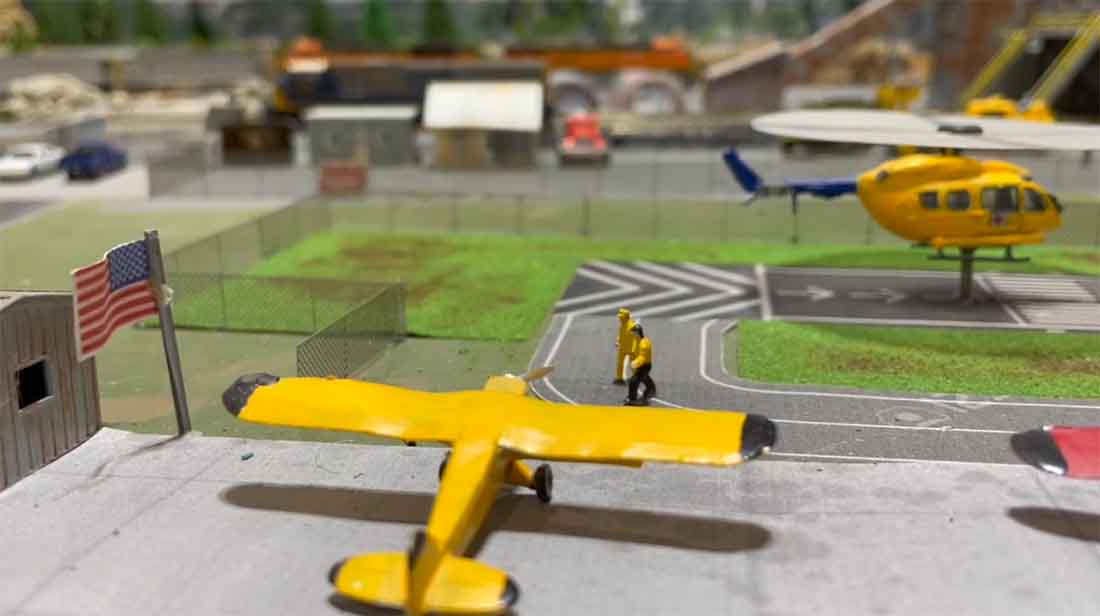
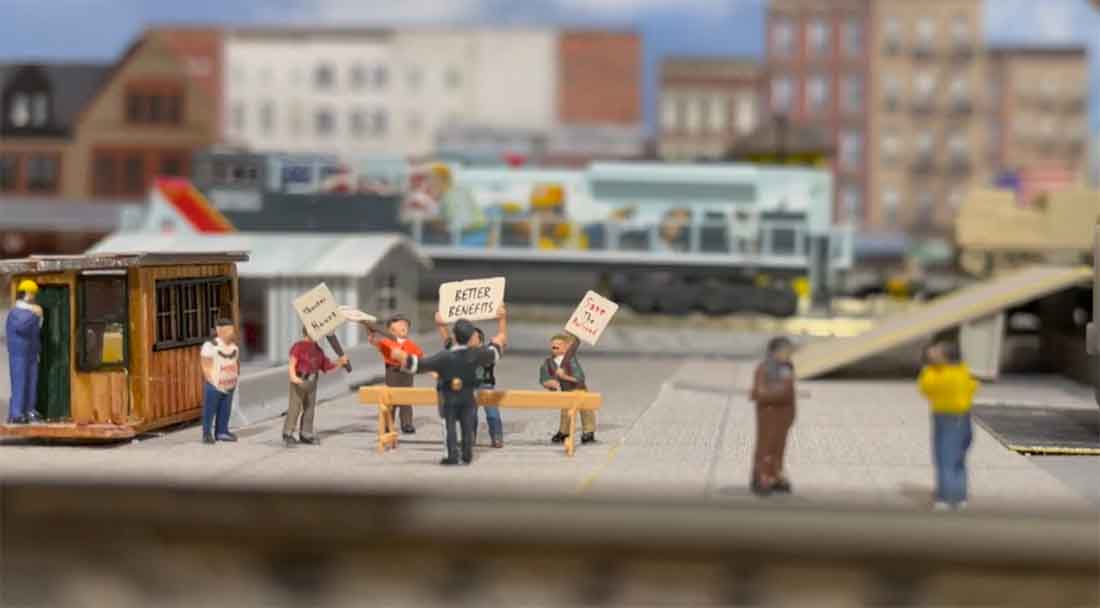
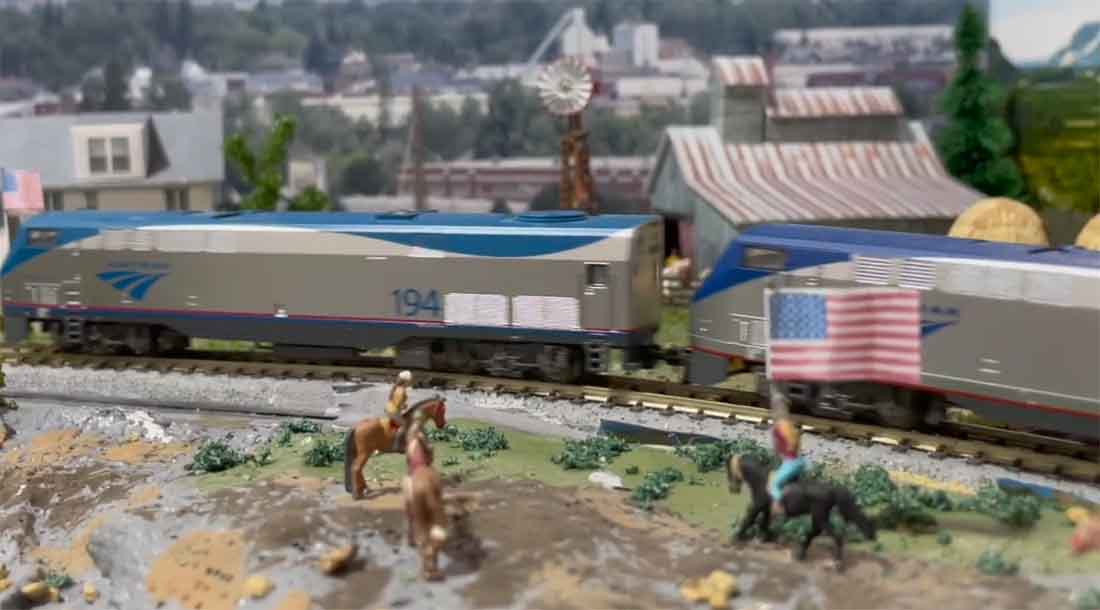
Brian’s been back in touch with some great tips on creating some model railroad scenes.

You may want to refresh your memory about his 6×12 N scale.

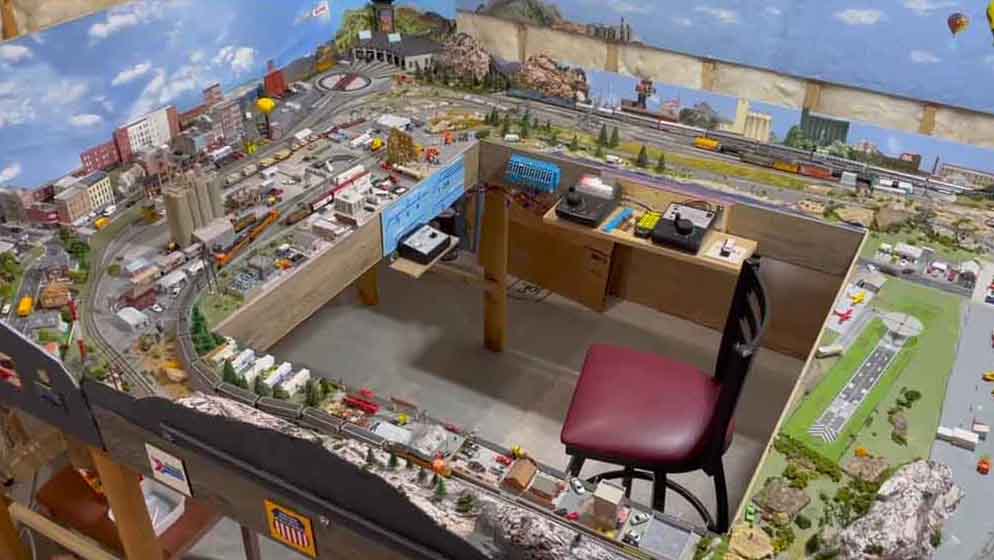
This time he shows us how many ‘small scenes’ there are in his layout – it’s a wonderful video:

“Hi again, first of all have to say your site is powerful, that last video I sent you up around 2K views already!

So… at the risk of wearing out my welcome, here’s another.

Goals with this one are two-fold.

1. To show the importance of small scenes on a model railroad. Viewers will note the trains are simply for background. It’s what’s in front of the trains that are the stars. The small scenes.

2. This video was shot on my iPhone and edited with iMovie. Something we can all do, no need to be hesitant, this technology is designed to empower us. So let’s do it.

Viewers will note the footage is shot with the phone horizontally instead of vertically and I also used “rail fan” views for everything.

Thanks again my friend,

Brian
Gainesville GA”

N scale model railroad

model railroad scenes freight

model railroad scenes freight

model railroad scenes turntable

model railroad scenes diner

model railroad scenes airport

model railroad scenes


model railroad scenes loco


Now on to Jerry:

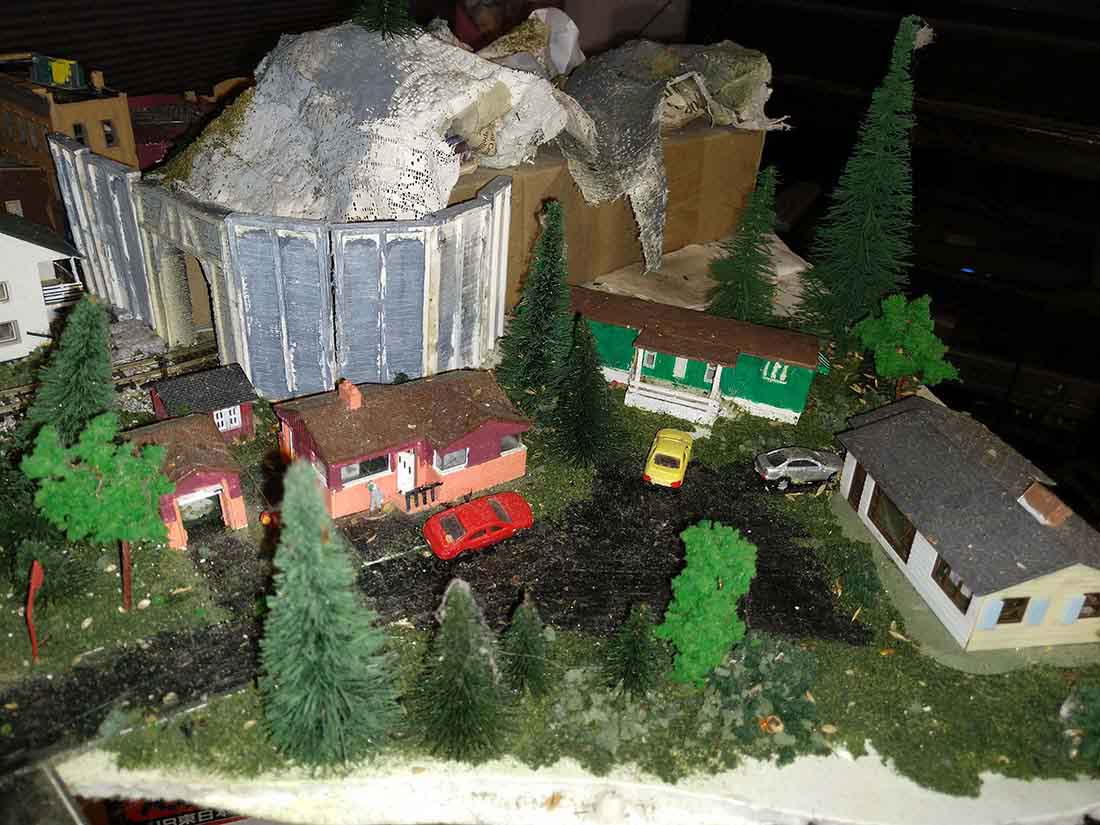
“I have a layout I’ve been working on or started on in 2010… My wife gave me permission to actually take over a spare bedroom and after a while took down a wall between the bedroom and the living room.

I built a double decker layout and started building a helix but halfway through building I had an accident at work and almost severed my spinal column doing by a dislocated spine misalignment.

Pulling too many pallets of water and windshield washing fluid. Didn’t have it fused but had a rod inserted next to the spine screwed into it. The layout went on hold for at least six to eight months, then I found out I couldn’t finish the helix because my reach and bending were limited.

That’s still where I’m at today. Helix is not finished.. I can’t get help… Only comments that came back is “I’ll buy your rolling stock and track to help you!”

Yeah right! If that was my intention all the time! Idiots!

So it has been left unfinished for years…

Jerry”

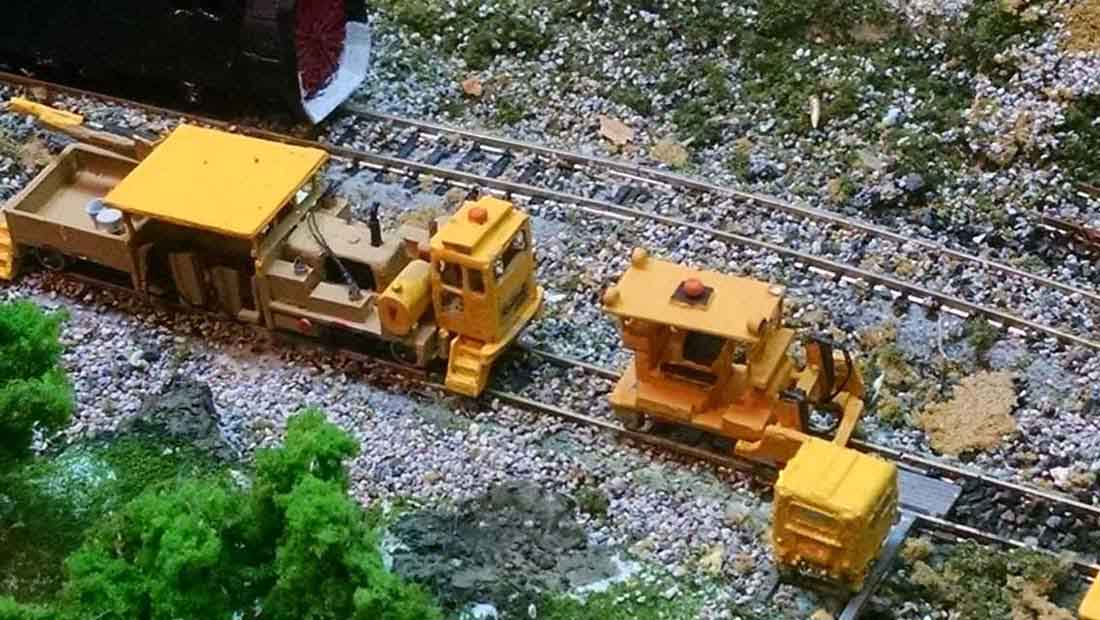
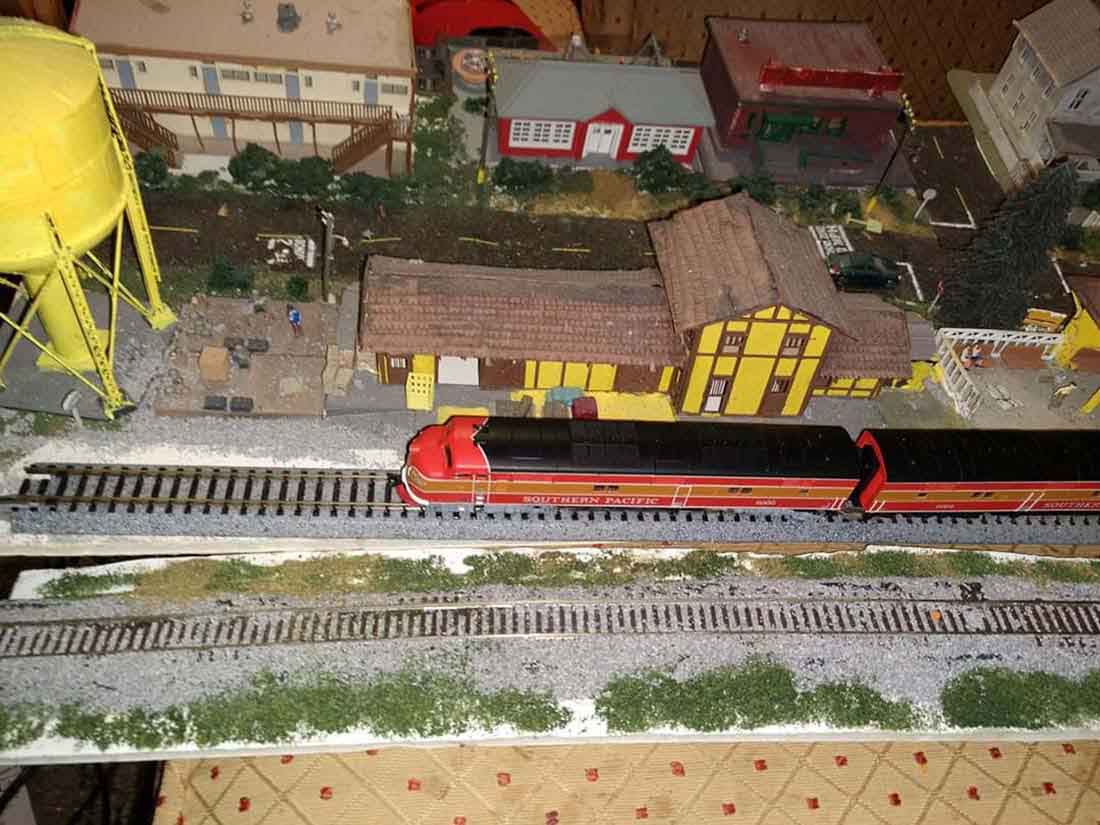
sidings

track laying loco

water tower

tunnel entrance

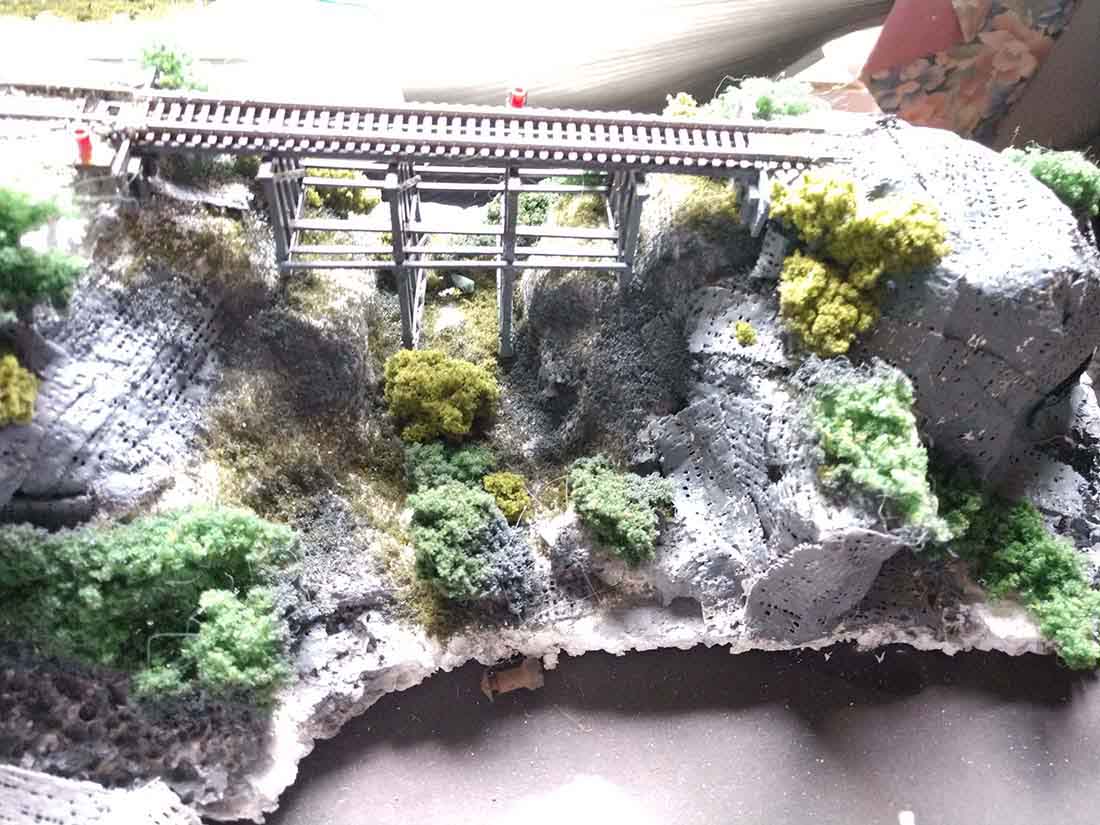
trestle bridge

model railroad curves

A big thanks to Brian and Jerry.

I love they way Brian has created his ‘small scenes’ – please do leave a comment below if you’d like to share your thoughts on this one.

That’s all for today folks.

But please do keep ’em coming – you lot seem to have gone to sleep, it’s all very quiet this end…

And if today is the day you get started on your layout, the Beginner’s Guide is here.

Best

Al

PS More HO scale train layouts here if that’s your thing.


Need buildings for your layout? Have a look at the Silly Discount bundle.