Minimum HO scale track radius

Dave has been in touch with some good advice on minimum ho scale track radius:

“I am very new to the hobby having started right around three years ago not really knowing much about anything involving model railroading.

My only real exposure was back when I was very young having a very typical DC train set. My new interest got sparked after seeing some different video’s on YouTube which re-introduced me into that world.

I first began by collecting photos off the internet of scenes that I liked and doing a lot of research into, well, everything.

The first really important thing that I learned was that the maximum/ minimum HO scale track radius one can fit into their space determines everything.

In other words, how large can you make your curves around the layout? That radius is the limitation to the scale you can work with and the type of track plan you can have. It is not just a mechanical limit to what can physically run, but also to what looks proportionally correct.

My space is a very small spare bedroom. I had considered HO to be my ideal scale to work with, but I figured that the broadest curves I could have were based on an 18 inch radius, due to the need to round a peninsula. So, it was N scale that would work perfectly with that radius limitation. It was far too sharp a curve for HO.

So, I spent several months learning different aspects of N scale and creating possible track plans all without any real understanding of how real railroads work, or what their operational needs were.

I then started to gather more photos of scenes that I liked and found a common theme to most of them. Nearly all of them were of narrow gauge railroads. I didn’t even know what that was. Once I had looked into it I found out that I could indeed model in HO scale and still stay within the track radius limits of my room by going with HOn3.

HOn3 works fine with 18 inch radius curves since the engines and cars are smaller and the track used is very close to N scale in width.

One other very important aspect that I picked up on looking at my gathering of preferred model railroad photos, was that the visual backdrops were of primary focus and not just an afterthought.

So, when I started actually building the layout the backdrop was the first thing installed and later all the scenery would expand outward from them as an extension creating visual depth.

I did my layout in stages choosing to nearly fully complete each section before moving on to the next. This way I felt the mistakes I would make in the track, scenery, etc. would be isolated to just that section. So, in theory things would improve as I moved along.

My railroad is DCC running the JMRI Operations software and called the Nickel Creek & Western. It is as freelance as one can possibly get. It doesn’t model any specific place, or time just a general feel of the Northwest sometime in first part of the century.

I consider it a facsimile of a reality rather than reality itself. So far I have basically gone with what I feel looks nice and not worried about counting the rivets.

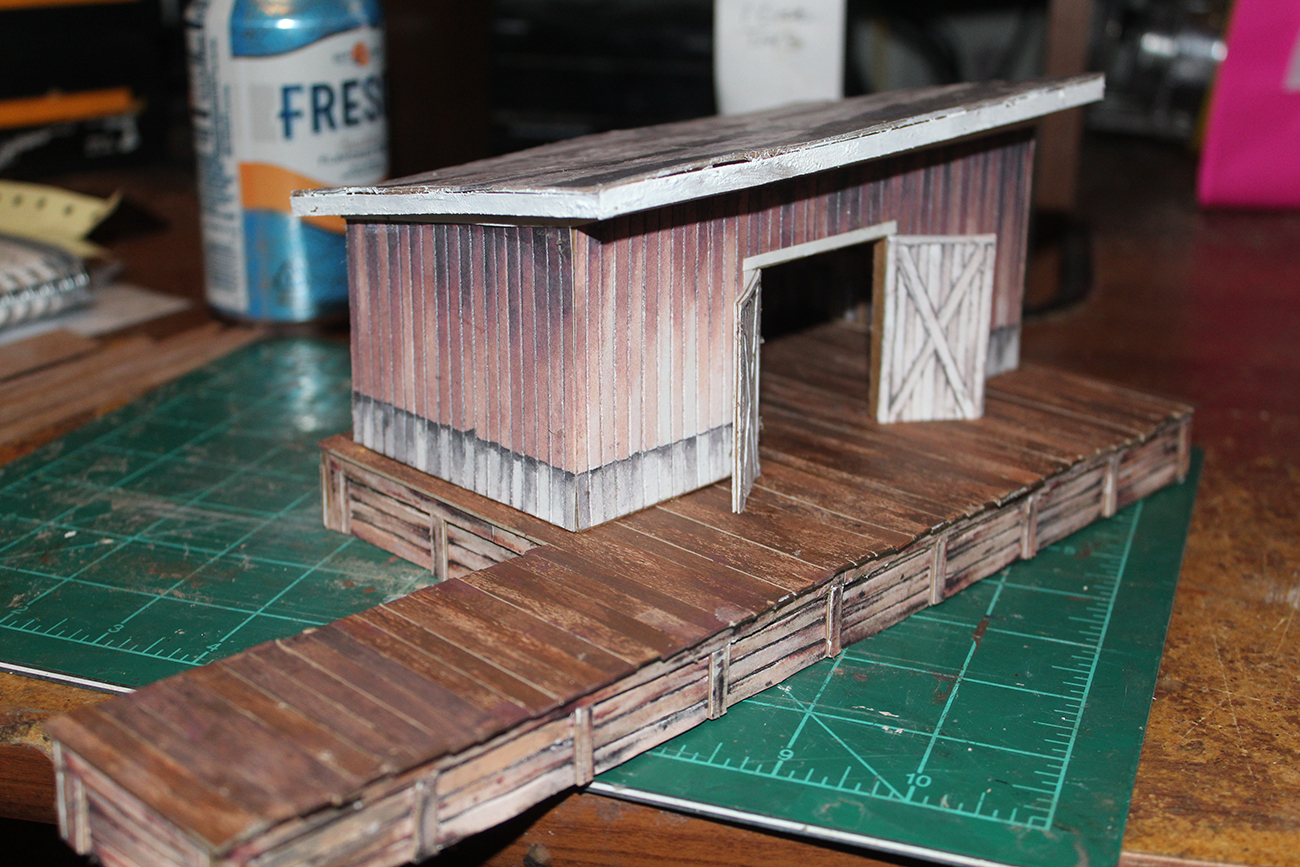
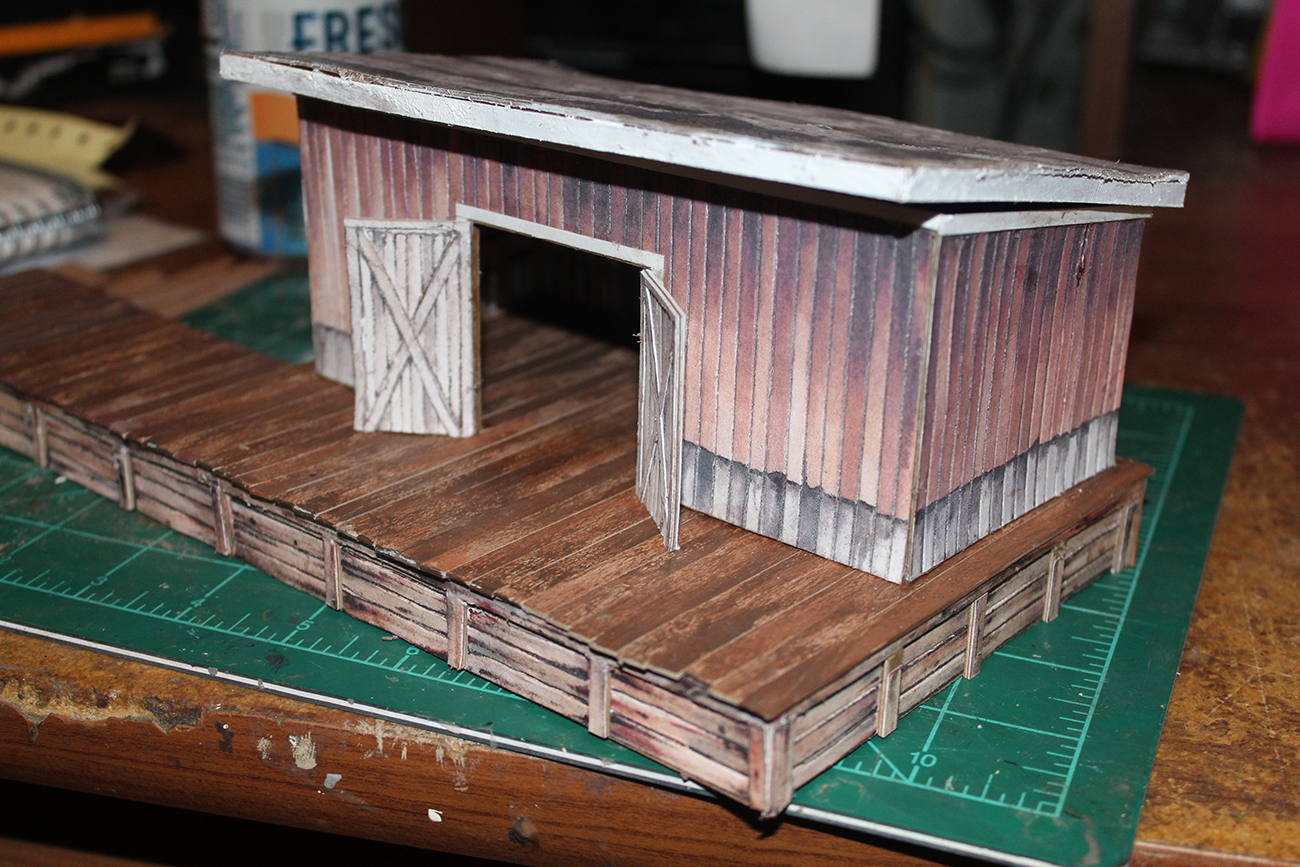
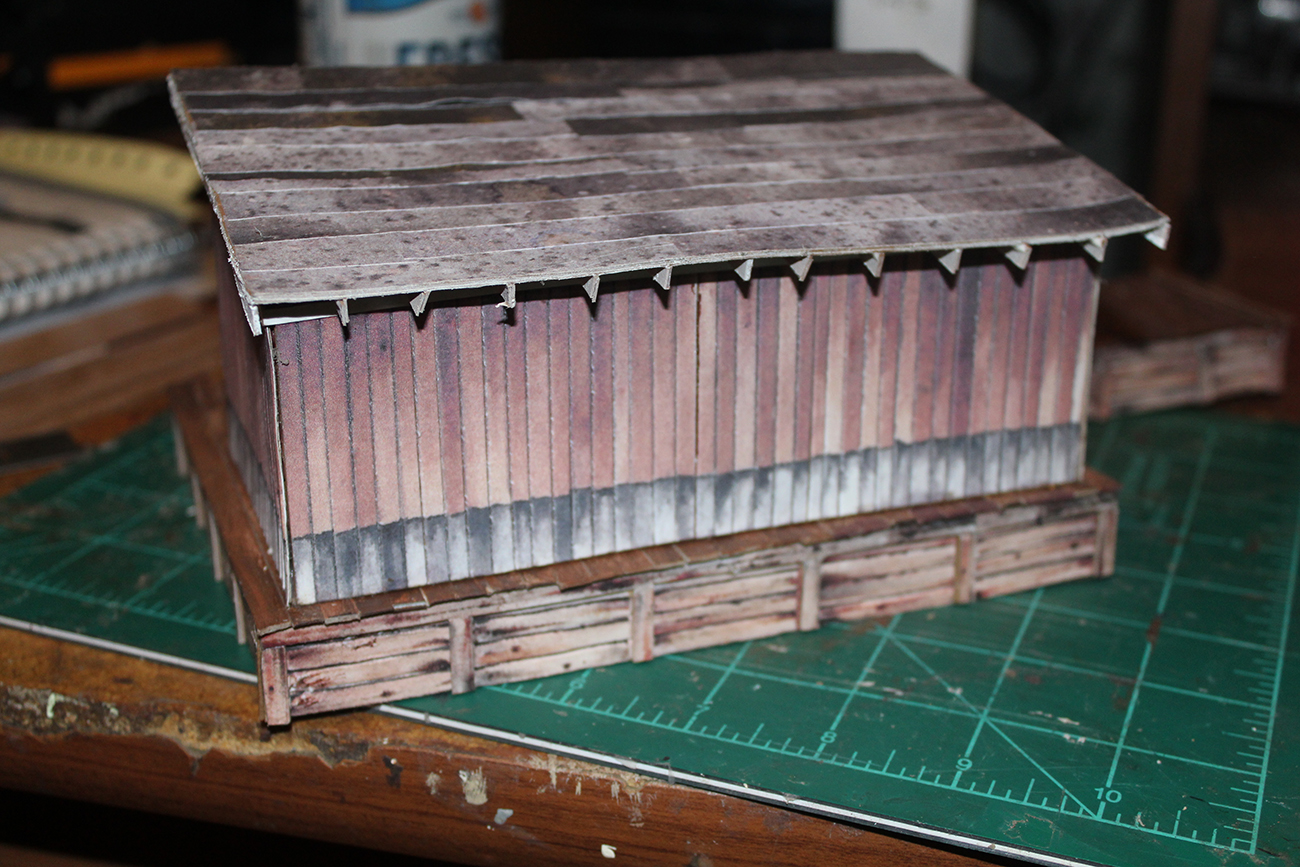
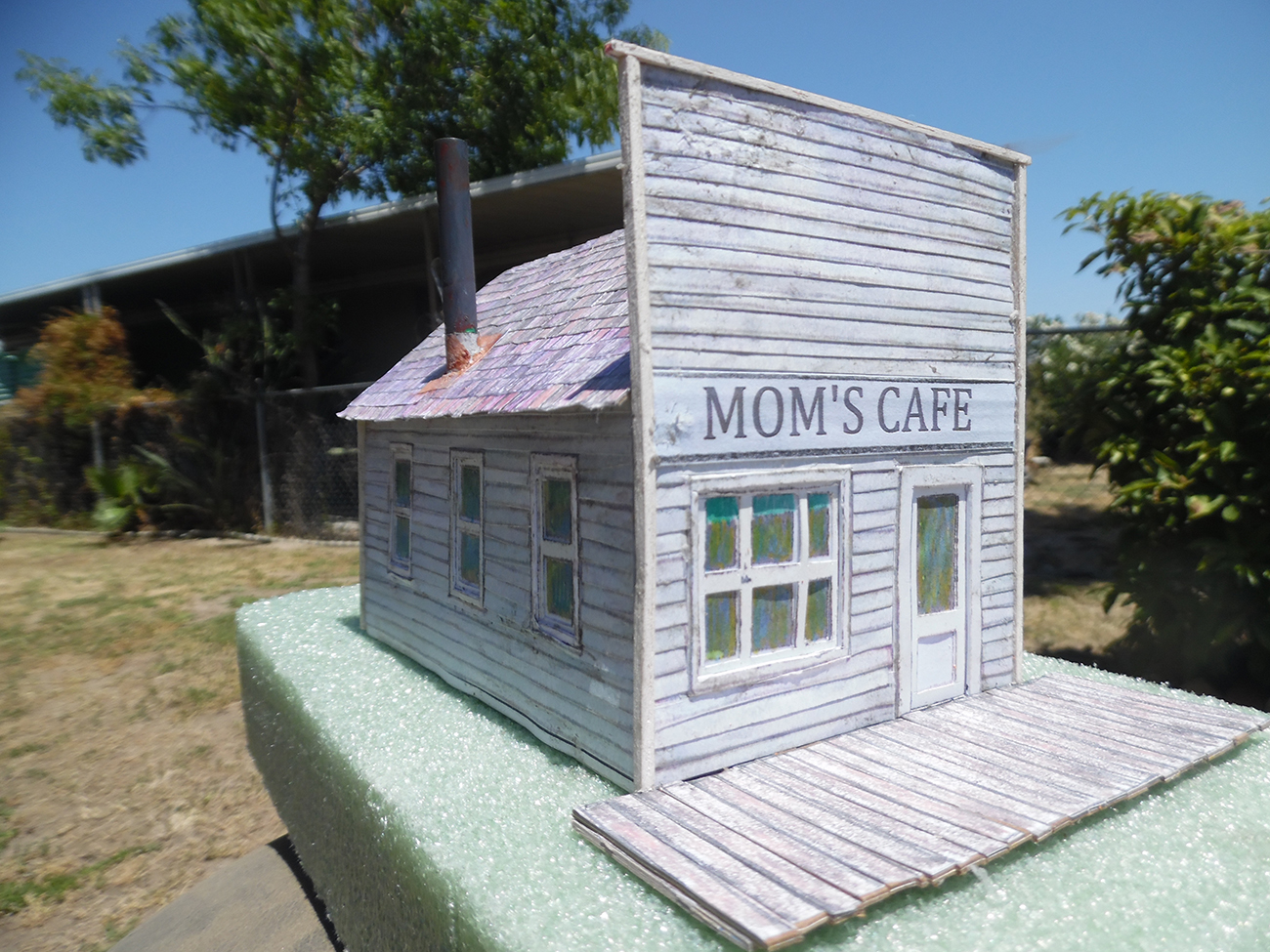
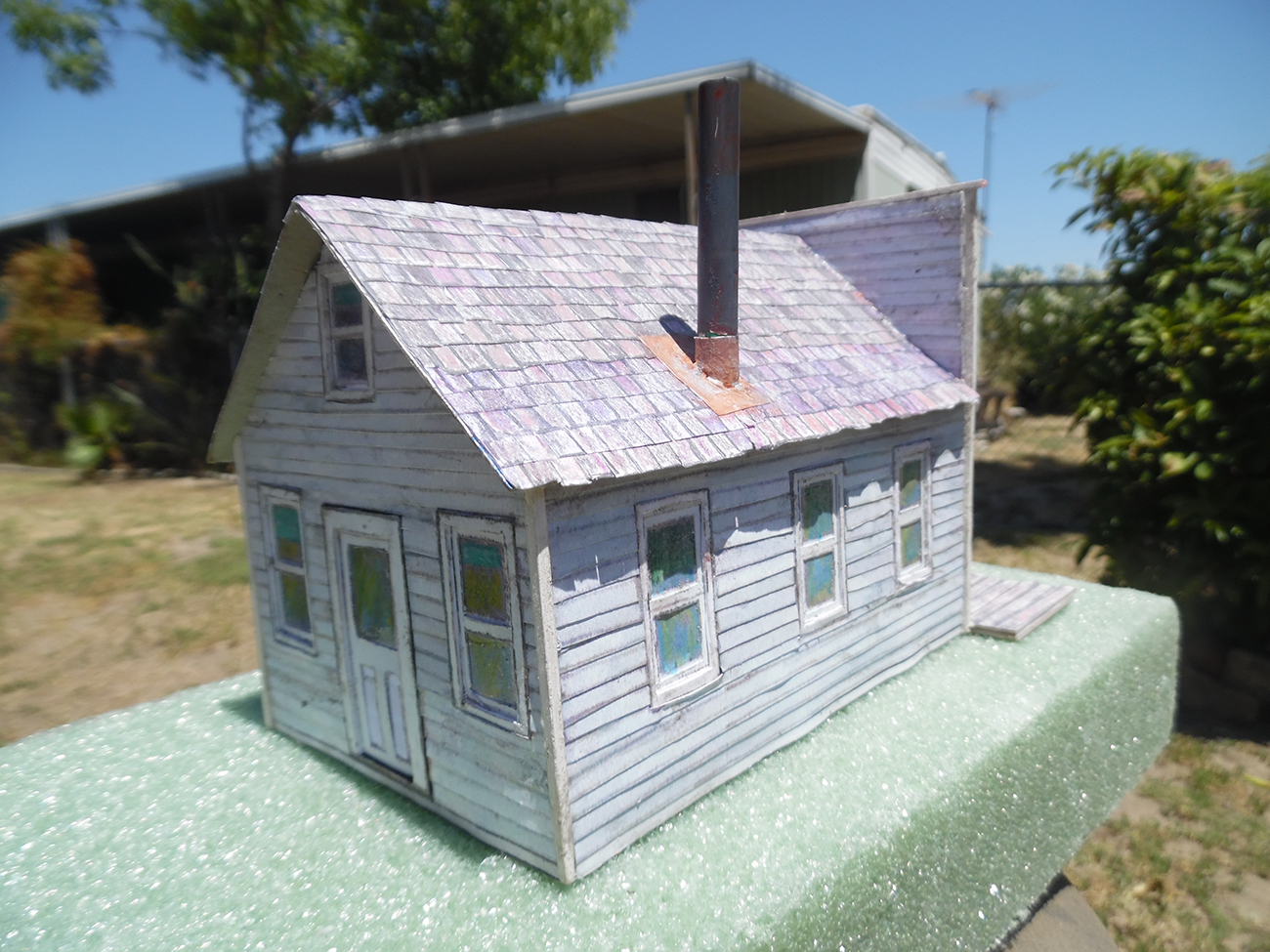
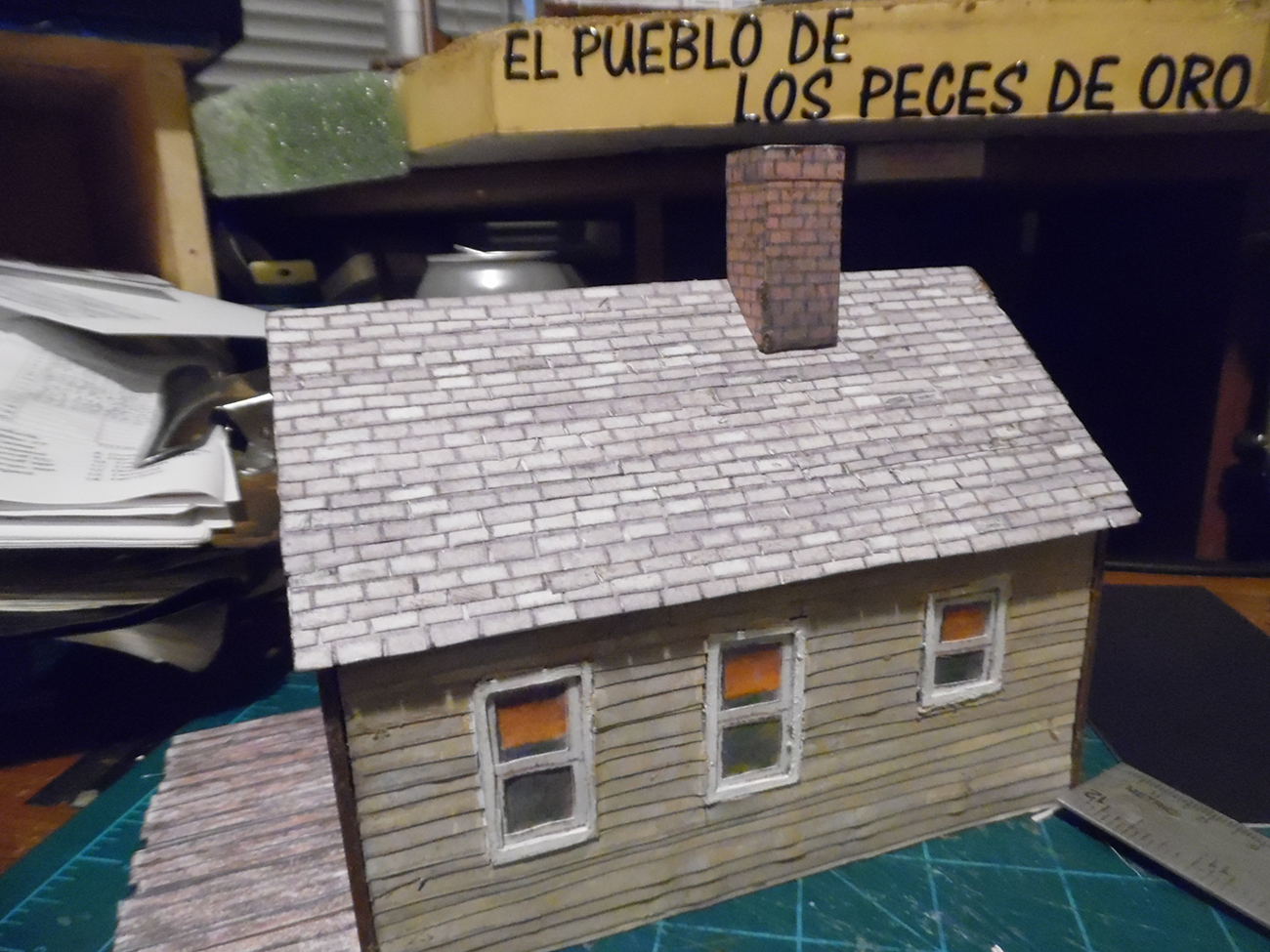
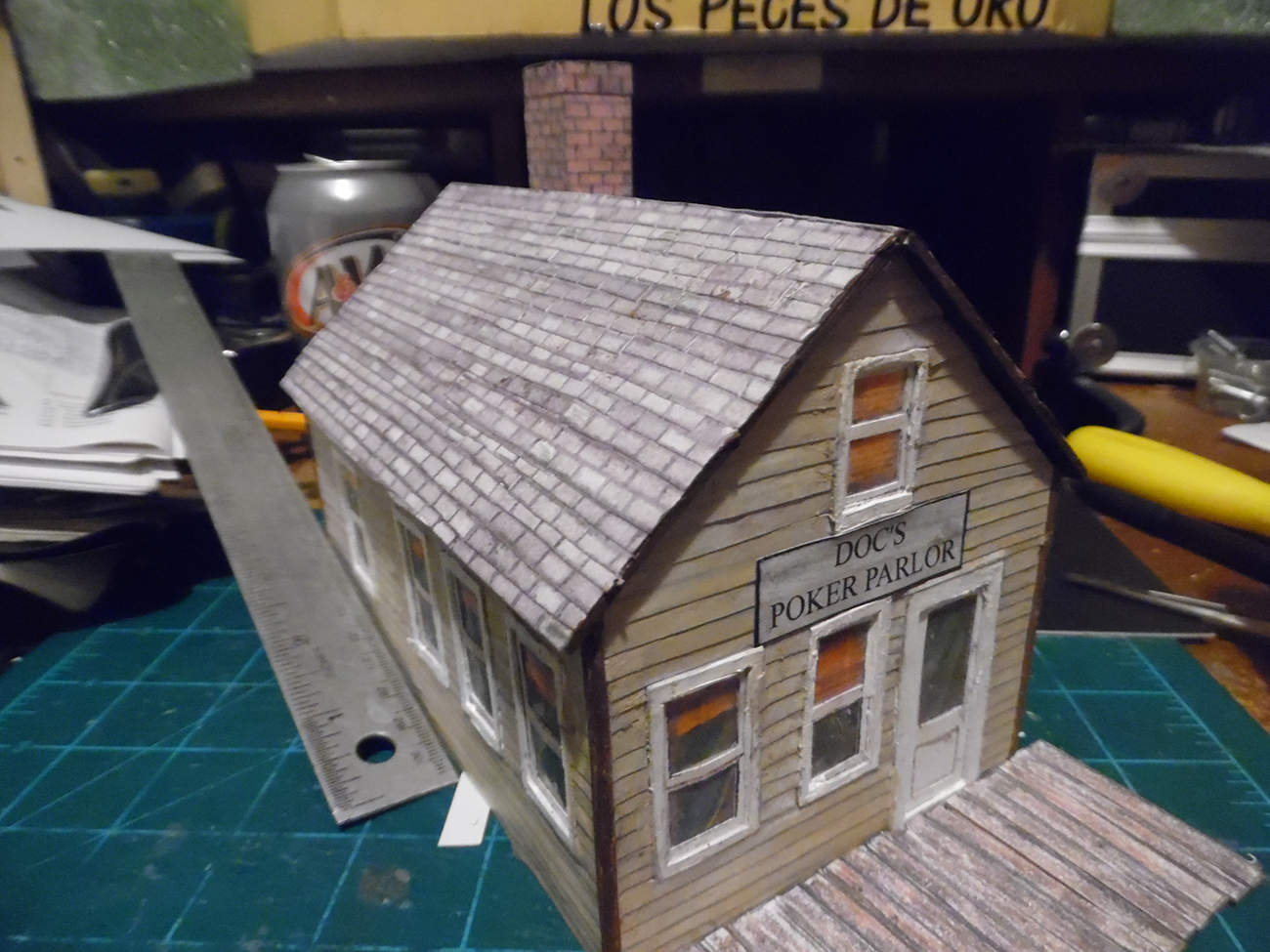
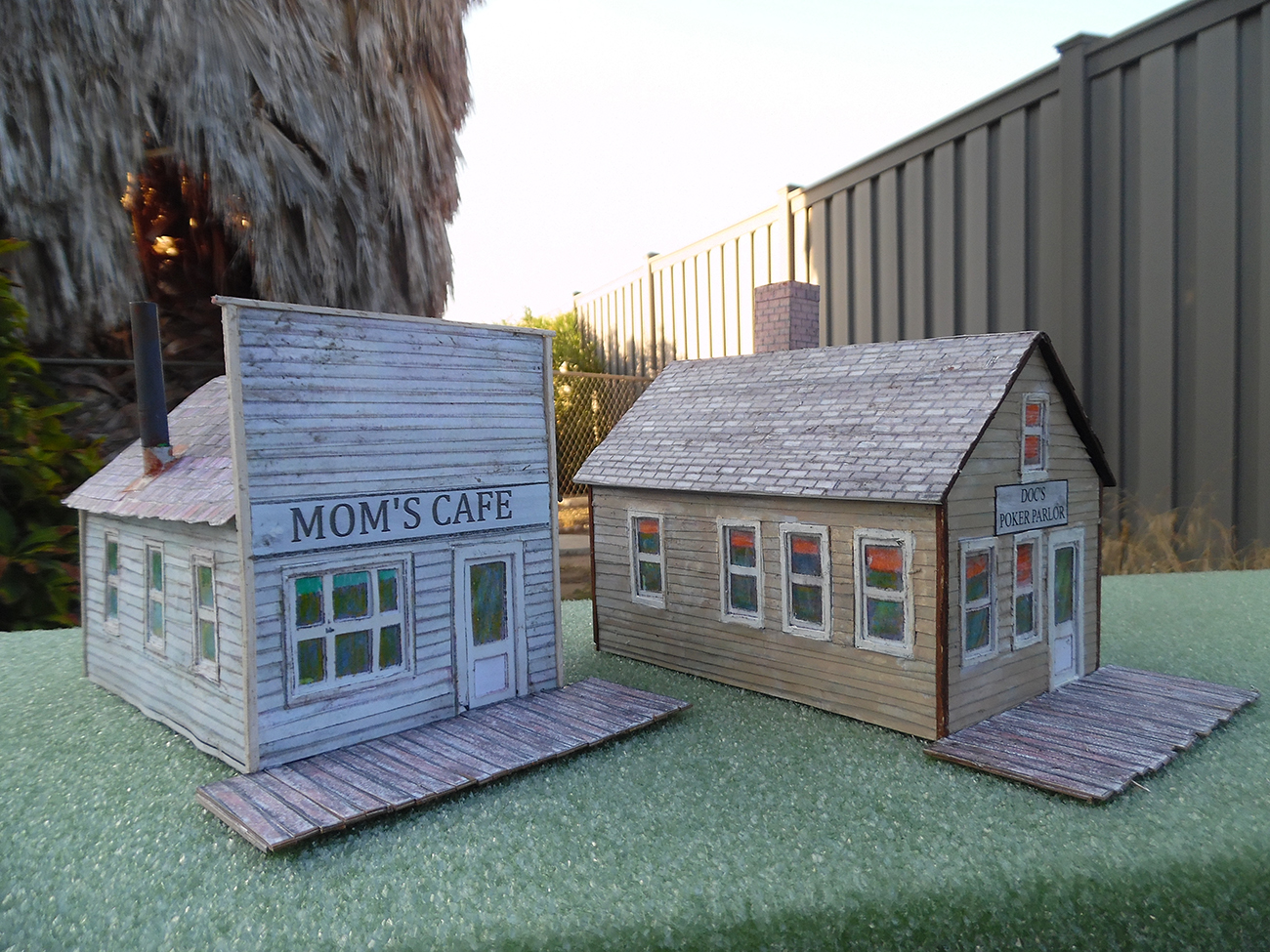
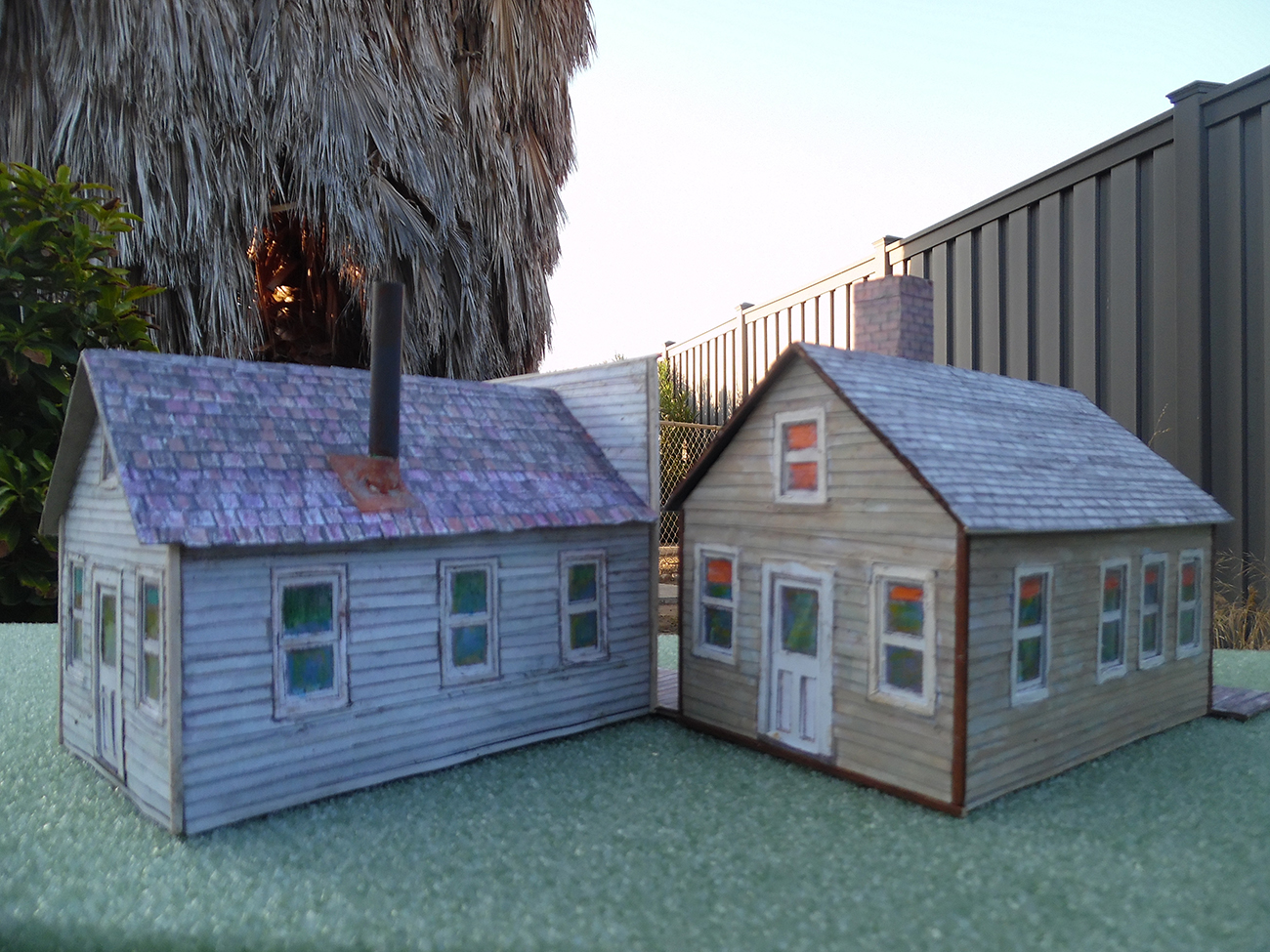
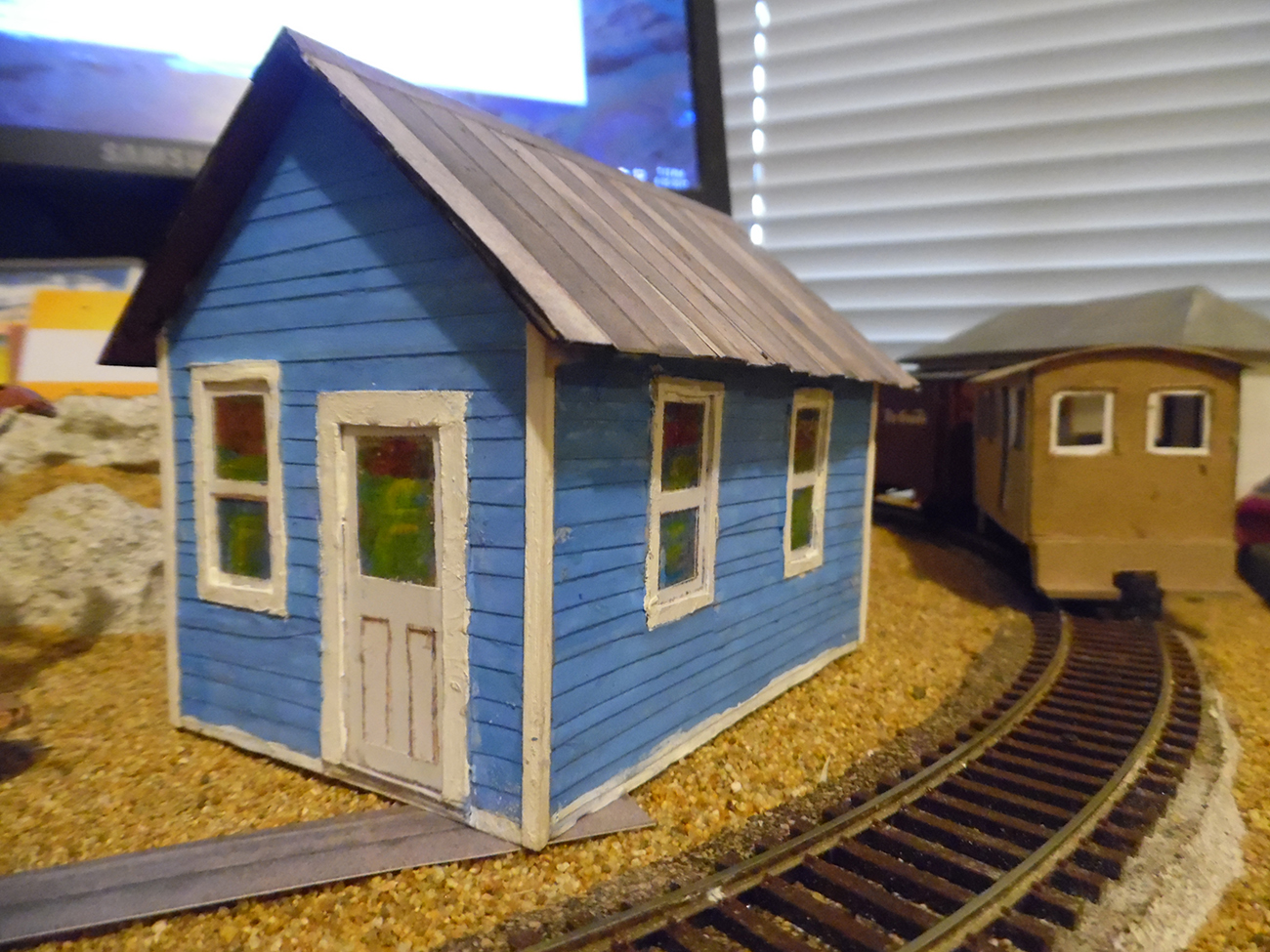
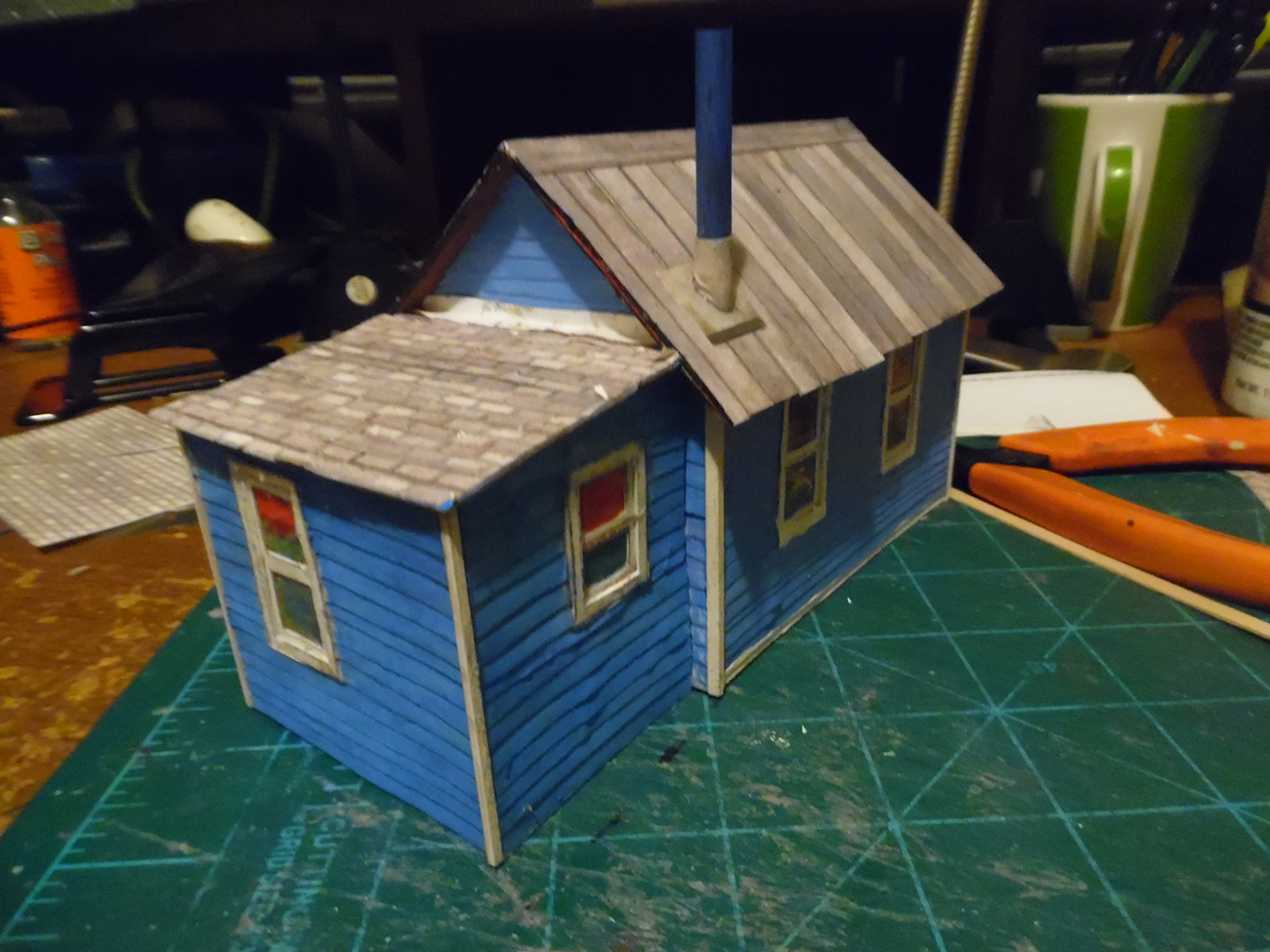
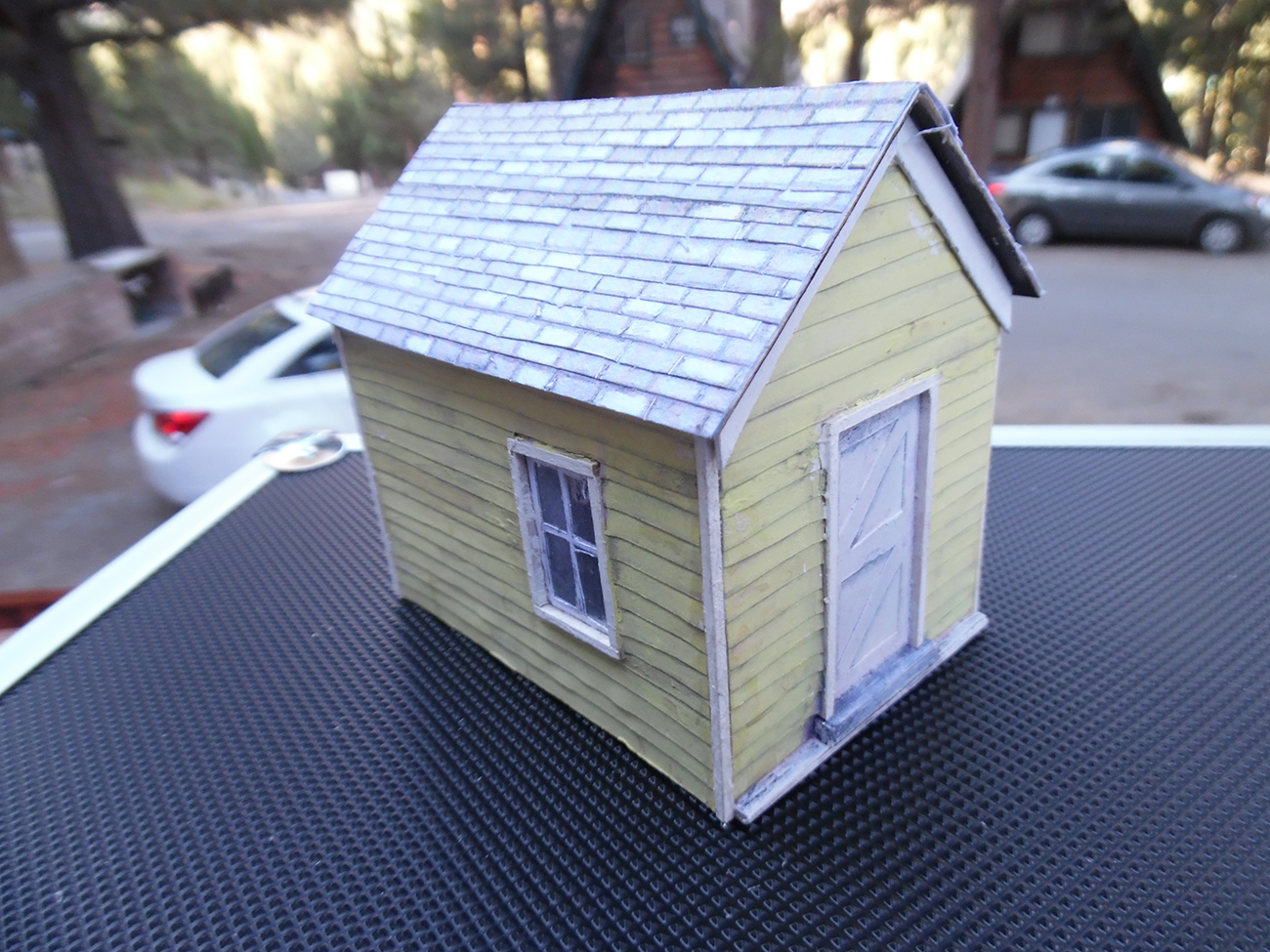
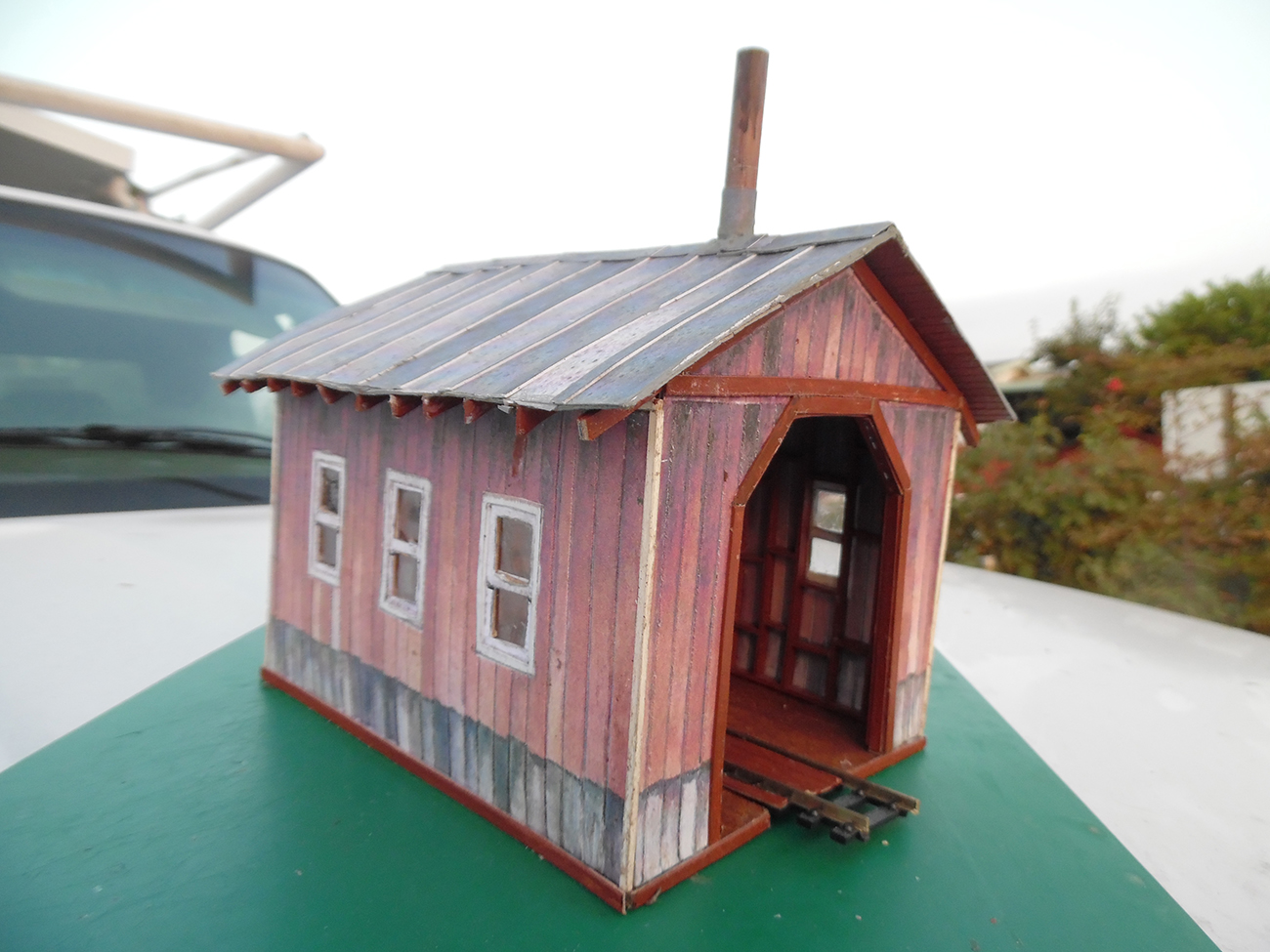
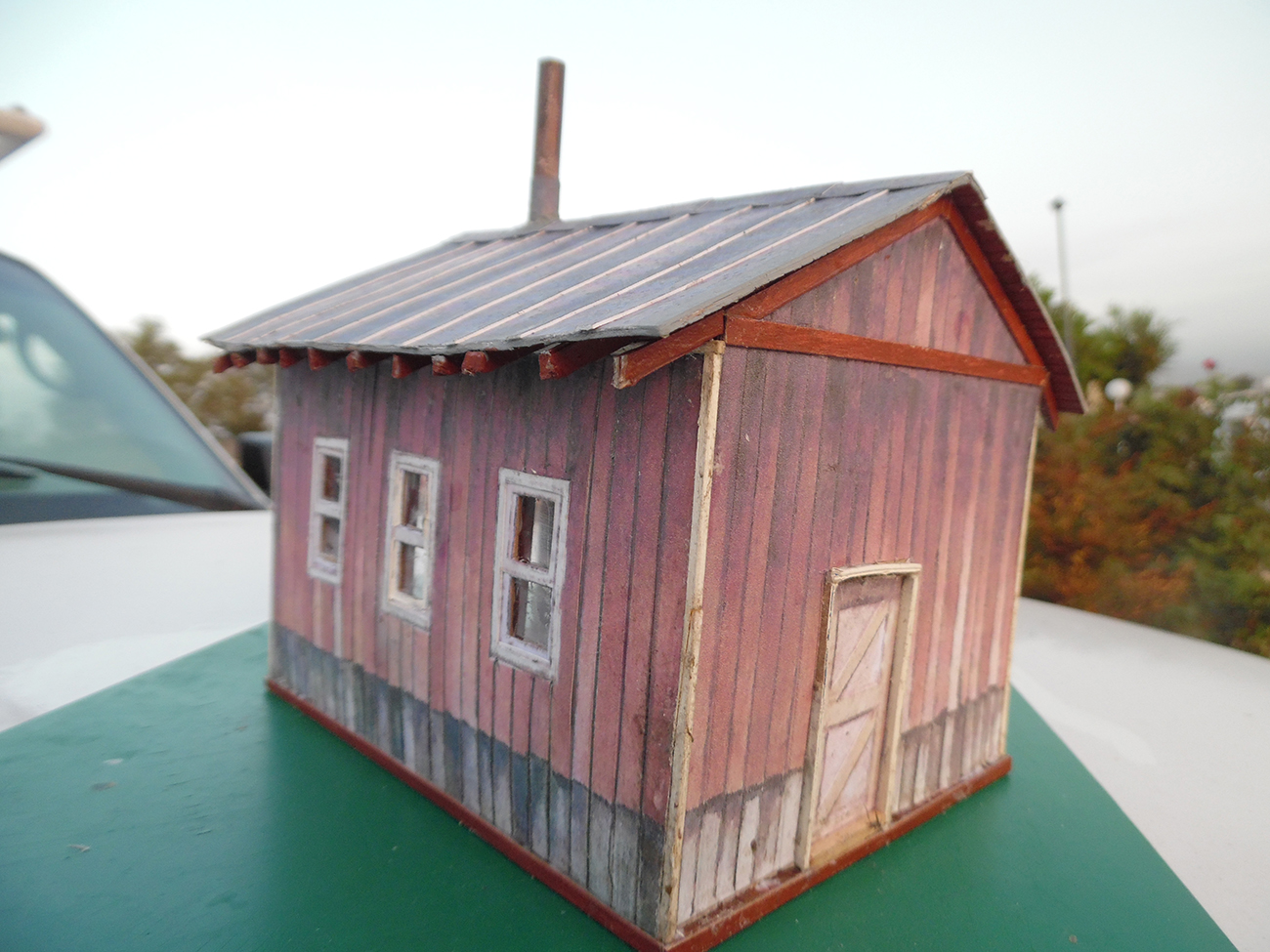
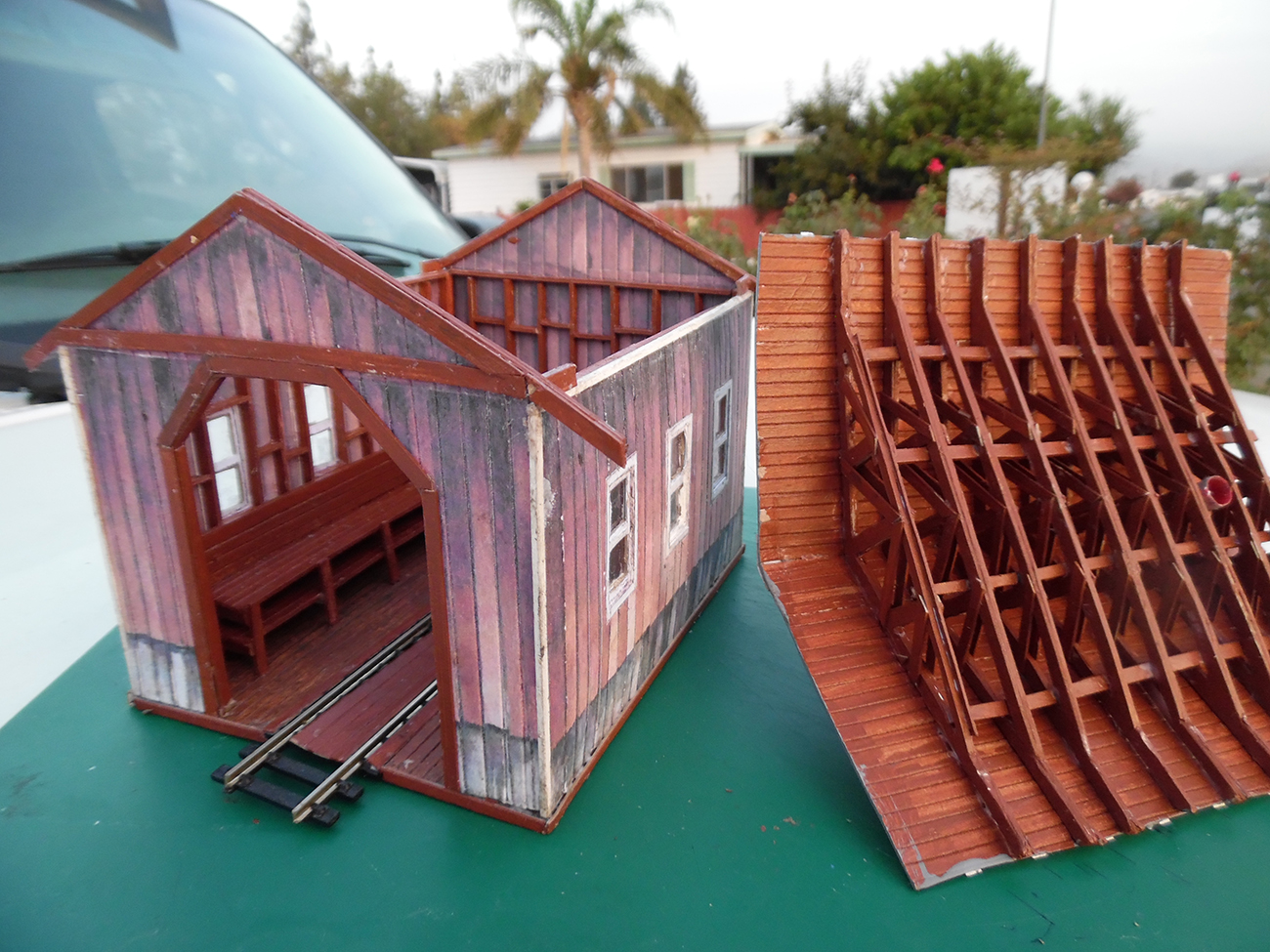
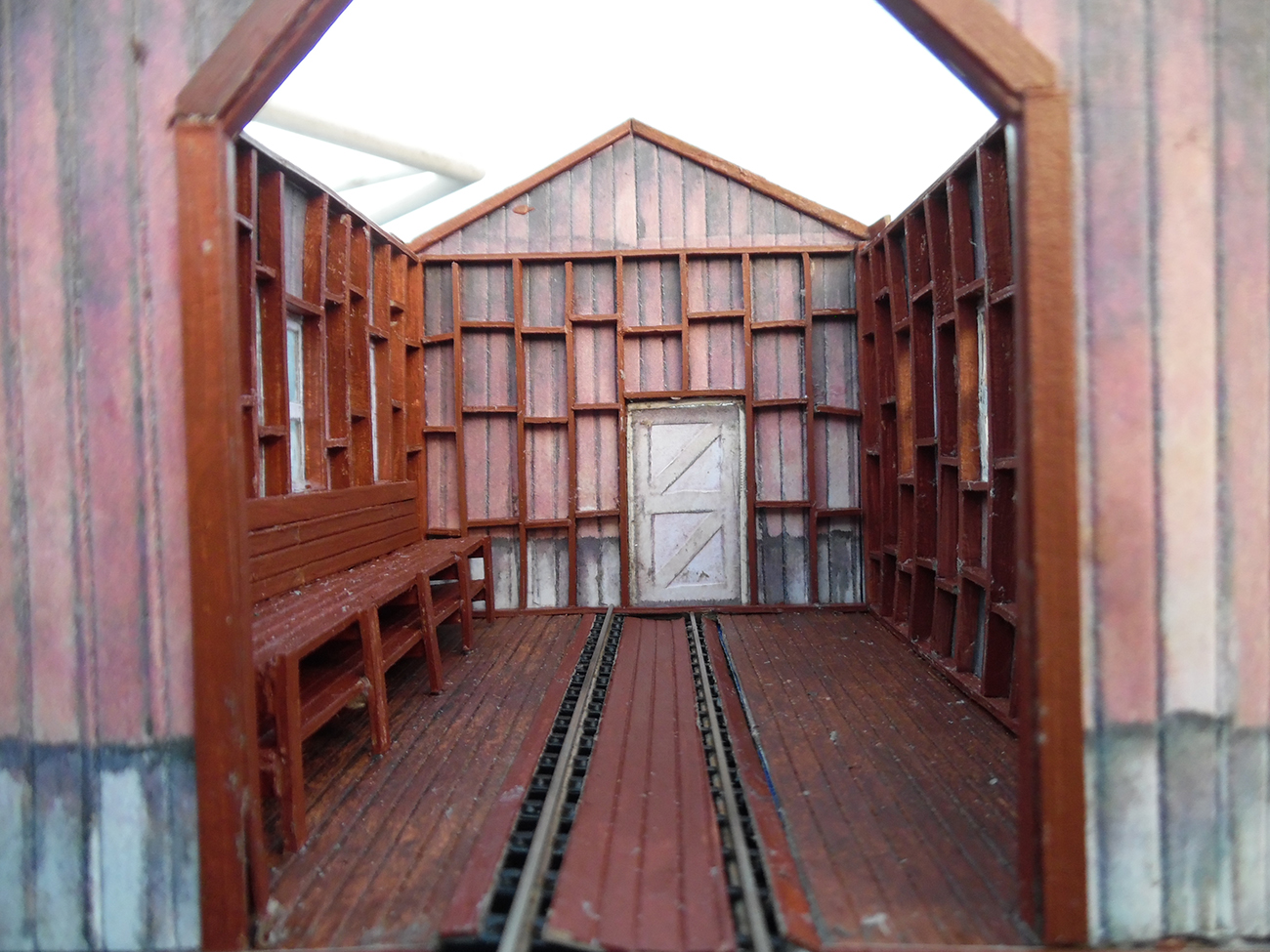
A lot of my structures are scratch built from either my imagination, or from photos of what others have done. It isn’t finished. I still have a few small sections to complete as well as adding in a lot more detail such as people and vehicles everywhere.

Dave”

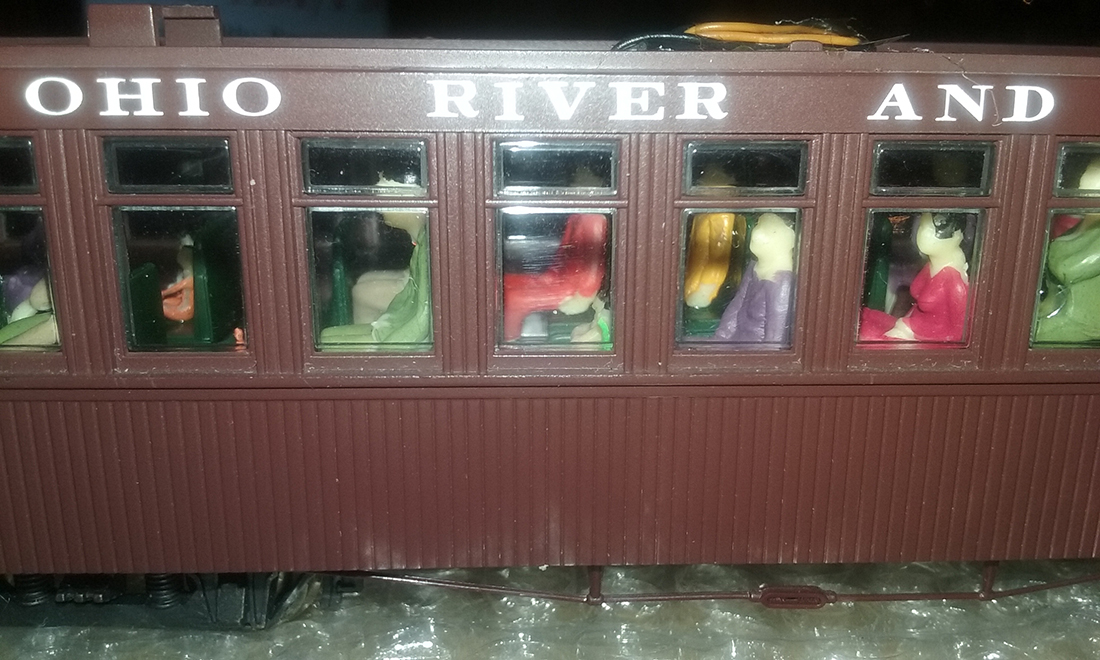
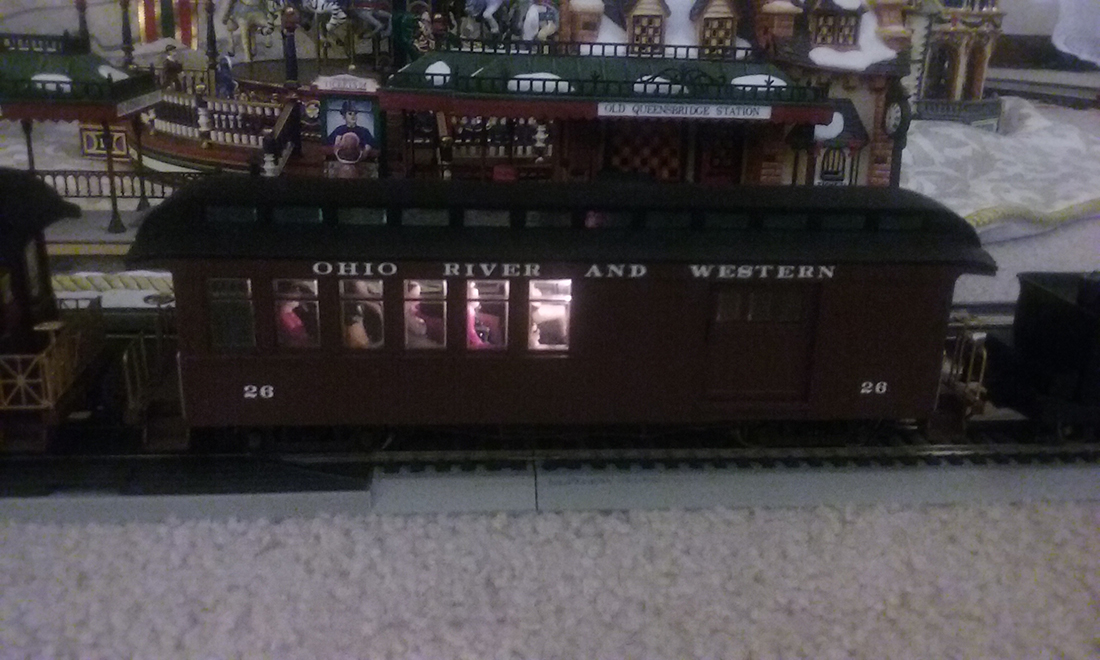
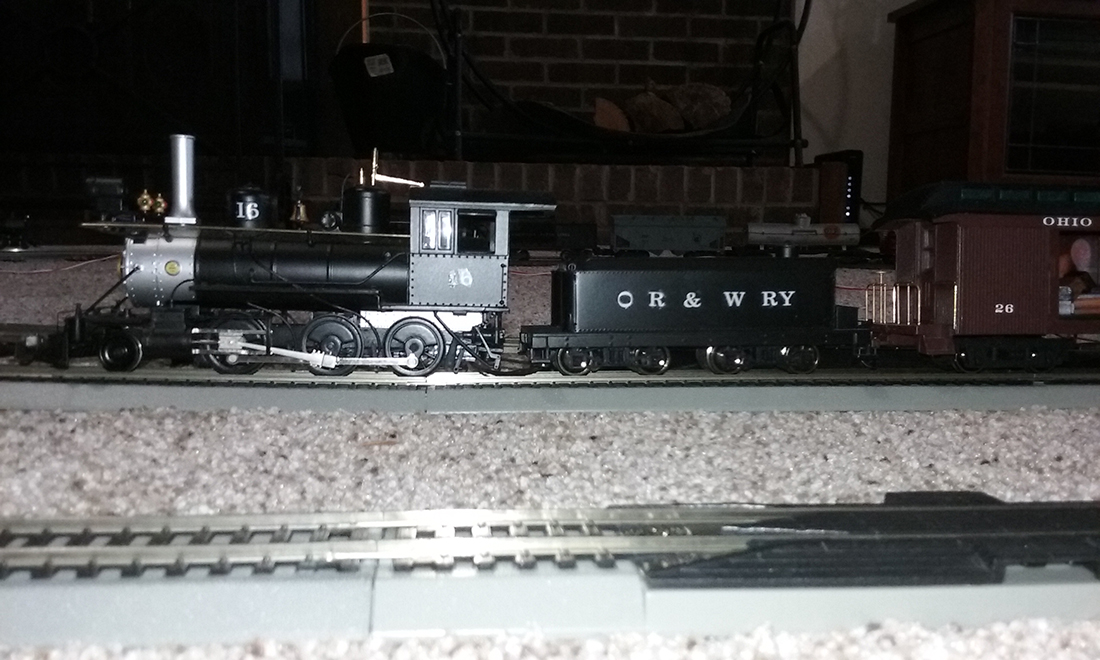
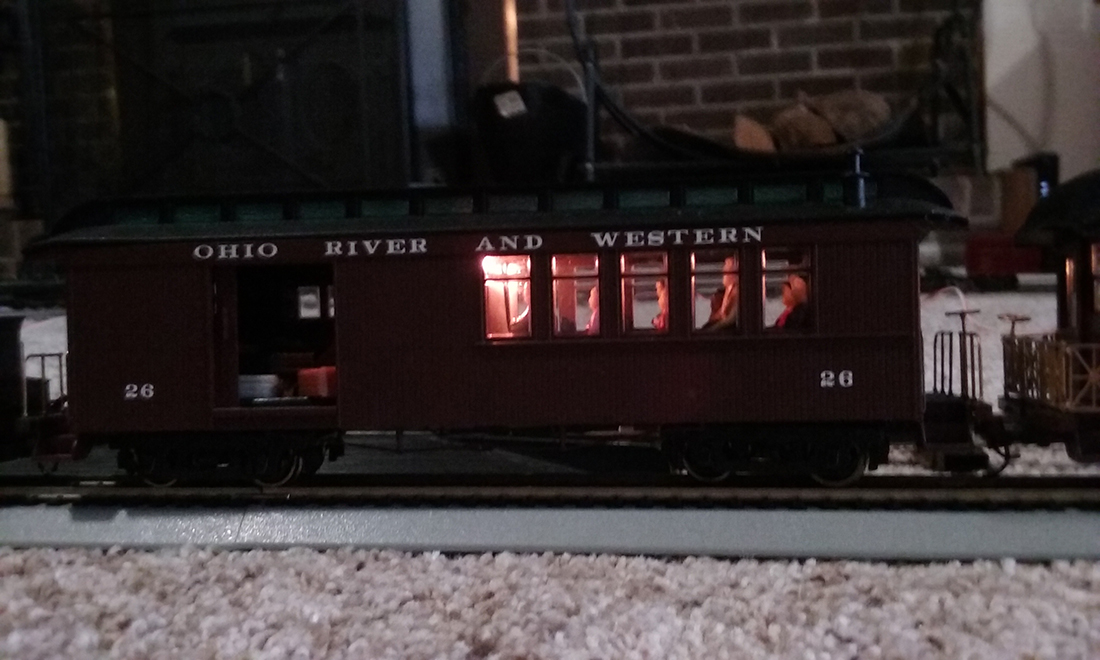
minimum ho scale track radius

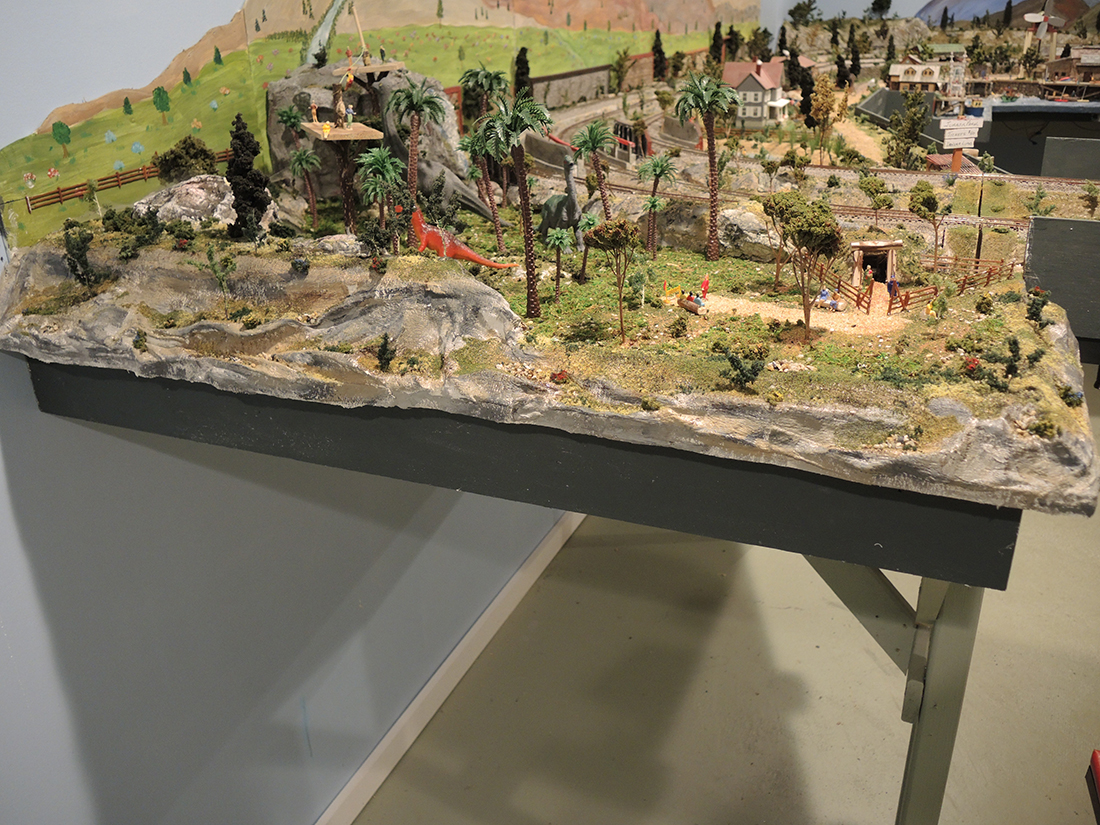
HO scale coal mine

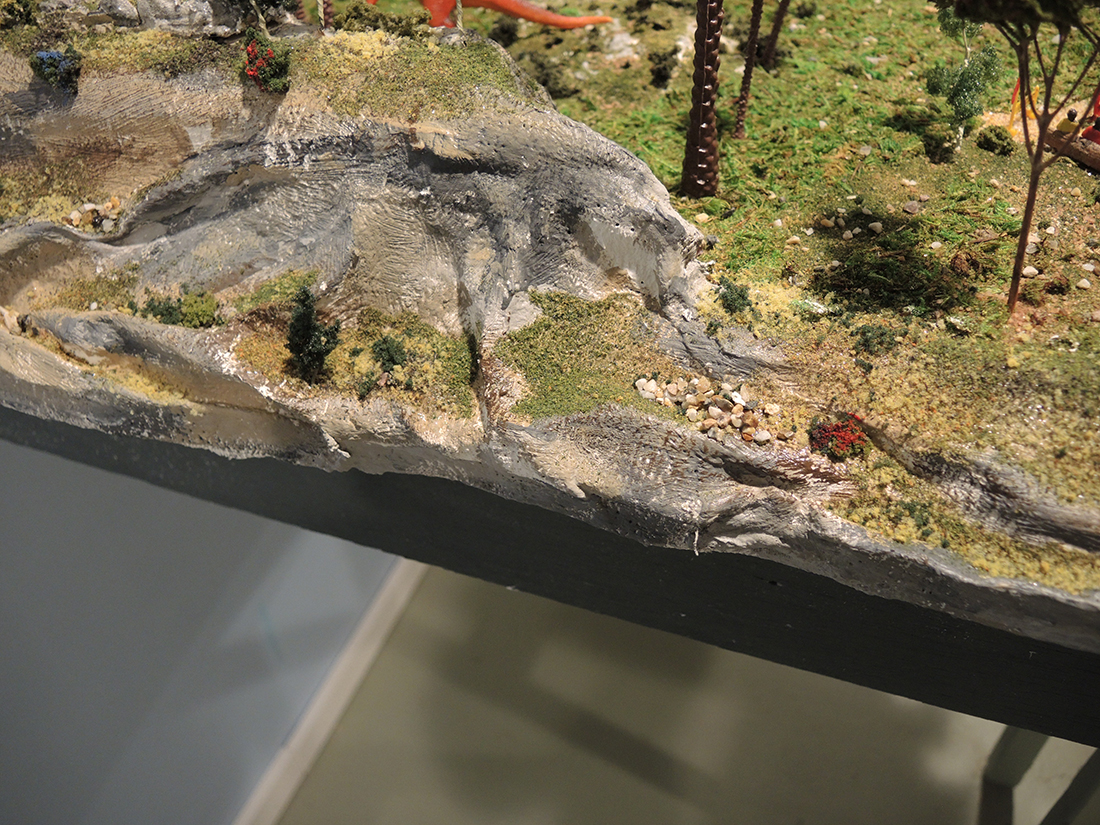
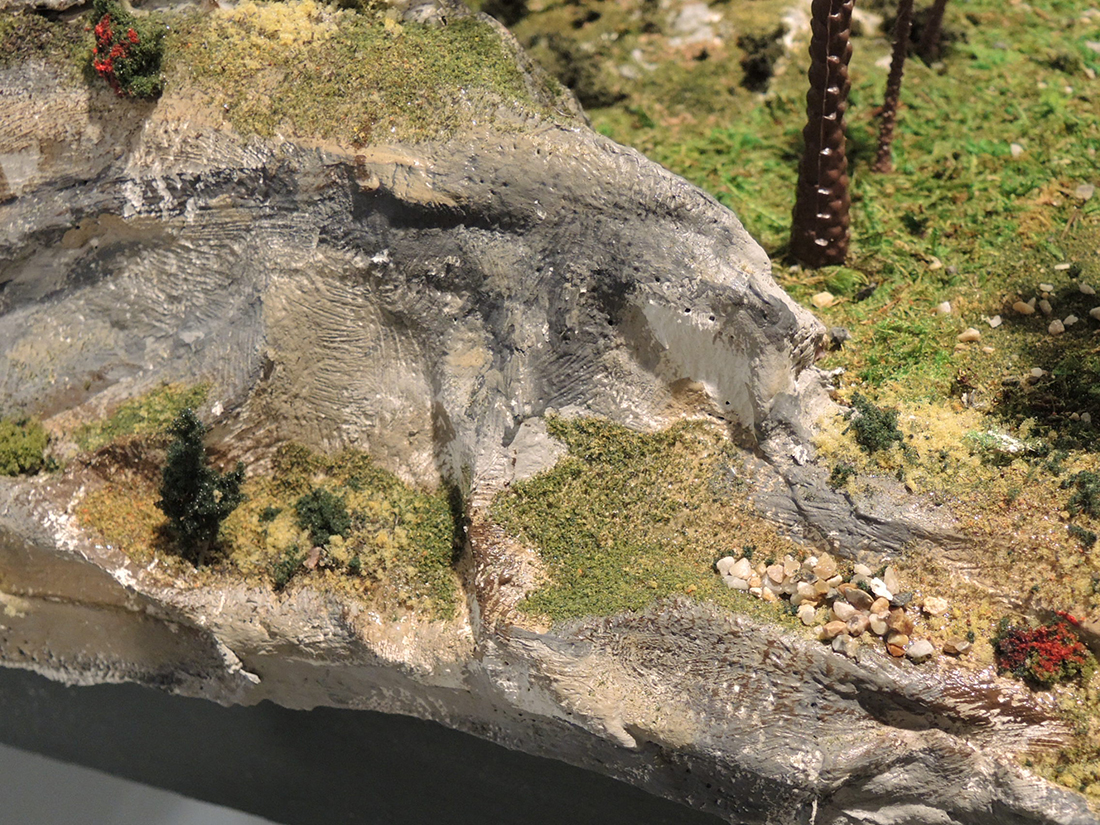
HO scale scenery

Minimum HO scale track radius


Minimum HO scale track radius bridge

HO scale old town shop

minimum ho scale track radius

HO scale shops

minimum ho scale track radius

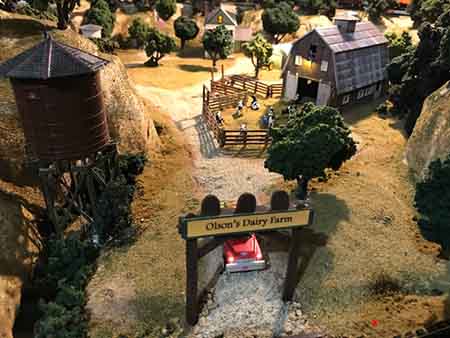
HOn3 scale water tower

HOn3 locomotive

HOn3 factory

minimum ho scale track radius

A huge thank you to Dave for sharing his adivce on minimum ho scale track radius. And what a layout!

The pics are stunning, but for me, it’s the narrative that stands out.

It just goes to show how a little planning can go a long, long way. Spectacular stuff.

That’s all for this time folks.

Please do keep ’em coming.

And if you want to make that start on your very own layout, the Beginner’s Guide is here.

Best

Al

PS More HO scale train layouts here if that’s your thing.


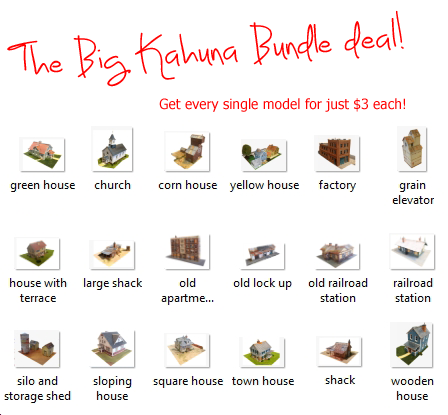
Need buildings for your layout? Have a look at the Silly Discount bundle.

HO scale engine yard

Gary’s been back in touch with his HO scale engine yard:

And you all know how much I like an update.

Here’s his last post if you want to get up to speed.

“Hi Alastair…. I am about 95% finished with the HO scale engine yard for my Sunnyside yard layout and thought I would send you an update..

I still have some minor fixes for some scenery that I want to do and also in the video you will see an empty rail outside the fence in the middle of the layout.

I am going to use this rail to display some engines and also create a track crew scene working to link up this rail with the work train rail.

Also, I have to fix or replace two turnouts. I have learned the hard way that the under table switch machines are the best.

The Tortoise switches are very good. With the Tortoise you can throw the switch, change the color of the signal and also control power to or shut off power to a rail.

I am also going to try the Micro Mark Switch Tenders (they are a little cheaper than the Tortoise and are also under table). Even though Micro Mark does not advertise this in their switch machines, I have learned how to throw the turnouts and change the color of signals with one 3PDT toggle.

My next phase will be;

– building of the road coming into the yard for delivery of goods needed for the passenger trains
– building of the commissary buildings, power building, power station and main yard master towers at the north and south end of the yard.

When that is complete, I will start working on passenger cars for the passenger trains and then the main line blocks and signal system.

Much to do and it will be a while, but the journey is enjoyable although sometimes frustrating when things don’t work the way you planned. But then it would be too easy, right?

Again, thank you and all your model railroad followers for blogs, pictures, videos, ideas and information.

Hope you like the pictures and enjoy the videos.

Gary”

HO scale engine yard

HO scale engine yard

HO scale engine yard

HO platform

HO scale engine yard

HO scale flatbed


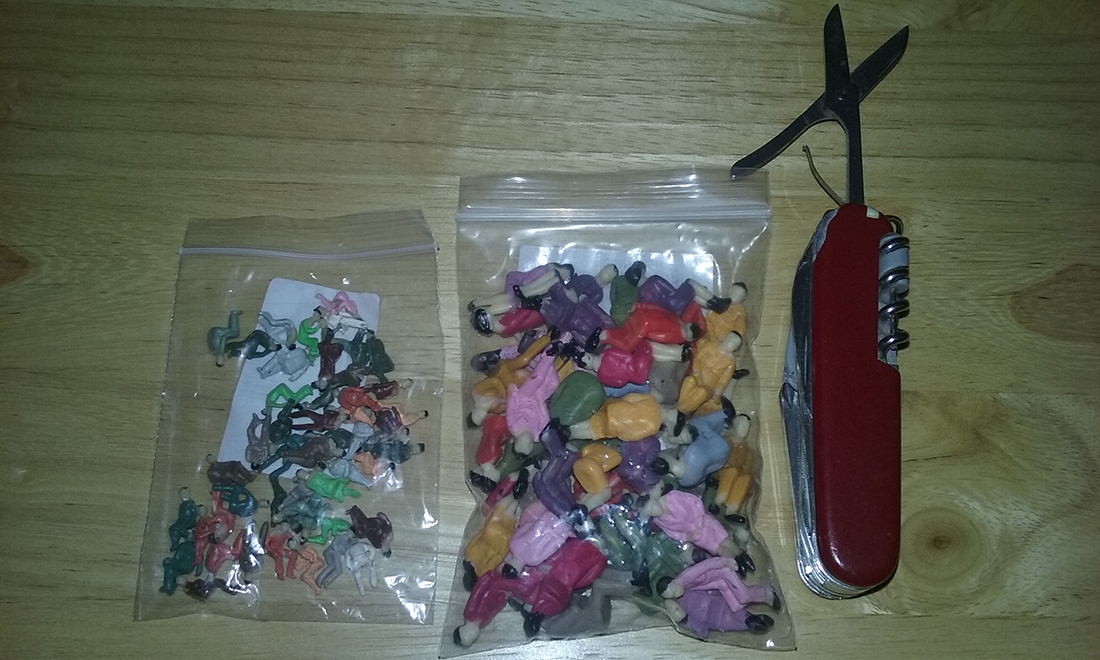
HO scale people

HO scale oil tanker

HO scale maintenance crew

HO scale engine yard

HO scale maintenance lorry

HO scale engine yard


Latest ebay cheat sheet is here.
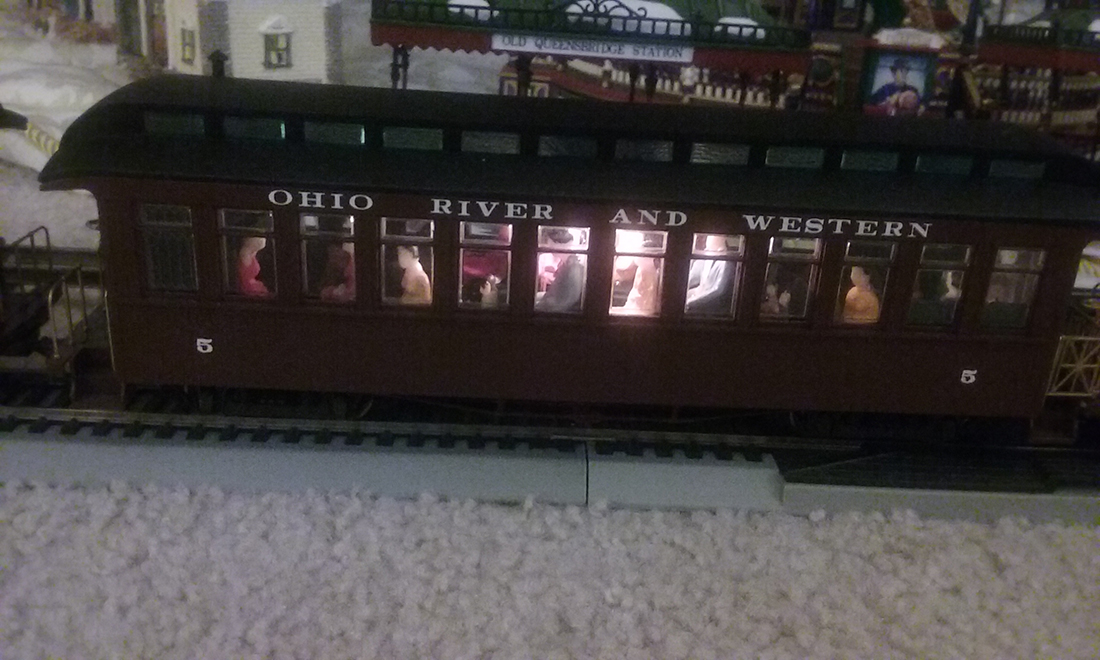
A huge thanks to Gary for sharing his HO scale engine yard. I love what he’s done and the way he’s documented it all.

It’s wonderful to see how it’s grown in to this fab layout. Can’t wait for the next update.

That’s all for today folks.

Please do keep ’em coming, and don’t forget, it you want to make that start – just like Gary did – the Beginner’s Guide is here.

Best

Al

PS More HO scale layouts here if that’s your thing.


HO scale bridge supports

Don’s been back in touch with his HO scale bridge supports:

If you missed his first post, it’s here.

Here’s what he’s been busy with:

“Good morning Al. It has been a while since I last posted.

I was going to post my progress but instead I want to show people that being flexible is important.

My layout is mountainous and when I got to the summit I needed to turn the trains around for the decent.

The diagram shows my approach.

At first I was going to put a hole through the wall into a spare bathroom and loop over the tub “RED”. My dear wife pointed out that my being dead, I could not play with my trains.

My second approach was to make a “Y” This had merit, but the trains would need to be short and backing full trains can lead to derailments, “ORANGE” Finally I decided on a loop over my existing layout “GREEN” This required a tunnel through an existing mountain and a completely elevated track.

I also had to add a 1by4 ft section for the return loop. More importantly I needed removable sections for access.

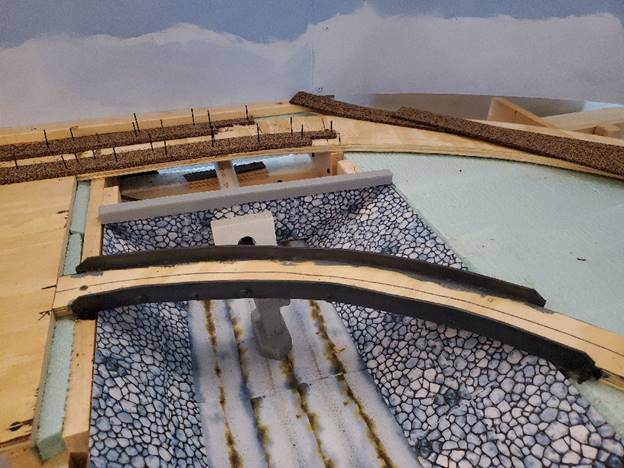
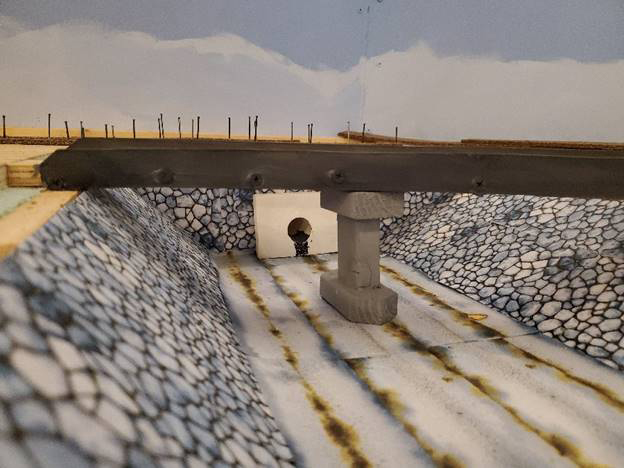
I had a 200 ft bridge that allowed me to span the room entrance. The bridge is too fragile for the movement needed, HO scale bridge supports were needed.

It was mounted on a 1×6″ I used a heavy hing cut in half and spread to allow track through. It is important to have the center of the pin above the top of the track or it will bind when raised.

The second section was a platform with curved track. I used an 18″ piano hing for it. A second hinge was used for the brace.

The last movable section was a drop down. It uses a plain hinge and a sliding latch.I crimped the latch to take out any slack when up.

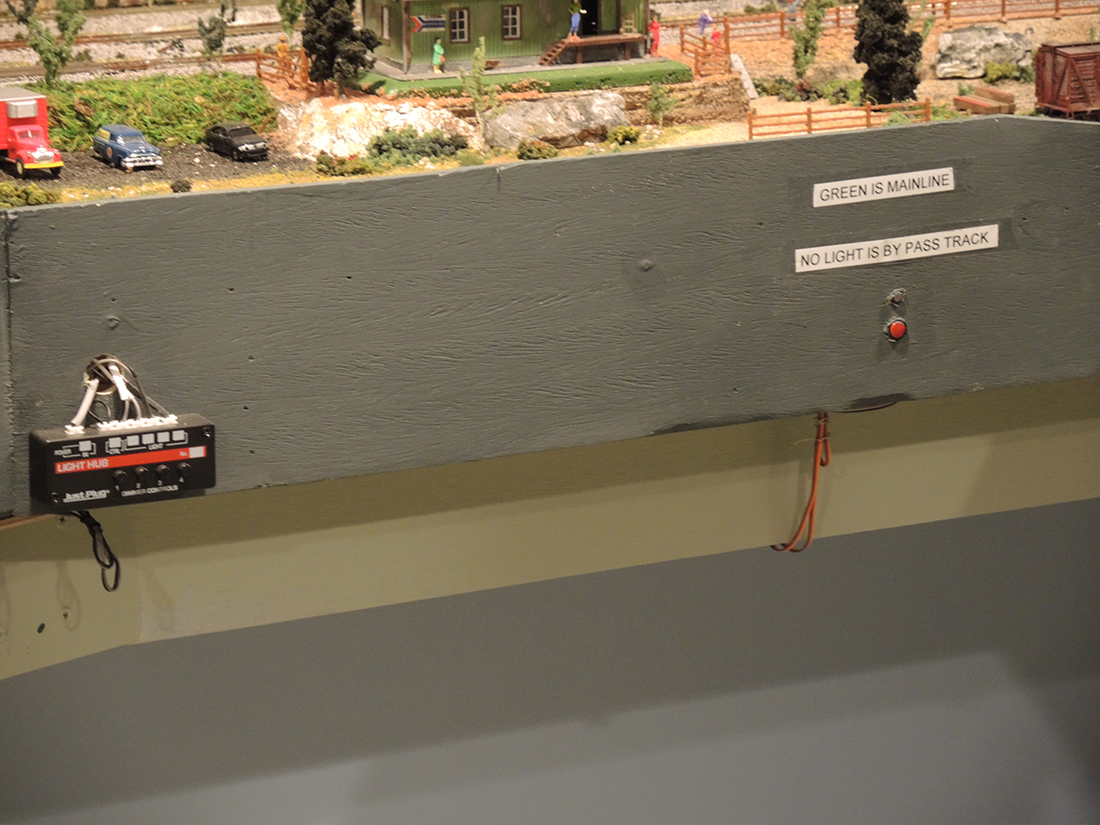
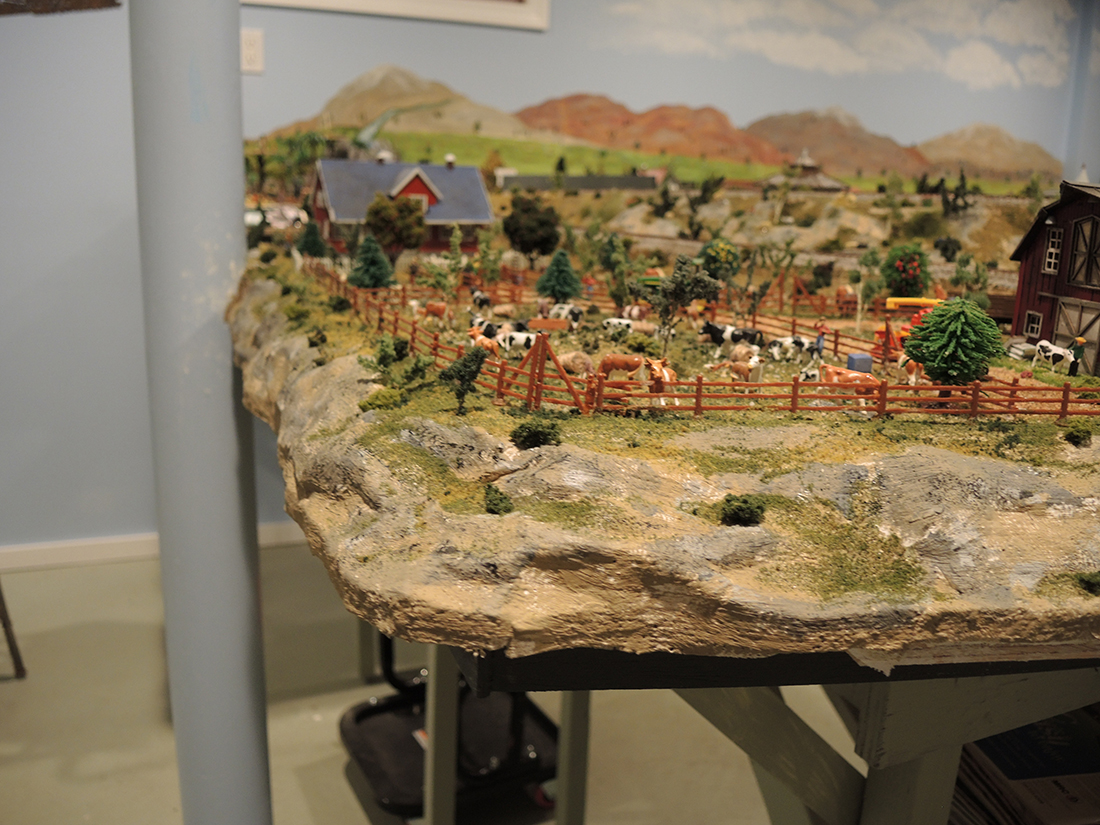
The pictures follow the narrative with the final product last. I hope you find some ideas of use.

Sincerely,

Don”

HO scale bridge supports

HO scale bridge supports

HO scale bridge supports

HO scale bridge supports

model railroad girder bridge

model railroad


HO scale bridge

model train bridge

model railroad bridge

HO scale bridge supports

HO scale bridge supports

“Hi Al,

No model trains to day, but a few of the real McCoy.

Been up in North Yorkshire and managed to capture a few Steam Trains in action.

Hope you can enjoy and maybe the members can enjoy a bit of real steam, and as always say, you can get a few ideas for a model railway…


Regards

Dave”

Latest ebay cheat sheet is here.
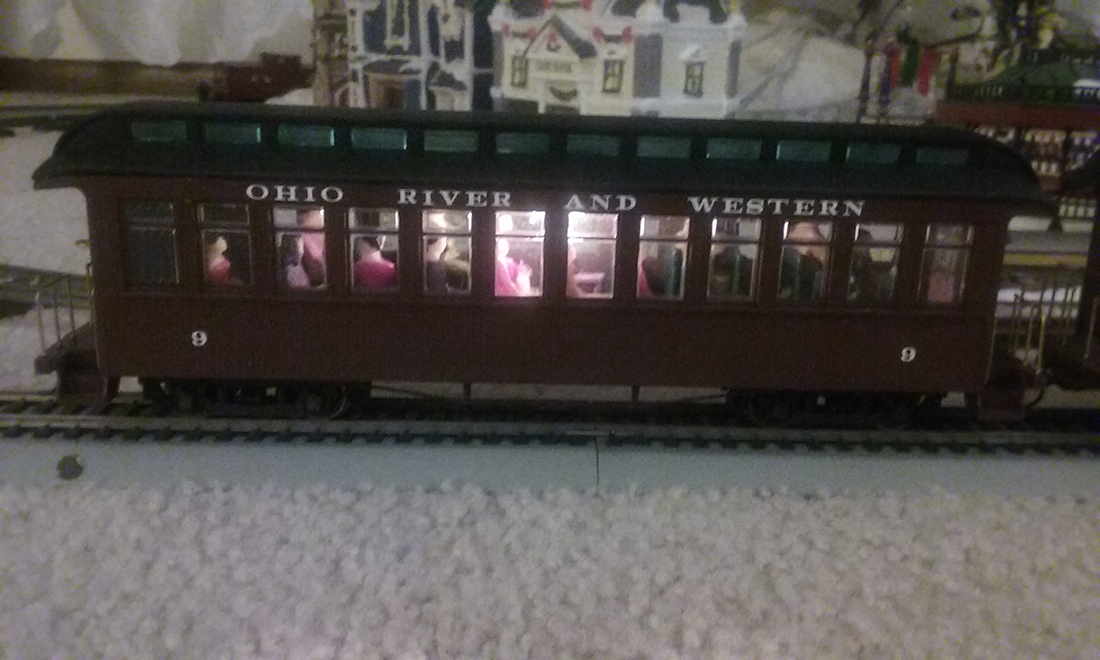
A big thanks to Don for sharing his HO scale bridge supports, and to Dave too.

And if you want to roll your sleeves up and get busy on your very ownn layout, the Beginner’s Guide is here.

That’s all for today.

Please do keep ’em coming.

Best

Al

PS More HO scale layouts here if that’s your thing.