How to wire model train street lights

Darrell’s been in touch with How to wire model train street lights:

AL:

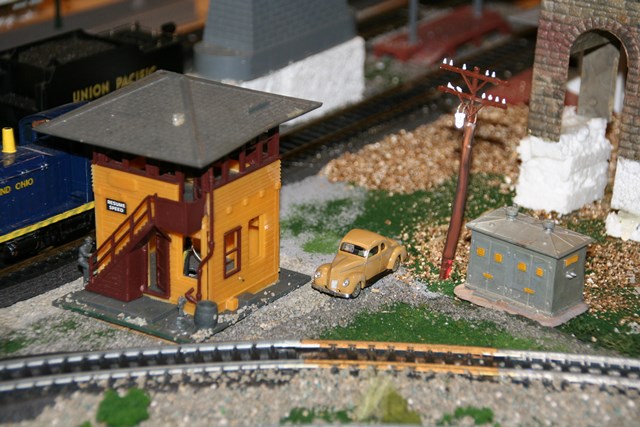
I have learned so much from your readers and thought I would send you one of my pet projects. My layout is still far from being complete. Much detail to do.

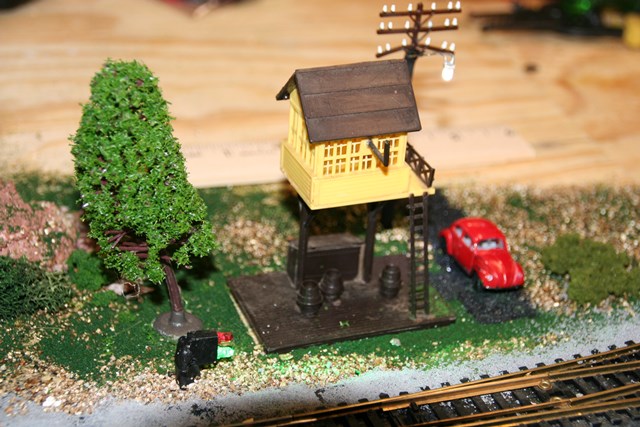
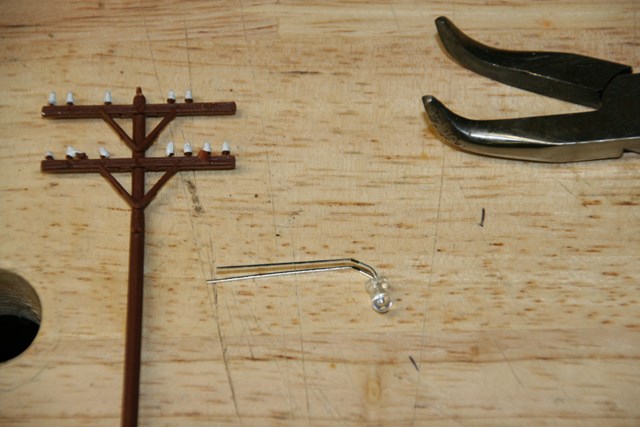
But I always see layouts with street lights, but haven’t seen any with street lights on the telephone poles as in my home town.

This project is so simple and easy it is insane !!!! And you can make these up in less than 10 minutes each, once you do the first one.

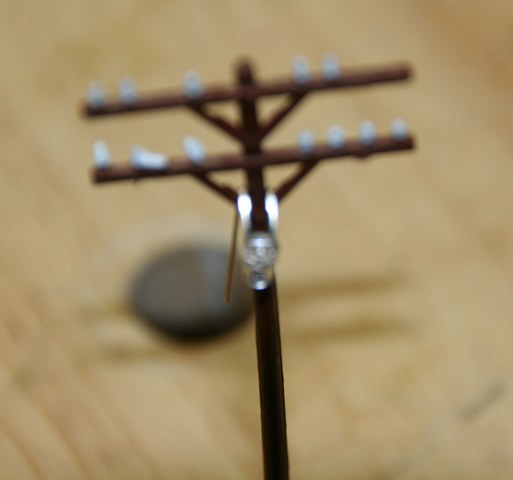
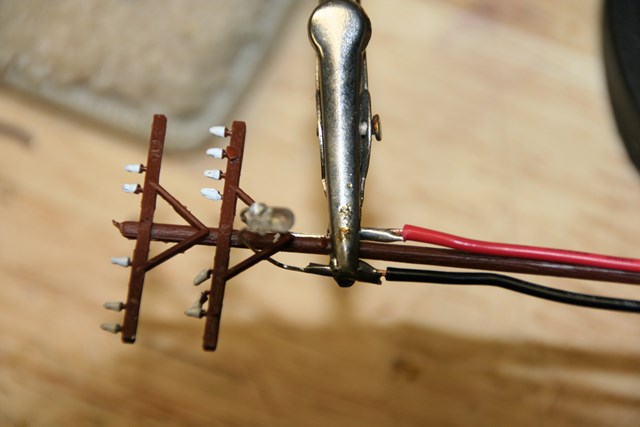
1. Slide LED legs through the side braces on standard telephone poles.

2. Bend the LED slightly so you have a downward angle.

3. Solder the lead wires to the legs of the LED and bend the legs down alongside the telephone pole.

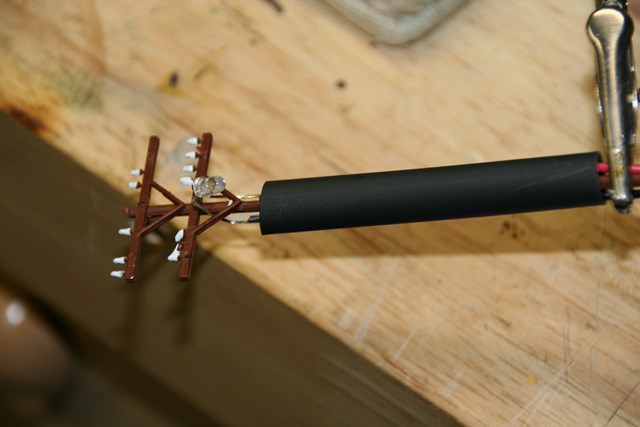
4. Cut the square base off the pole and slide a section of heat shrink tubing over the pole and wires.

5. Shrink the tubing with a hair dryer and paint the pole and tubing brown.

6. Dab a spot of silver paint to the very top of the LED, to simulate the metal dome.

You can adjust the length you want the LED to protrude from the Pole, and experiment with shrink tubing to get the proper size. Don’t worry about the solder joints touching, as the heat shrink and side arms on the pole will keep the legs of the LED just far enough apart to prevent shorting.
Hope you enjoy the photos. Looks great in rural areas too.

Keep those hints and tips coming in !!!

Darrell”
How to wire model train street lights

How to wire model train street lights

How to wire model train street lights

How to wire model train street lights

How to wire model train street lights

How to wire model train street lights

A big thanks to Darrell, it reminded me of this post: Model train street lamps.


Now Schiffy has been in touch with some old pics:

“Hi:

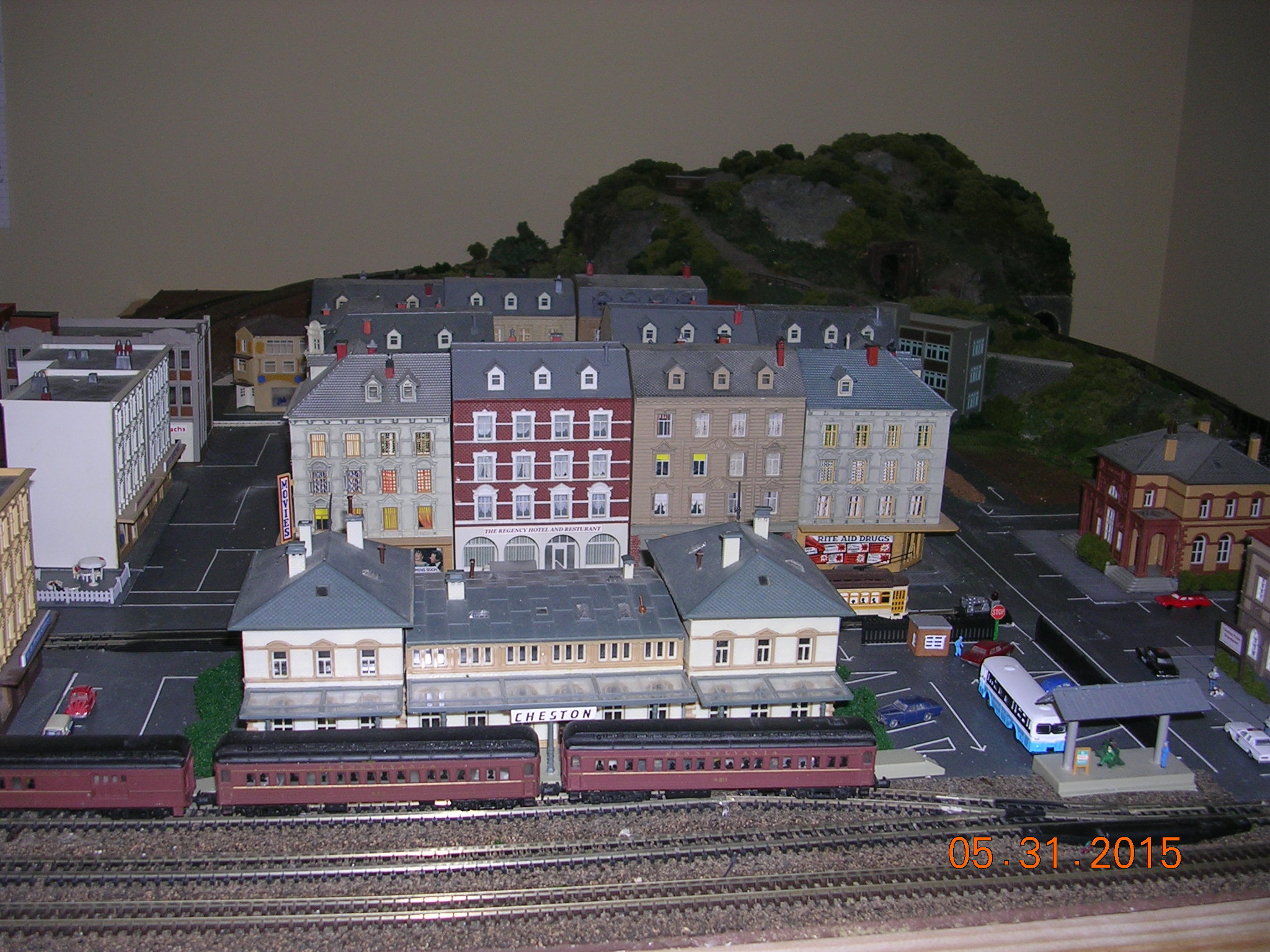
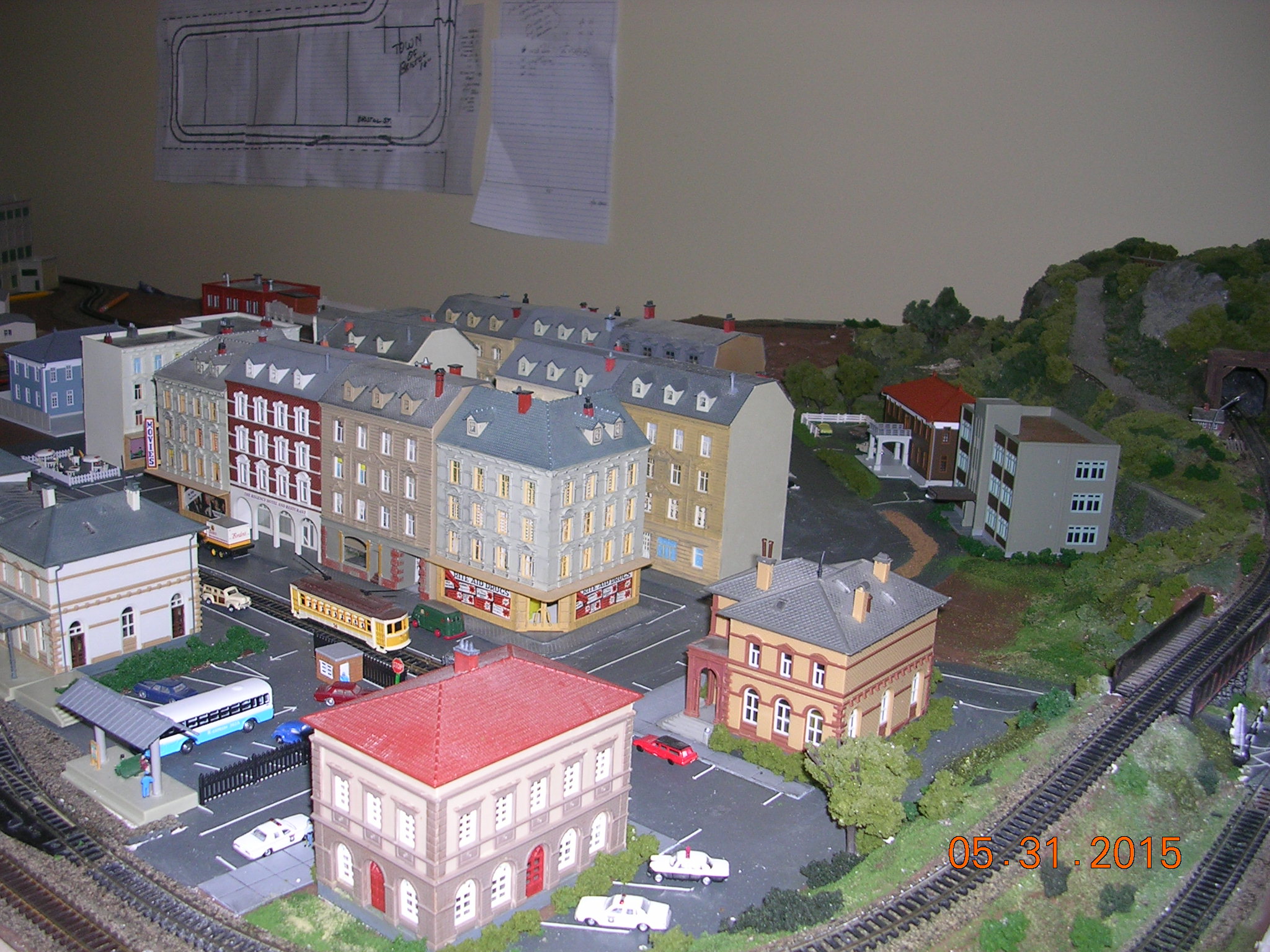
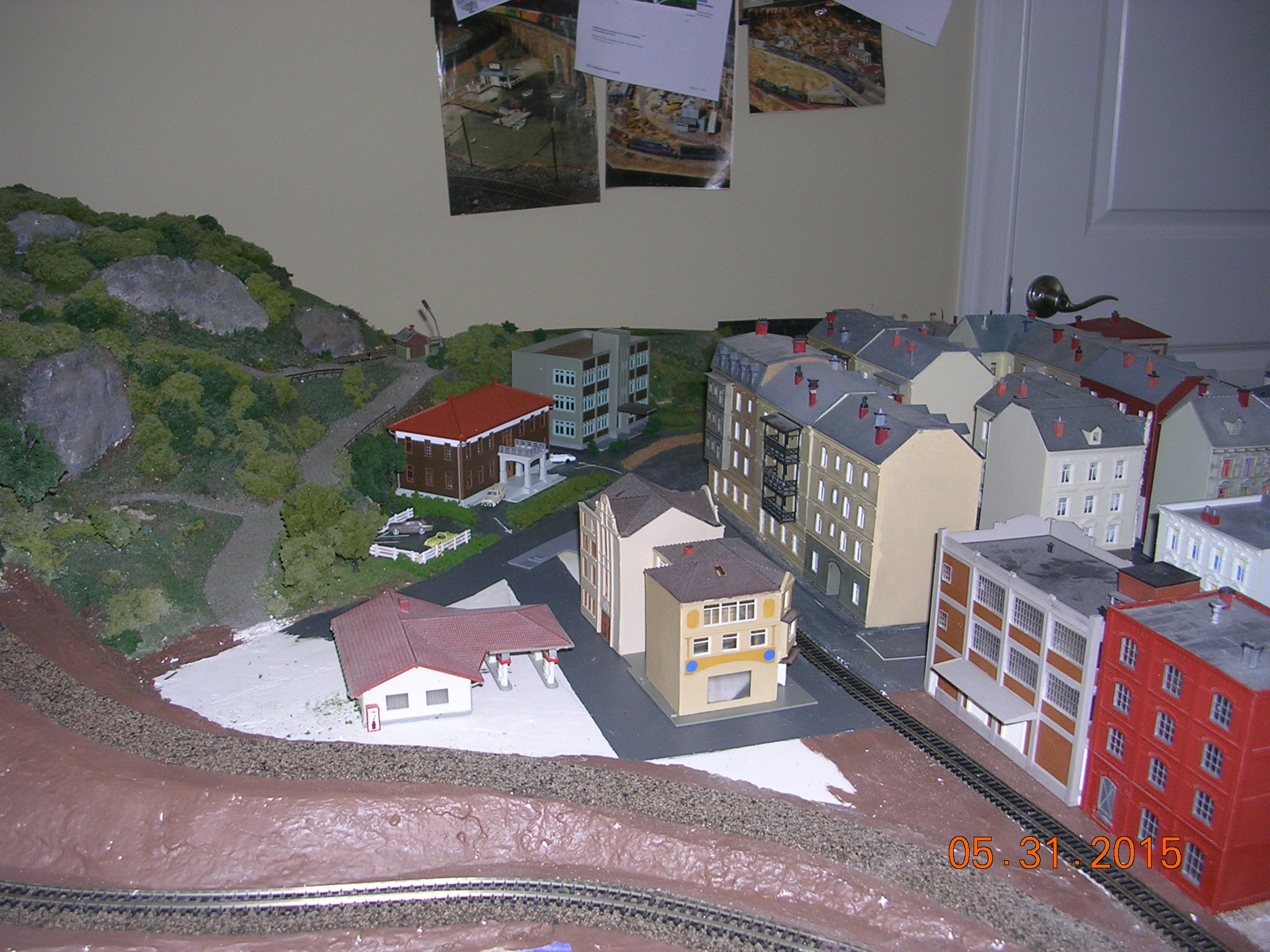
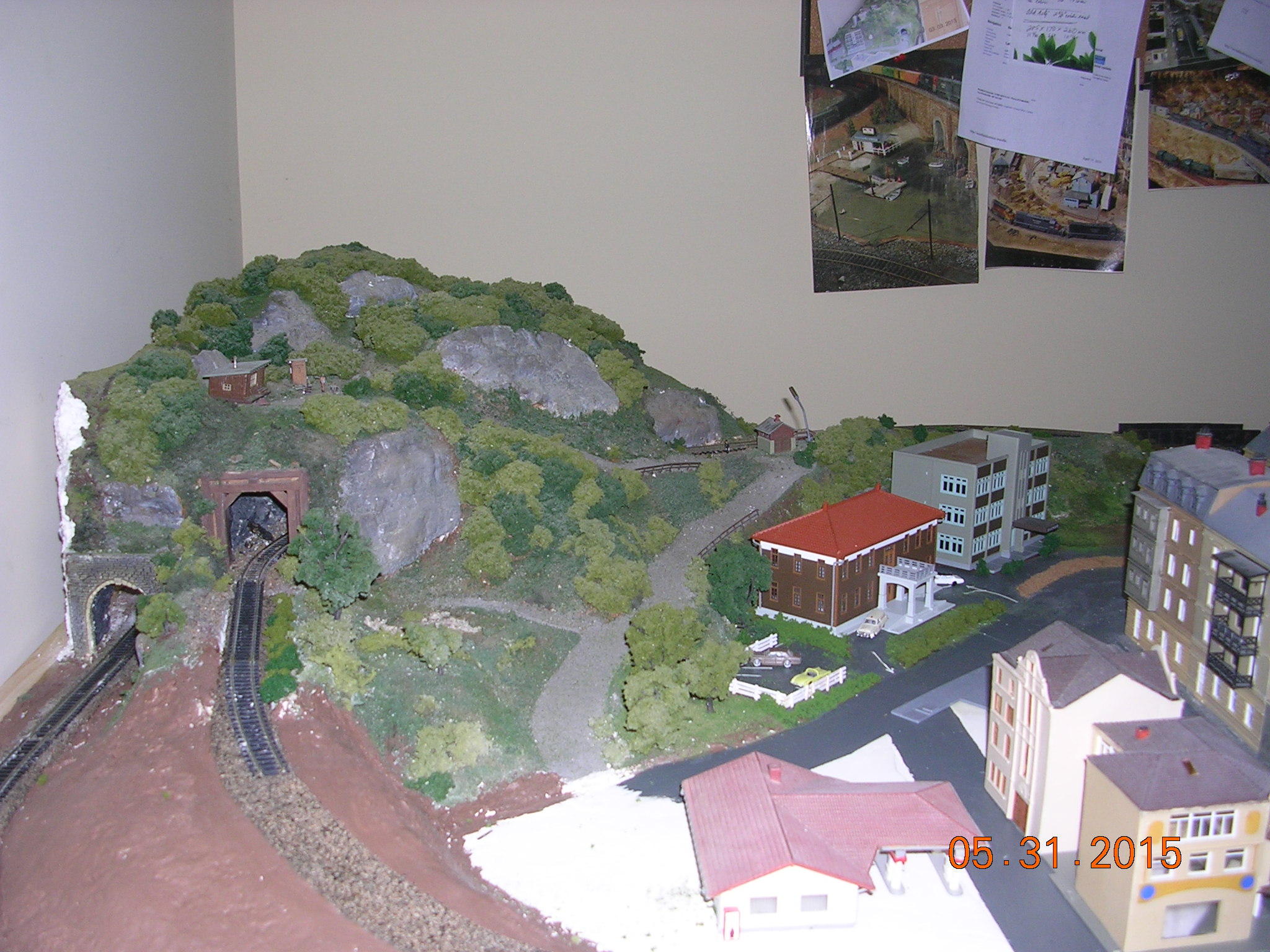
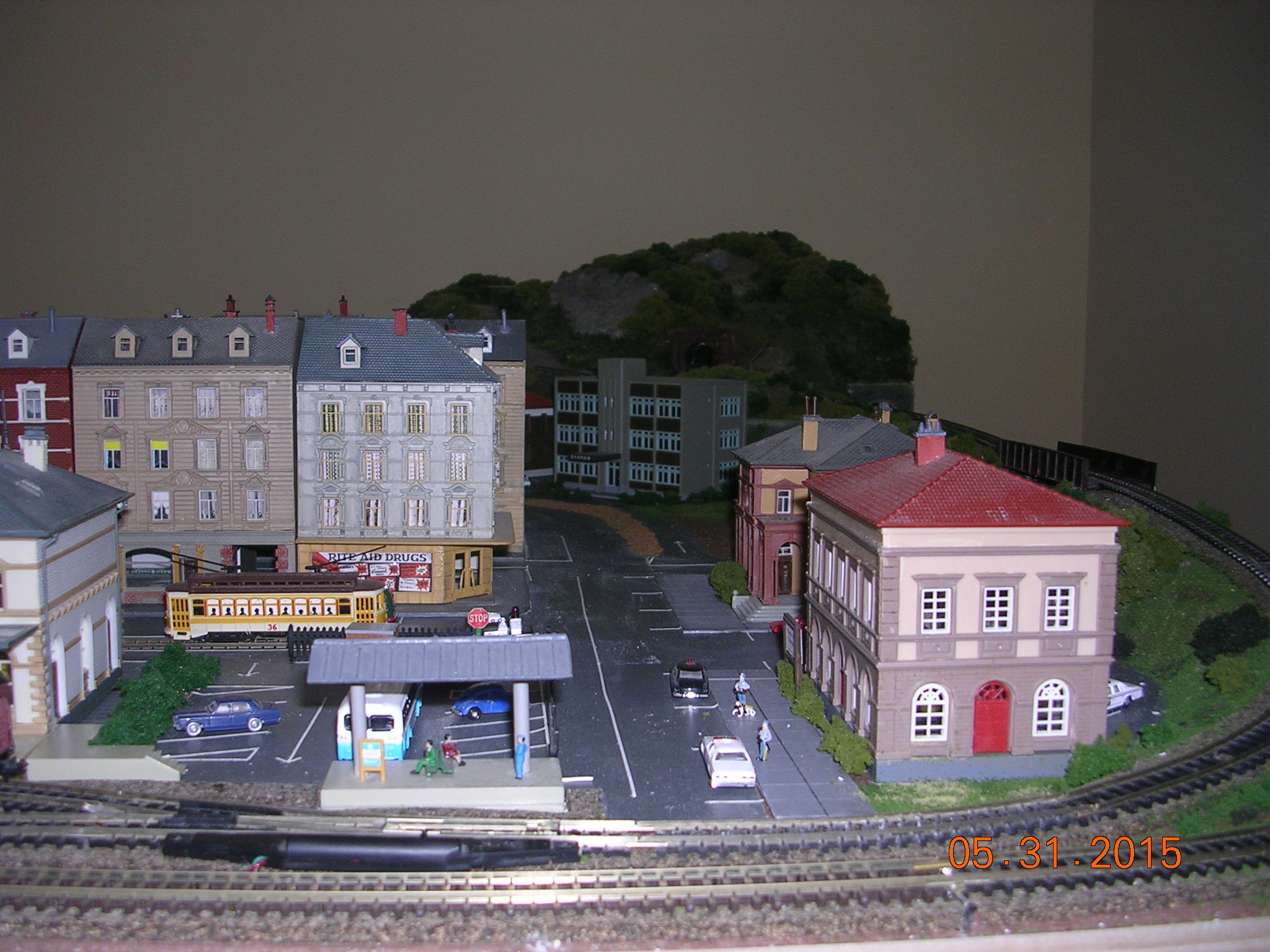
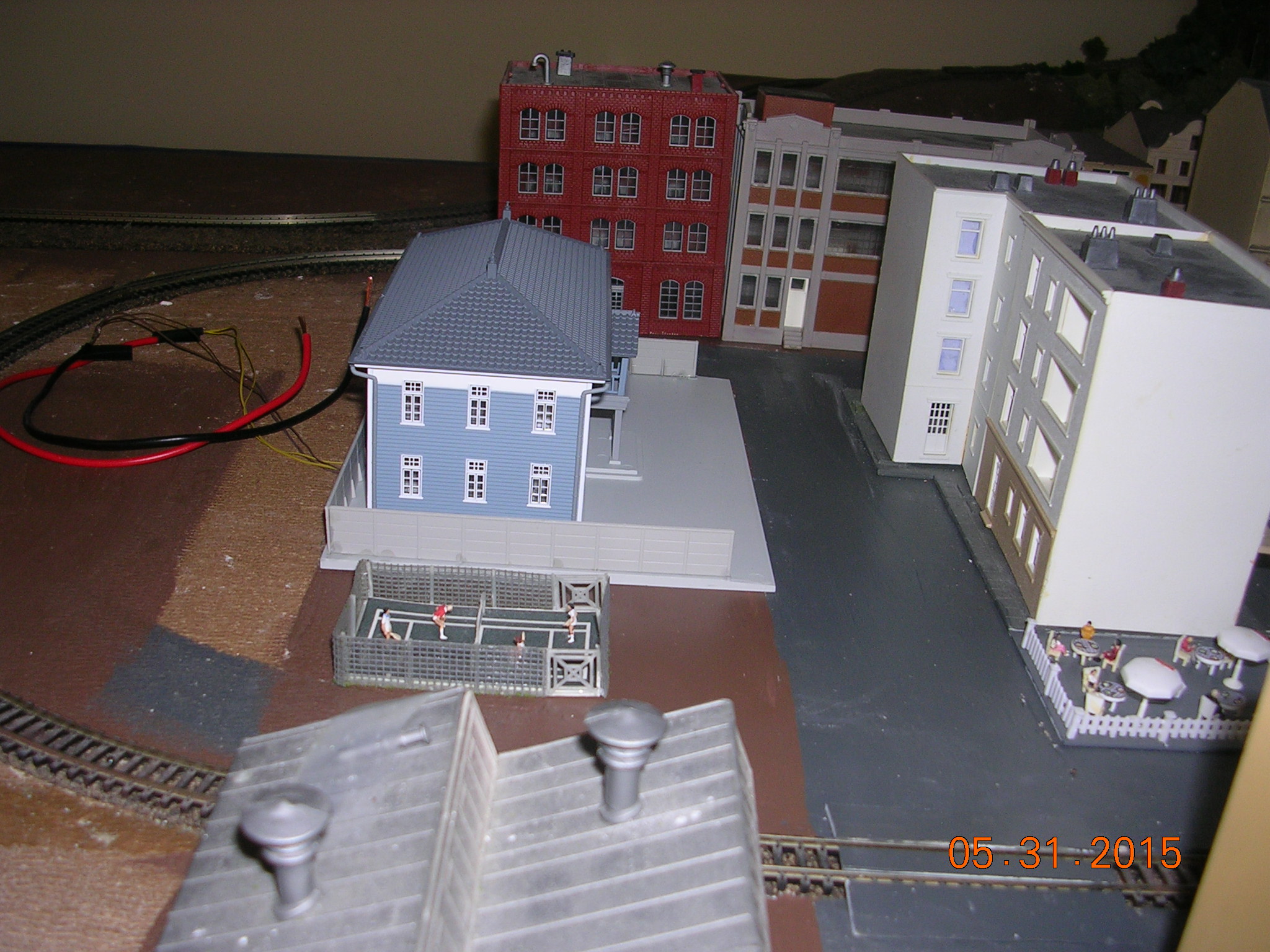
I’ve enjoyed all the tips and especially Dave’s videos. I recently moved to Wilmington, NC from Virginia. I had to tear down my layout (Bristol & Cheston). I made the decision tear it down completely and rebuild. I did save some landscaping that my wife made. I’ve gotten a lot of great ideas from the folks responding to your e-mails. I also gave a lot of thought to the economic activity to help determine the layout design. Moving goods and services between the two towns is important.

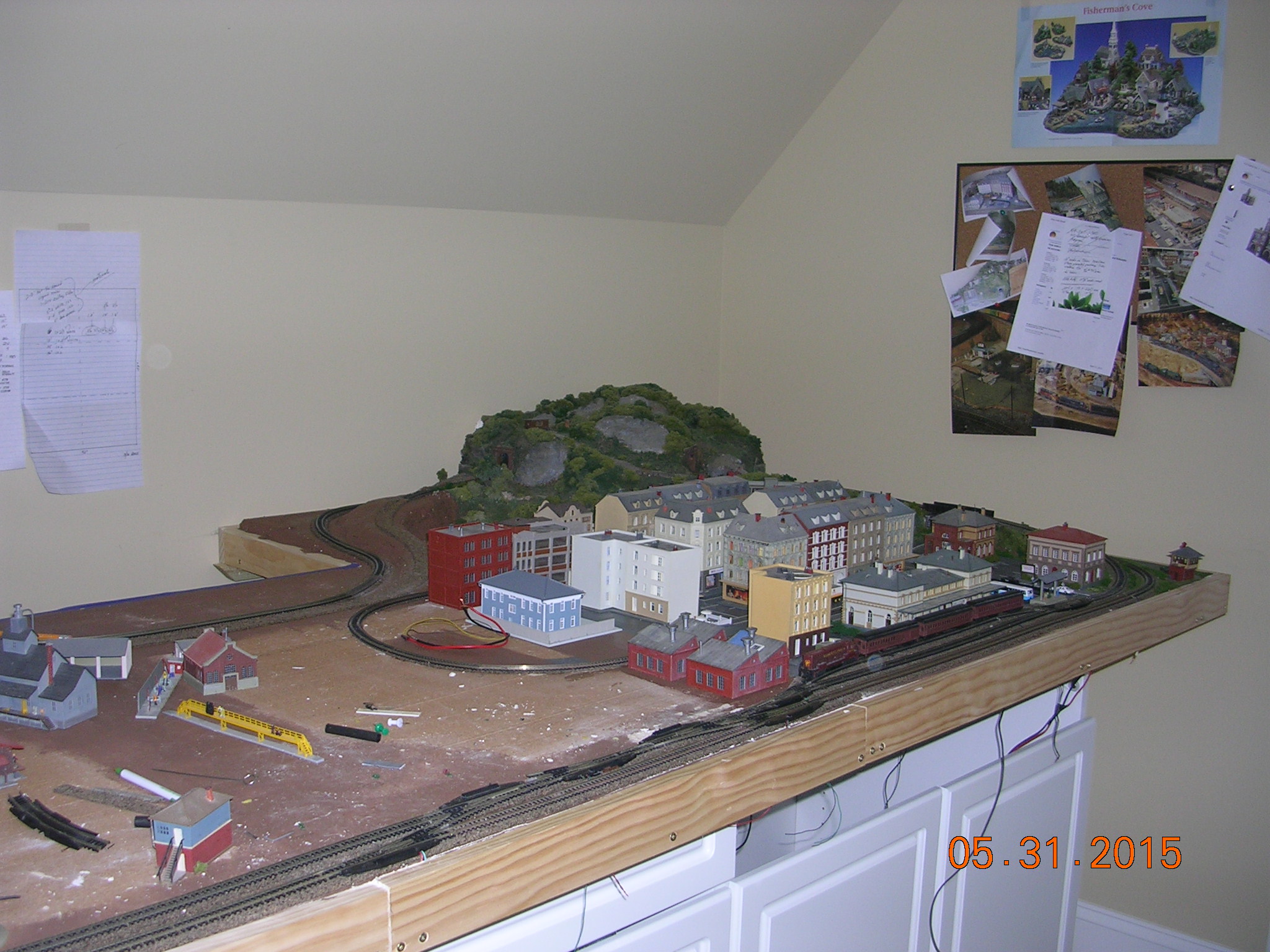
This is an attic layout that when finished will be 4 feet by 15 feet in scale. The base is made of ready to assembly cabinets. I had a need for storage of buildings, supplies, etc. The grid work is made up of 1 x 3 pine attached to the cabinet tops. I cantilevered the top over the base cabinets to get the 4 feet of width. Cabinets are only 2 feet deep. I used recycled 2 x 4 drop ceiling tiles on which to lay track and build up terrain. It is easy to handle and can be carved.

There are two towns. Cheston, the city you see the photos is partially complete. Cheston has a trolley system. There will be an industrial/commercial area to economically support the city. Future plans also call for a small resort town, Bristol, with a waterfront economic activity on the river and some local farming that will supply Cheston and Bristol with fresh veggies and meat products.

If what I am doing is of interest I will be happy to supply details of construction methods and wiring for this DC system. I thought a lot about DCC and haven’t ruled it out. A lot of my locos are not ready for conversion and it would be bloody expensive to buy all new stuff.

Schiffy”
model train buildings

model train buildings

model train buildings

model train buildings

model

model train buildings width=

model train buildings

A big thanks to Darrell for his take on how to wire model train street lightsand. Thanks to ‘Schiffy’ too. I do love seeing your creations and solutions, even if they are a few years old.

That’s all for today folks.

Please do keep ’em coming.

And if today is the day you get started on your layout, the Beginner’s Guide is here.

Best

Al

PS Latest ebay cheat sheet is here.



Arnie replies!

After Arnie’s stunning past (here if you missed it), he’s been kind enough to mail this is:

“Hi Al,

You were certainly right about the extensive response I would receive to my video posting.

I want to thank you and all the viewers of the website for their praise and enthusiastic responses.

If I may address some of the inquiries about the video and layout:

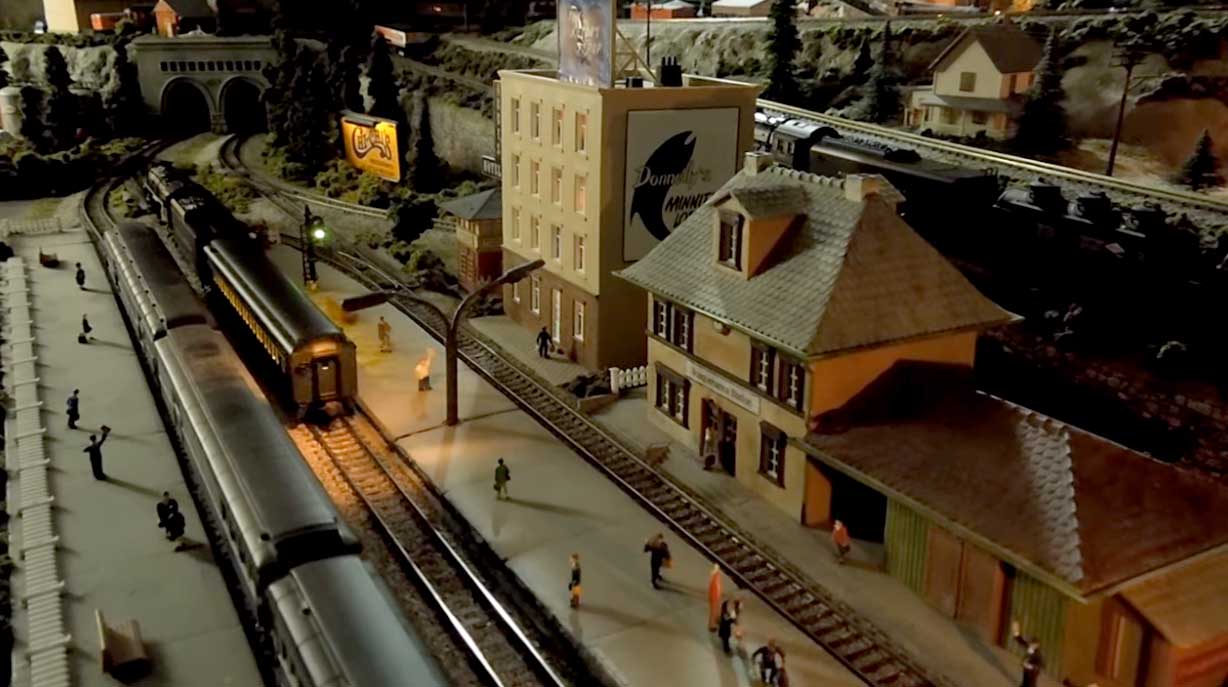
I chose to do a night landscape to divert from the usual daylight running of trains.

The video is intentionally dark to capture a sense of a rural landscape at night while using both on- and off-layout lighting to provide sufficient illumination.

I have also taken the same video and have duplicated it but using a bit brighter imaging and a retro 1950s B&W film style to try to give it a more dramatic effect.

I could certainly forward that for the viewers if there is an interest in seeing it.

For those expressing interest in my plans for the layout and other things I’ve done on/with the layout:

I have some 40 or so other videos created on the layout.

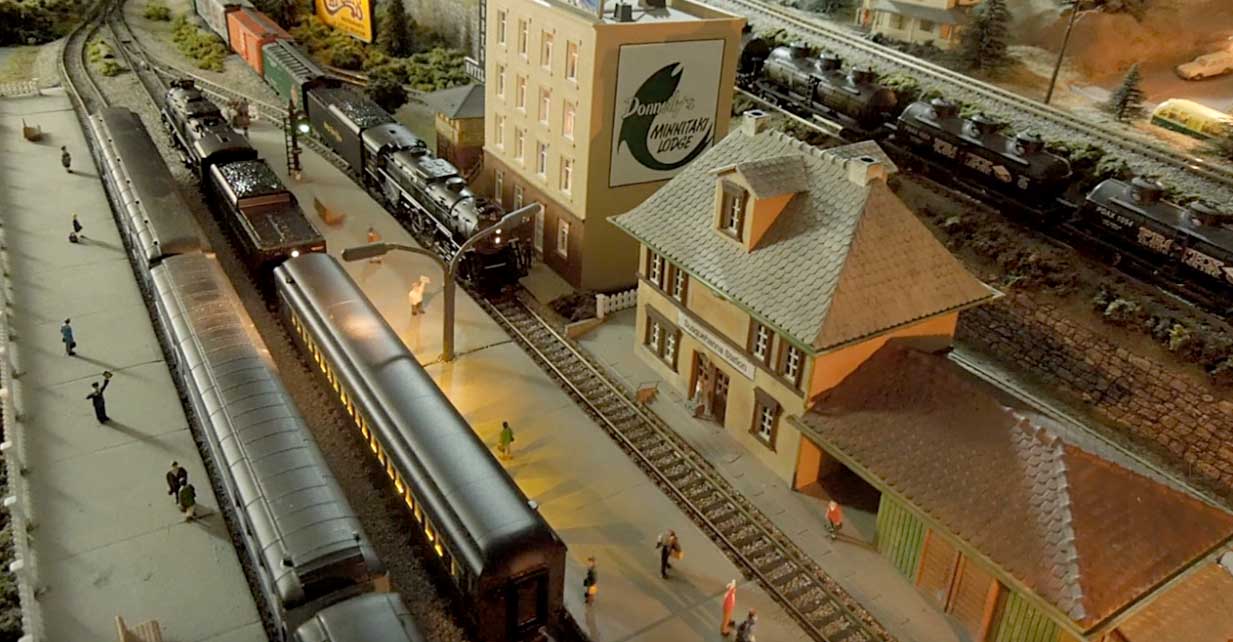
Some are specific to the layout’s locale (Susquehanna Valley…); some are of other locations and eras using portable backdrops and rolling stock of the era being focused on; some feature a brief history and look at famous trains of the past (e.g., the New York Central’s 20th Century Limited) and present (e.g., the Acela Express); and some are purely whimsical (e.g., “The Wreck Train”).

One video I posted on your website before is the comprehensive “Life on the SV&GS”.

All these videos can be accessed via Youtube by searching under my user name “privprac48″.

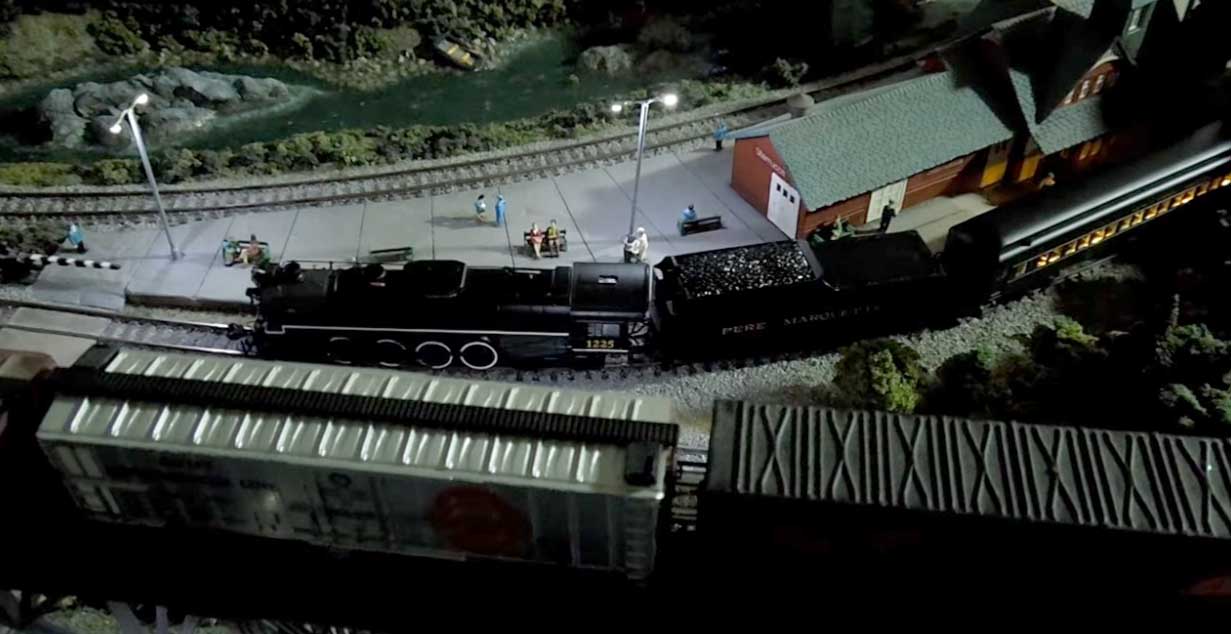
I am working on an offshoot of the Berkshire video you just posted: An update of the Polar Express excursion train that is still running and is headed by the Pere Marquette Berkshire #1225.

I have also published several articles on my N scale SV&GS layout in “N Scale Railroading” magazine and annually publish photos in the annual “Walthers N&Z Reference Book”.

And I have a prospective article on the layout to be published in an upcoming issue of “N Scale Magazine”.

So, there you have it.

And I would be honored to share info, videos and photos wtih anyone interested.

Again, many thanks to you Al and all the readers of your website for your support and kind words.

Arnie”


And Dangerous Dave has been back in touch too:

“Hi Al,

This is one I uploaded last night!”

Regards

Dave”


Big thanks to Arnie and Dave.

Don’t forget, the Beginner’s Guide is here if Arnie has inspired you.

Best

Al

PS Latest ebay cheat sheet is here.


Model steam trains – Arnie’s update

Arnie’s been back in touch with his model steam trains video – and it’s another stunner:

“Hi Al,

It’s been a long while since my last contact and submission to you.

Despite my professional and family responsibilities, I have tried to keep up with your postings.

I continue to be impressed with the way the posting submissions have grown in number and diversity.

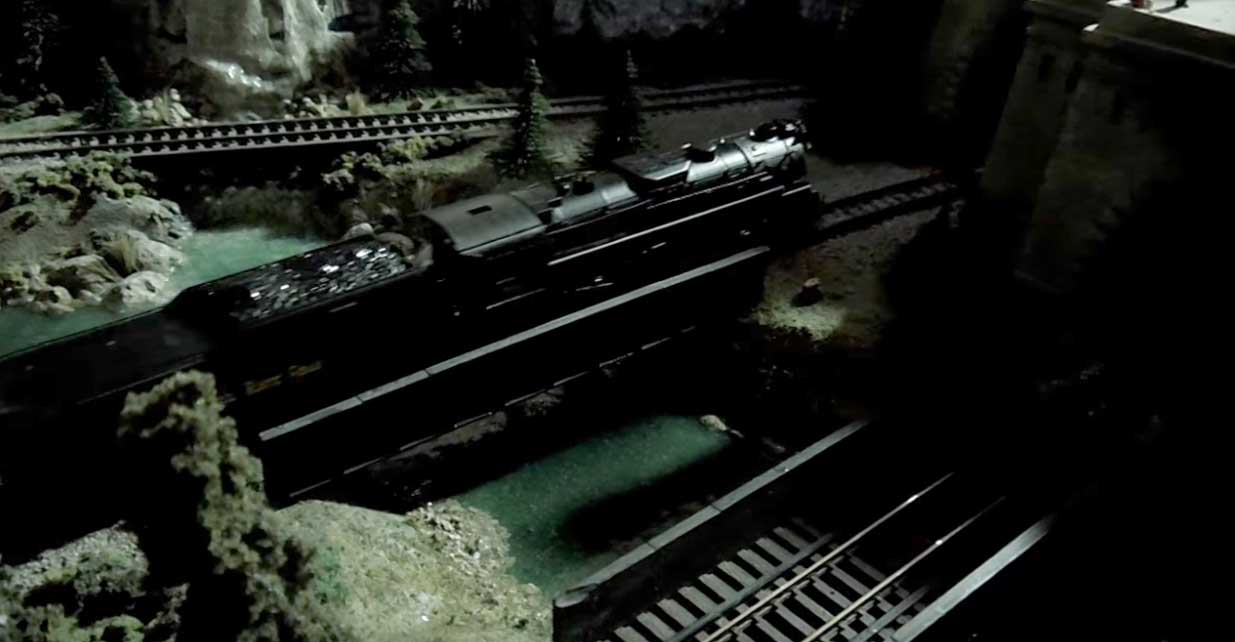
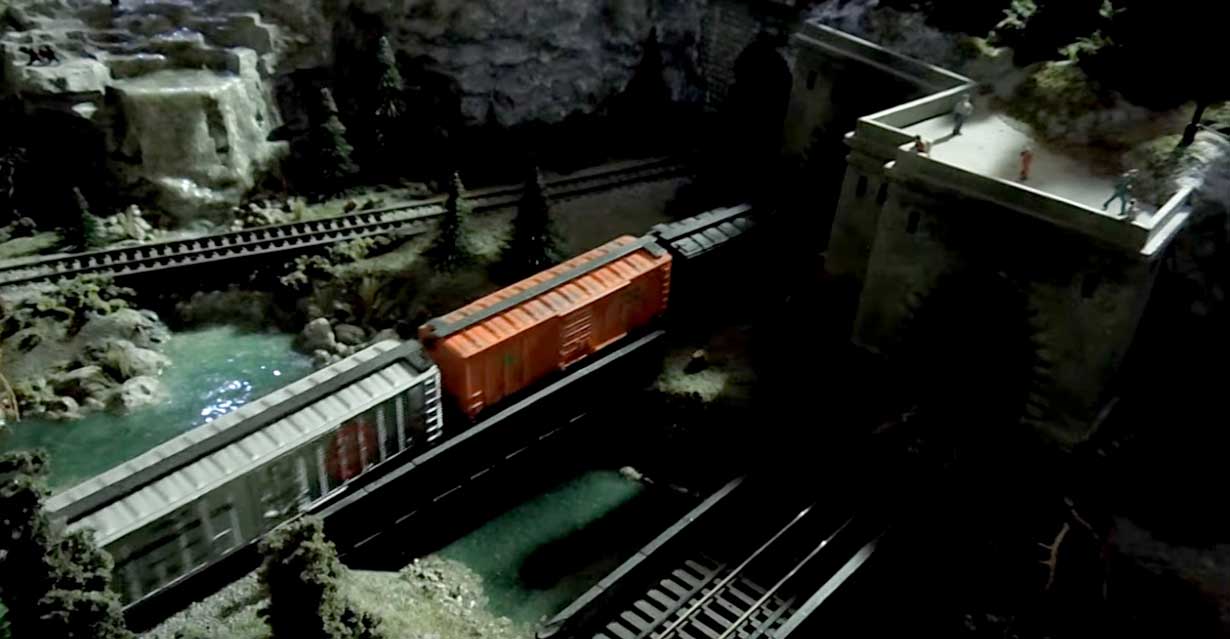
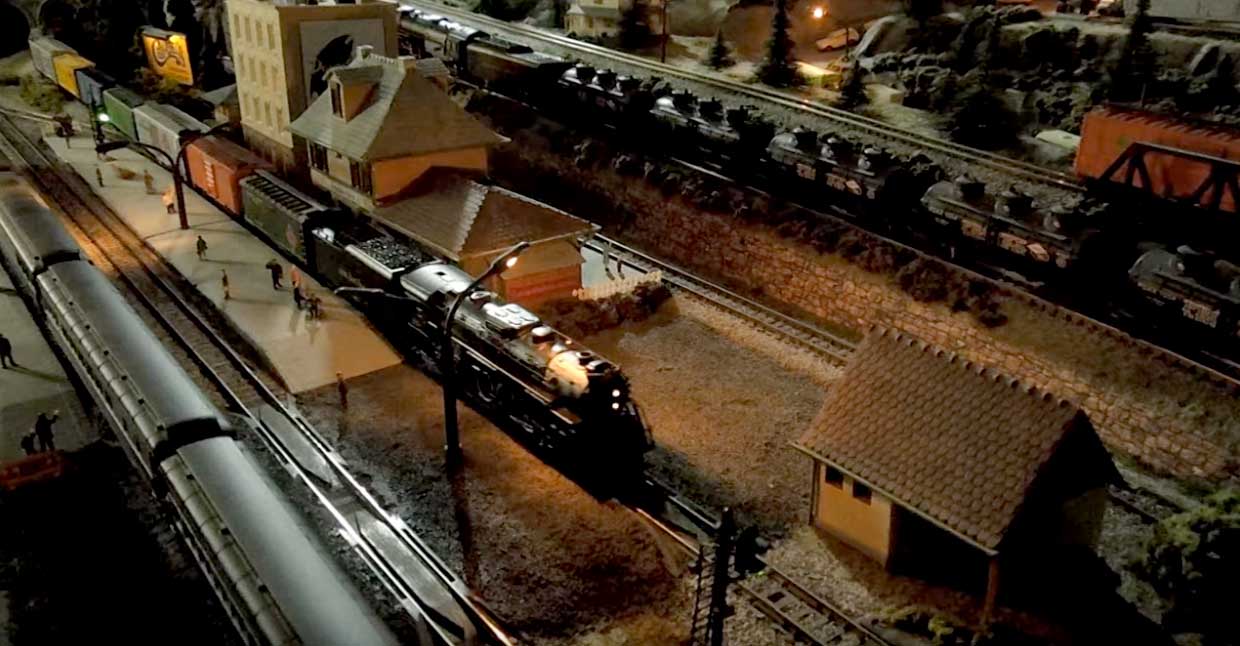
I am forwarding to you a short video I put together today, entitled, “BERKSHIRES – STEAM BY NIGHT.”

It features the recently released version of Bachmann’s N scale 2-8-4 Berkshire steam locomotive equipped with DCC and Sound.

It’s Bachmann’s first sound equipped N scale steam loco.

The number of sounds of these locos running on my layout are limited since I have a DC not DCC powered layout.

Full access to the spectrum of sounds can only be accessed in DCC mode.

Nonetheless, the automatic sound control when operating in DC mode is respectable.

As I have a DCC powered test track, I’ve run these model stream trains locos in DCC and recorded the accessible and user controlled sounds of the whistle and steam release hiss and added them to the automatic sounds of chuffing and bell at various points in the video.

For the viewers unfamiliar with the real Berkshire, here’s some info:

It was first made back in 1924.

Two surviving examples are still actively in use today in mainline excursions – the Nickel Plate Road (NKP) #765 and the Pere Marquette #1225.

The 1225 is the prototype that was used for the animated hit movie “The Polar Express.”

These locos ran in both passenger and freight service.

Depending on the railroad each loco was designed for, they ranged in length (loco + tender) from 100′ 8″ to 105′ 2″ with 2754 HP to 2979 HP.

I hope you’ll find the video interesting enough to post.

Thanks,

Arnie”

model steam trains night

model steam trains platform

model train night bridge

n scale freight


Model steam trains:

n scale trains freight

n scale trains platform

model steam trains night


Well, what can I say – except a huge thanks to Arnie for sharing his model steam trains video.

A stunning video and a wonderful narrative.

Please do post your comments below.

That’s all for today folks.

Please do keep ’em coming.

And if Arnie has inspired you, the Beginner’s Guide is here.

Best

Al

PS More HO scale train layouts here if that’s your thing.


Need buildings for your layout? Have a look at the Silly Discount bundle.