Arnie has been in touch again. Here’s what he wrote:
“Jim, Nice work. Looks like your N layout is progressing nicely.
And Dave — many thanks to you for taking the time to create a How-To video on lighting.
I’ve gotten a number of requests on this topic but have not had an opportunity to make a How-To video.
I all too often jump into my projects only to realize later that a How-To on my lighting (and other things) would have been helpful to others. So thanks again.
SOME ADDITIONAL TIPS:
By the way, pay heed to Dave’s comments and reiterations of using regulated power. Using multi-voltage power supplies is a safe bet.
But if you don’t have such power supplies available, be sure to use resistors to help ensure the voltage capacity of bulbs and LEDs is not surpassed!
If your lighting items do not come with resistors, you can check online for info on how to calculate what capacity resistor you should be using with your light source.
I’ve found that resistor values of ~620 ohms to 910 ohms @ 1/4 watt work well with 3 volt DC or AC/DC light sources depending on how bright you want them to shine: The greater the resistance (ohms), the less bright they will shine. With LEDs, the resistor is usually connected to the positive lead.
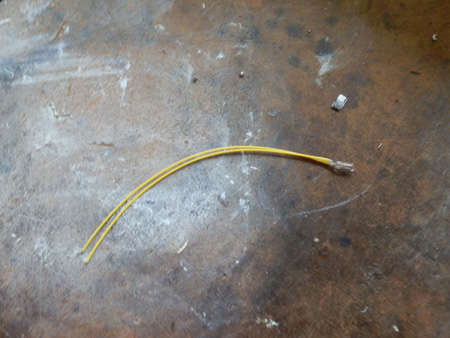
Also, solder your connected leads to avoid separation if accidental tugging on the wires should occur.
And as Dave points out, use heat shrink tubing whenever you can to insulate your leads to avoid electrical shorts.
It’s neat and better than using electrical insulating tape which is very hard to wrap around thin wiring.
Instead of using a standard heat gun (because they generate great heat and you can easily burn yourself), I prefer to use an ‘electric’ match. These are the items that work like a cigarette lighter and are great, for example, for re-iginiting a gas pilot light that’s out on a hot water heater, charcoal on a BBQ grill, etc.
You just click and a small flame is generated that you touch to and run along the heat shrink tubing for a couple of seconds till it shrinks.
Also, after many, many hours of running hundreds of feet of wire under my N scale SV&GS layout, I found an easier way to do the soldering and heat shrink insulating.
I take a measurement from under the layout of the length of wire a hook up will need : from power source and/or power terminal strips to the lighted item.
Then allow at least 4 additional inches at each end of the wire for wire stripping, soldering and general slack for ease of movement.
Then OFF the layout, solder the wire to the leads of the light item and add the heat shrink tubing. It’s much easier than trying to do these things under a layout (especially in N gauge and with very fine wiring).
Then take the item and run the finished wires from above the layout down and to the power supply or junction terminals below the layout.
And one last thing I always do is make multiple copies of a label identifying the item and place them on/along the wire run. So if you have to trace the line on a problematic item at some point, it will be easier to do so.
Arnie”
“Hi Al,
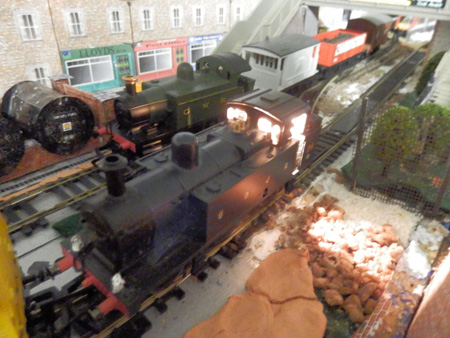
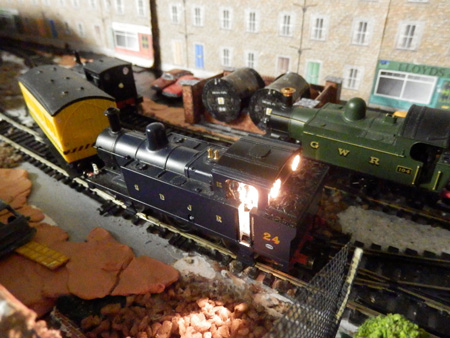
Here are some photos, of my Hornby 0-4-0st pug number 51240, and Hornby railroad Jinty 0-6-0 S&DJR number 24 after I fitted a light bulb in the cabs to give a glowing fire box effect.
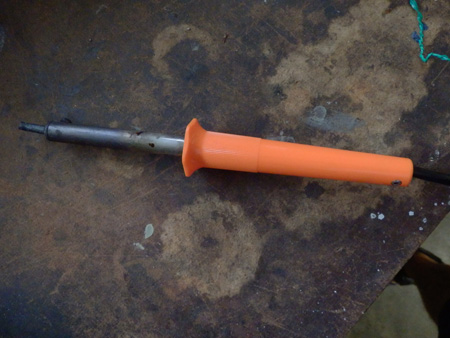
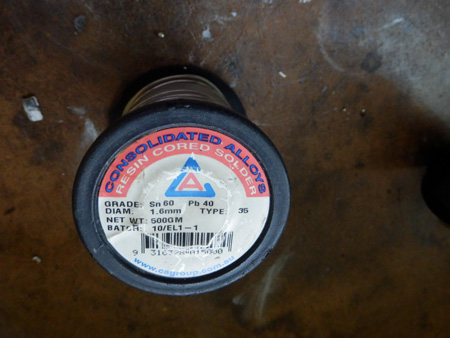
The tools and materials required are a light bulbs 12 volt, I purchased mine from Jay car, a soldering iron, solder, and a drill.
With the pug I unclipped the cab as that gives access the motor, and with the light bulb, it had leads already to it, I trimmed the leads, so that the bulb can sit in the middle of the cab. I then soldered the light bulb on to the contacts on top of the motor.
With the Jinty the work was more involved, I removed the body from the chassis, then drilled a hole through the backhead to where the firebox would normally be, I trimmed the leads again and .again soldered the lightbulb onto the contacts on top of the motor. After trimming the leads the ends of the wire leads have to be bared for this to work, this is done before soldering.
Paul”
A big thanks to Arnie and Paul.
That’s all for this time folks.
Please do keep ’em coming.
And if you think everyone else is having all the fun, the Beginner’s Guide is here.
Best
Al
PS More HO scale train layouts here if that’s your thing.
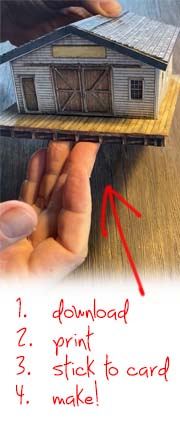
Need buildings for your layout? Have a look at the store.
They are great fun to make and great value too.