Model railroad track soldering

John has been in touch with a question on model railroad track soldering.

As always, if you read the comments at the bottom of the page, you’ll see lots of replied to John’s question – probably because it’s something we have all had to think about at some point.

“Al.

I am writing to you to get some helpful direction from all the guys that communicate with you that are so knowledgeable of all aspects of model railroading.

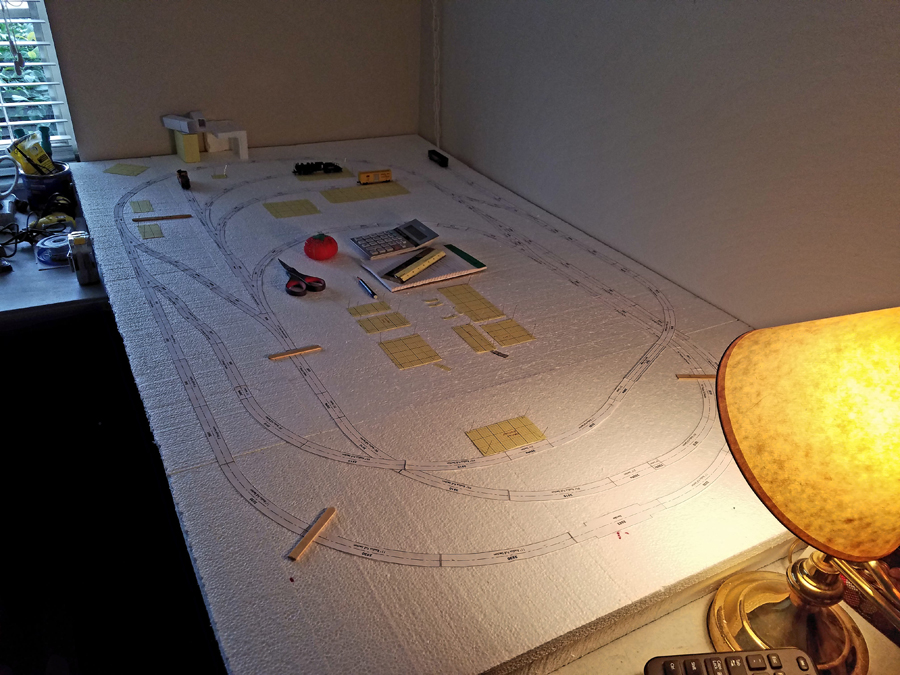
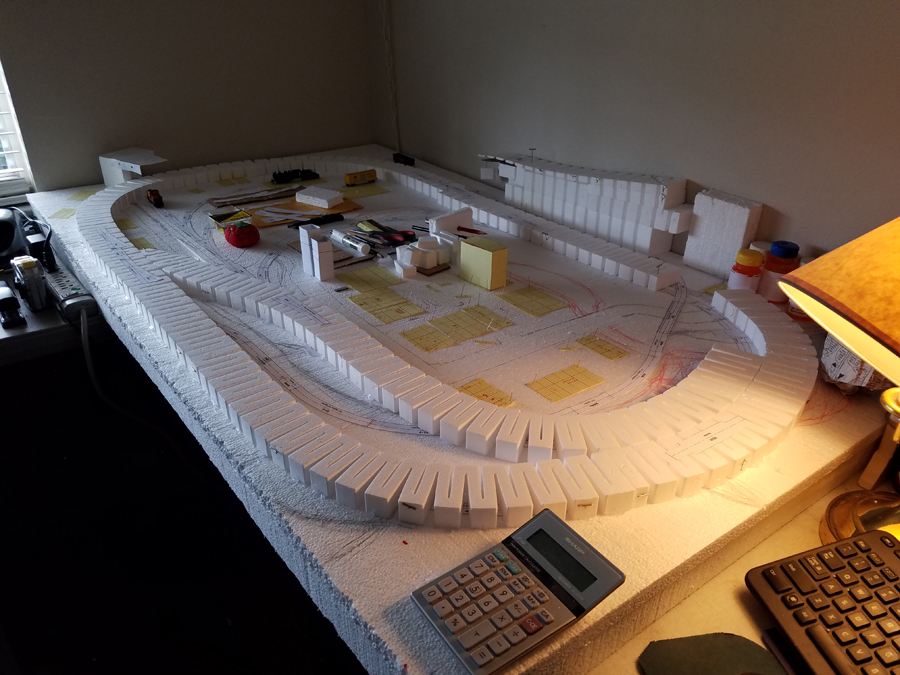
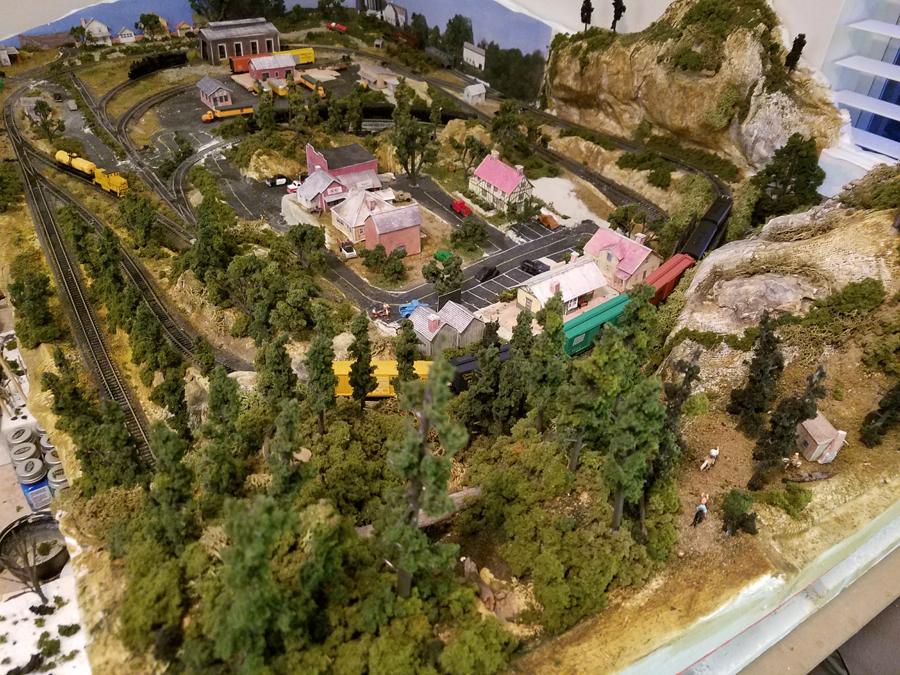
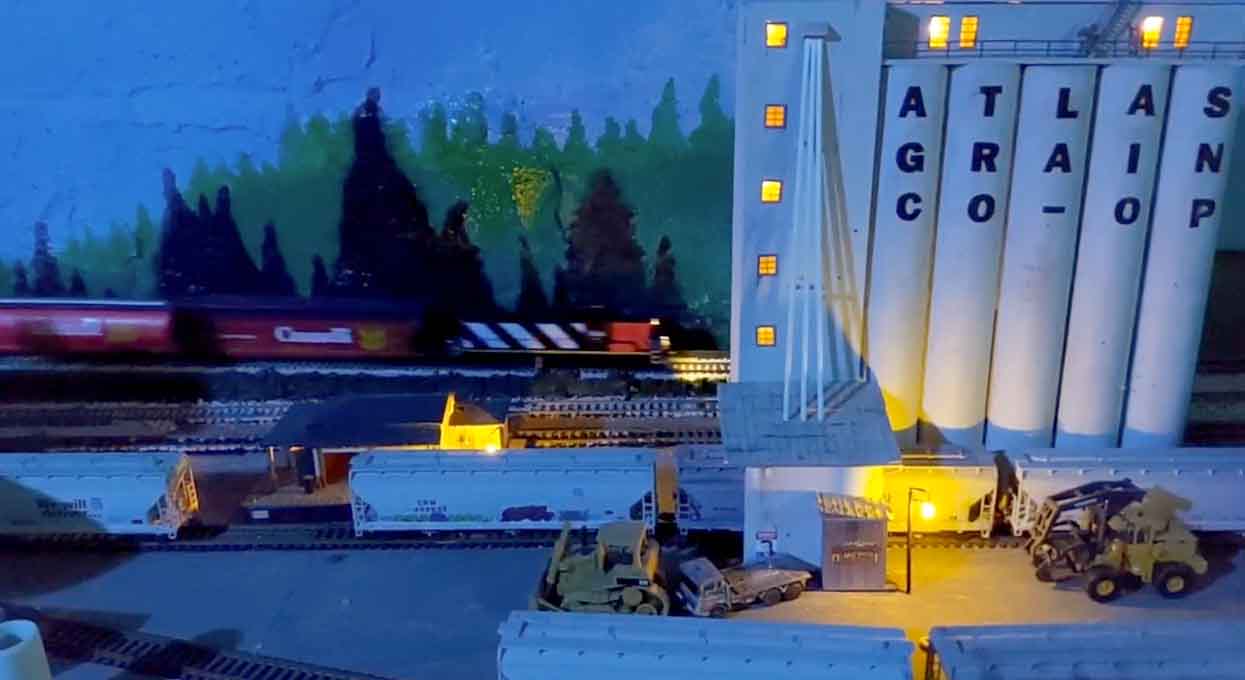
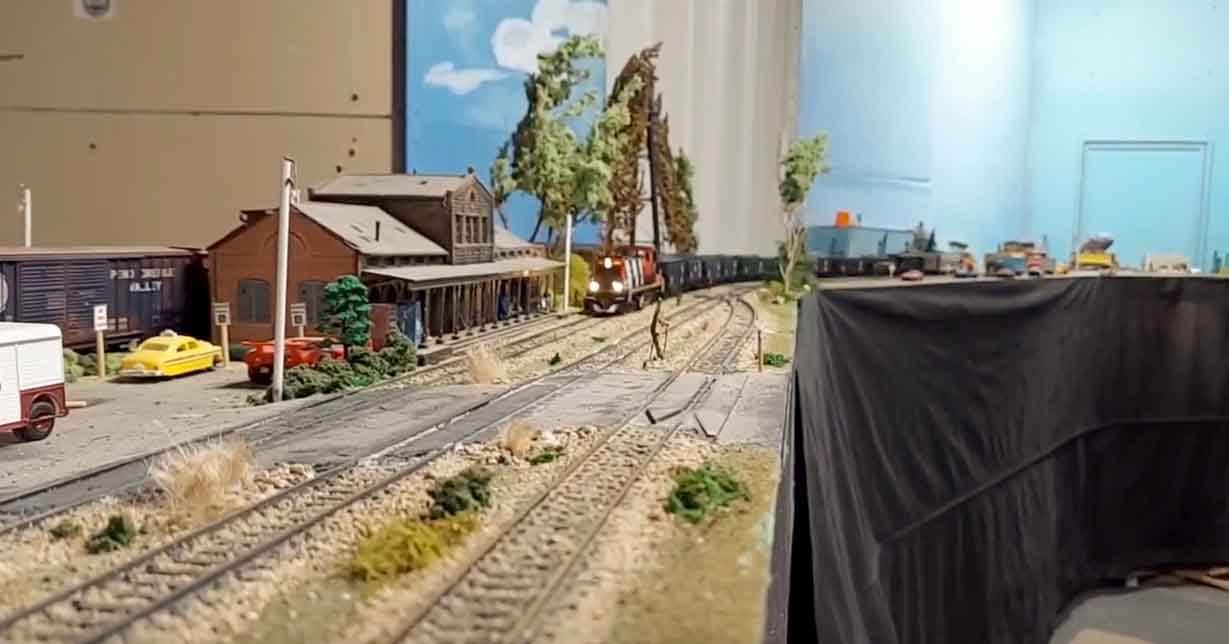
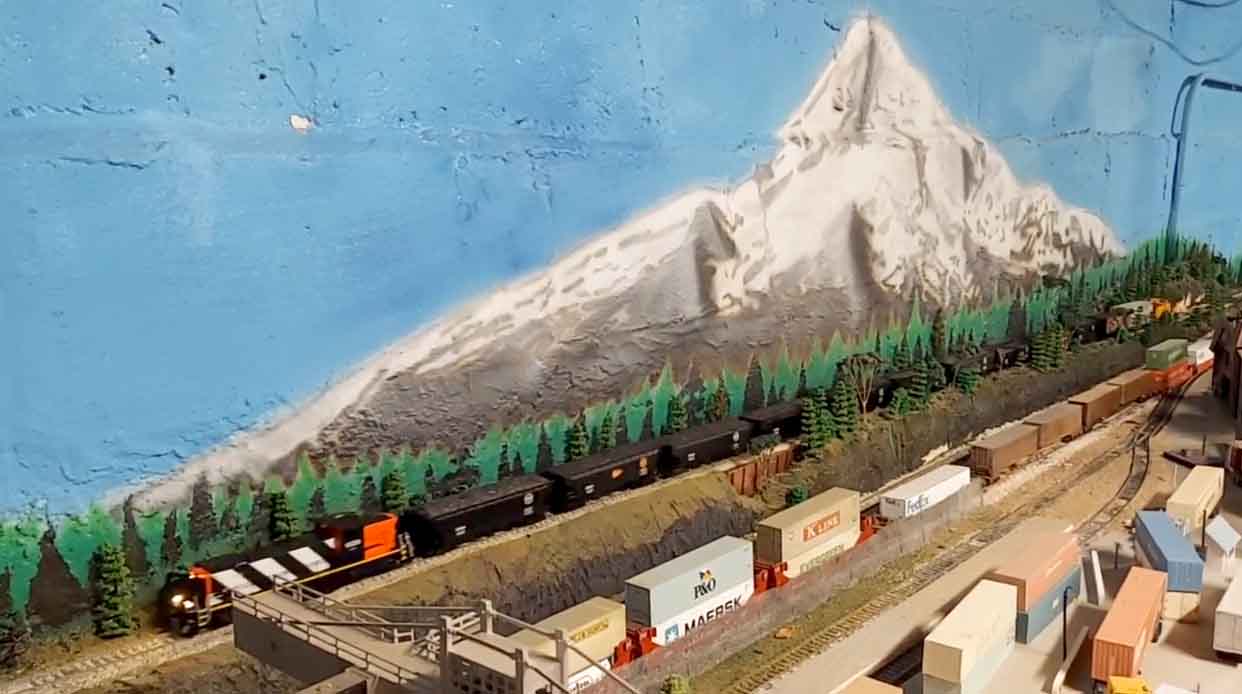
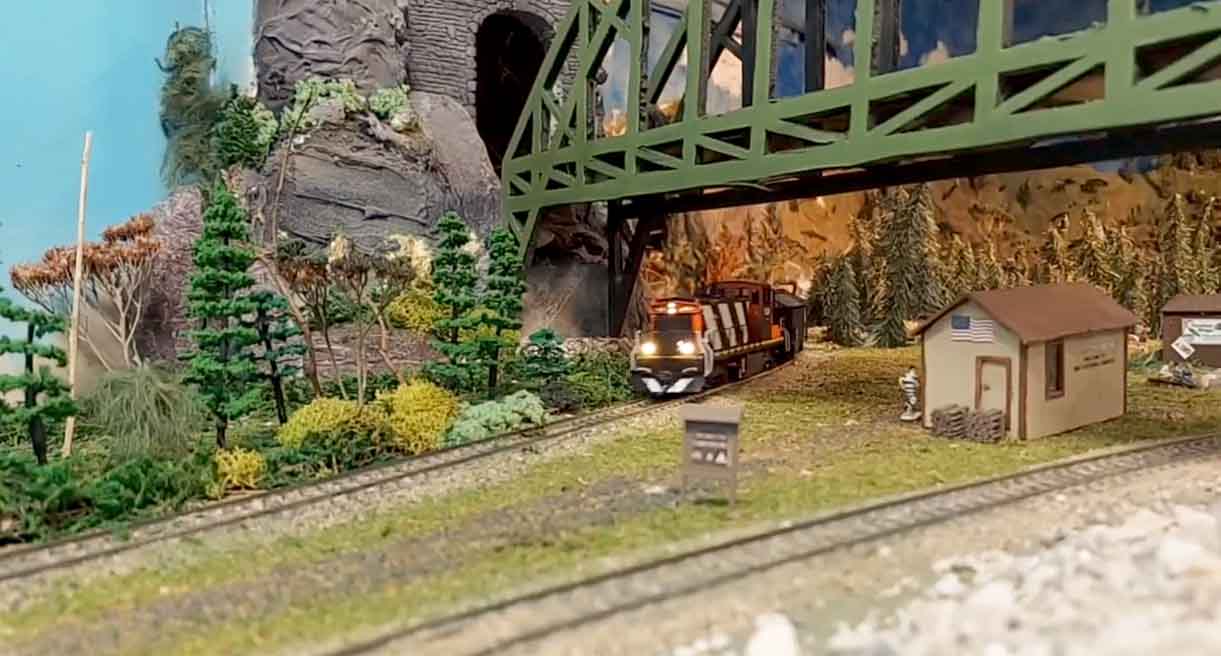
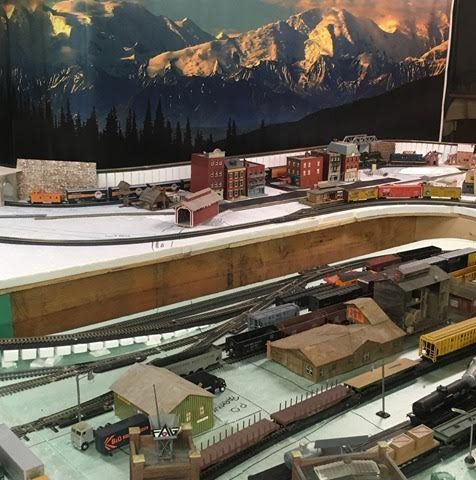
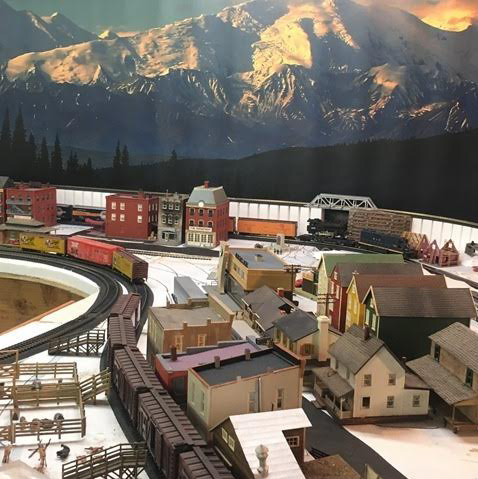
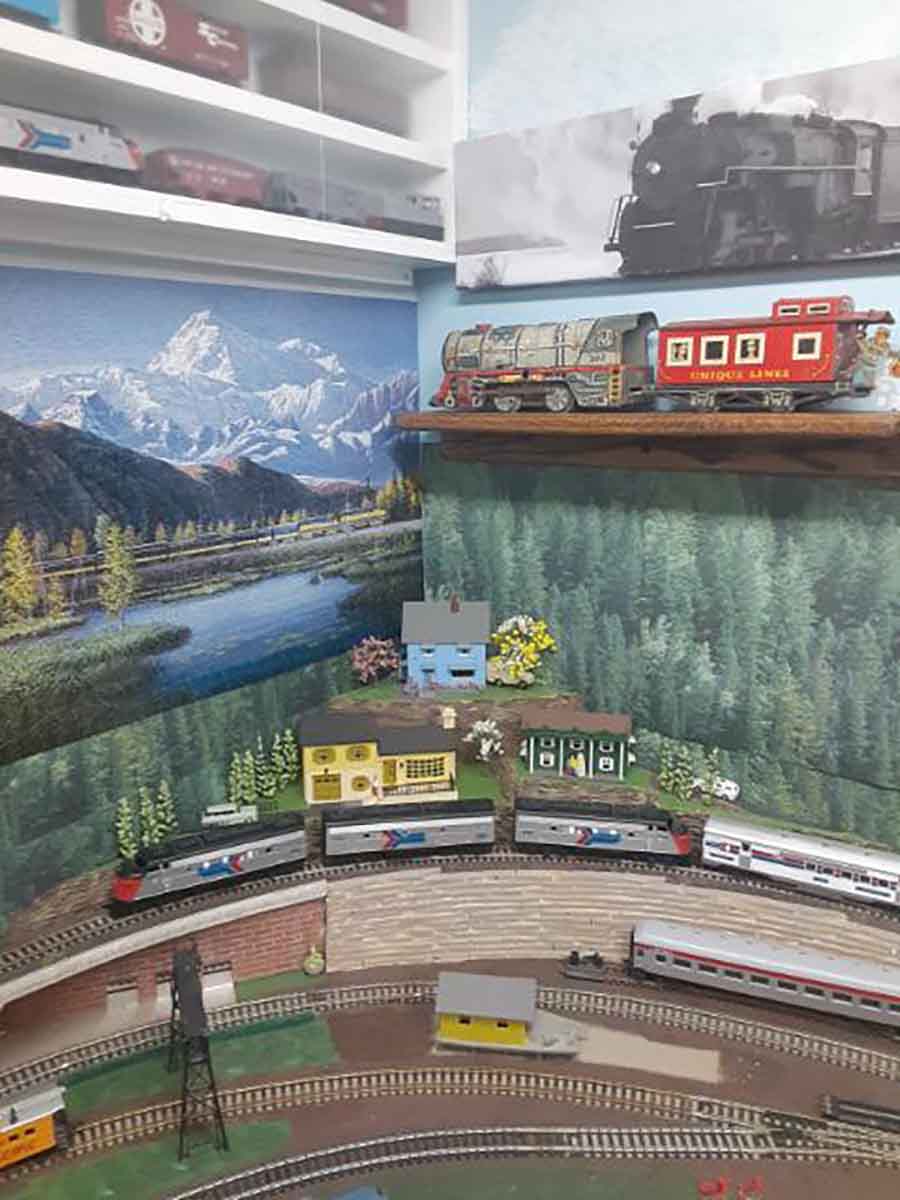
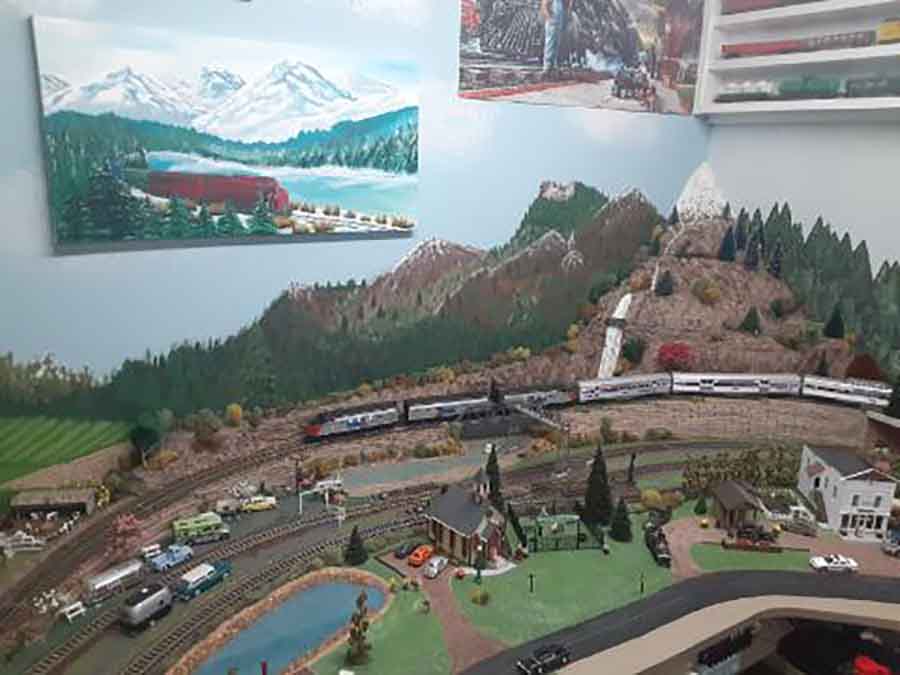
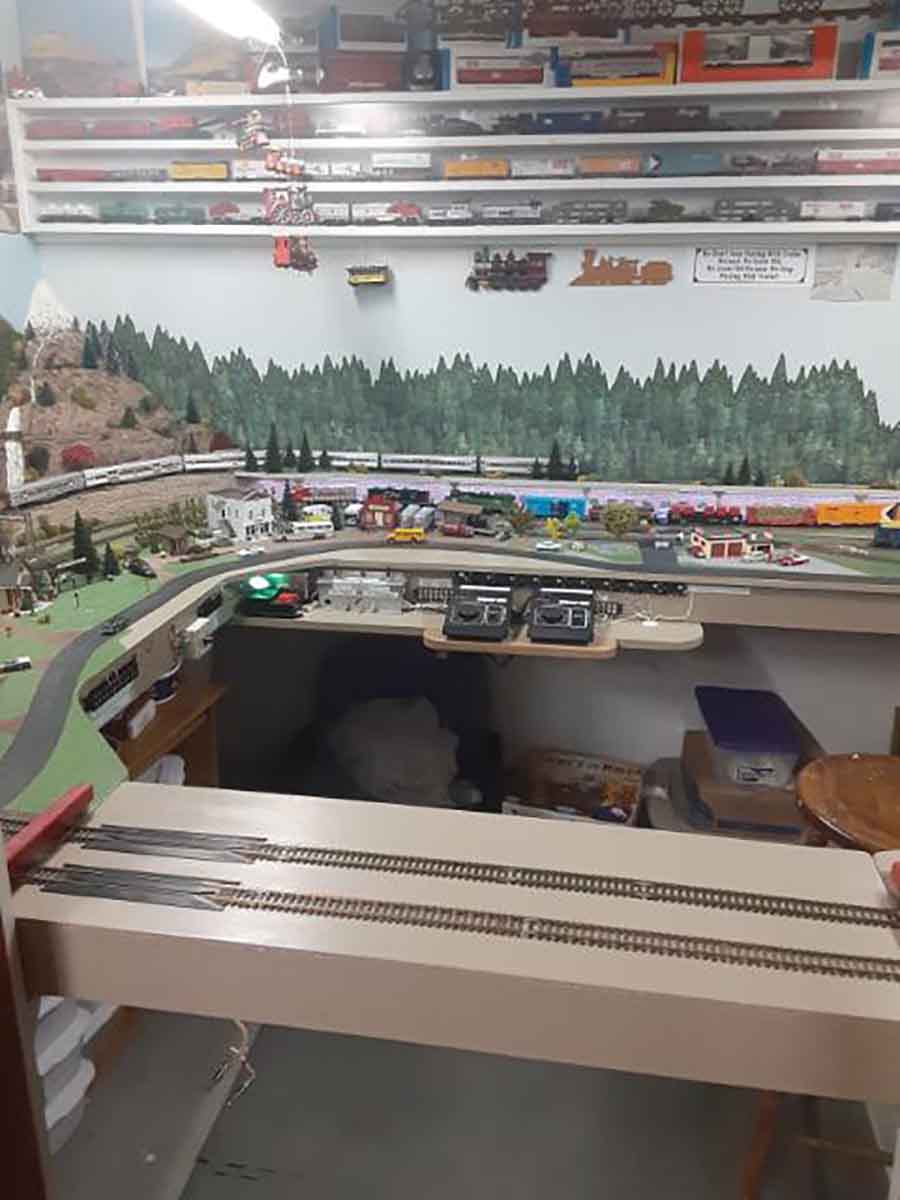
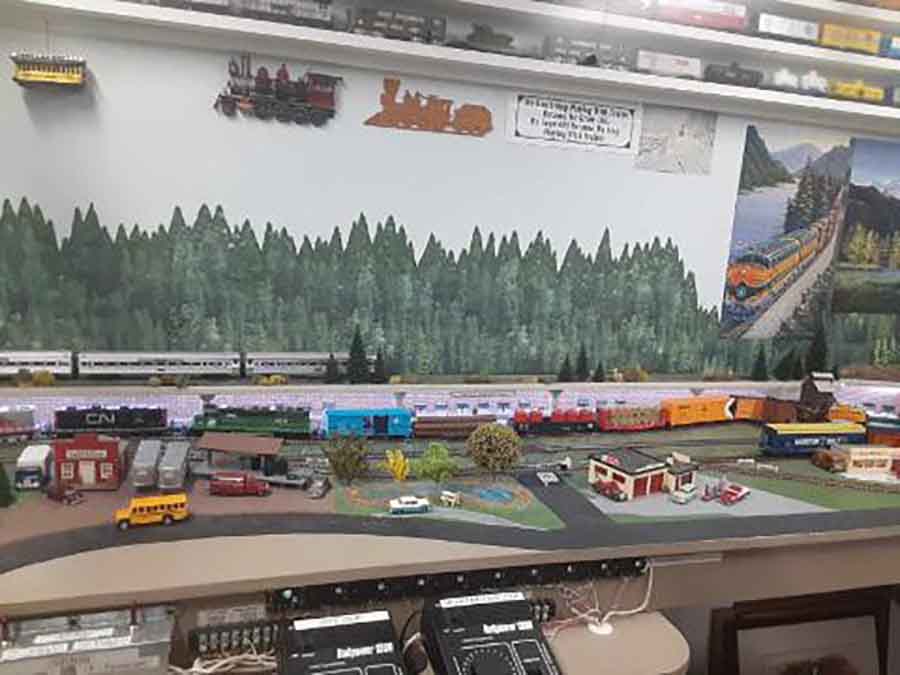
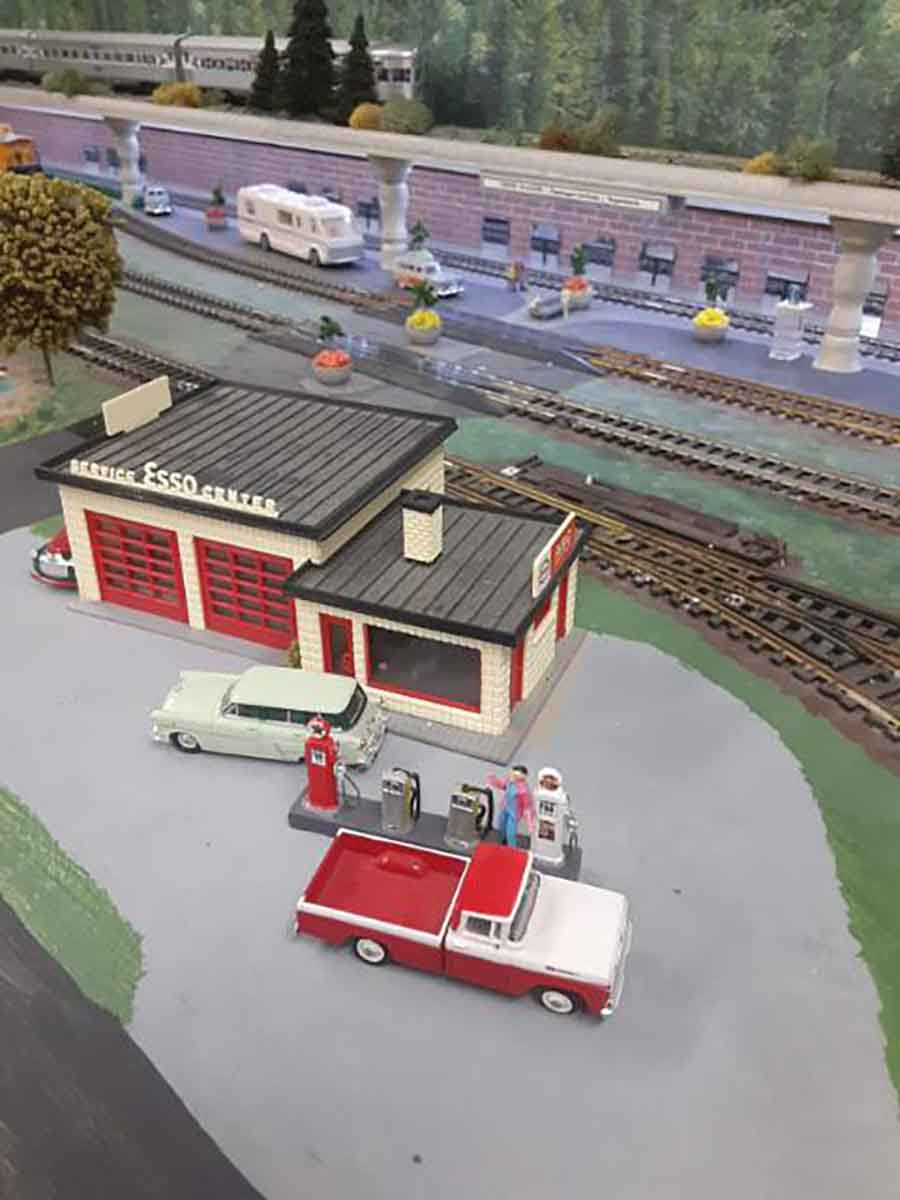
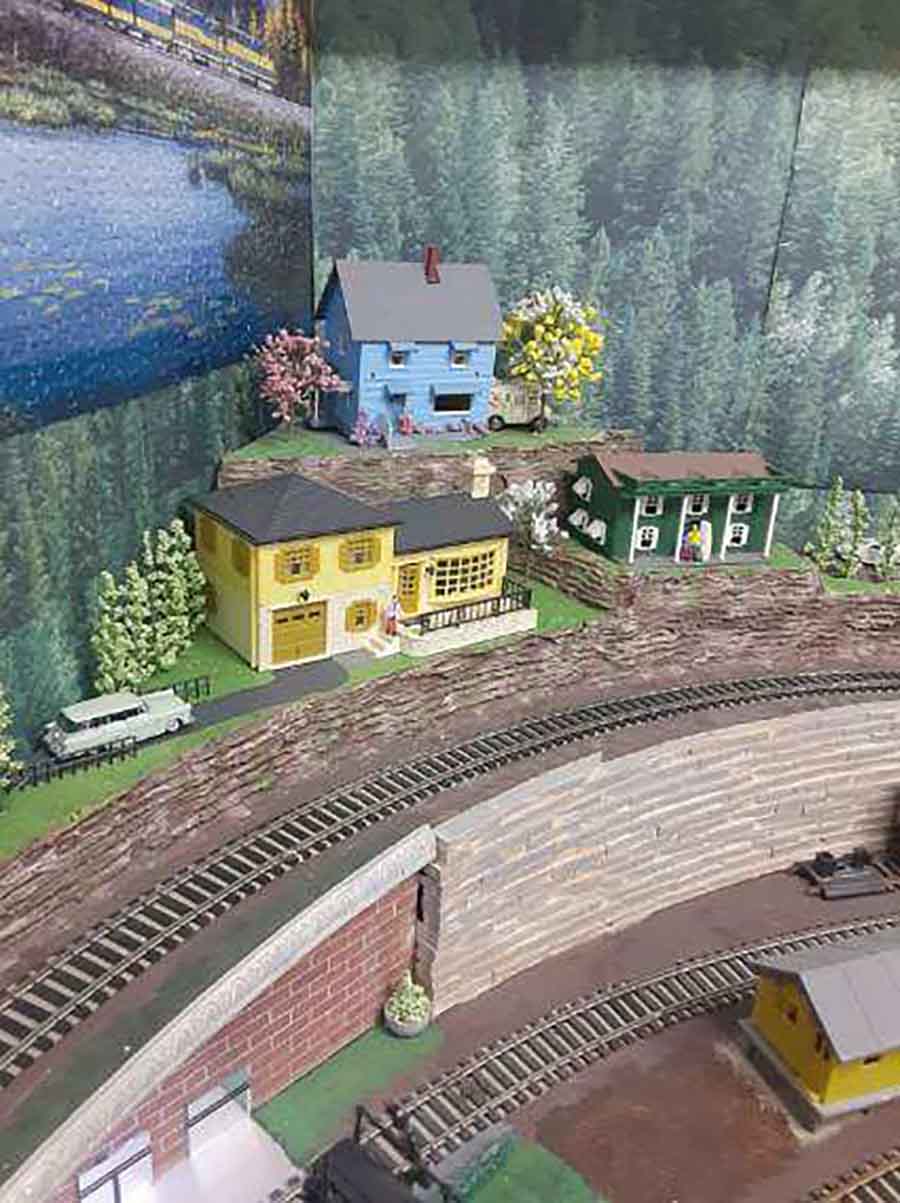
I have attached a picture of my layout in progress.

I’ve got myself in a dilemma and I need help in which direction to go.

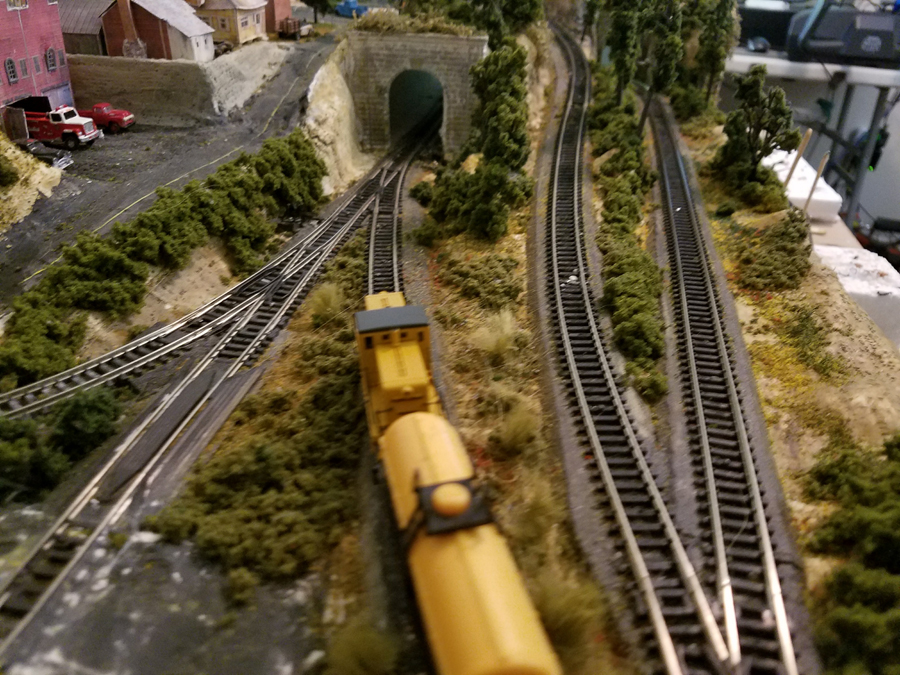
The dilemma or problem is I have or will have track that runs very close to the back wall which I find almost impossible to solder feeder wires to.

I have thought about soldering the wires to the track before installing it. That would not be easy because I’m using flex track.

Another solution may be too purchase one of those ladders (sold in Micro-Mark) that allow you to lean over top of the layout. I’m 84 years old bad knees and back and my days on a ladder is not what it used to be.

The final solution I can come up with is to redo my layout the way it should have been done in the first place.

Presently I have buildings (which are just sitting there for when family were here at Christmas) located at the front and track in the back. I could reverse these putting the track in front.

My design is two separate tracks that run independently in a loop in which two trains (one on each track) never have to stop.

One track , the “Red” line passenger train has cork already surface mounted on the styrofoam base.

The other “Black” line freight train is elevated on dowels supports going through round holes cut in the styrofoam to the plywood base below.

To redesign the layout I would need new styrofoam and additional cork. If someone can come up with a better idea I’m all ears.

John”

Model railroad track soldering

We all discover, sooner or later, that layouts have a mind of their own…

Please do leave a comment below if you can add to the suggestions to help John with his Model railroad track soldering problem.

Even when a layout has been tamed it’ll never stop taunting you. All you’ll hear in your head is “Do another one!”

And that’s exactly what Steve is doing:

Here’s his previous post where he is having fun on his layout:

model train layout construction team.

But now? Have a look:

“I have everything in boxes and I can’t believe how much stuff I have accumulated over the years.

I cleaned off the table of as much as I could but with the stone and ties glued down with a 50-50% glue water the tracks are not coming up. I am going to build a new layout so I guess it doesn’t matter.

It was strange ripping things off the table that I took so much time and effort to get just right.

I have to admit that I am excited about the idea of a whole new layout.

I am sending some pictures of what the board looks like now.

Steve from Toms River”

dismantled model train layout


It’s the excitement of a new layout that makes the pain of dismantling bearable – as Richard also knows:

“Hi there Al… Richard here from Tuttle, OK.

As they say, all things come to an end… so be also the R & K Logging RR… we’ve sold our house here in Oklahoma and are relocating to Arkansas….

so that being said the end came to my layout…. as you remember it was a 6′ x 6′ layout Logging theme….

dismantling began 2 days ago, saving what I could… buildings, trees, turnouts and some track…

Here are the before and after pics…

But don’t worry, I’ll be building another and larger layout once we’re settled in…

I learned alot from this layout and plan on using the experience to build a better layout…. as always…. there is never an end to building a layout, just improving it to your desires….

thanks for all you do Al….

Richard of Oklahoma”

Model railroad track soldering logging

Model railroad track soldering lumber yard

dismantling model train layout

dismantling model train layout

I did take a sharp intake of breath when I saw Richard’s dismantled layout, because I recognized it instantly:

It’s this stunning HO layout build

But that’s the wonderful thing about this hobby, it’s an endless march of fun.

I’m really looking forward to seeing Richard and Steve’s new layouts.

That’s all for today – but please don’t forget, who can help John?? Please do leave a comment below.

Keep ’em coming.

And if today is the day you join the ranks of Richard, John and Stephen and have some fun, the Beginner’s Guide is here.

Best

Al

PS Latest ebay cheat sheet is here.

PPS HO scale train layouts here if that’s your thing.



Model train wiring tips

Ed has been in touch with some very clever model train wiring tips:

“Some Uses for old 9V batteries.

One of my favorite aspects of the Model Railroading community is the common desire to “Let nothing go to waste.”

I also love the fact that projects that are both innovative and money saving are made from items most people consider trash.

With that in mind, I offer a small tip.

Here is what I do with old 9V batteries (usually collected when I replace the batteries in my smoke alarms).

Note: Sorry for some of the blurry pics; but you should easily understand the concept.

Use needle-nosed pliers to start peeling the case.

Just peel back the case by rotating the pliers (sorry for blurry pic).

(Kind of reminds me how coffee cans were opened back when I was a kid)

Once the top portion is peeled back, the insides can be easily removed.

Of the four pieces, discard (recycle properly) the case and cells. Keep the connector & bottom insulator.

Different batteries use different techniques for their connectors. Below is one type of connector. At times, solder will not take to the metal strips.

Nevertheless, I have always been able to solder to the back of the connectors.

Note: solder quickly, as the plastic frame can easily melt.

Once wires have been soldered to the connectors, you can hot-glue the insulator (from the bottom of the 9V battery) to the back. You now have a connector suitable for 9V batteries.

Using these connectors, I have constructed several simple devices which serve as useful tools.

The best part is that these devices (tools) are powered by the 9V batteries that are too weak to power a normal device (such as a smoke alarm, or a multi-meter).

Some of these devices follow.

Below is a simple continuity checker. The light is an LED from an old Christmas light string. Underneath the top insulator is a low-watt resistor (1/6 or 1/8 W; most likely 220Ω). Make sure the polarity of the LED is correct before soldering & sealing the device.

Note: I put “white-out” on batteries that are at the end of their useful life (or, just write “LOW” in permanent marker). They are typically too low for the device from which I “rescue” them (the one in the picture is somewhere around 6V). Even so, the LED shines bright.


Here is a good reason for having a light vs beeping continuity checker. At times, I am up late working on a project. My wife, who has already gone to bed, does not take kindly to being woken by a beeping continuity checker.

model train check current

I strongly believe the next device should be in every modeler’s tool box.

This is my version of a “track wiring checker”, which is no more than an audio continuity checker.

Having this checker saved me from making a track-wiring error that would have taken many hours to troubleshoot (story below the picture).

I made this by connecting a Piezo Electric Tone Buzzer Alarm and two alligator clip leads to a 9V connector (again, make sure the polarity is correct).

I had the alarm in my box of parts. Similar alarms are readily available from multiple interned outlets.

Use this device whenever you are soldering feeders from track to power bus. Once connected to the 9V battery, simply connect the alligator clips to the rails (one to each rail). If you happen to connect a track feed to the wrong power bus (opposite polarity), the alarm will immediately sound.

wiring for model train

True story: Working way past my fatigue point, I pushed to finish soldering feeders to over 300 feet of track.

Sure enough, I connected the “A” track feeder to the “B” power bus. As soon as the feeder touched the bus, the alarm sounded. Of course I was startled; not so much by the alarm, but by the fact that I could make such a mistake on such a basic wiring job!

If not for the alarm, I would have soldered & insulated the connection. Of course, once I turned on power, my DCC command station breaker would have tripped & the alarm would be screaming “YOU BIG DUMMY” at me (my translation of the alarm sound). Fortunately, this simple device saved me from that indignation.

If I had made that error, I’m certain the subsequent procedure to find the “short” would have caused me to tear-up a large portion of my wiring project (perhaps even ruining some of my track-work as well). It would have been a frustrating few hours.

In the below device, I put the schematic on the cap (the insulating cap covers a small, low watt resistor). The resistor connects to the negative battery terminal clip, then to the green test lead.
The orange/yellow test lead connects to the positive battery terminal clip

Note: convention would have the resistor on the positive terminal; but electrons don’t care where the current limiting resistor is (I wired this up quickly many years ago).

I use this device to test an LED for both operation and polarity (especially for salvaged LED’s; something I love to do).

I also use this device to test LED modules I build (prior to connecting to permanent power). This device easily illuminates circuits containing several LEDs; even given the fact that power is supplied by a 9V battery at the end of its useful life.

testing model train modules

Note: remember, for new LEDs, the longer lead connects to + side of power).

Ed”

A big thanks to Ed. Some very clever and resourceful stuff.

When it comes to wiring, I always think of Rob’s post:

Wiring your model railroad.

That’s all for today folks.

Please do keep ’em coming.

And if today is the day you send boredom packing and join in the fun, the Beginner’s Guide is here.

Best

Al

PS Latest ebay cheat sheet is here.


N scale 6×4 layout

“Hi Alistair,

Here are some thoughts and pic’s on my N Gauge endeavours.

Having been 00 gauge in my youth and switched to N in my 20’s after marrying, I’ve now returned to modelling N in retirement.

I got ‘permission’ to have a fold-up 6’x4′ layout in a bedroom and started with a sketch of a twin figure of 8 folded back on itself with an inner ring and shunt yard.

I wanted to be able to run lots of loco’s as well as shunt, so I compromised on scenery to some extent.

I also chose to go DC as it was small and manageable. Having grandchildren, I wanted the station along the front edge for maximum ‘wow’.

I constructed a frame of 2x1s with a 5mm ply base covered in 8mm softboard (old school) as I love the ease with which it grips railway track nails! I’ve use Peco flex track everywhere other than points.

Build was going well until I got to testing track and realised a mega rooky mistake in choosing an incline which was too steep for some of my locomotives to pull long trains!

After carefully pulling up the inclines and extending them, I got something which worked fine and the rest is history as they say.

I’m now into scenery and telling the stories along the track, but I have a couple of tips which may be of use to others?

I encountered problems with the Peco linear motor surface levers jumping over the spigots on Peco points. I’ve used 2mm copper tubing cut to 4mm lengths and then slotted into the lever holes over the top of the point spigots.

I use Ultraviolet activated glue to fix collars in place, which also works very well to fill in small gaps in cut track (which is incredibly difficult to get exactly right lengths!) Just file gently any lumps – it works a treat.

Control is via Guagemaster 4 way controller and a points box also containing my 3v lighting supply for houses and all track lights.

Quick release connectors prevent me having to lift the controller up against the wall!”

Alan”

6x4 n scale track plan

folding model train bench

laying n scale track

laying n scale track

n scale track incline


n scale track and tunnel

n scale model train control panel

n scale turnouts points

n scale starting scenery

A big thank to Alan – he’s made a strong start there.

I know what he means when it comes to inclines, which is there are quite a few posts on the site about inclines. Bruce’s springs to mind:

How steep is too steep for your inclines

Also, I have no idea why but Alan’s layout reminded me of one of Bill’s posts simply because it’s all about making that start:

“Hi Al

I’ve taken some vacation and have been having fun adding more to my N scale layout.

Progress is being made and I’m having a lot of fun bringing it to life 😀 since my last submission I’ve gotten quite a bit more done.

I’ve added more trees and ground cover as well as taking some cheap eBay buildings I purchased and giving them new life with paint and weathering.

Take care and keep doing all the wonderful things you do for our hobby!

Bill

In Virginia”

N scale mill

n scale turntable turnouts

That’s all for today folks.

Please do keep ’em coming.

And if today is the day you make that start just like Alan, the Beginner’s Guide is here.

Remember, it’s the start the stops most people… join in, you’ll have fun, I promise.

Best

Al

PS Latest ebay cheat sheet is here.