The posts I enjoy the most are the ones that add personal touches to their layout.
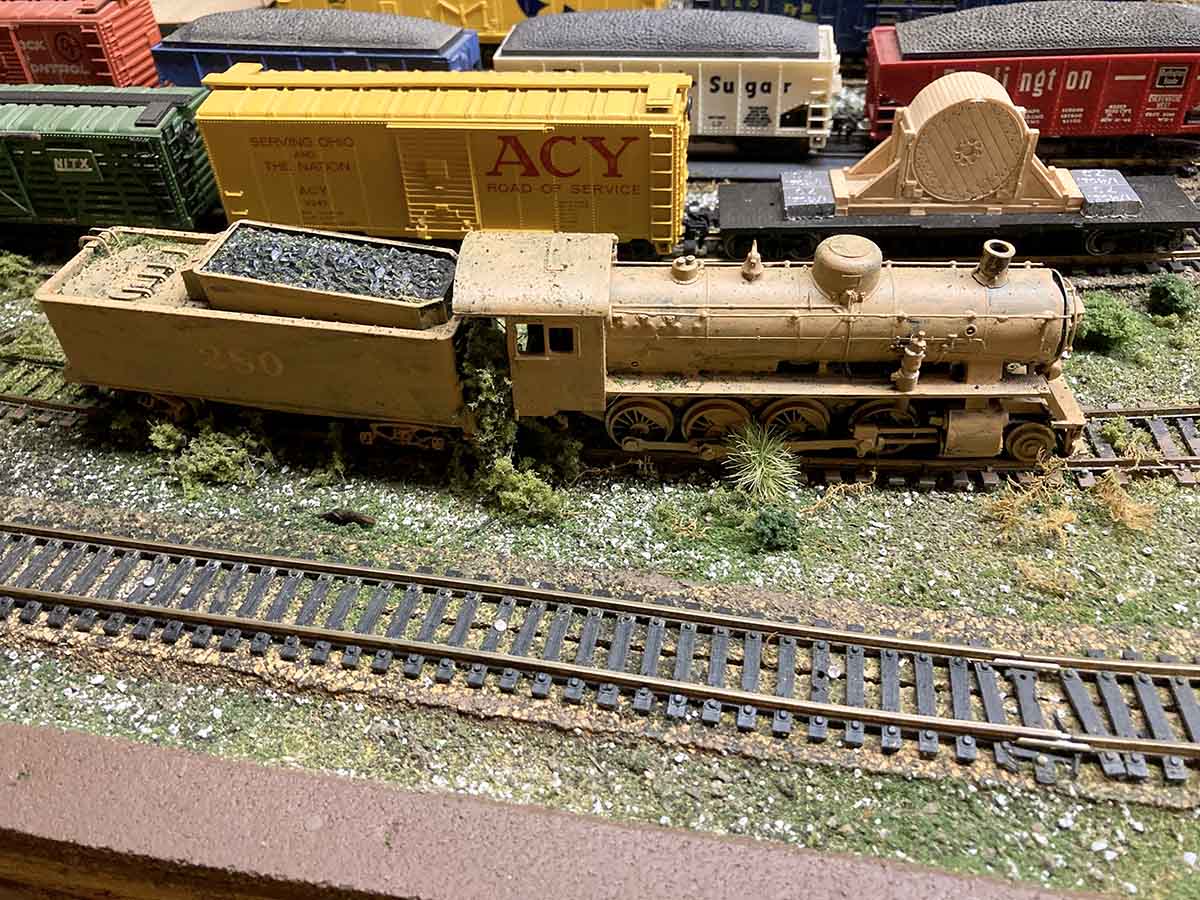
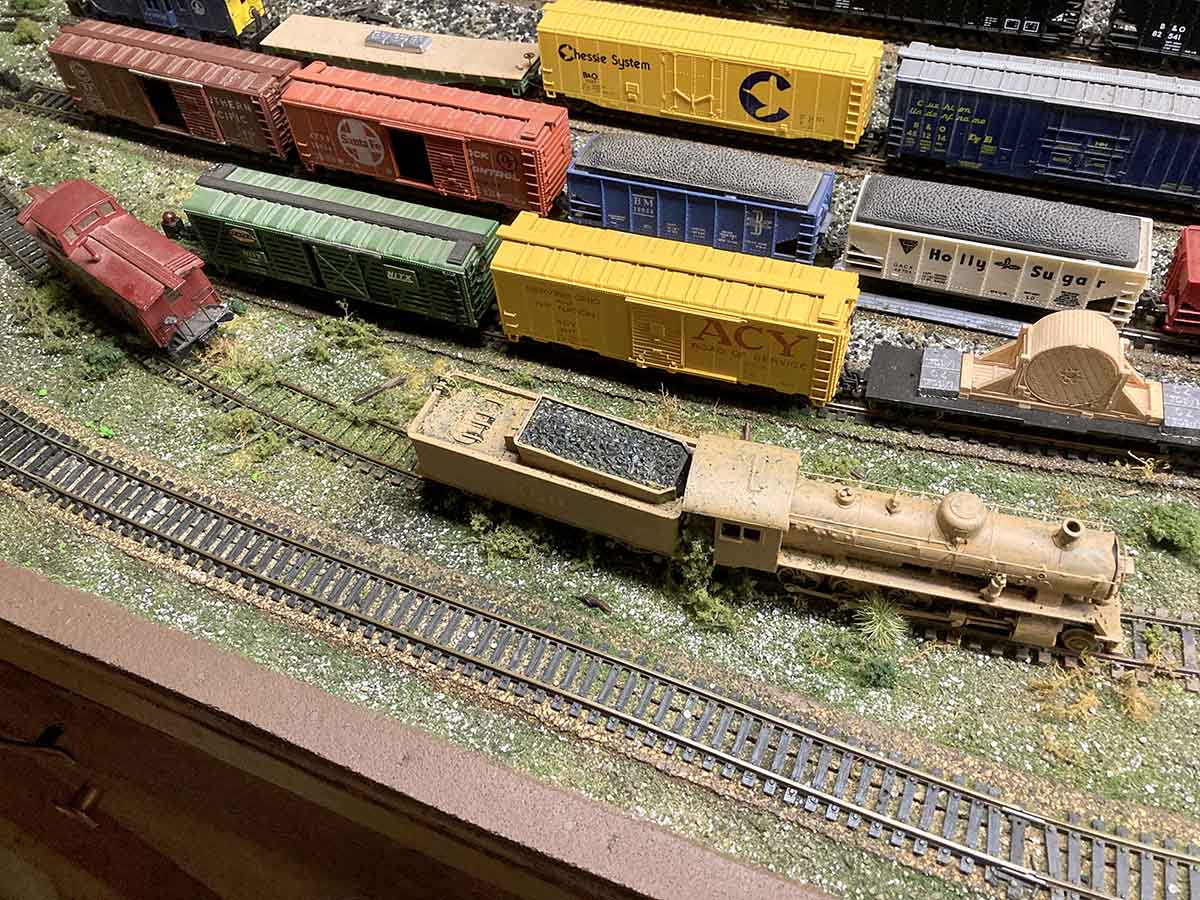
In this post for example, Brian went on a cruise and loved how the trains pulled the ships along the Panama Canal. So he added a nod to that in his layout.
And there is Gary who adds signs to his layout that include his family.
So you get the idea, there are many ways to do it. I wondered if could do something to the printable buildings to make them personal.
Here’s what I came up with after seeing a painters set by Woodland Scenics.
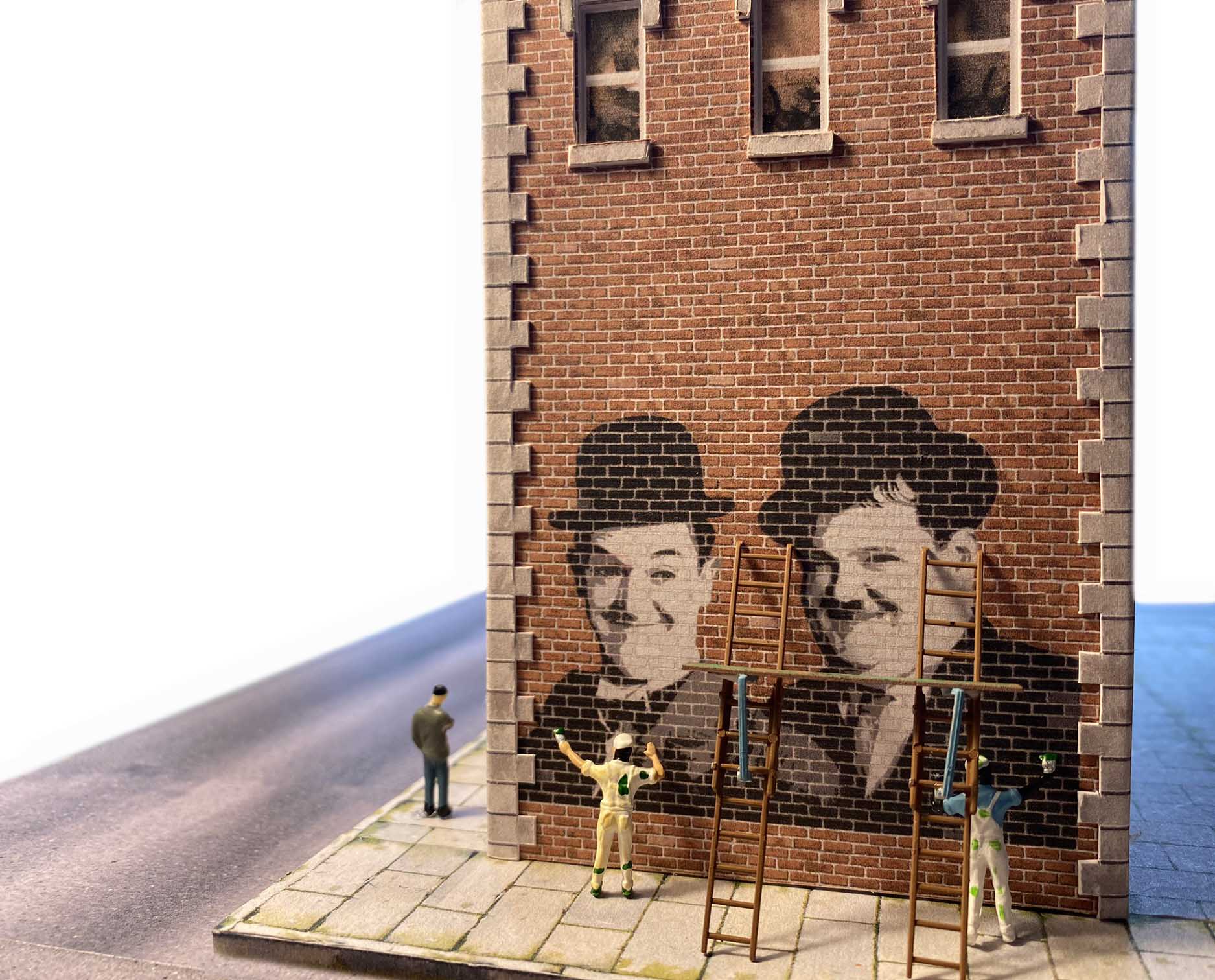
If you’ve got a black and white picture of the old man, why not put him in your layout?
Here I’ve used Laurel and Hardy to show how it would look:
Or perhaps you are a big fan of the Duke:
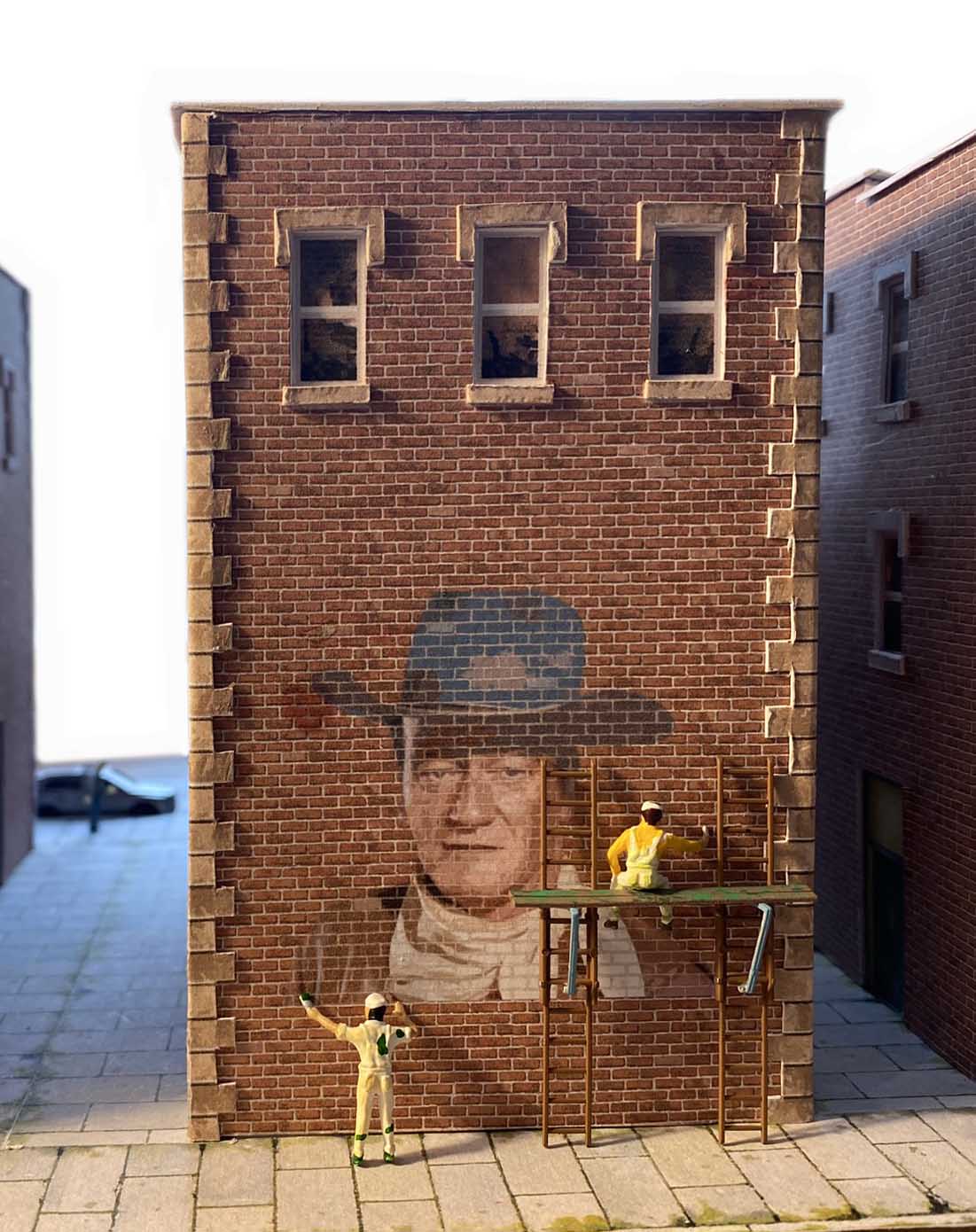
It doesn’t matter what you want on your building wall – anything can go there.
A picture of you, a pet, a flag, a logo, anything!
And just to prove a point, here’s some more:
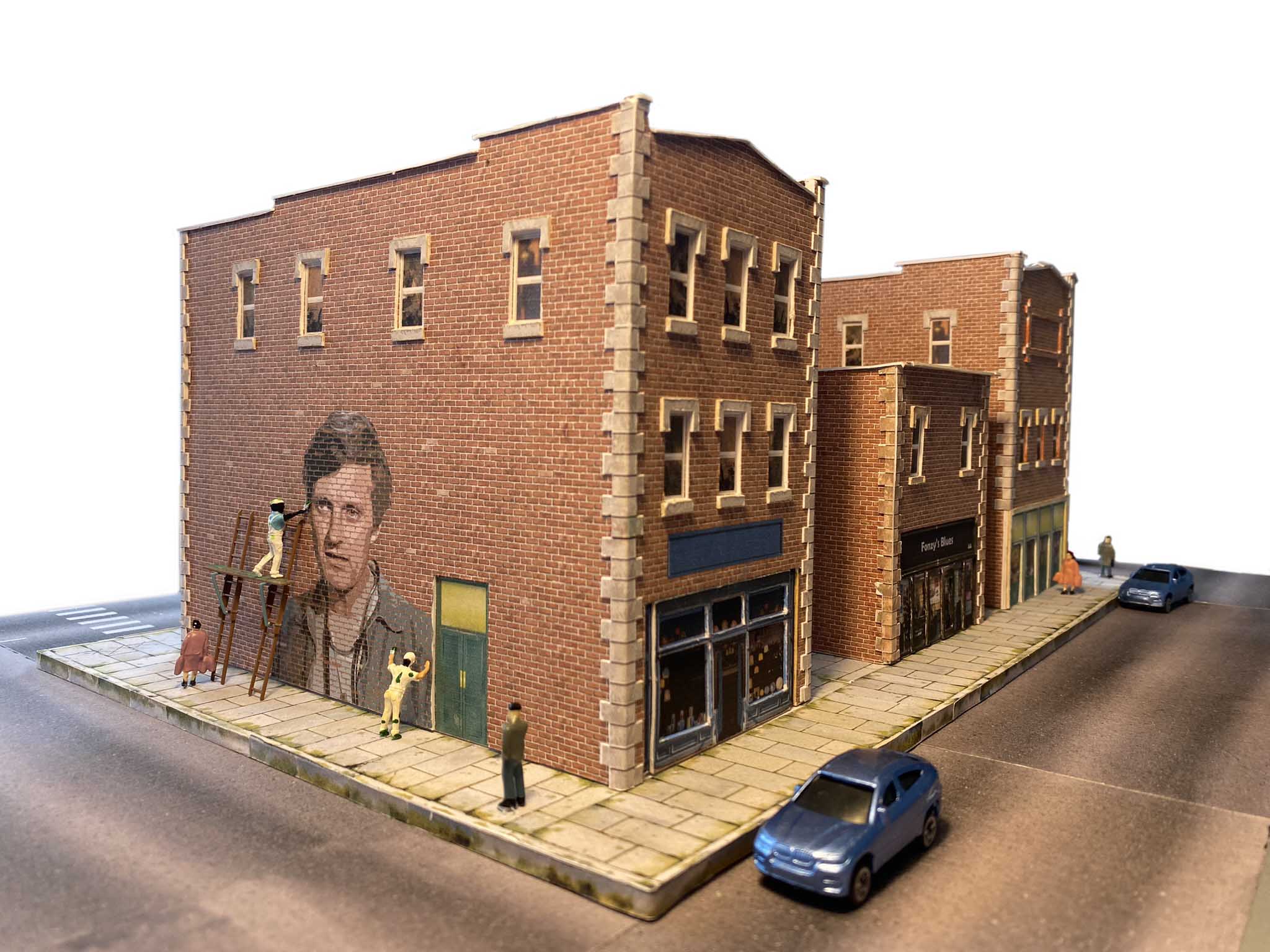
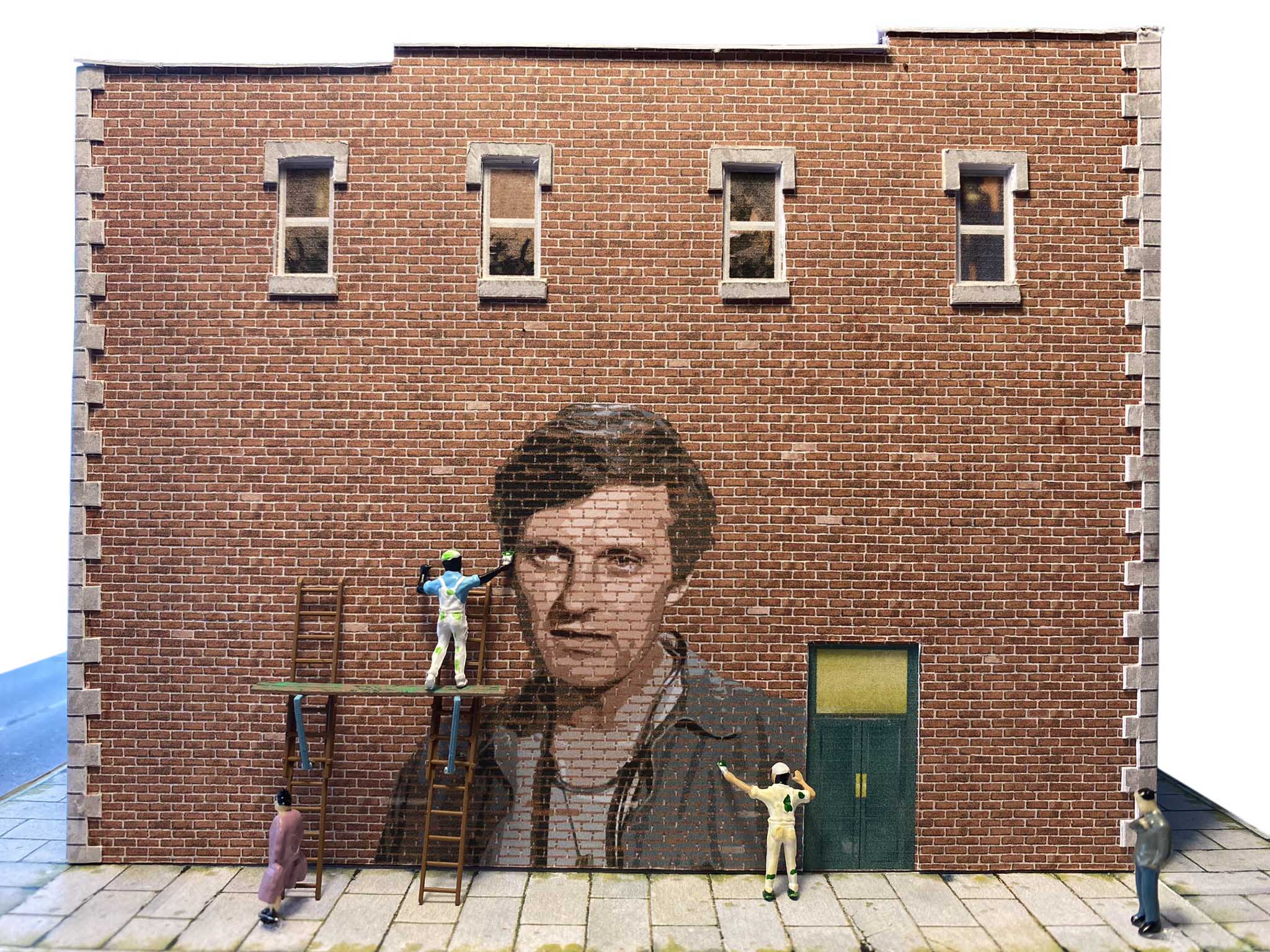
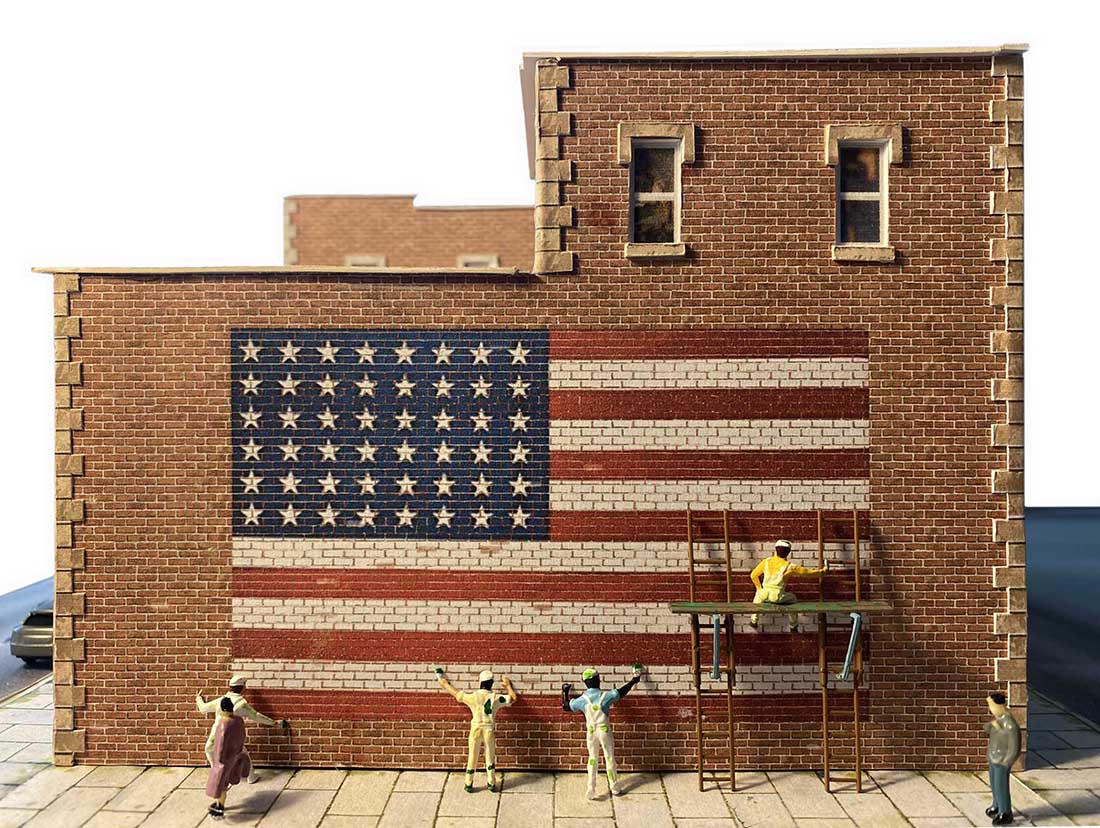
I hope the pics get across how any image can be added to this printable building (all you need to do is email the image you want on it after ordering).
The building is a brand new one in the printable buildings range.
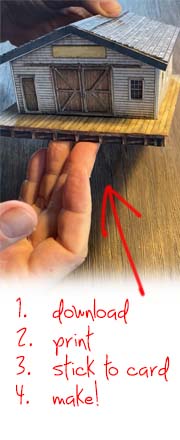
(If you’re new to printable buildings, you just download, print and stick together. Here’s a guide of how to make them.)
Like all the printable buildings, they are HO scale. For N scale just reduce the print size to 54%.
For all other scales, have a look at the chart on this page (by the way, O scale prints fine but is too big for a standard desktop printer – you’ll need to go to an office stationers).
This print gives you lots of options, so you are able to make three buildings directly from the prints without any scratch building:
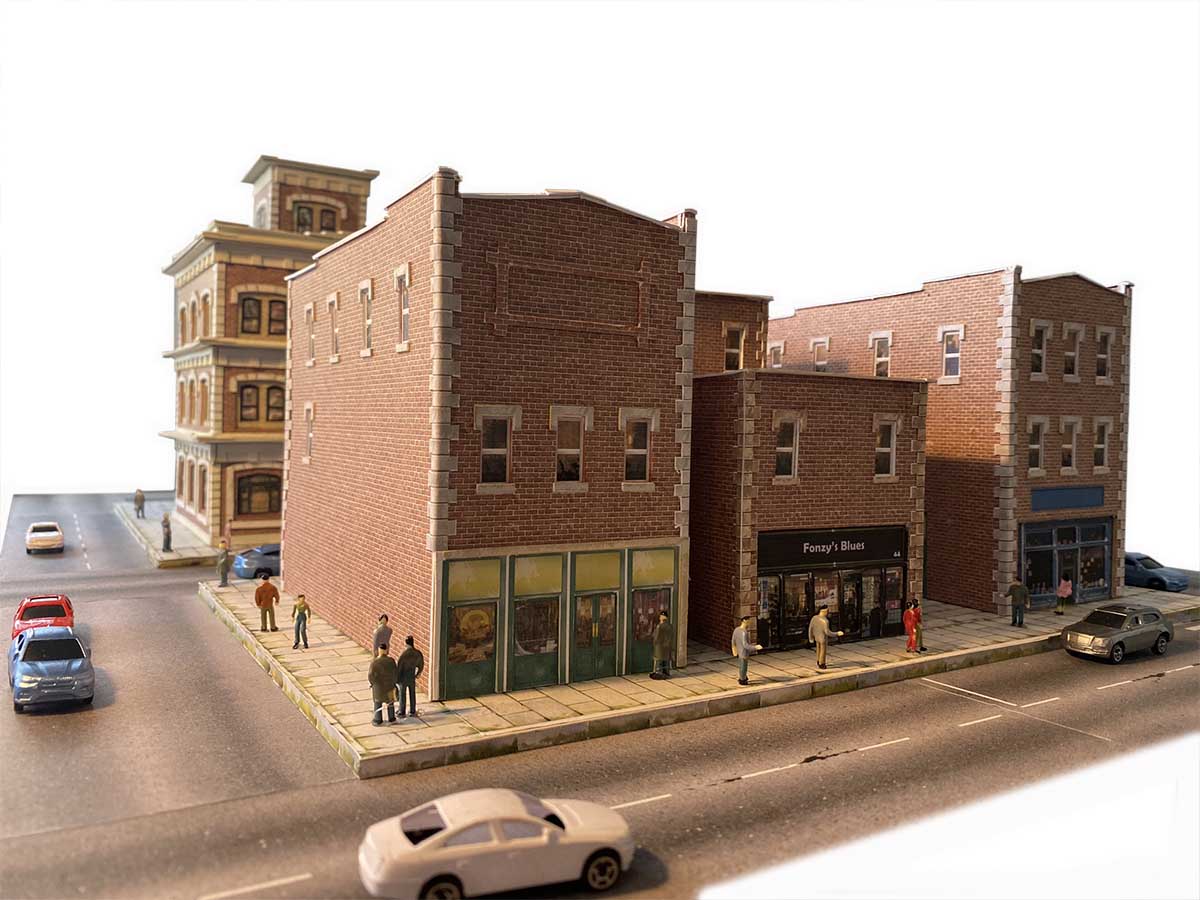
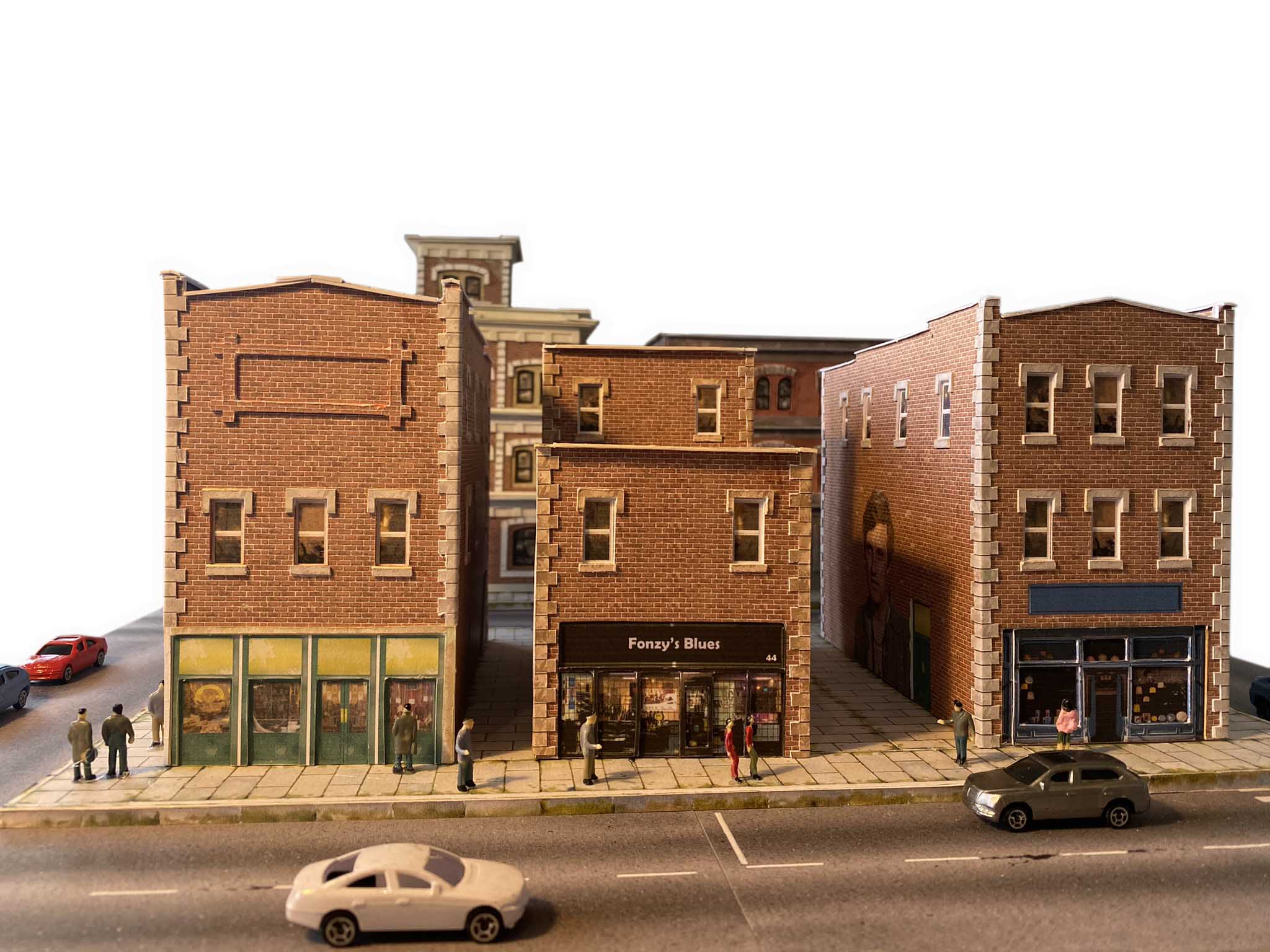
But there’s a catch – there’s always a catch isn’t there?
Each order for this bundle means there is quite a bit of faff my end: I have to get the picture or image that you mail me on the building, and then get it to you.
They may take me a long time to do, they may not. But if they do, I don’t want it getting in the way of the blog.
So if you can’t see the ‘order now’ button, it’s because I’ve taken it off because a few of you have been kind enough to support the blog and I’m busy with them.
This building (or buildings should I say, because you get three to make direct from the print) is a little more expensive than the others because of the extra work my end to add your image.
It’s a whopping $29. But still good value when you see the price of other normal buildings out there.
And you’ll get a personal touch to your layout that will make everyone who sees it smile.
Picture the love of your life, or the grandkids seeing their face being painted on a building wall of your layout. Priceless!
So, to make it really clear, $29 gets you these three buildings and a ‘personal’ wall:
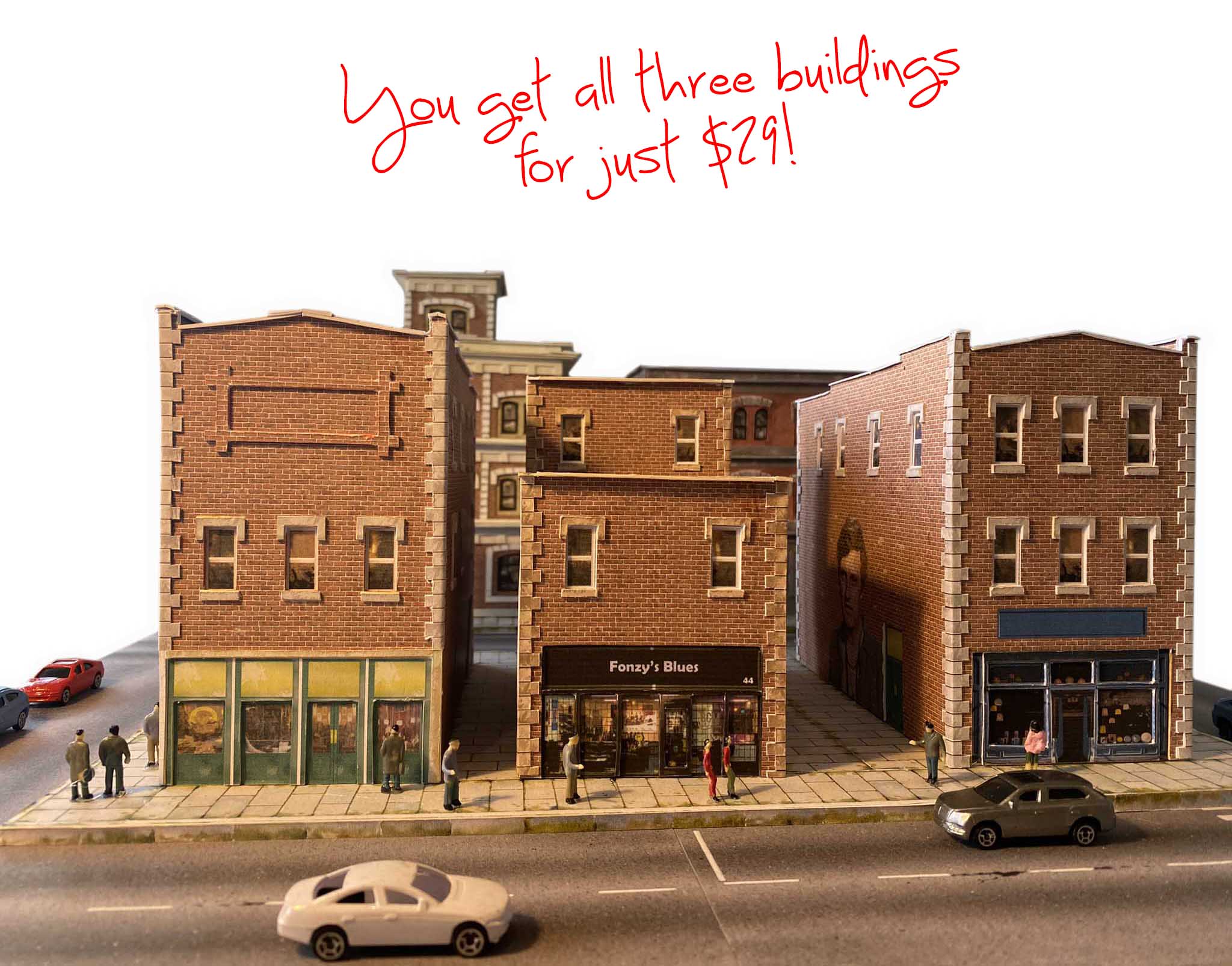
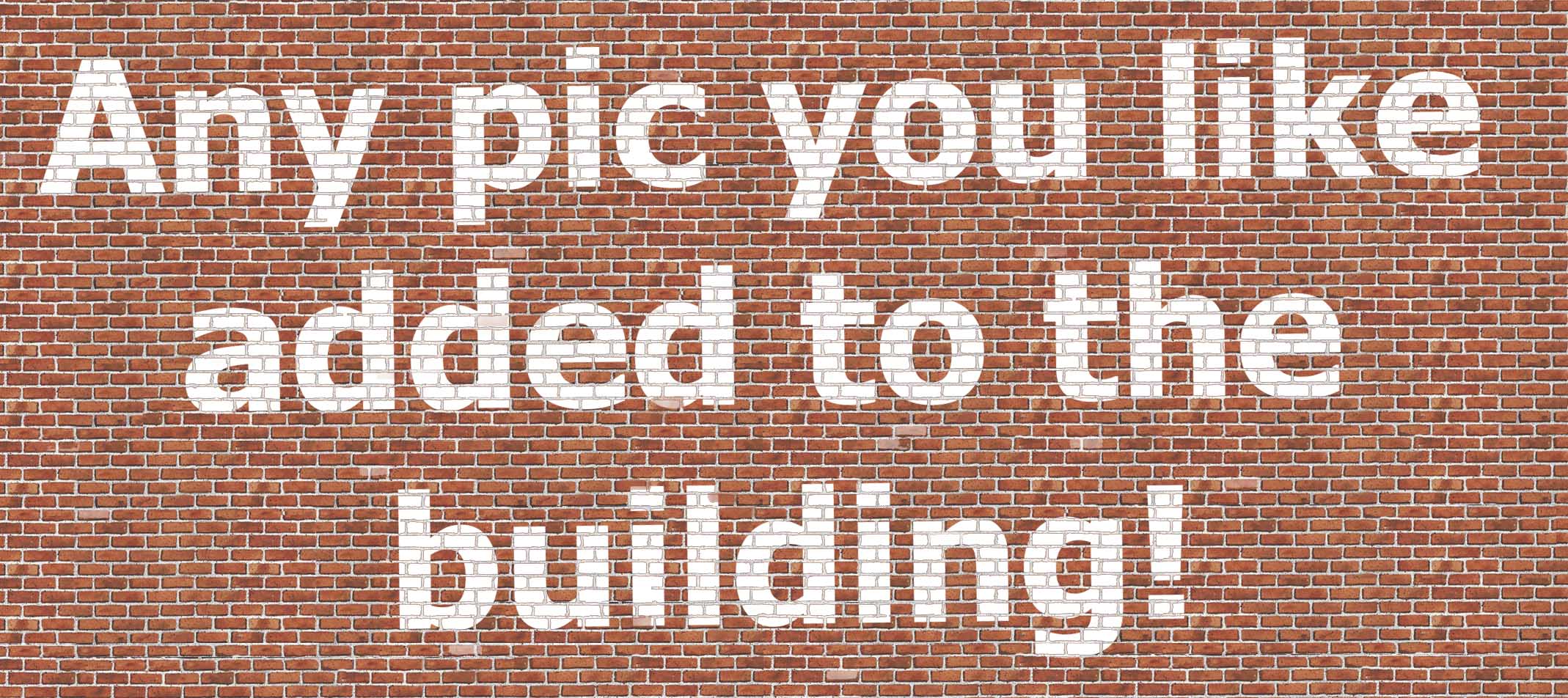
Any pic, flag, logo or whatever you wanted added to the wall of your choice:
You get the buildings as soon as you order – I’ll email you a link.
Then you just need to choose an image you’d like on your building, mail it to me, and you’ll get the second part of the order shortly afterwards.
Full disclosure though, I don’t know how shortly – might be a few days to be honest.
Oh and also, this deal does not include in the Woodland Scenics Painter set either. This ebay link is your best bet if you want them too.
So if you feel like supporting the blog and adding a very personal feature to your layout, you can grab it here.
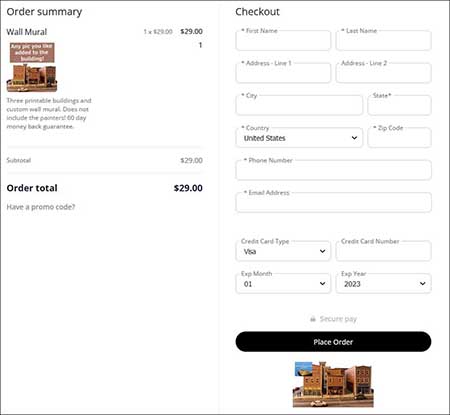
Here’s what the checkout page looks like:
Of course, I’m biased, but even if you haven’t got a layout, this printable building is a perfect way to ease yourself back into the fun.
What’s more, there is a no quibble 60 day money back guarantee as usual.
Hope you have as much fun as I did with these buildings, and I can’t wait to see one a layout – that really will make me smile.
That’s all for today folks.
Please do keep ’em coming.
Best
Al