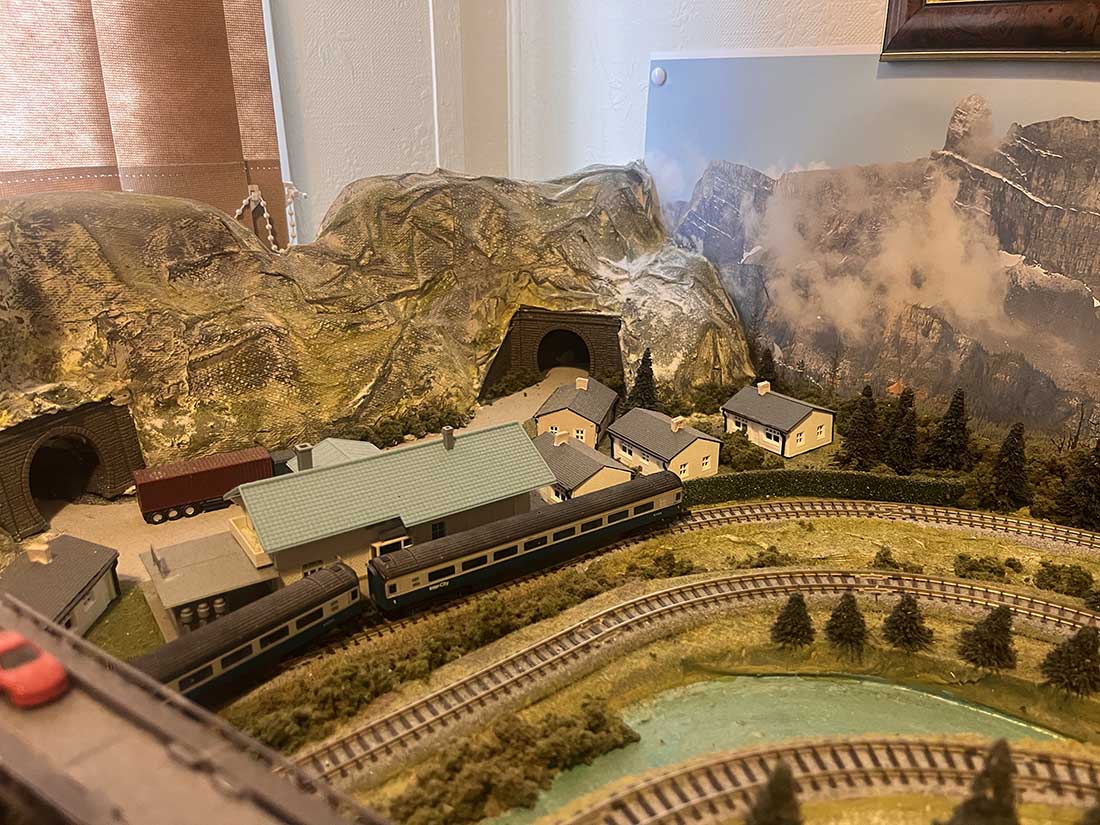
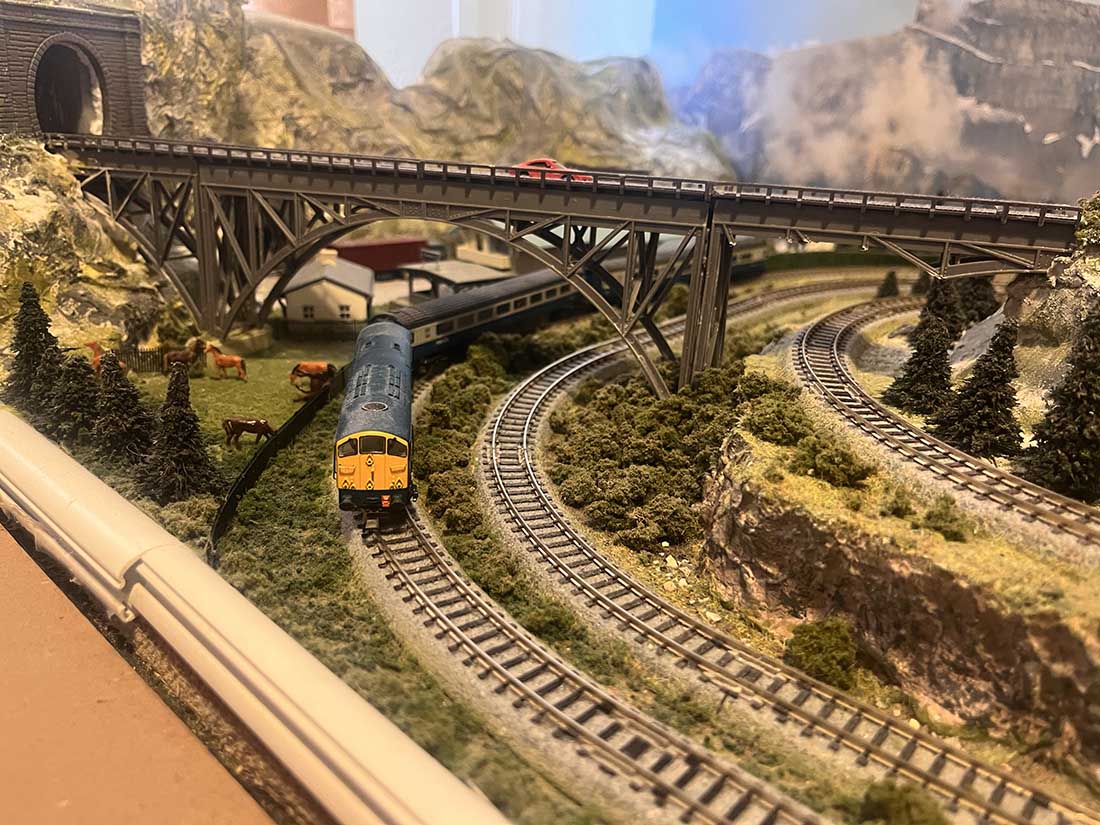
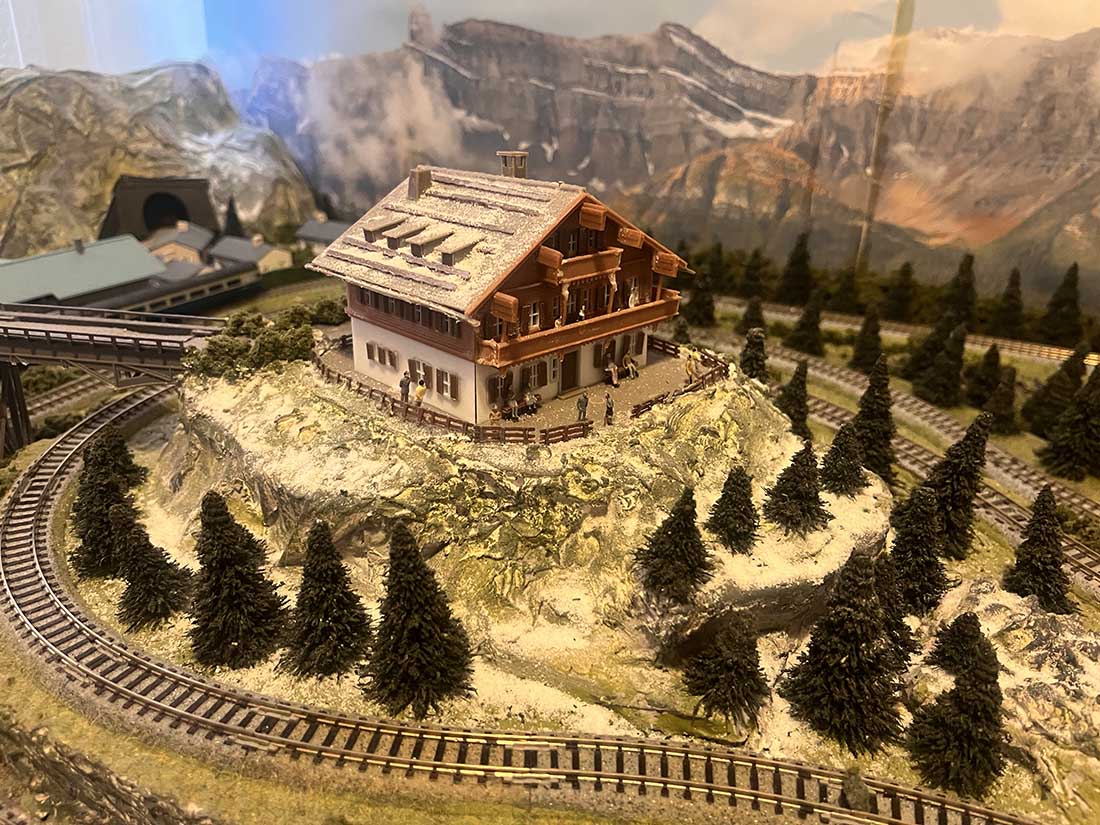
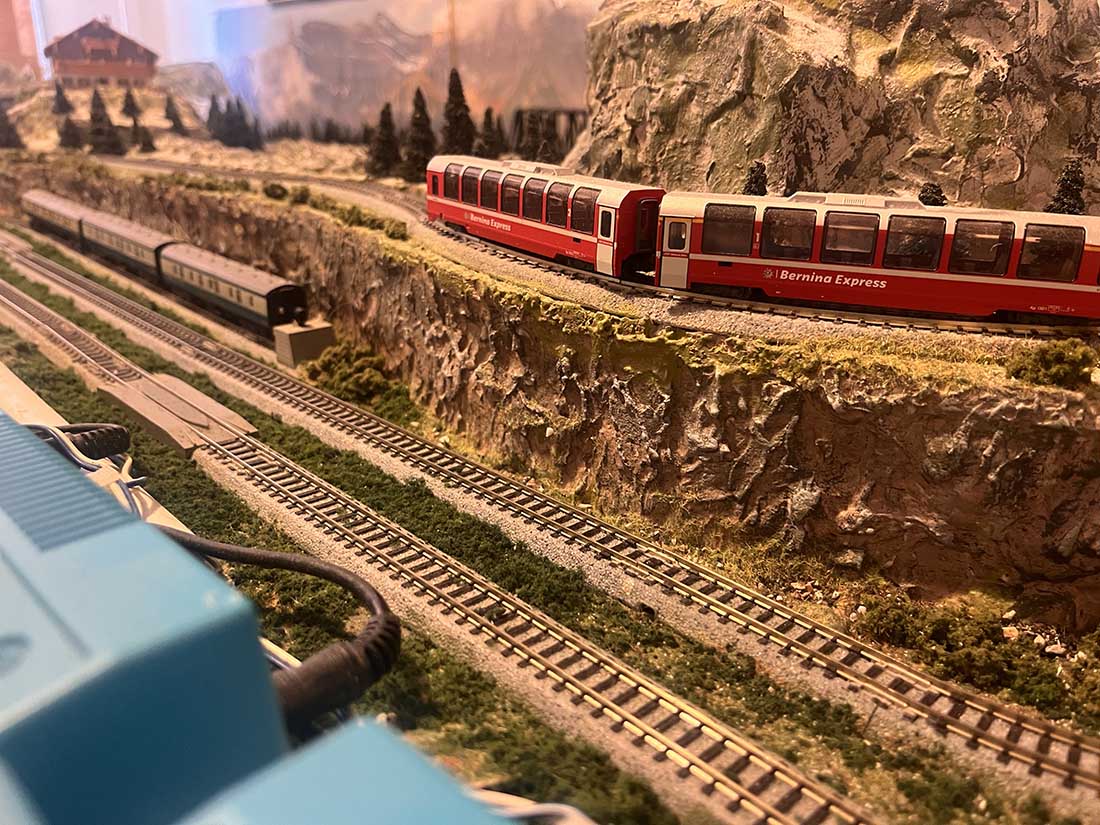
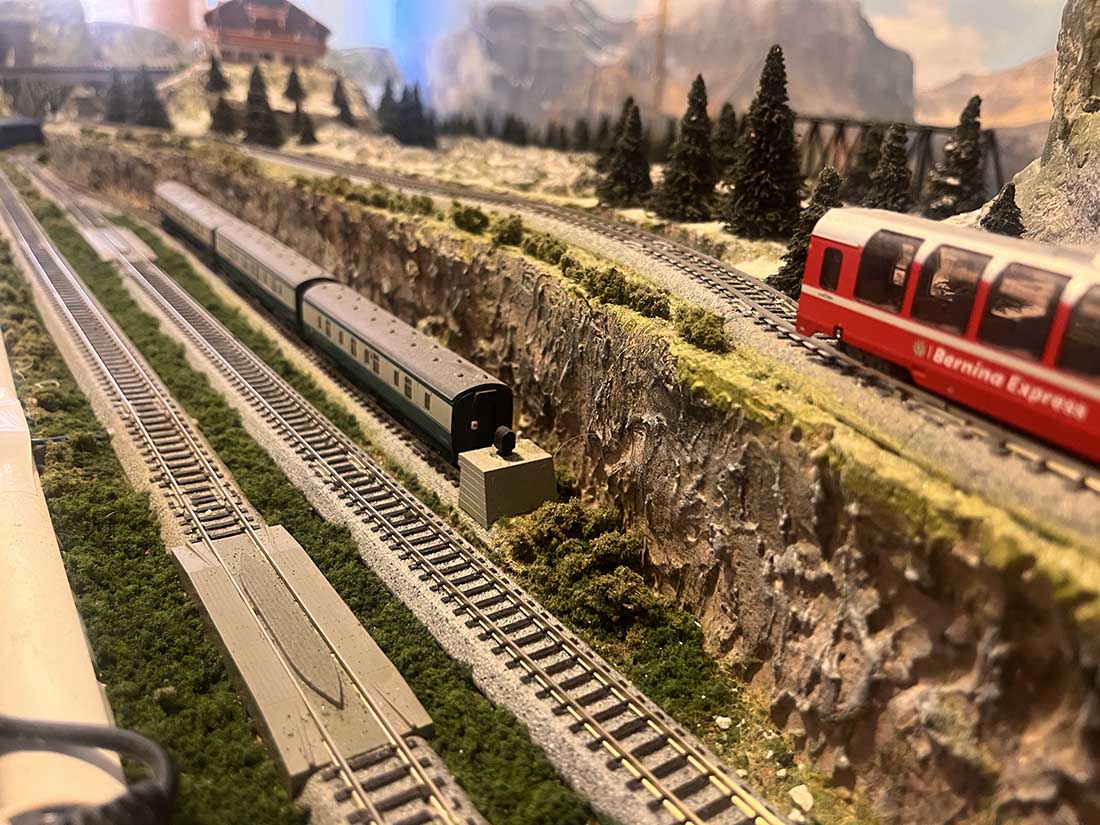
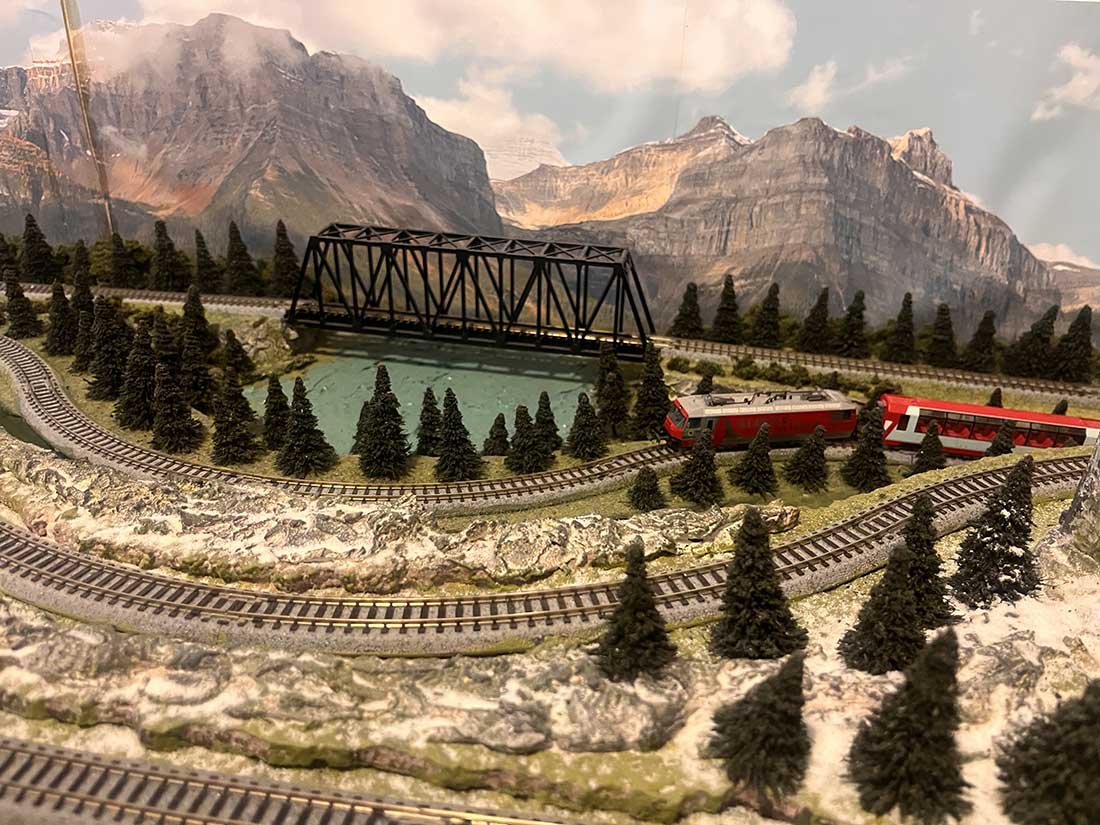
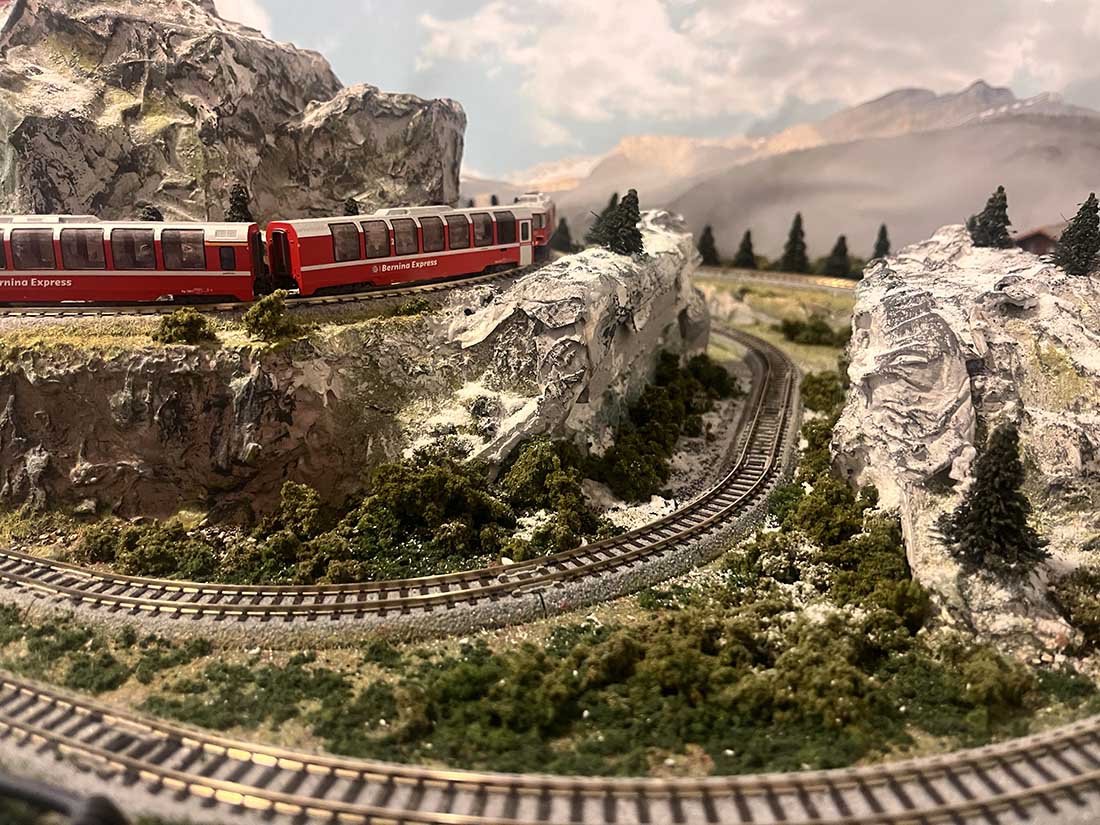
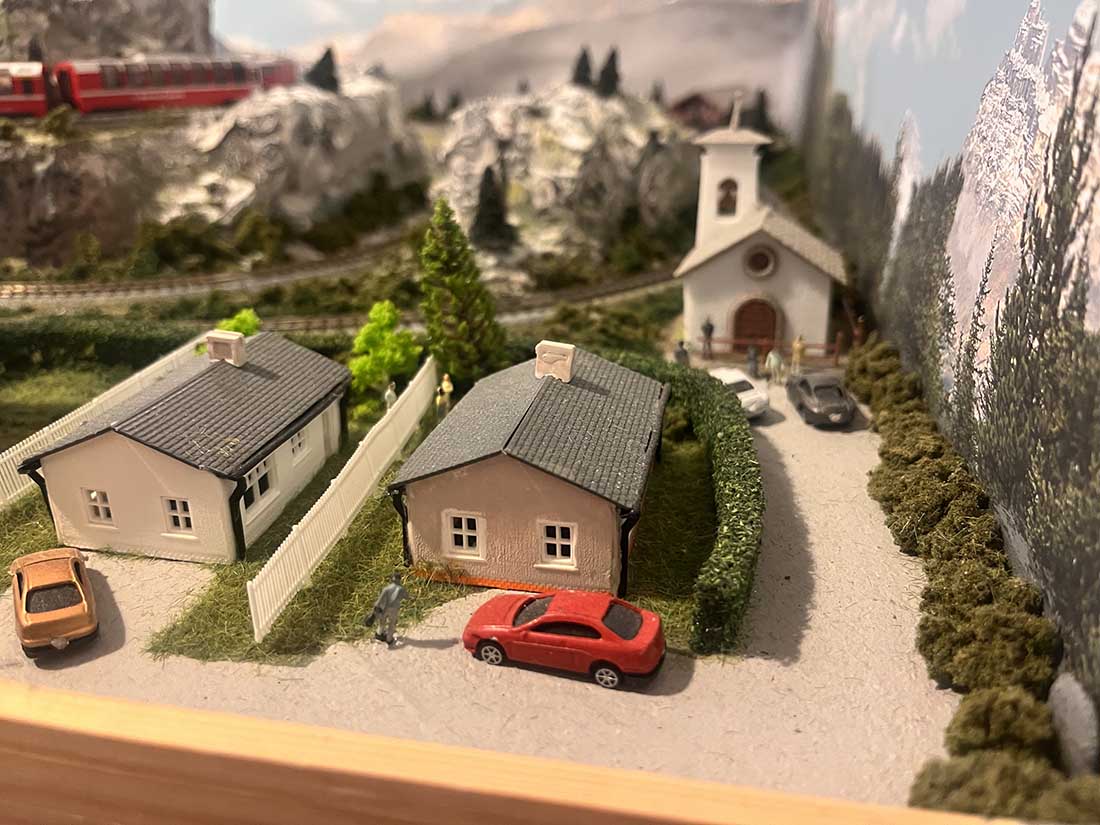
Tony’s been in touch. He’s running 3 trains on 3 x 6 n scale layout:
“Hello Al,
Attached are a few photos of my N gauge layout, 6 ft x 2ft 3 inches plus a short video.
Having successfully managed to fit three separate trains running via DC, I now want to start over with a few more options.
Due to my age and lack of mobility, all wiring is surfaced mounted and now I would like to build a multi level layout and have lighting featured in buildings etc and use landscaping to hide the cables.
If any of your readers has any suggestions, I would be happy to consider.
Keep up the great work.
Kind Regards
Tony”
A big thanks to Tony for sharing this – running 3 trains on 3 x 6 n scale layout.
Please do leave a comment below if you can help with ideas for his next one – a multi level with surface mounted wiring. Any ideas?
Dean’s been back in touch, this time he shows us how to paint rock formations:
“Al, greetings from Dean in New Mexico.
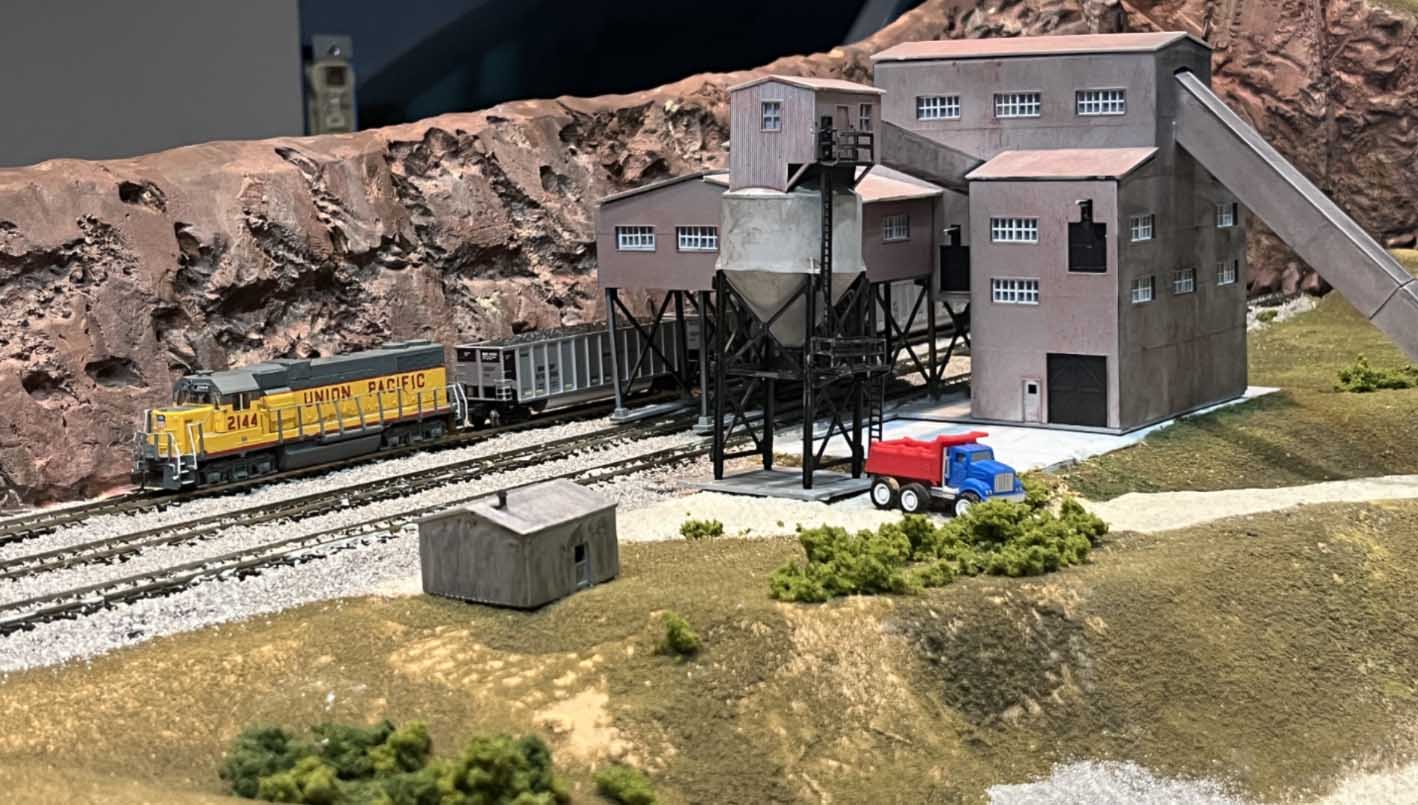
Recently I needed to add a long stone background piece behind the mine area in my N- scale Santa Fe Northern Railroad layout.
In the past I have used rock models cast in molds with Hydrocal, but this piece was large (48” x 7”, tapering down to 1”) and it would take a lot of Hydrocal pieces joined together.
Also, I wanted to try a new technique I’ve been seeing a lot of people using—carving rocks out of pink construction foam board. So, today I want to pass on my experience using this technique.
The first thing I needed to do was get some actual scenic examples to model. My town sits on the edge of a large caldera left over from the explosion of a volcano a million years ago. This caldera is now a US monument, the Valles Caldera Monument.
Before blowing up, the volcano (considered to be dormant, not inactive) spewed forth over several episodes rivers of lava or clouds of ash that ended up forming, through erosion, a number of fingers and mesas having several layers of solidified lava or ash. This is the basis of the area I’m currently modeling.
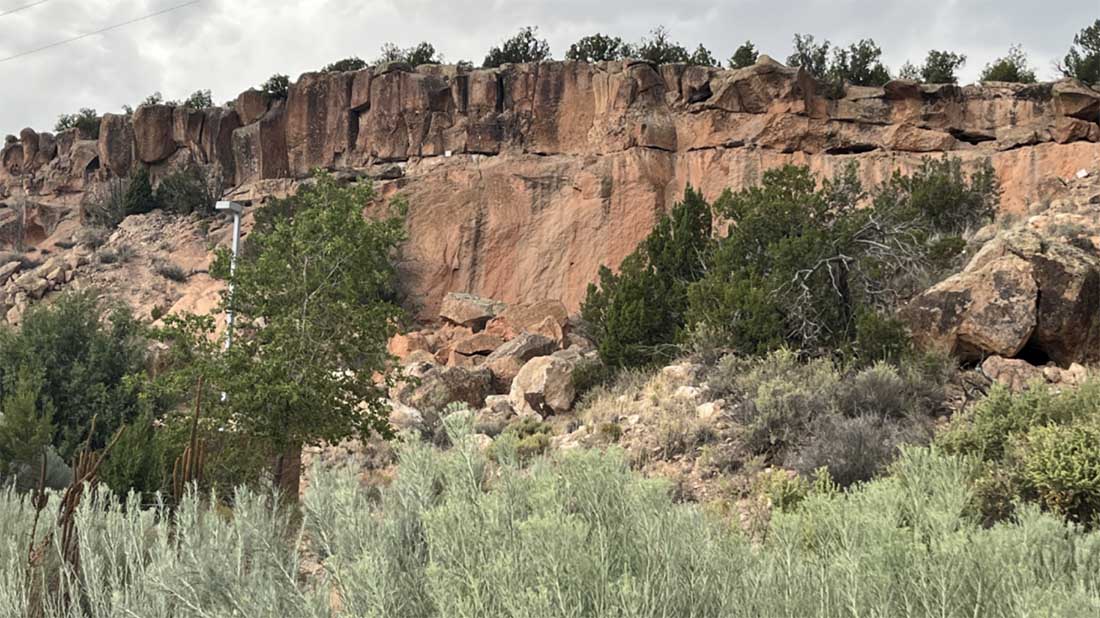
Here is a photo near my house showing the end of one of those mesas with two exposed layers. Note the colors vary with reddish-brown. Sometimes the layers can be gray if formed from tuff (compressed ash).
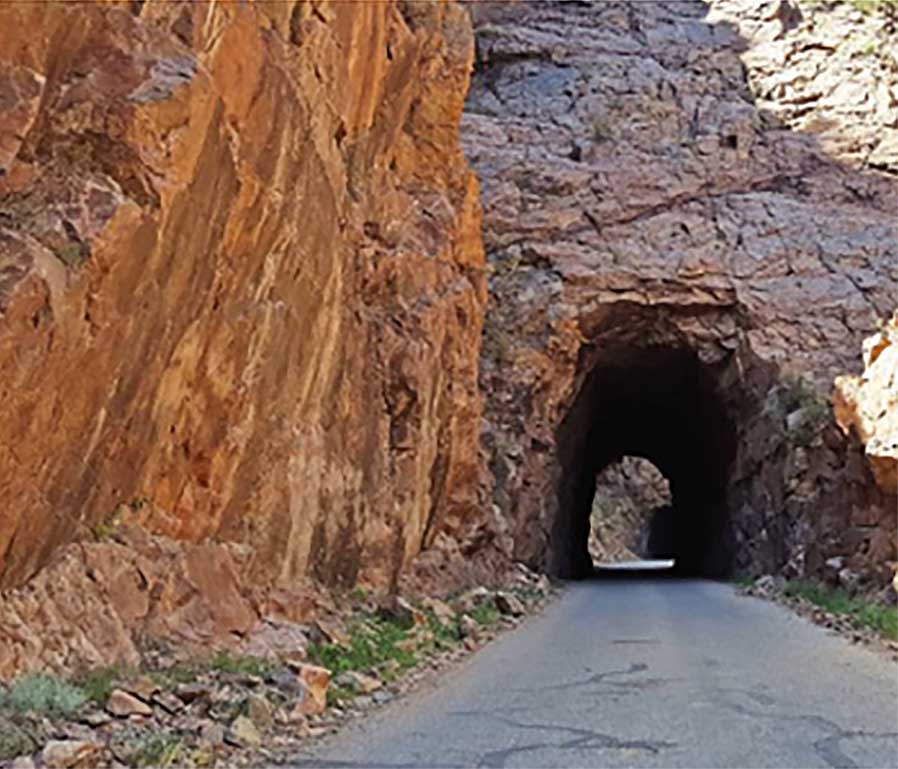
Several miles south of here are two tunnels, the Gillman tunnels. In this photo you can see the two tunnels, the second beyond the first.
These tunnels were blasted out in the 1920’s when a company built a railroad from the Rio Grande River up into the area that is now the National Forest to log the forest for lumber. You can now drive through these tunnels on one of the forest roads. These two photos are representative of what I want to model.
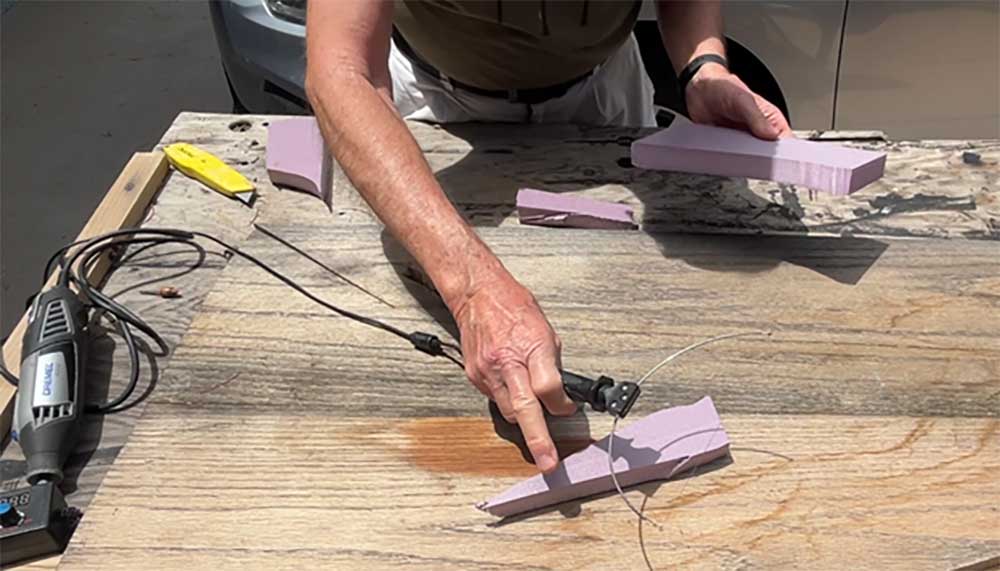
Next, I want to show how I carved and painted the rock pieces. The photos below are mostly of a test piece I did first to develop the technique. I started by cutting out the contours of a piece using a hot-wire cutter (available from Amazon).
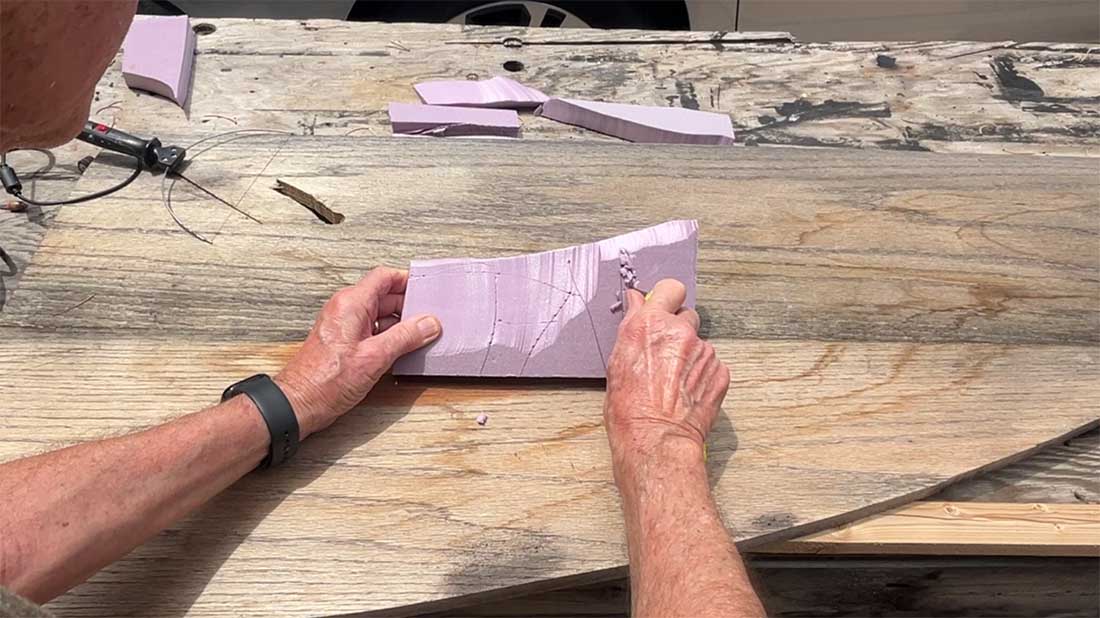
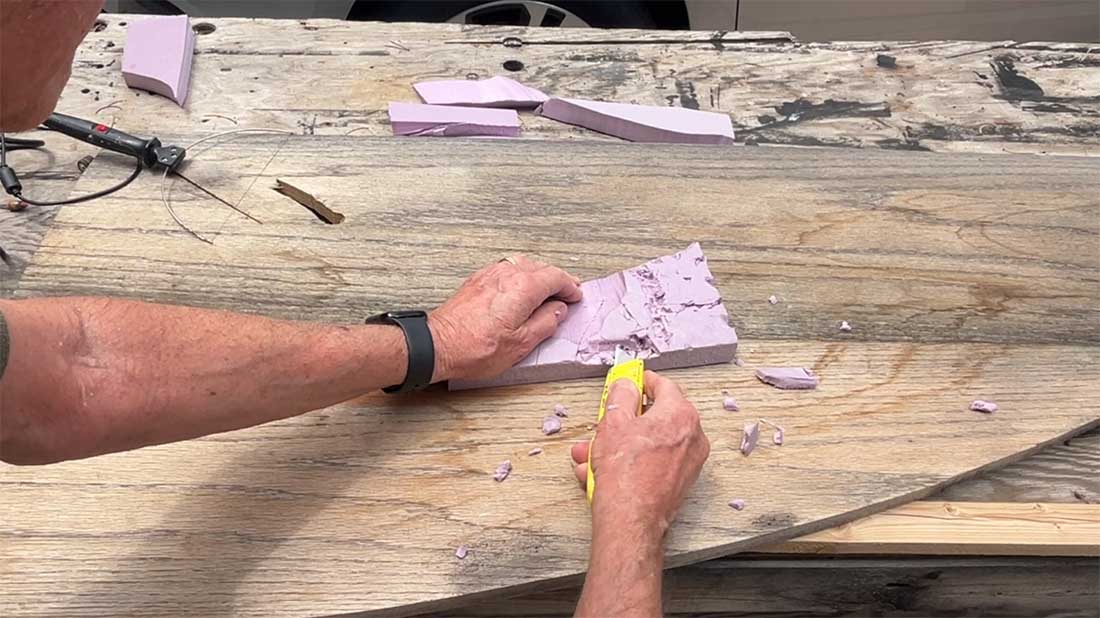
Then I scored a series of lines into the main piece with a utility knife.
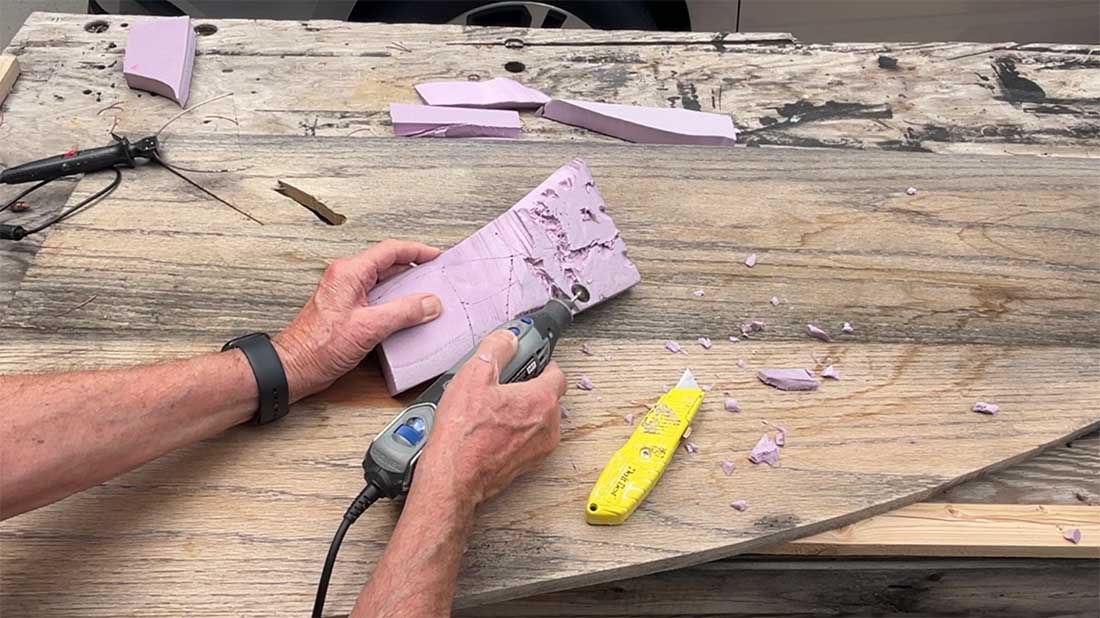
Using these lines I carved the foam with the blade of the utility knife to cut and pry out random pieces until I was happy with the results.
Finally, I smoothed out the shapes using a wire brush in a rotary tool at a very slow speed (use eye protection)
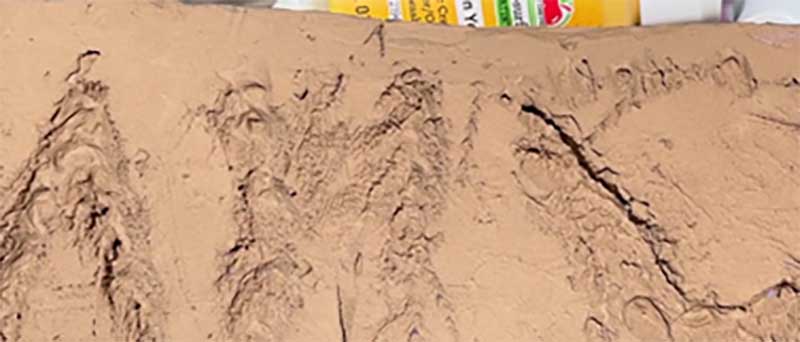
Then I painted everything with my light brown base coat paint (all paints were acrylic Apple Barrel paints from Amazon)
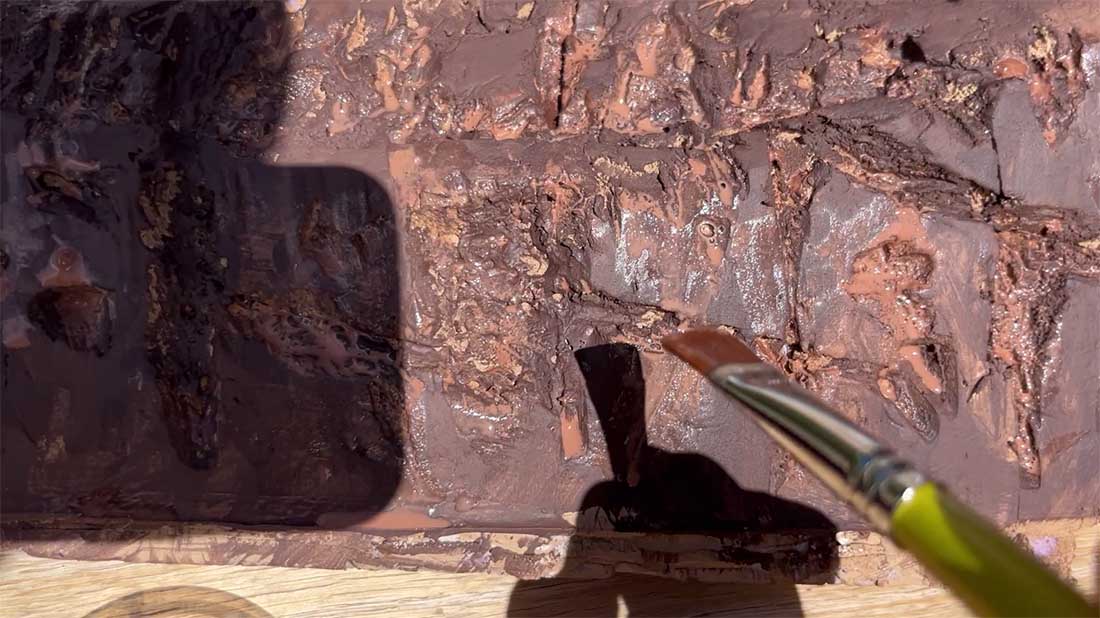
Next I covered most of the rock faces with Burnt Umber,
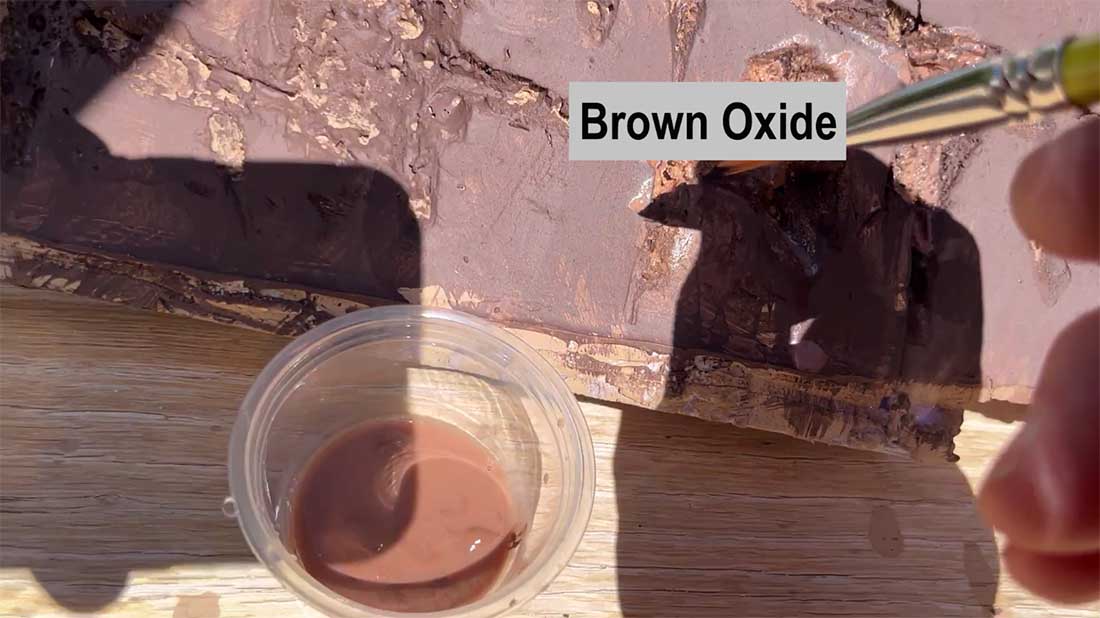
Followed by Brown Oxide spotted randomly.
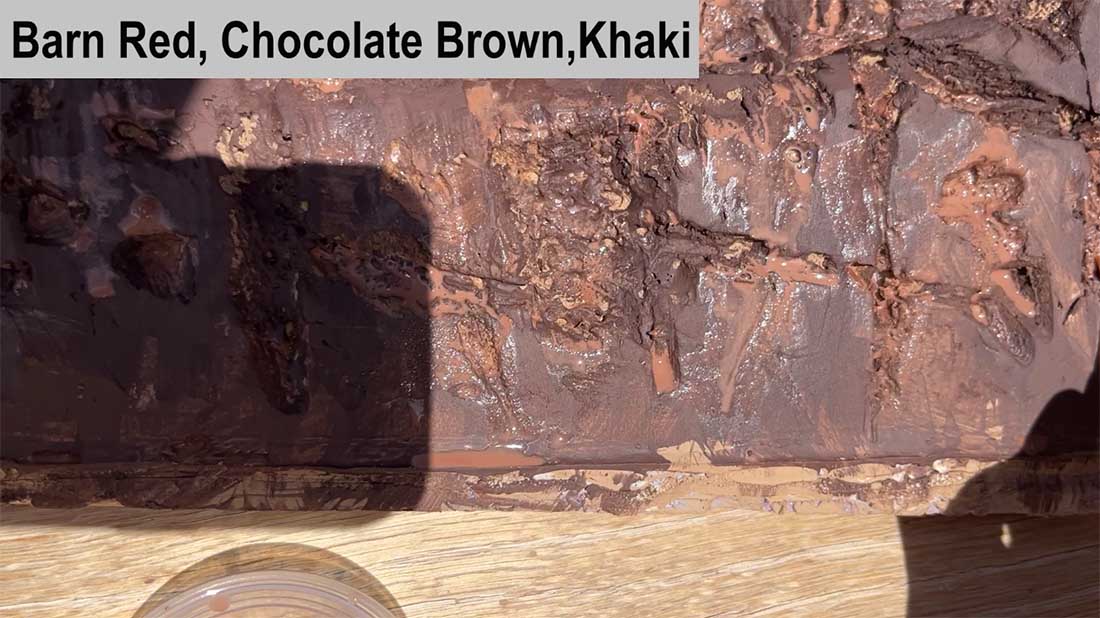
Finally, I overcoated everything with a light wash of a mix of Barn Red, Chocolate Brown, and Khaki.
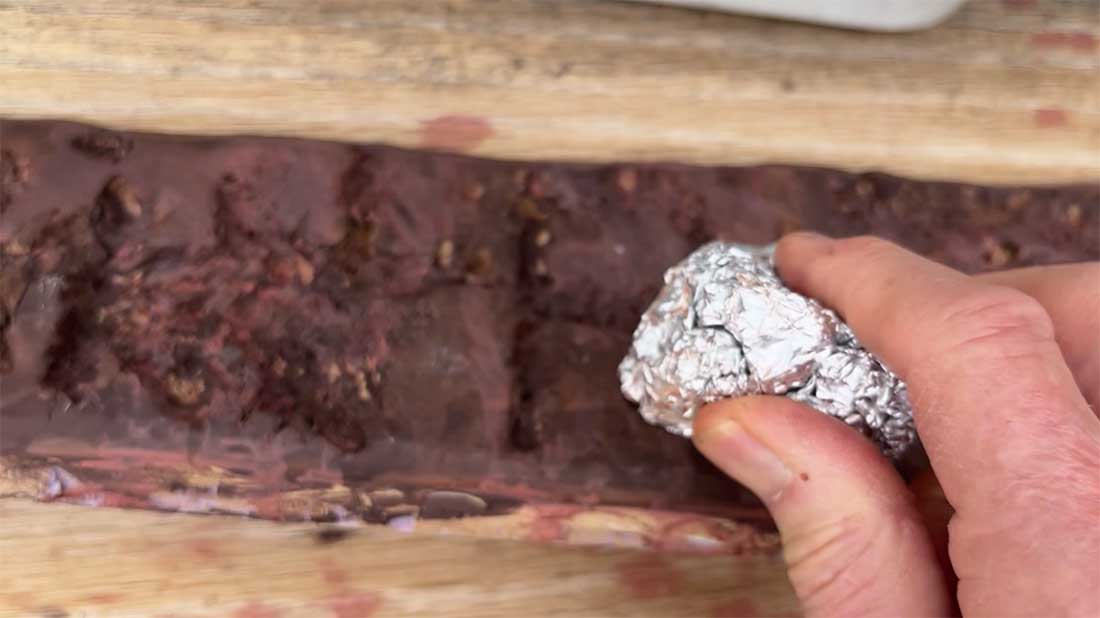
After the paint had dried, I took a wad of aluminum foil and rolled it around the piece to add texture and to get rid of the flat surface look.
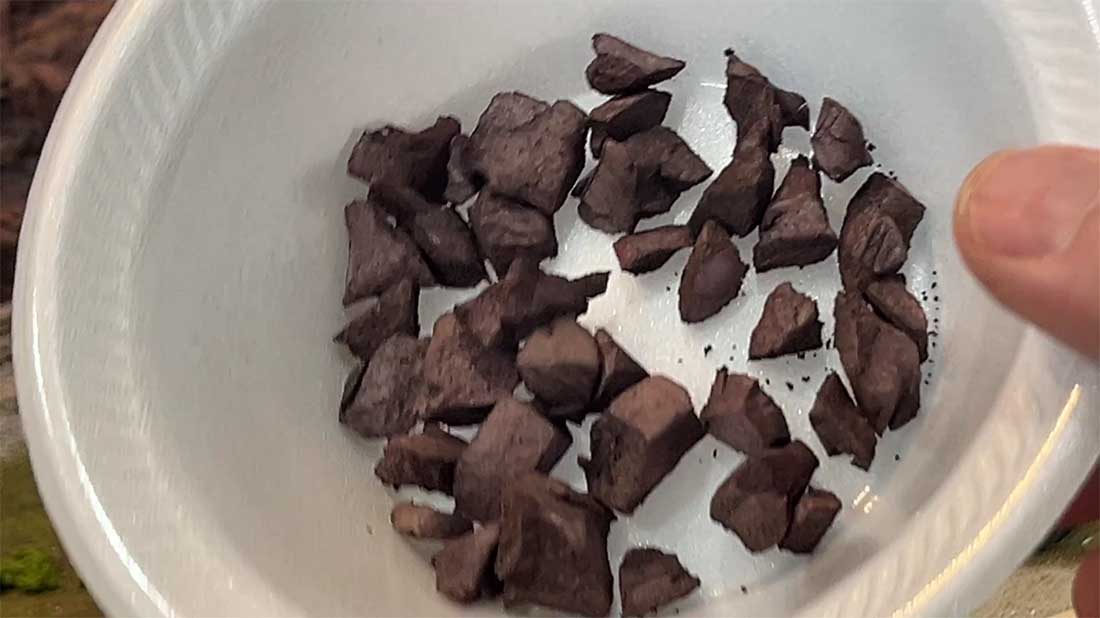
I took small chunks of the foam and colored them to give me pieces of talus (or scree).
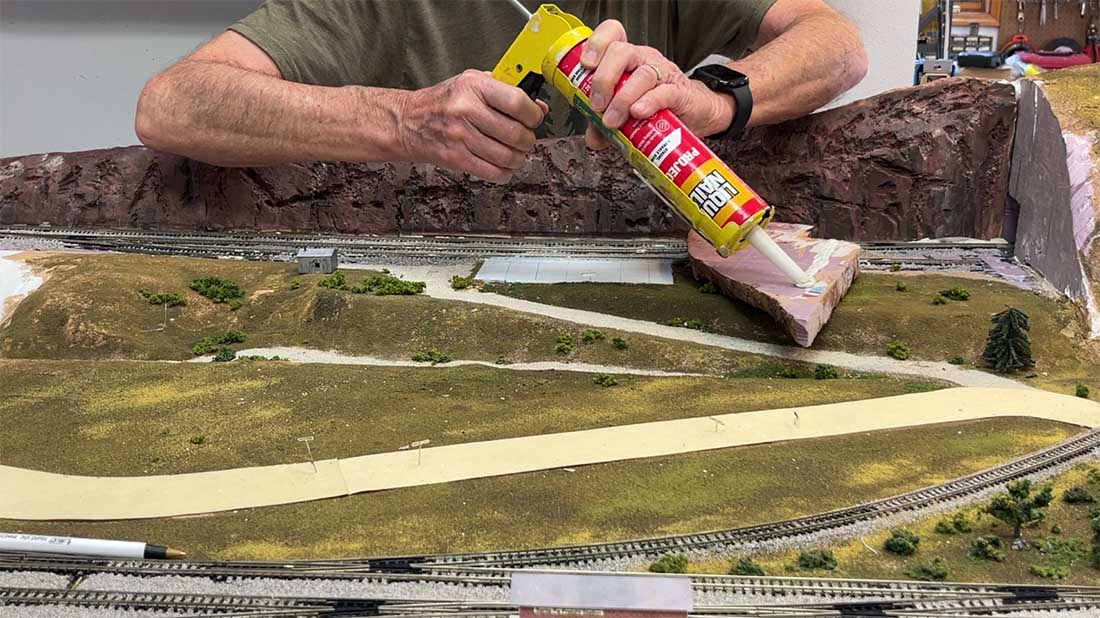
I used Liquid Nails adhesive to hold the pieces in place.
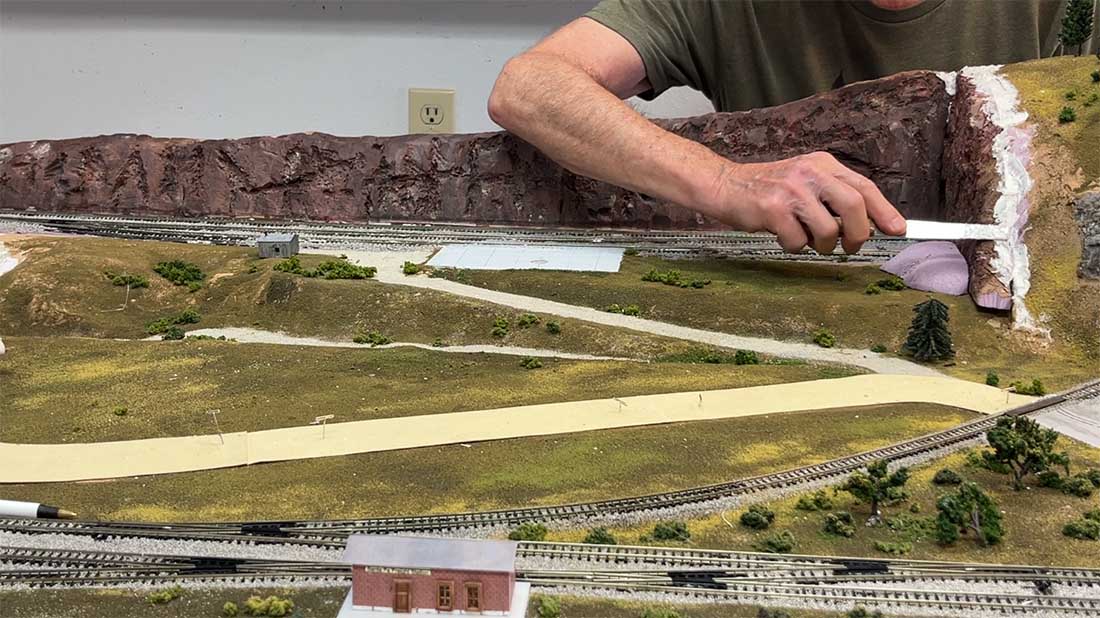
Then the seam was covered with patching plaster…
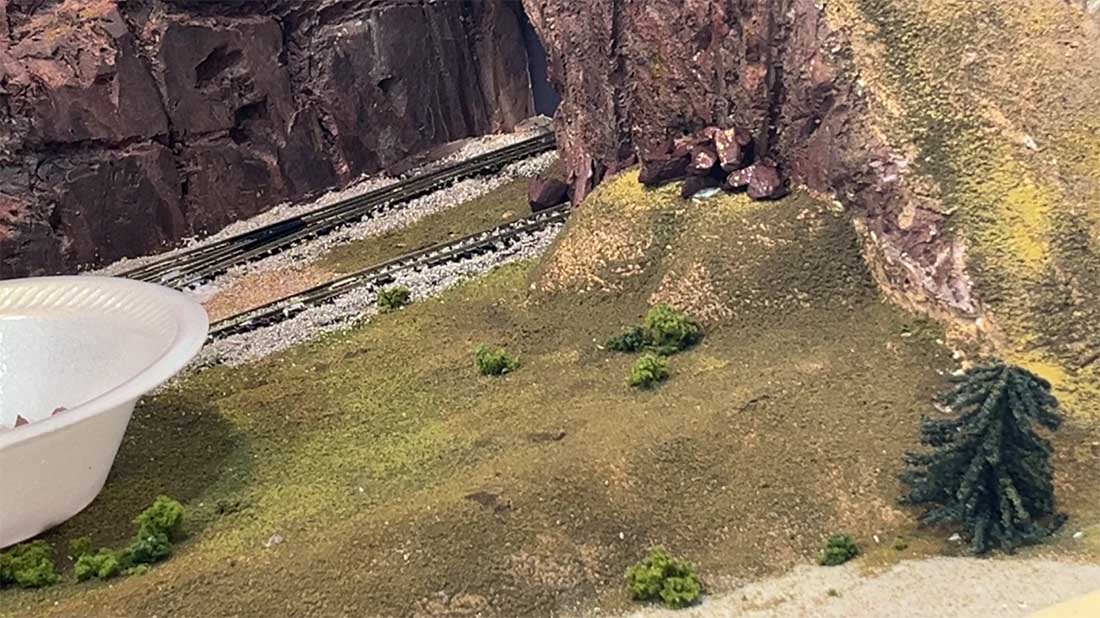
..and the edges finished with white glue and fine turf of various colors.
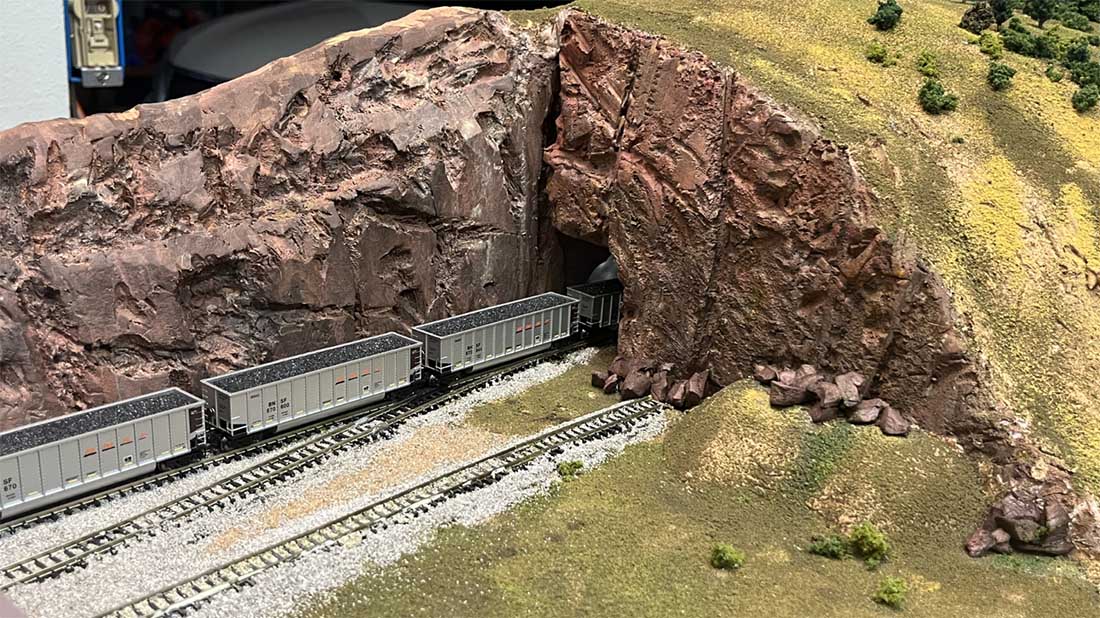
Final photo of the results
And the mine in place.
As always, I’ve included much more information in the video:
Thanks, Al, for all you do, cheers, Dean from New Mexico”
A huge big thanks to Dean for sharing his process on how to paint rock formations.
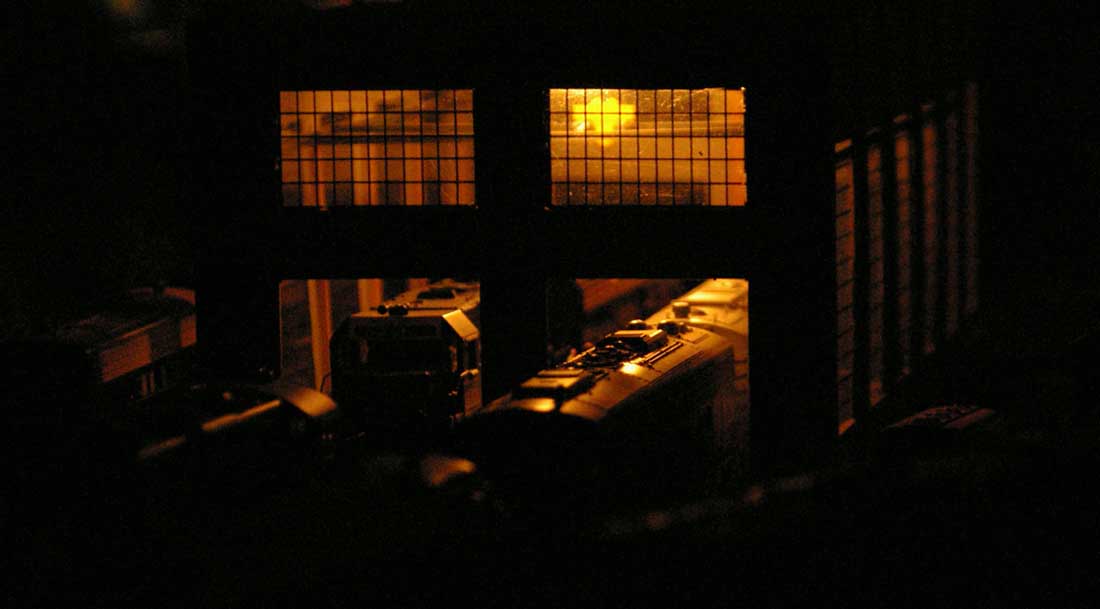
Hall of Fame Dan has been back in touch – this time he shares his HO scale lighting tips:
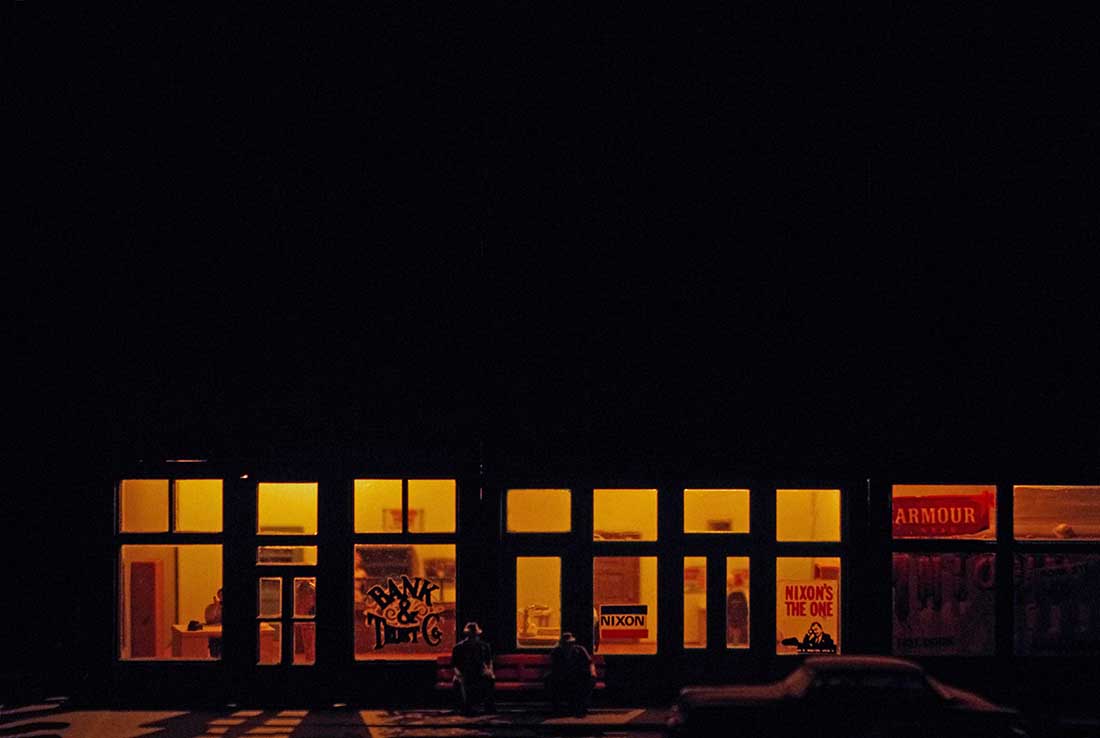
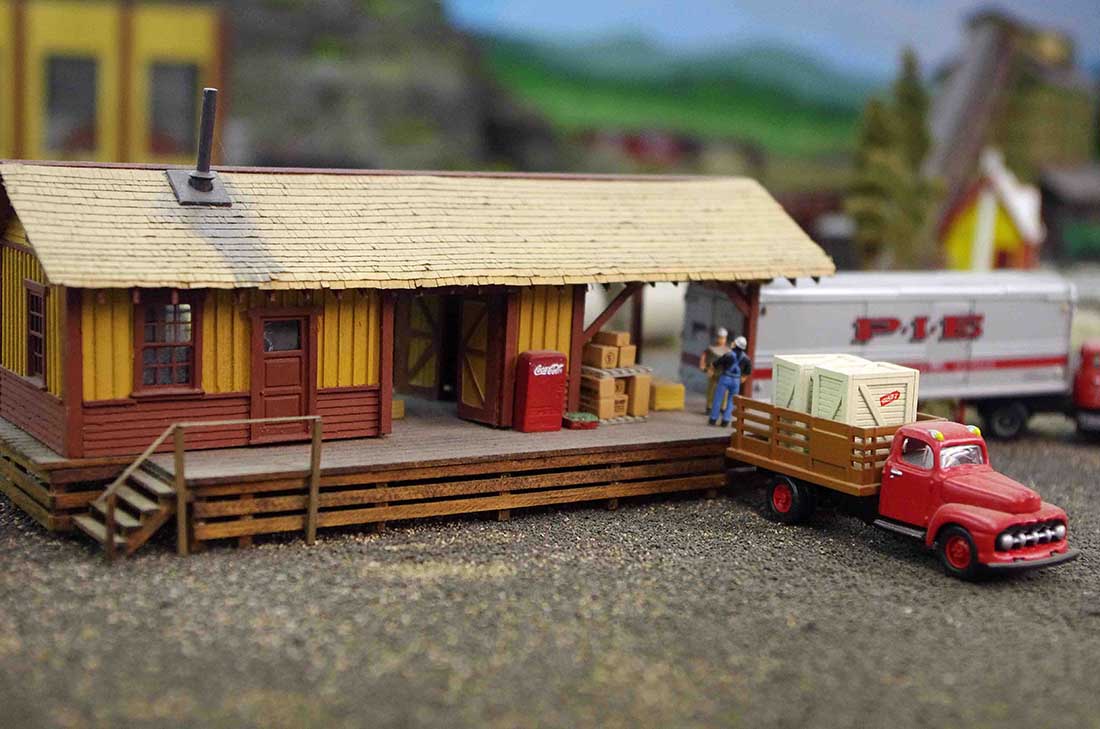
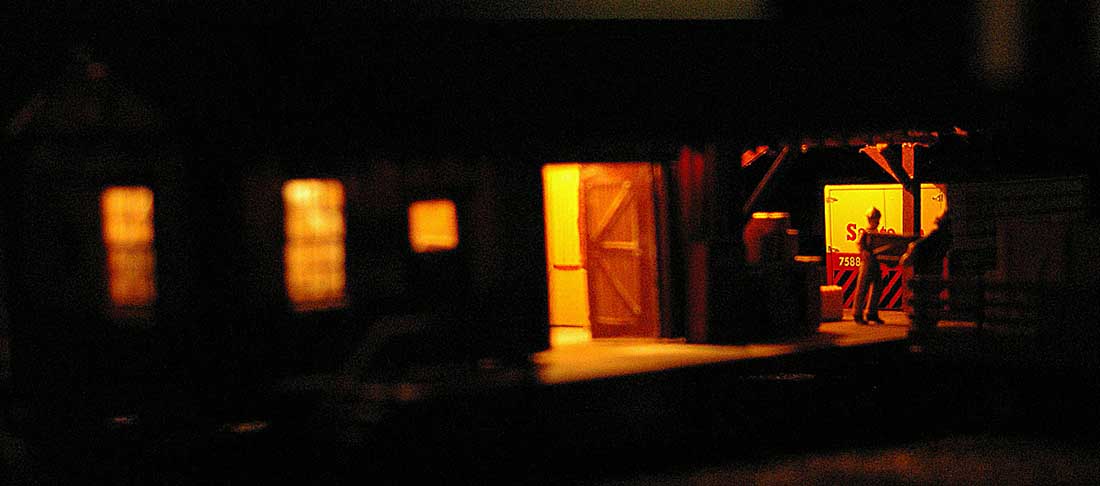
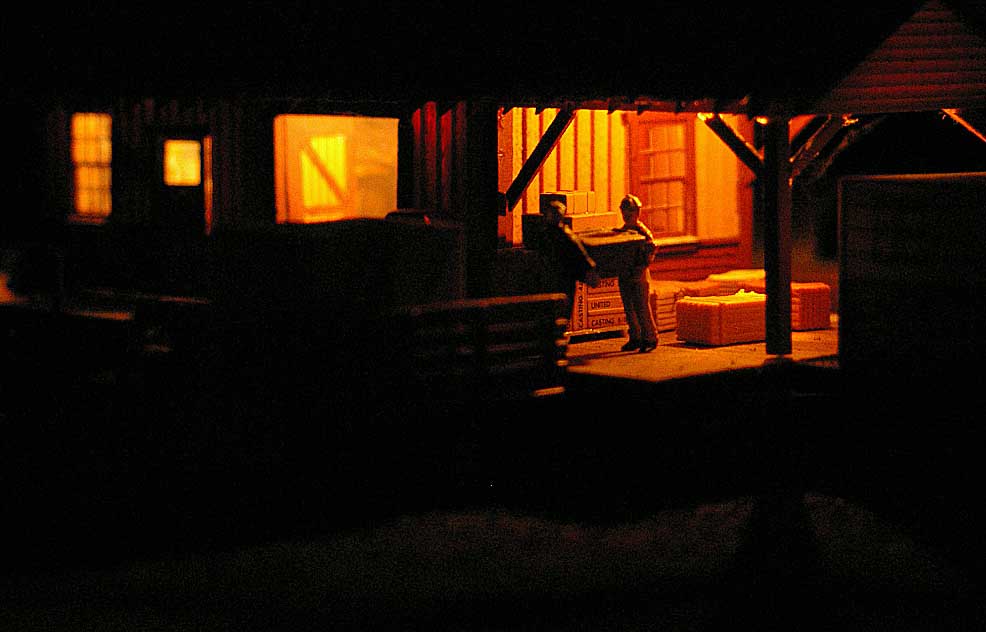
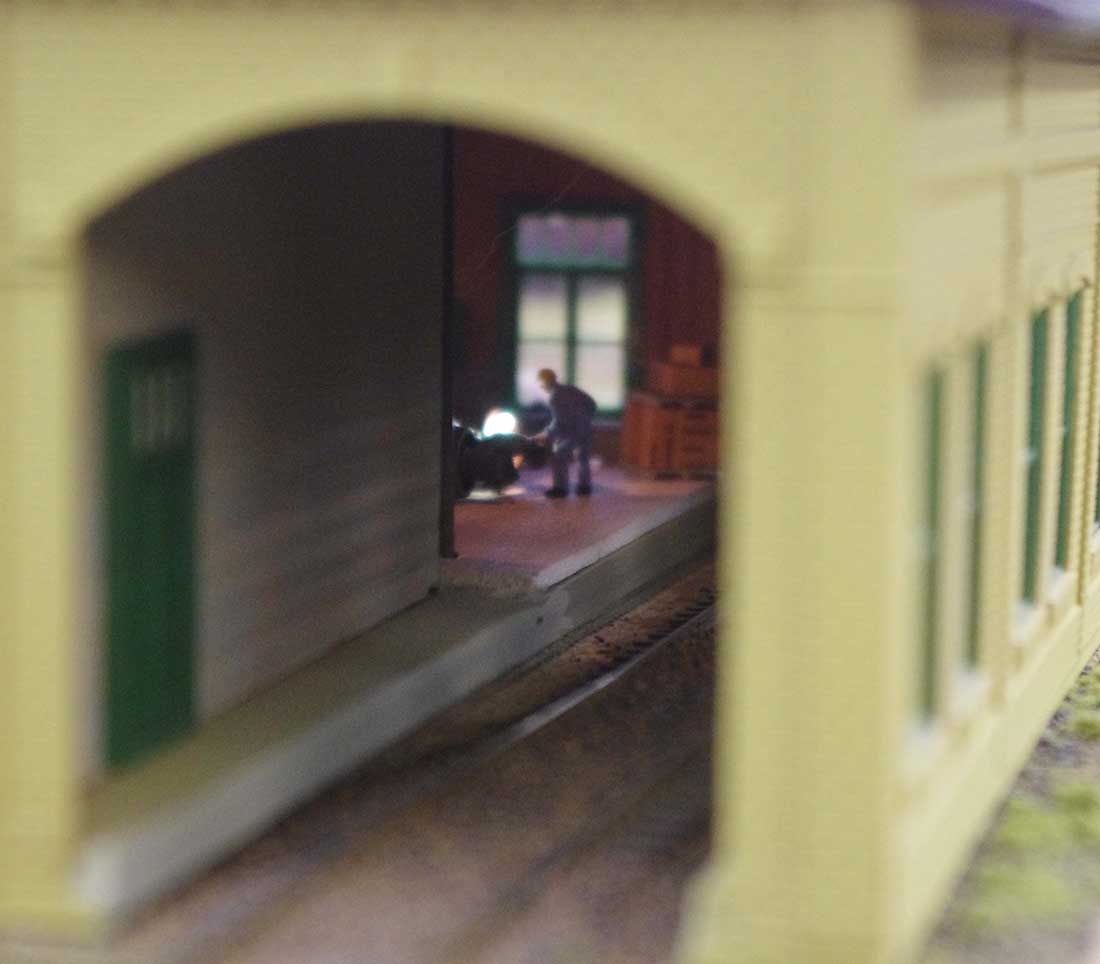
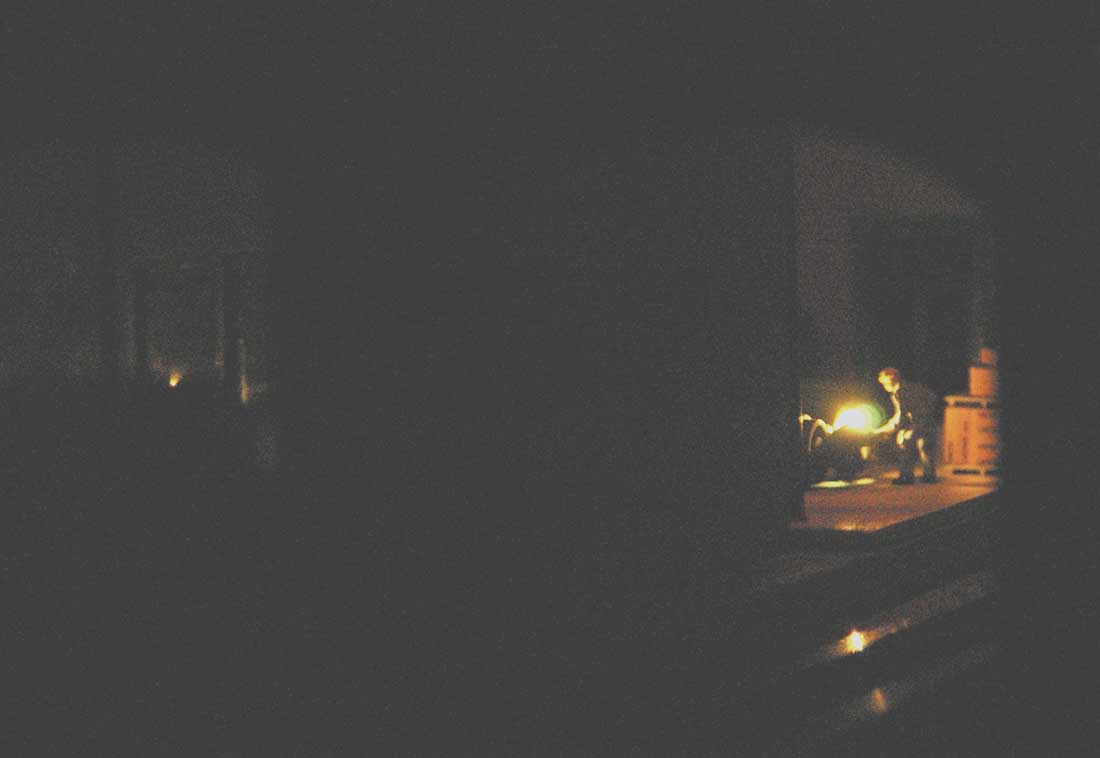
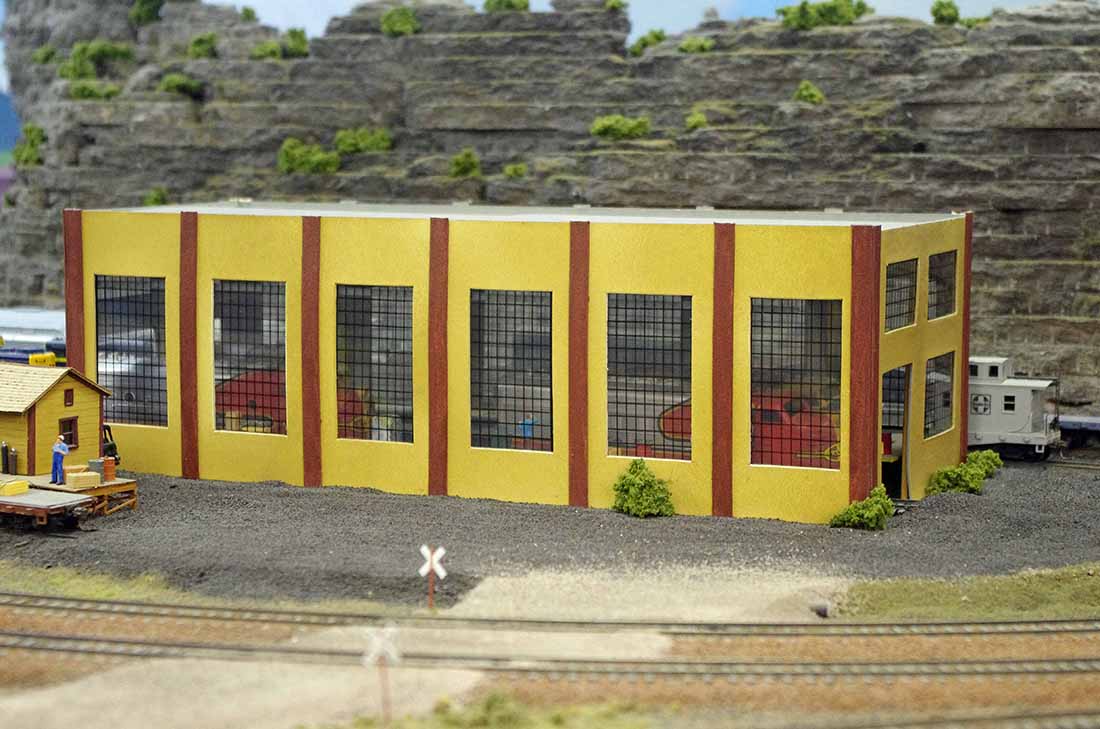
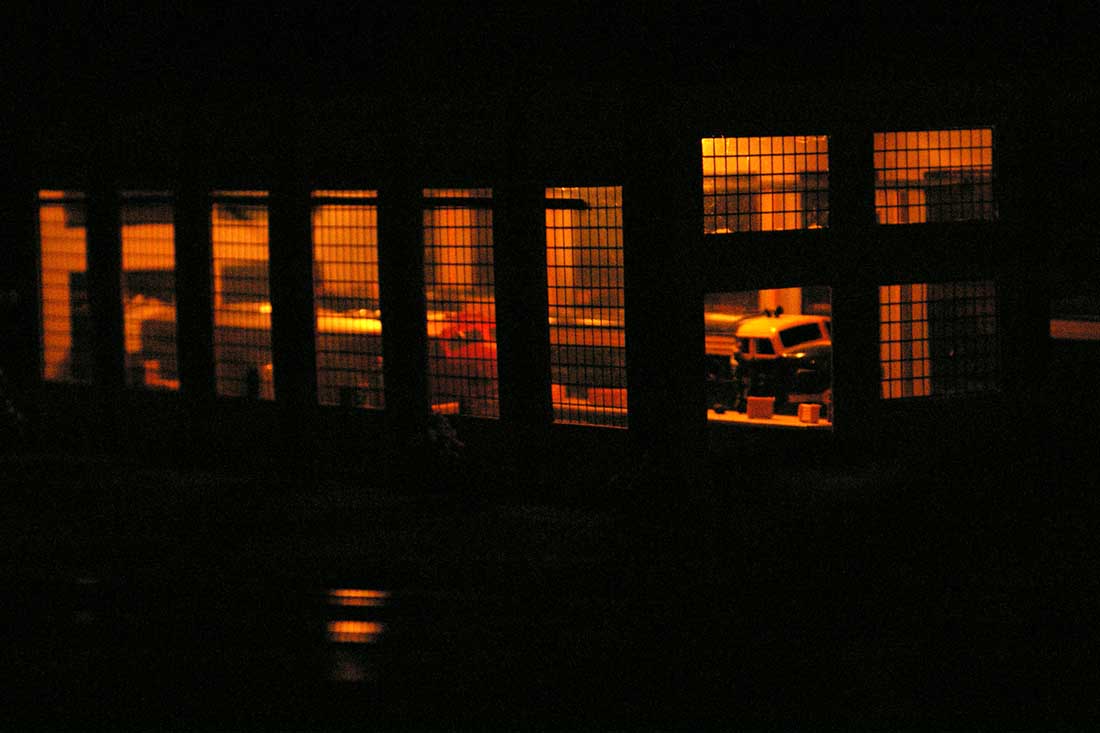
“Al, this post is about evening or night lighting.
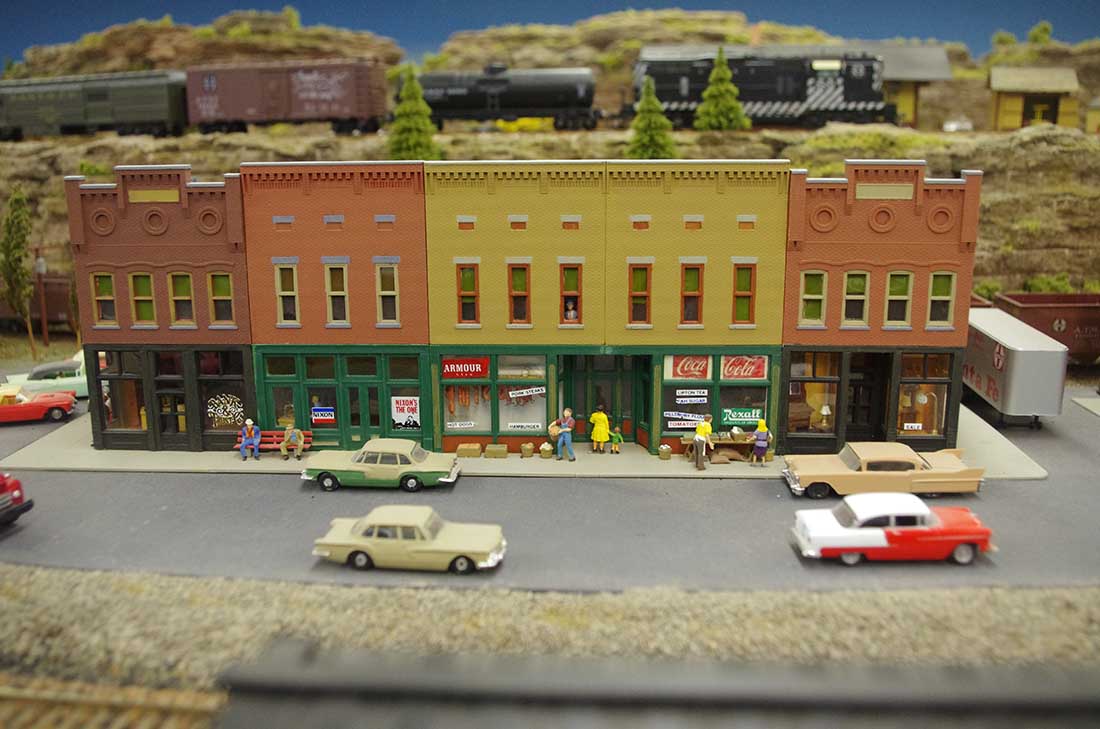
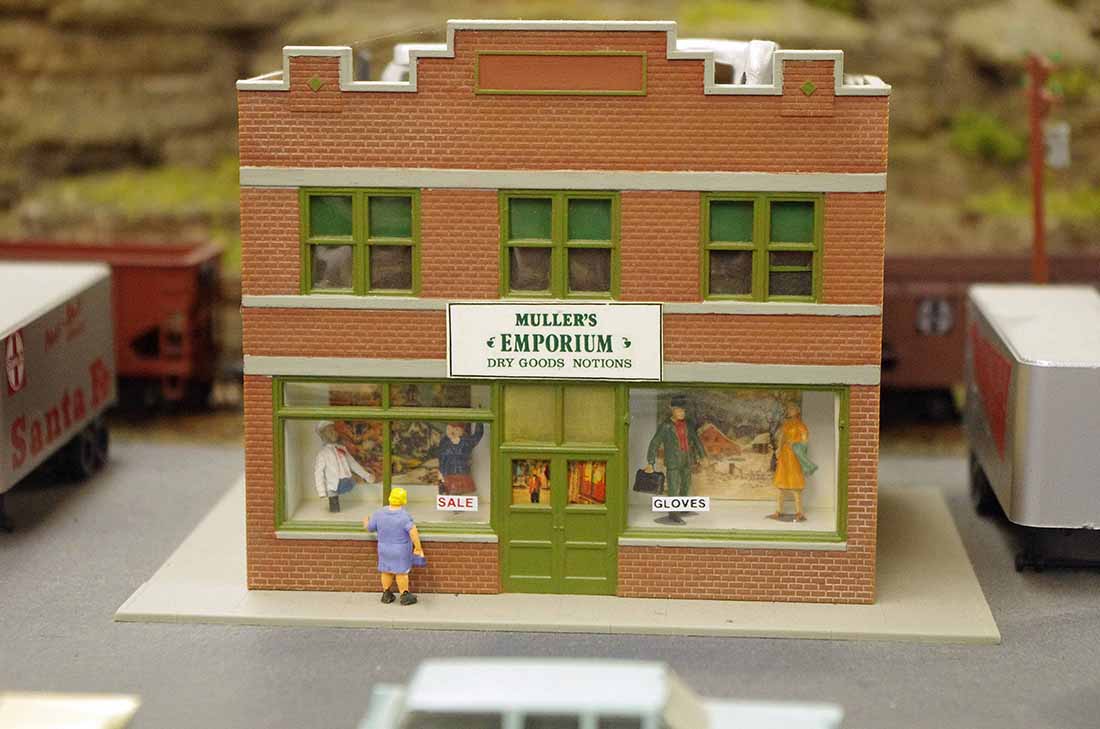
I am not trying to start a controversy. For those of us who have been around for a long time, it was Grain-of- Wheat (or Rice) bulbs. Today it is LED lighting. I am sure some of it is my age, 83, but the softer look of the G-O-W bulbs sets the night mood better.
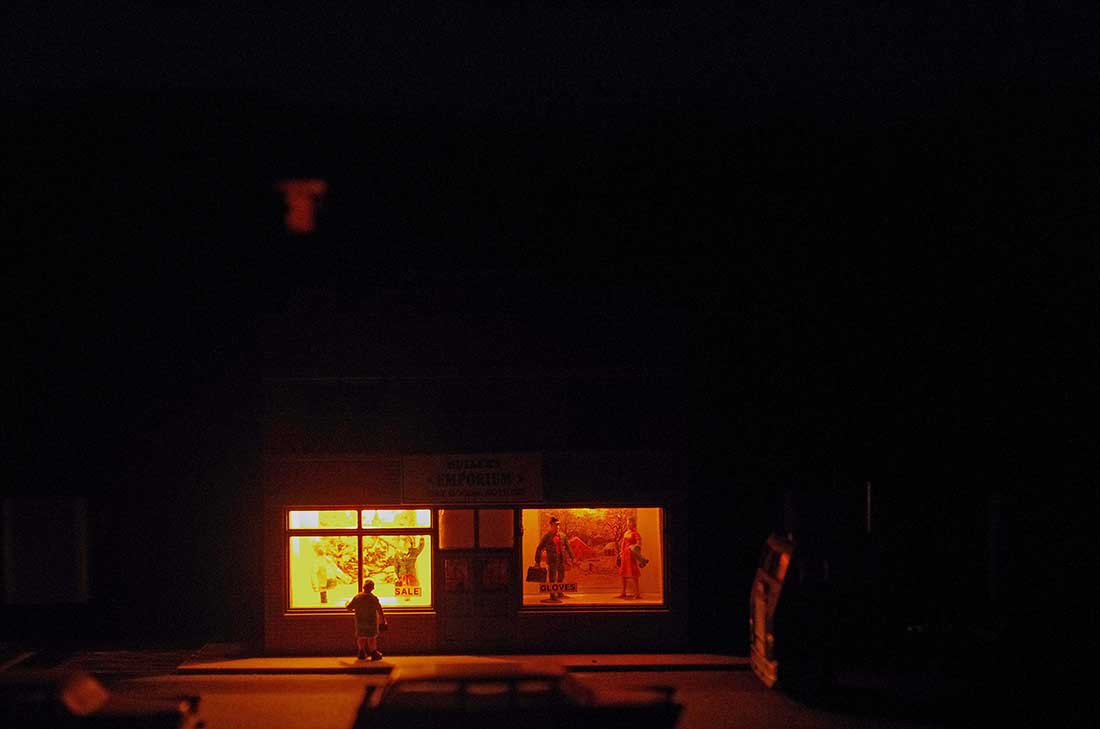
In the era I model, 1958 to 1960 most of the small western towns did not have street lights. Just what ever spilled out of windows lit your way.
To me the white LEDs are just too bright and you lose the softer and redder look I associate with evenings.
On my layout I can turn out the overhead lighting and create night. I do not do this for visitors. My aisles are not designed for very low lighting. So, I rely on photos.
Thanks,
Dan”
A big thanks to Dan, you can see more of his posts in the Hall of Fame.
Please do leave a comment below – I’d love to know your thoughts on this one.
If it’s more lighting posts you are after, try these: