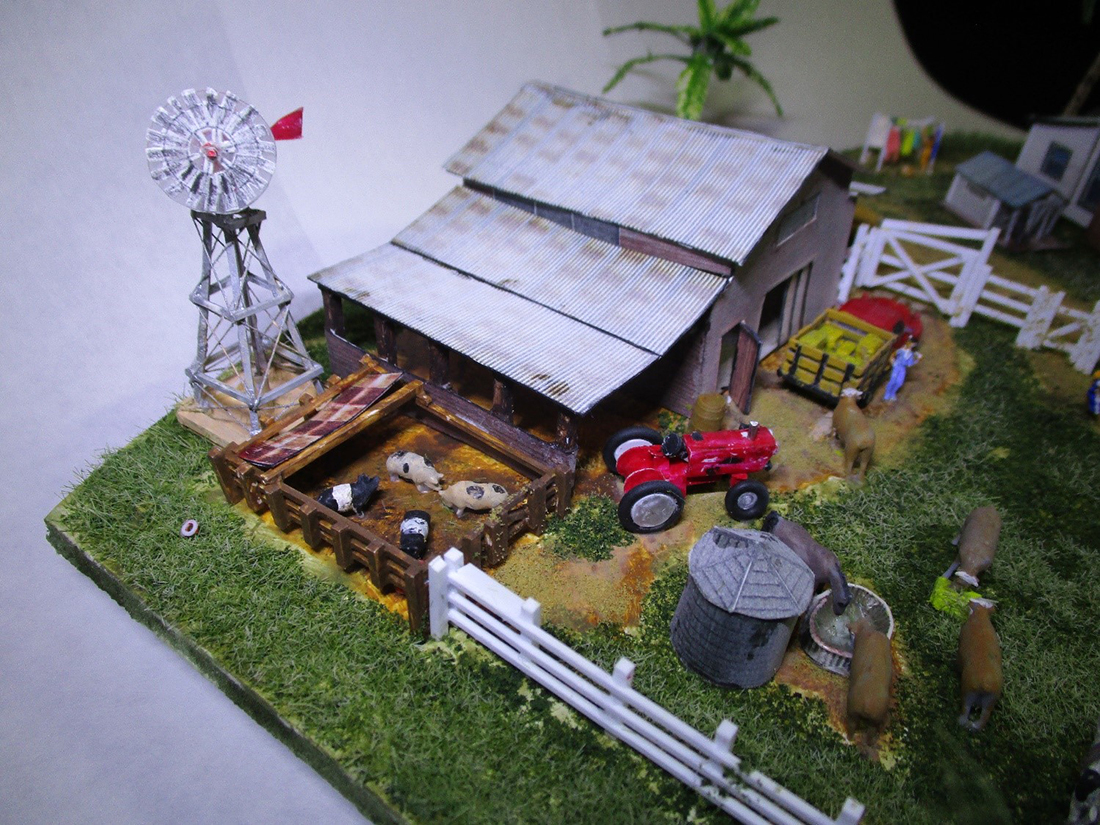
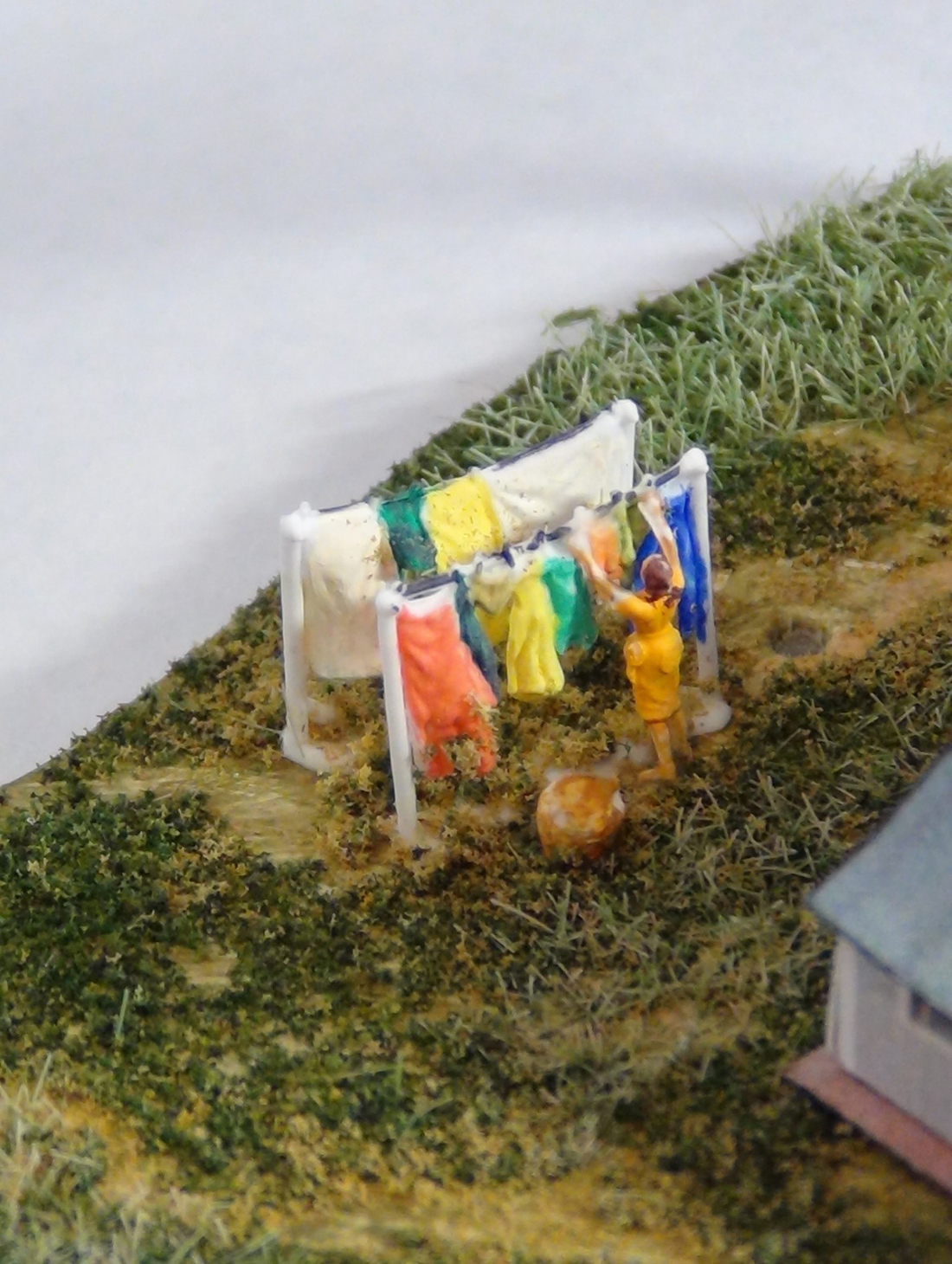
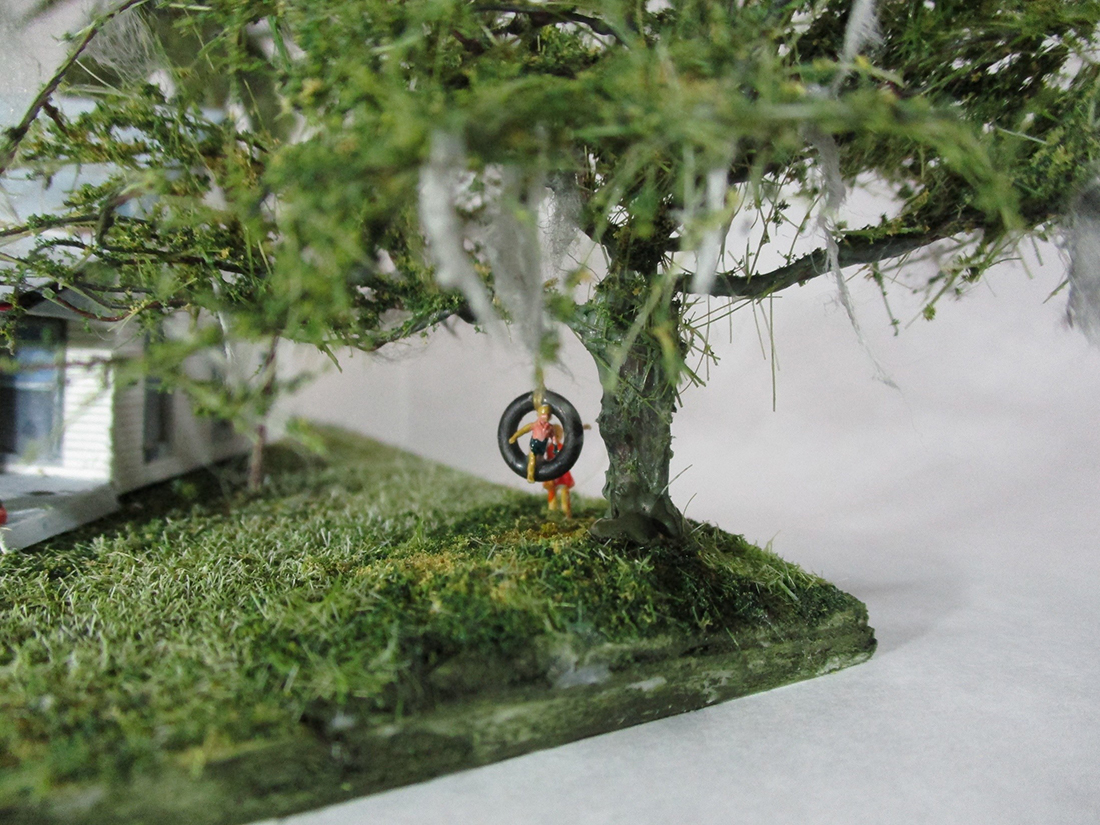
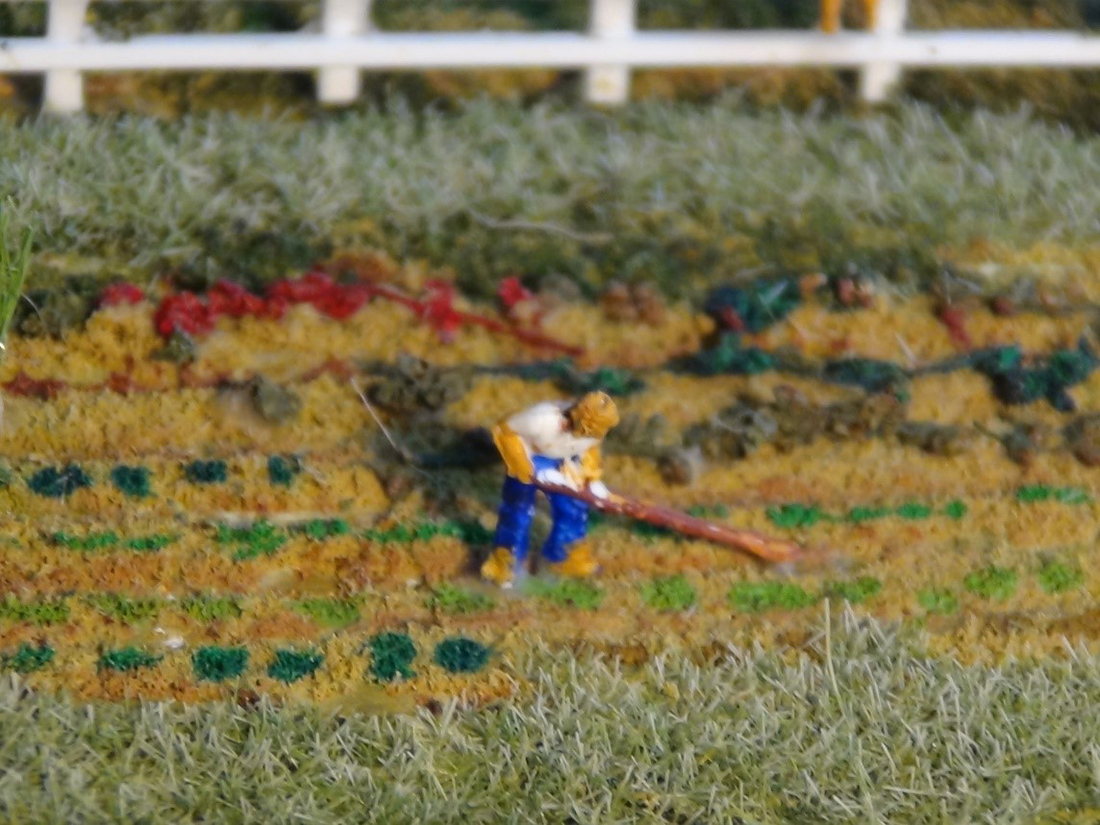
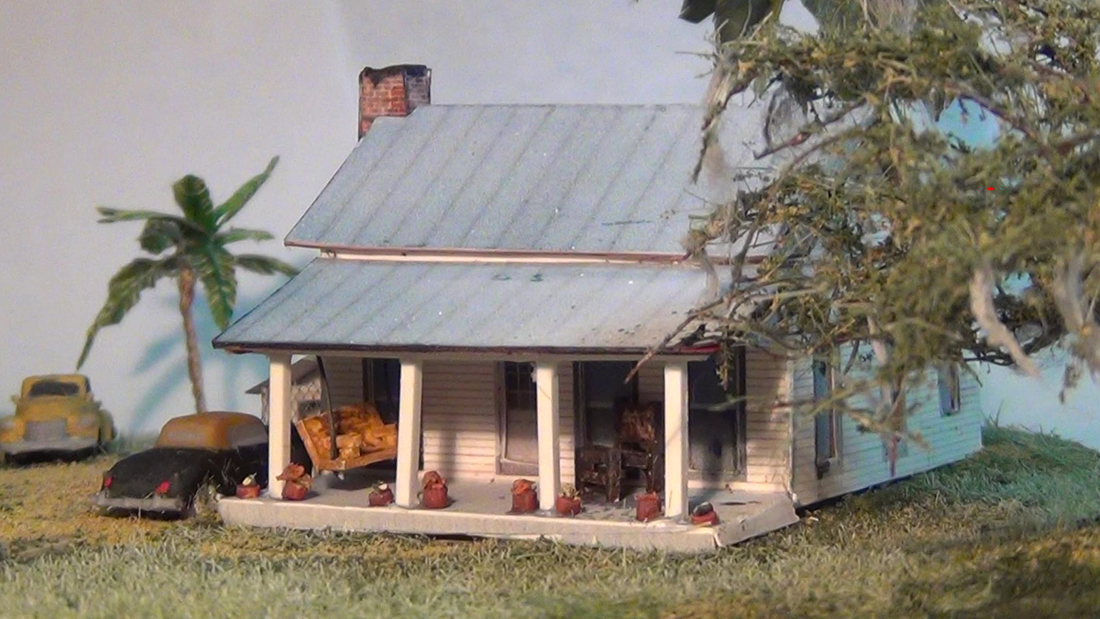
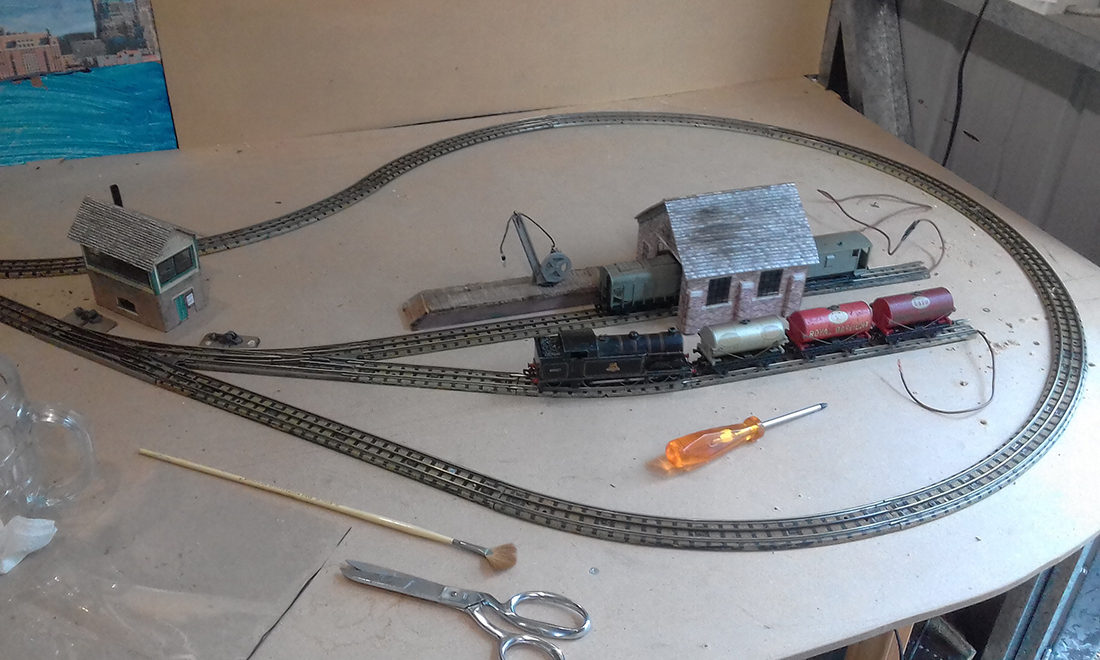
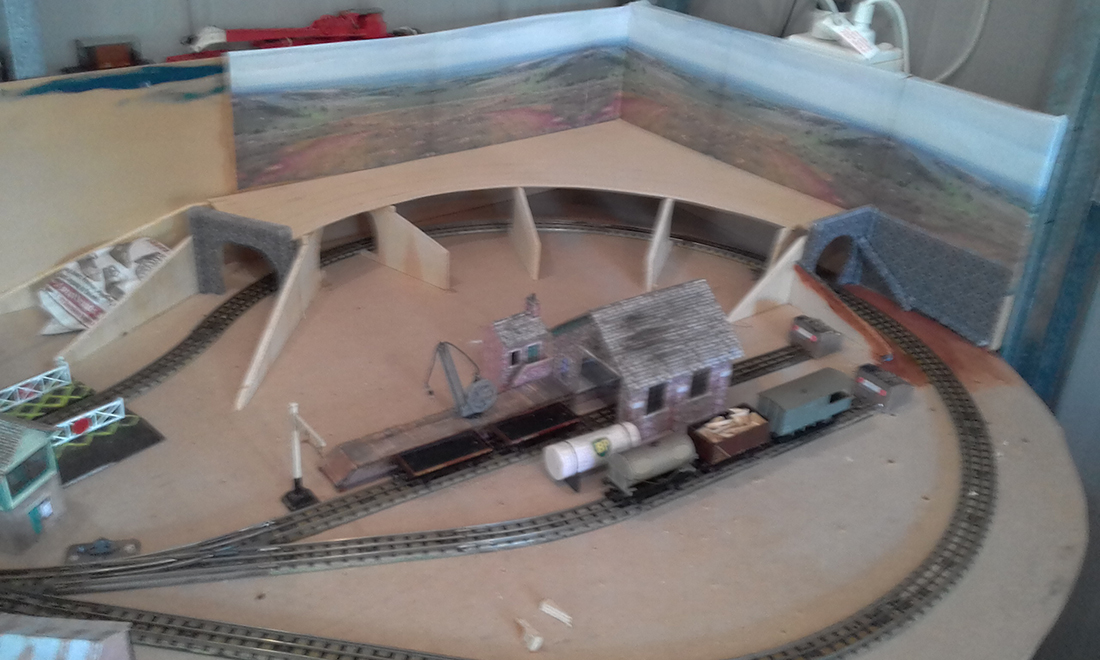
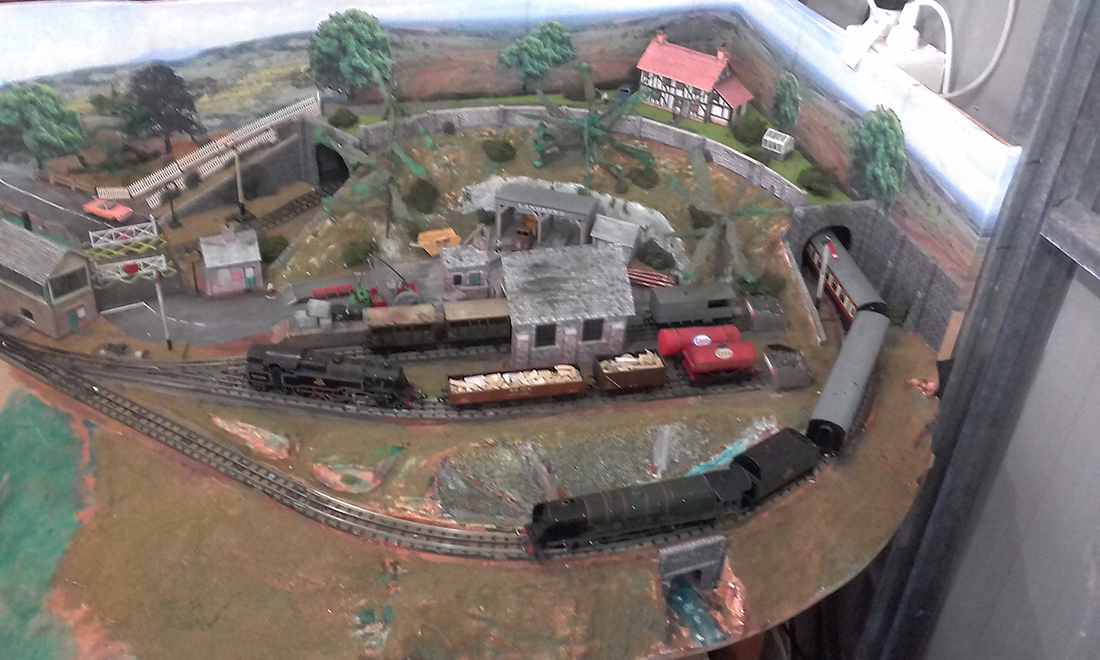
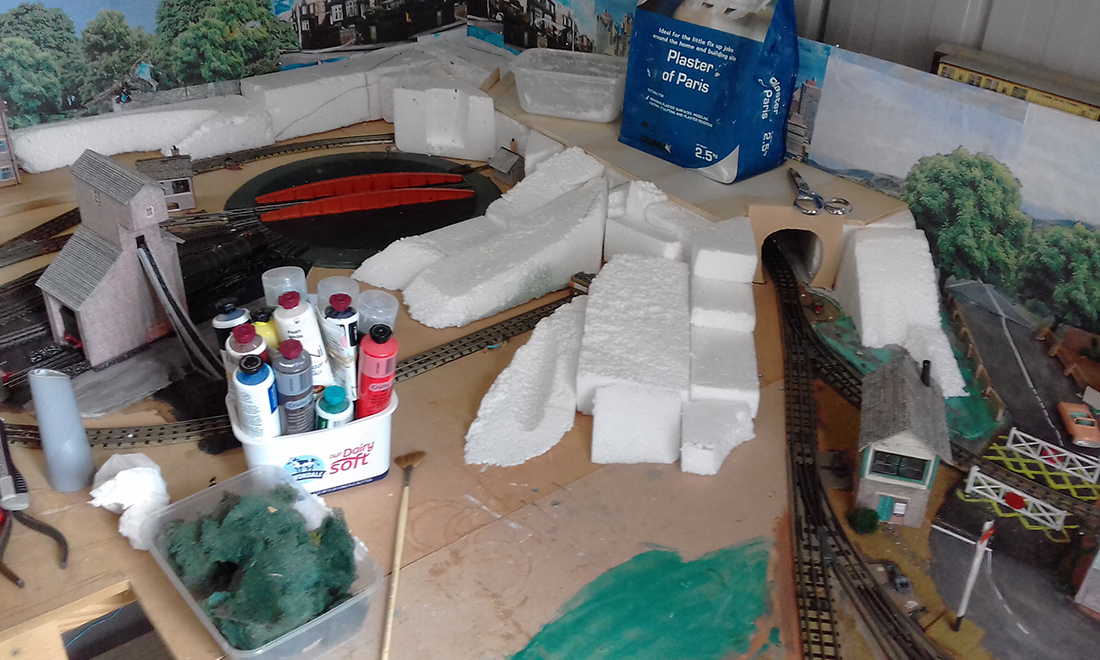
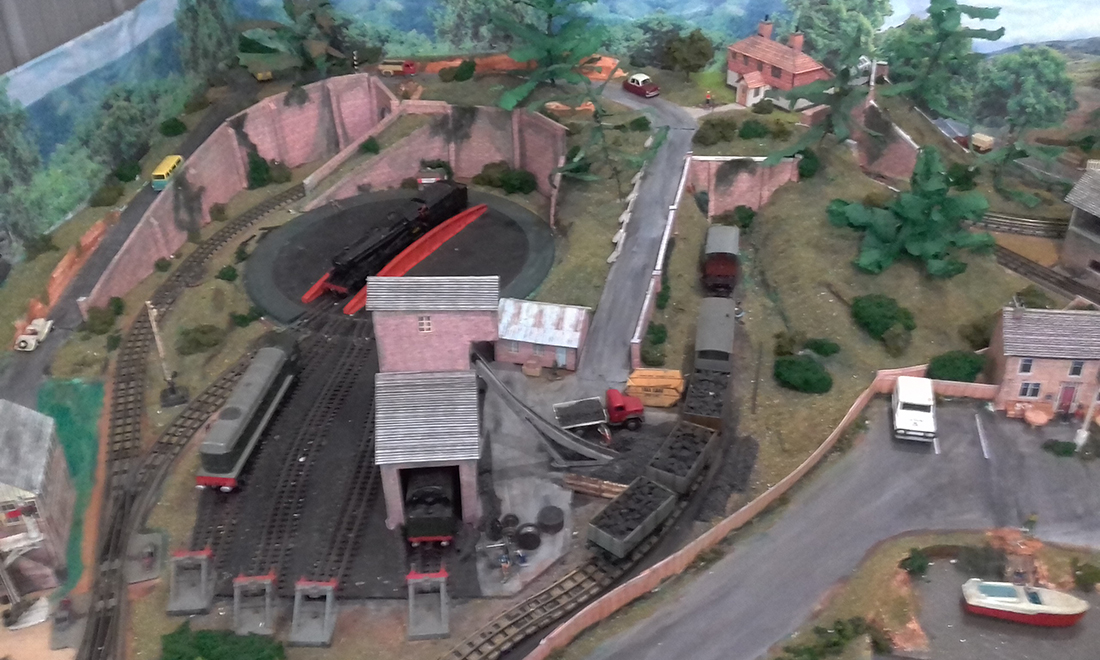
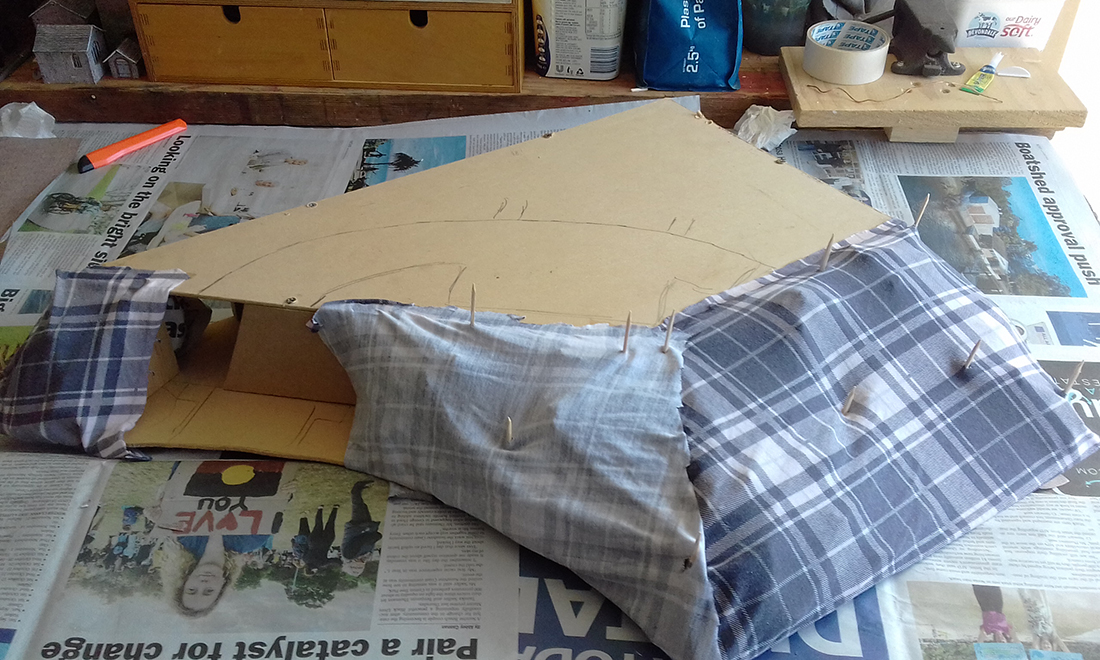
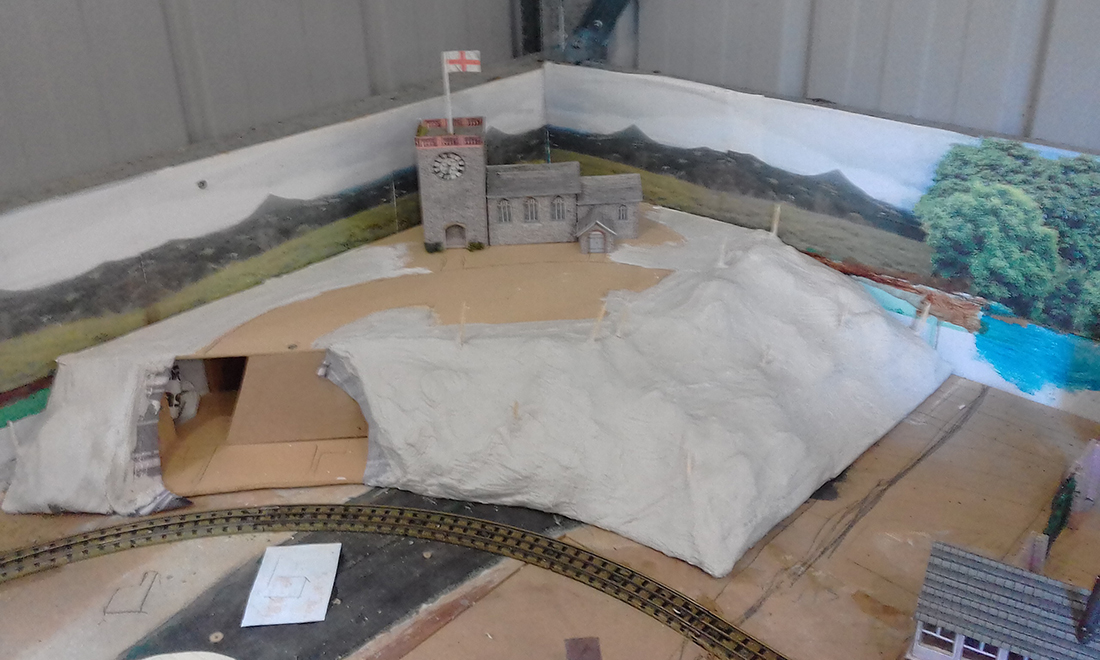
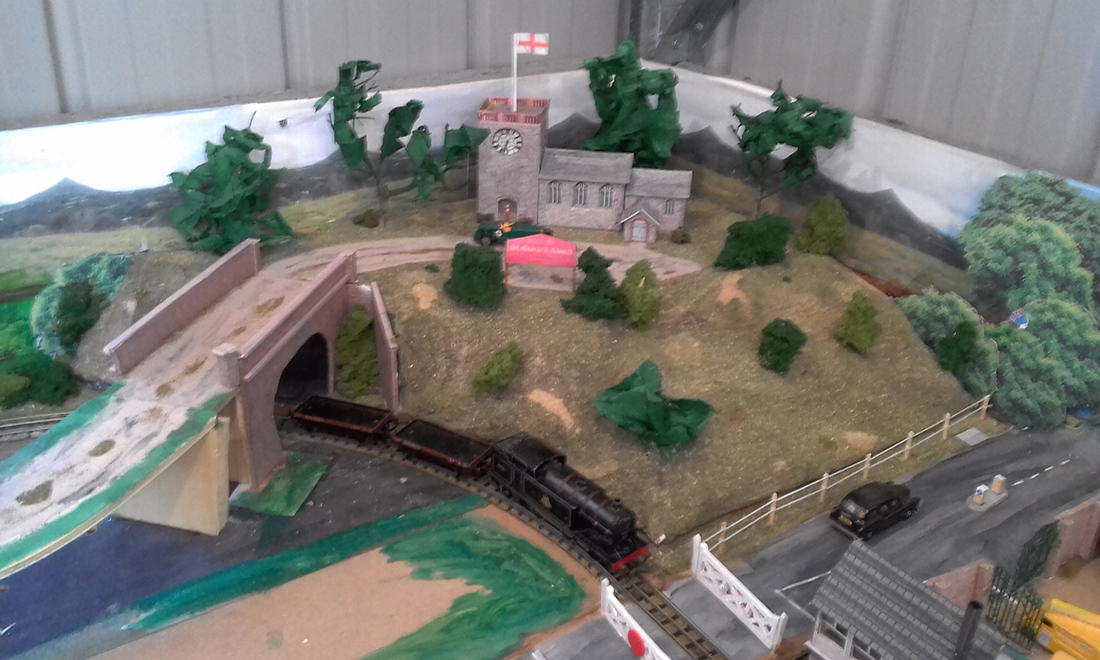
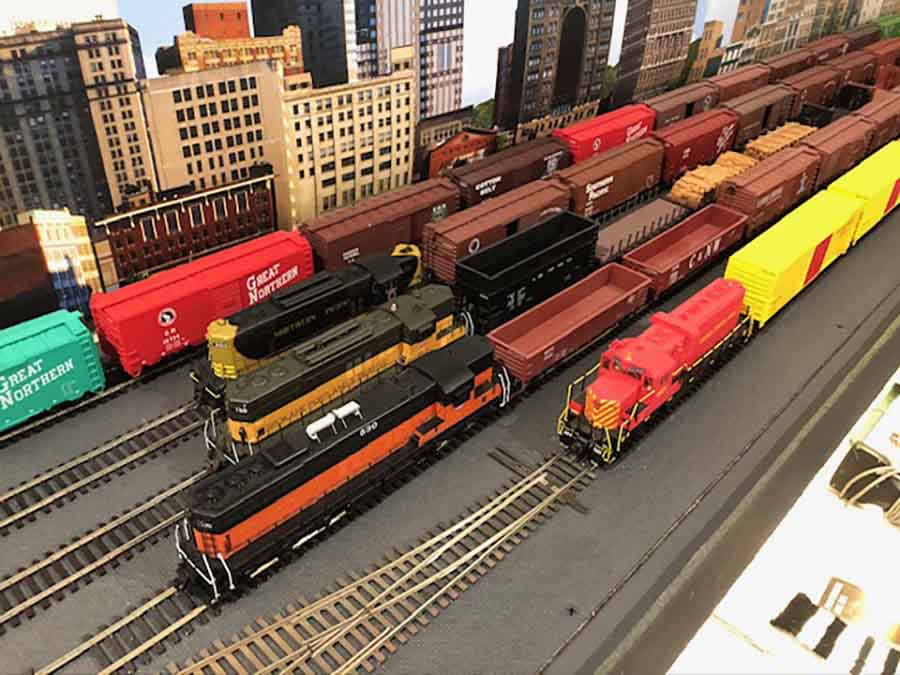
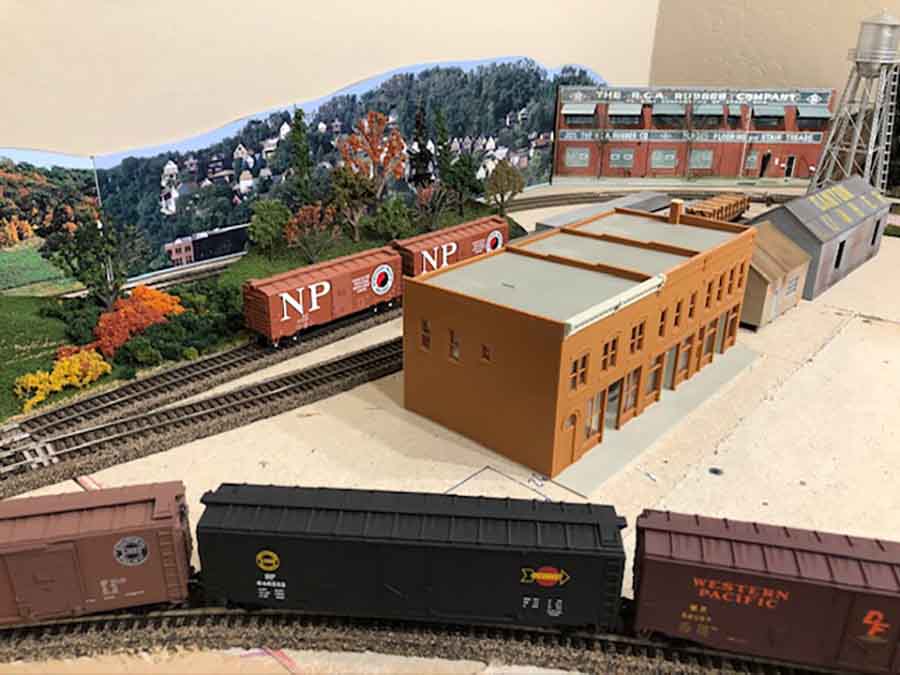
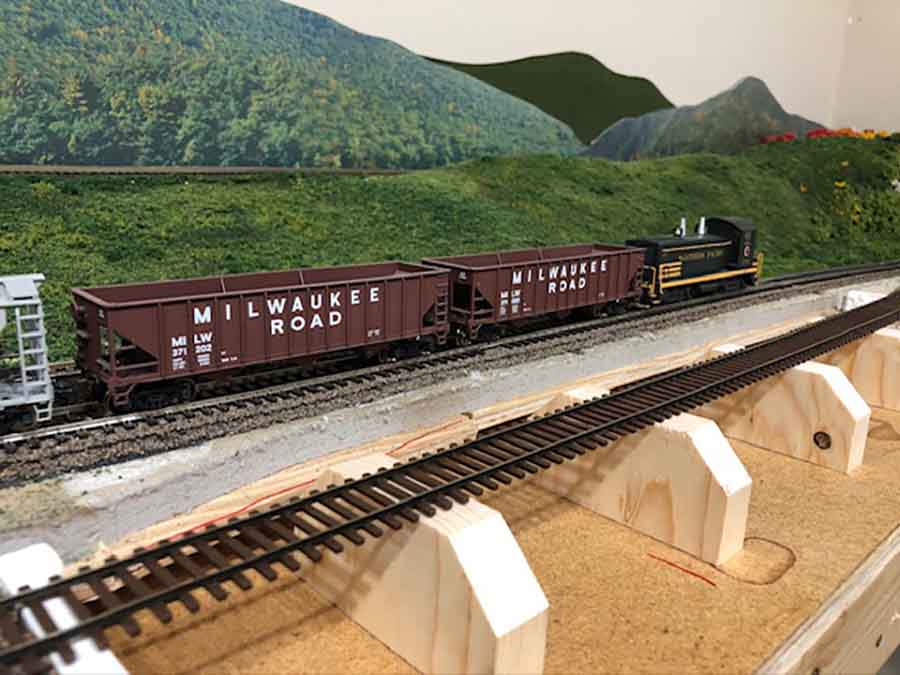
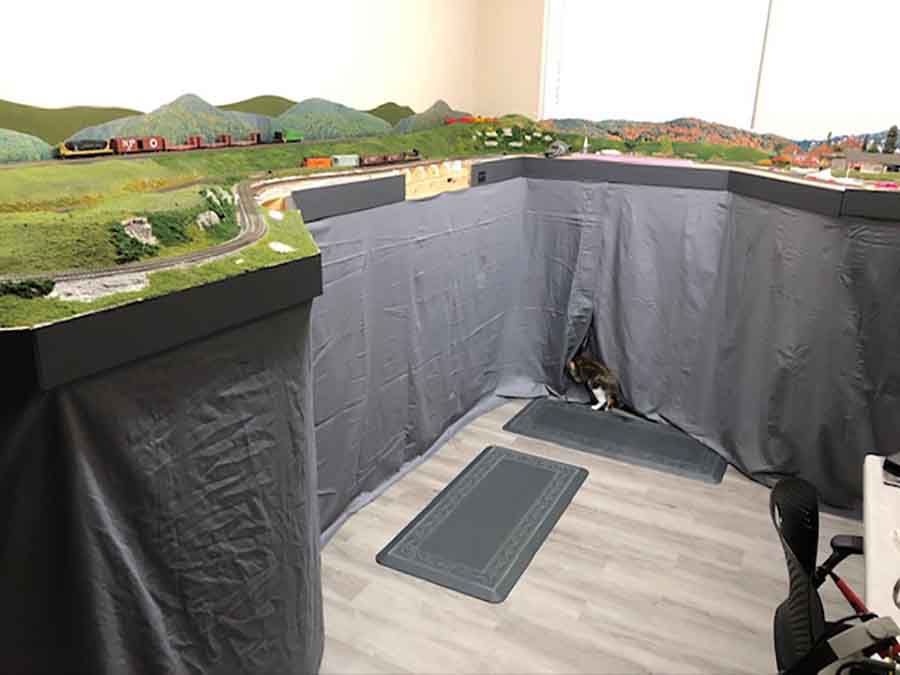
David has been in touch with his HO scale train layout 6×4:
“Hi Al,
Thanks for all your blogs.
I started to build my layout about 6 years ago when I retired. It really just evolved, starting on the dining room table, then grew legs. Of course, starting as a novice I made many mistakes as we all do.
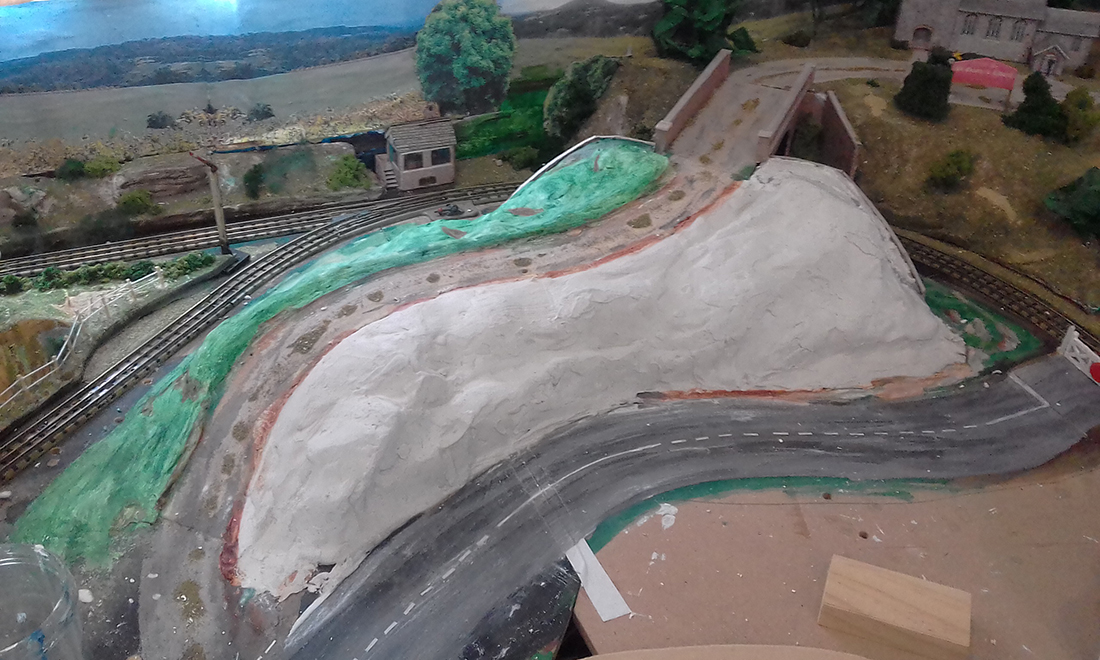
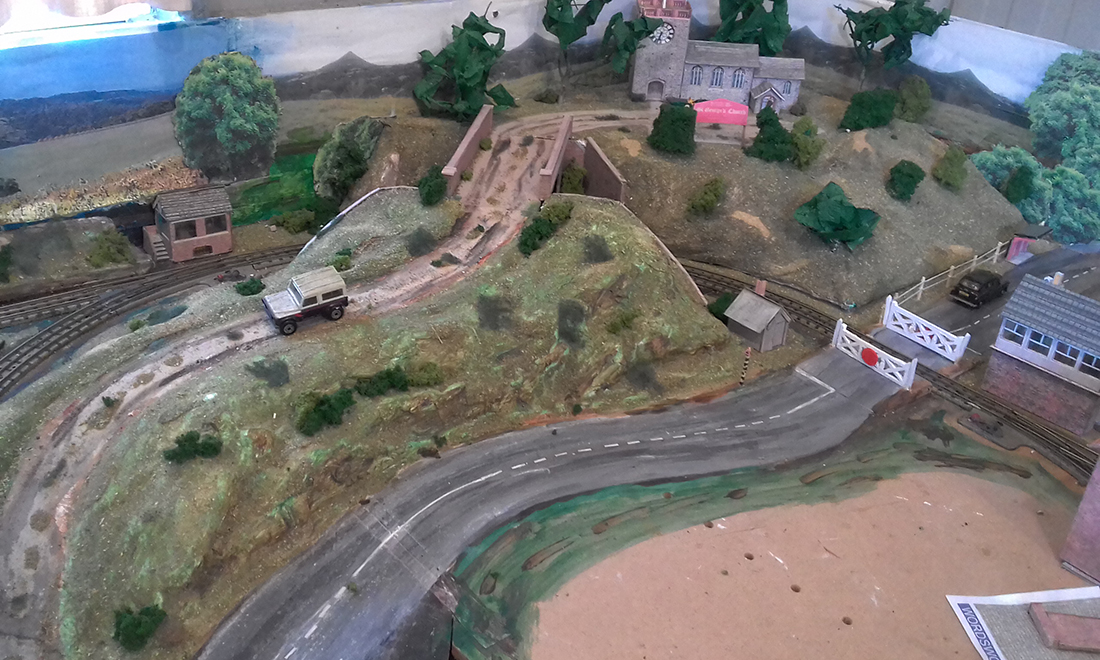
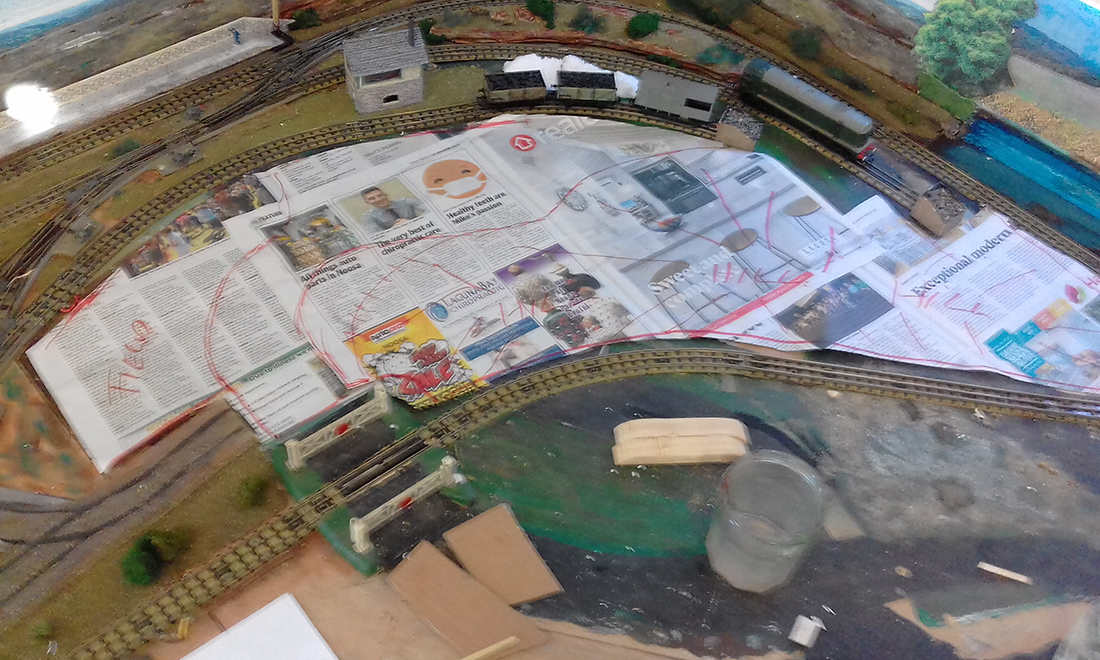
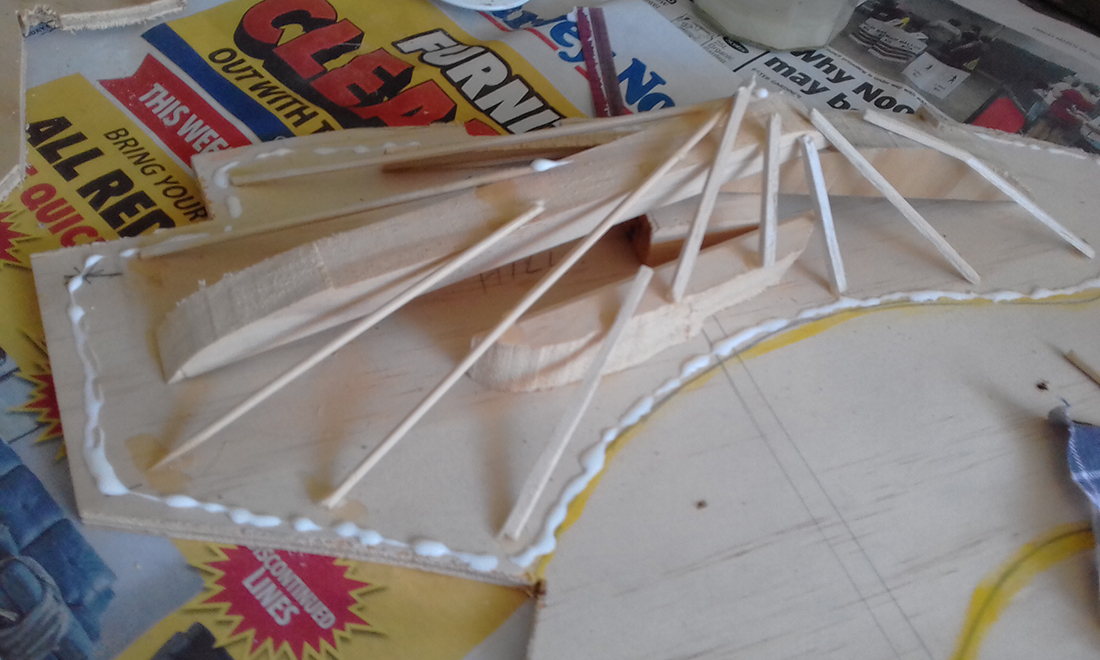
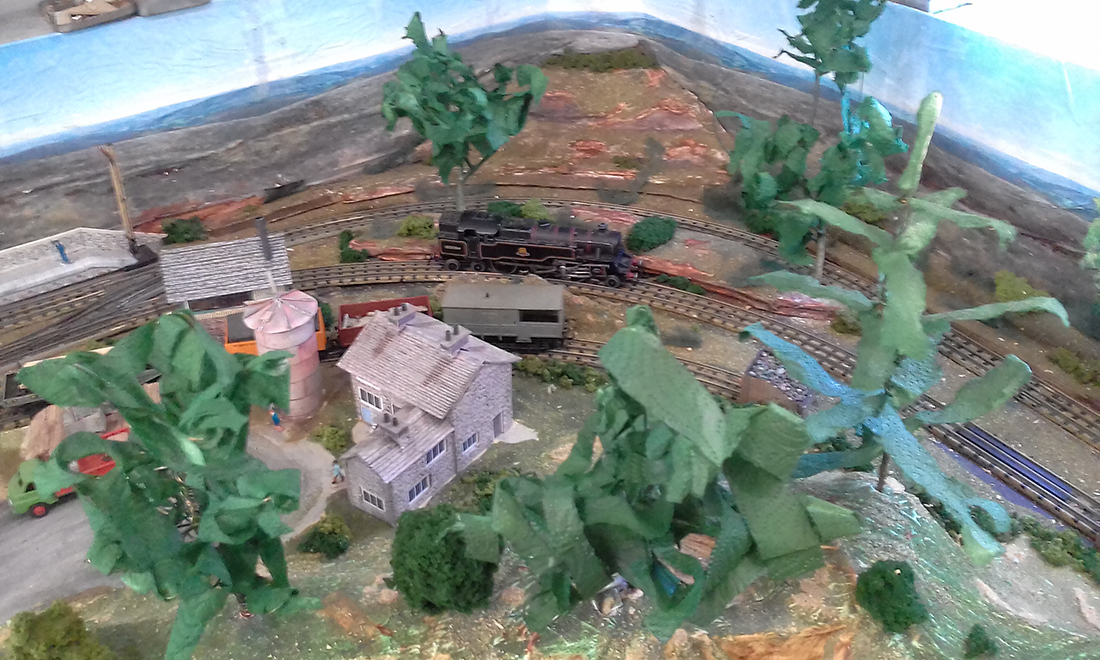
It’s a HO scale train layout 6×4 approx and was constructed using Peco code 100 set -track mainly to be able to shunt etc, using #2 curves as the smallest radii.
“Karrawidgee” (a fictitious town} is based on the Mallee type of vegetation found in the Western part of Victoria in Australia and is fairly accurate re Victorian Government Railway infrastructure.
It is all scratchbuilt including the vegetation which is Cedum plants and vitamised foam rubber. The vegetation was planted individually recently as we endure COVID19 lock-down and must admit was over it by the time I finished.
I started the layout with the river taking a lot of space and found I had to make many bridges to fit track in. All trestles are a different height and grade and constructed from the Vic Railway drawings to scale.
As a boy we lived near a railway branch line and the goods yard was my playground, so I guess it’s a bit nostalgic.
I have tried to make it as realistic as possible. Layout #2 will be in the NE of Victoria with new challenges in vegetation with many timber trestle bridges.
Hope my HO scale train layout 6×4 is of some interest.
Cheers,
David”
A huge thanks to David for sharing his HO scale train layout 6×4 – I loved it. Please do leave a comment below if you did too.
You can see more HO scale train layouts here.
Now on to John:
“Hi Al, (From a longtime follower and great admirer)!
My love for trains started about 60 years ago and some of the trains on my layout today are some of my originals as well as my wife’s.
That HO train hobby stopped when I got my drivers’ license and was rekindled when our first daughter was about five years old. That lasted for about another 10 or 12 years when my wife packed everything up and neatly put them in the attic.
When the third generation was coming for Christmas about five years ago my oldest daughter called and said “Dad why don’t you put up the trains for the kids!” Luckily the trains were still in good shape and I had about six weekends to build a 4 x 8 layout. When the kids showed up for Christmas, it became immediately obvious that it was all worthwhile.
After the holidays I realized it was time to build a much larger layout. And I will admit it was not only for the kids!
My HO layout is called the Wismer Valley Line. The following objectives informed my plans:
1) Replicate to the extent possible, very long American freight trains, pulled by multiple locomotives, up long grades.
2) Focus on the specific shape of the plan and get as many trains as possible running concurrently.
3) Incorporate the vintage trains into the plans. FYI – The major Railroads on the layout are from areas of the country where my three daughters have lived as adults.
Maybe as important as anything, make my own rules. e.g. It’s OK to have the Pennsylvania RR running alongside the Union Pacific, at least in my barn!
The first thing I did was get your beginners guide!! This is a tremendous resource even if you have previously built train layouts.
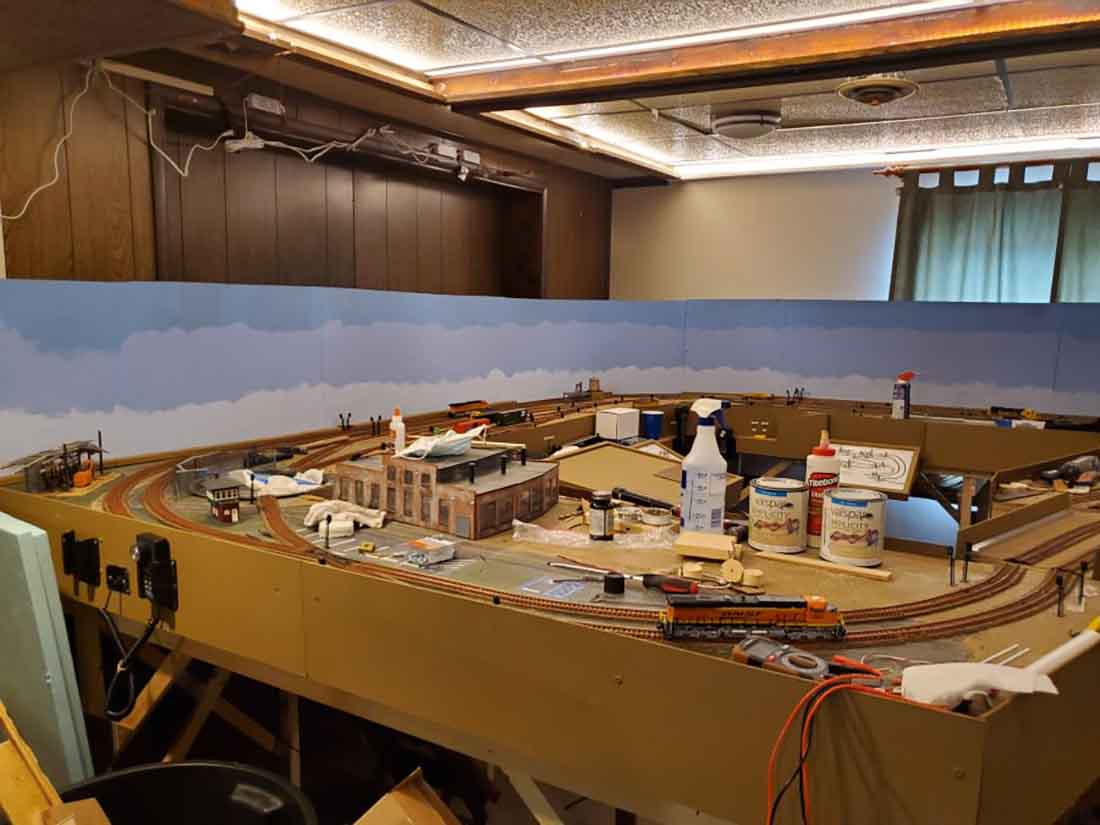
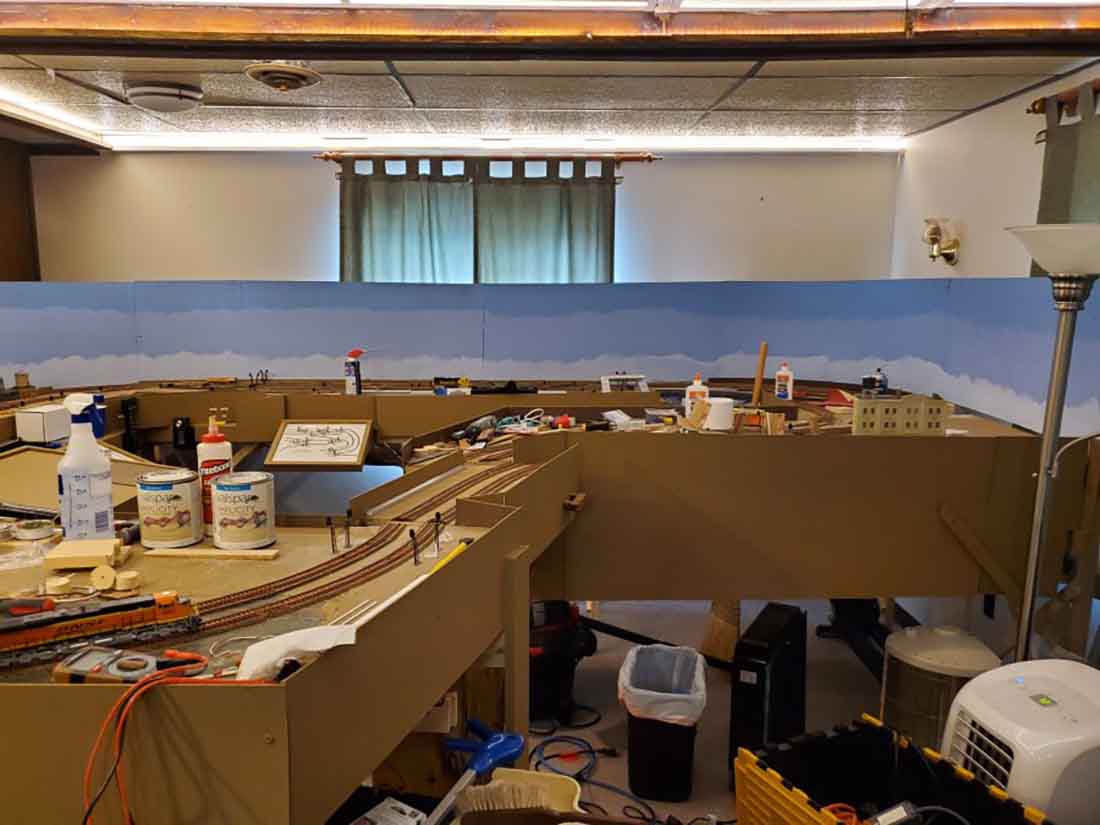
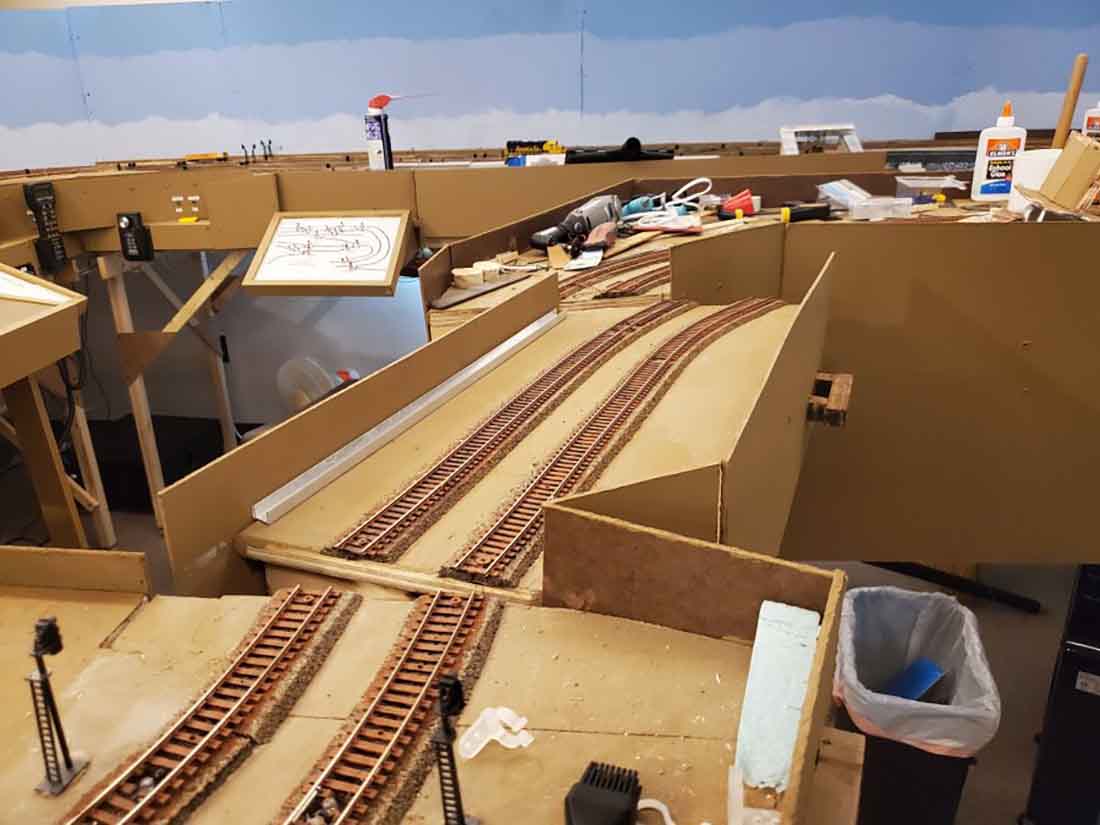
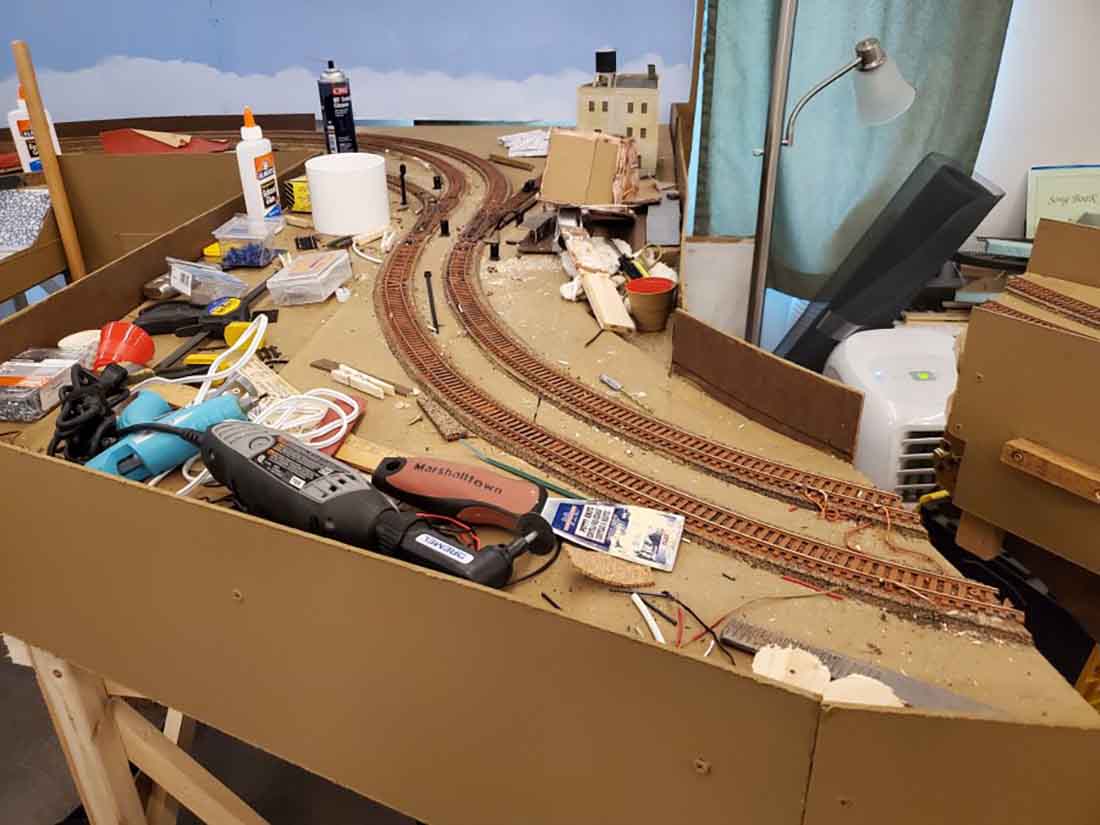
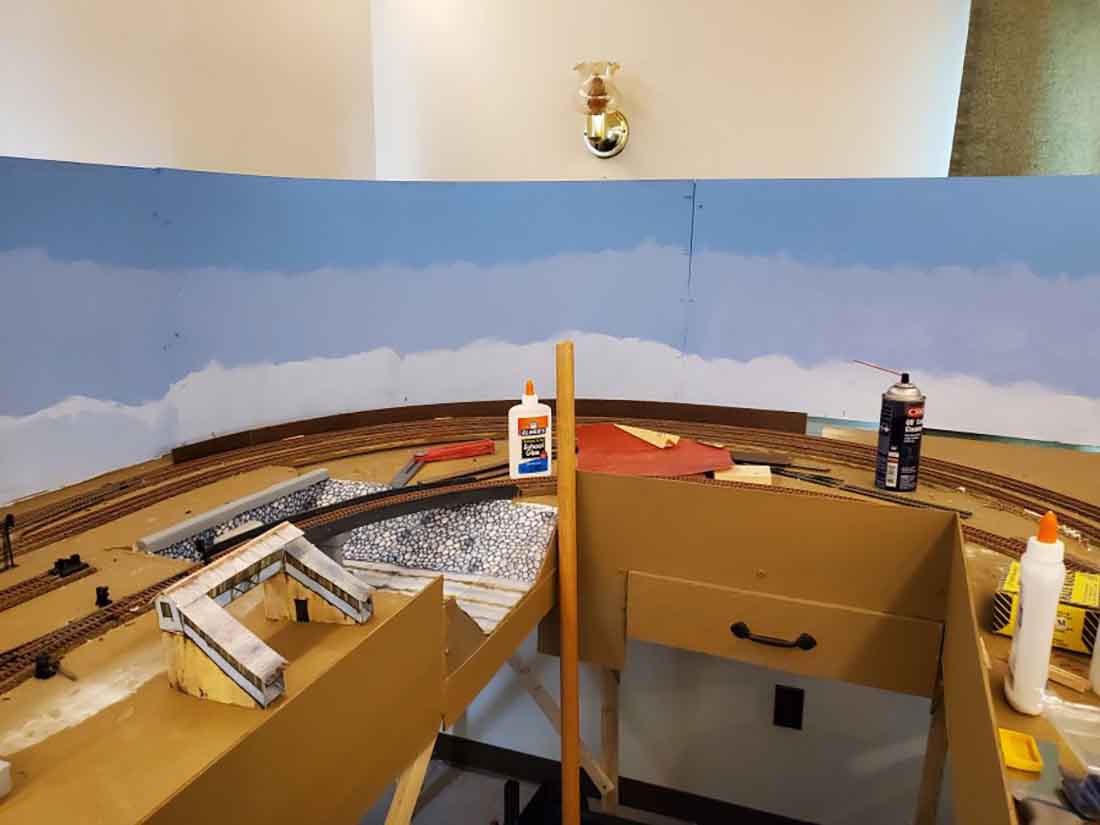
Secondly, was to find someone local willing to give me ad hoc advice. This advice began with the key suggestion to avoid grades (especially curved ones) if I wanted to pull long freight trains and avoid derailments. I opted for a bi-level layout. Overall size is approximately 17 feet long and 11 feet wide at the widest point. The shape was dictated by the interior of the space including doors on either end.
The longest freight train, on the upper level outside track is pulling about 60 cars, using four locomotives (NO dummies!) in tandem (over 30 feet in total length). The rolling stock are from the late 1950s the early 1980s and the past five years (which included additional vintage railcar purchases on EBay).
I rebuilt about 100 of the vintage cars installing (Kadee) couplers and well machined wheels, along with new trucks when necessary. The wheels are critically important for long trains in order to minimize drag.
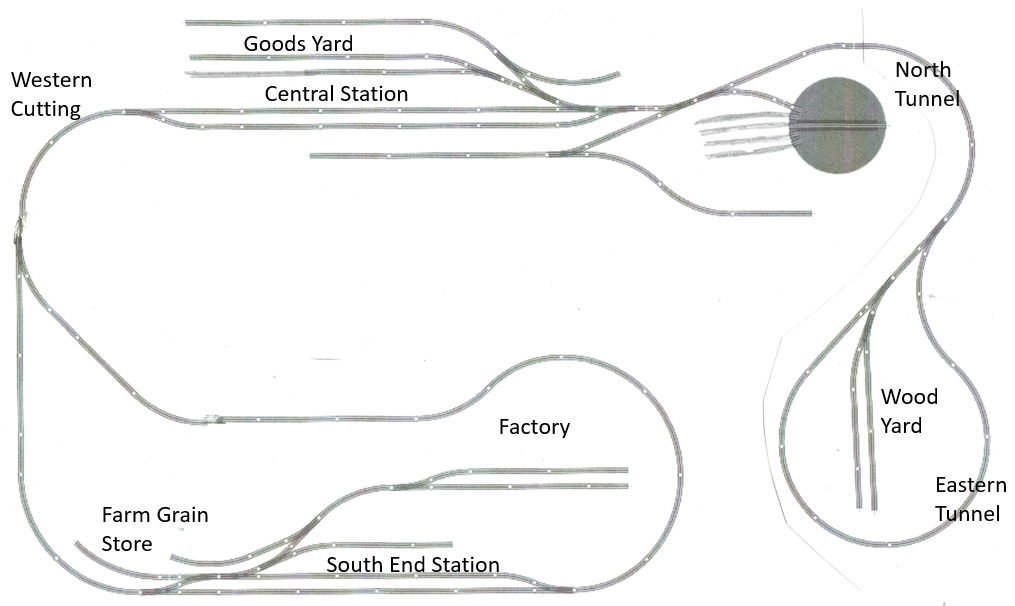
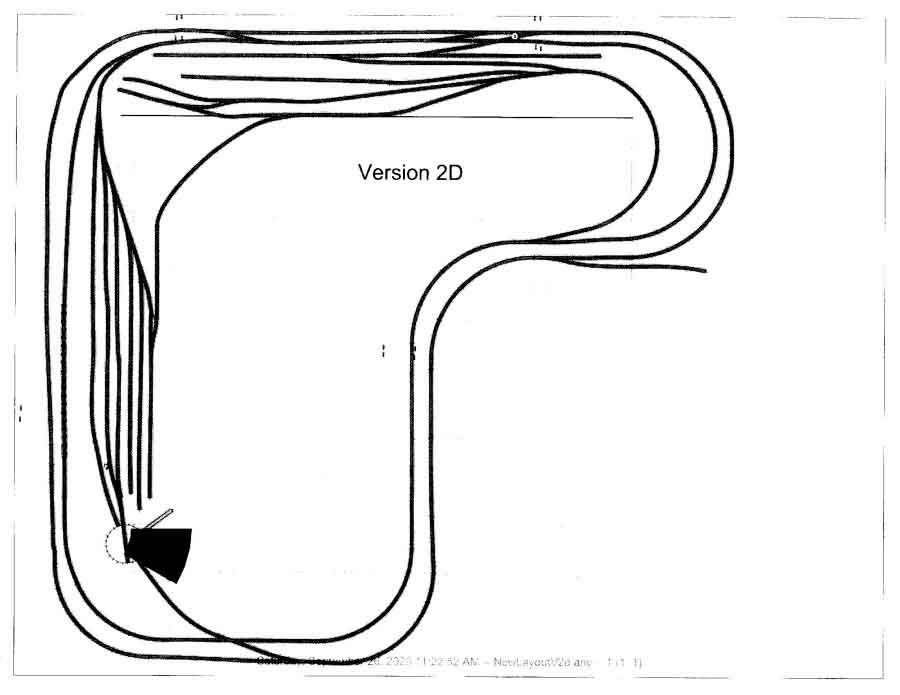
In planning the layout, as can be seen from the plans, I spent a lot of time working on the maximum radius that could be attained by each track. I am surprised to see that more of your readers have not mentioned this issue as longer locos simply can’t make it around tighter curves. Maybe it was just the unconventional layout combined with this many trains that created the issue. My original plans turned out to be invaluable as I used them constantly to measure and adjust the radius of each curve.
The deck is, bottom to top, plywood, Homesote, cork and then the tracks. All seams taped and spackled. Total weight exceeds 600 pounds.
My biggest engineering challenge was the concrete floor in the old outbuilding on our farm. It is neither flat nor level! The solution was to overbuild and use 24 heavy-duty casters so the entire layout can be pulled out from the wall to allow for total access. There are also 4 cutout/lift-out windows (which eventually will be disguised by scenery), where I go underneath and come up out of the hole, enabling me to reach every square inch of the layout.
I spent significant time making sure everything was as level as possible, despite the uneven concrete floor. When working on it, it is pulled out from the wall about 3 feet. When running it, it’s back in the corner. With all those casters, once I get them going in the same direction, it’s not too bad to move; and they have the added benefit of finding their own version of level.
The deck is 43 inches off the ground. If I did it over again it would be a couple inches higher to allow for easier access.
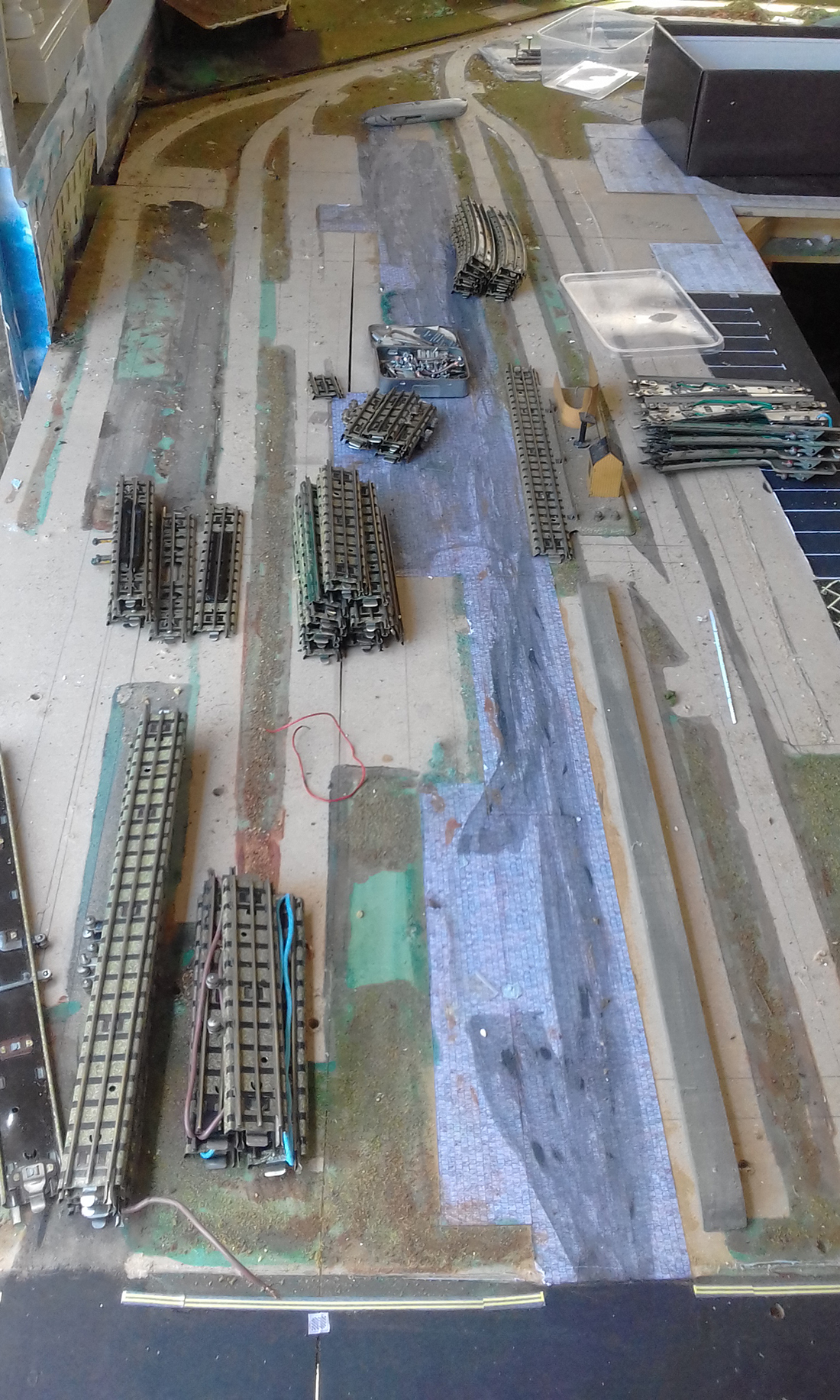
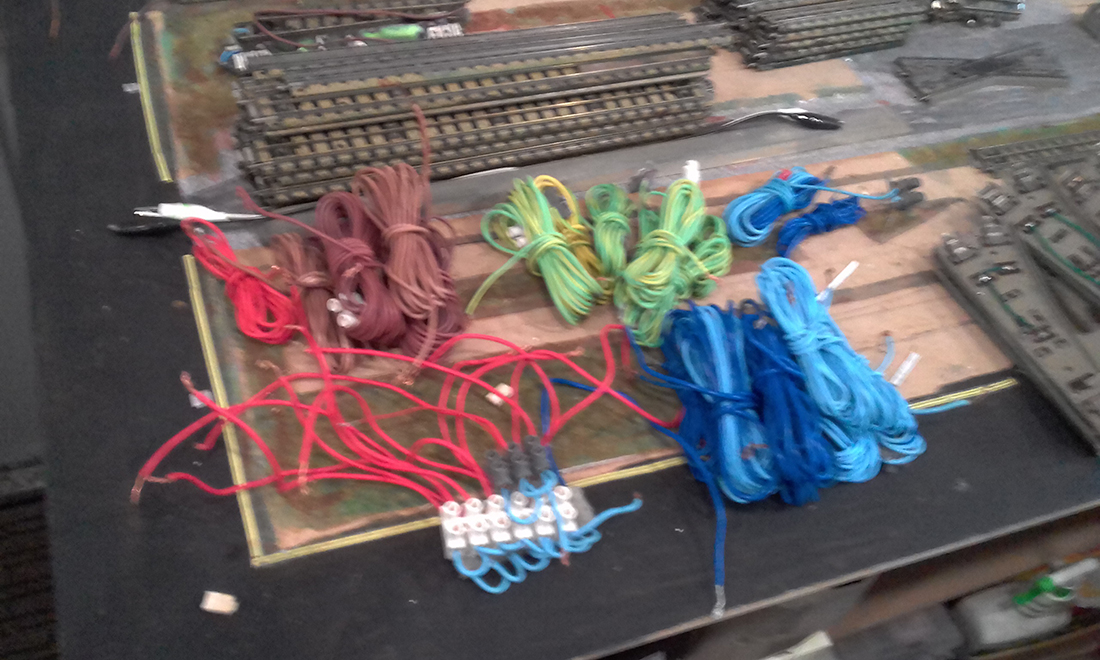
I’ve included a few photos of the plan, and build out as well as a video of the six trains moving at the same time, and a short video of how I test the track.
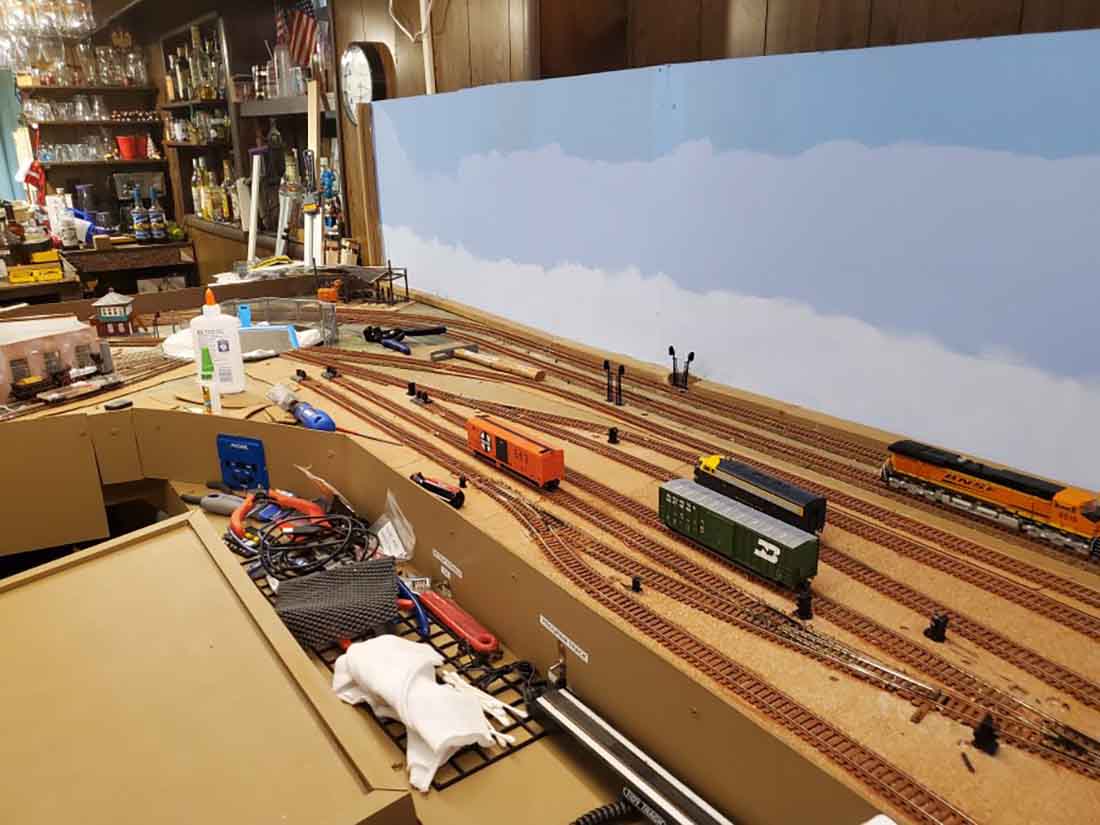
Original plans and beginning construction:
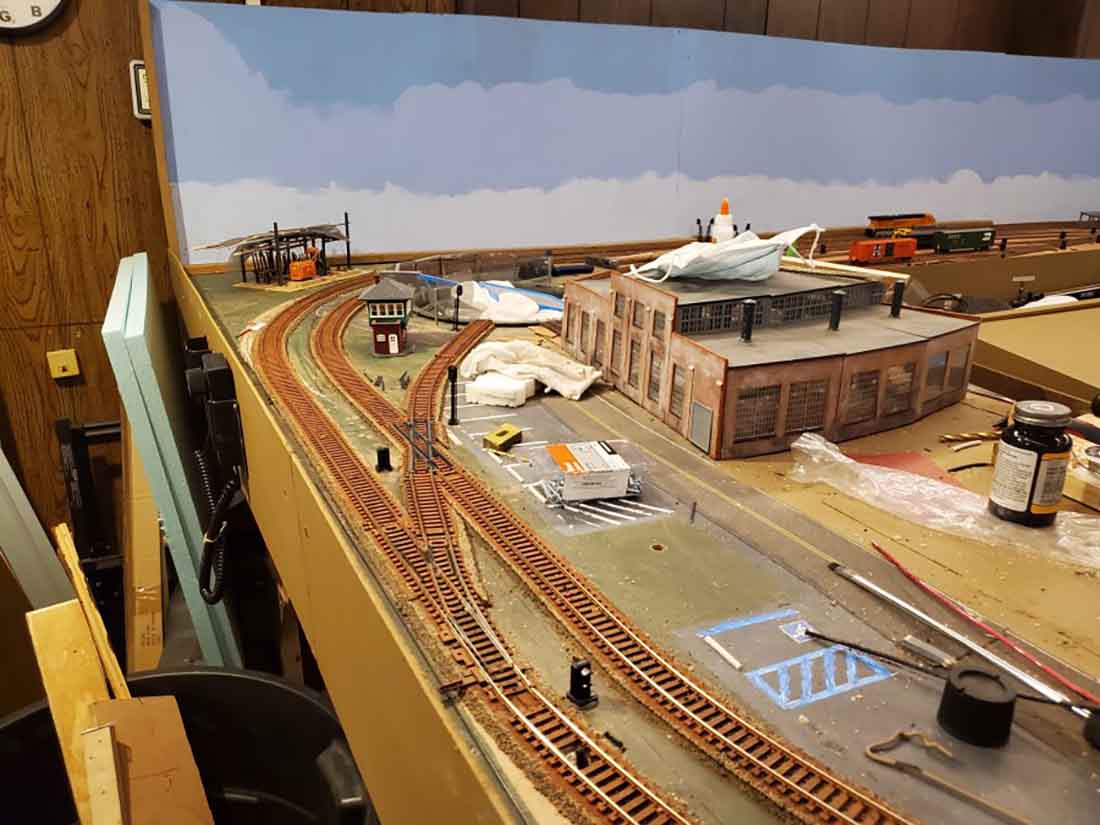
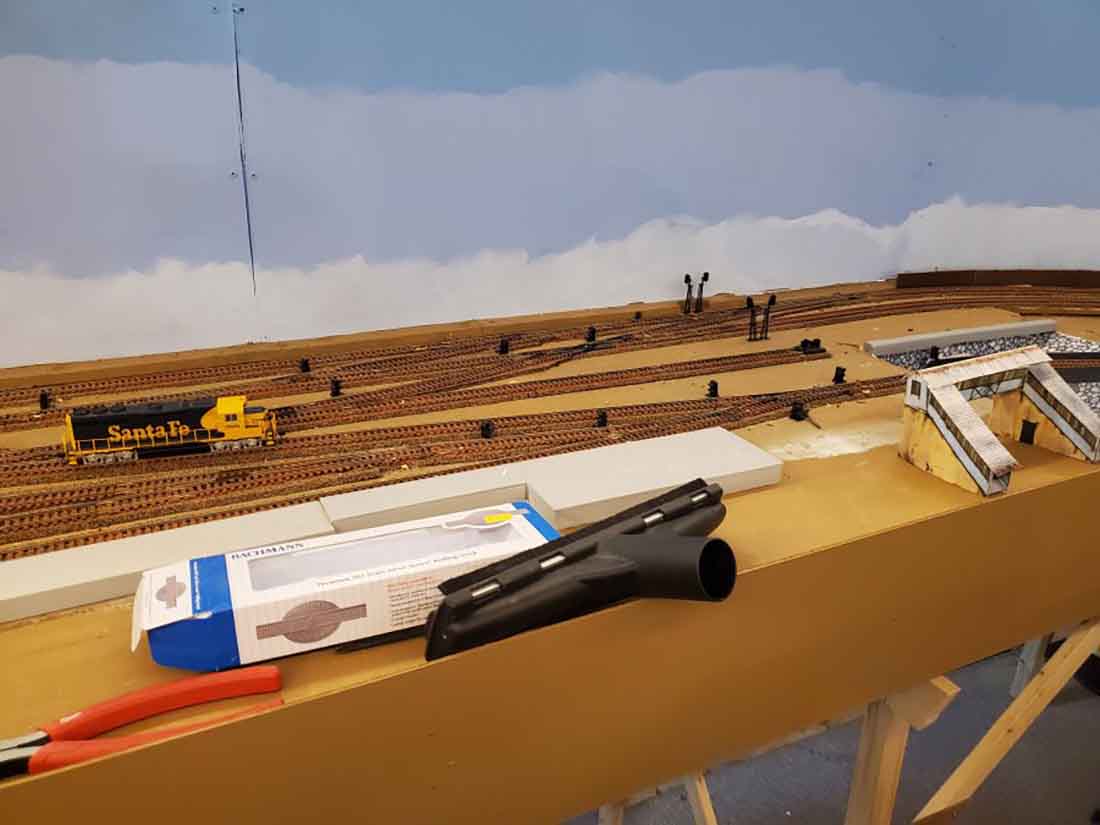
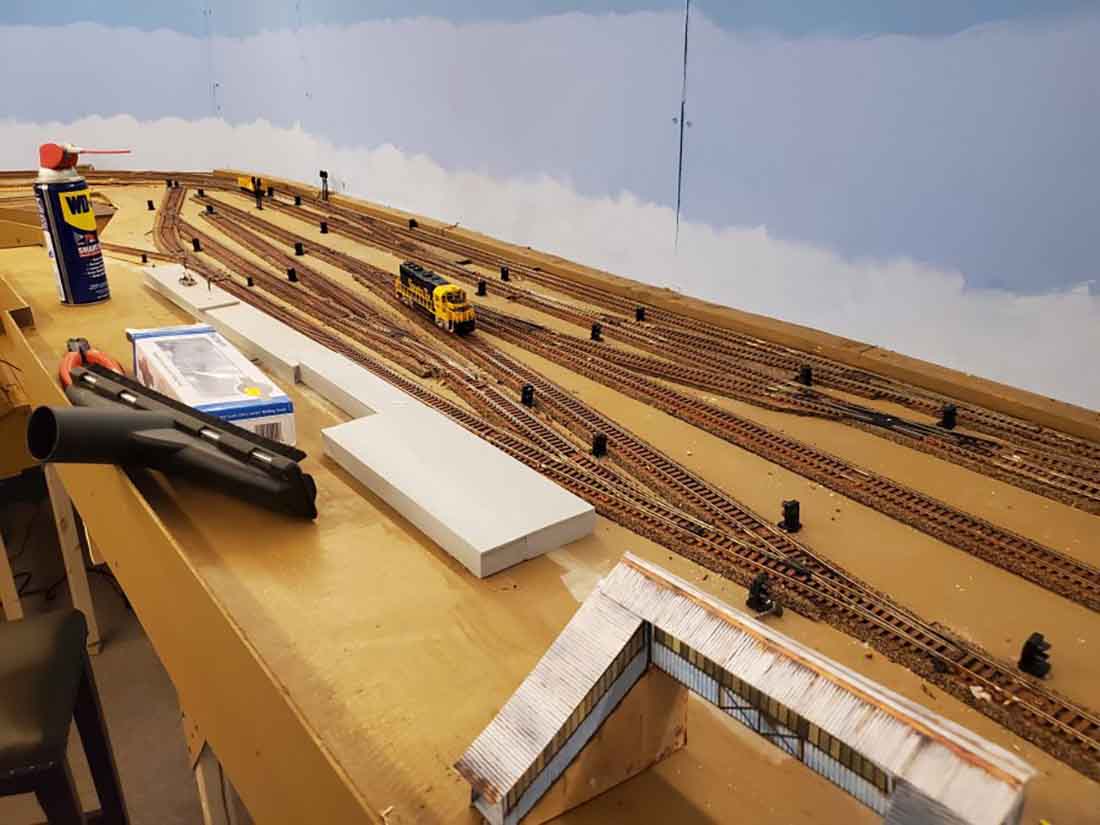
Construction continues:
Up and running:
This is how I test my train tracks:
Trains running:
Final notes: With all of the wiring required for the six separate train lines I wanted to make sure that the tracks were really laid down properly, before I commenced with the wiring. As you can see from the short video, I push one railcar and see if it makes it all the way around the track (approx. 40’) with no problems. I also listen carefully. Sound will tell you if there is something loose or out of alignment. Better to discover this, BEFORE you do the wiring!
Al, thanks again for this wonderful service you provide for all of us. So much of what you show is the perfect combination of sheer genius crossed with amazing creativity. Inspiring!
Jonathan
P.S. Now it’s time for the ballast, hills, sage brush, and maybe a few sidings, if I can fit them in etc. Perhaps I did this a bit out of order, but I really just love rebuilding old running stock and operating the trains!! You might ask, why not DCC? Well it is quite simple, all of my locos are DC and I don’t particularly care for new technology. Much of what I make these days is with hand tools (not electric). I have rushed for most of my life and find that making things by hand slows me down just enough to think about what I am doing…… before I do it! If that sounds like a rationalization, sobeit.”
A huge thanks to Jonathan – I love how he tests his track. So simple! What a joy to see all that rolling stock running.
It’s great to see more HO scale train layouts too. I think David’s HO scale train layout 6×4 is fab.
That’s all for today folks.
Please do keep ’em coming.
And if today is the day you get started on your layout, the Beginner’s Guide is here.
Best
Al
PS More HO scale train layouts here if that’s your thing.