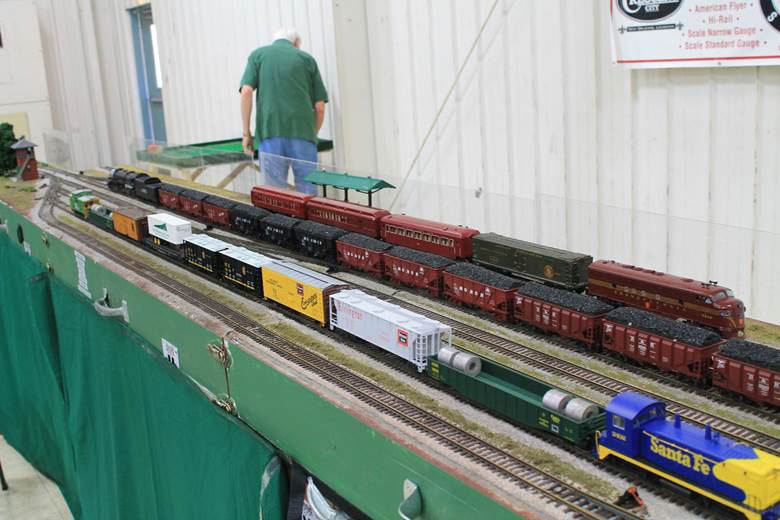
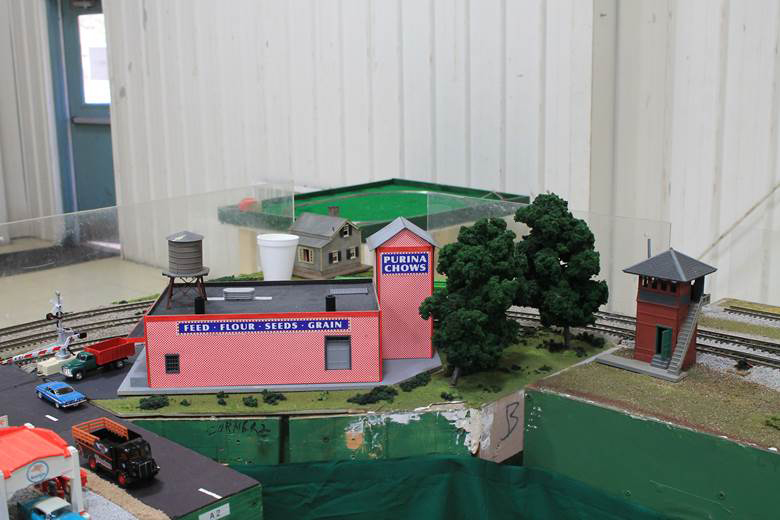
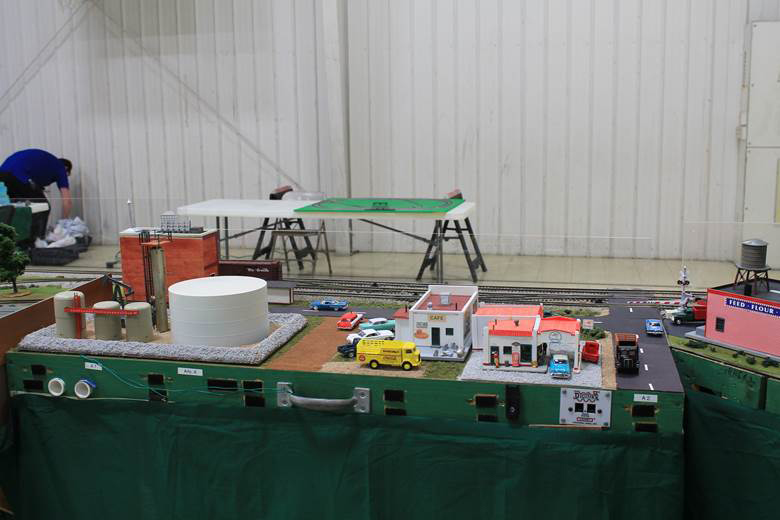
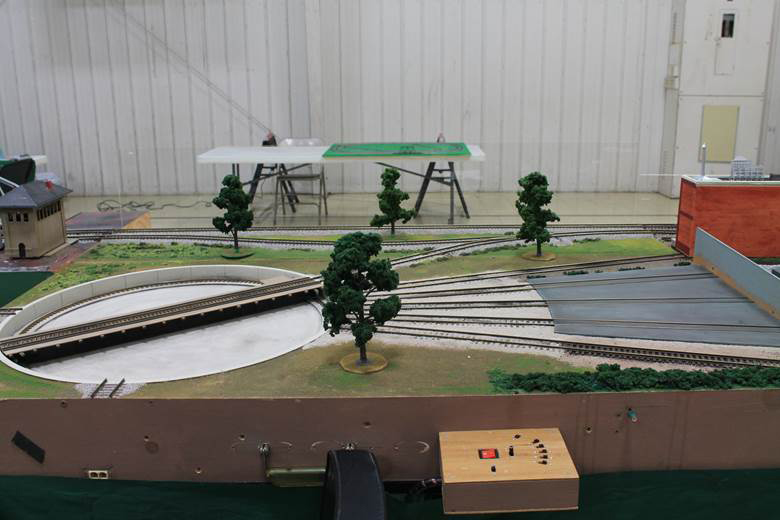
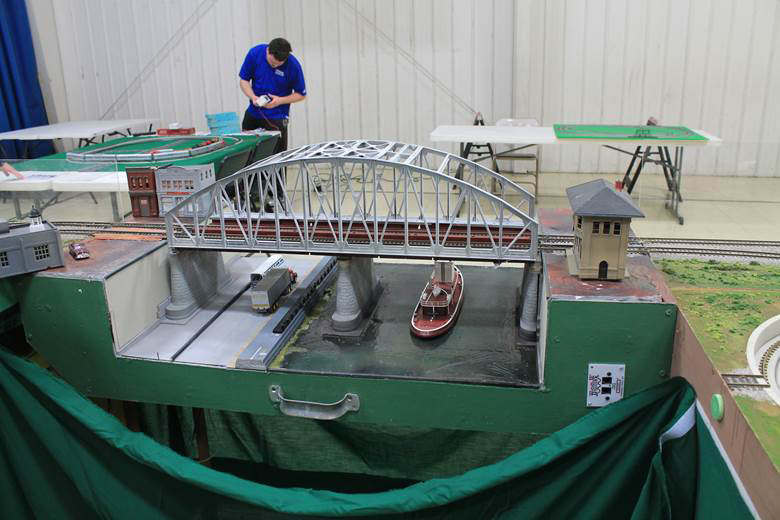
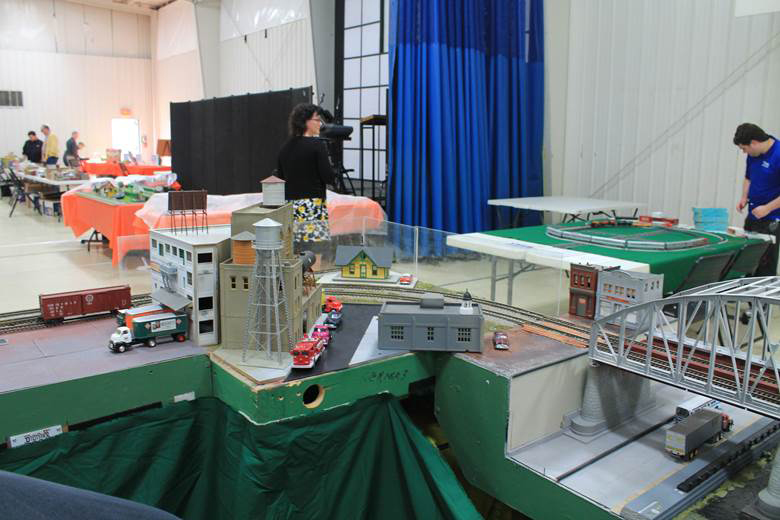
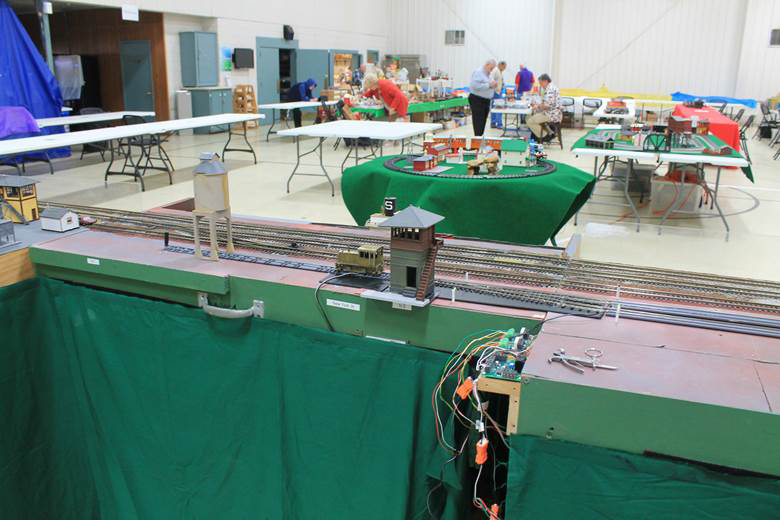
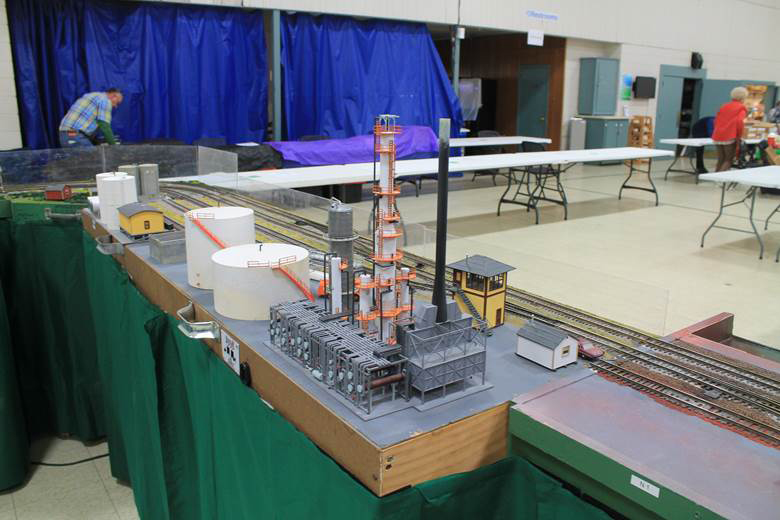
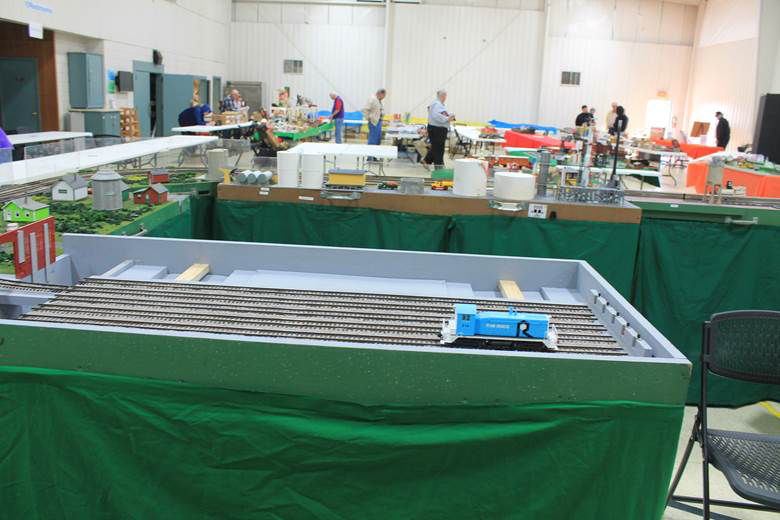
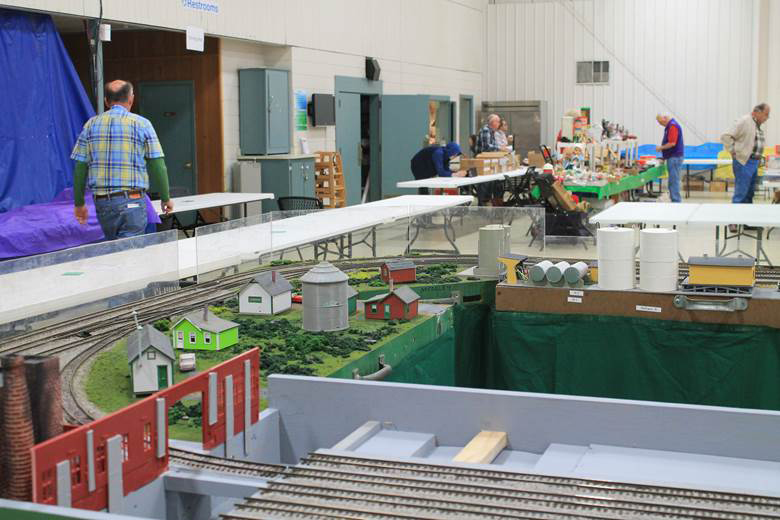
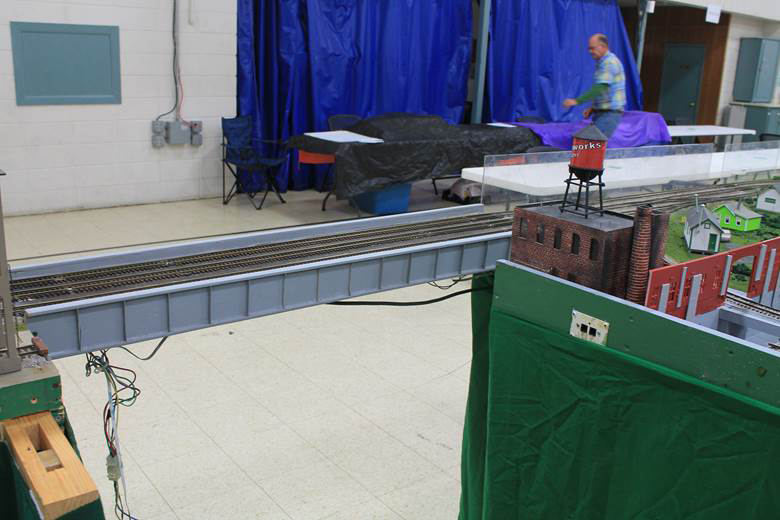
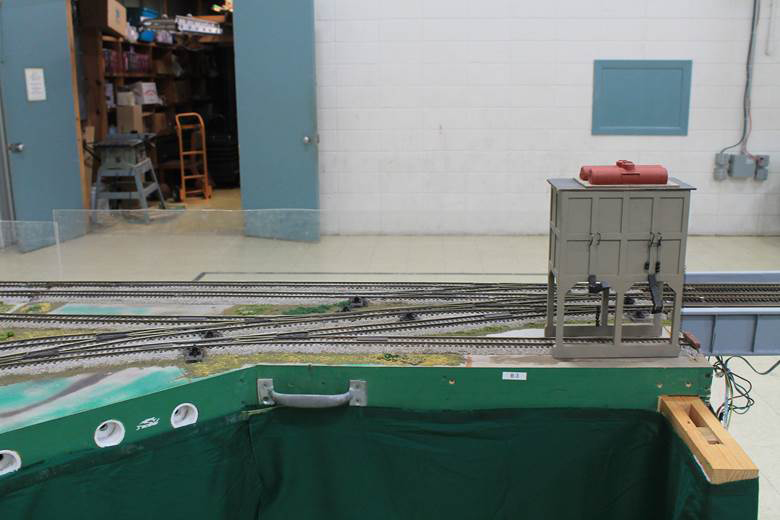
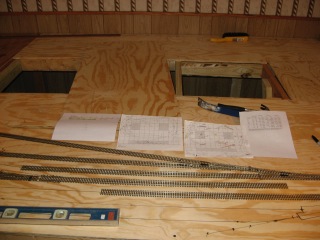
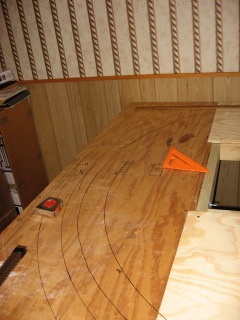
Joe’s been in touch again with his 27×10 HO scale layout. (If I’m not mistake, his last post is here).
“Hello,
I have been looking at all the layouts you’ve been sending, and they all feature something that is interesting.
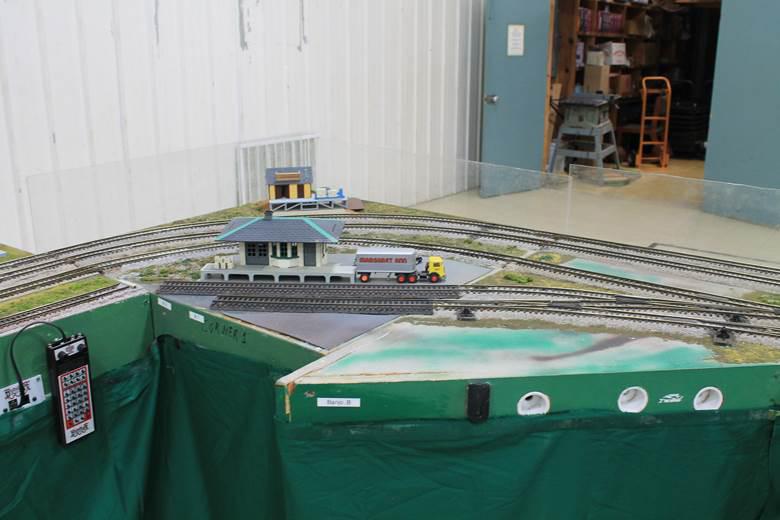
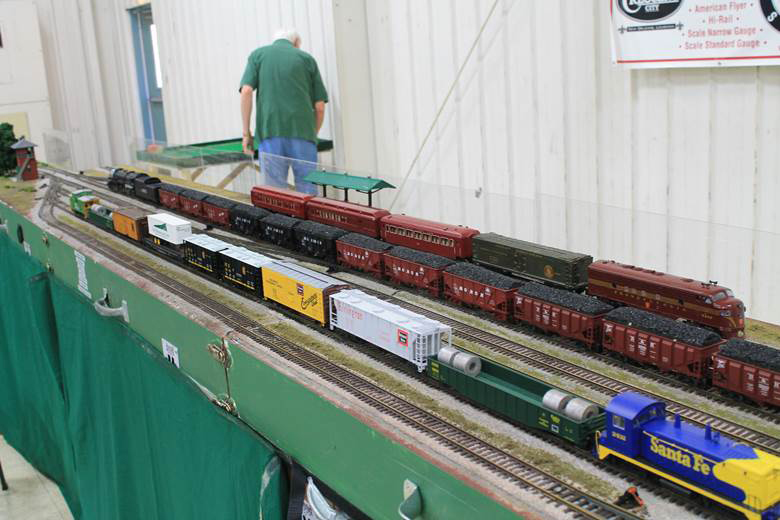
I am sending a video of my layout which I have been building for about 3 1/2 years. It is about 90% complete. It is a 27×10 HO scale.
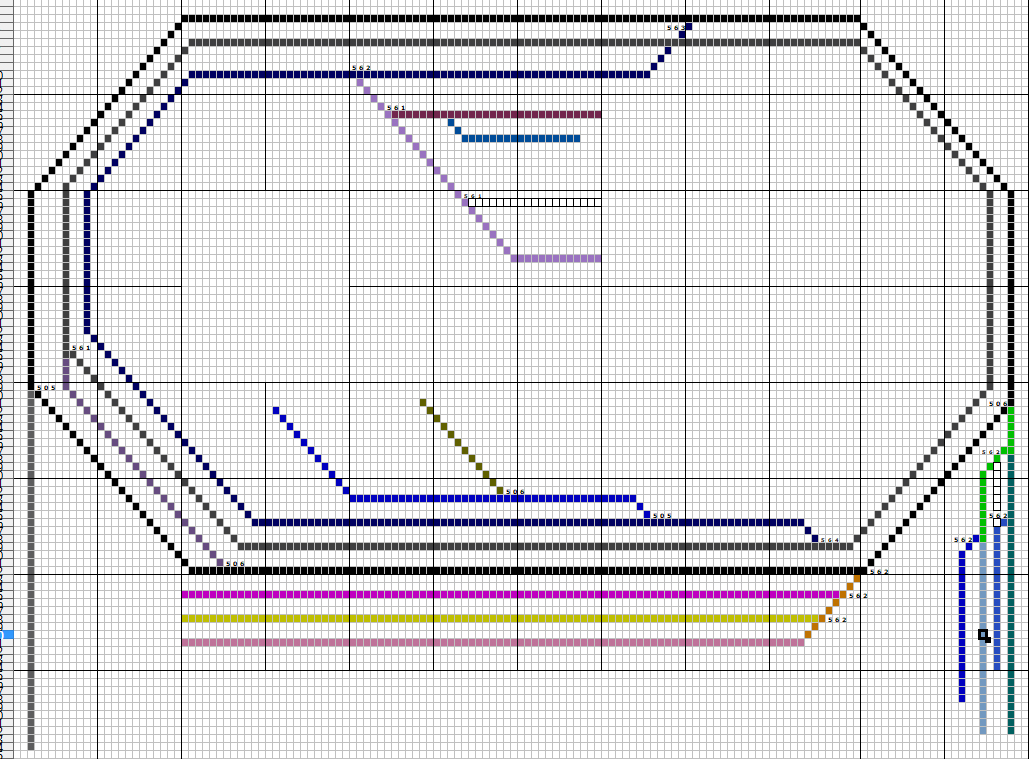
It features a single track main line that doubles back on itself several times to simulate a double track main line.
The passenger line features a commuter service that shares a single track in both directions.
All the landscaping was done from scratch. Much of the track is under the bench work and is accessed through three tunnel portals, giving the illusion that the trains enter the tunnels and go off to some distant point.
The below-bench track work also hides two passing sidings each for both the freight and passenger lines. These are used to alternate trains at random so that the sequence of trains differs. There is also a passing siding that is exposed to allow faster passenger trains or priority freight trains to overtake slower or non-priority freights.
There are several sections of the DCC layout that are operated manually, such as engine services, industrial sidings, and freight and passenger car yards.
But the main feature of the layout is that the freight and passenger main lines are computer controlled. I use a software application from CTI known as Train Control Language (TCL). For you programmers, it is based upon the C language.
All engine movements, sounds, signals, lighting, auto traffic lights, etc. are controlled by TCL. At any given time, up to 7 trains can run in automatic mode, and with the addition of engines being operated manually in the other sections I mentioned, the layout offers a lot of action when four operators and the yardmaster are present.
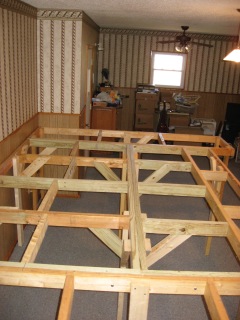
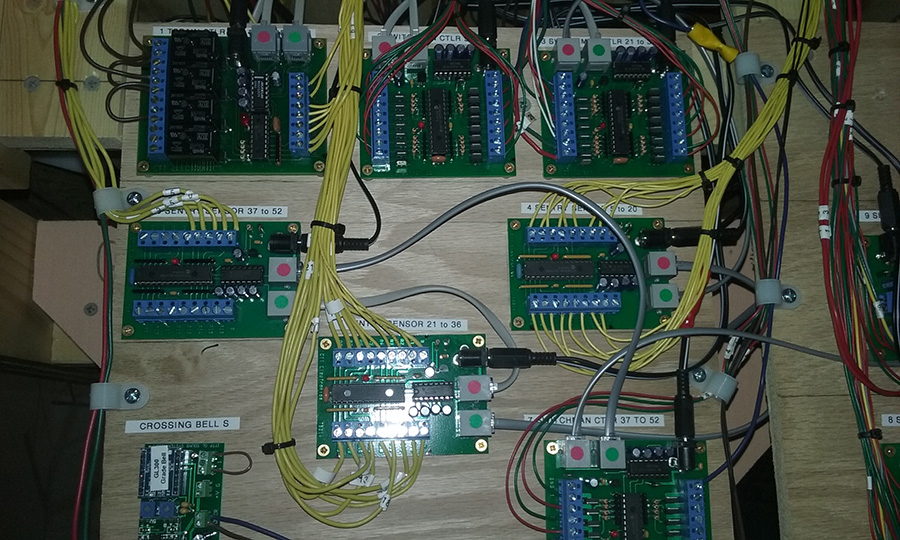
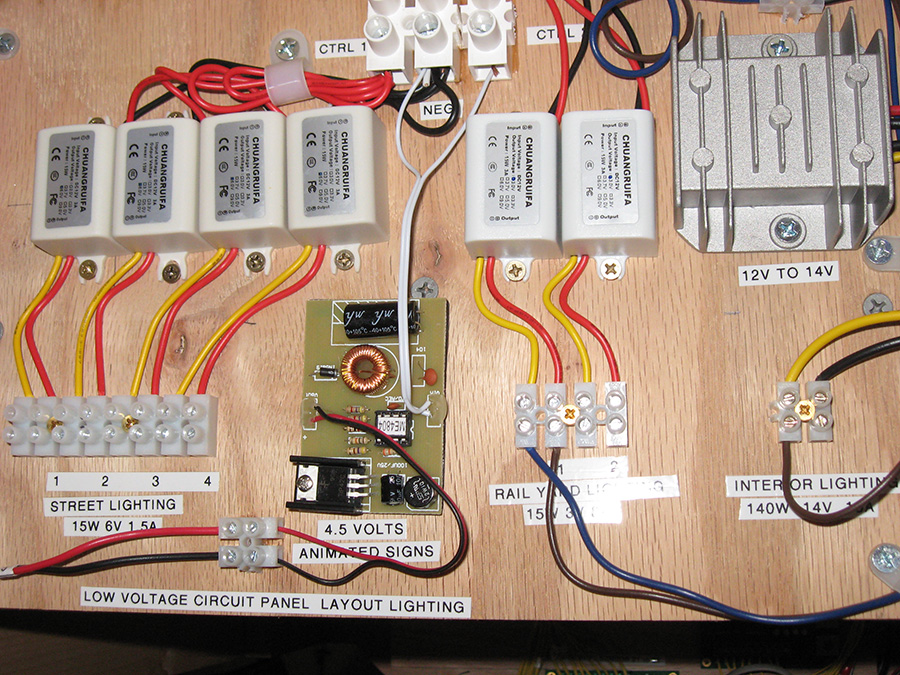
The layout was designed and built so that it could be disassembled into 13 sections. All wiring at section boundaries has Hitachi type connectors. Photos demonstrate a portion of the circuitry associated with the CTI system, which is essentially a local area network. It shows how I dealt with the varying voltage requirements of my accessories, which draw 3 volts, 4.5 volts, and 12-14 volts. Instead of installing a huge number of resistors, I simply stepped the voltage down from 12 volts for each application. This saved huge amounts of time when wiring accessories.
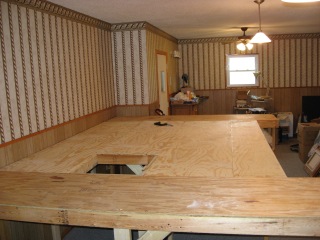
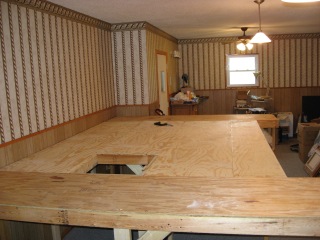
You will notice an open rectangle in the center of the layout. This is where the town, with automated streetcar service, is planned to be. I have not yet decided if I am going to complete this section.
Joe”
PS Latest ebay cheat sheet is here. Had a look yet?
A big thanks to Joe – a huge layout!
That’s all for today folks.
Please do keep ’em coming.
And if Joe’s inspired you, don’t forget the Beginner’s Guide is here
Best
Al