N scale railroading – Fred’s

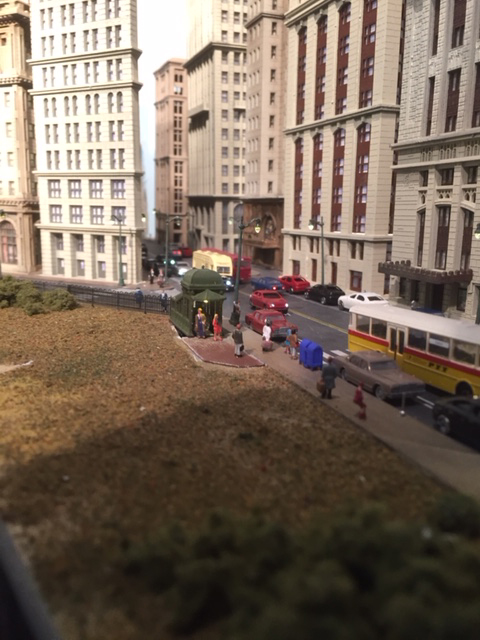
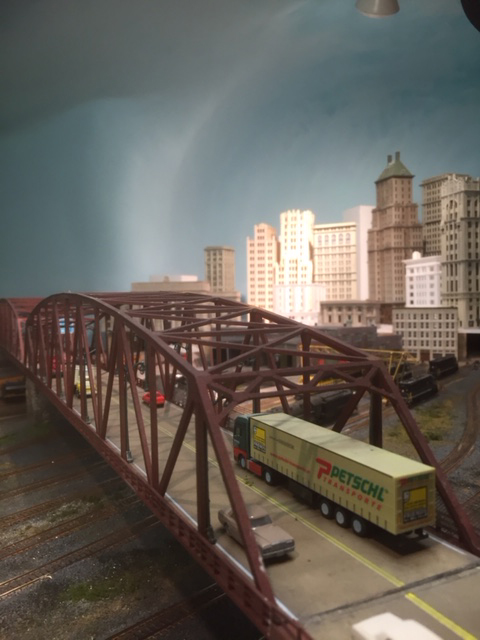
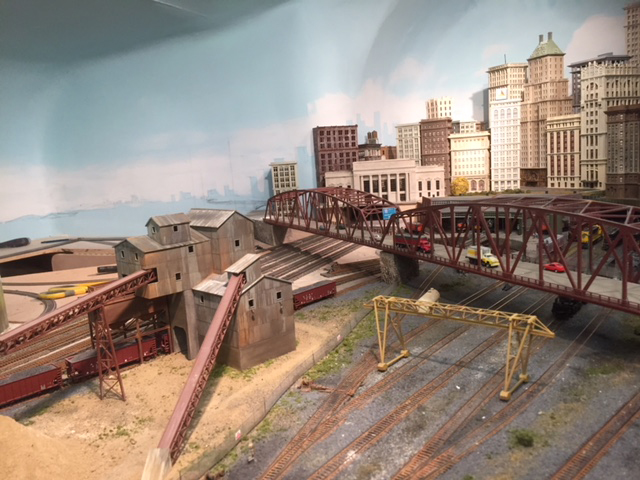
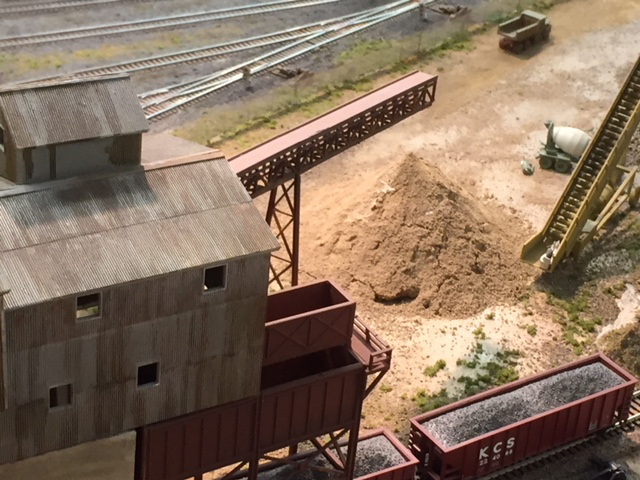
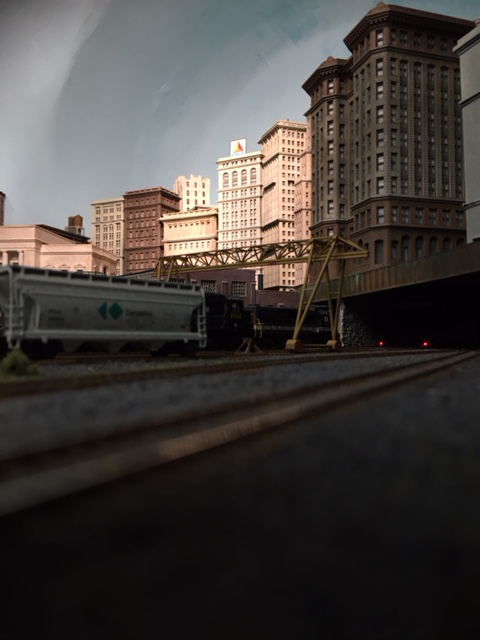
Fred’s been in touch. He’s been busy N scale railroading and shared pics of his stunning layout:

“Hi Al –

Since we last traded notes I’ve been very busy on the western end (The city of Port Charles) of my layout. I’ll send some slides and a video if i can figure out how. Hope you like ’em.

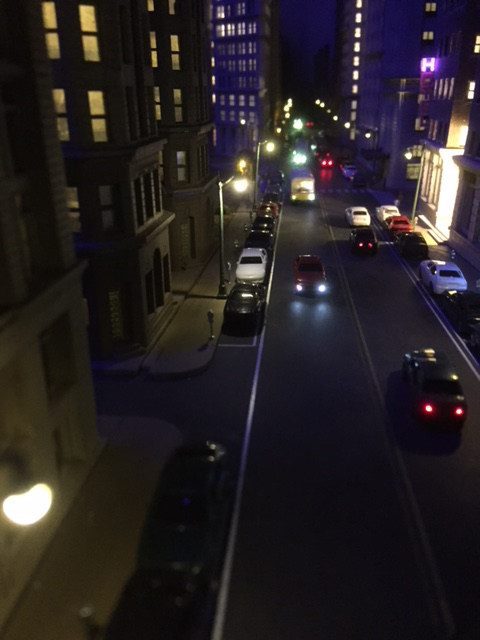
I think one of my personal triumphs was figuring out how to light up all my cars with fiber optic strands.

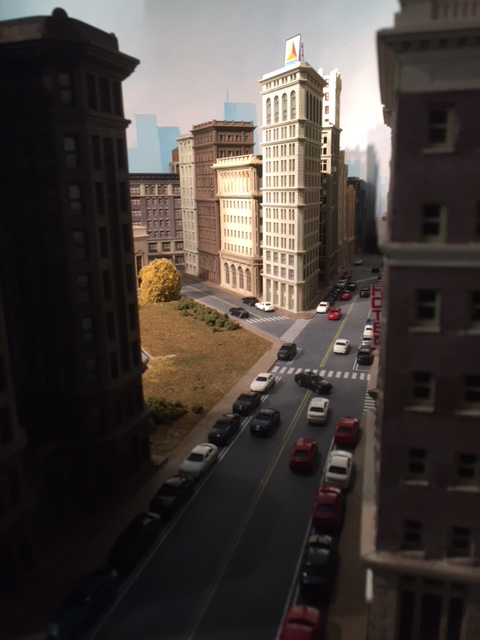
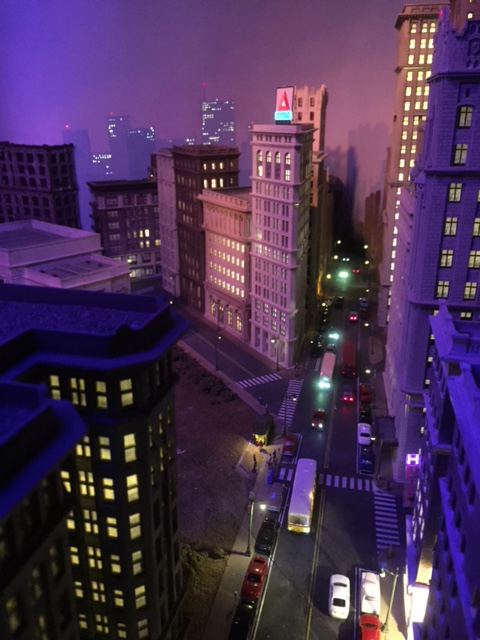
I’ve been using .75 mm single strand fiber optic line for all the back drop lights, so I managed to drill out the headlights of a couple dozen plastic N scale autos, pushed the strands out through the lights, and through the floor of the car, then passed them through a 1/8″ hole in the street to a light source under the layout.

In my street scene, half were drilled (oncoming) for white headlights, half for red taillights. It really provides some visual excitement to the street at night.

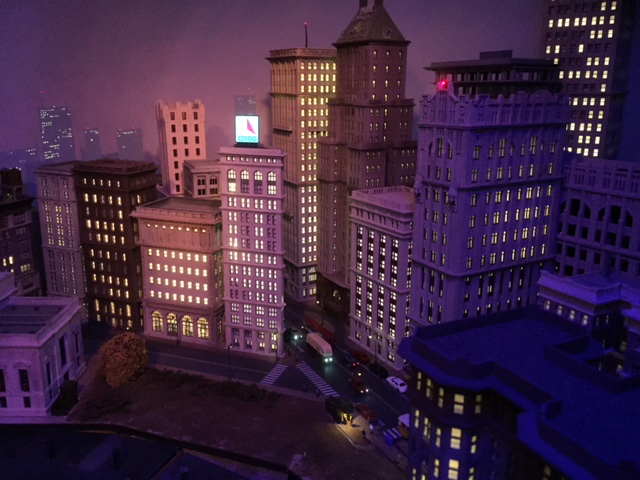
Together with high rise kits, neon signage, I was pleased to see my city really come alive these last few months.

My city backdrop is just a sketch at this point, but I’ve installed hundreds and hundreds of fibre optic strands to simulate night high rise windows, flashing beacons, aircraft strobe lights, etc.

I’ll send some pics for now, and try to send some more in the next day or two.

best,

Fred”
N scale railroading night scene

N scale railroading night pics

n scale skyscraper


N scale subway

model railroad bridge

model railroad bridge

n scale railroading factory

n scale railroading yard

model railroad street scene


Stunning N scale railroading stuff from Fred (his last post is here).

Here’s what I really like about Fred though. I asked him if his layout was a ‘professional’ one. Here’s what he came back with:

“My layout is just for fun. Although one of your group during the last comment session sounded frustrated with the extent of some of my detailing, I think, because he felt I was overlooking the trains. In so many words he was saying “what’s the point?”

What he didn’t understand, clearly, were my motives. I’m not particularly interested in the trains (I once was, as a boy) but rather the process of modeling.

I did a lot of it as an architect, but never had an opportunity to do it in color, or with backdrops (I used to paint landscapes in oils) and certainly never had a chance to model anything this large.

N scale is great in one sense – that it offers you the elbow room to design plausible vales and hills, rivers, cities, ports, without that dreadful look that everything has been crammed in there simply because you couldn’t bear to give something up that you really wanted to include.

The bad side of N scale, I think, is that it’s so ridiculously small that most architectural details and surfaces have to be purchased rather than scratch built. Can you imagine scoring scale brick out of plaster at 1:160? I tried, and gave in to the kits. The other thing that is frustrating about N is the fussiness of anything mechanical, and I have to say that the only reliable locomotives I’ve found are all Kato.

I think your group has a majority contingent that IS in it for the trains, which is great, but it’s just a different thing. I don’t want to diminish from their pleasure at operating trains by setting a different standard for scenic modeling which they may temporarily envy, but for which they don’t have the desire to put in the money, time, or risk. It’s about priorities, really.

If each of us can help the other with pointers, tricks, or even by inspiring, I think that’s great. But when I see comments like “I wish my backdrop looked like that,” it saddens me that I might inadvertently be puncturing someone’s ballon.

If it makes them feel any better, you can assure them that I am a frustrated model train operator who is a technical luddite, and can barely get a successful locomotive circuit of the layout without drive rods coming off, electrical short circuits form “frog juicers”that were supposed to work, and all sorts of other things that guarantee none of my friends will want to participate in an “operating session” whatsoever. The personal blessing is that it’s not why I’m doing this, so I don’t care!

So in conclusion I think this is a wonderful hobby, whether or not you view it as modeling where you employ moving parts of the model to enliven the static, or operating scale models of railroads with necessary scenic embellishments, but it is very important that we each remember why we got into this in the first place. So your question of me is an important one in the deepest sense, and I hope I’ve answered it.

Fred”

So love what Fred wrote. This hobby is all about having fun – just as the Hall of Fame members (and others) said in the last post.

A huge thanks to Fred for his N scale railroading pics, narrative, and the wise words.

That’s all for today folks.

Please do keep ’em coming.

And if today is the day you stop dreaming and start doing, the Beginner’s Guide is here.

Best

Al

PS Latest ebay cheat sheet is here.

PPS More HO scale train layouts here if that’s your thing.


Need buildings for your layout? Have a look at the Silly Discount bundle.
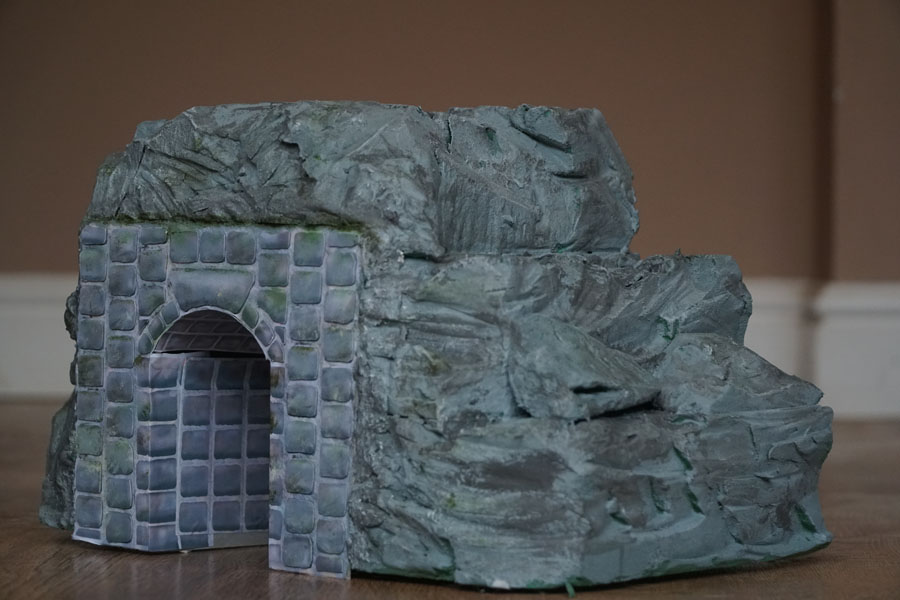
Mike makes a railroad tunnel

My word, I have something very special for you today.

Mike kindly agreed to be the crash test dummy for the latest print out scenery.

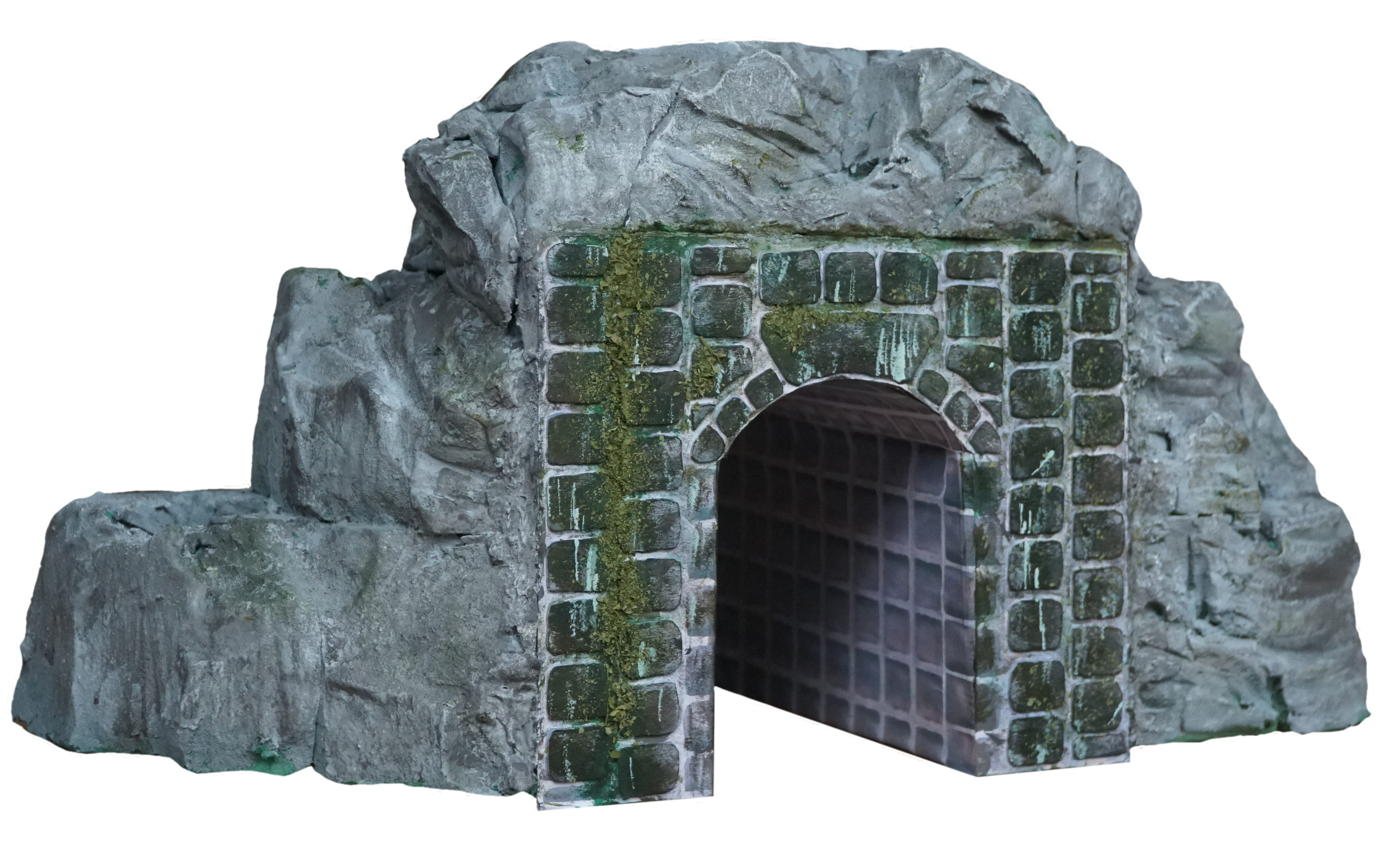
And all I can say is that he’s been very thorough:

“Hi Al,

It’s been a decade or two since I had my own layout, but I’ve been enjoying your blog for a number of years now.

It was “Martin’s tunnel” post that first made me want to get back in to it.

Ever since Ive been toying with the idea of making one just for fun. Your offer of trying out the the new tunnel print was just the excuse I needed.

I’m pleased with the way it’s turned out, but saying that, I’d do things slightly differently on the next one, as you’ll read.

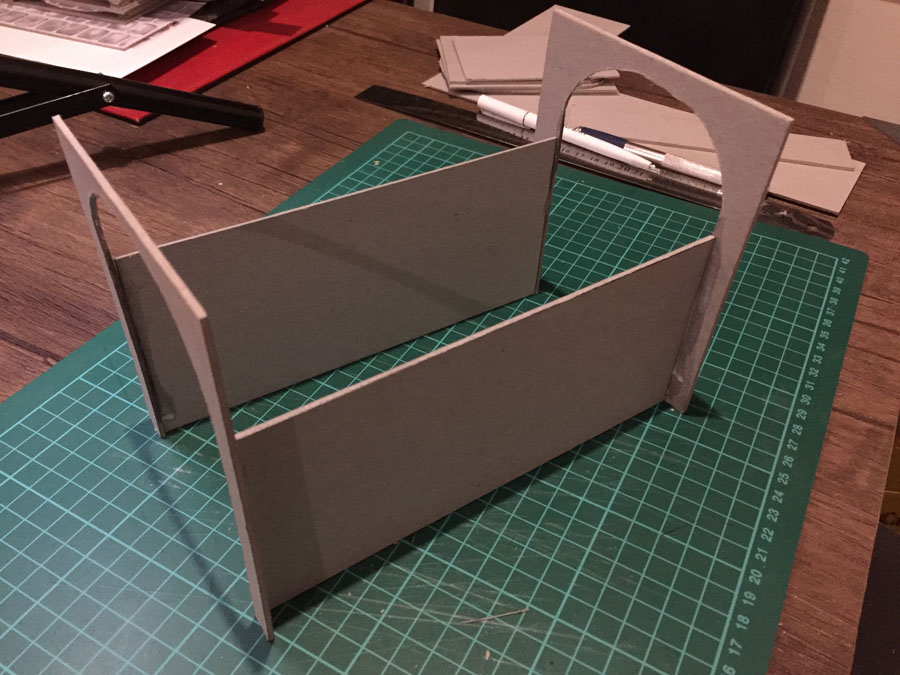
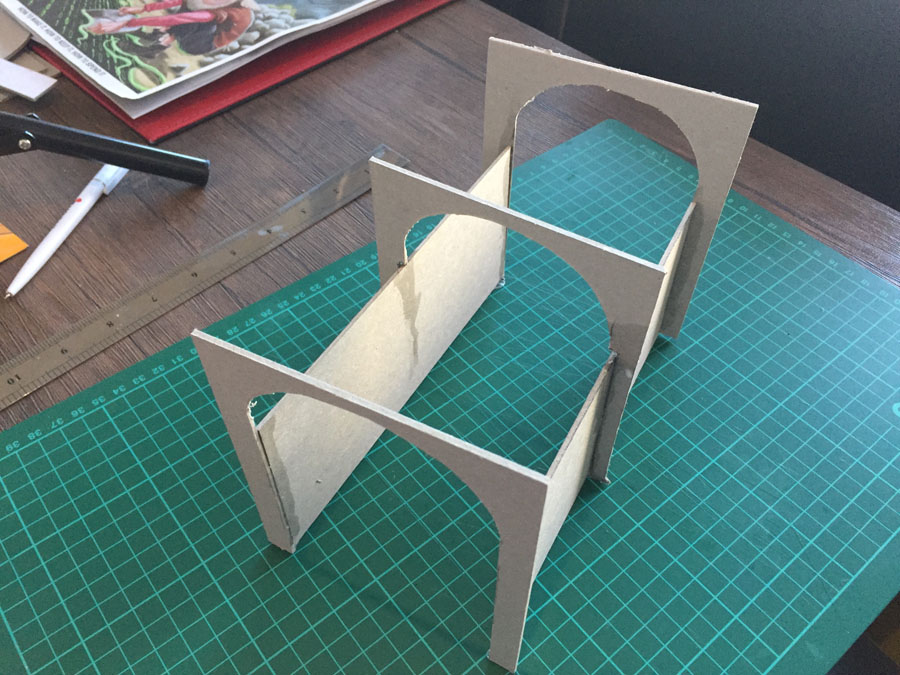
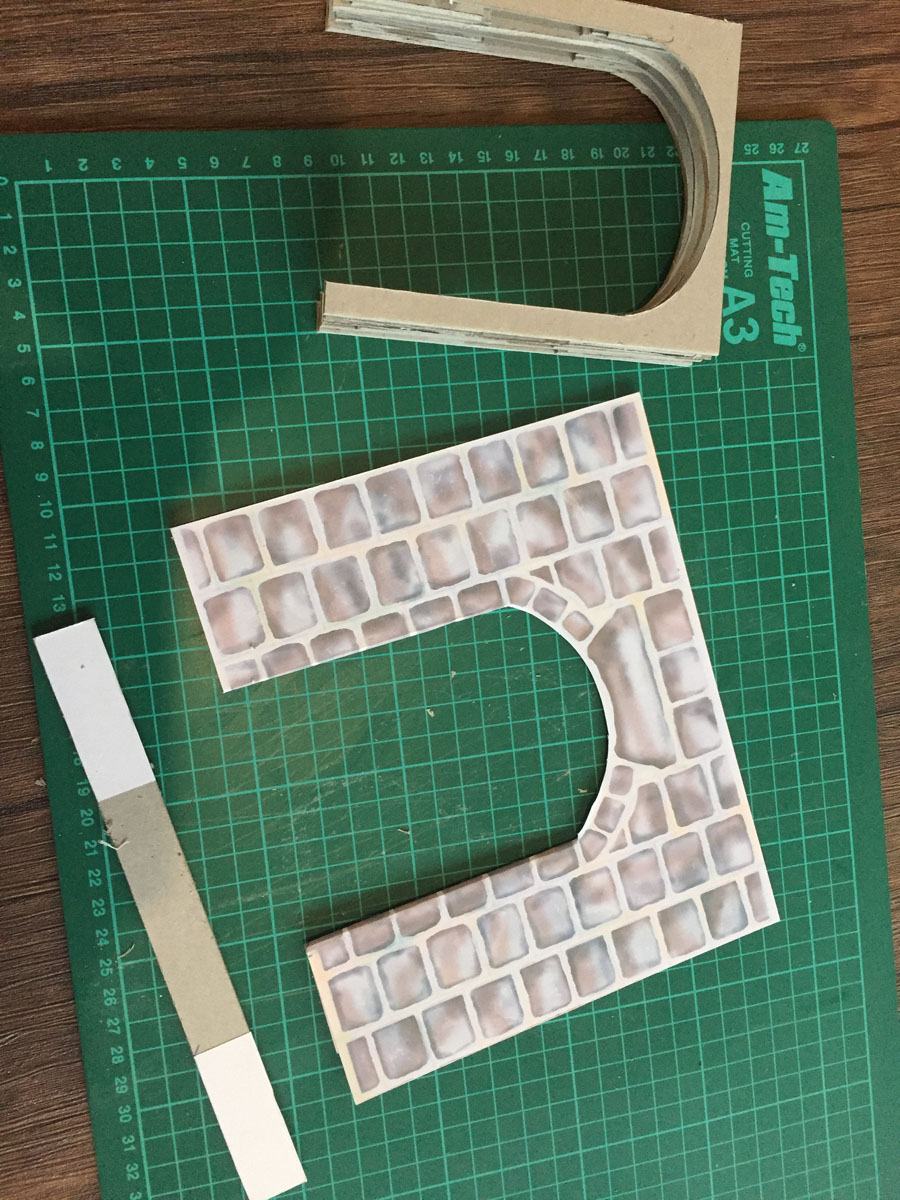
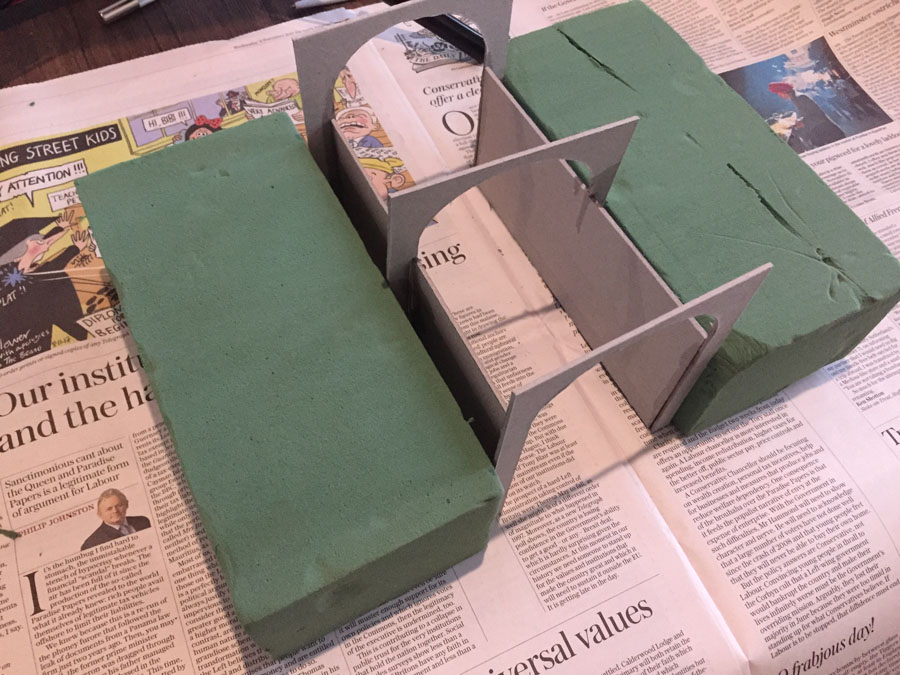
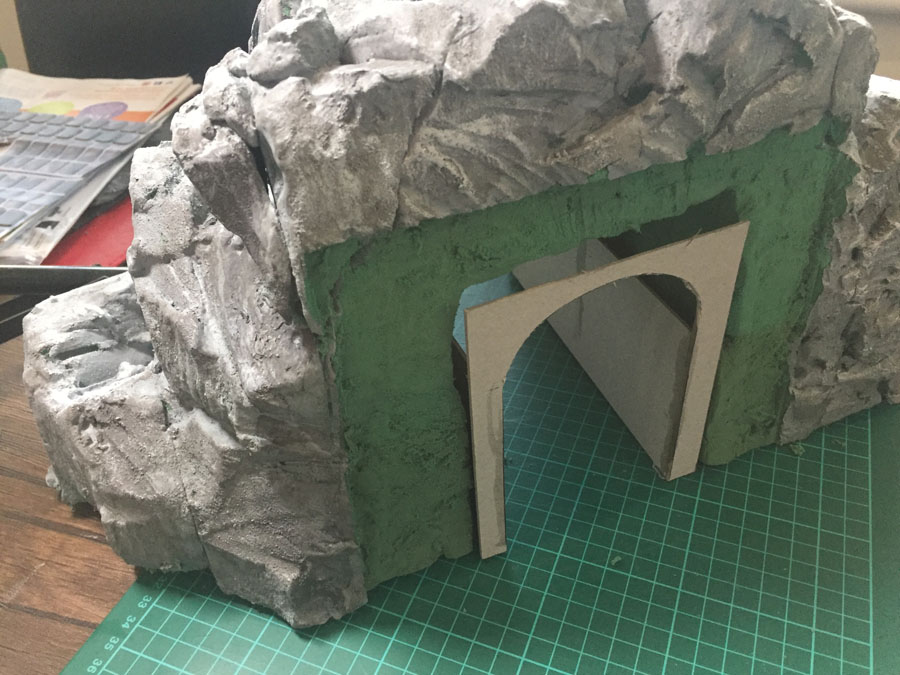
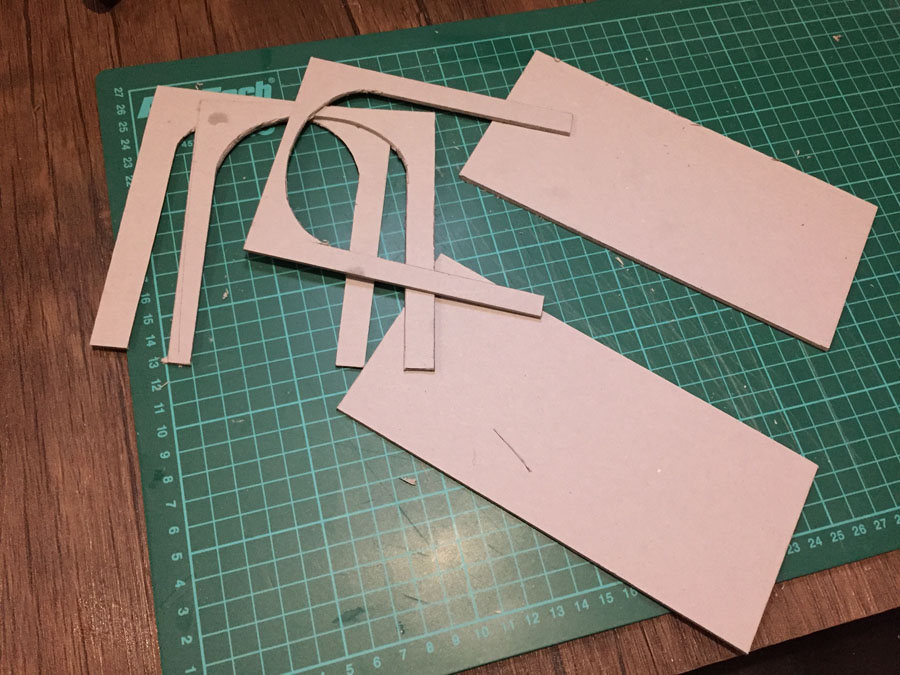
First, I made a card frame for the tunnel entrance because I wanted the tunnel it to fit snuggly in the foam. Also, I wanted the inside of the tunnels to fix to the outside without any gaps.

(All images are clickable.)

The print comes with a tunnel outline, so making the frame was easy enough.

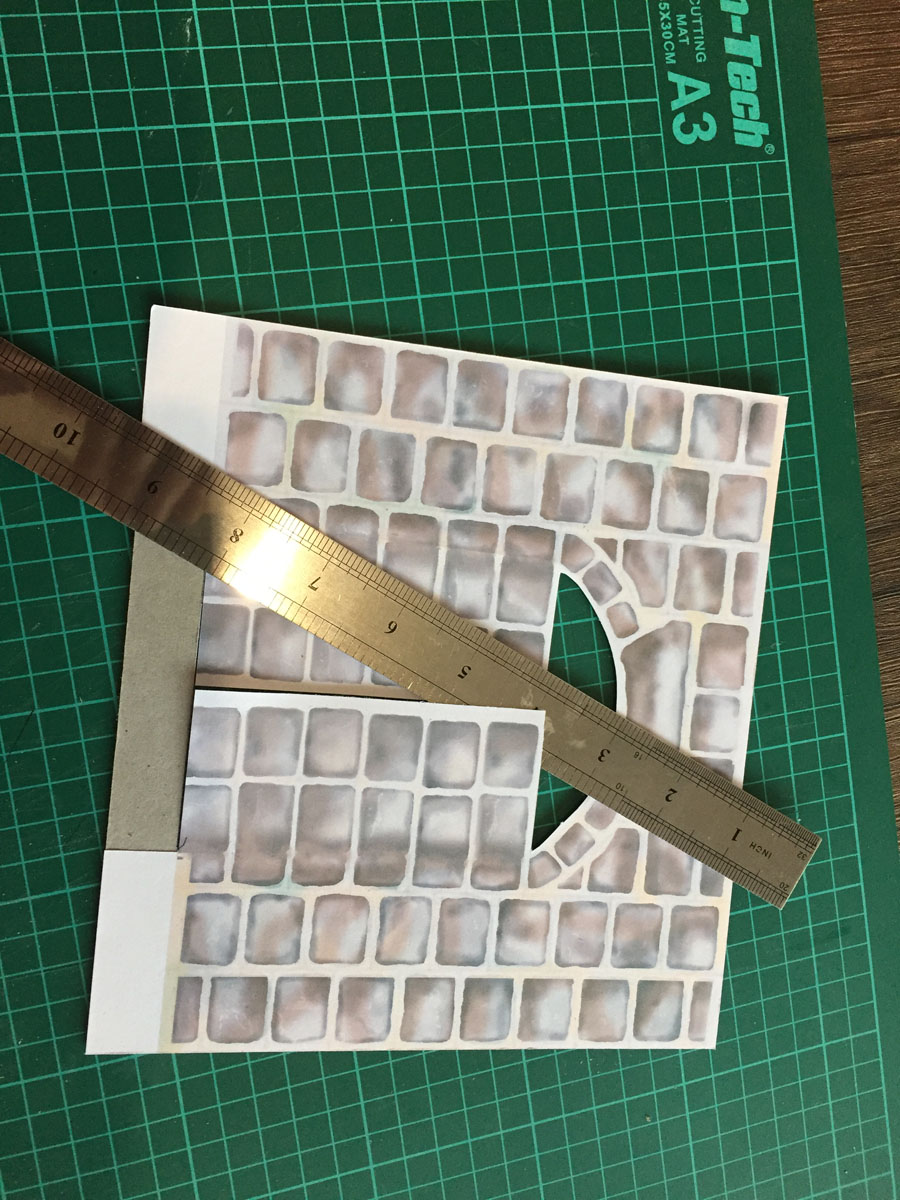
Here I’ve printed out the tunnel and stuck it to card.

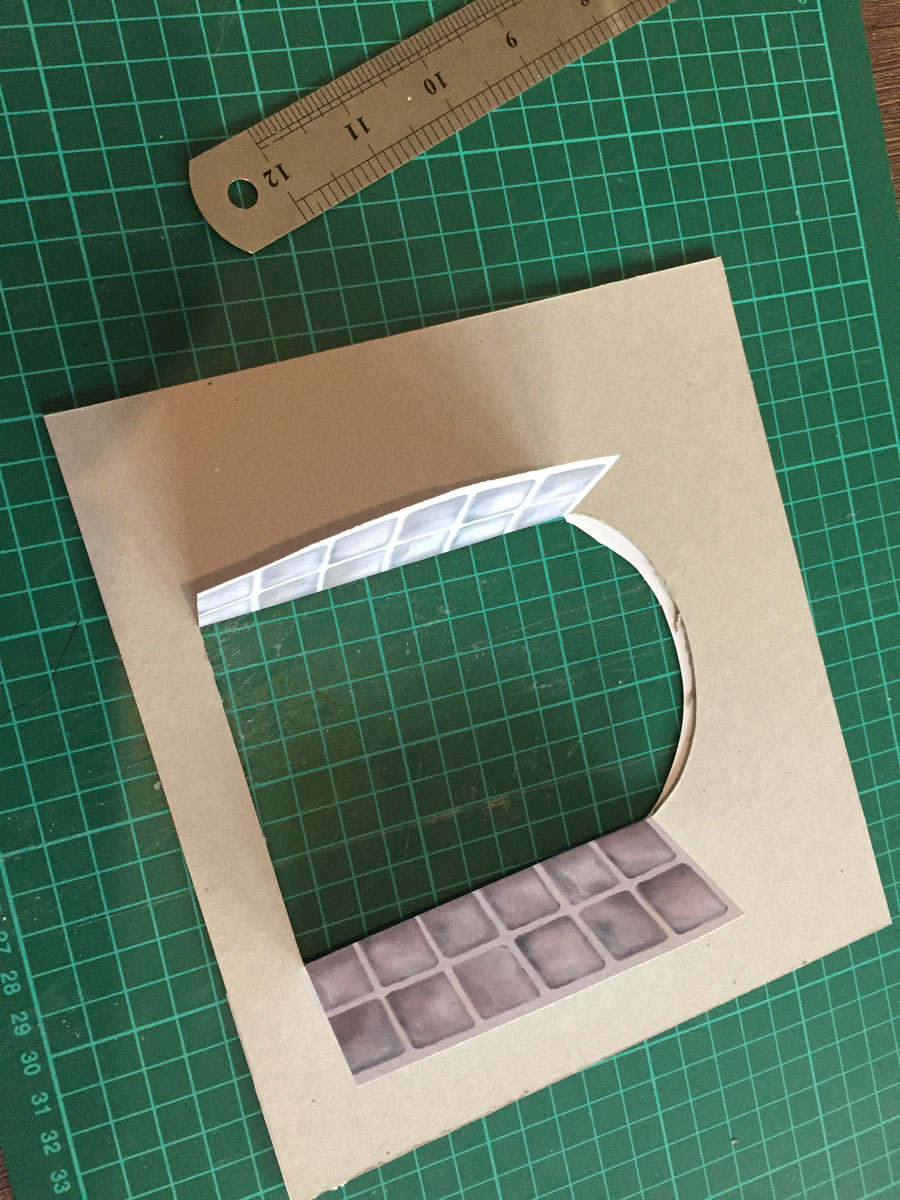
You can see the flaps that line the inside of the tunnel.

Here the flaps are folded completely behind the tunnel wall.

Think of the print as a base coat only – it needs to be built up, so it has what John calls ‘relief’, and it also needs to be weathered.

Doing this is easy and fun.

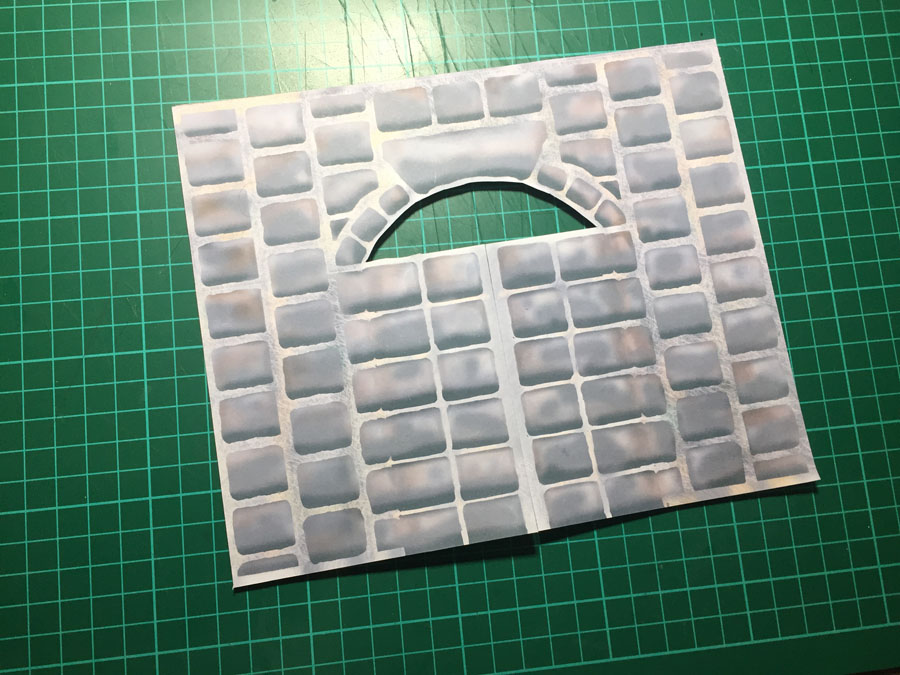
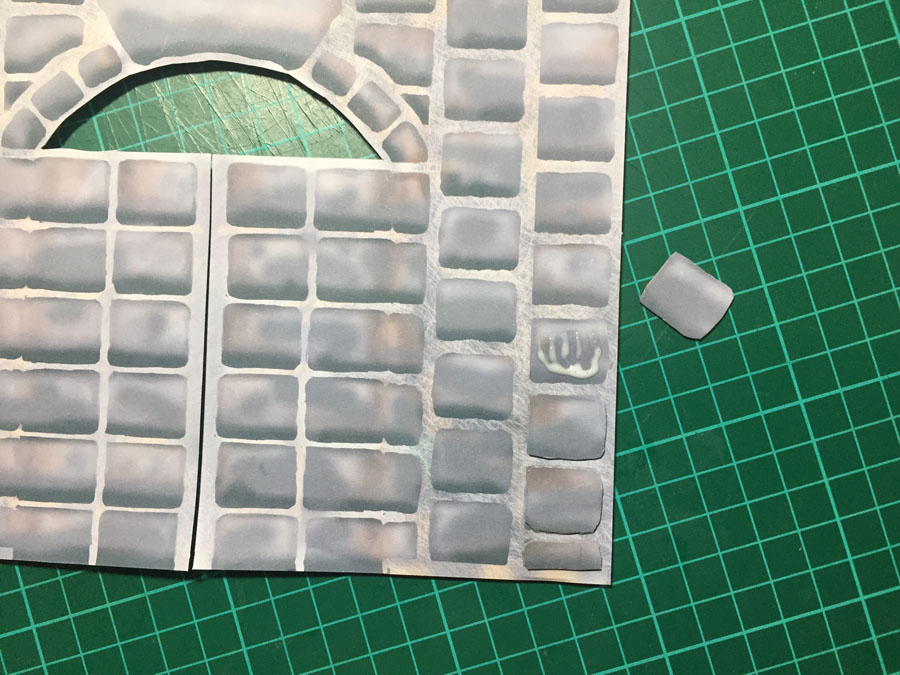
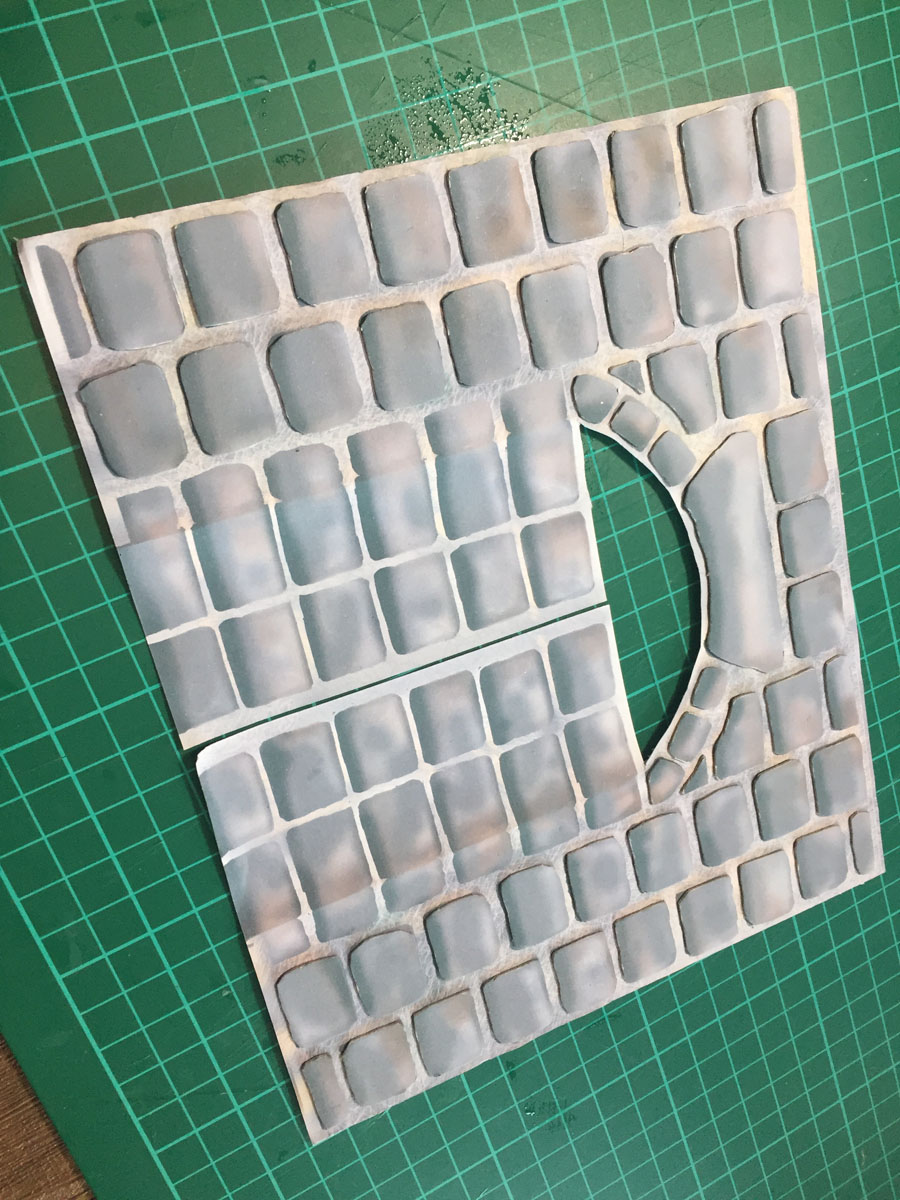
Just print out another tunnel wall. Here, I’ve stuck it to three sheets of blackish card to give me the right thickness I was looking for.

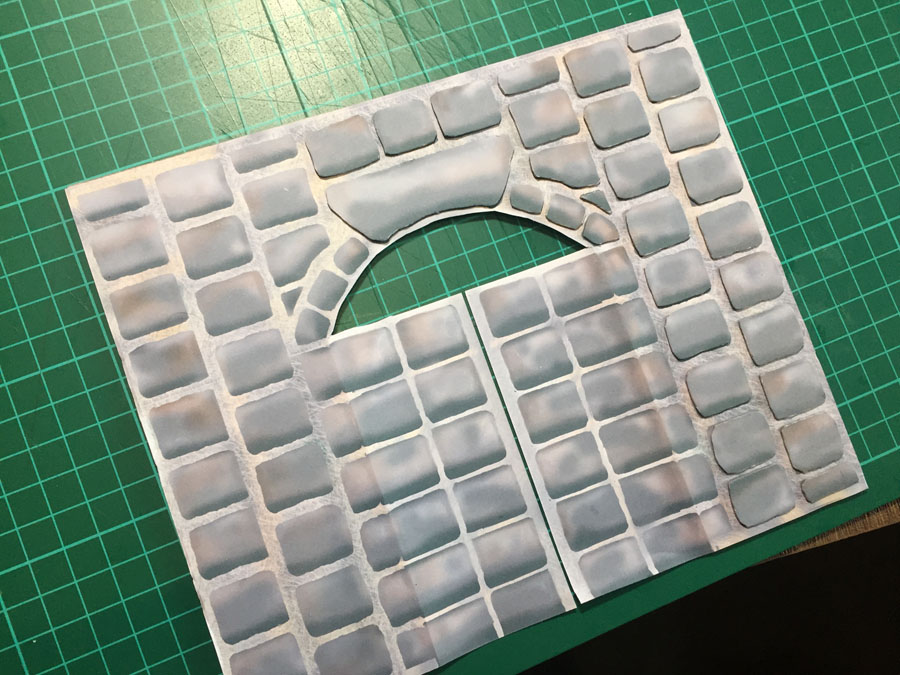
Then, just cut out the stones and stick to the original tunnel print.

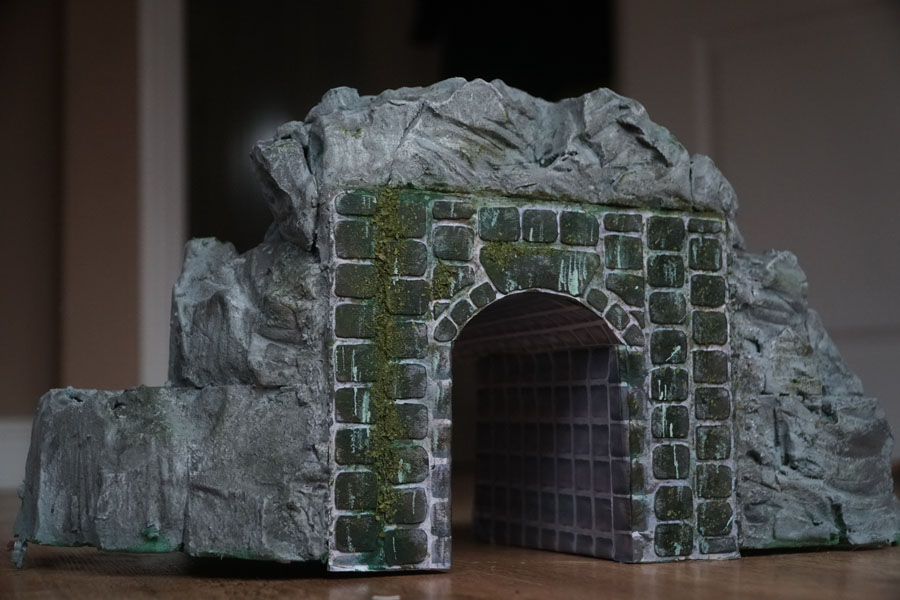
Here you can see how much of a difference it makes – I’ve done the right hand side of the tunnel only.

Here’s it with all the stones glued on.

It looks better, but it still has a long way to go – that’s when the weathering comes in.

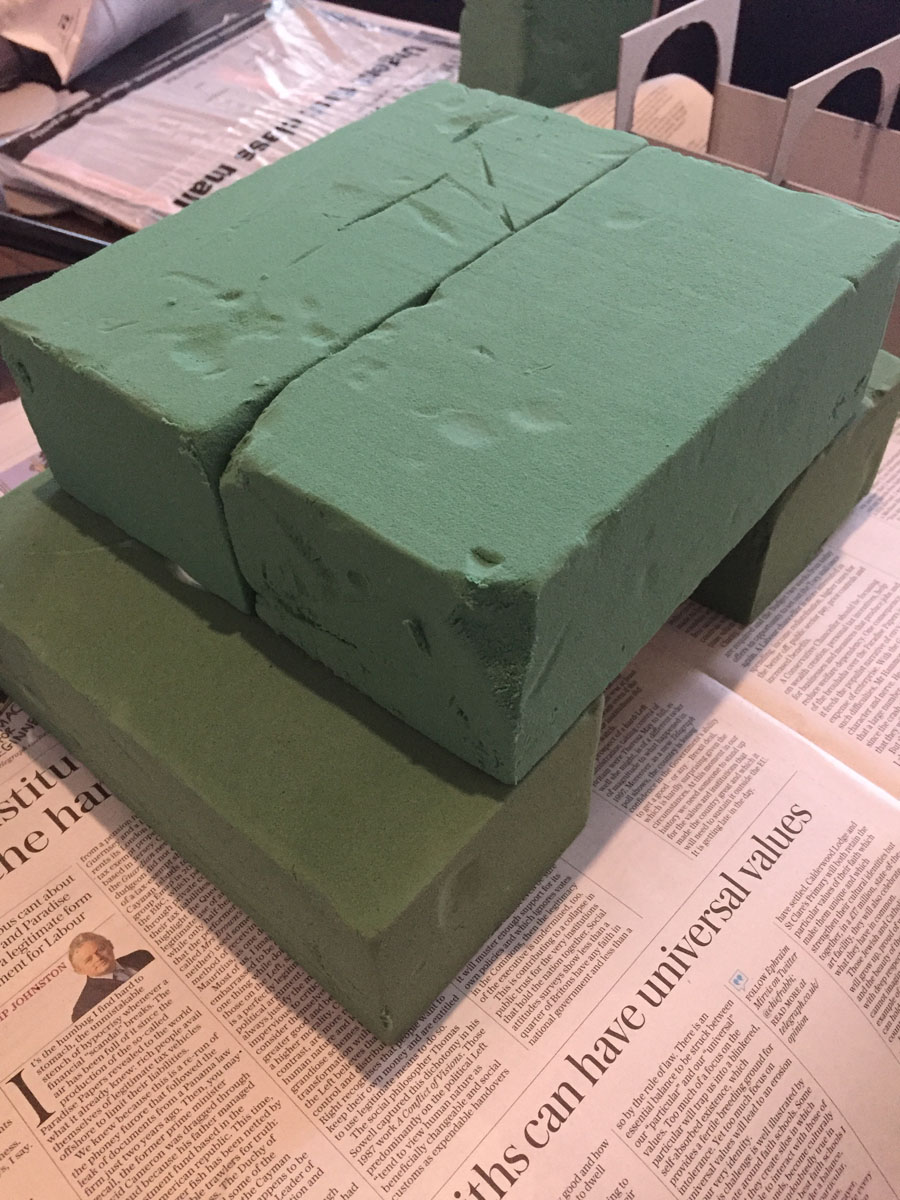
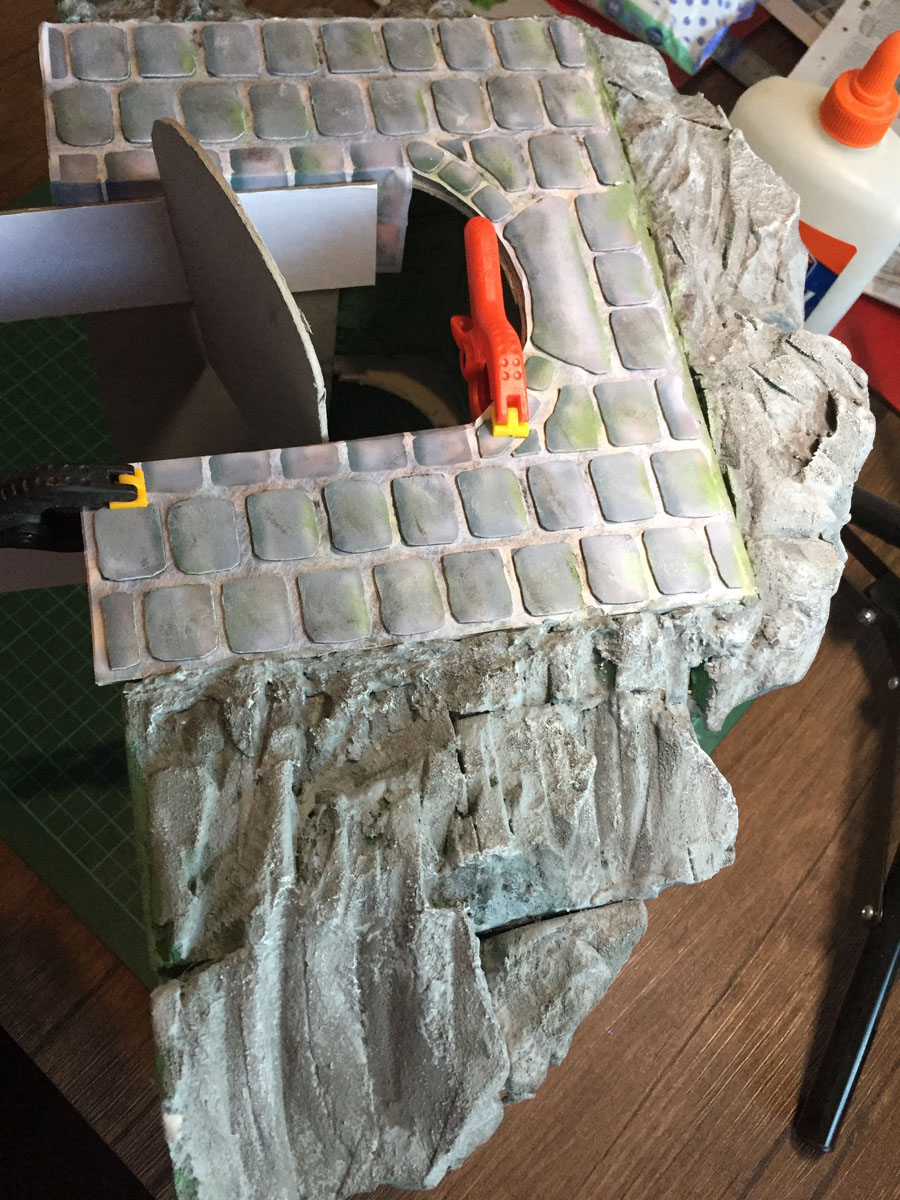
Here I’m using the tunnel frame to measure the foam / dry plant bricks, to save me carving it all out.

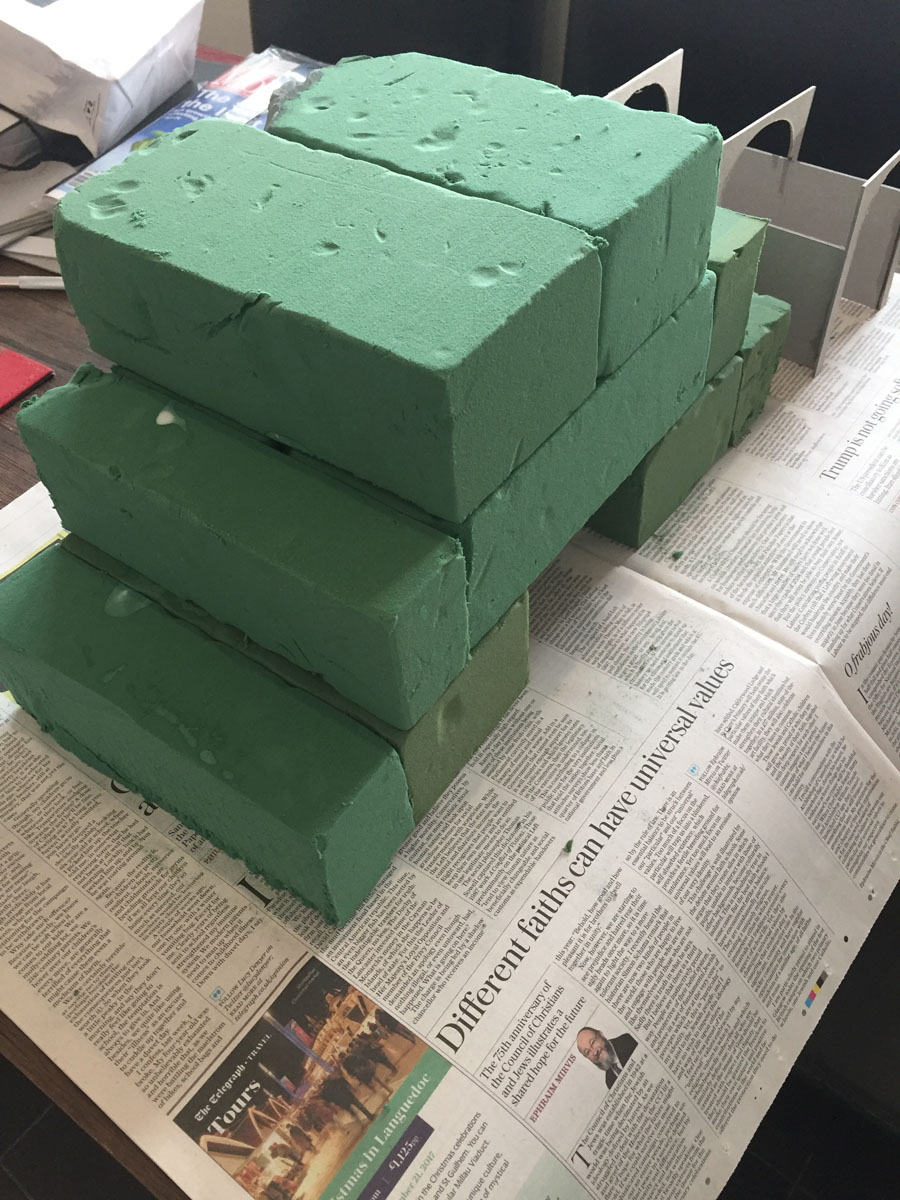
In “Martin’s how to” he uses insulation foam. But I didn’t have any lying about. But I remembered seeing a post where they used the dry plant bricks – so used them instead.

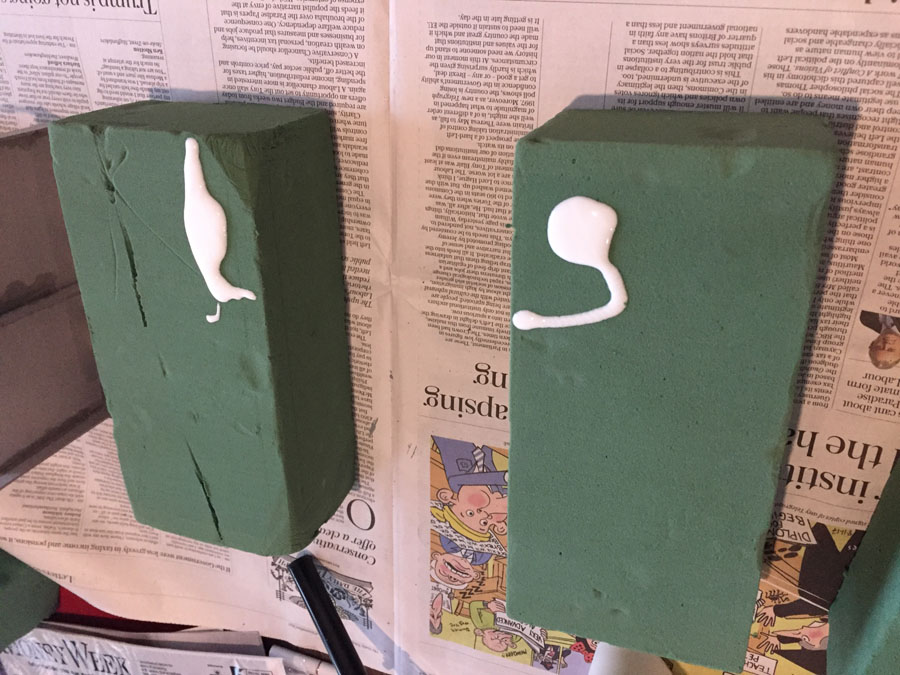
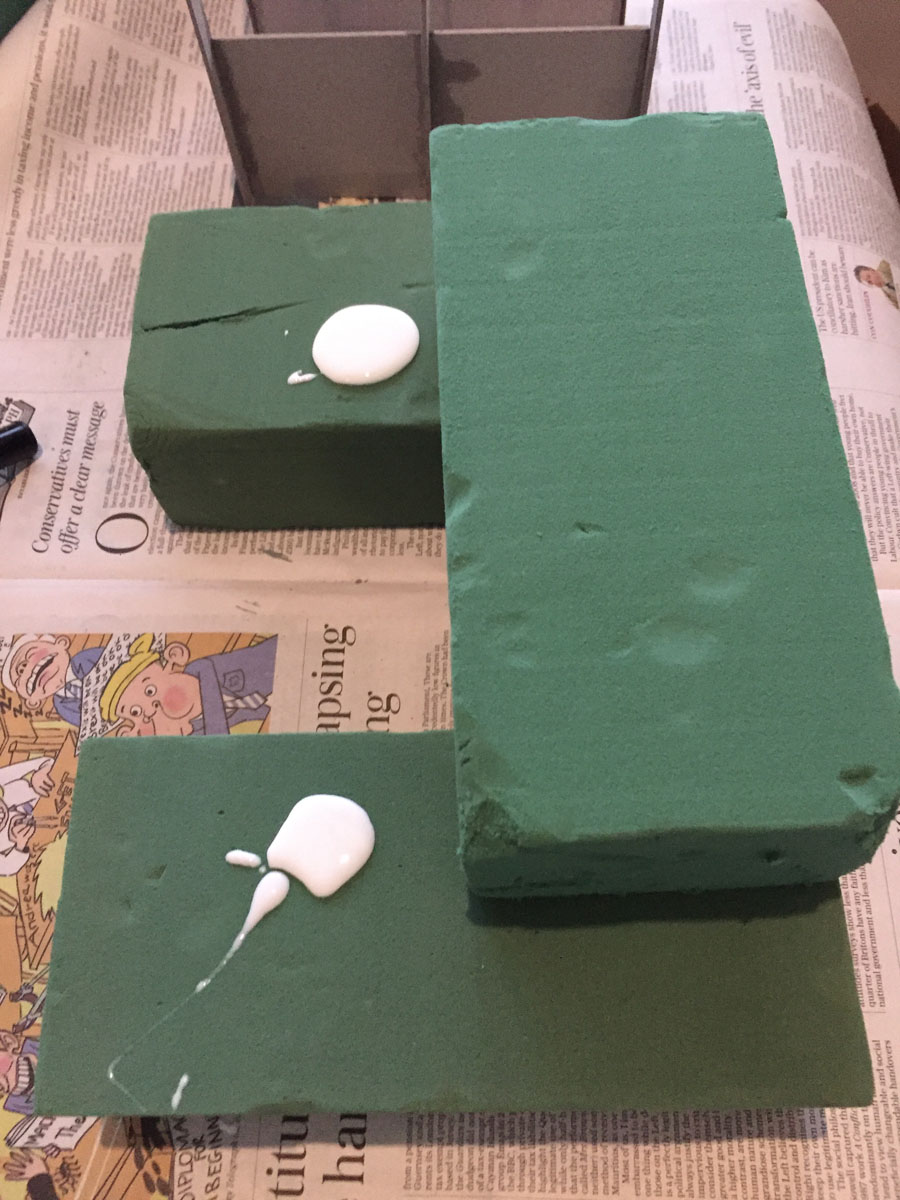
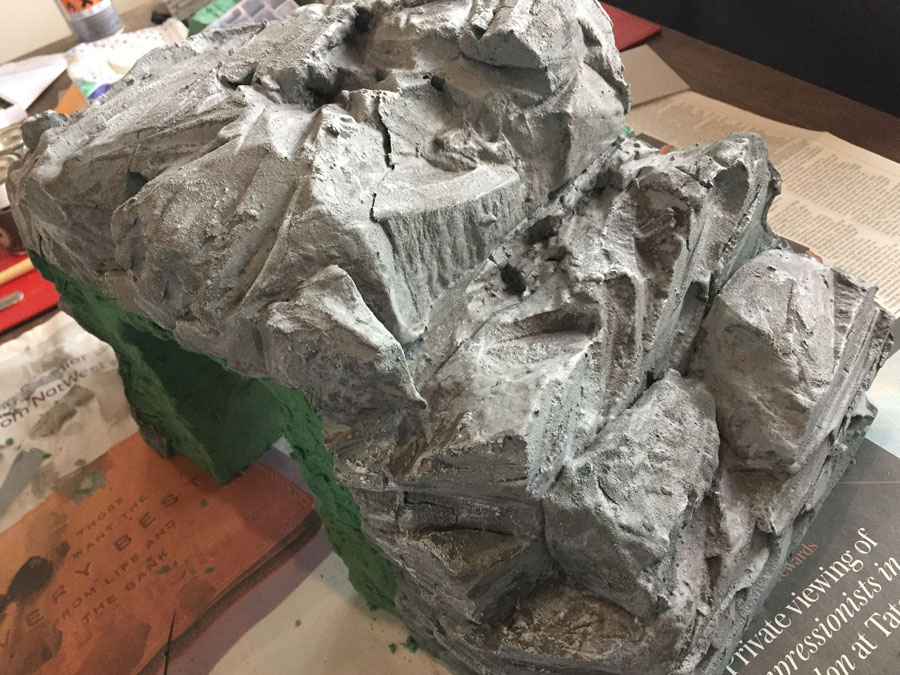
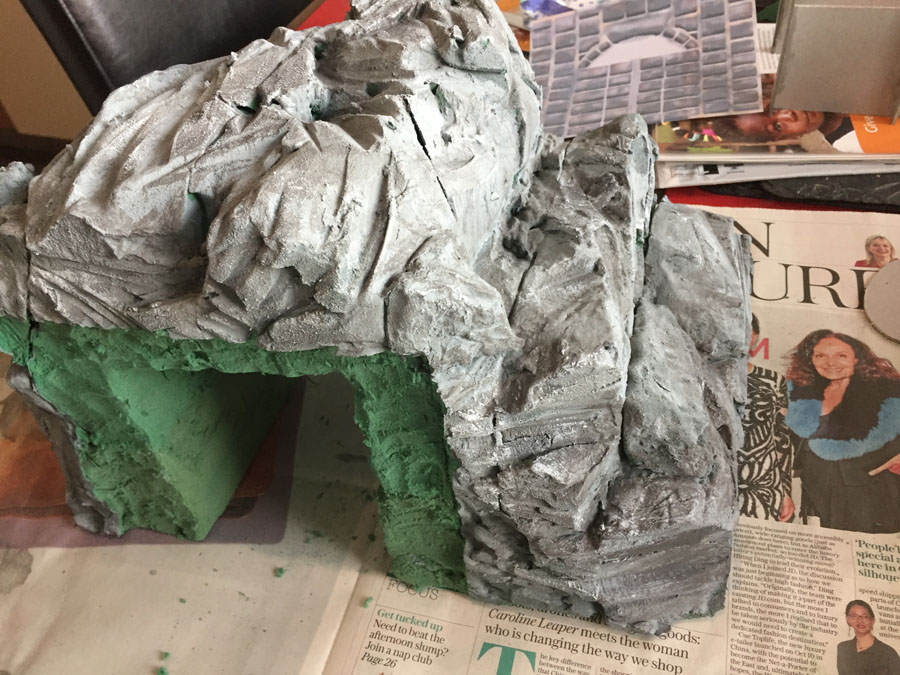
Then glue your mountain together.

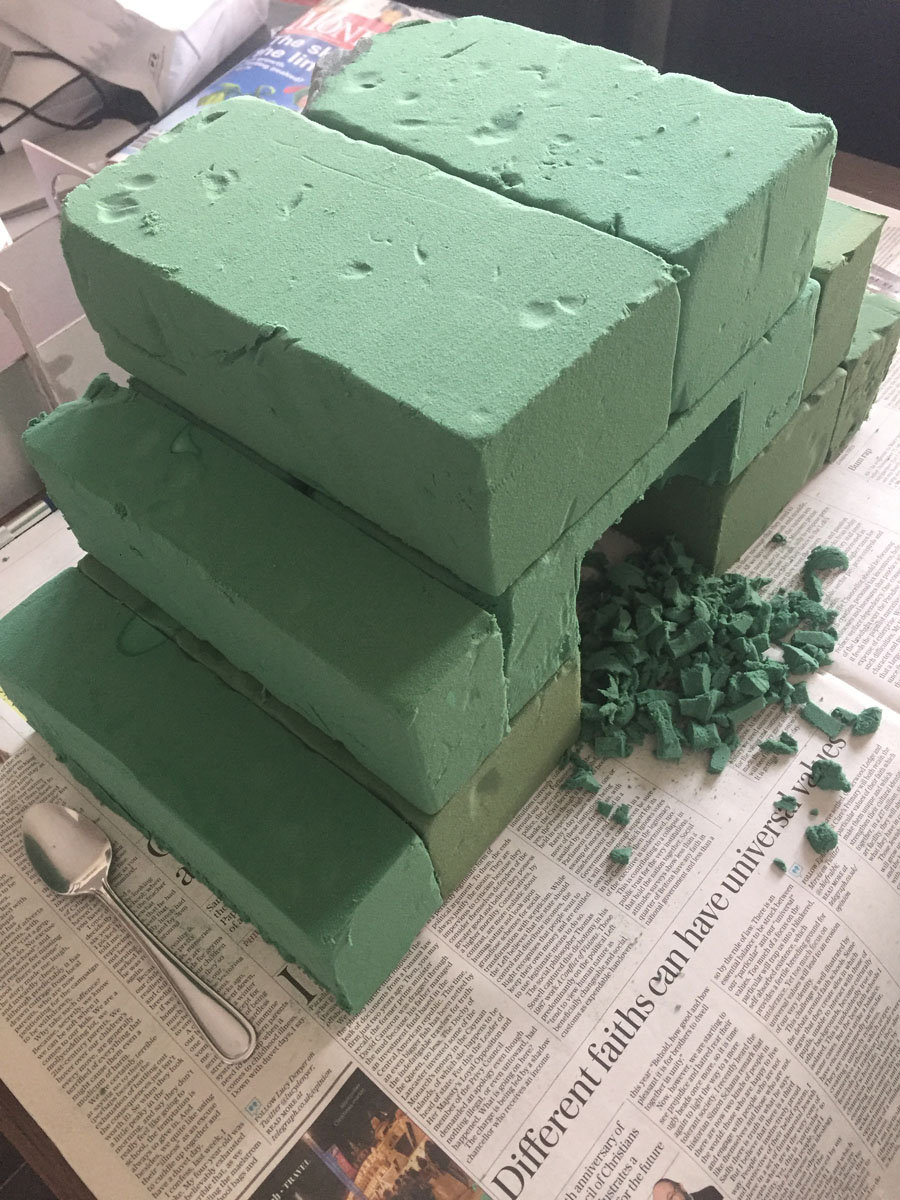
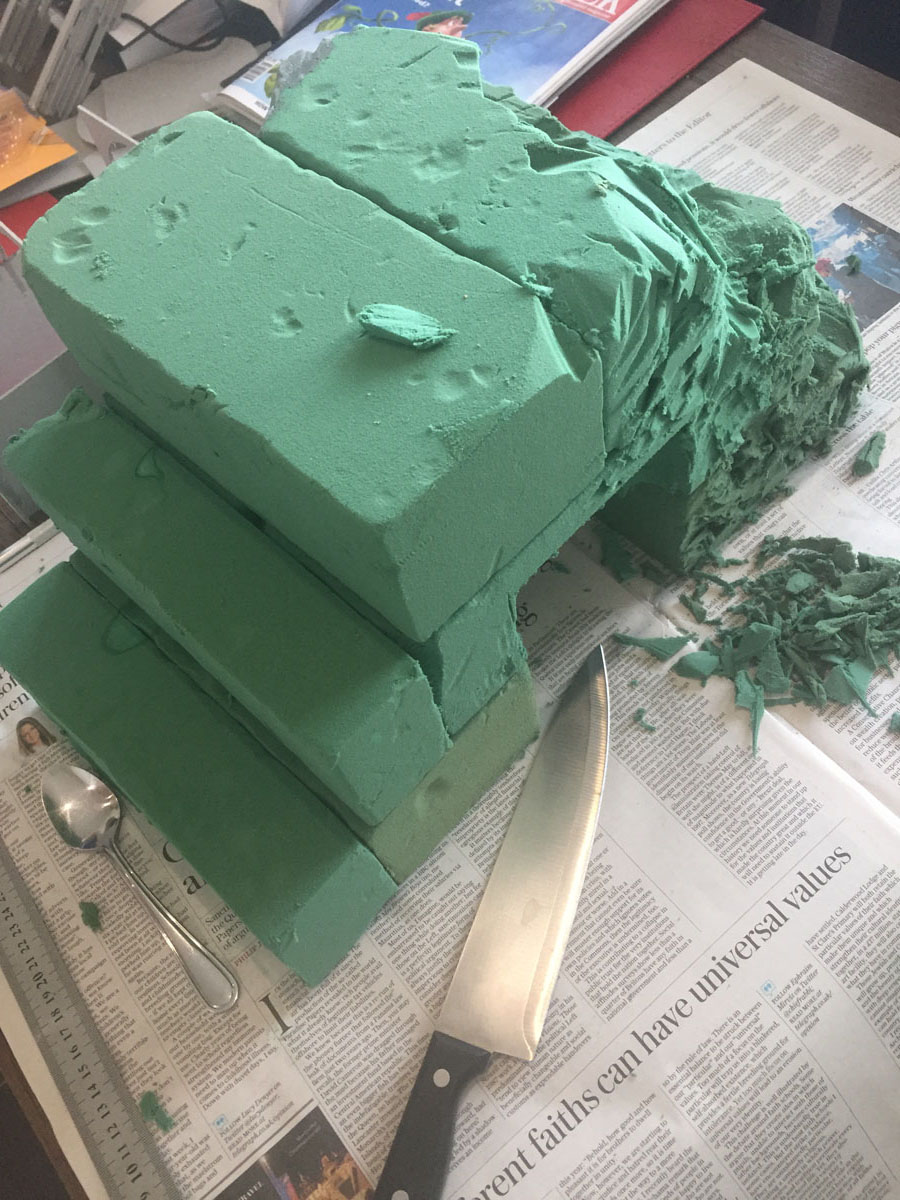
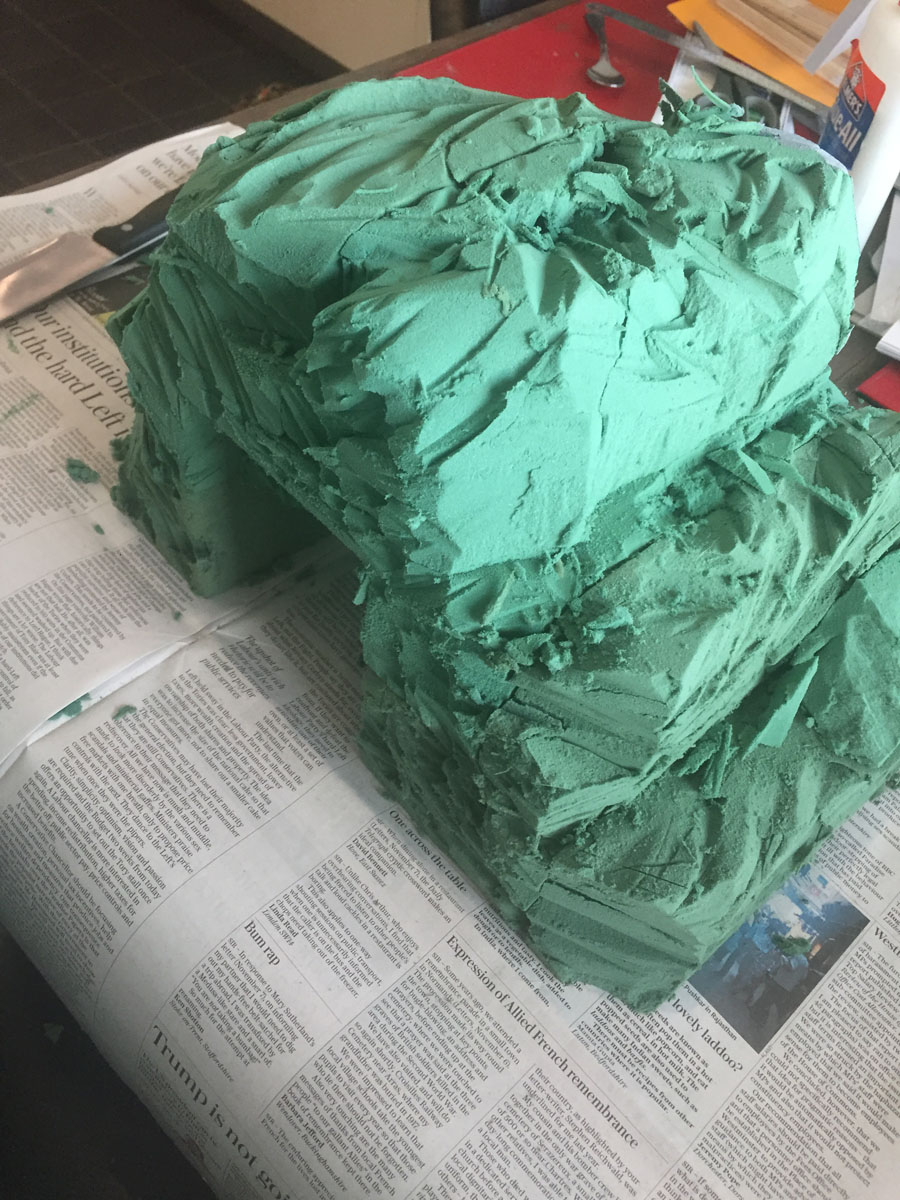
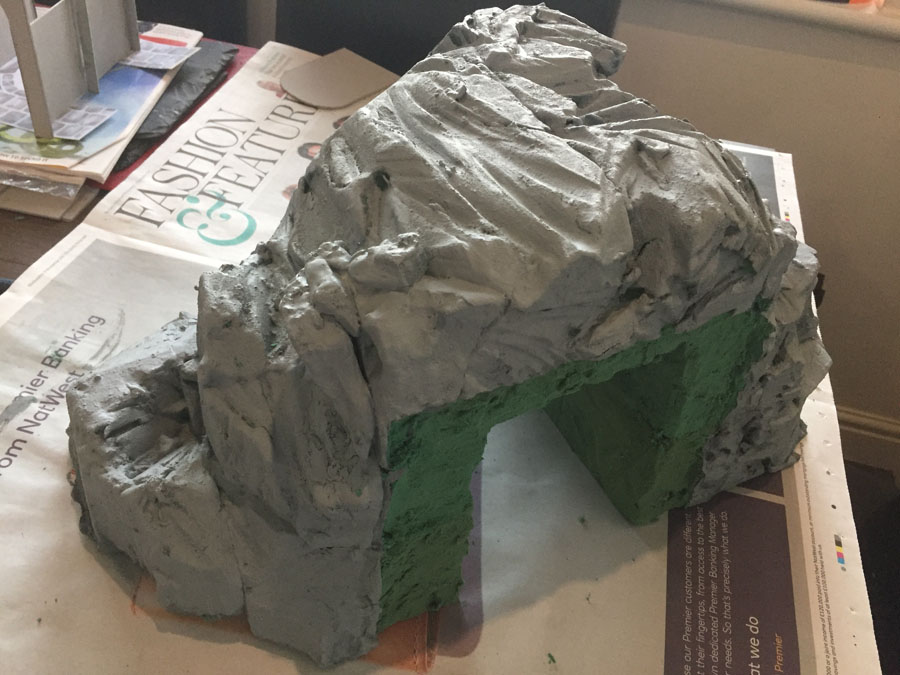
Here I’m carving out the top half of the tunnel. I have to say, I was really surprised how easy it was to work with the flower foam bricks – I just used a spoon. It was like working with ice cream that doesn’t melt.

Now for a really fun part – carving the mountain. Loved doing this.

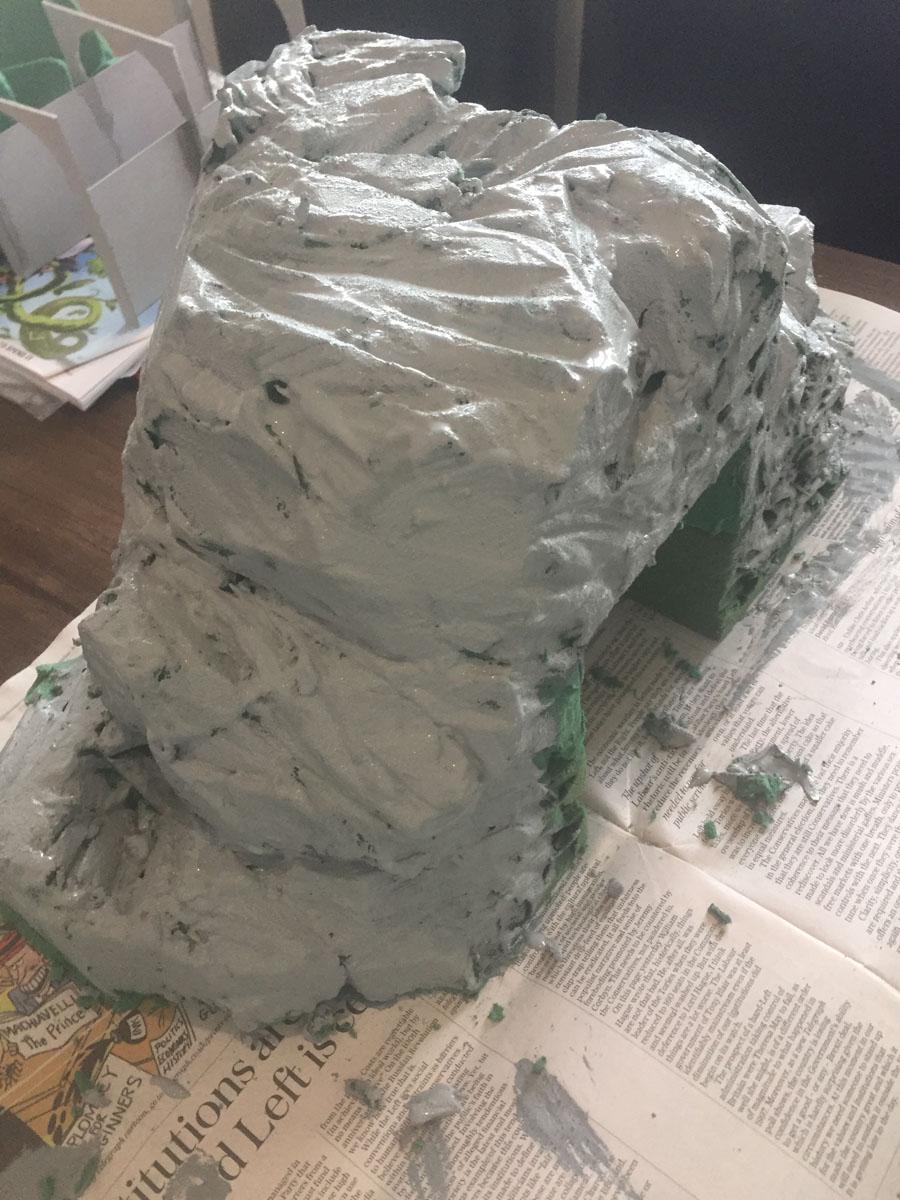
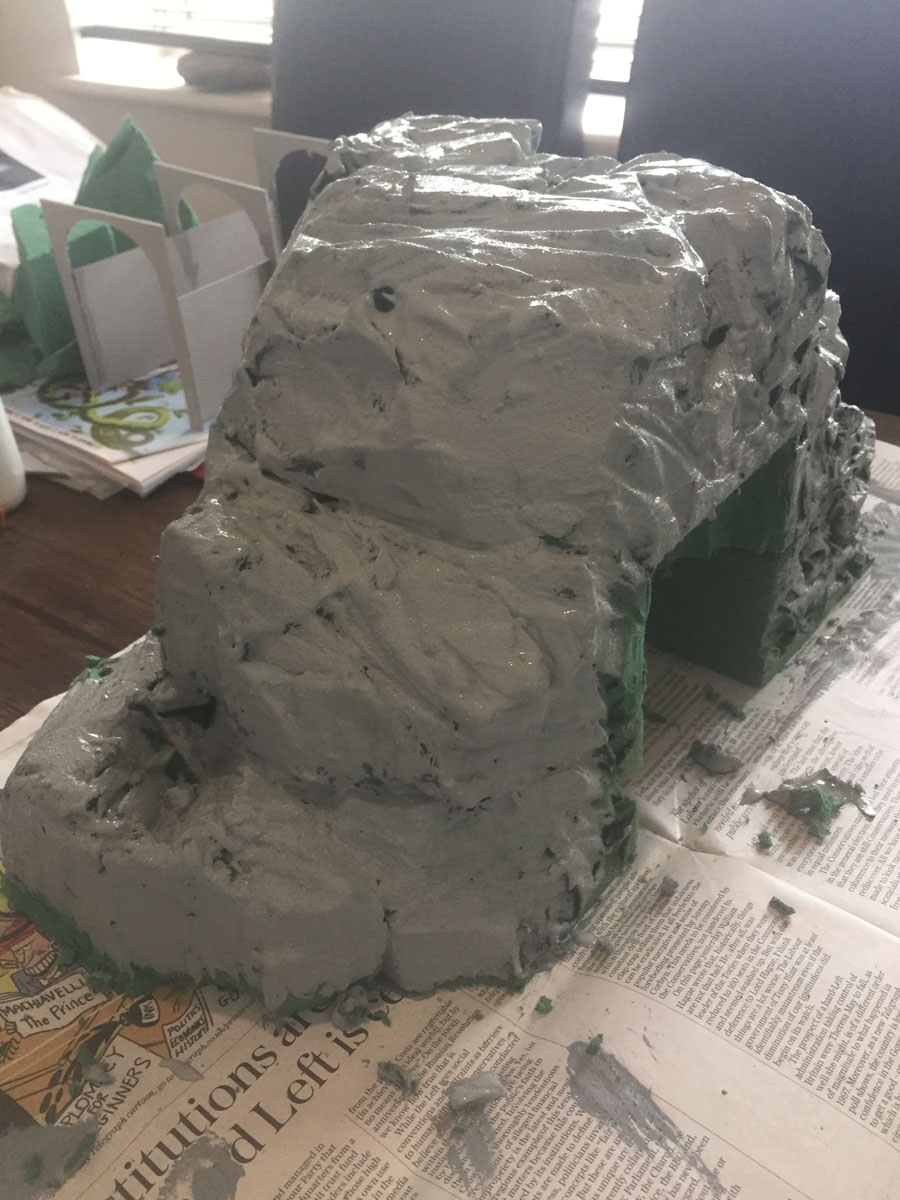
Once you’ve carved it, give it a base layer of grey. Or gray if you’re the otherside of the atlantic.

At this stage, I started to get a little worried. The tunnel print still looks very toy like, and so does the mountain.

But I kept on going – I know from the blog all projects hit this stage. Didn’t stop me worrying though.

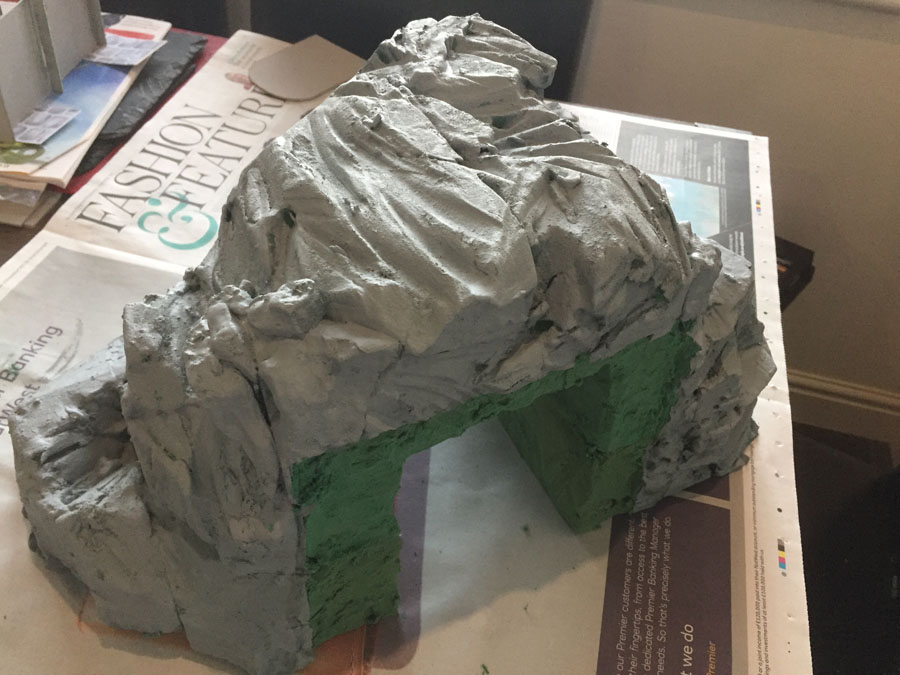
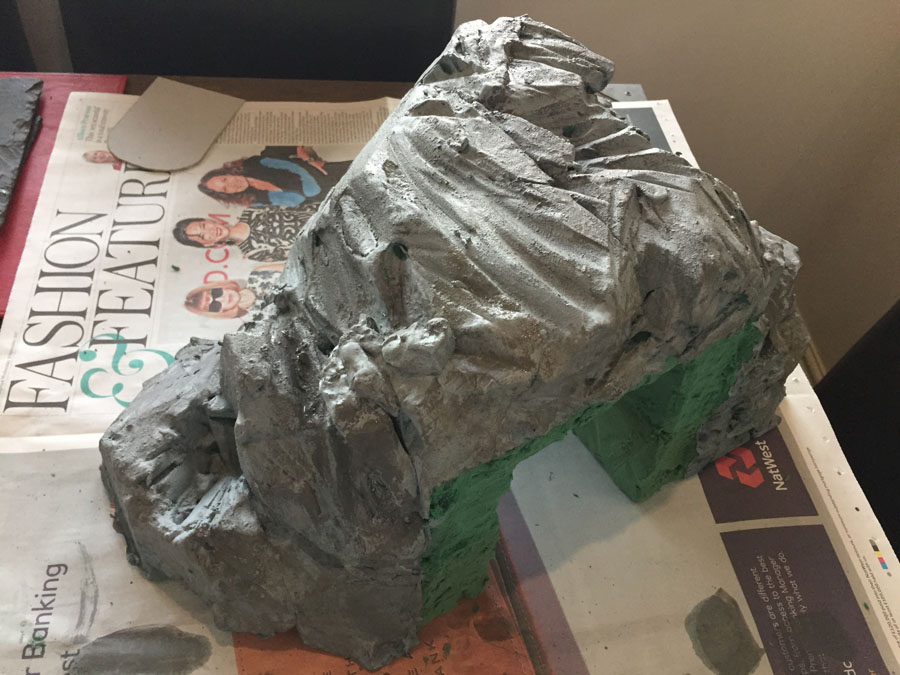
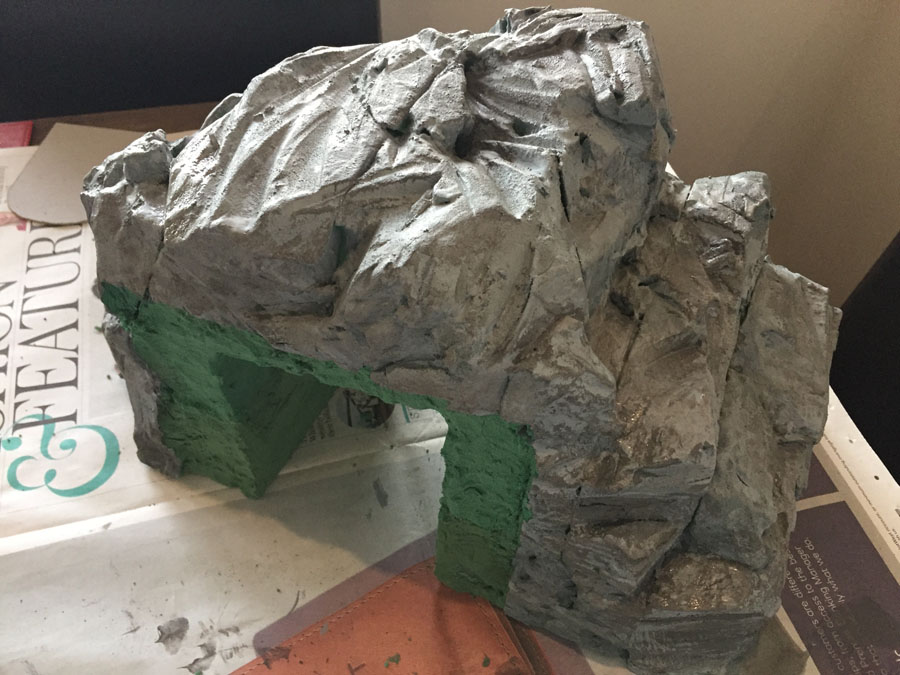
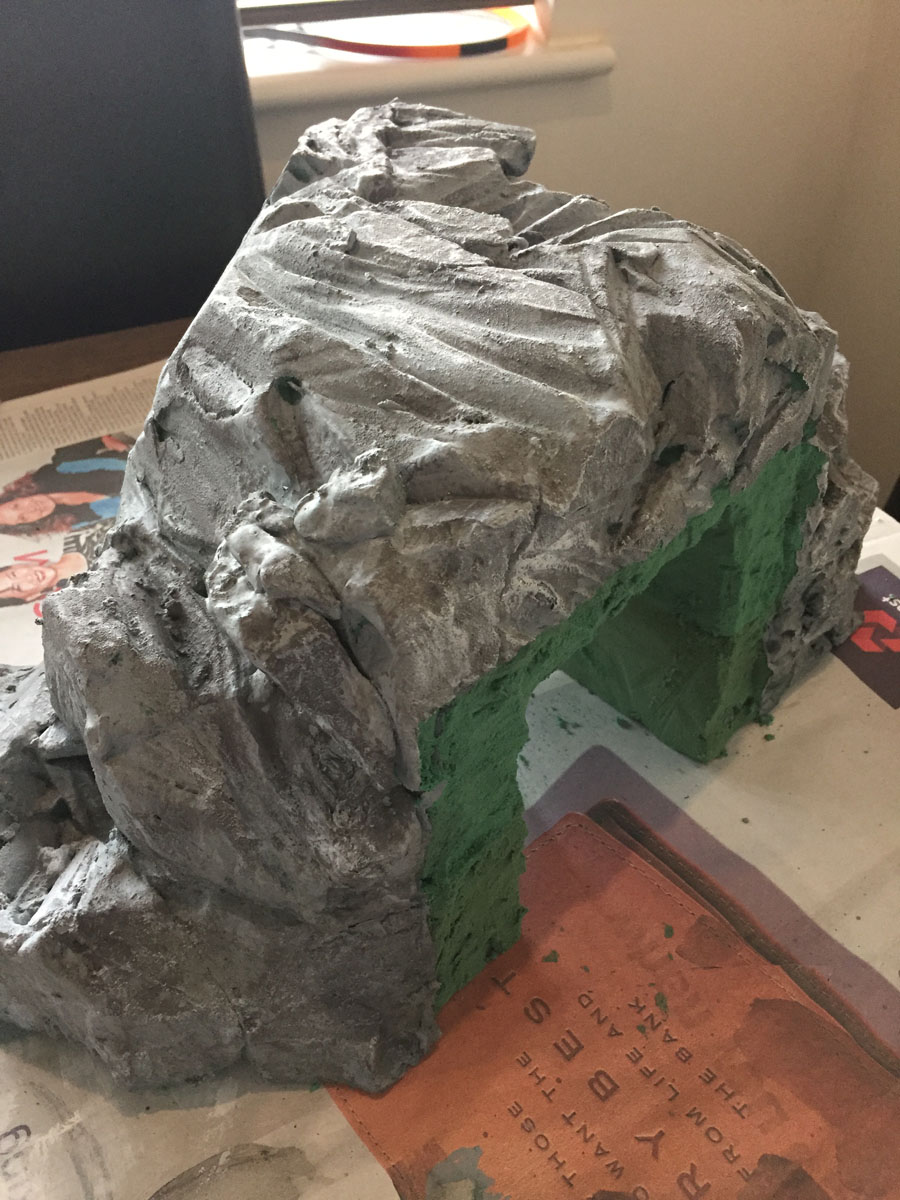
Here’s the exact point where it all starts to come together. I used a very, very dry brush with black on it (well, very, very dark brown) and just took my time dabbing it over the bits of rock that were ‘sunk’ (the opposite to sticking out bits).

I was surprised at just doing this how much better it made the rocks look.

And then when I did exactly the same with a dry white brush (on the bits sticking out) it transformed it.

In fact, I was really pleased with it.

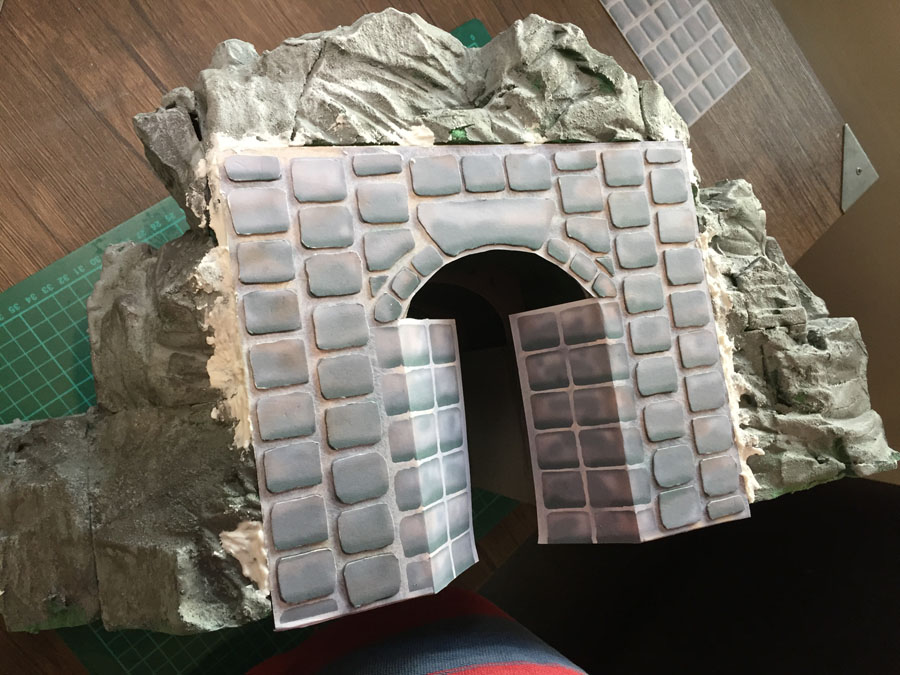
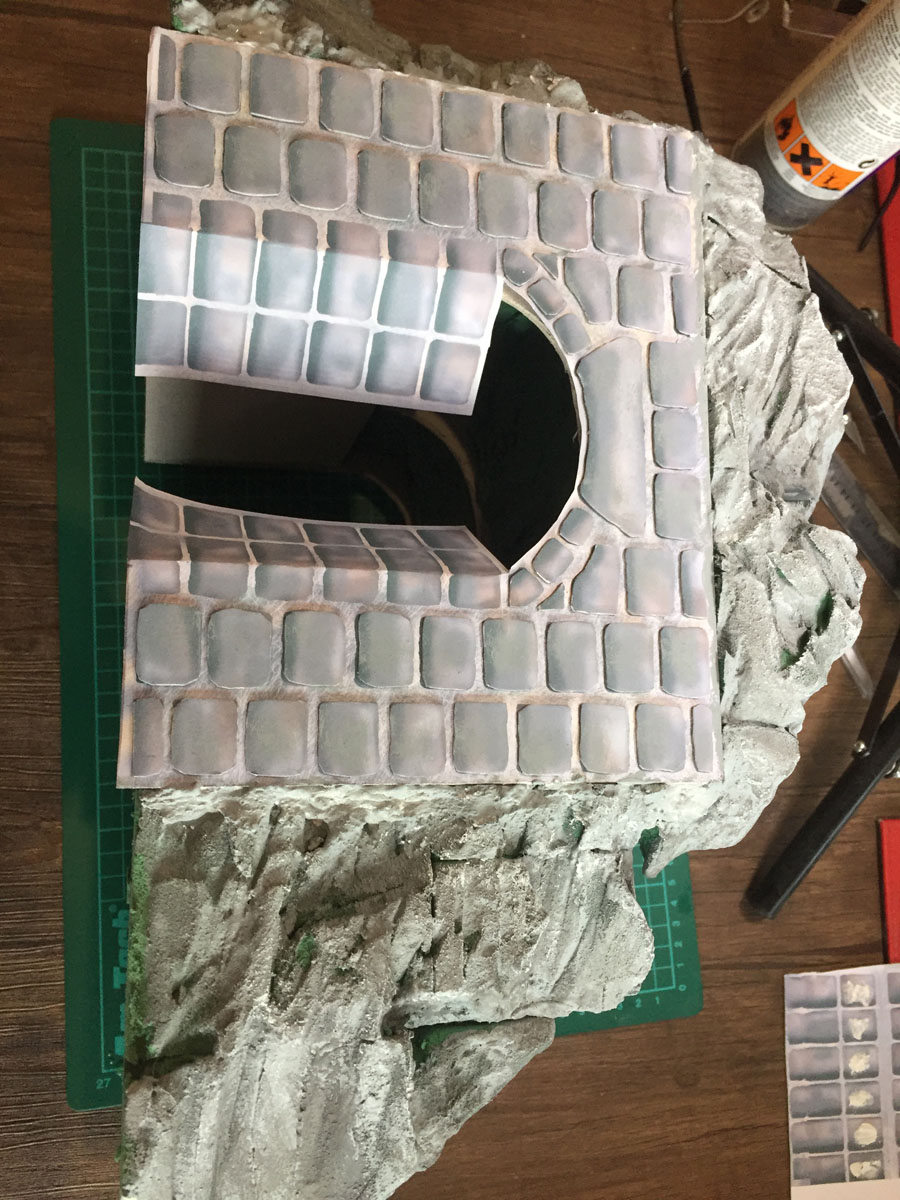
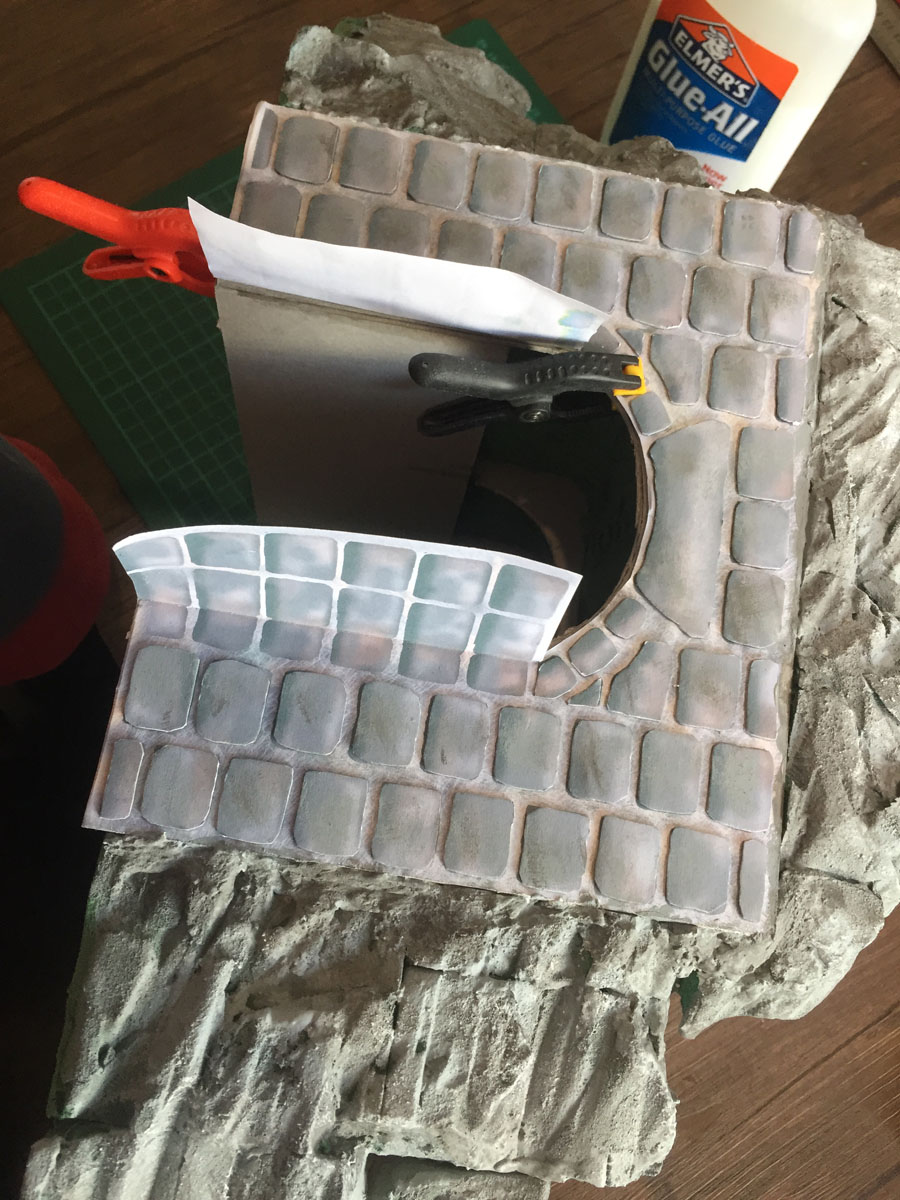
Now to get the tunnel print in place.

I stuck the print to the card frame and used a DIY filler for the gaps at the side

Here I’ve painted the filler.

I used exactly the same technique with the black and white paint.

I also added more glue to secure the tunnel print – I really didn’t want any ‘wobble’.

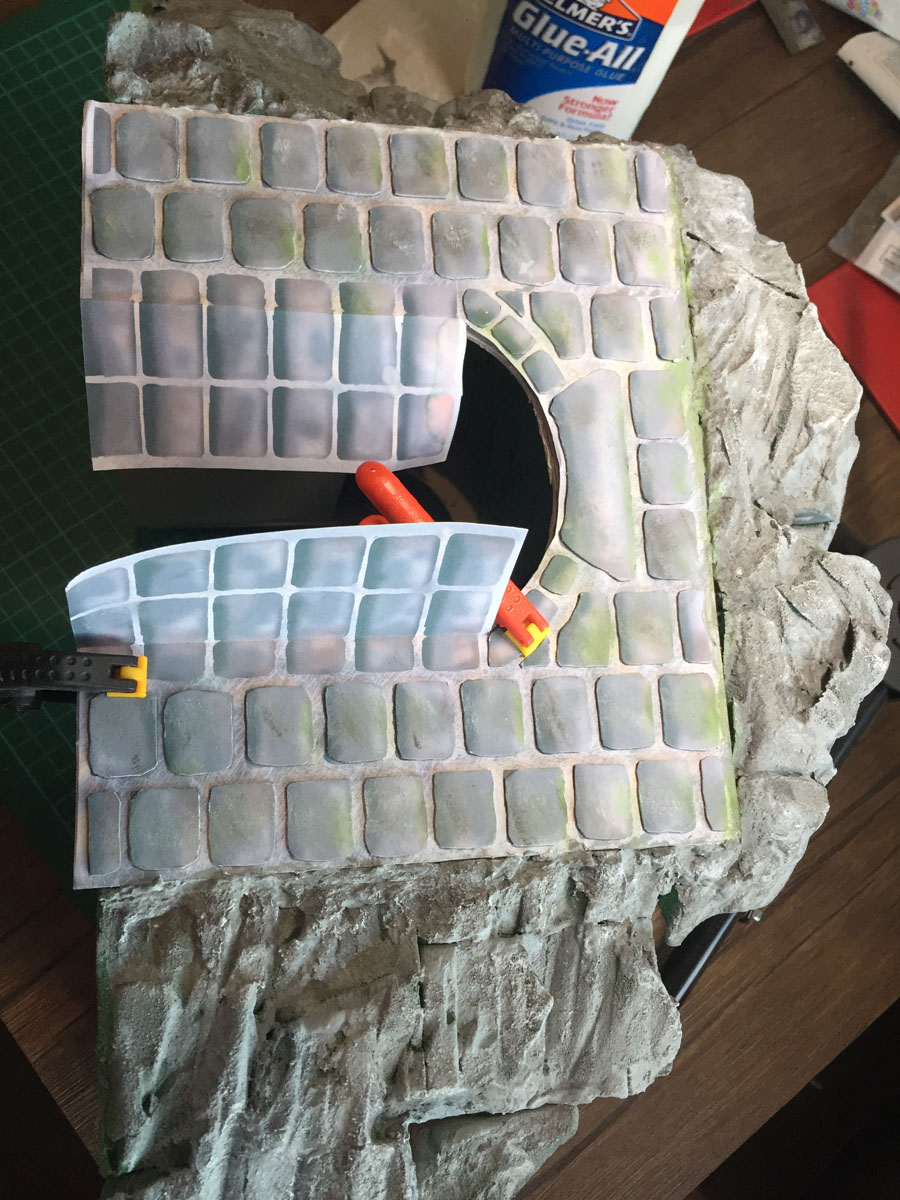
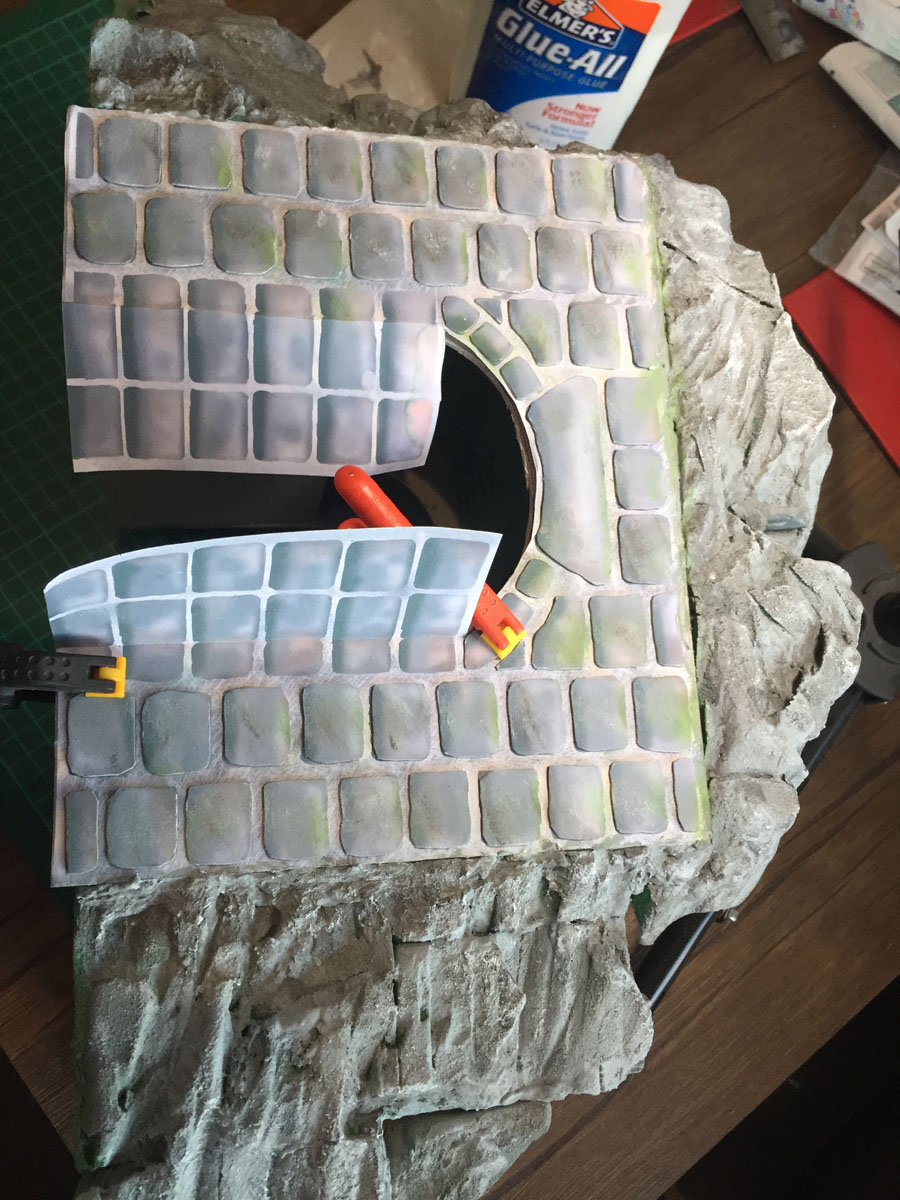
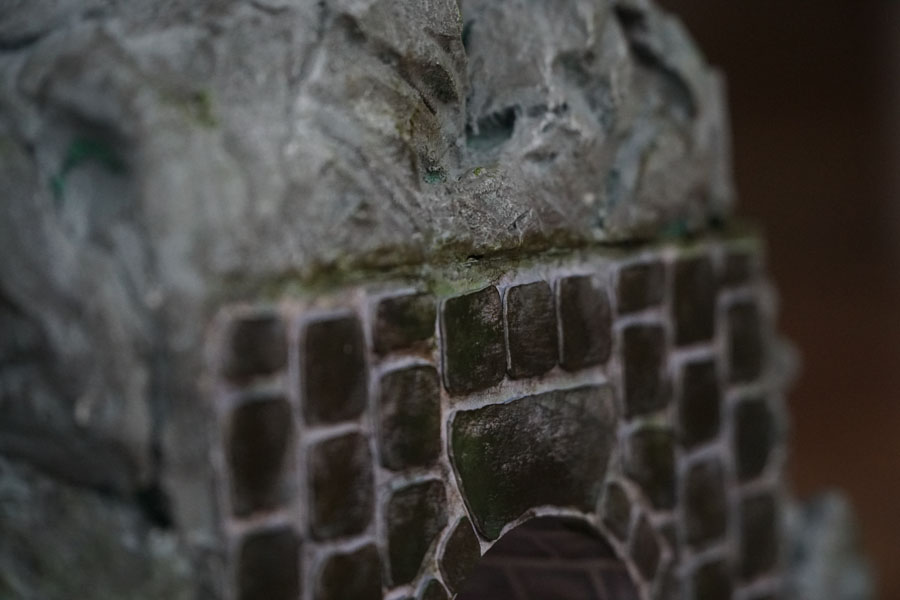
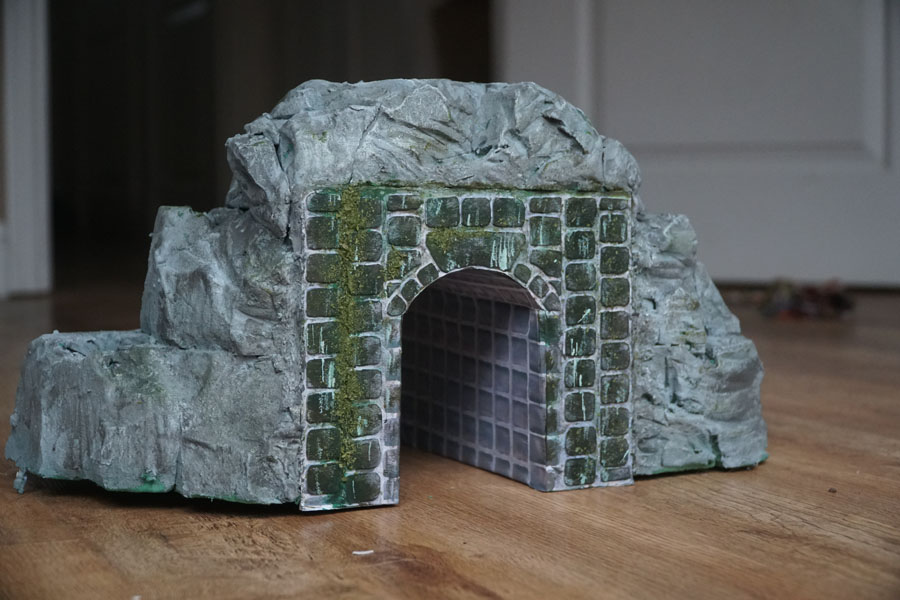
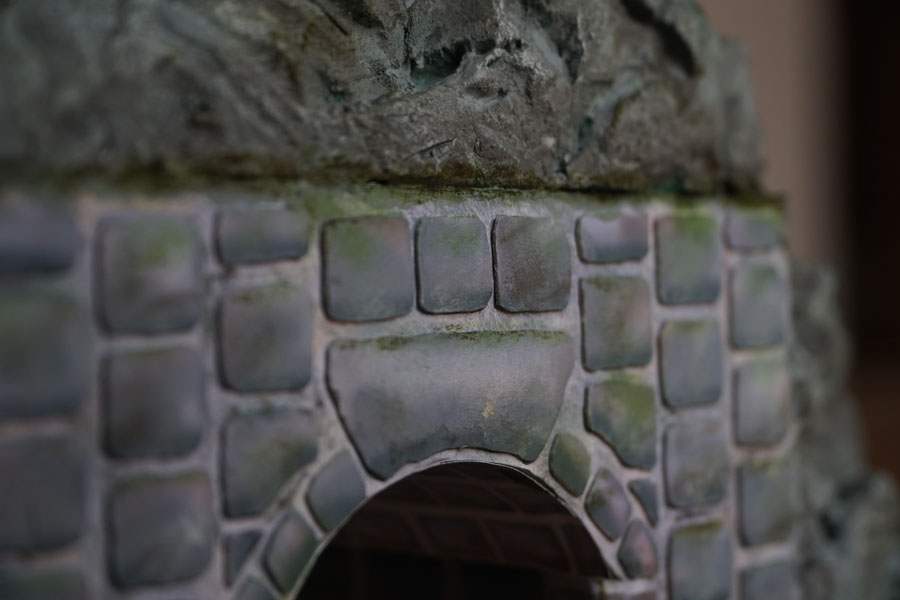
Now for the part I like most – the weathering. Again, using a very dry brush, I began to add green.

I also used a dark grey to pad out the stones.

Here I’m gluing the tunnel flap to the tunnel wall. Using cardboard wedges to make sure it’s flat.

More weathering with the green.

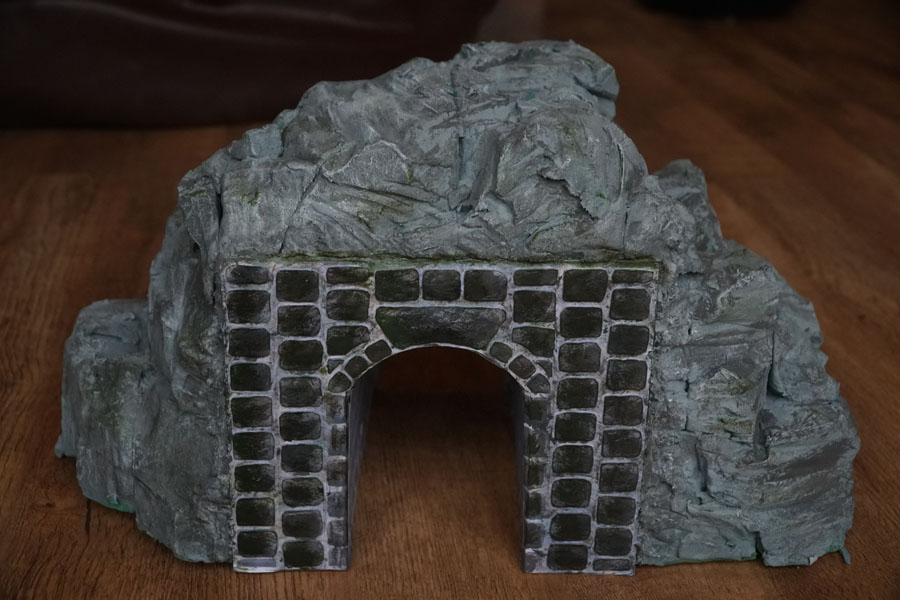
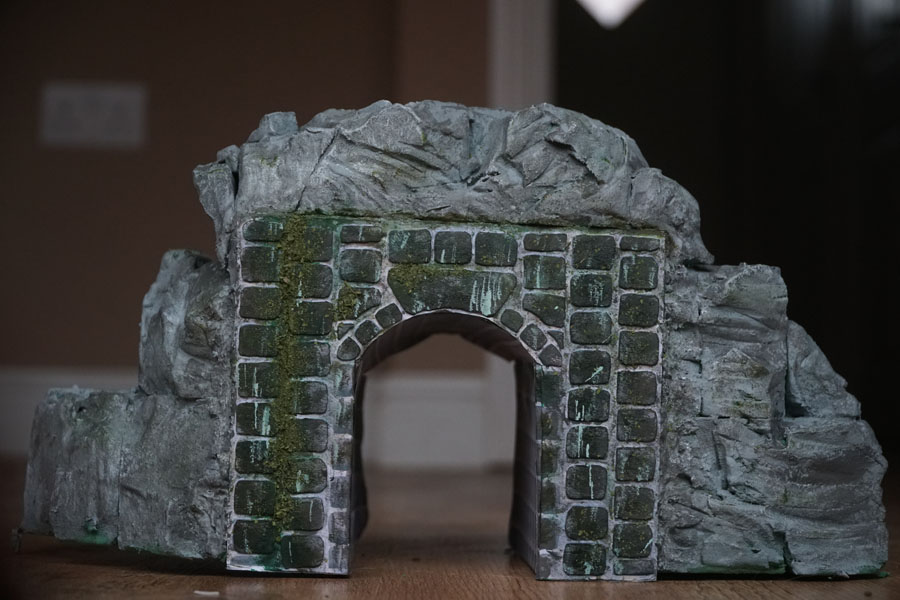
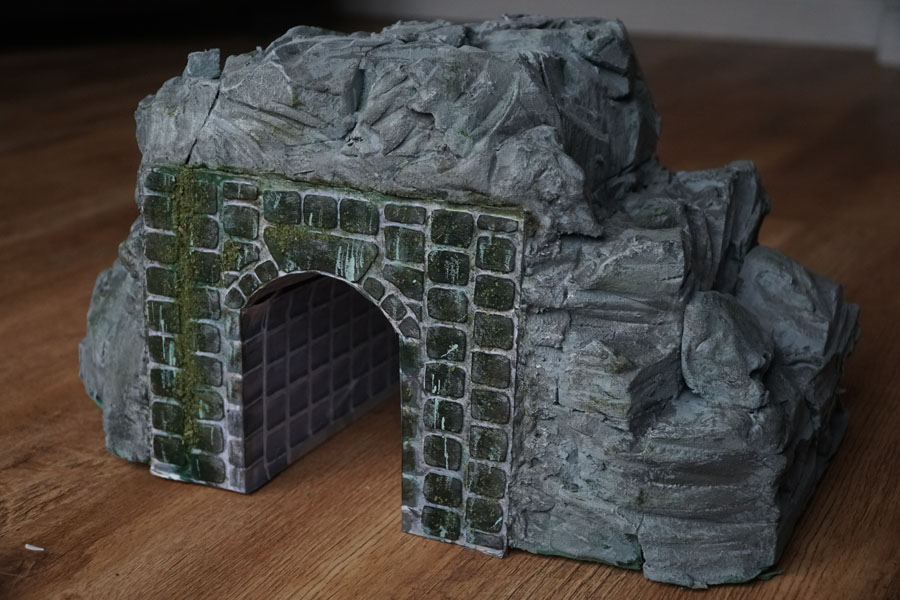
At this point, it looks pretty much done, so I thought I’d photo it.

This was me just being cautious though, I wanted to weather it a lot more. But I thought if it all goes wrong, I still have this pic.

Now I get really busy and make the stones a lot darker.

Again, just different shades of dark grey applied with a very dry brush.

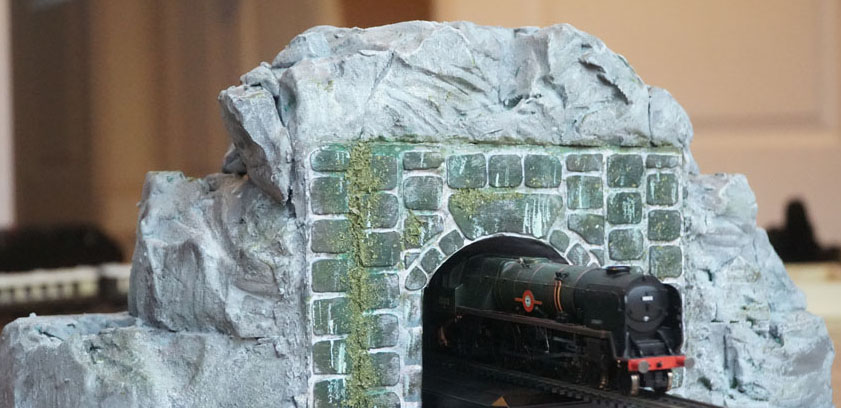
Now a quick word on scale. Al’s made these prints big as it’s easier to scale down than enlarge. Have a look below at just how big.
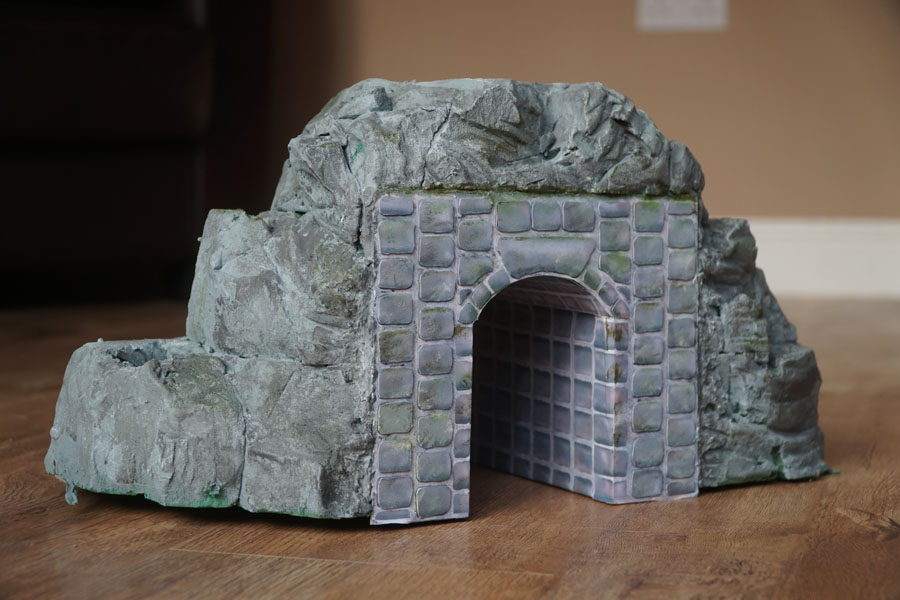
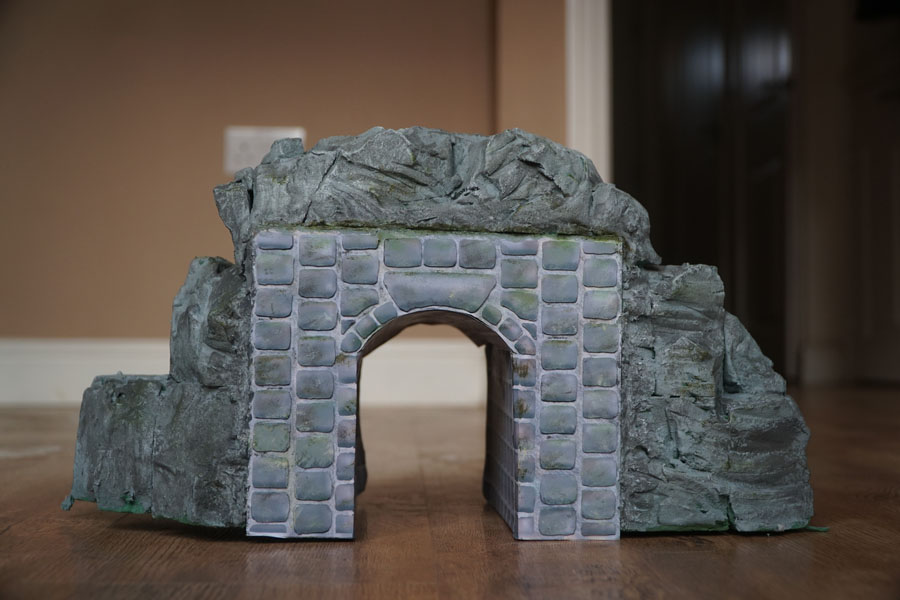
Here’s an OO loco. So you can see, in a proper scene I’d either chop the bottom 4 stones off when making the tunnel, or print it out smaller (Al say’s he going to do a ‘how to’ on doing that).

I really wanted to make another one that was smaller and a different colour, but Al was in a bit of a hurry, so I hope what I’ve done is helpful to some.

I can’t tell you how much fun it was to make this tunnel.

I think the options are limitless if you treat the tunnel print as a base coat. It would have been just as easy to make a light brown rocky tunnel – just get stuck in with the paints and enjoy yourself. I did.

Thank you Al for letting me try it out.

Mike”


A huge thanks to Mike.

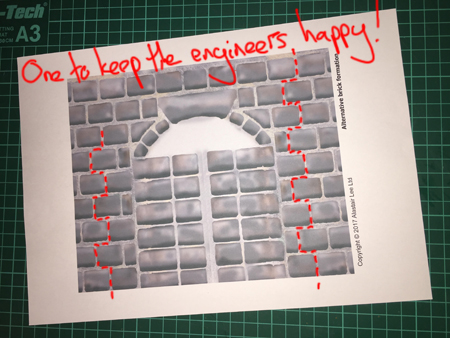
I should also add the print comes with an alternative tunnel face – one to keep the engineers happy.

I just love what Mike’s done with the print and it just goes to show this hobby is all about having fun.

And there’s great news about the tunnel print too. Right now I’m bundling it absolutely free with the Beginner’s Guide.

Why am I doing that? Because every now and then I have a sale.

Other sites seem to have a sale every two days or so. Not me. In fact, the last one I had was long, long time ago.

So when a sale does eventually come along, I want you to know it’s the real deal.

And this one is my best one yet, by a long stretch.

Not only is the Beginner’s Guide the lowest price it’s ever been, I’m also throwing in the brand new tunnel print, absolutely free.

You get the tunnel print out worth $9.

And the Beginner’s Guide is knocked down to just $9 from $27.

So right now you are saving a whopping $36 – and of course, you get everything that comes with the Beginner’s Guide normally.

Of course, I’m biased, but it’s a silly deal.

You might be thinking, “Where’s the catch?”.

Of course there’s a catch: this deal is about to finish! Then the tunnel print will be gone. So will the videos. And the Beginner’s Guide price goes back up to $27.

So grab it here now before it all disappears like a shadow in the night.

That’s all for today folks.

Best

Al

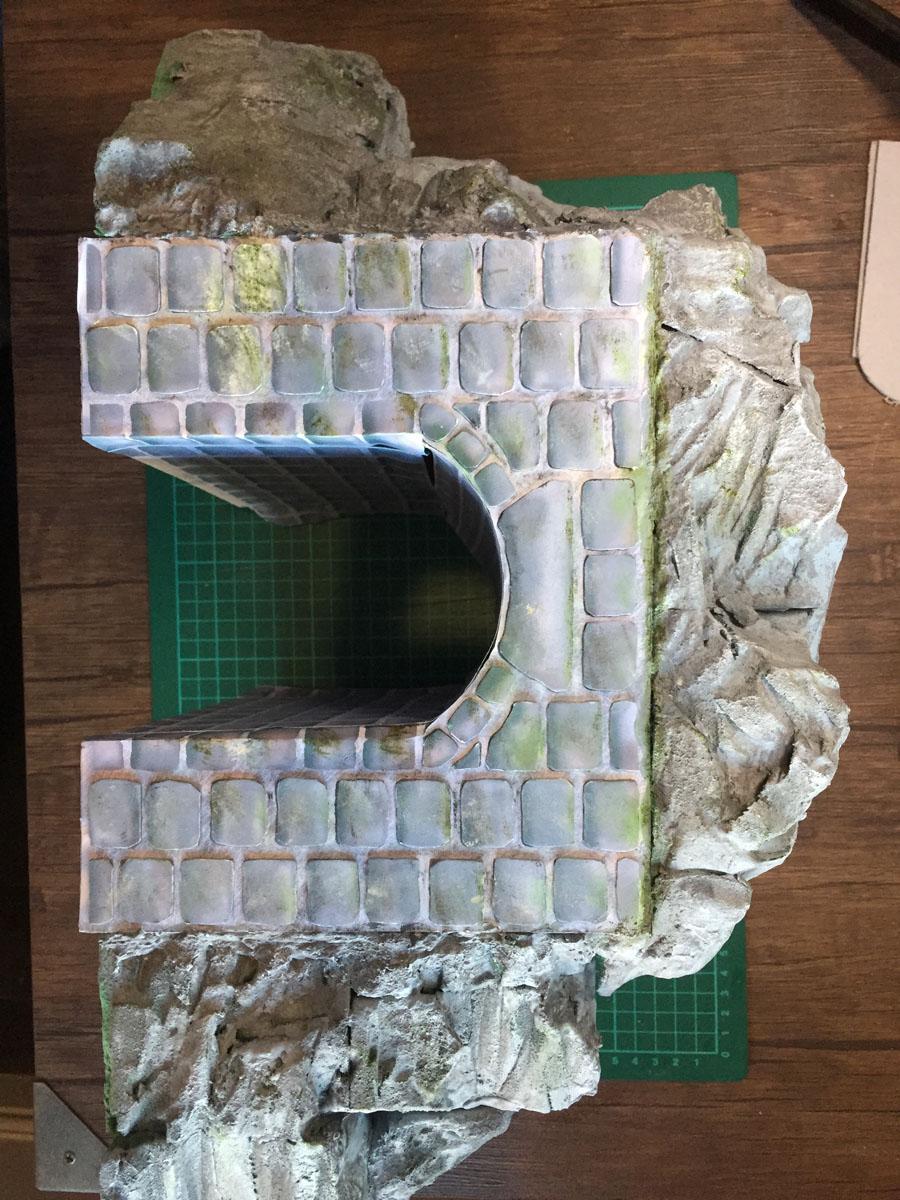
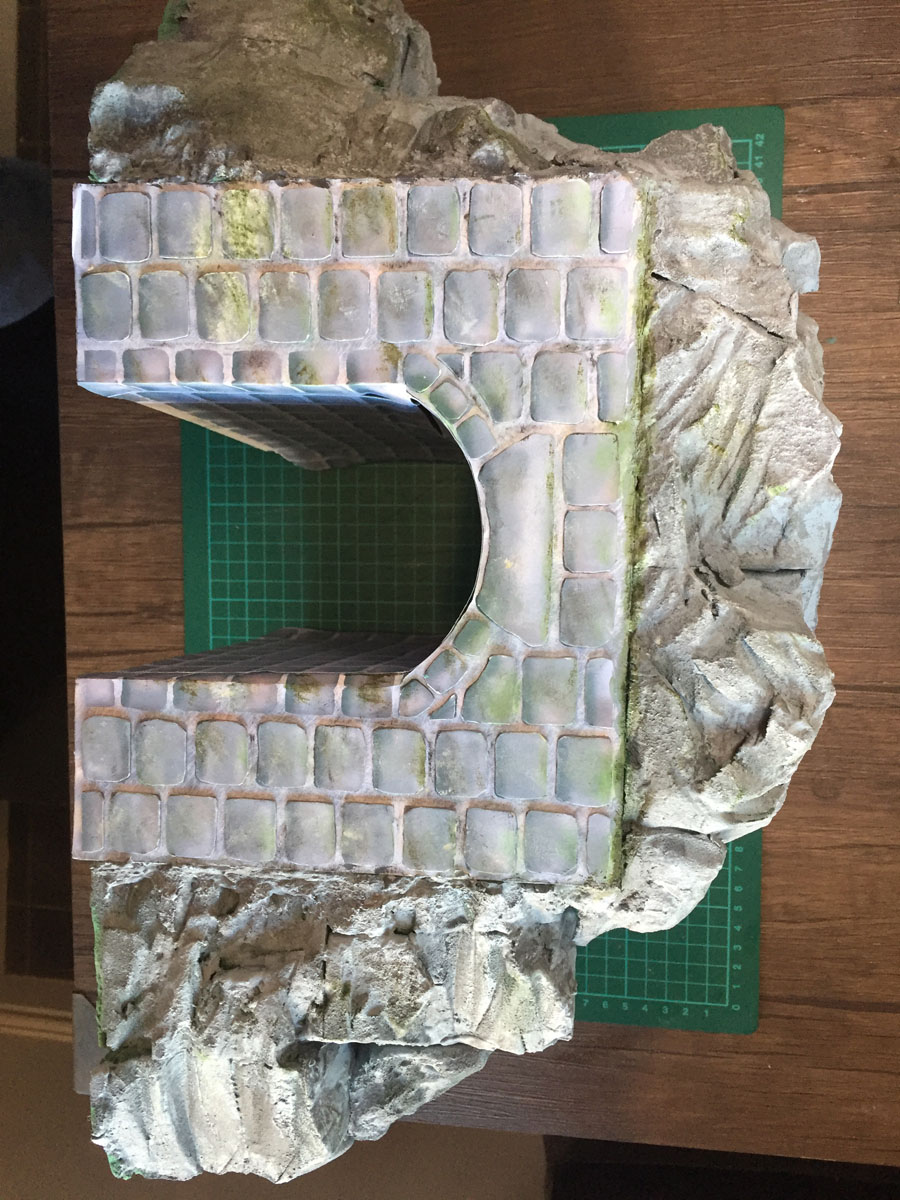
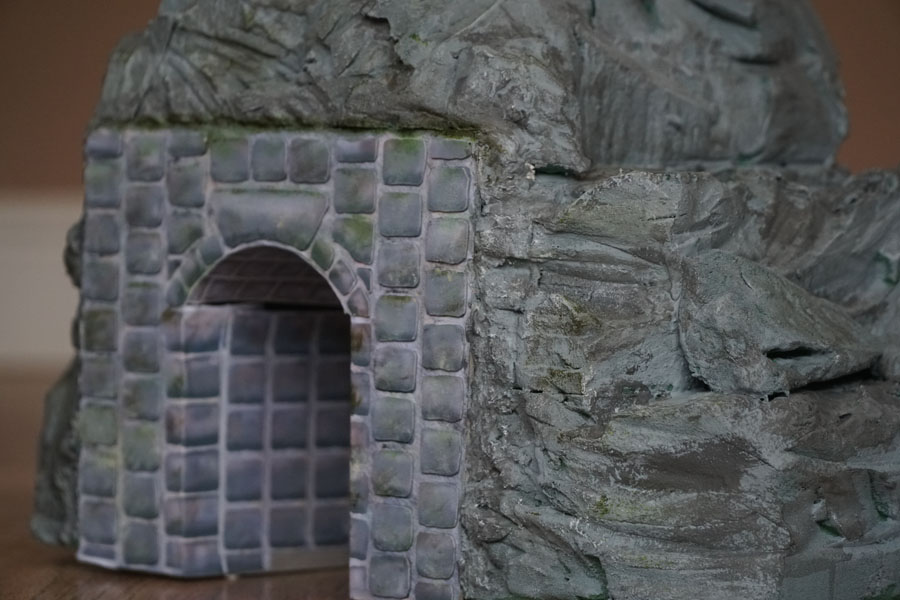
PS Here’s some large pics of the tunnel (images are clickable, just like the ones above).

7

Shaper sheet for model train scenery

Rob’s been in touch again – this time with an excellent vid on on using shaper sheet with plaster:

“Hi Al,

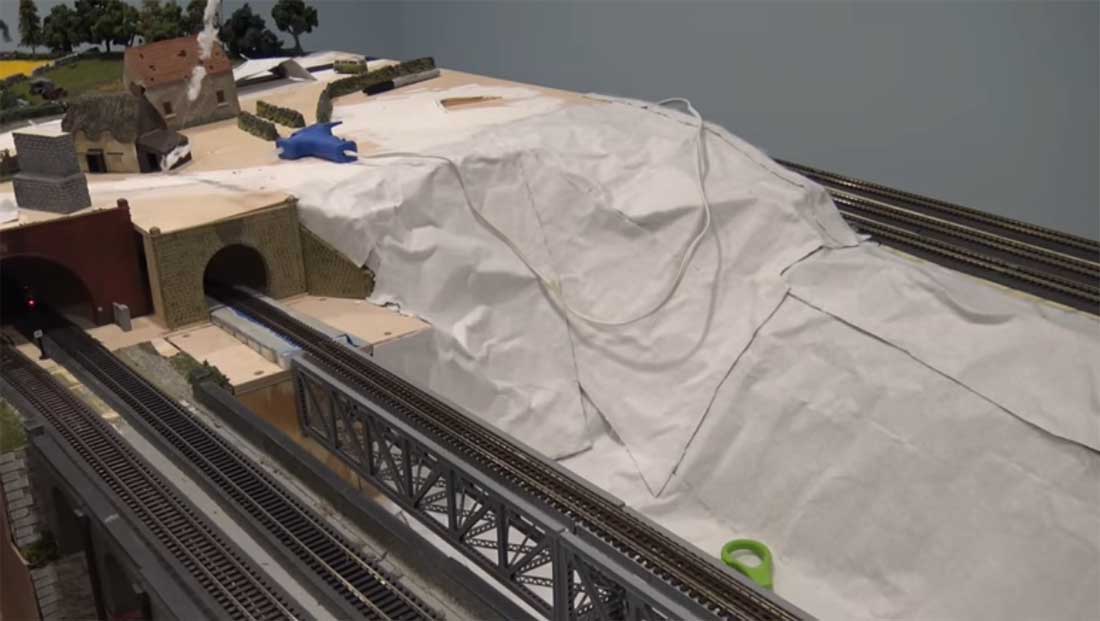
Here are a couple of good videos demonstrating the application of shaper sheet with a hot glue gun and plastering over it for an excellent modeling surface.

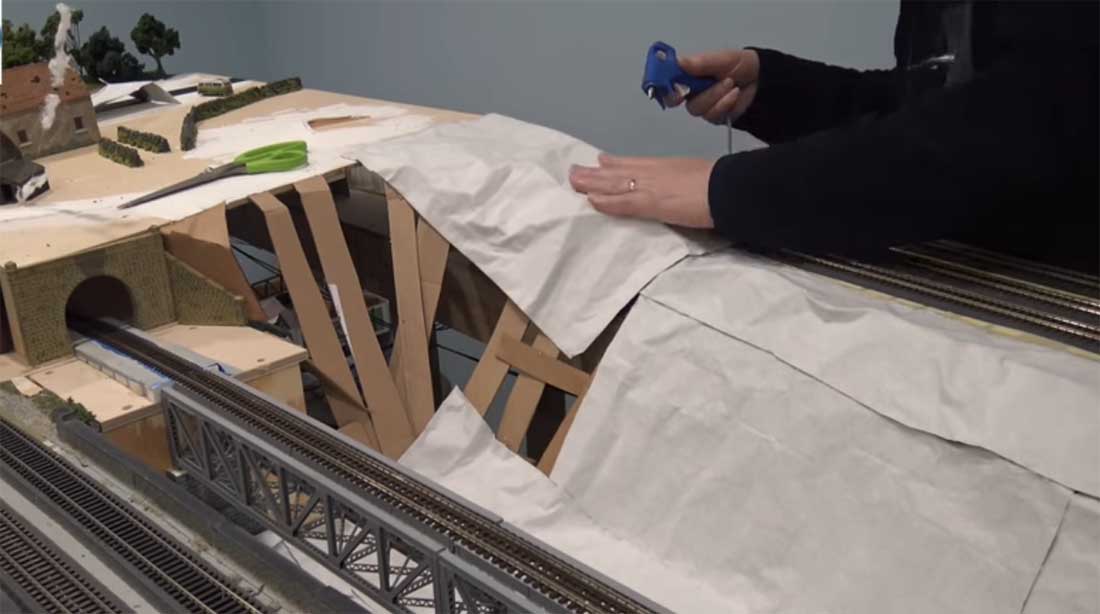
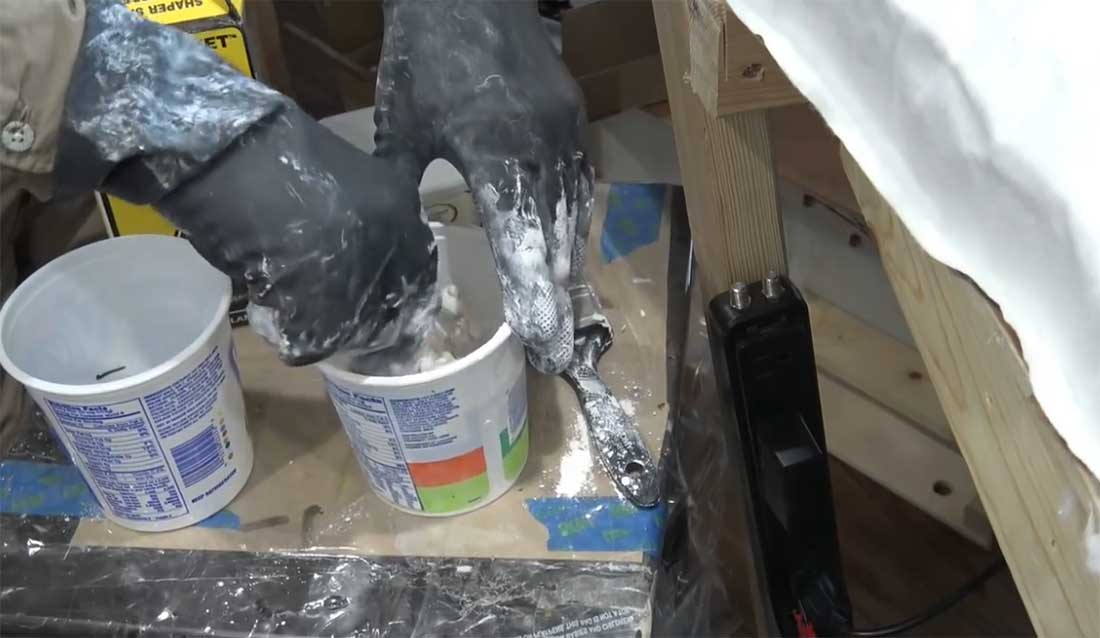
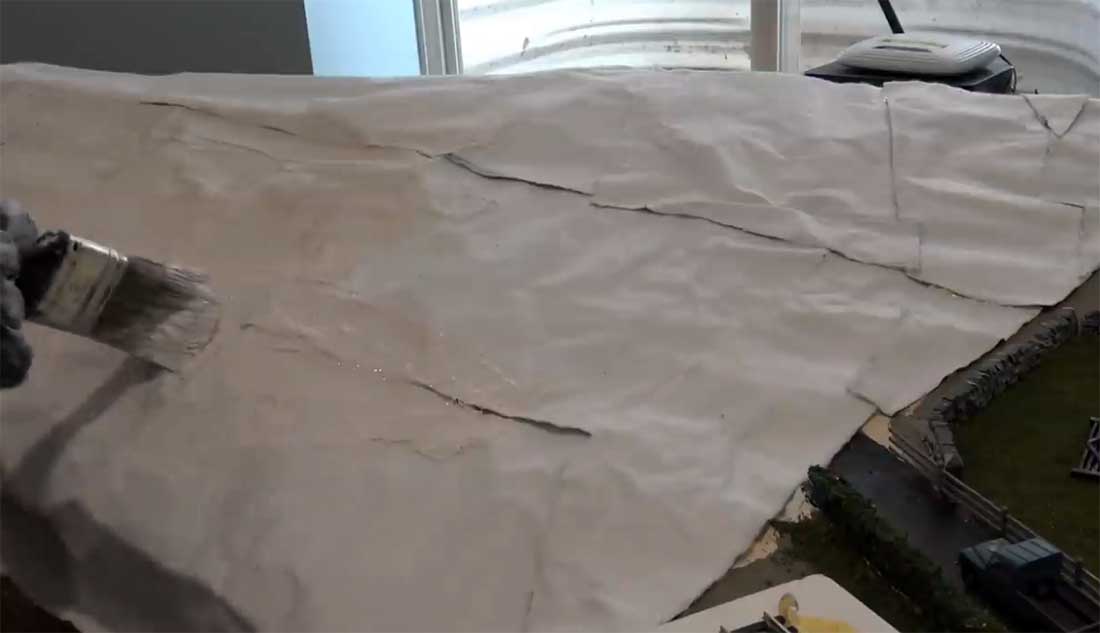
In the first one, I use a hot glue gun to attach shaper sheet to my corrugated paper board framework. It is a very quick and easy way to do this. I also start thinking about how I am going to build a siding and run around for the locomotive.

In the second I demonstrate mixing and applying Shaper Sheet plaster. I also look at the completed work, at the time of shooting, around the layout with my new camera gimbal.

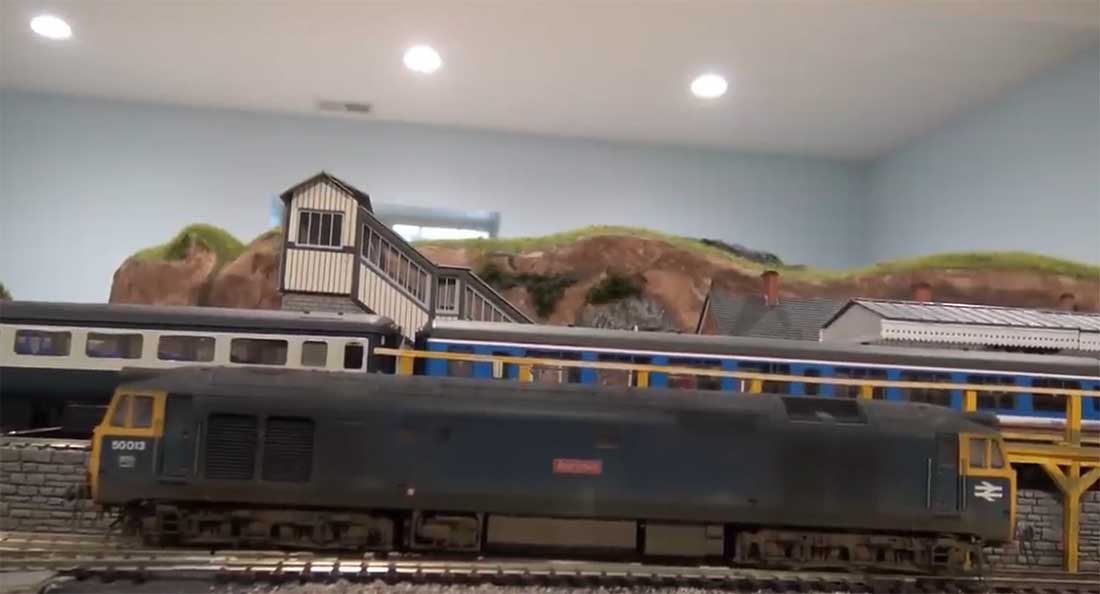
Farland is now about half done at least for the big details. I expect to be making small modifications and adding smaller details for several years after the big picture is created. Building Farland has been the most fun I have ever had in my life. Well, I suppose when I was younger I had some very good times too, but I cannot imagine any better way to spend my retired time than doing what I am doing.

Thank you for all you do for the modeling community,

Rob, Farland Howe”


applying shaper sheet

woodland scenics shaper sheet

mixing plaster fro shaper sheet

applying plaster to shaper sheet

model railroad shaper sheet mountain

Shaper Sheet and Track Planning for Far Moor


Latest ebay cheat sheet is here

Now on to Raymond:

“Hi Al,

Kennith’s American West layout reminded me of something I saw at a recent model railroading show in the St. Louis, MO area.

You’d appreciate if you’ve seen Back to the Future movies.

Raymond”

model railroad back to the future


A huge thanks to Rob for sharing his shaper sheet vid.

And I’m in complete agreement with him too – there’s not a better way to spend your retirement than pottering away on your layout.

That’s all for today folks.

Please do keep ’em coming.

And if today is the day you get started on your layout, the Beginner’s Guide is here.

Best

Al

PS Latest ebay cheat sheet is here.

PPS More HO scale train layouts here if that’s your thing.