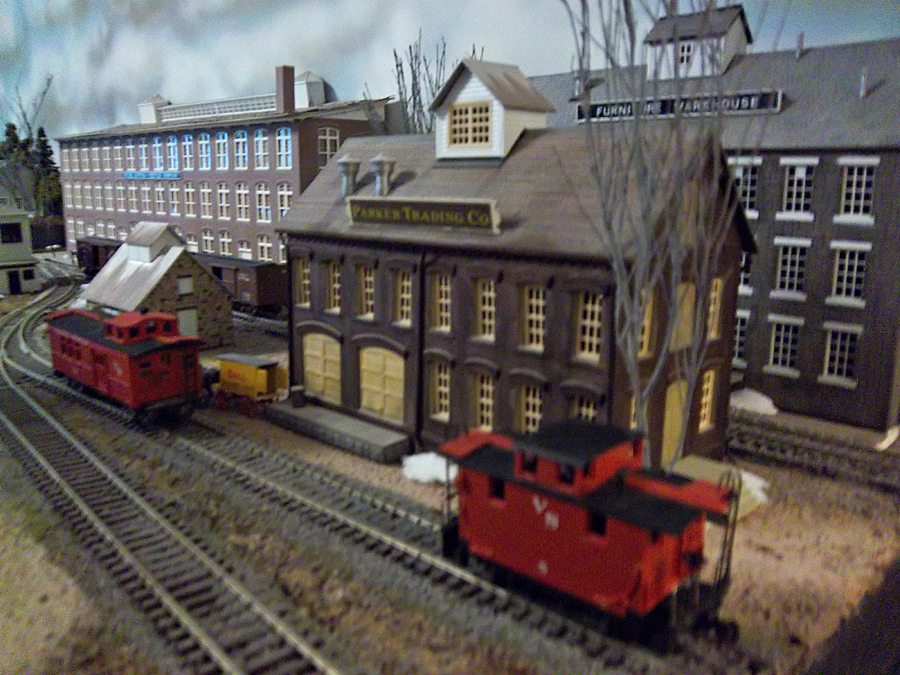
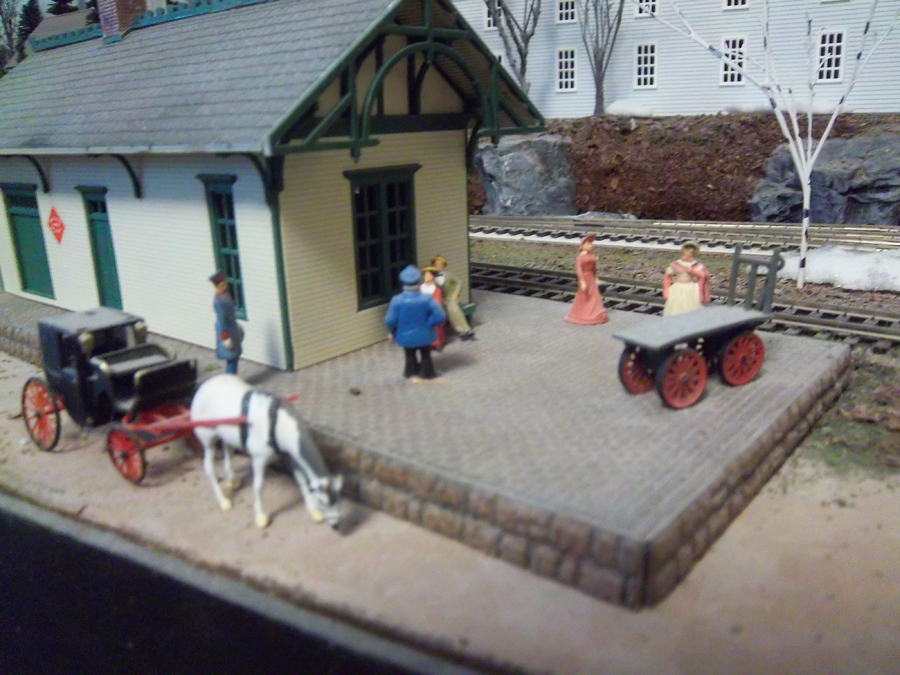
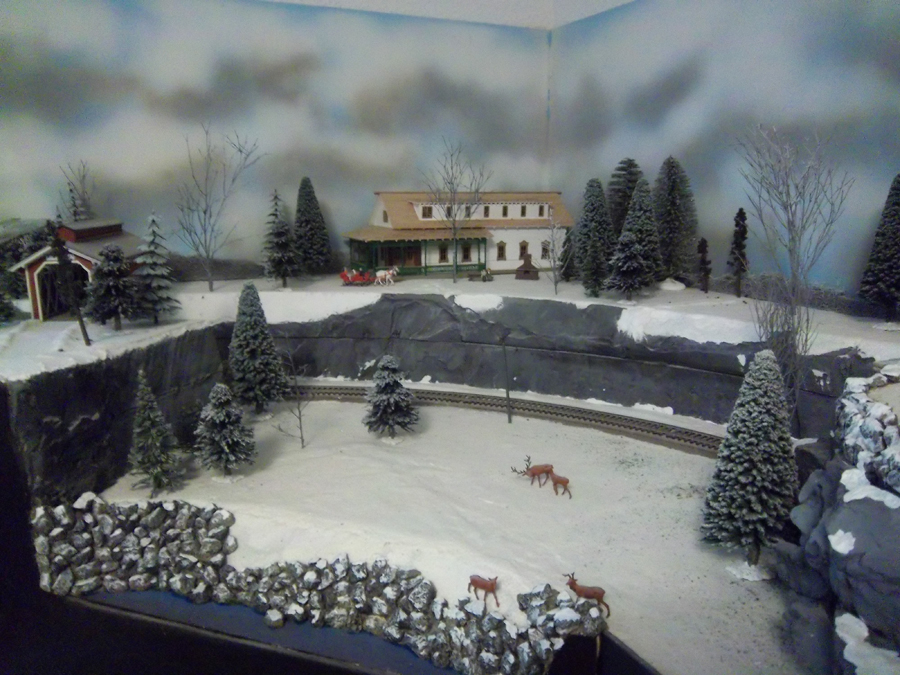
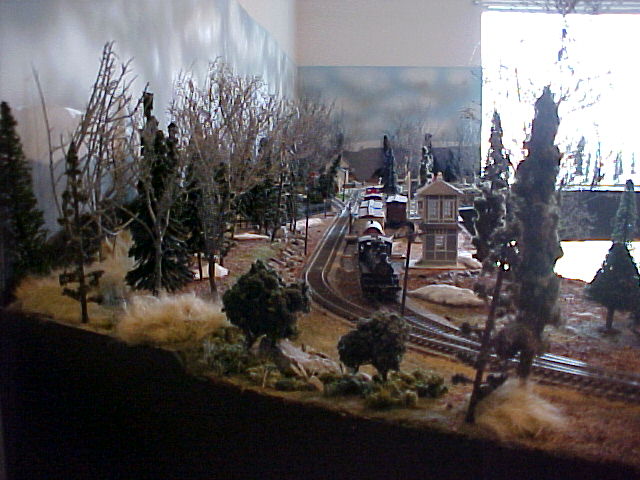
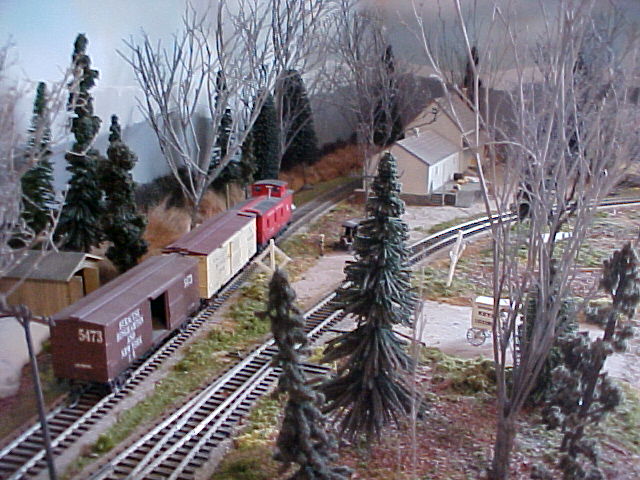
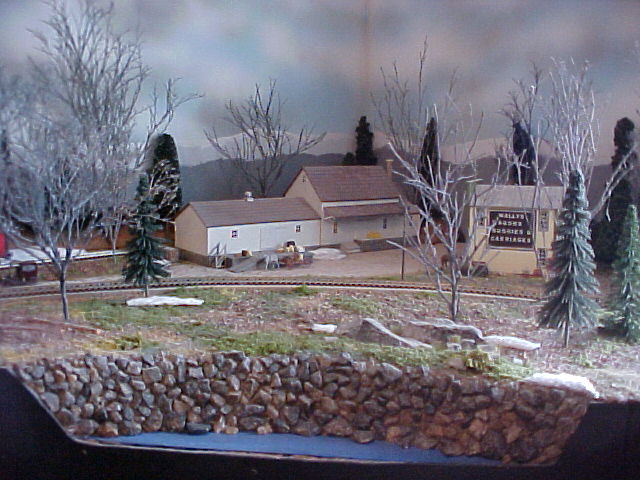
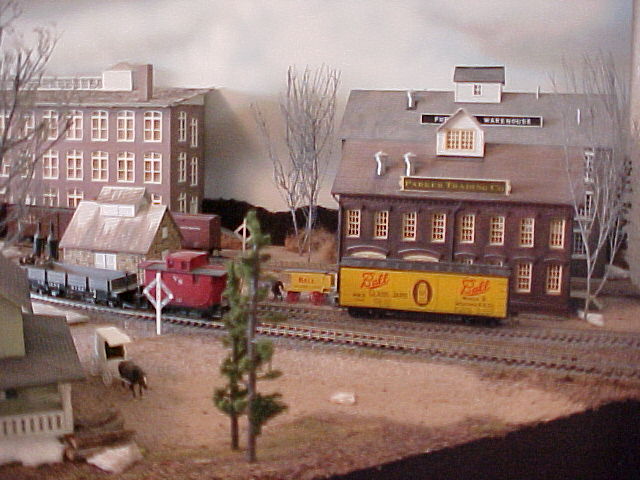
Remarkably, he’s also mailed me saying the below layout has already been broken up for the next one. Can’t wait to see it.
“Hi Al
I know this is maybe too soon after my other updates but will be the final update from Wensdale in this format.
Why? you ask, well Dangerous Dave summed it up brilliantly with his recent ‘access to layout video’. Crawling under a low board to get to the centre of the layout is a literal pain as you get older, so I have decided that I must agree that more access makes for more enthusiasm so my future layout will follow the walls with access right around the layout. But more of that in the future.
Wensdale New Town by nacht was taken late one evening so there was a bit of low light coming through the windows that allowed me to put on all 169 lights, believe me the wiring would drive you mad. The lights are controled by two old twin track Gaugemaster controls that are at least 30 years old but still do the job. Unable to use the tripod effectively this video is taken hands on, so to speak so expect some jerks along the way, especially when I realised some of the lights weren’t switched on.The trains are running smoothly and quite slowly for those who hate fast trains.
I would also like to thank you for your kind comments for my last two updates on this layout and of course Al for showing them and keeping up this great site. I will see what I can devise for my new layout and keep Al updated with any hints and tips I come across along the way as I will be starting totally from scratch.
After spending time under the layout wiring, I started to think about the backdrop.
The easiest (I think) is to do mountains. The problem is that I have a street which terminates at the center of the back of the layout (see photo). Where is it going to go?
I got some of my granddaughters’ drawing paper and taped it to the back of the layout. I then drew a freehand road continuation, curving it to the left. I then used the edge of my paint palette to draw curved lines. I drew a hill in front of the curve.
There are two perspective issues. One is the parking lot and wall at the station. The other is the road. Using trial and error I adjusted everything until I got something I could live with.
I’ll have to transfer the scene to the Masonite backdrop. I’m not sure whether to try to paint the entire backdrop or to buy a backdrop and integrate the road into it. Any comments are welcome.
Jack”
A huge thanks to Eric and Jack. Just goes to show a layout is never finished – because when it is, that’s when the new one starts to take shape in the back of your head.
So come and join the fun with the Beginner’s Guide if you’re still sat there on your hands.
We’re starting with Ken today who had made good use of some model train risers to make sure his incline will not be too steep:
“Hi Alastair,
Greetings to you and all your readers.
I have been reading your blog regularly and always look forward to what everyone has to say.
I have seen so many good ideas along the way that I will be using on my layout.
I started a new layout in December of and have been making slow progress. I thought I would send a few pictures and maybe get some comments from some of your good readers.
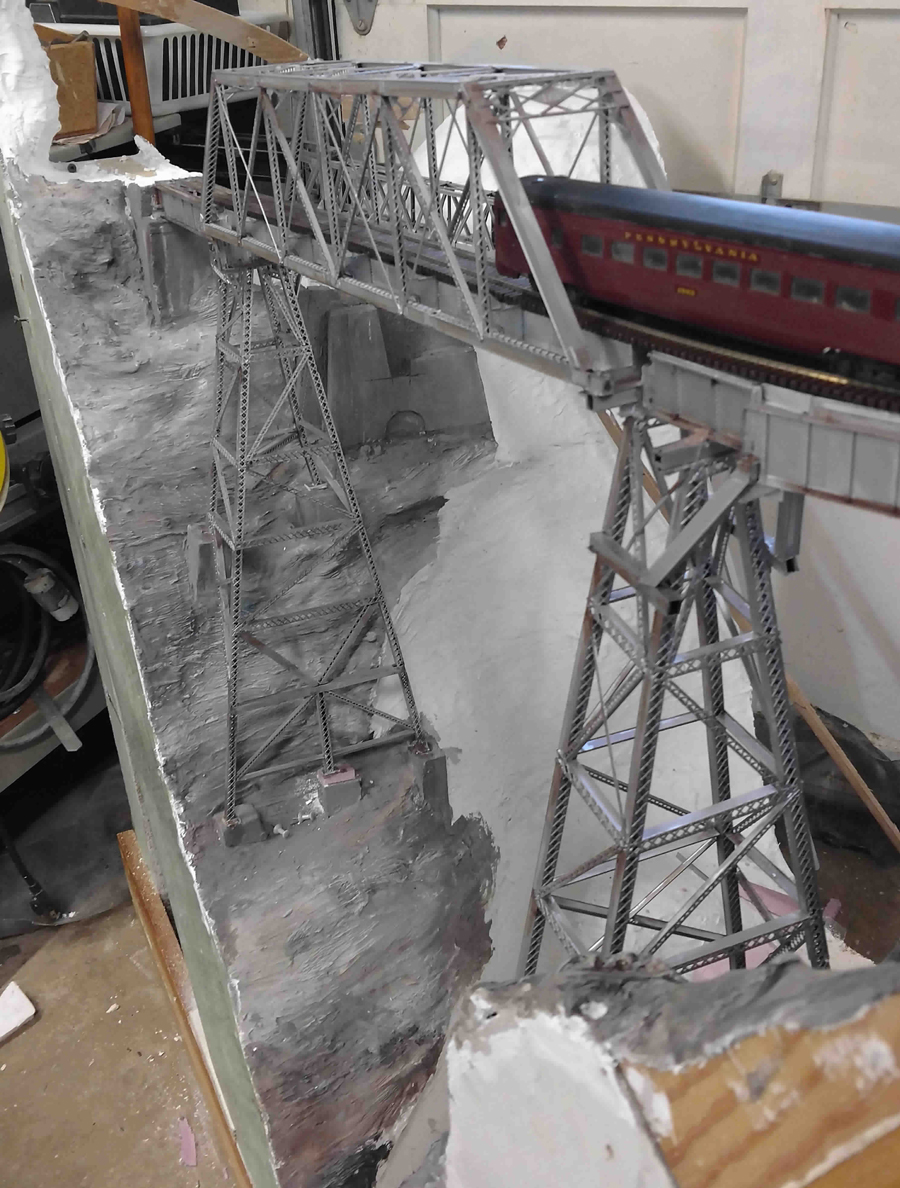
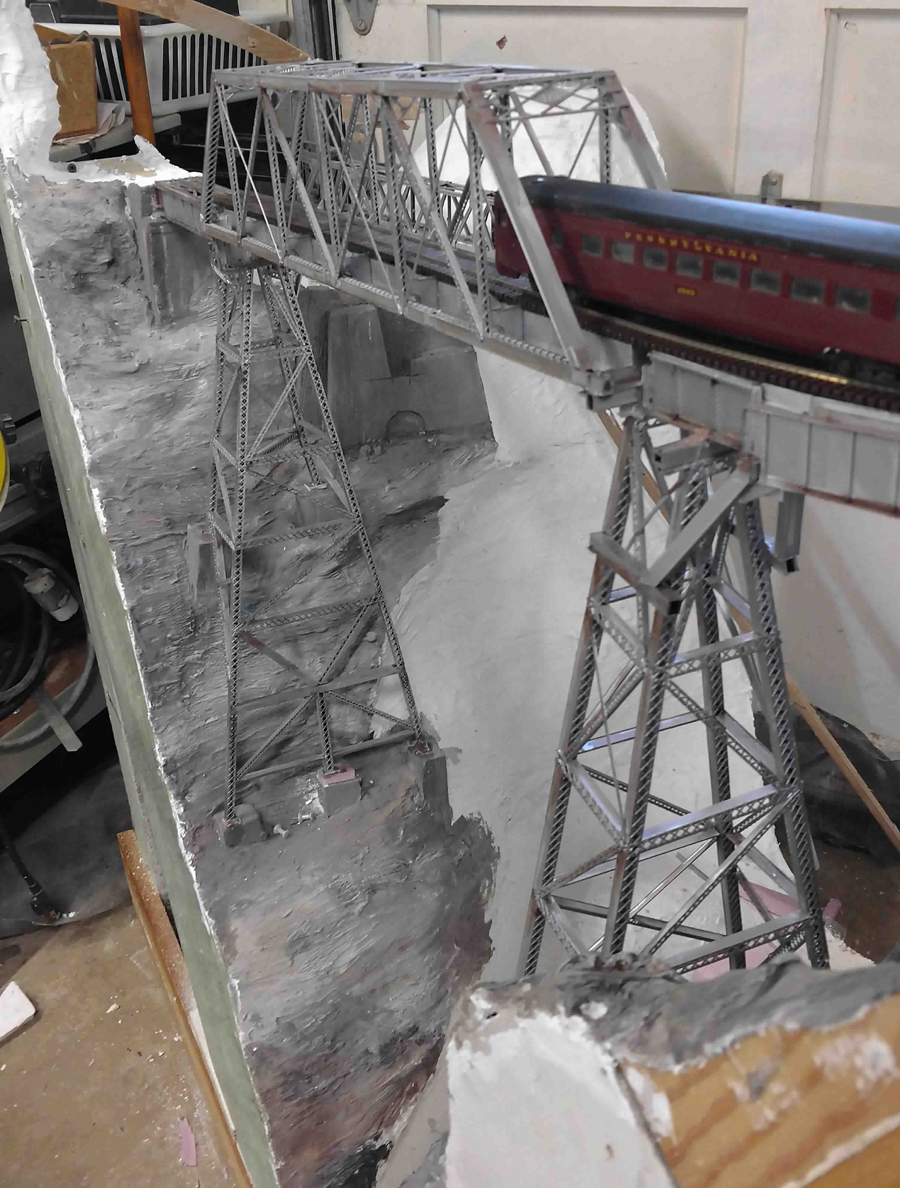
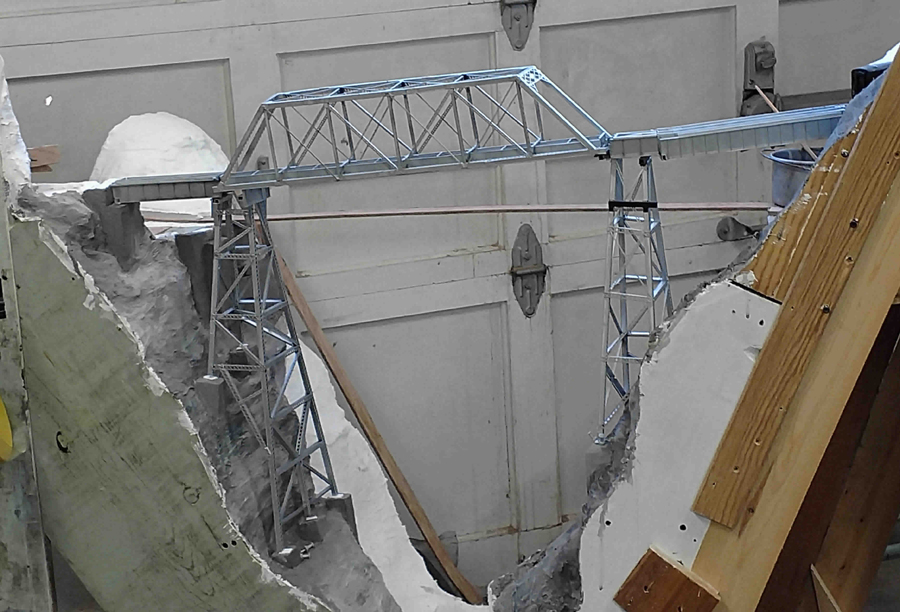
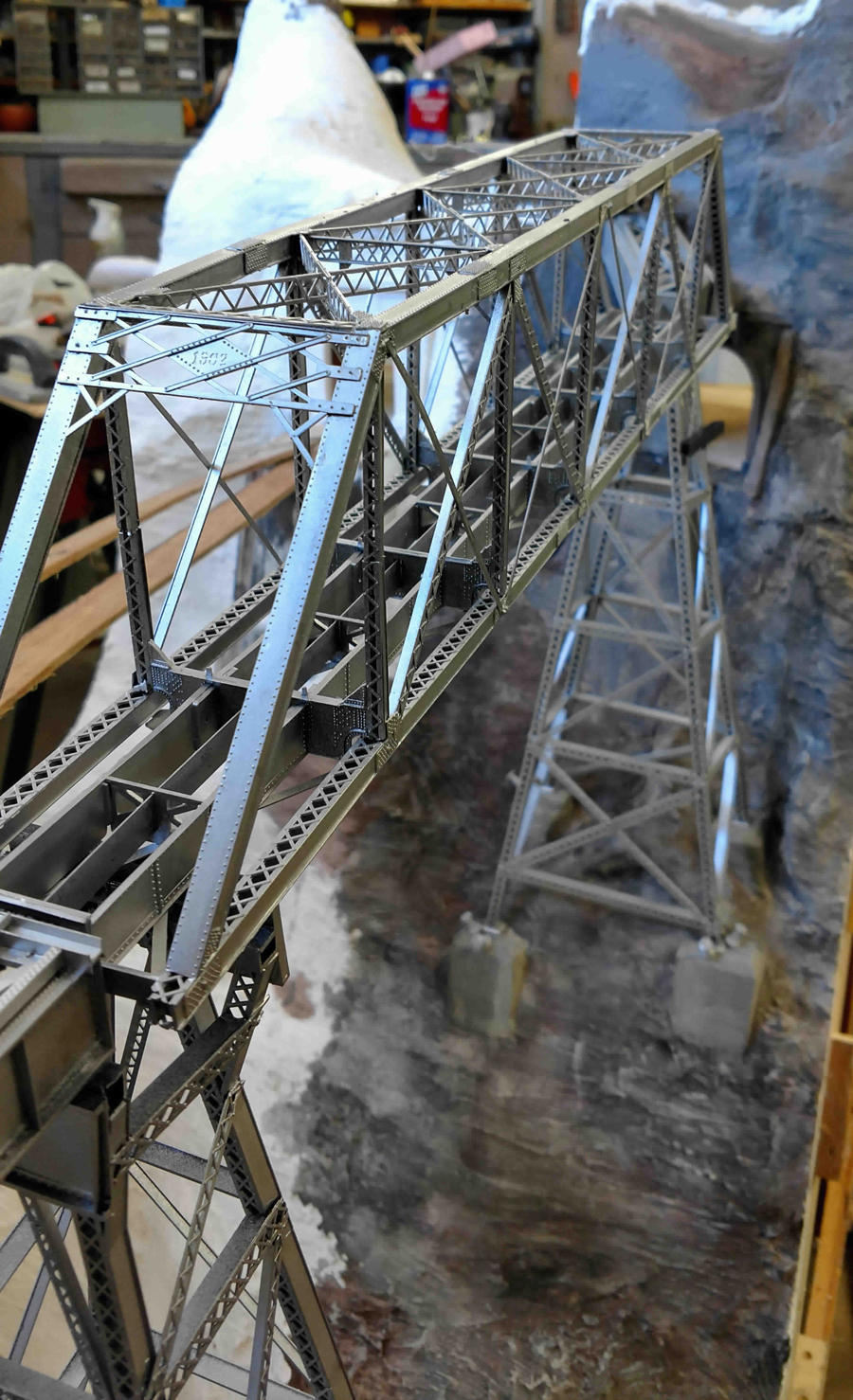
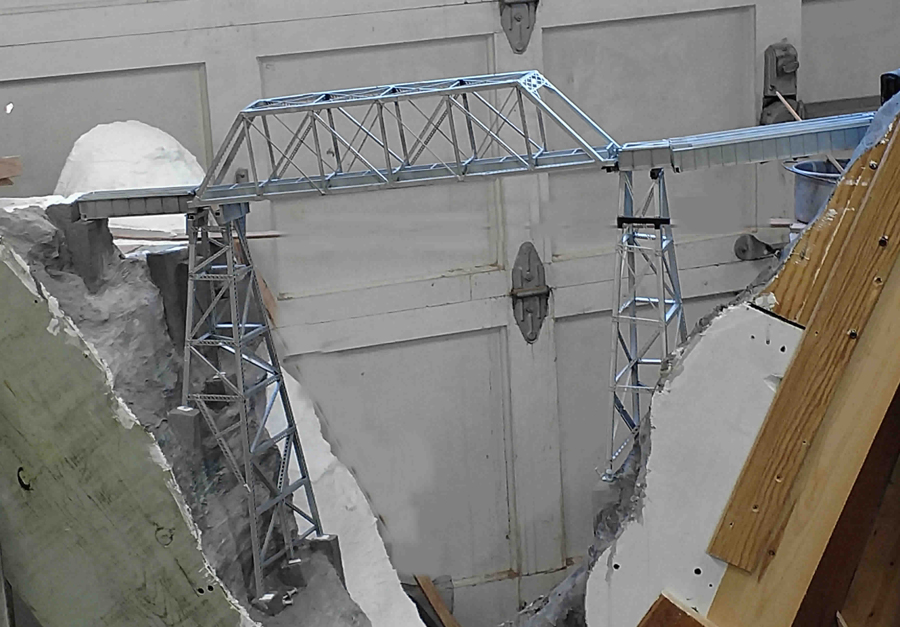
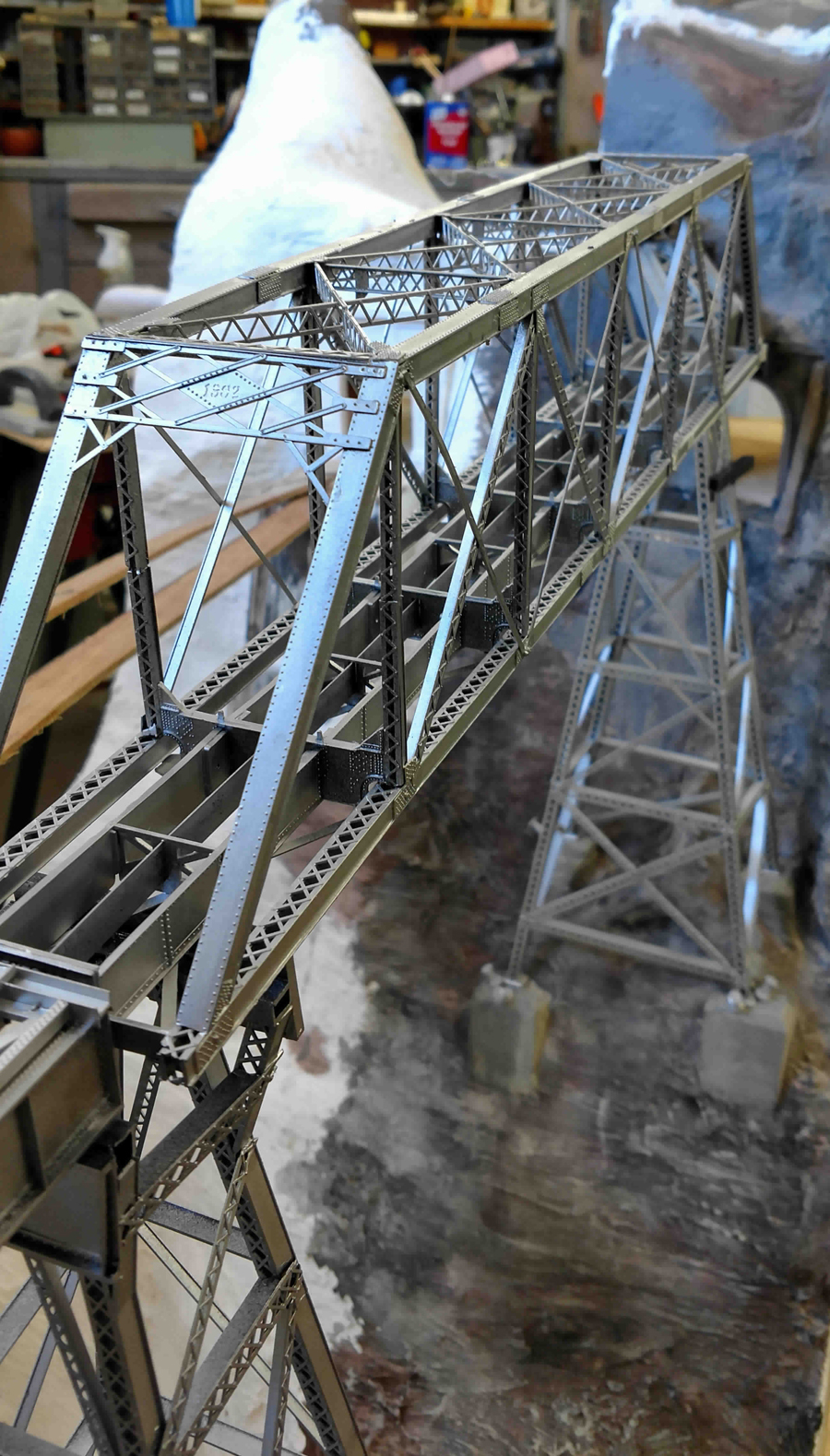
The layout will be mountainous with tunnels and bridges.
It is of no particular place only to say that it is a fictitious town in the northern mountains of Pennsylvania USA because we have a cabin there.
The railroad used to run behind our cabin and one could hear the triple diesels coming from a long way off as they pulled a long line of coal cars up the incline.
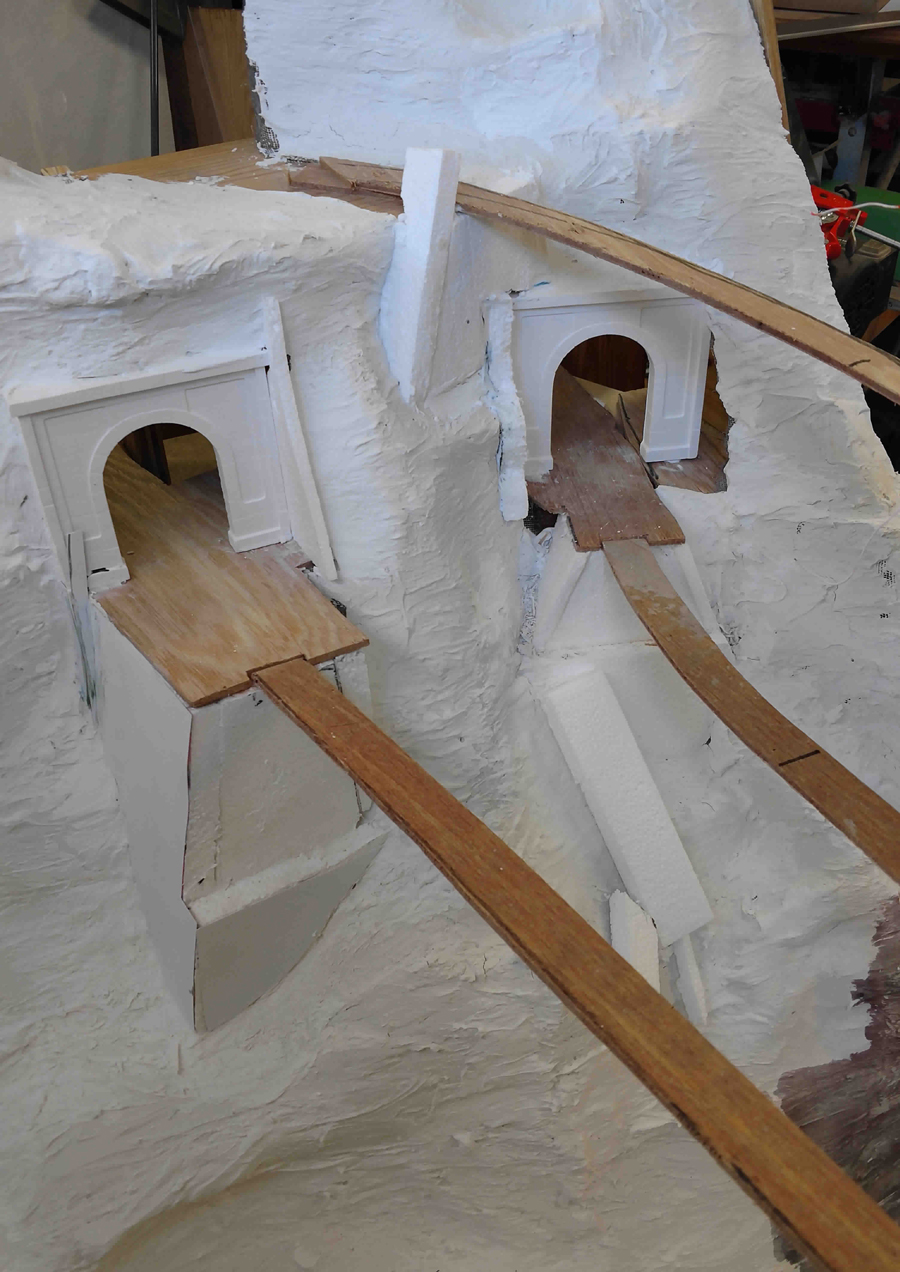
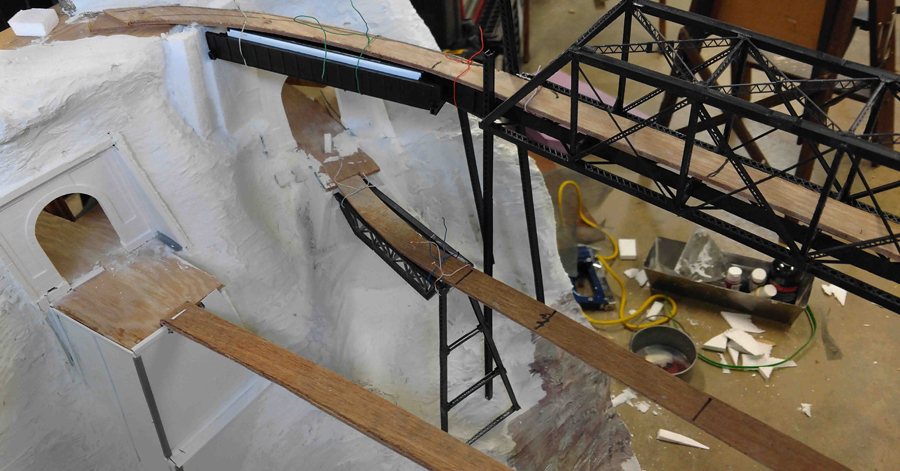
Below are some pictures of the progress. The first picture is of the bench work.
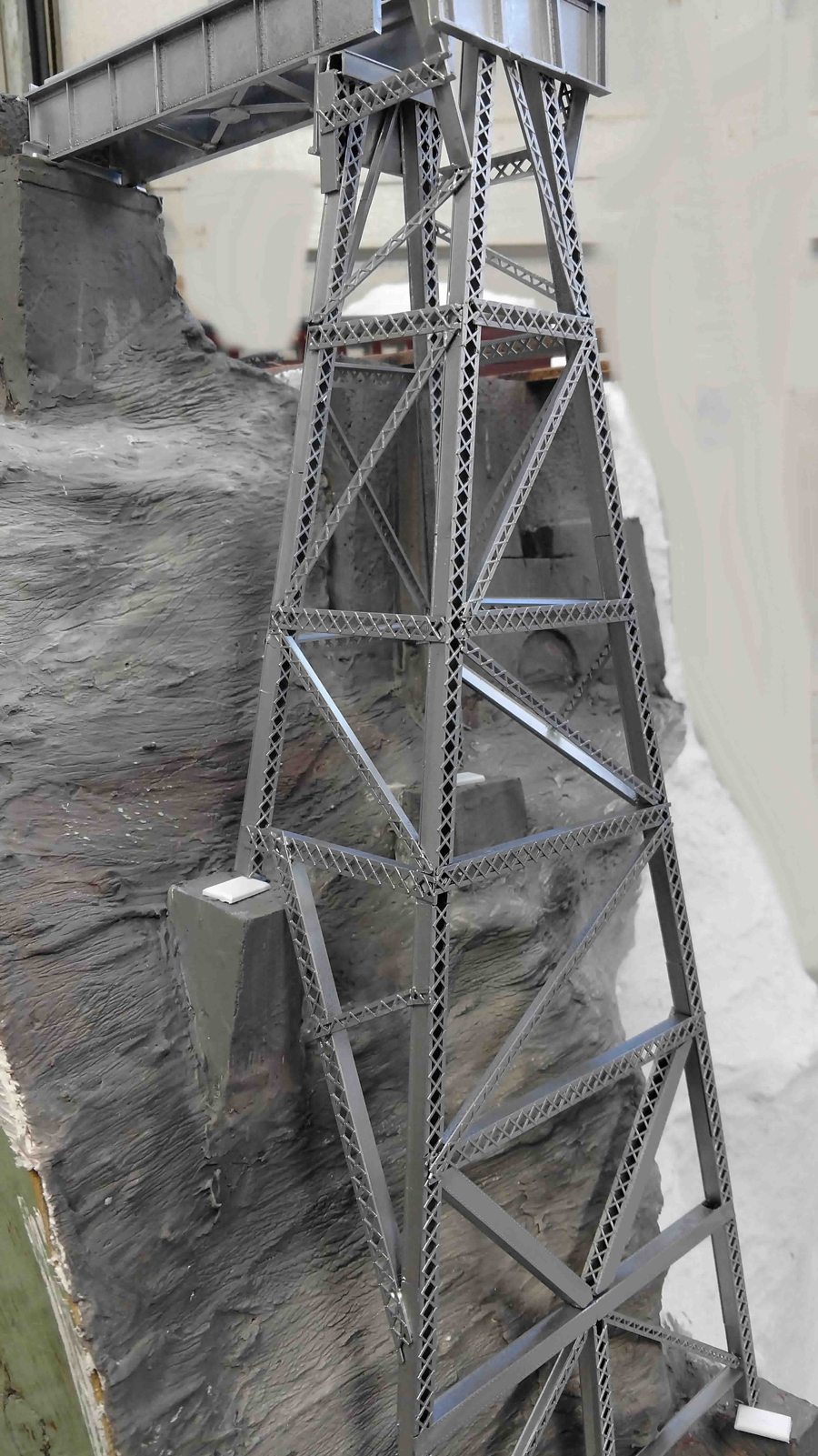
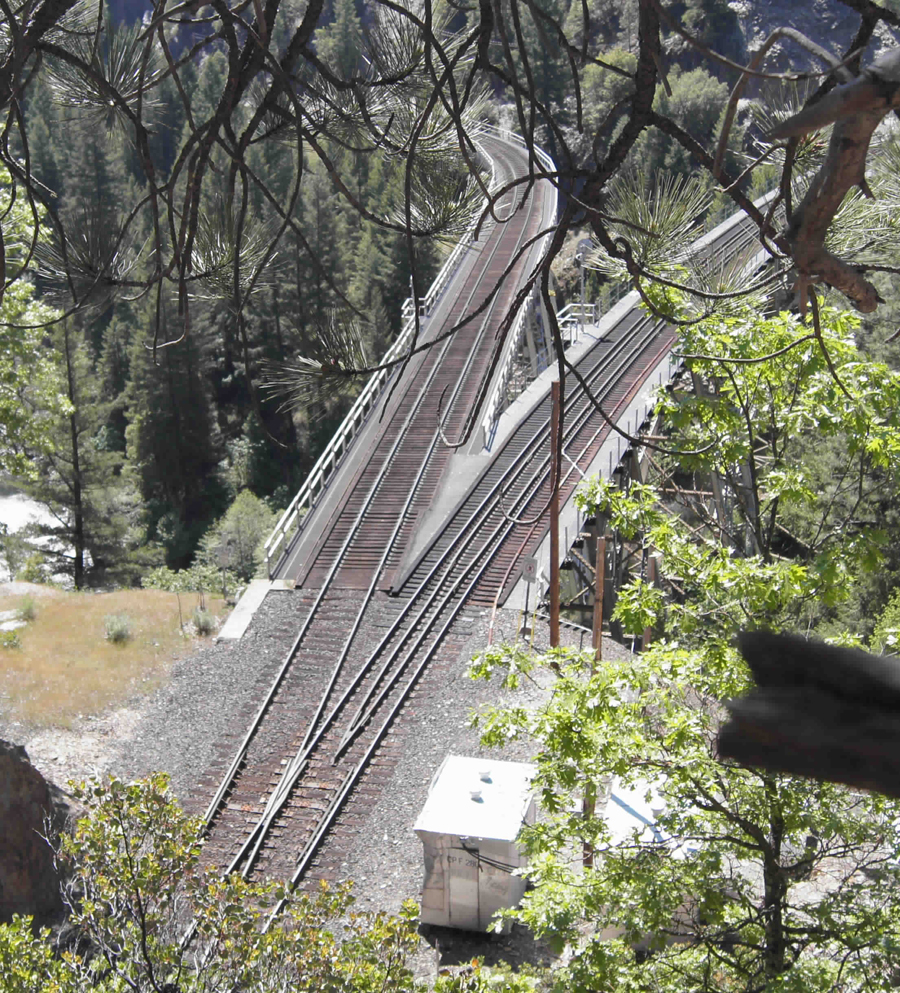
The rest of the pictures are of the sub terrain and bridges. The template for the curved bridge is laid in place to give an idea of what it might look like.
Keep in mind that mountains and tunnels will follow after track is laid.
Ken from Pa USA”
“I am a modeler in Arizona, USA .
My layout is based on running two trains in opposite directions at once, but I can run multiple trains because of the block system that I have built in. Each section (4×8) or modules have their own transformers and power supplies, so I can stop and start trains on different parts of the layout.
The layout isn’t for any specific time period, location or railroad, but I like BNSF locomotives and have older and newer diesels running at the same time.
I enjoy building scenery and try to have interesting scenes in different locations such as a traffic accident, old west town, fishermen and bird watchers and a parade down main street.
I will sent more detailed photos of different locations and scenes when I photograph them or pick them out of my collection of pictures.
Bob”
A big thanks to Bob and to Ken for sharing how he’s using his model train risers.
Two things stuck out for me: Ken’s layout shows in spades it’s all about making a start.
Slow progress is no barrier at all – tinkering and pottering is half the fun, as Bob shows, just enjoy it.
That’s all today – but don’t forget the Beginner’s Guide if your starting to feel left out.