HO 4×8 layout – Cal’s

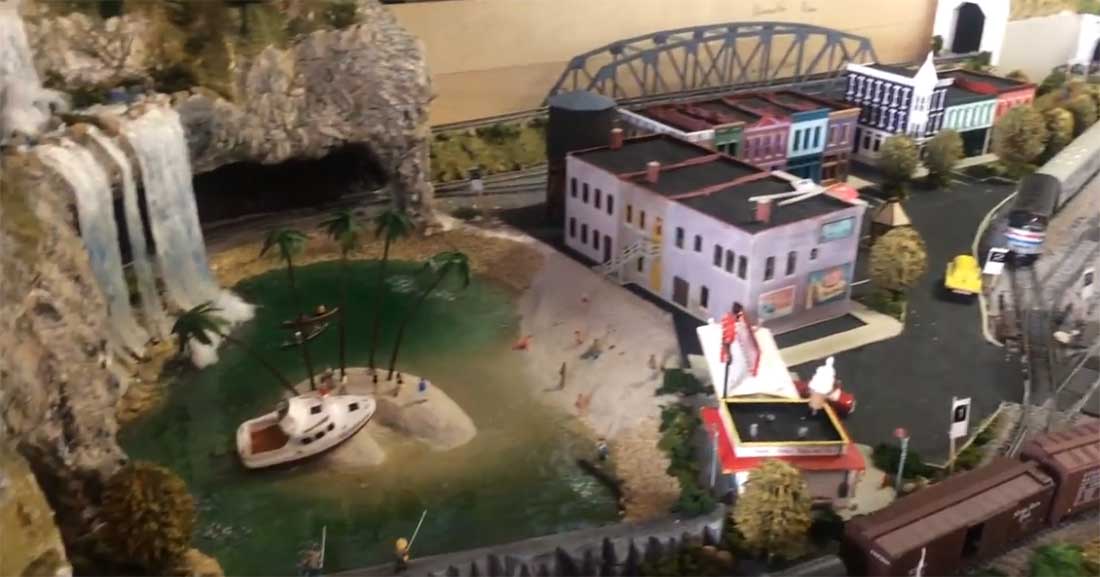
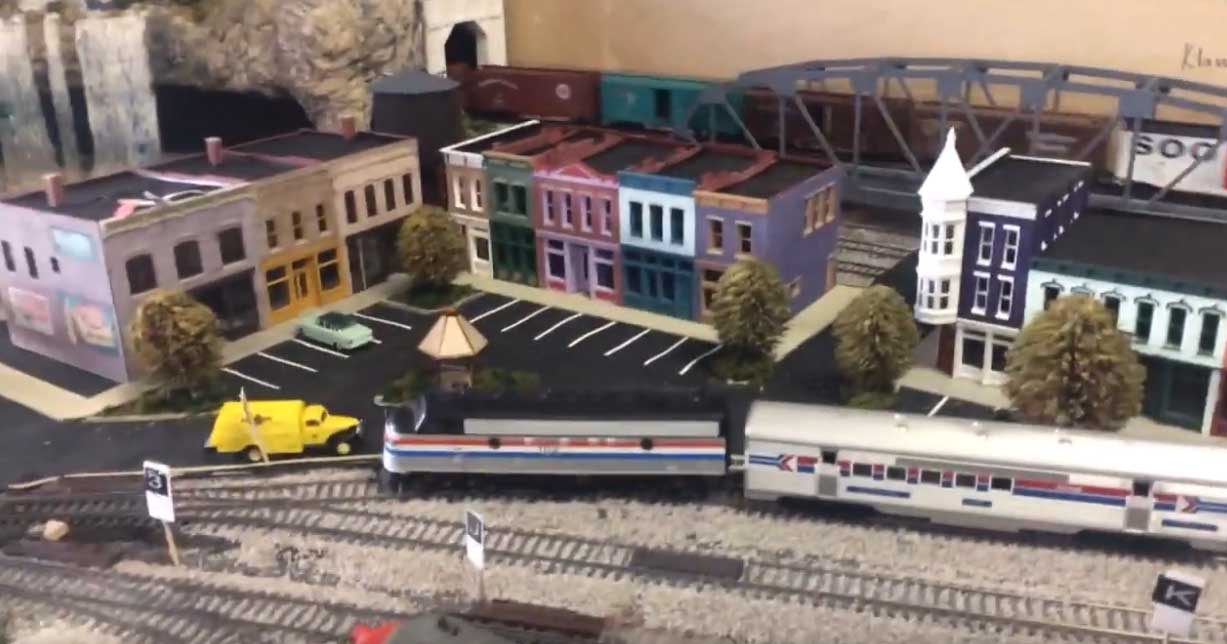
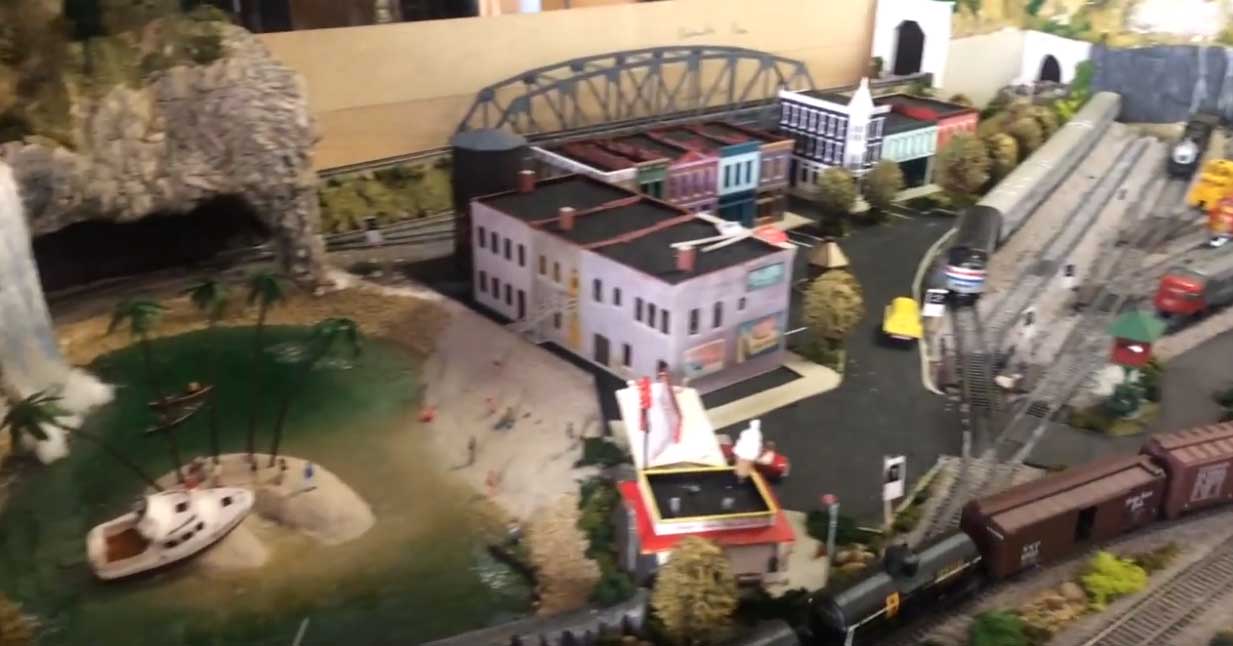
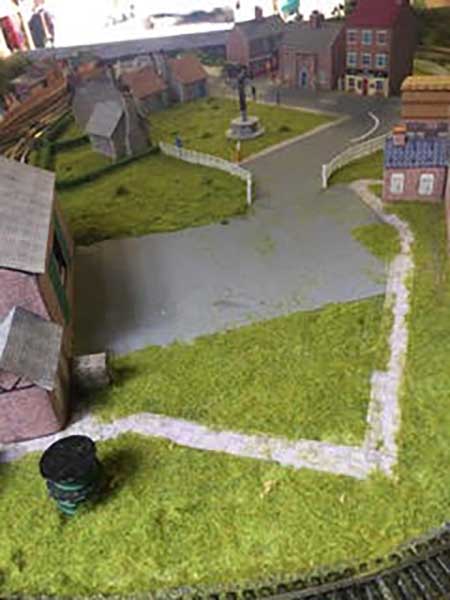
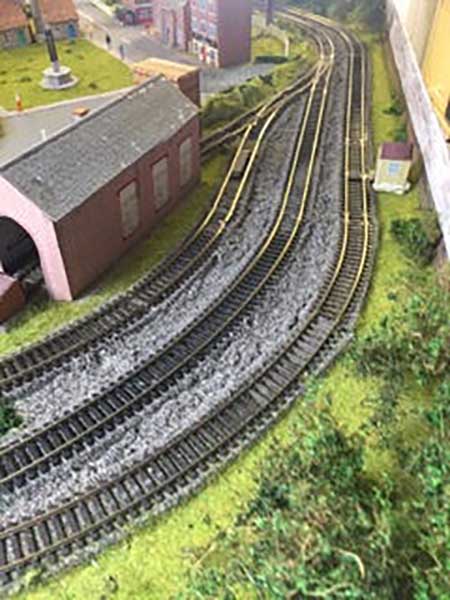
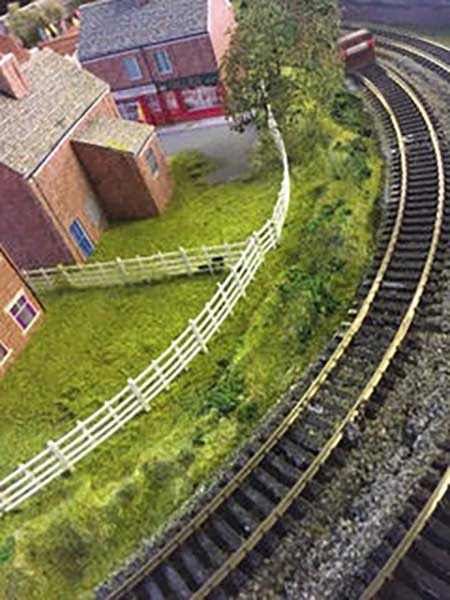
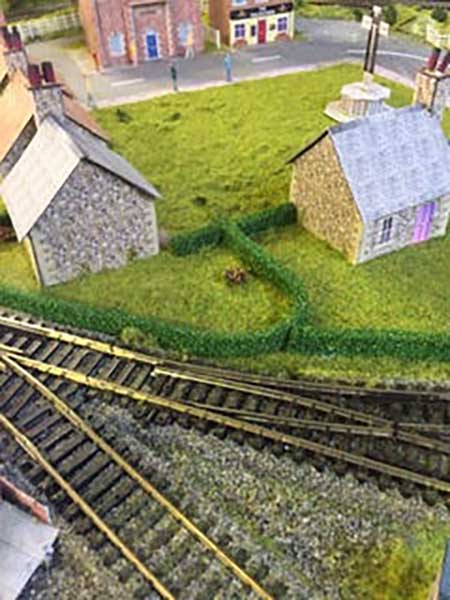
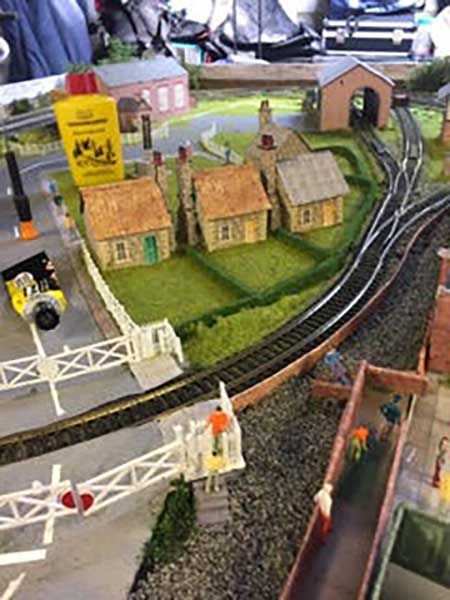
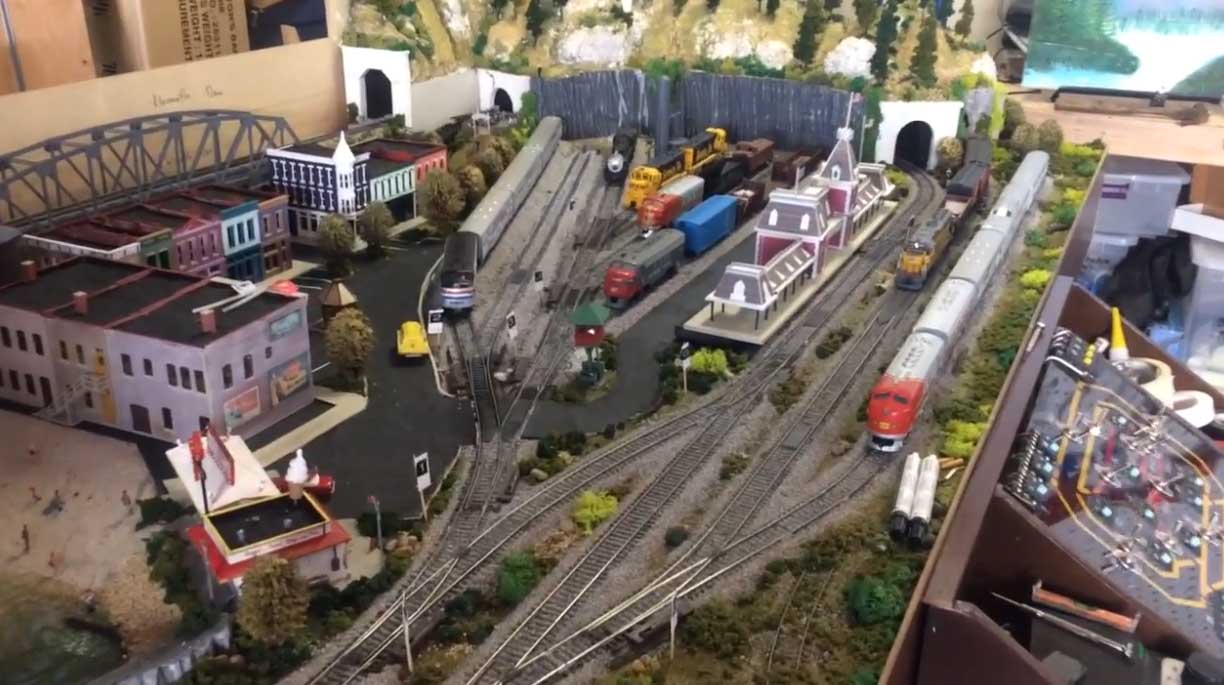
Call’s been in touch again with is HO 4×8 layout:

If you missed his last installment, it’s here.

He’s a man of few words this time, but you can read all about his layout in the link above.

“Alastair:

Here is a quick video of my layout update

Thanks

Cal”
HO 4x8 layout

HO 4x8 layout

HO 4x8 layout

HO 4x8 layout


Cal’s HO 4×8 layout has featured a few times on the blog now and I always enjoy it.

Now on to Jack:

“Hi Al,

I was in Hobby Lobby buying some Woodland Scenics blended turf when I saw they had Realistic Water.

There is always a 40 % off coupon available on line, so I found it on my phone and saved quite a bit.

As you know, I had trouble with Scenic Water before, but since I followed all WS’s recommendations, and the price was right, I succumbed. So far so good.

I have been under the layout wiring the lighting.

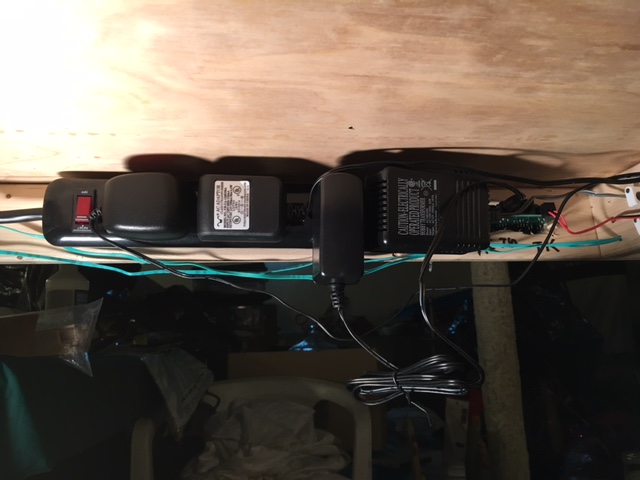
To begin the electrical work, I mounted a power strip along the inside edge of the layout.

The switch controls 6 outlets. Into that I plugged various wall warts.

I needed one for the NCE system, one for 16 volts for the switches and amusement rides, one for 12 volts for the incandescent bulbs in the amusement park buildings, and one that came with the Ferris wheel.

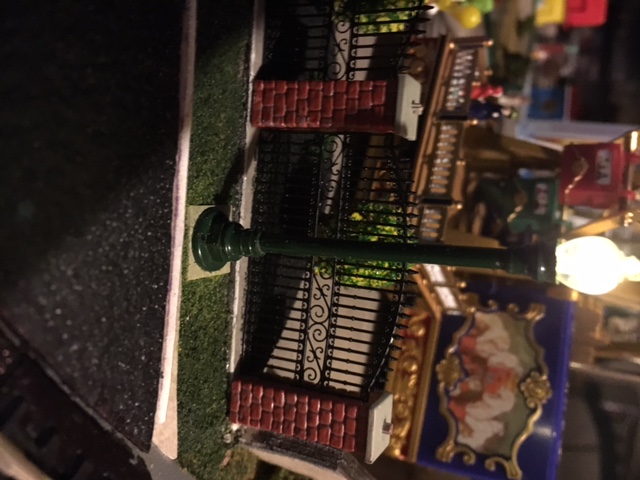
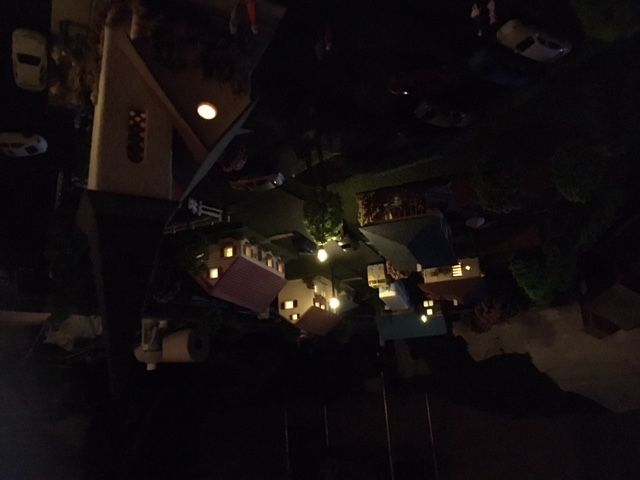
For the LED lights in the houses and the street lights I thought about the Woodland Scenics light hub that outputs 3 volts.

It has places to plug in 4 lights or sets of lights, with a dimmer on each of the 4 plugs.

I found an eBay site called wehonest (really) that has a lot of electrical/electronic stuff, as well as scenic stuff, for model railroading. You order direct from China and the stuff is pretty inexpensive.

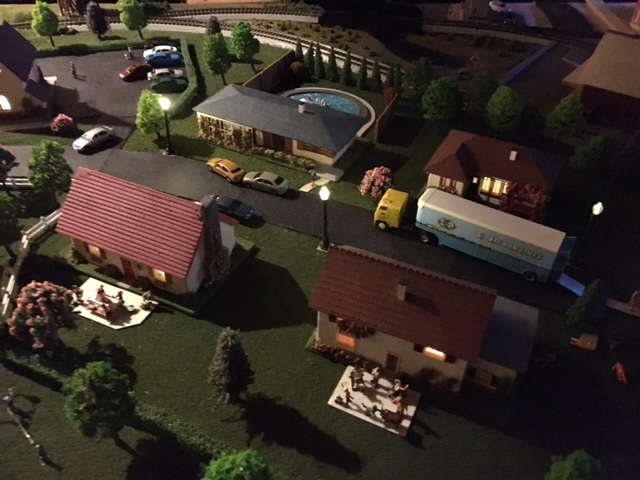
I bought the house lights, interconnecting wires and street lights from them.

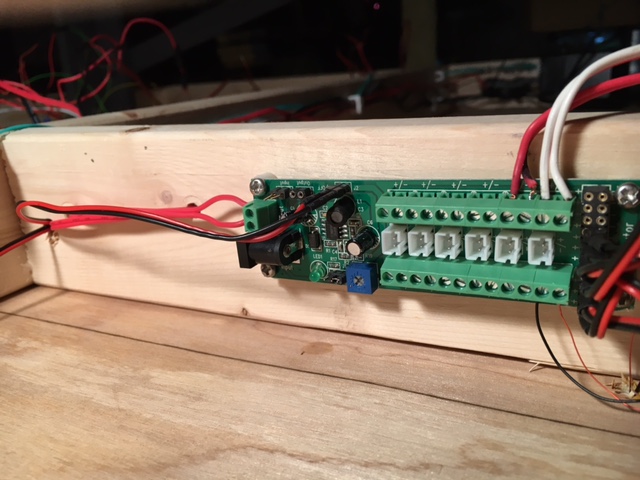
They have a power distribution board similar to the WS hub but it has 29 plugs of various types. There is only one dimmer to control all attached lights. I can plug my 8 building lights and 10 street lights and still have plenty of plugs for expansion. Input to the board can be either ac or dc 4 to 24 volts. I used my 16 volt ac source.

I mounted my street lights on ‘concrete’ pads cut from left overs from vinyl flooring samples.

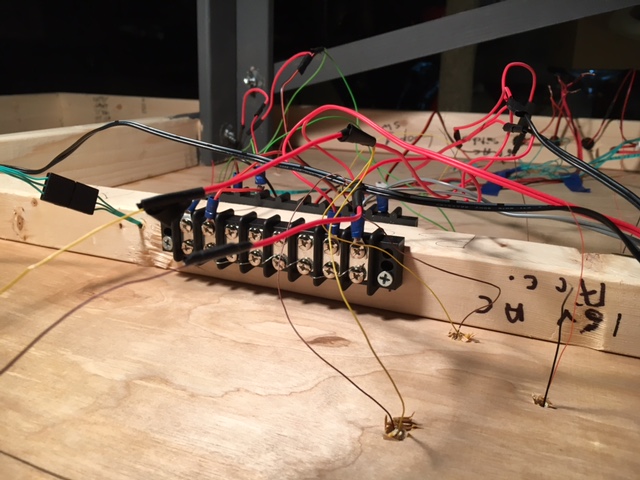
For my 16 volts for various items I mounted a terminal strip on either side of one of the supports under the layout. I tied all the terminals together on each strip and fed the 16 volts to the strips. Then I could just connect everything to the strips. Since stuff runs on various voltages, I have separate switches on the fascia for the amusement rides, amusement lighting and house lighting.

That’s all the progress for now.

Jack”
model railroad

model train

model railroad


model train wiring

model train wiring

model railroad

Now on to Rob who asks a question that comes up a lot. Cal’s 4×8 HO layout packs a lot in to a small space – but what about an even smaller space?

“Hi Al –

I live in an apartment, and i have a living room, bedroom, kitchen, eating area, and office. Do you have any solutions for people like me who need to have their hands in a train layout, don’t have any kind of model train club close to them, and are very limited on space and noise?

I am open to any scale; I have worked with S-Gauge (American Flyer), HO, and N. I’m just out of the loop as far as what is available out there these days.

Thanks!

Rob”

A huge thank you to Cal for sharing his HO 4×8 layout.

And I’m sure you all have some good advice for Rob, carved from hours of frustration!

That’s all for today folks.

Please do keep ’em coming because it’s getting very thin on the ground this end.

And if today is the day stop dreaming and start doing, the Beginner’s Guide is here.

Best

Al

PS Latest ebay cheat sheet is here.

PPS More HO scale train layouts here if that’s your thing.



British railway modelling

Ashby has been in touch with some very British railway modelling:

“Hi Al

A Christmas promise to my son that I would build my grandson a model railway for his birthday this August cos he mad on choo-choo’s specially Thomas the tank engine.

I started one in January but it was to big to fit in my car so back to the drawing board. As I mentioned in my previous post I used insulation board lightly braced and edged with thin plywood. I painted the board a mixture of testing emulsion pots browns grey black and green set out the track several times till I had the basis of the finished layout, curved points set track and flexitrack helped placed onto guagemaster foam ballast.

This is the first OO gauge layout for 50 years and learning new techniques. I like static grass, it covers quickly but I found that using the proper glue helps – pva doesn’t seem to work as well as static grass glue.

Seafoam trees dipped in pva and sprinkled scatter different greens and browns left to dry, the insulation board is easy to make a hole and uhu glue the ‘trees’ into it. The remains of the scatter in the old wok I scraped and used as bushes.

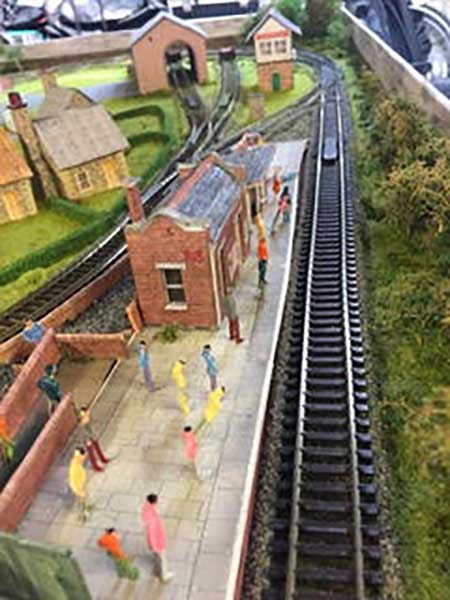
The station was a scale craft kit, once again card glue I hadn’t come across before.

I also had a lot of help from my local model shop advice greatly appreciated.

I can’t wait to see my grandsons face when he sees the model railway.

I started a n gauge layout last year but I am not happy with it so I will start that one again.

keep modelling folks

Ashby”

British railway modelling

model train road

British railway modelling


British railway modelling

British railway modelling

British railway modelling

You can see Ashby’s last post here.

Now on to Dean:

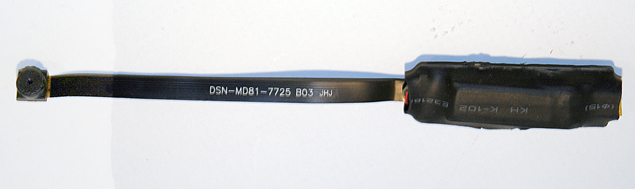
“I have been watching the internet for a miniature video camera and saw this miniature camera. When I saw the price ($16) I knew I had to try it.

A number of sellers offer this on EBay. It comes with a USB power cord and the usual broken English instruction sheet. I charged it up and quickly connected my iPhone to its internal Wi-Fi. It’s possible to record and store video clips, then transfer them to your computer.

Caution: I found I didn’t need a password to connect to the camera, so presumably anyone passing by can see it when it’s powered up, so watch where you point it. Camera is on the left in the photo below with the electronics on the right.

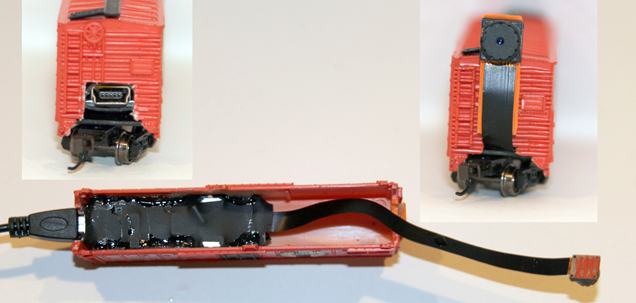
Below are some photos which show how I adapted it to an n-scale boxcar. A couple of slots at the end of the car were needed, one to allow the wire strip to pass through and another to allow plugging it into the USB power cable.

The electronics came wrapped in shrink-tubing. By clipping off the sides of this tubing and filing down the two control switches a bit, I found that it just fit into the boxcar. I glued the electronics to the sides of the car with plastic glue. The camera was glued to small piece of balsa wood that was then glued to the front of the car.

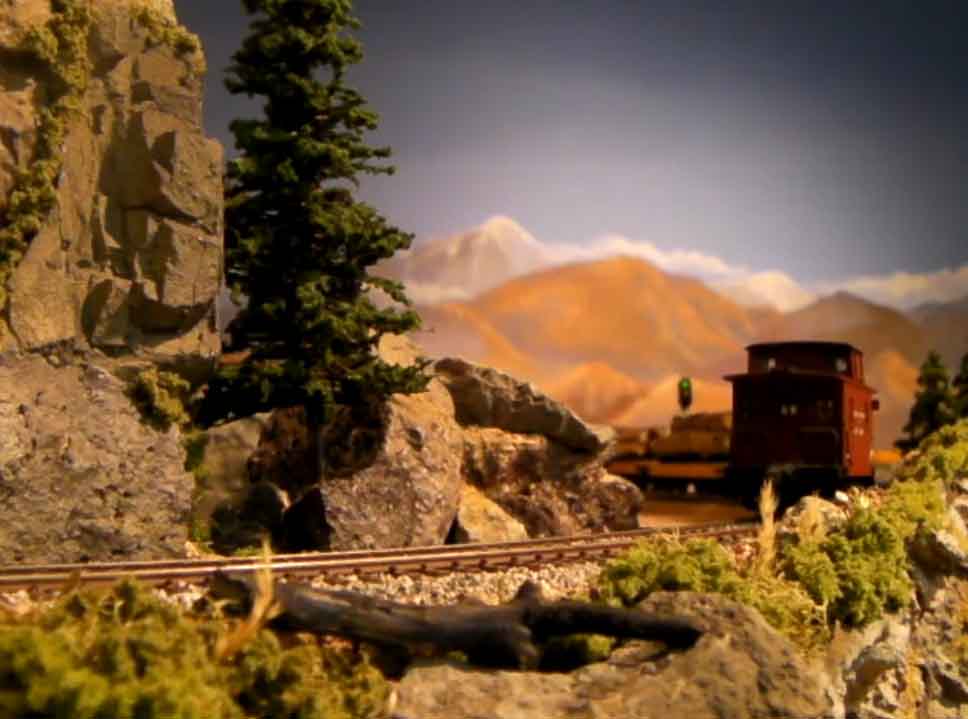
Below are some videos of the car in operation (thanks to Cassius for help putting together this video!):

So, how does it work? Not too great compared to bigger units, but usable as you can see in the first two video clip. I will probably use it to monitor my hidden storage yard where it will be fine.

Dean”

Latest ebay cheat sheet is here – have a look and let me know if you’d like me to add the cameras…

That’s all for today folks.

A big thanks to Ashby for sharing his British railway modelling pics, and to Dean too.

Please do keep ’em coming. And if you want to follow Ashby’s lead and get going on your layout, don’t forget the Beginner’s Guide is here.

Best

Al

PS Had some lovely comments about the site recently – glad at least some of you find it helpful!


Shay locomotive model train

Mark’s been in touch with his Shay locomotive model train.

I was bowled over by the amount of replies and comments to the last post (which is here) on geared locos.

So a huge thank you to everyone – and especially to Hall of Fame members, Mark and Brian, who sent these in:

“Hi Al.

Really enjoyed your post on the geared locomotive.

As it turns out, I used to drive the Shay geared loco at Roaring Camp Calif. Couple hour trip up to the top of Bear Mountain and back.

This loco made more noise then you could imagine.

I actually run a model of it on my layout. You can see it below

Be patient at the beginning as I didn’t realize I had started the recording about 30 seconds early (blush).

Turn up the sound and look closely as it goes by and you can see the side pistons driving.

This loco was designed to move lots of tonnage up steep grades that very few other locos could handle.

Thanks for the original post – really brought back fond memories!

Cheers!

Mark”

shay locomotive model train

shay locomotive model train

shay locomotive model train brake caboose

Latest ebay cheat sheet is here.

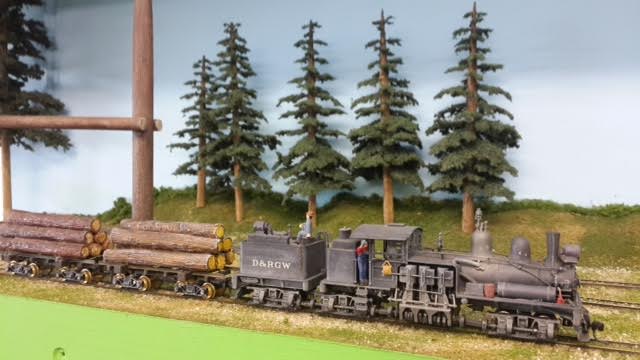
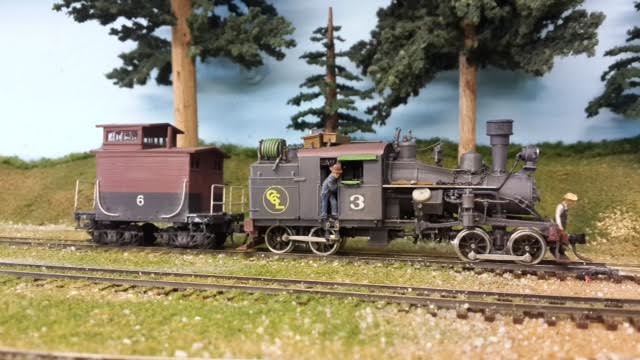
“Here are photos of two types of geared locomotive models running on my layout.

First one is a three truck Shay and the second one is a Heisler. All my locomotives have DCC with full sound.

They are mainly used in the logging industry as they extremely powerful, run very slowly and run on rough track.

Brian”

shay locomotive model train

steam locomotive


All the replies and comments jogged my memory too – and I found this post.

It puts in to context just how powerful these geared locos are.

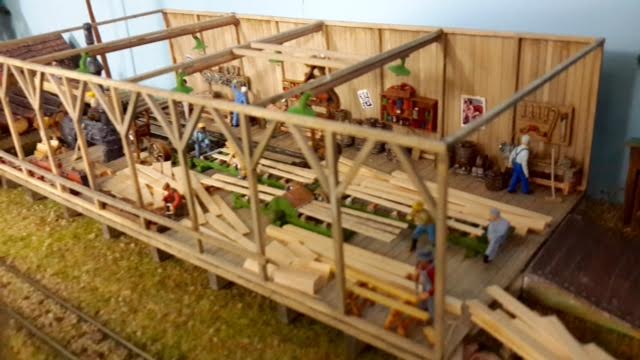
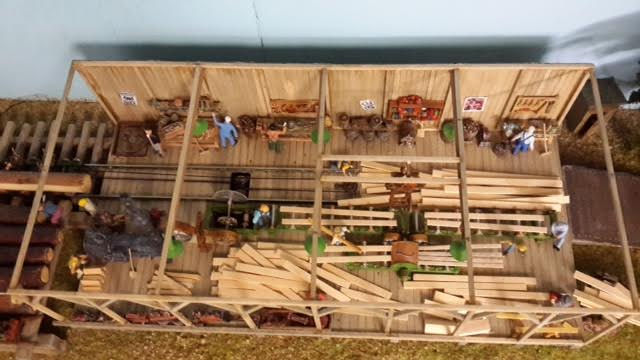
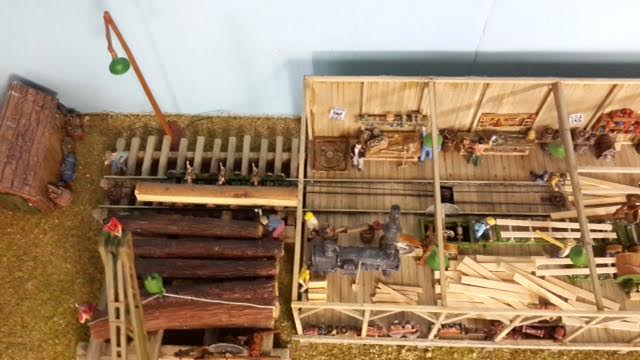
Brian also sent in an update on his sawmill too:

“Hi Al,

I have added a bit more detail to the “finished” sawmill.

Added that little bit extra like shelving, cupboards, posters along the back wall and more cut wood in the mill.

They say that models or layouts are never finished !!!!!!

Cheers

Brian”

model railroad sawmill

model train sawmill

model train sawmill

Thanks to Brian and to Mark for sharing his for sharing his Shay locomotive model train.

And don’t forget they have both given the Beginner’s Guide a big thumbs up.

So if you want to get going on your layout, give it a whirl.

That’s all this time folks.

Please keep ’em coming.

Best

Al

PS More HO scale train layouts here if that’s your thing.


Need buildings for your layout? Have a look at the Silly Discount bundle.