John’s video of his first layout

“Hello Al,

Please accept my apologies in not answering you earlier.

As a retired electrical engineer, my hints and tips are electrically based.

When wiring your layout, buy a reel of alarm cable.

A 100 metre drum of 8 core alarm cable will cost under $20.00.

This will give you 800 metres of cable for $20.00 which is the equivalent of 25p per metre.

Sleeving is a thin walled pliable plastic tube which comes in red, brown, blue, black, grey and green/yellow.

3mm diameter should be adequate for most needs, and costs around $5.00 for 100 metres.

Push your cables through this sleeving. Use one sleeving colour for each function, e.g. red for track supplies, green/yellow for signalling, grey for points.

Use one colour per function which will make fault finding easier. E.g. when wiring points, I use green for the main line, red for the diversionary route and blue for the common return.

The alarm cable and sleeving may seem a large outlay, but when you compare the equivalent cost typically over $3 for 7 metres with buying 800 metres of connecting wire in small packets, the outlay is not so great.

Make a circuit diagram of your wiring.

Test each circuit and remedy any faults before going on to the next.

Regards

Cedric”


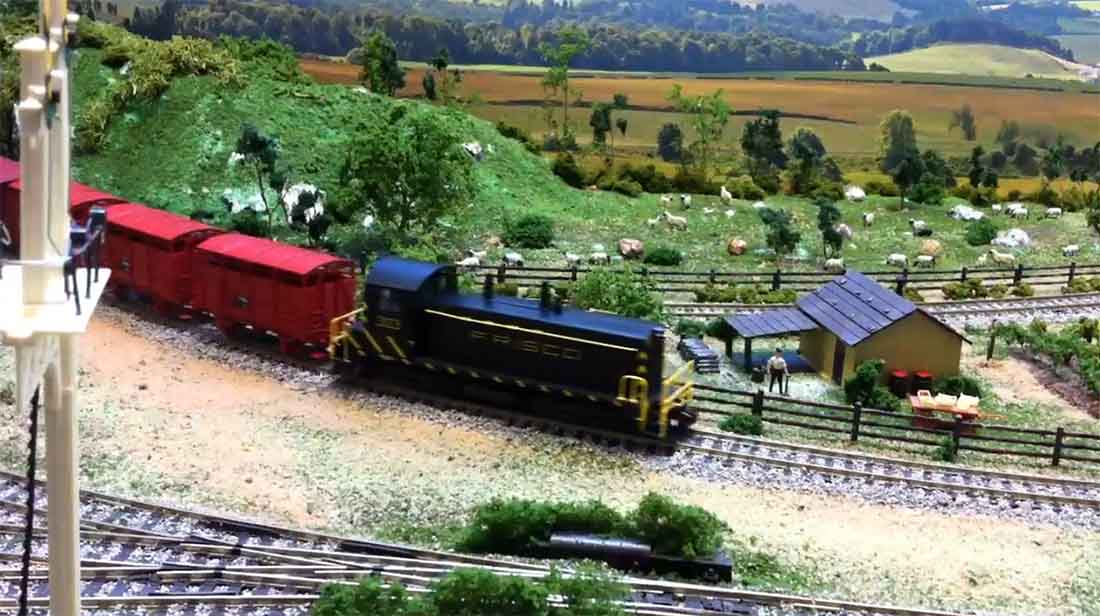
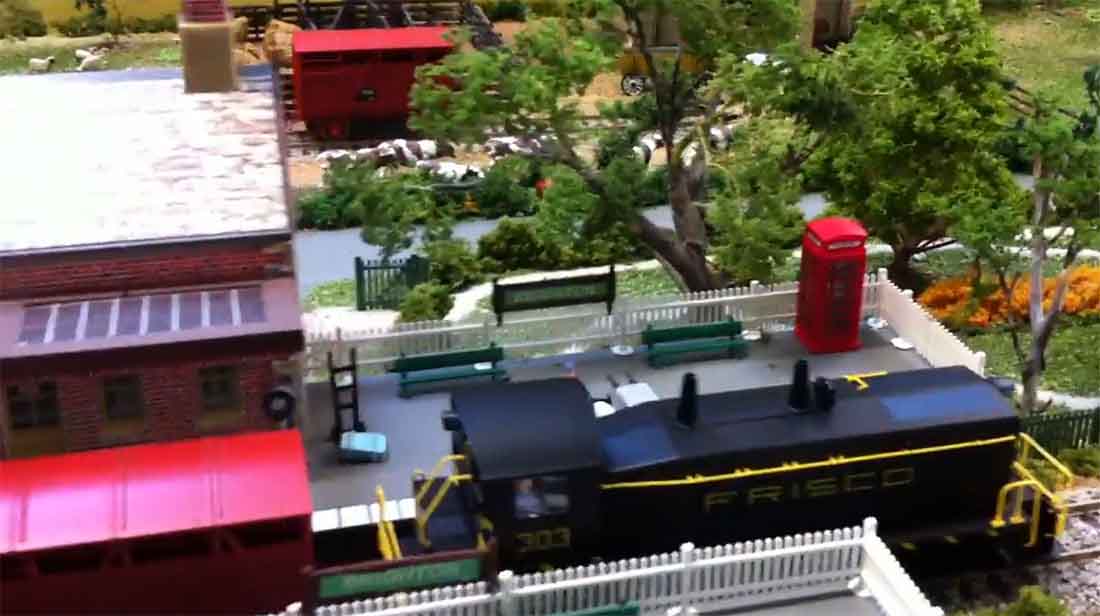
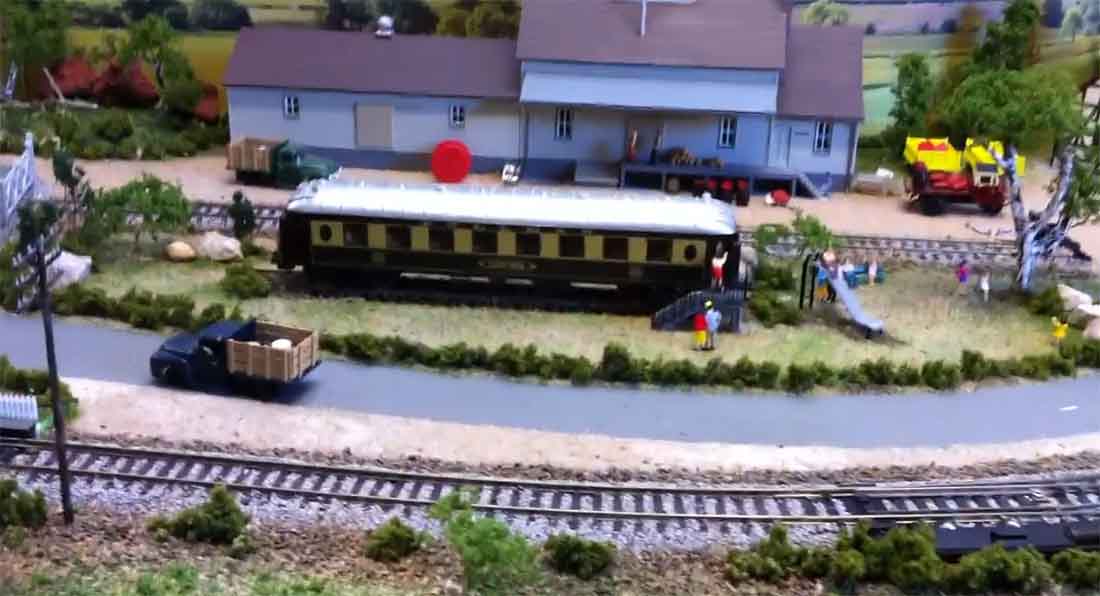
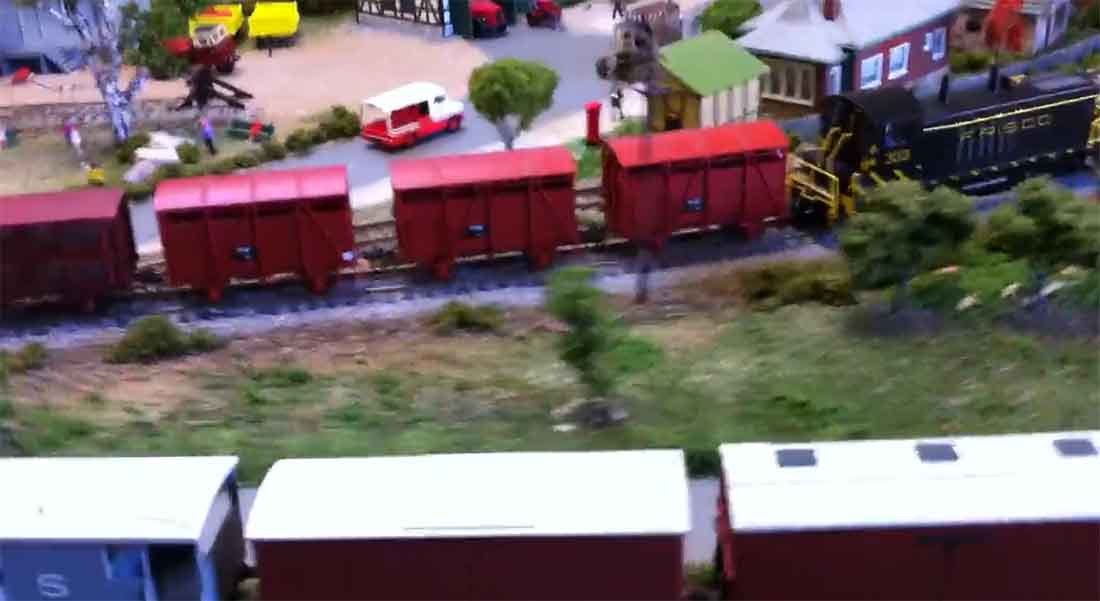
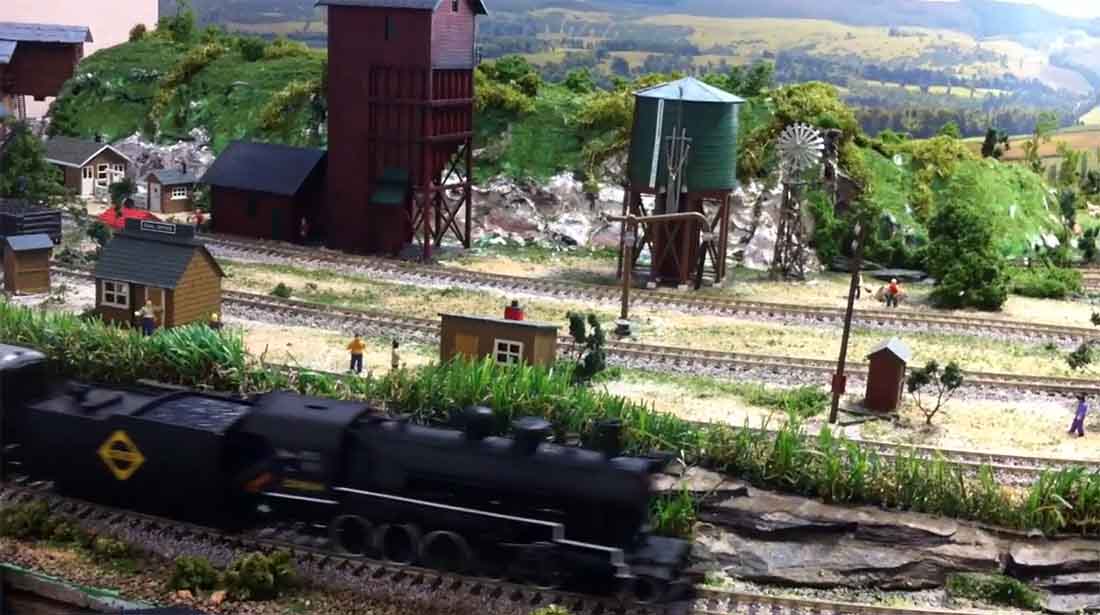
Some of you may remember John’s pics of his first layout (if you don’t, they are here).

Well, he’s been kind enough to take some video of it:
steam train water tower

diesel train

model diesel train through station

railway carriage

model trains running


Big thanks to Cedric and John. Please keep ’em coming.

That’s all for today folks – please do keep ’em coming.

And if today is the big day when you get started on your layout, the Beginner’s Guide is here.

Best

Al

PS Latest ebay cheat sheet is here.



More scenery tips

“Hey Al . . . Here’s a tip for making soft, damage-resistant and super light-weight rock faces . . . Use dense foam padding (as found in many old chairs and pieces of furniture) . . .

Cut this material into chunks with scissors, then shape roughly with the scissors (or scalpels or one-sided blades). Once done, rub these pieces with a sticky material like No More Gaps. Then roll the pieces in rock dust, and allow them to dry thorou8ghly.

Once dry, you can assemble them into whatever size rock wall you like, using an appropriate glue that won’t eat into the foam . . .

This is ideal for layouts that need to be moved, or for exhibition layouts!

Chrs!

Pete”


“Hi

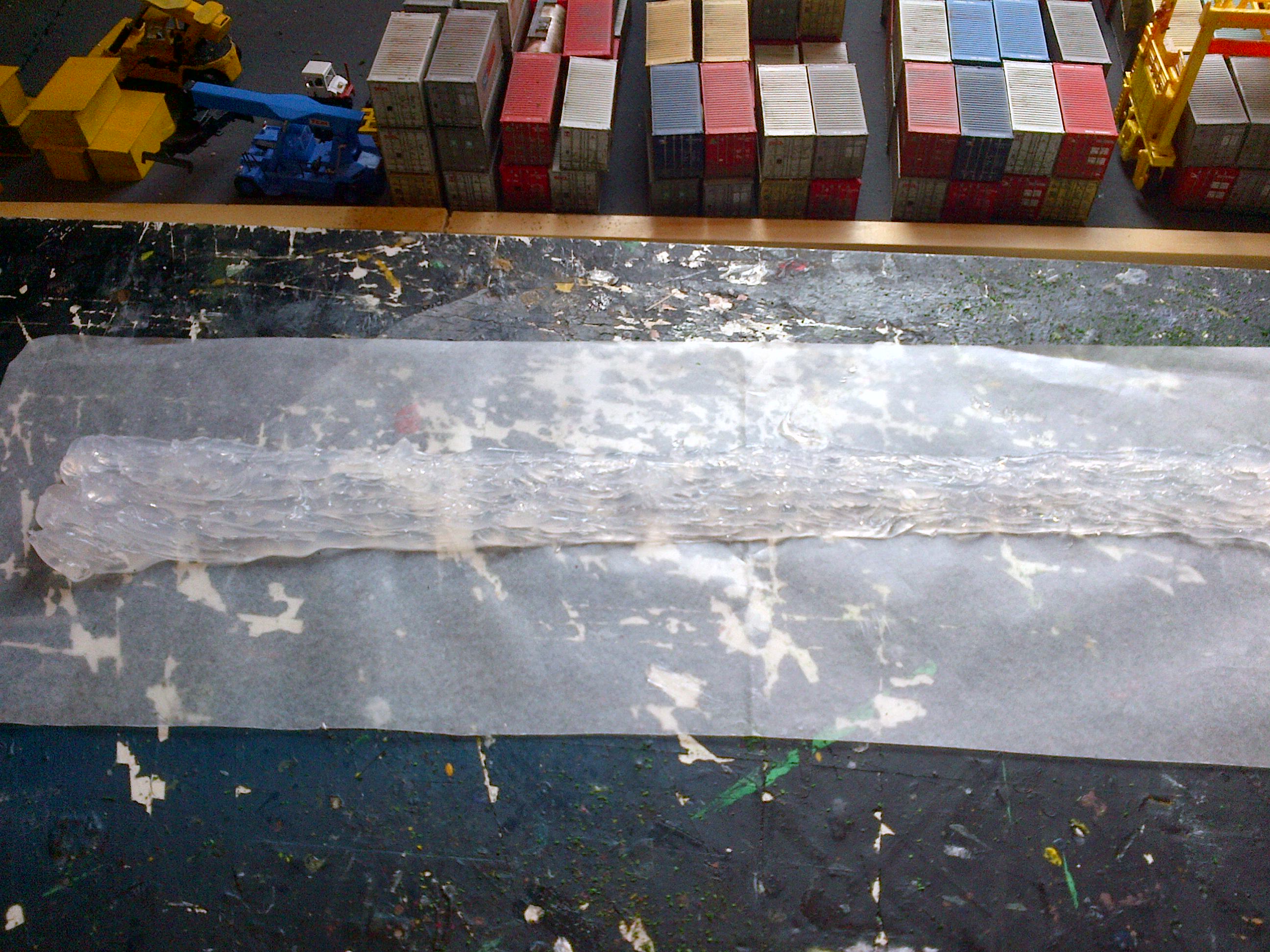
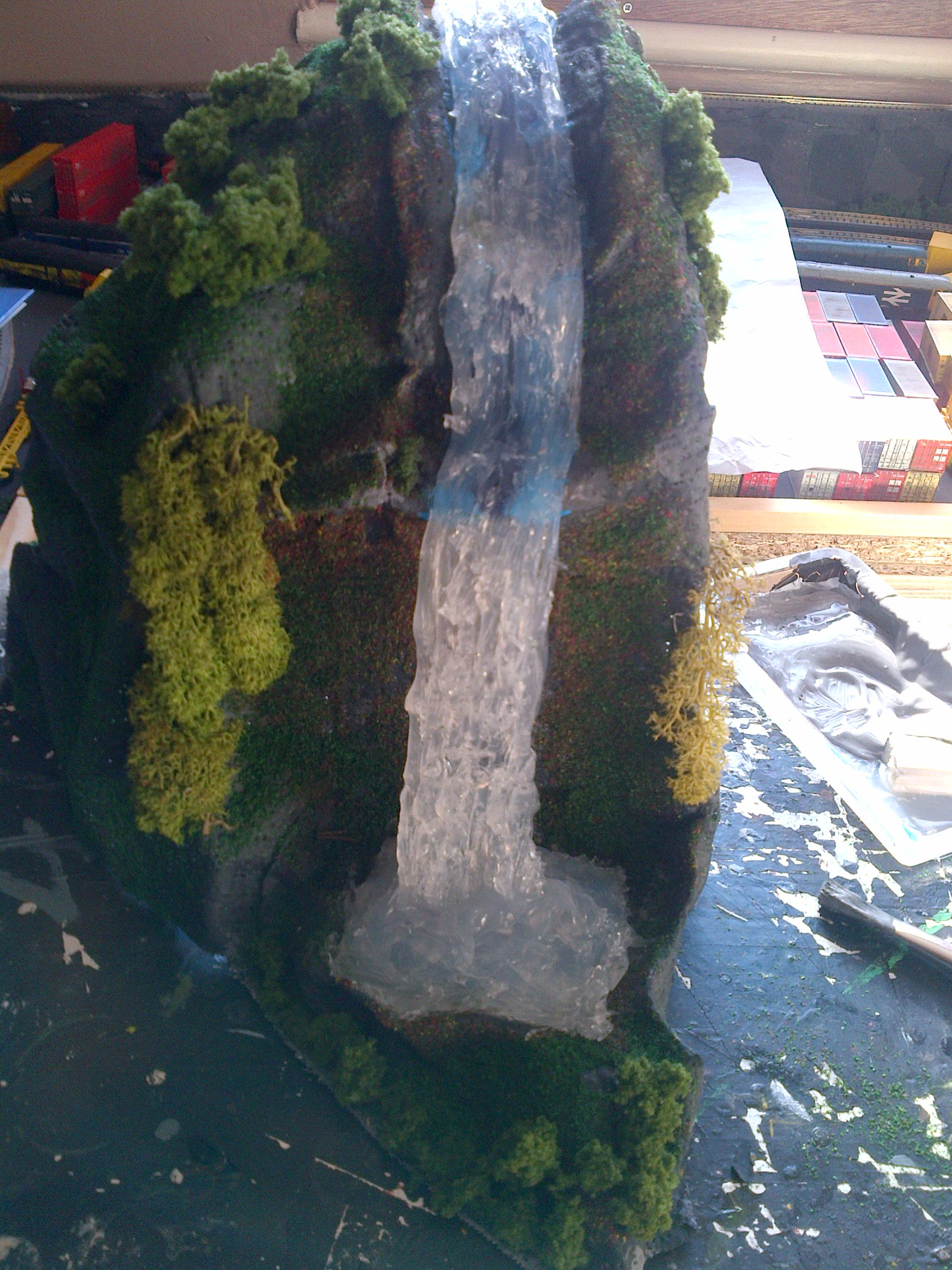
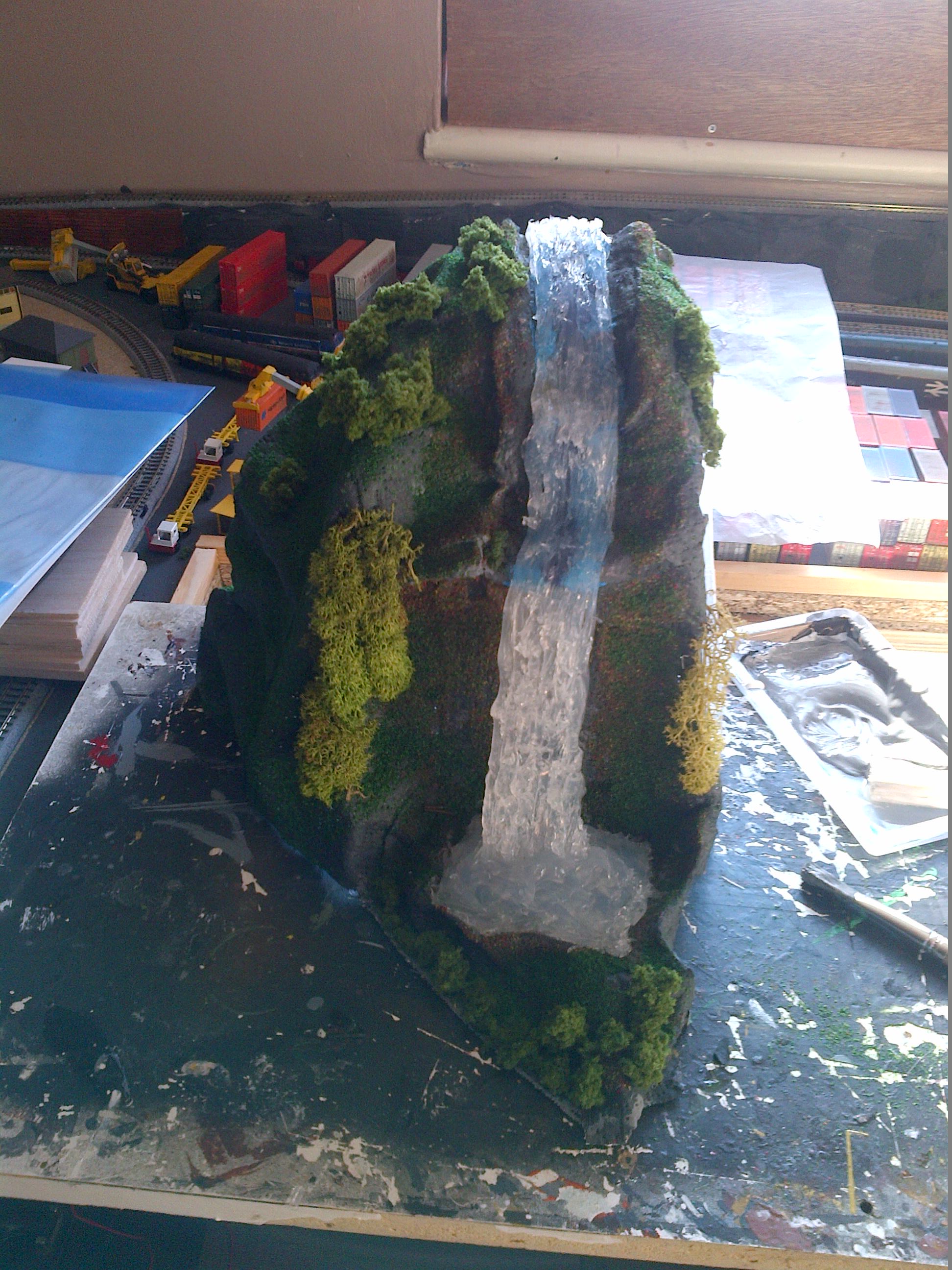
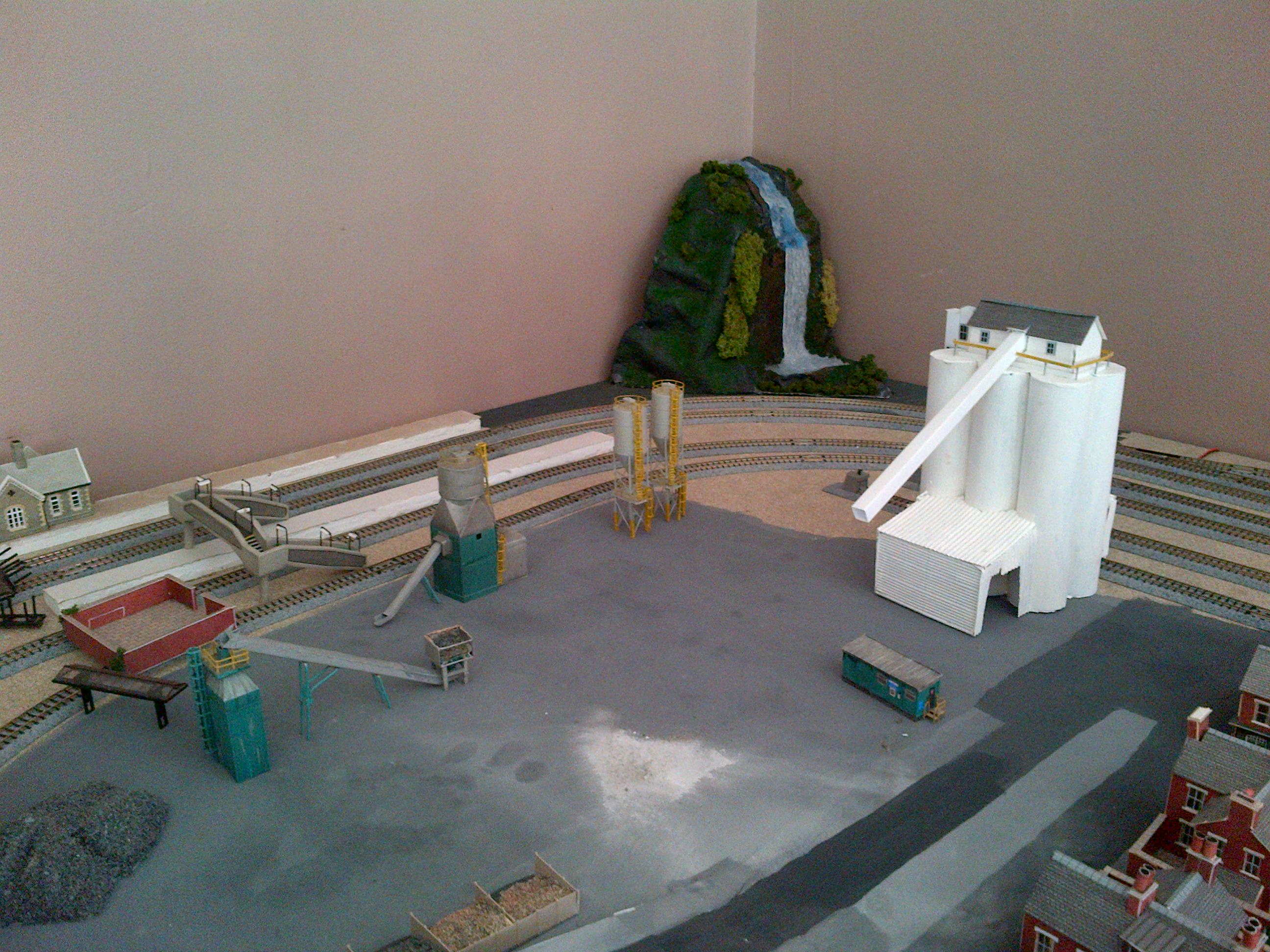
This just a small note i was going to do some water on my layout but after extensive research canned it due to the cost. then i found a site that gave me the easy cheaper option using plaster sheets and sealant for windows and bathrooms etc. This was my first attempt and i think it looks pretty good.

David”

028

IMG-20140831-00225 (2)

IMG-20140831-00226

IMG-20140831-00227


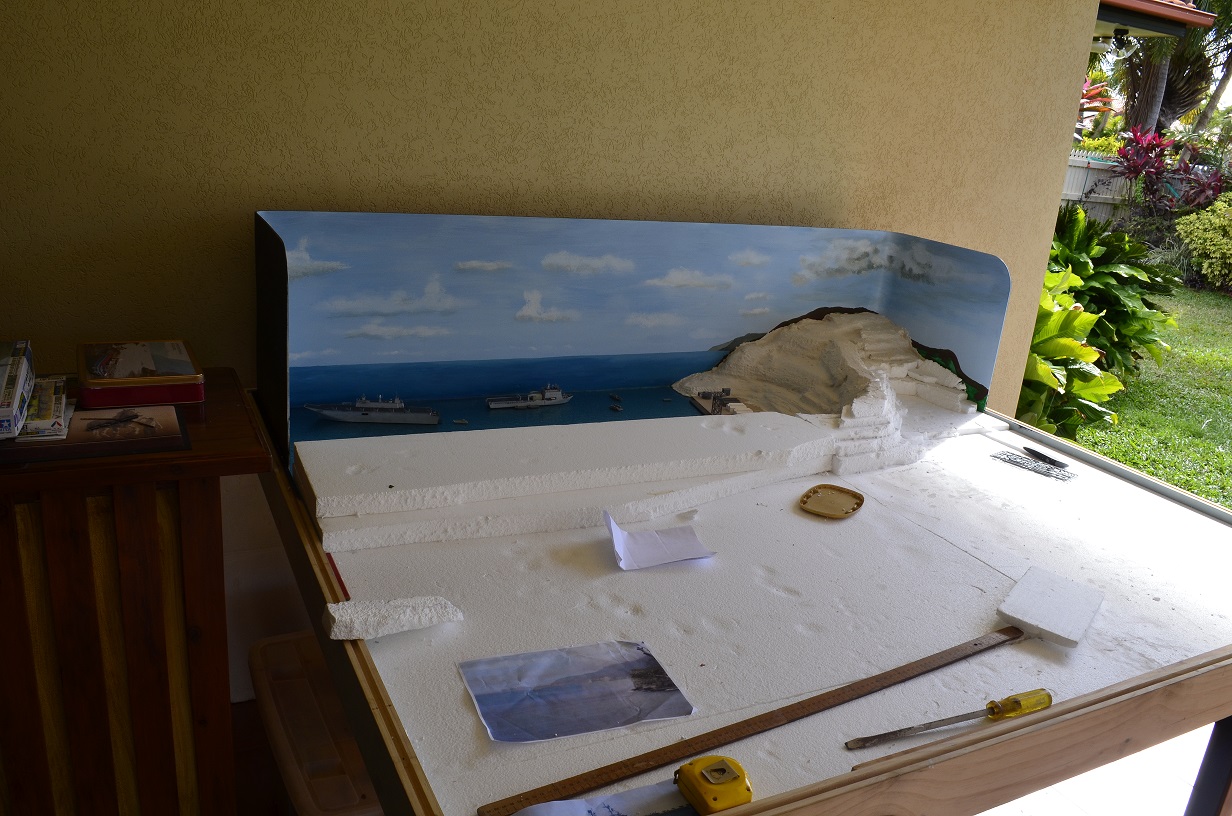
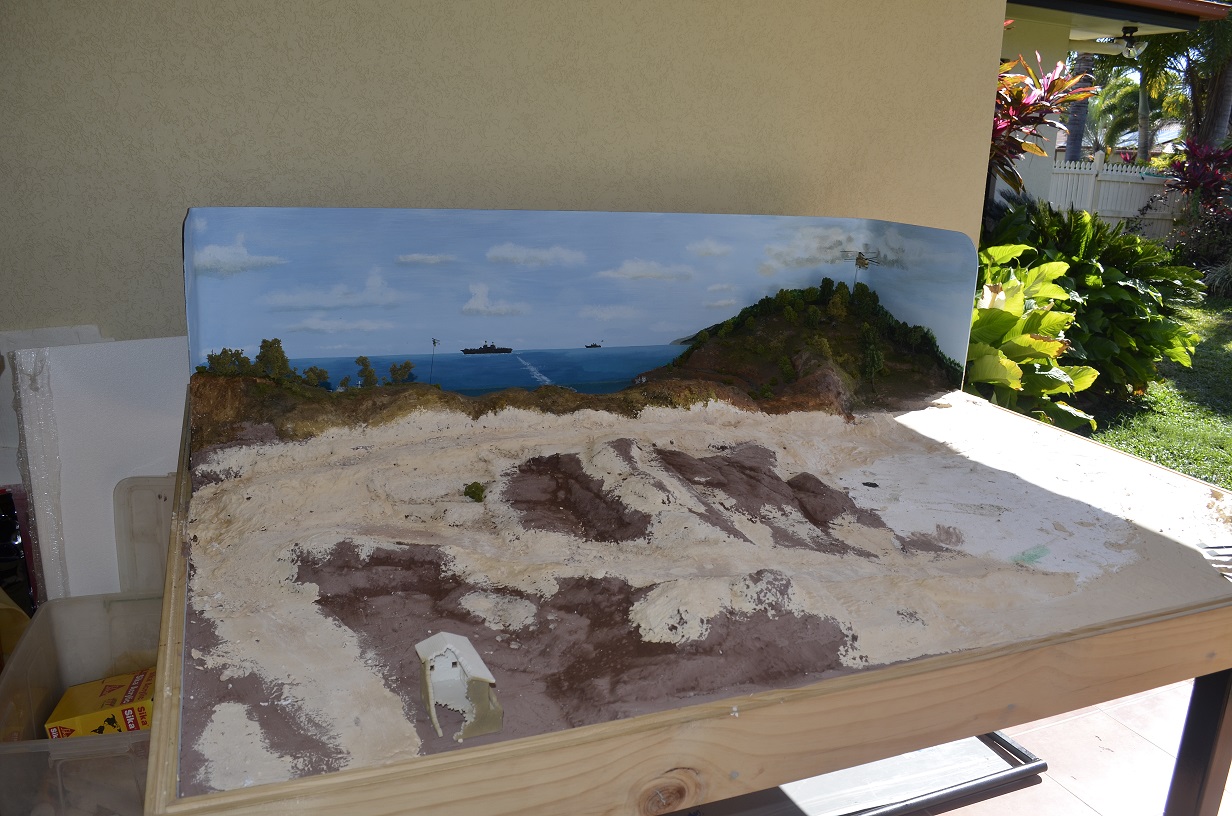
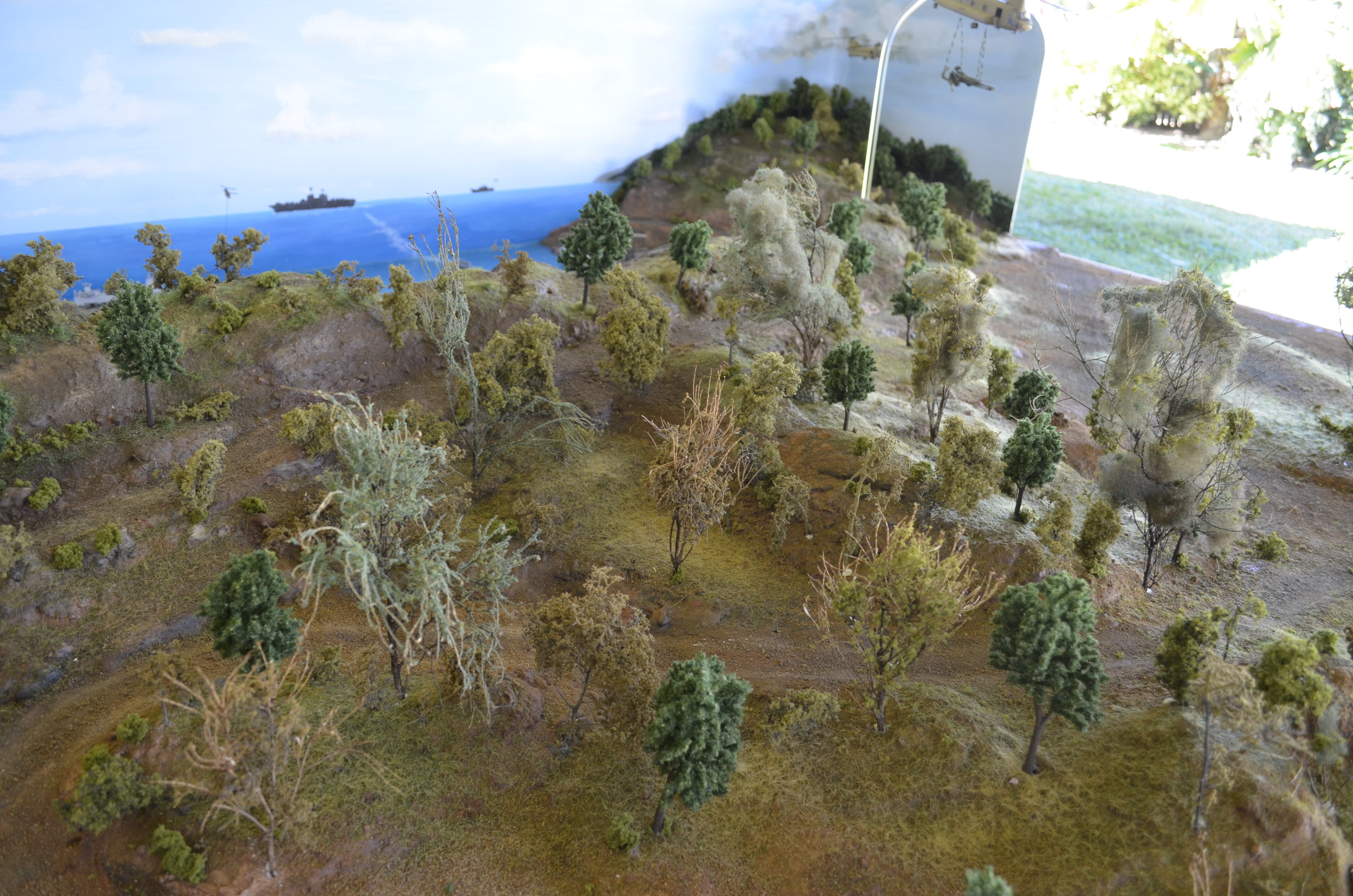
“A diorama I’m building at the moment. Yes foam very easy to use and shape.

Bill”

_DSC0080 1

_DSC0110 1

_DSC0118


“Hi Al,

Just a couple of scenery tips.

Tip number 1 mixing plaster.

When you mix plaster, tip some brown water based paint into the mix.

It will give the plaster a natural earth brown, if the plaster ever gets chipped it will show a brown surface, not a white surface.

Tip number 2 printing back drops or card board building kits.

Clean the printer head first, just press settup on the printer, then press maintenance, then press clean printer heads.

After you have done that the printing quality is improved, no grainy lines in the printing job.

Paul”


Big thanks to everyone who has contributed. And if you’ve ever thought of sending something in, now’s the time to do it. We’d all love to hear from you…

Latest ebay cheat sheet is is here.

That’s all for today folks.

Please do keep ’em coming – I really want to hear from you, especially if you’ve made a start.

And if today is the day you get started on your layout, the Beginner’s Guide is here.

Best

Al


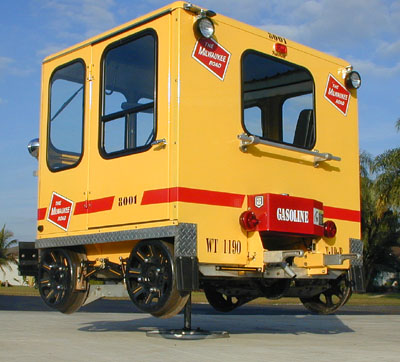
A mystery explained

Thanks to everyone who mailed in and posted on the mysterious floating train.

I could post a number of replies (thanks everyone) but I’ll just go with this one:

“It’s called a motor car turntable for obviously turning inspection and maintenance vehicles around.

It’s basically centered single hydraulic piston jack mounted in the frame of the car with a steel plate that makes contact with the ties/sleepers.

This jack lifts the car enough over the rail so the equipment can be turned around.

Dave C”

train_jack


If you missed Kim’s “how to” on his LEDs it’s here. Here’s his latest:

“Hi Al.

Not the best I have made. But with that little board can make an end train device.

I have snipped off the led and left the posts. I added a old computer connector on the posts.

That is in case the led fails and all I have to do is slip another end train device with a fresh led into the body and connecting to the connector.

The 1.5 battery will last along time before it drains. The board has a micro switch you can flip off.

I may shrink the device even smaller with a 1.8 mm led instead. But just to show what can be built using that board.

Kim”

ho scale 007

ho scale 007


Latest ebay cheat sheet is is here.

Keep ’em coming.

That’s all for today folks.

And if today is the day you get started on your layout, the Beginner’s Guide is here.

Best

Al