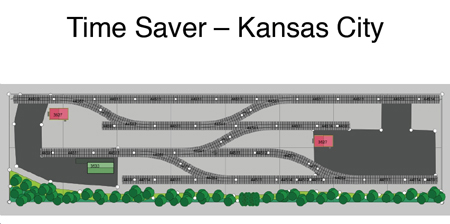
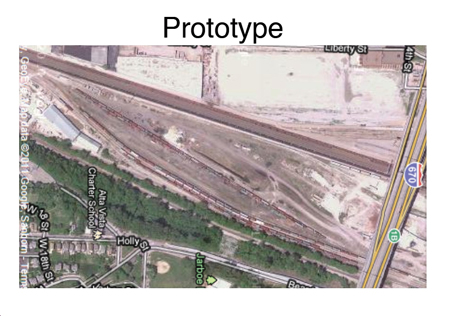
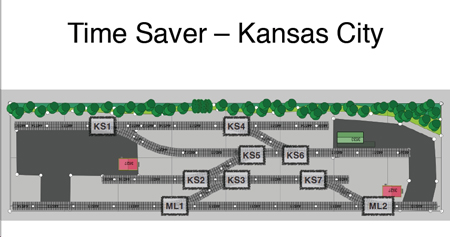
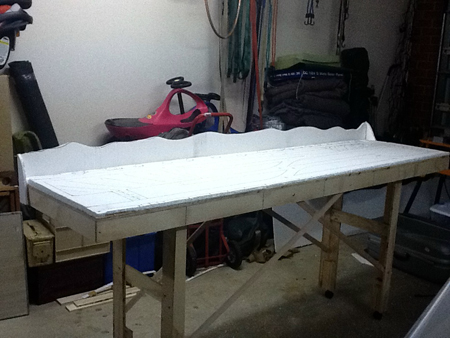
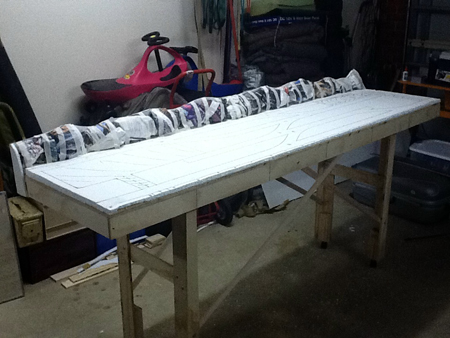
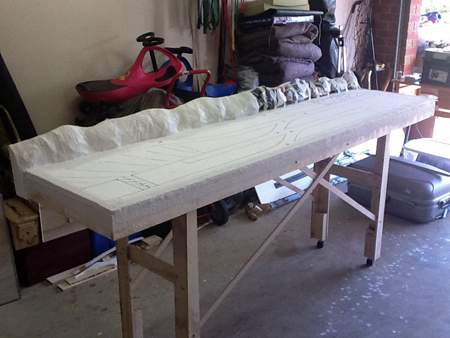
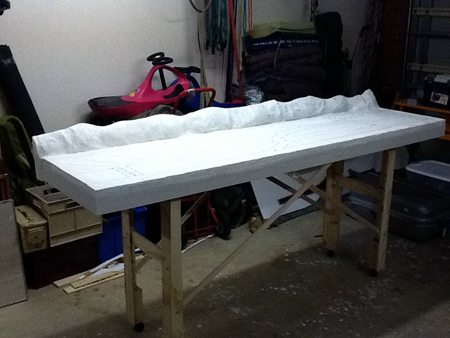
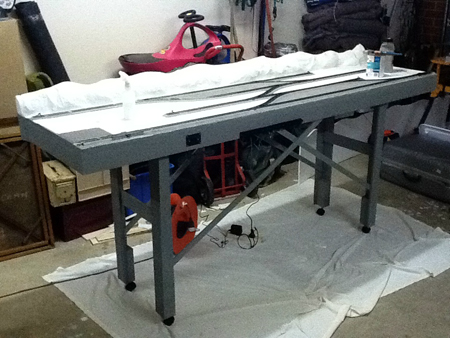
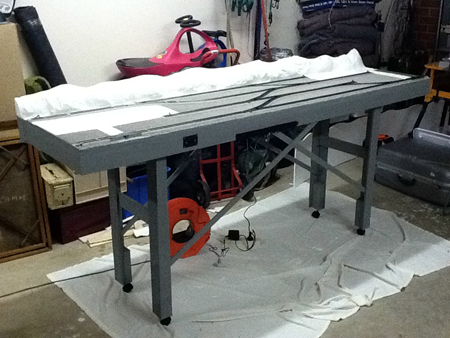
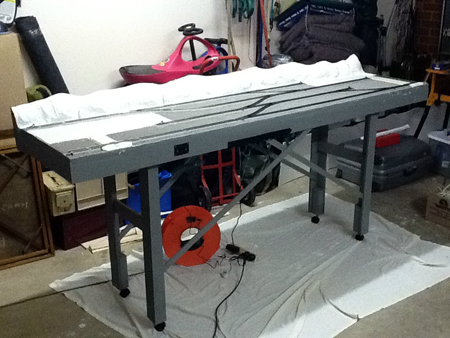
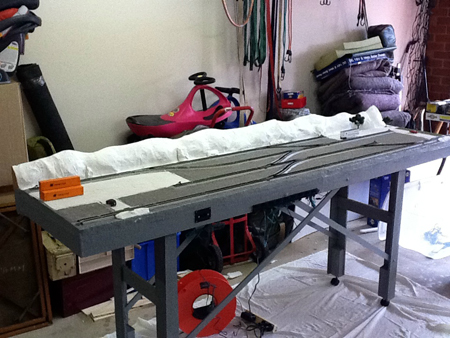
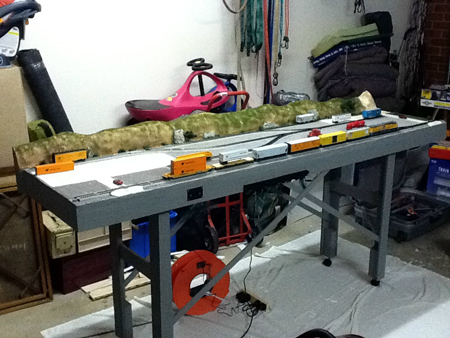
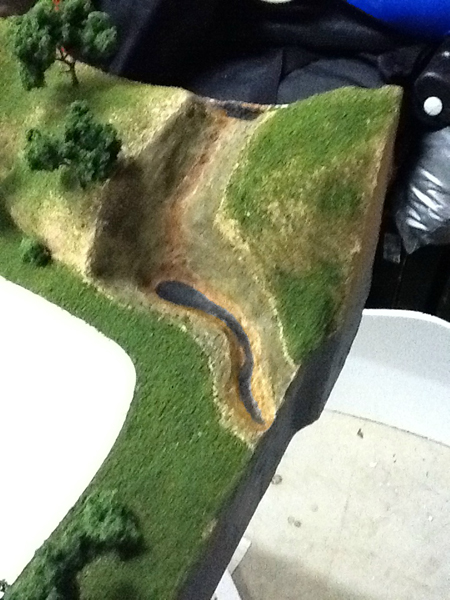
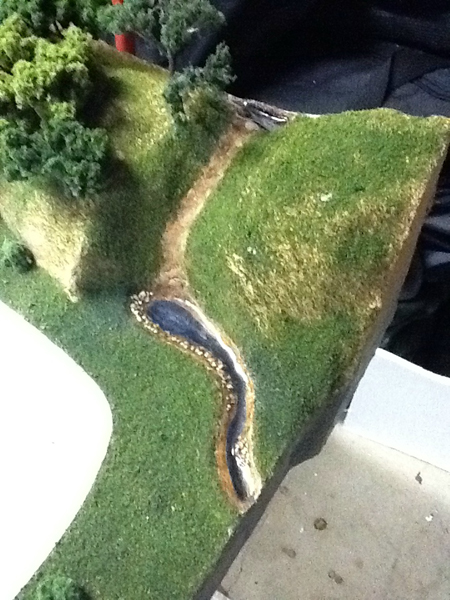
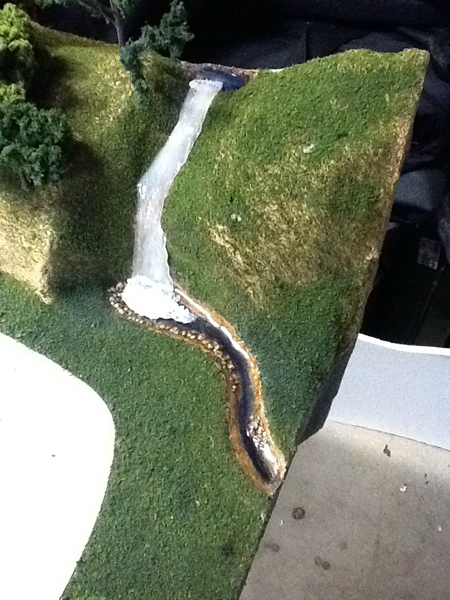
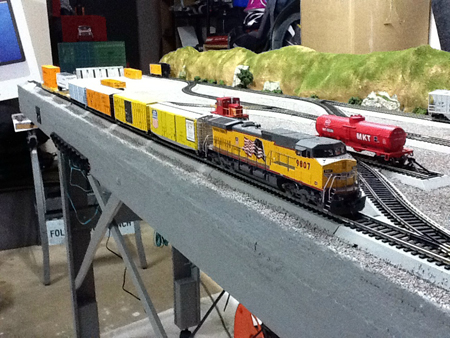
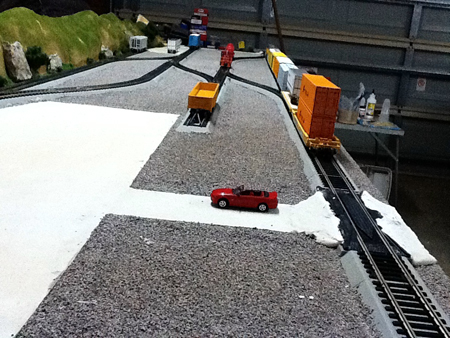
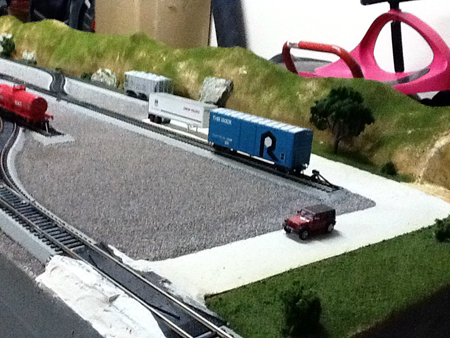
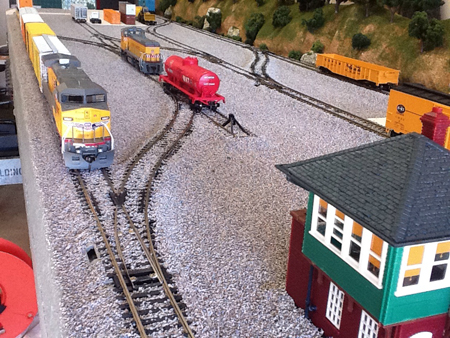
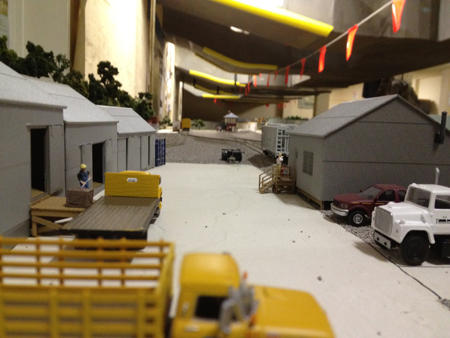
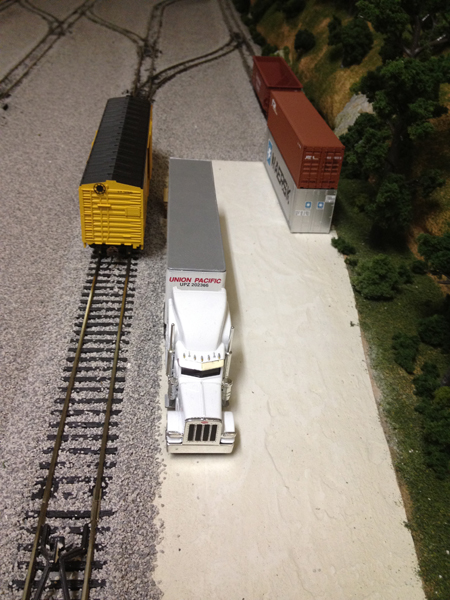
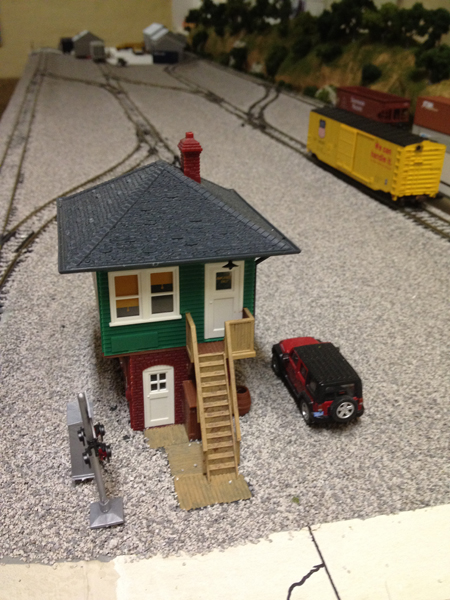
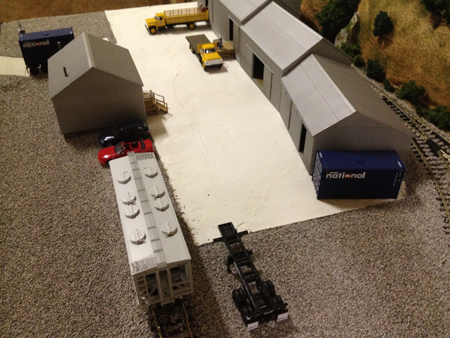
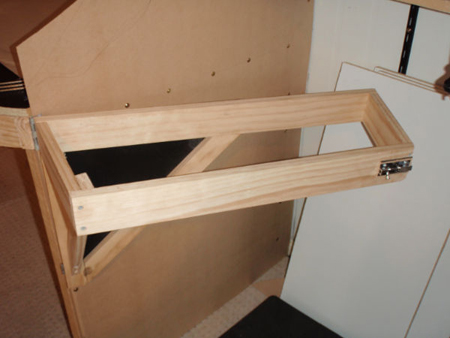
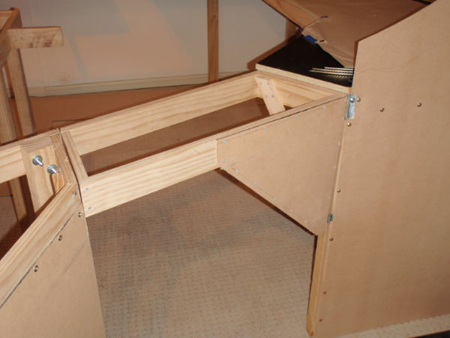
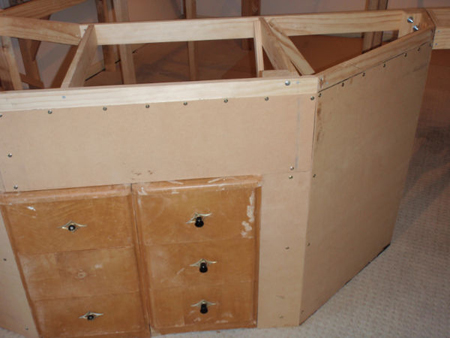
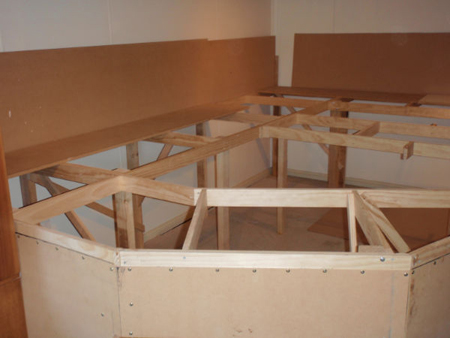
I have been enjoying your emails and website and thought I would send you a plan (attached) and some photos (to follow) of my 2×8 Kansas City Time Saver layout that I have recently completed.
As I am sending this through my iPad the photos my be in a few installments.
I used Bachmann EZ Track for this layout as it was my first and I went digital with a NCE Power Cab system so that I could have it as a stand alone layout or as a module (I am currently working on two other layouts, a 9×5 and a 6×4, that will link with this eventually).
Hope you like it.
Mike”
Wow! A superb layout. And thanks to Mike for sending in all those pics – I love the start to finish story pictures tell.
That’s all for today folks.
Please do keep ’em coming.
And if you think everyone else is having all the fun, the Beginner’s Guide is here.
“hi you asked for my best tip.
That would be to use dried out tea leaves mixed it poster paints left to dry break down and use as scatter material cost next to nothing just a bit messy mixing paint and tea leaves.
Thank you for all the advice you have sent”
Ashley”
“Hi Al
I work in the electronics industry and with train layout wiring I would usually add extra wiring runs or use a main power feed line to branch off or use a heavier gauge cable.
To allow for changes on your layout like adding light in buildings, extra signals or adding some new track work.
A larger power supplier to begin with, is better than adding several power supplies to make one.
Regards
Peter”
“Another tip, sorgum moss, plentiful in the woods, use hairspray or 3M fixing spray. Dry then paint to suit for excellent bushes.
Dry the stalks from a bunch of grapes for good treetrunks, 3M spray or glue on the tups and dip in chopped sponge of other material.
Use fine seived dried tealeaves for ballast and spray with 3M fixer. Clean tacks immediately with cotton buds dipped in spirit or nail polish remover.
Nail polish remover is good for weathering plank wagons if done carefully – practice on something you painted first.
Duncan”
“Hi Alastair,
My tip would be to make sure that the track and point work is very carefully laid and tested before ballasting to prevent derailments and stalling.
I have seen many layouts with amazing scenery, only to be let down by poor running due to rushed track laying.
Regards,
Dave”
“My best railroading tip is to have a son. Firstly it legitimises your hobby and secondly the costs makes even the most expensive locomotive pale into insignificance.
Sebastian”
“Hey Al, I got a tip for you.
Looking for some cheap scenery material? Do you drink much hot tea? (I like “green teas, myself.) Well, after brewing a cup, don’t throw that bag away. Dry it out, tear it open, and save the contents. You’d be surprised how much it resembles the twigs and dead leaves, etc., found on a forest floor. Or along the railroad right-away. Or along a stream.
Oh, and by the way… different flavor teas have different colors of tea leaves. (Makes sense, huh?) I drink mainly Bigelow brand teas. My favorites flavors are Orange Spice, Raspberry, and Lemon Lift.
Mike”
“Al,
One of the advantage of a rail gap is you get an authentic “clickety-clack” when the train passes over. Unfortunately, this only occurs in one place, or if you have more gaps then you hear several at once and it just becomes noise. To get a more realistic rhythm, do the following. Assemble a rake of your favorite coaches:
Then, make small notches in one of the running rails, each exactly one coach length apart – this will coincide with the leading axle on each coach, as shown in the diagram. As the train passes over the notches, each wheel on each coach hits a notch simultaneously, and the sound is in phase. As coaches in real life are about 60 ft long, and the track sections are also around 6o ft, the “click-rate” is very close to the prototype and gives a feel for the speed of the train. Of course, all the coaches in the train have to be the same length. If you have a shorter baggage car, then fit this with plastic wheels. The effect is truly delightful!
Philip”
Hi Al,
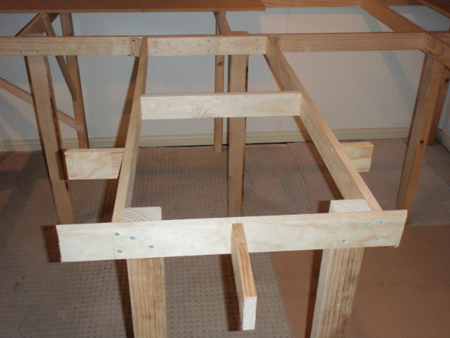
Some time ago I sent you an image of the layout plan I am building.
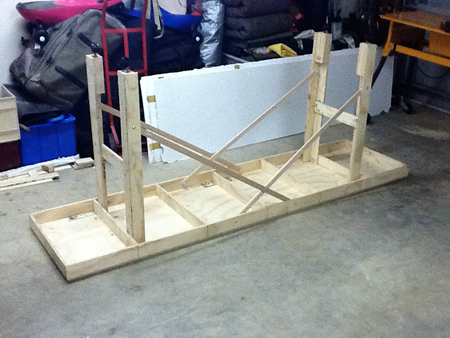
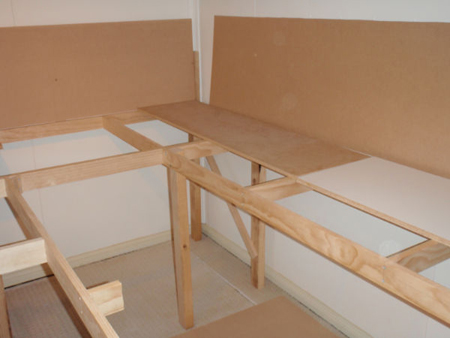
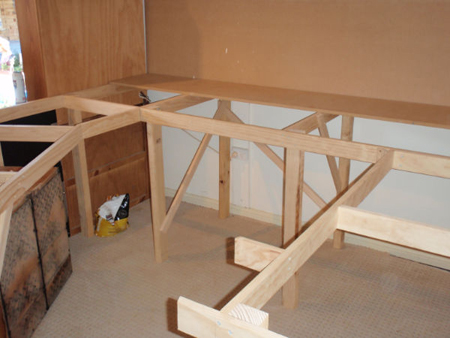
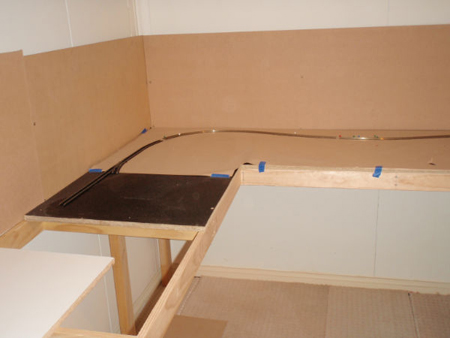
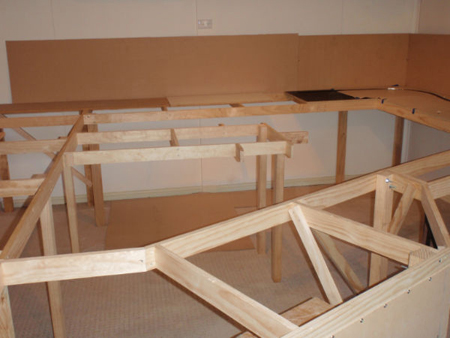
Well, over Easter, and then on my next trip home, (I work away in NSW, but live in S Australia) so only get home every second weekend, I was able to get started on the bench work for the layout.
I have attached some photos for you to look at and share if you choose.
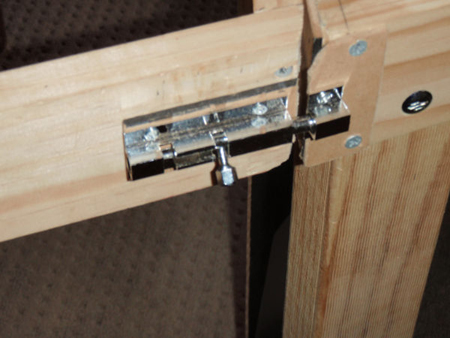
The access gate idea was from one of your contributors but modified to suit my needs. I have to allow for wheel chair access as my brother in law is confined to one.
Unfortunately, I will have to change my focus while at home for a while as it is only fair that I spend some time with my partner, and achieve some progress on house reno’s.
I enjoy getting the tips etc that you send through, so keep them coming.