Model railroad building interiors

Brian’s been back in touch with more tips on model railroad building interiors.

He’s been busy with his boat house. If you missed his first post, it’s here.

“Hi Al, I have managed to get a lot further with this kit bash since part 1.

Again, a lot of thought went into this building as every time you think thats it, a new challenge comes along and always at the wrong time. The (oops, I should have done this first and THEN the part that you have just done) kind of error that you make in trying to finish the project as it is now taking too long.

BUT, what would the fun be if it was all too easy and plain sailing.

Here I am visualising on what I would like to do by detailing the interior. The HOn3 track is just to help. The correct track gauge will be fabricated at a later stage.
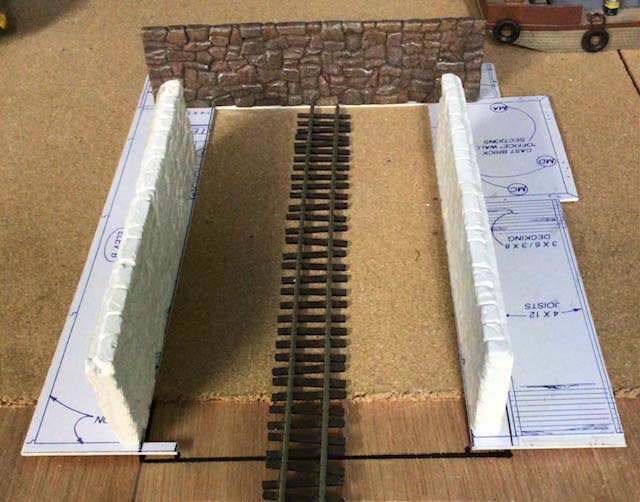
model railroad building interiors

The kit does not come with any interior at all, nor do the plans tell you what is inside. The plan below are my thoughts on what the interior ‘would’ look like.
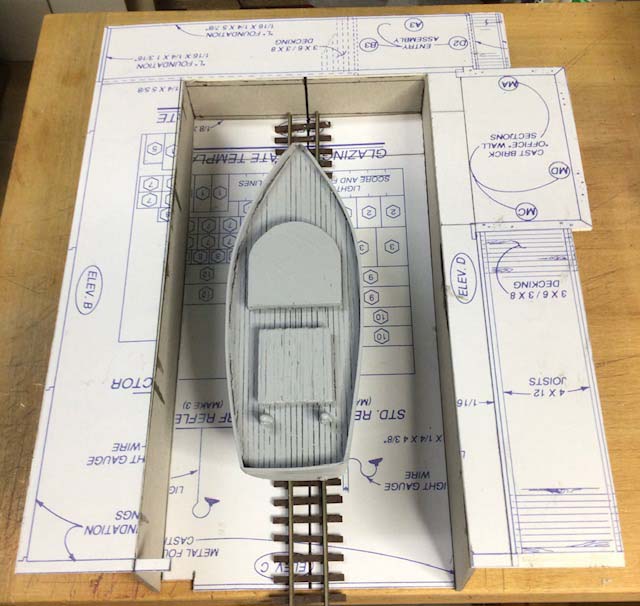
model railroad building interiors

Here I have cut the sides from card stock to get an idea of where the stone wall sides will go. Currently they are level with the track base. I use this as a template to cut out the base board of the layout.
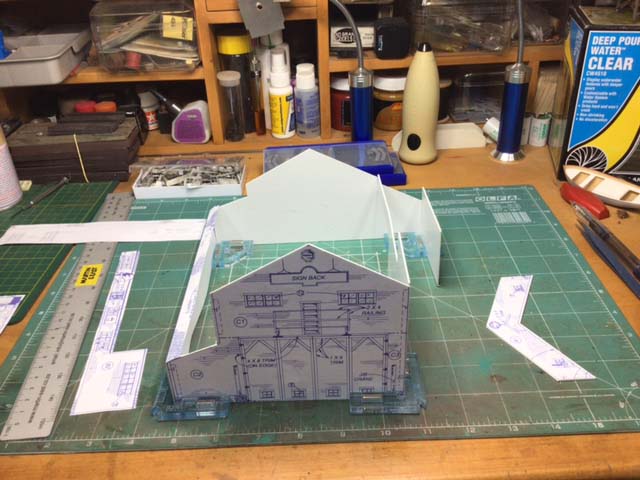
model railroad building interiors

This is where I glue the photo copies of the building to card stock which stiffens up the whole building making it easier to handle.
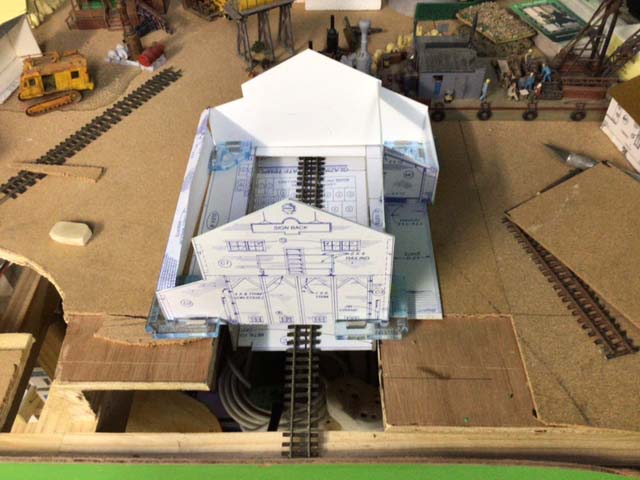
model railroad building interiors

The layout base now cut out and test fitted in place. This was a very necessary step as I discovered that the hole had to be cut back a further 40mm to enable the boat track / ramp to be in the water at the front.

Made the boat dolly and used old rail to get the gauge for the ramp.
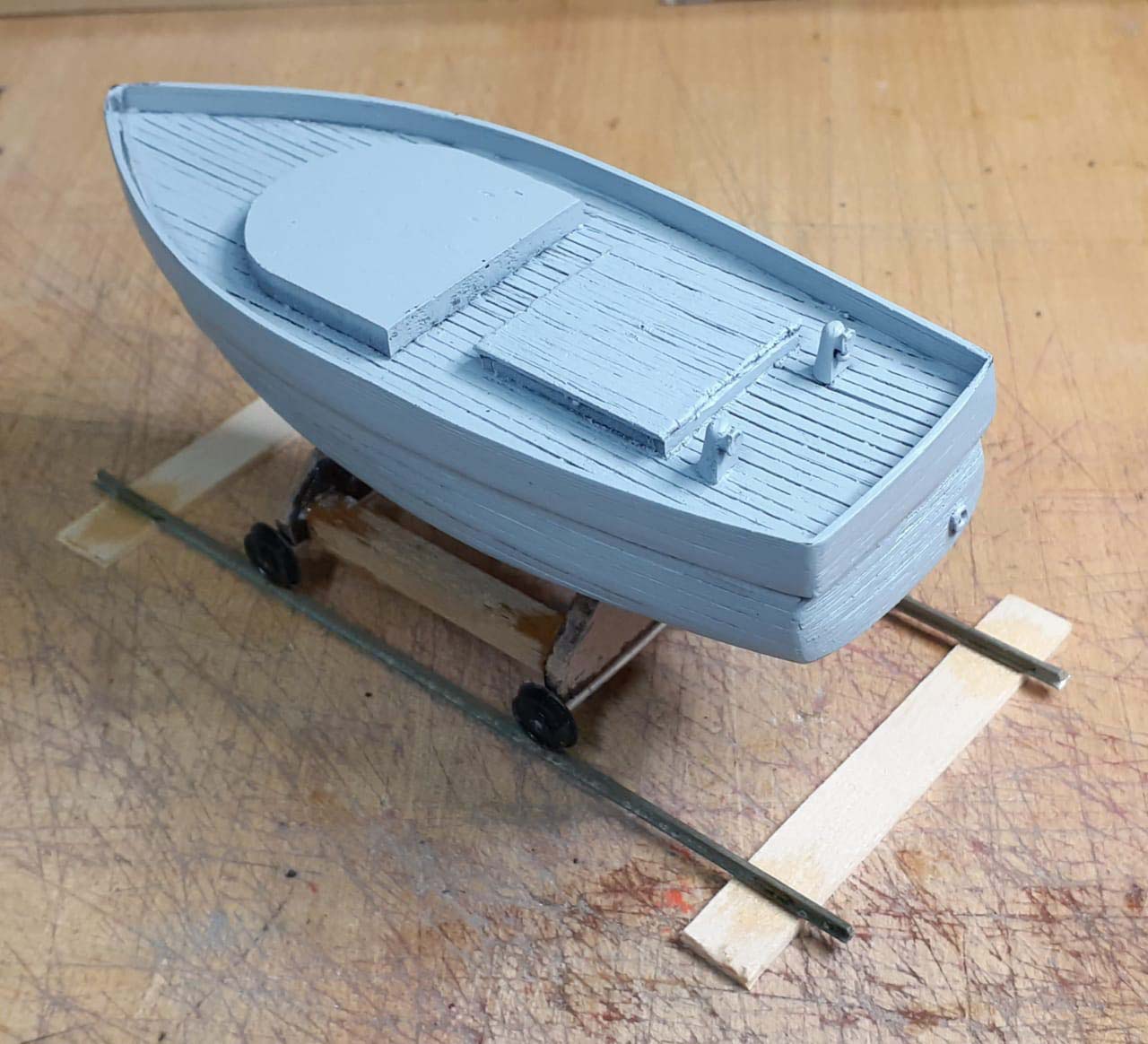
model railroad building interiors

Another test fit to make sure there was enough clearance on either side.
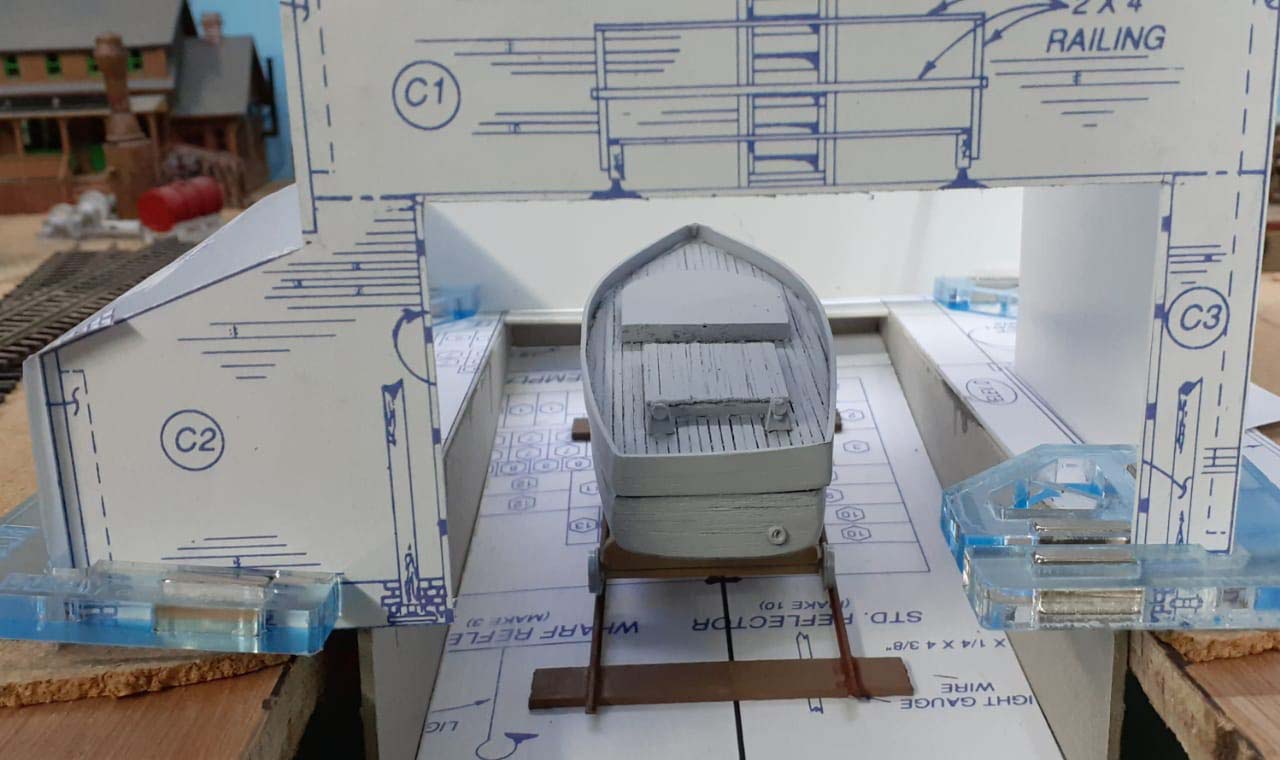
model railroad building interiors


This is where I realised that I had to cut the layout base back further as the rail ramp was too close to the fascia in front.
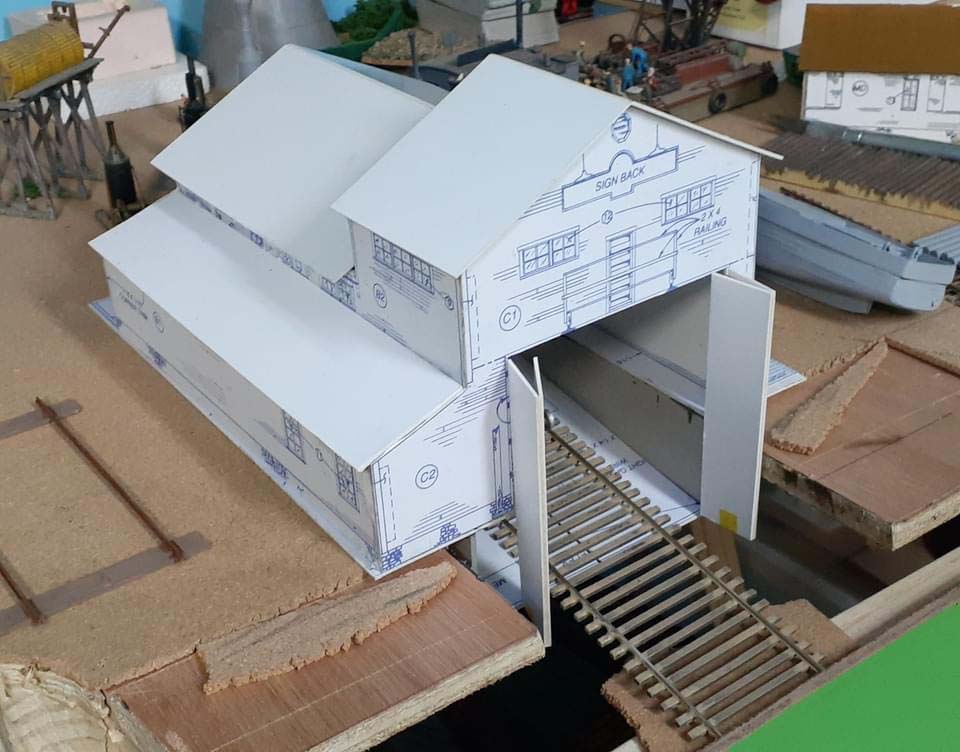
A piece of Masonite was cut to fit the area and glued to the side masonry (cast resin) walls.
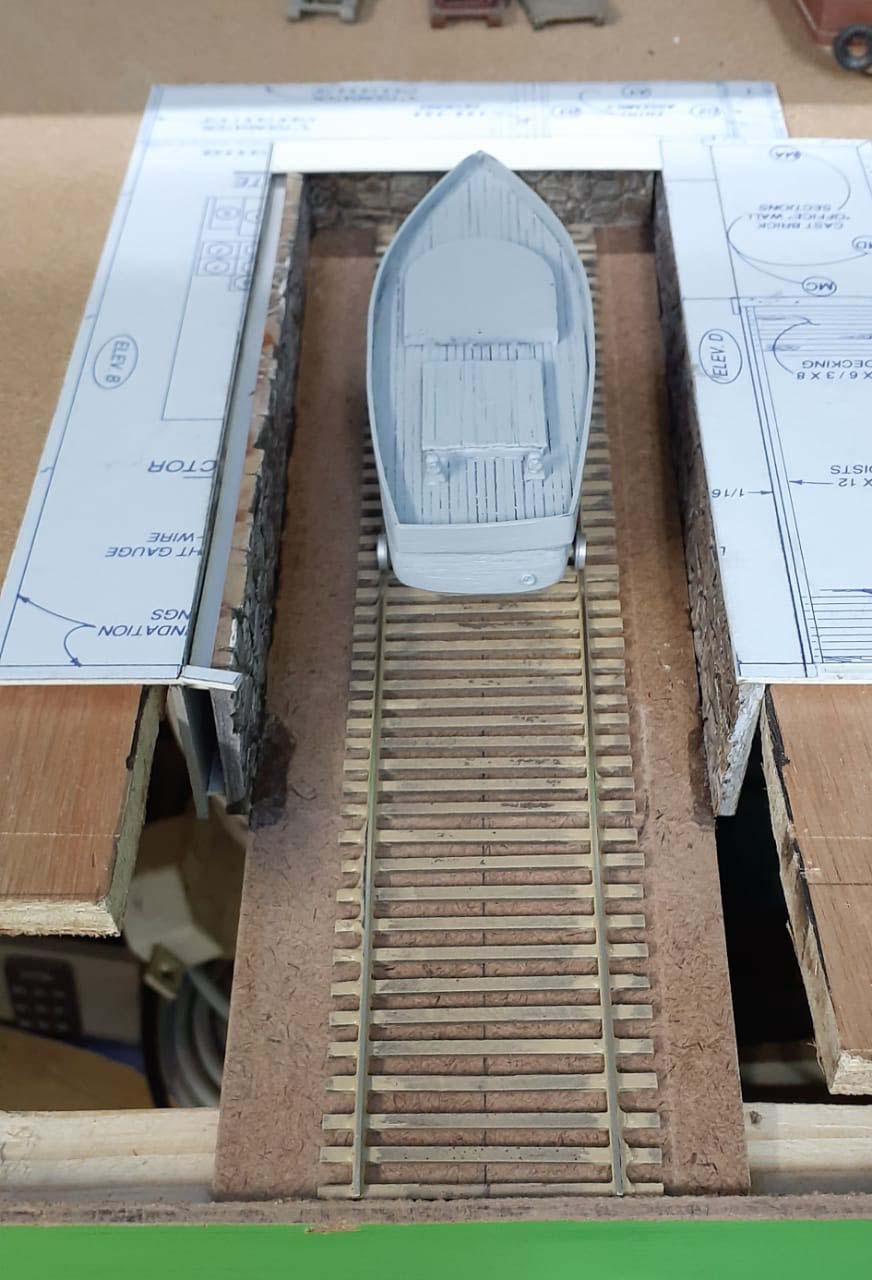
Here the building is at the correct distance from the fascia. The front outer walls are now in place giving enough room at the front for water.

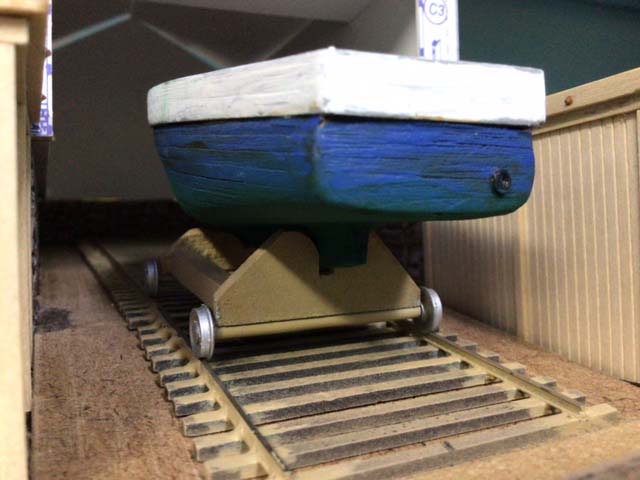
A photo of the boat on the ramp entrance. Note the nut/bolt/washer casting on the side wall.
model railroad building interiors

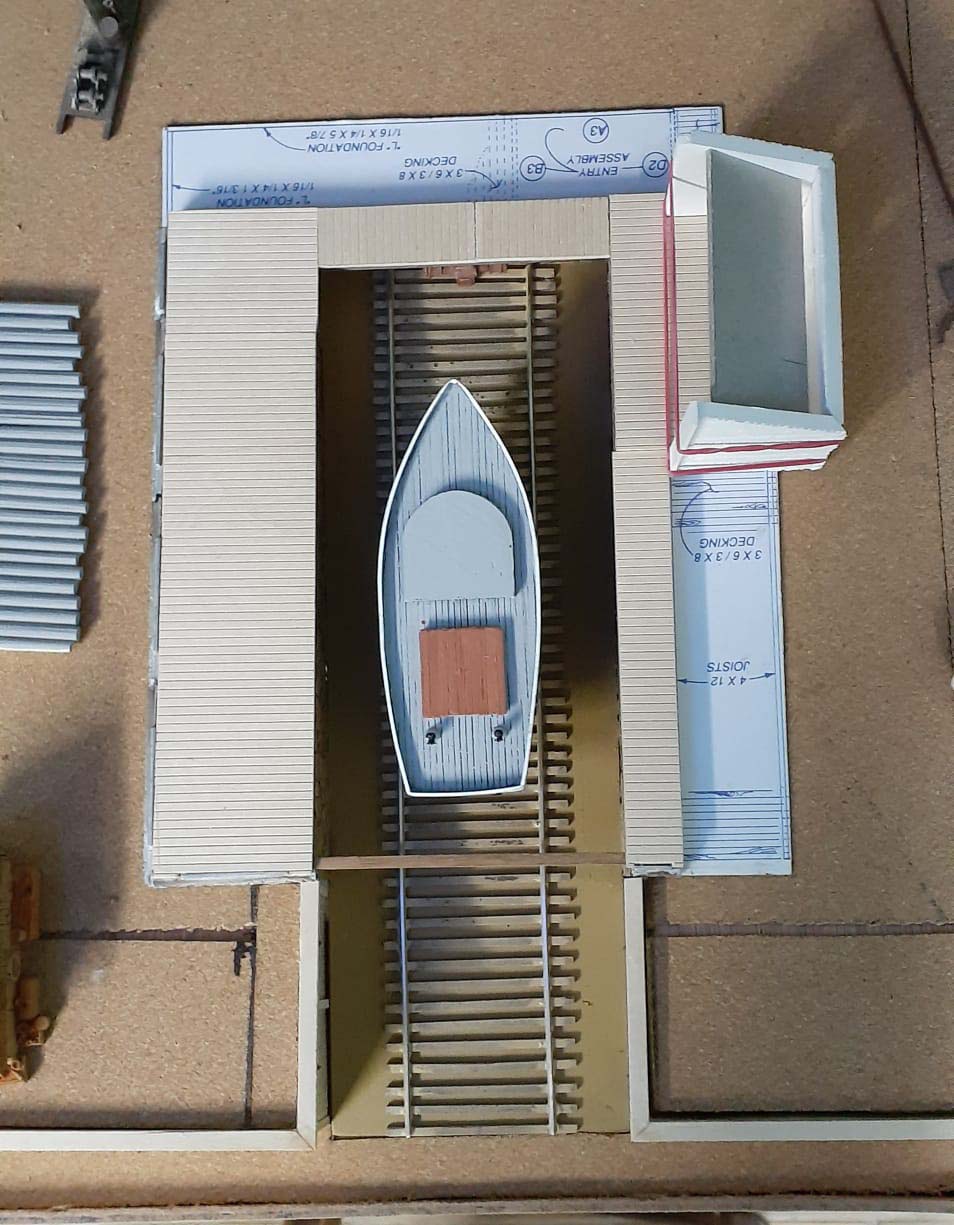
An overhead view showing the start of adding the interior work floors. The plaster cast office is held temporarily with elastic bands for placement. The wood brace in front is also temporary to keep the floor sturdy while assembling the building.
model railroad building interiors

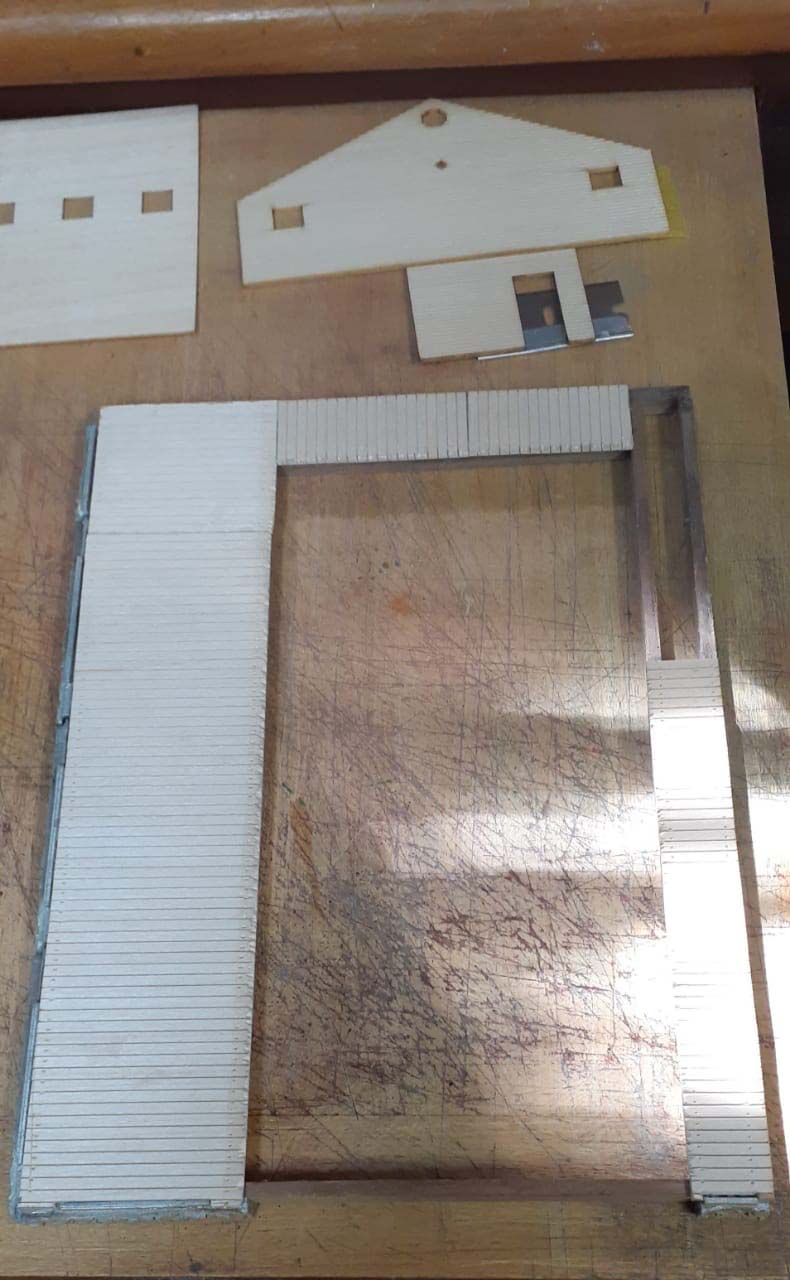
Time to start using the wood parts of the building.
model railroad building interiors

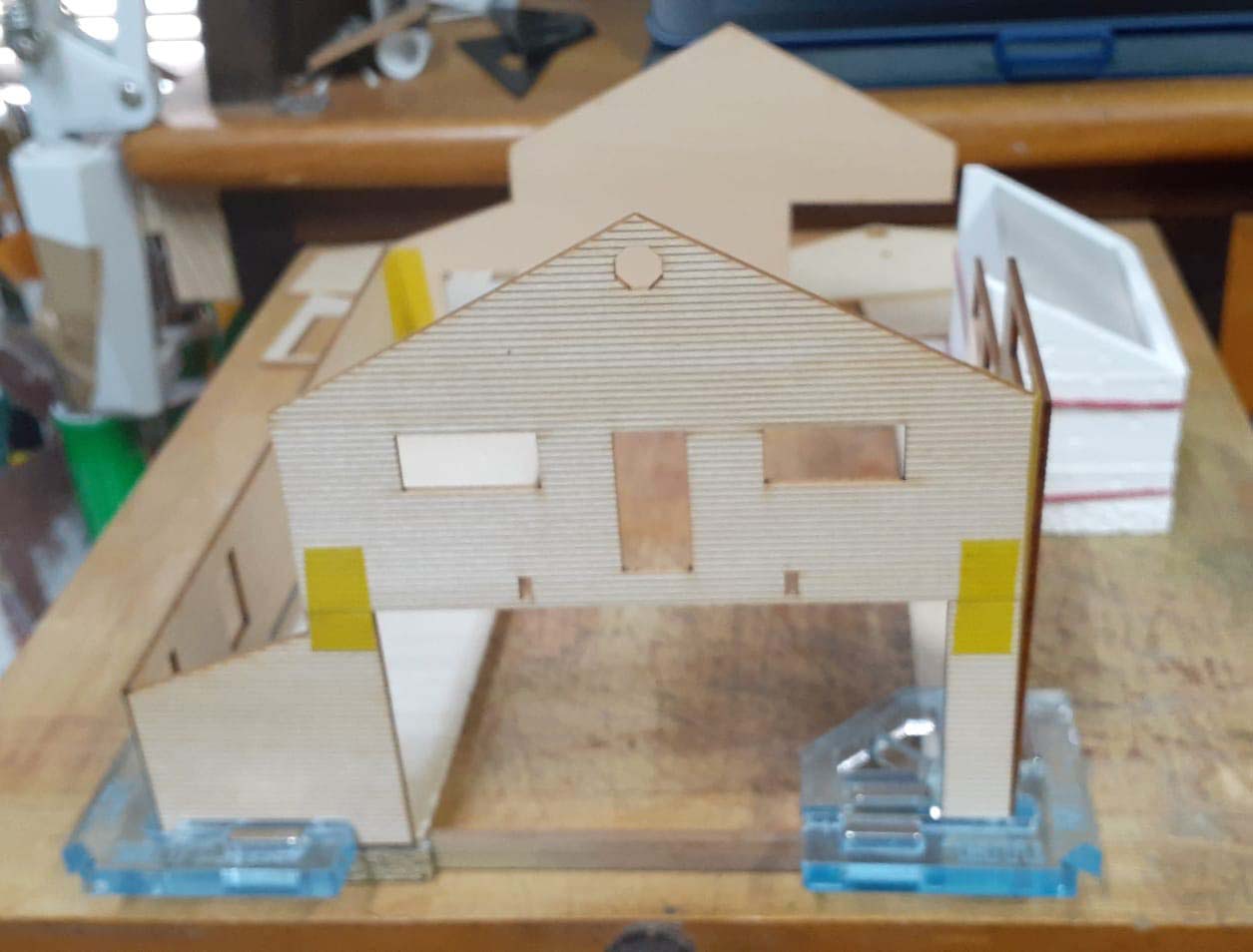
Using the Right Way corner clamps to keep things square. Masking tape is used as a temporary measure to keep the building sides upright.
model railroad building interiors

Here it is added to the base of the building to make sure that it fits properly.

It can be seen here why I use cardboard mock-ups of the buildings to be able to visualise what the final product will look like. If mistakes are made here, it is easier to cut new cardboard to fix it instead of ruining an excellent kit. (I did make a few miscalculations on the interior floors but fortunately it was card stock only)
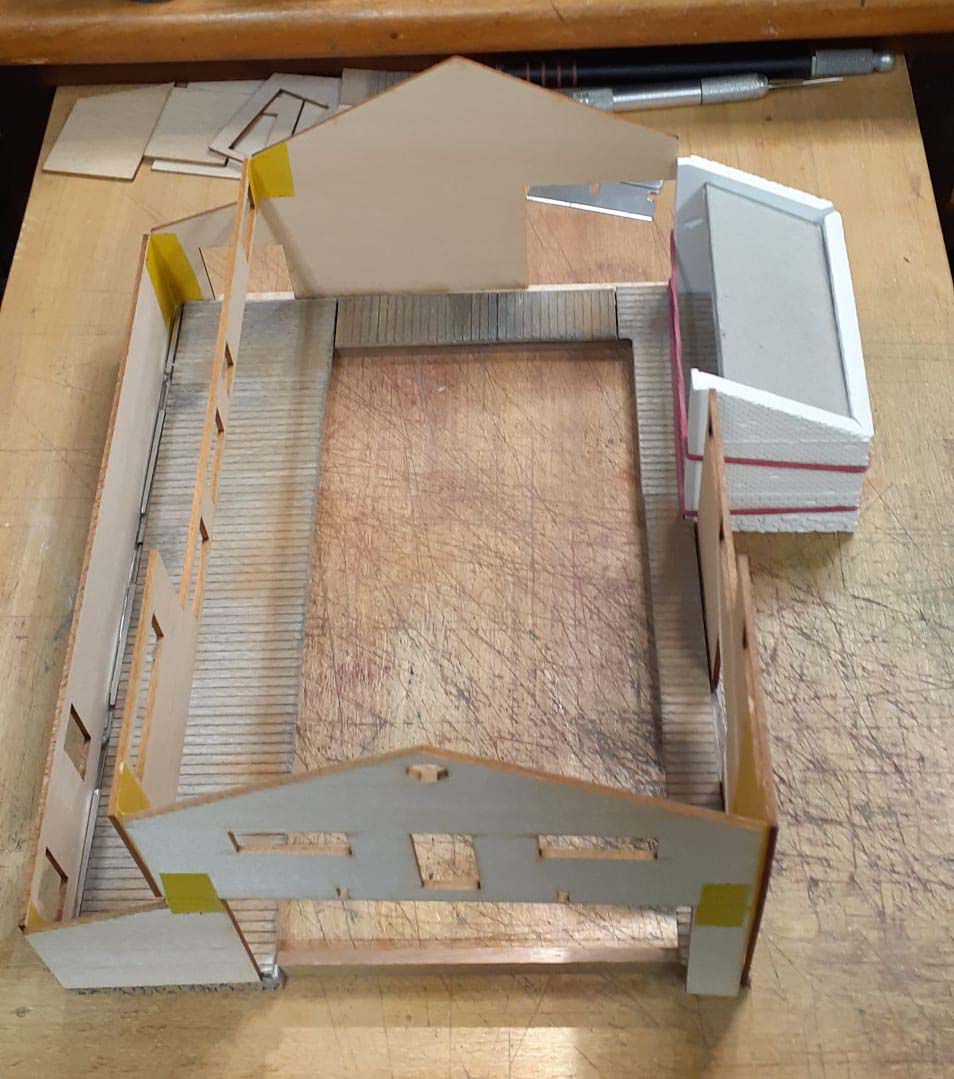
The fun begins, choosing a paint colour and ageing it to look slightly weathered. The interior of the walls were sprayed a light sand colour before assembly. I follow the same process for all of my model railroad building interiors.
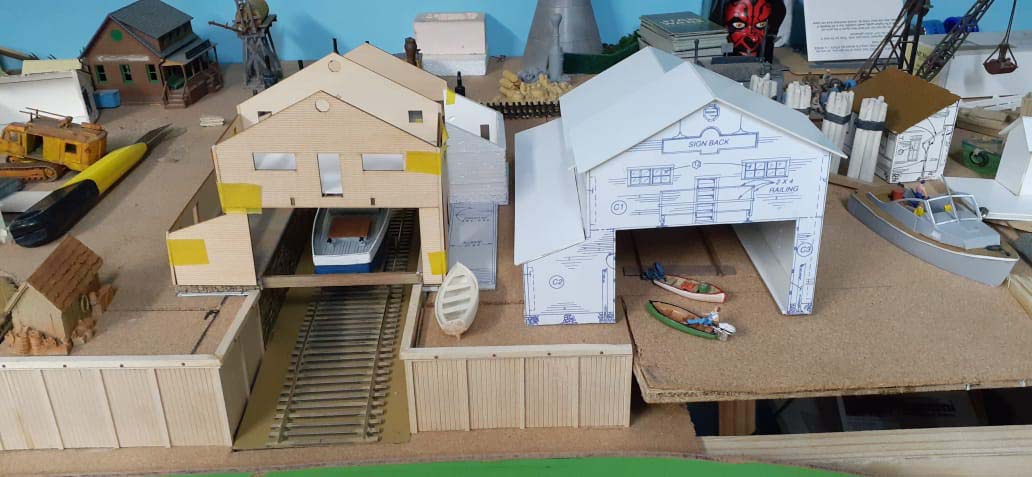
The plaster cast office painted, a black wash used over it and then all dry brushed with a very light grey acrylic paint. The stone foundation was given the same treatment.
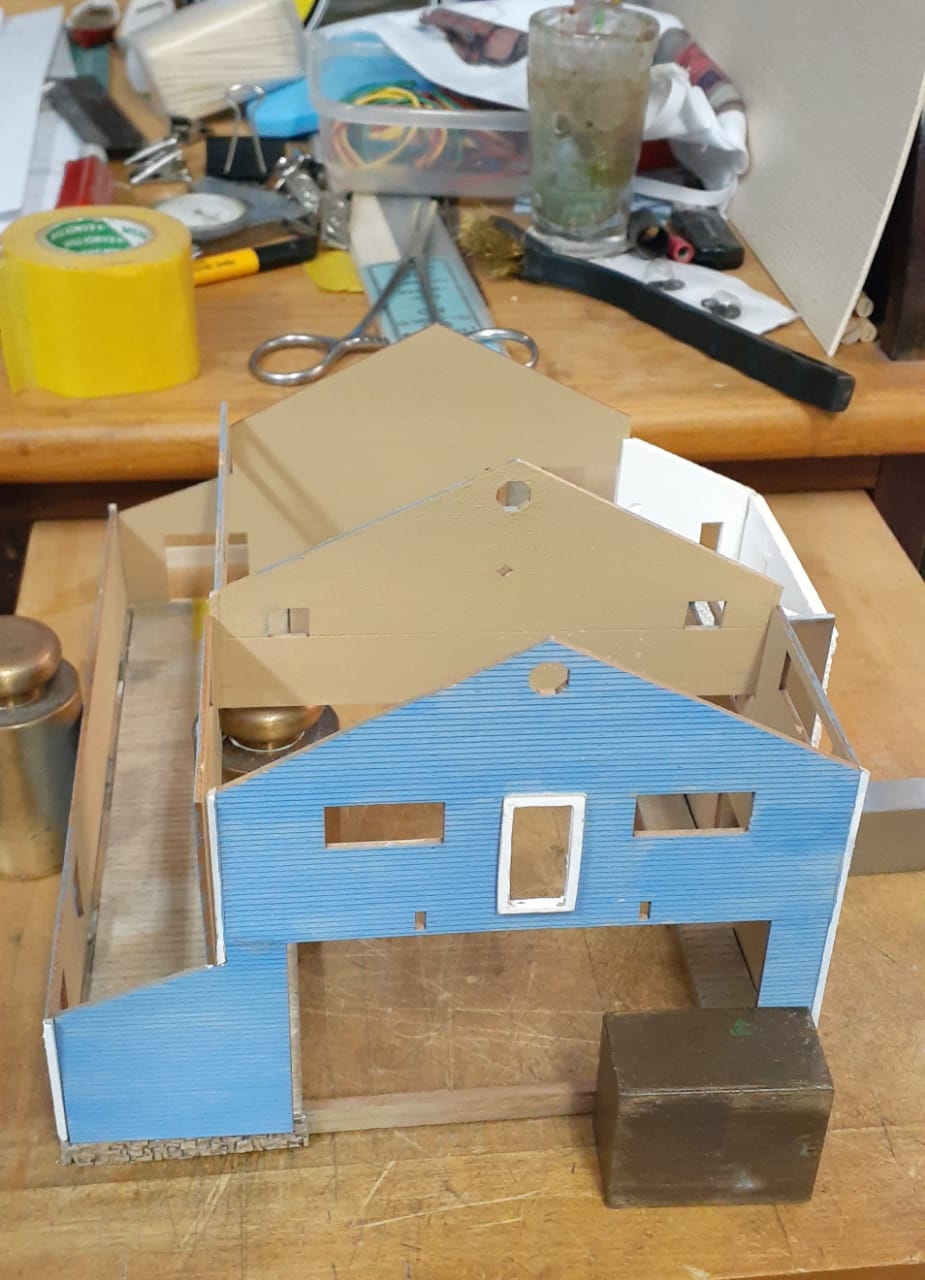
Very happy with the progress so far.
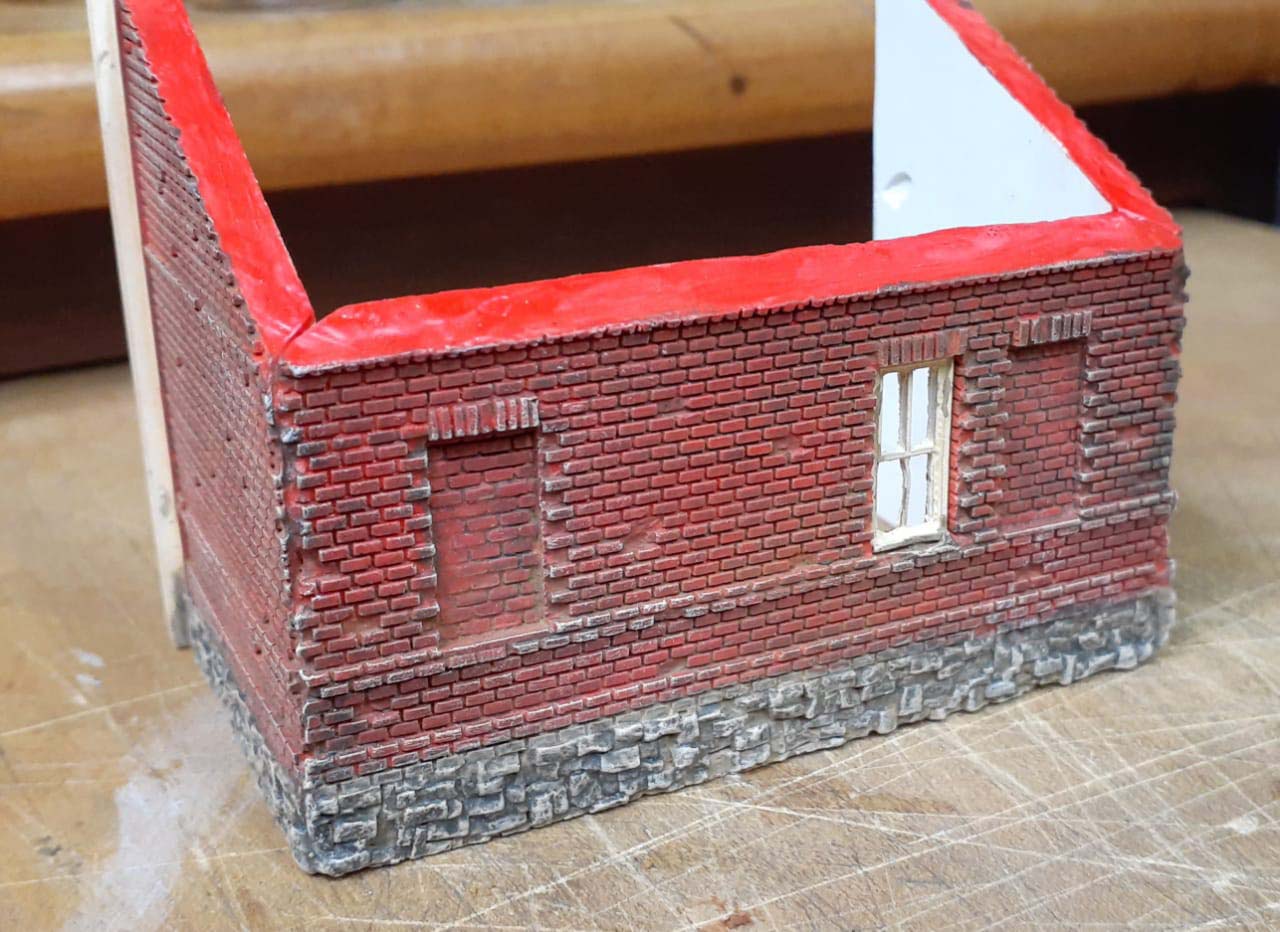
The top office will have a full interior (to be shown in part 3). Therefore the door had to be replaced with one that was able to be opened to see partially inside.

An overall view showing the interior as well as the office floor. The little building in left front is one of the many cast resin ones that I use all around the layout.
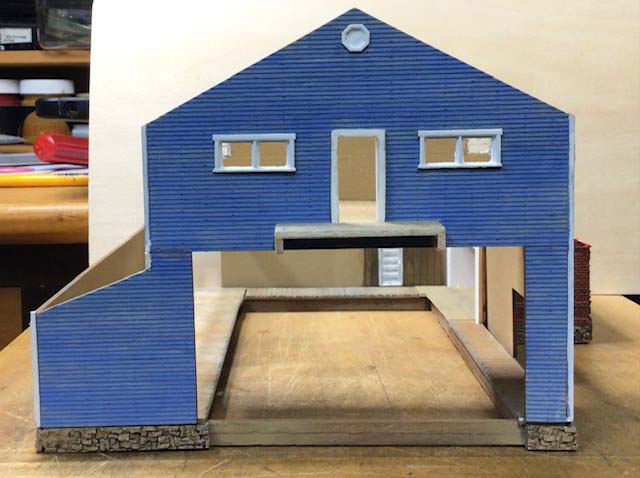
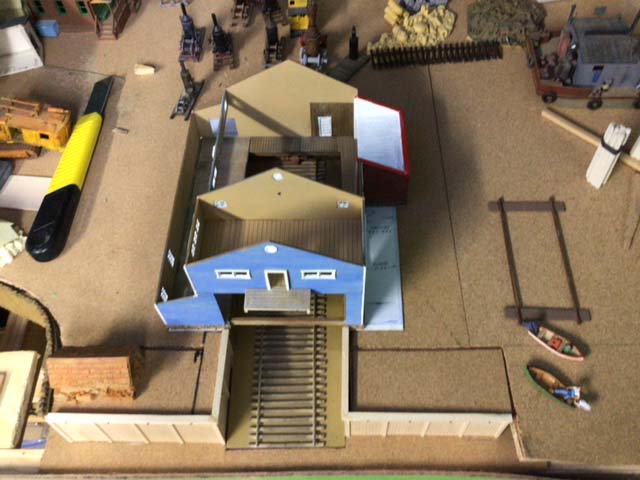
HO scale boat house

A teaser photo as of 30th June where it is all starting to come together. Until next month, keep on modeling.
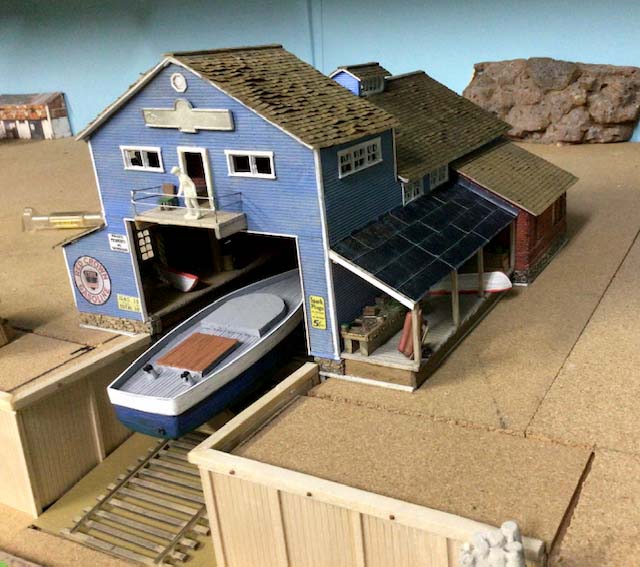
HOn3 boat house for harbor

Kind regards

Brian
The HOn3 guy in Knysna”

A huge thank you to Brian.

Next, Cassio:

“Hi Alaister

I send a short video showing details of my layout.

I hope you like it and share it with your followers.

hugs.

Cassio Serra

Brazil”


A big thanks to Brian for sharing his tips on model railroad building interiors. And to Cassio too.

That’s all for today folks.

Please do keep ’em coming.

And if today is the day you get started on your layout, the Beginner’s Guide is here.

Best

Al

PS Latest ebay cheat sheet is here.

Best

Al
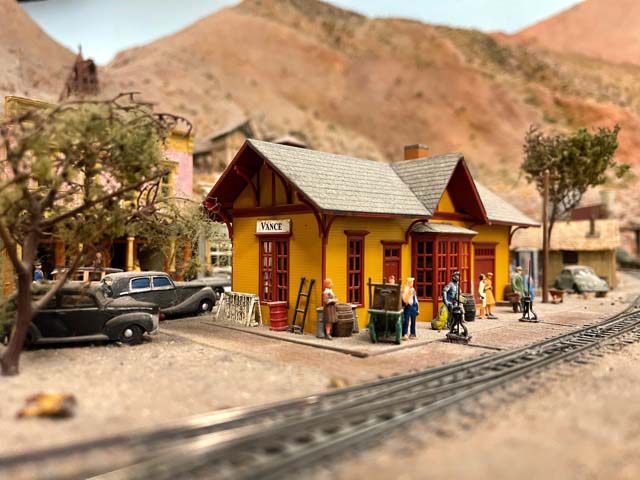
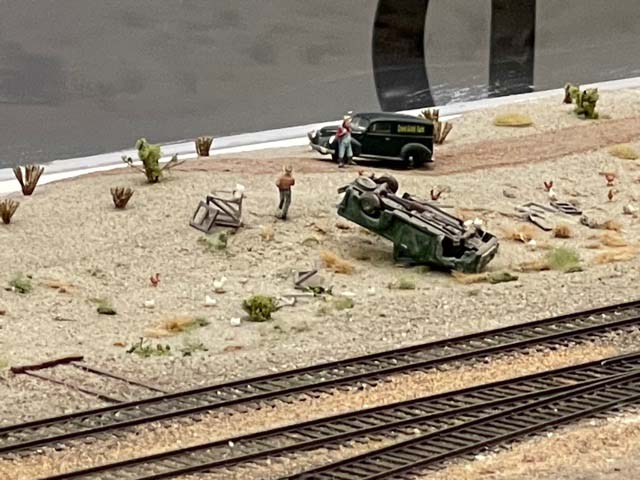
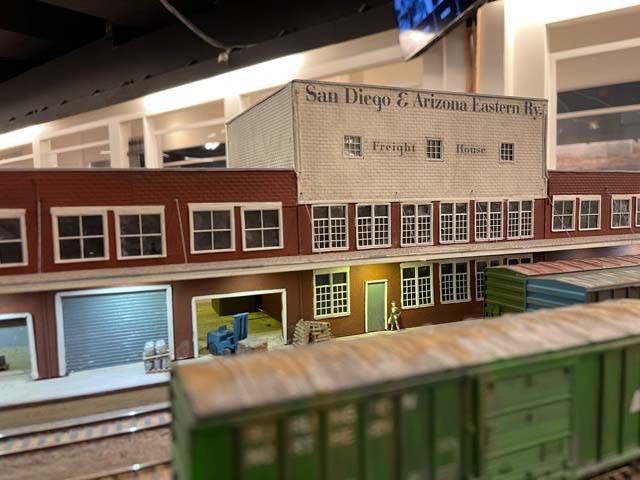
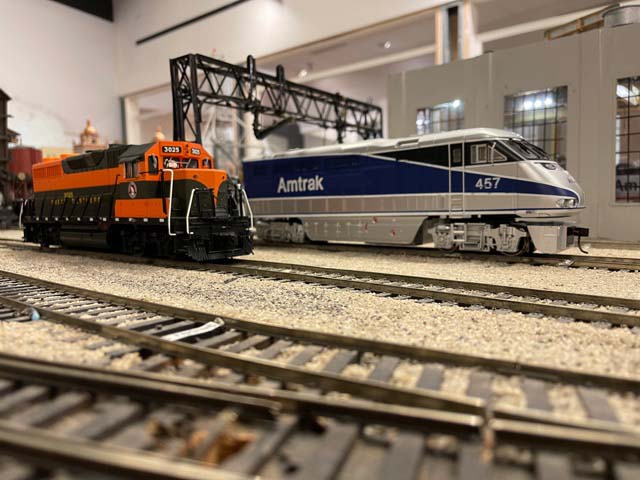
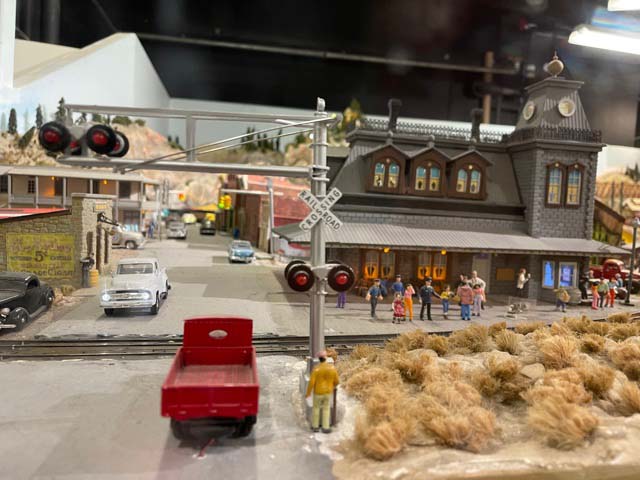
San diego model railroad museum

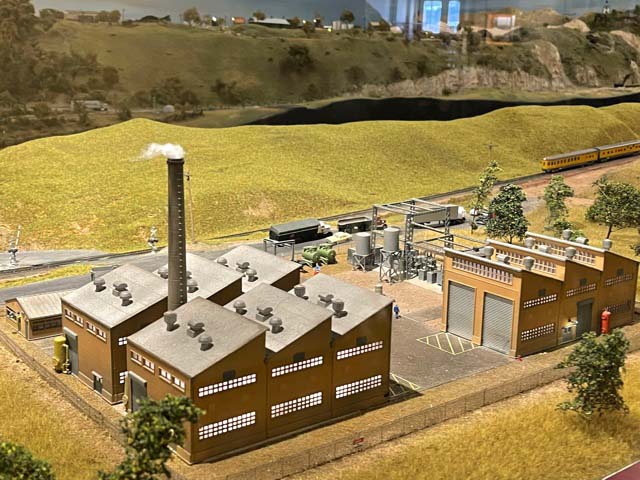
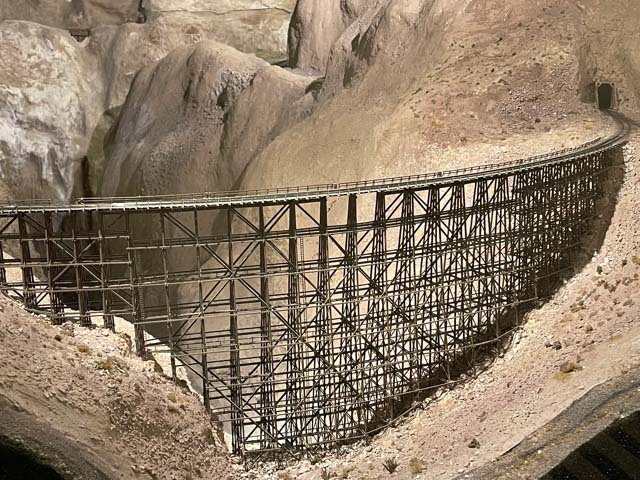
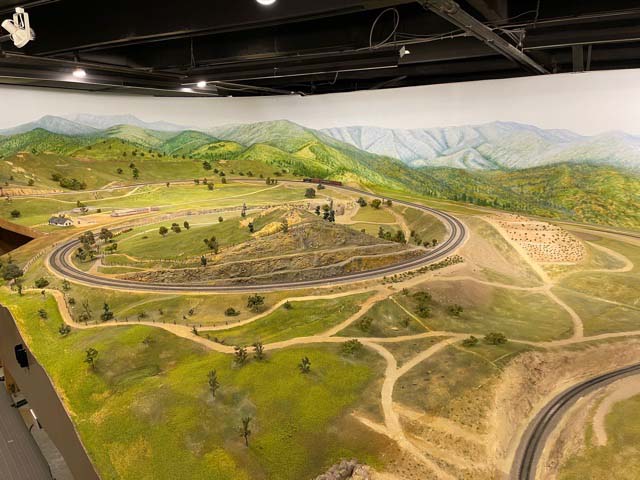
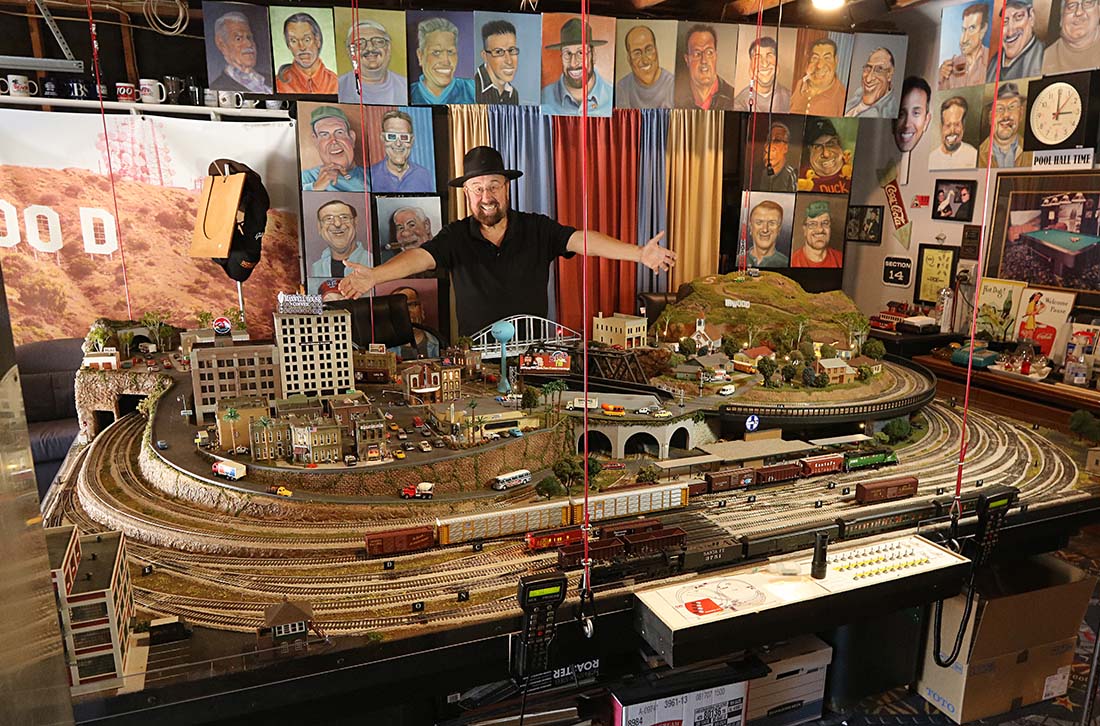
Shotgun Tom has been back in touch with a video for the San diego model railroad museum.

(If you missed Shotgun Tom’s post on his own layout, it’s here.)

“Al

We have a new Video about our San Diego Model Railroad Museum in San Diego’s Balboa Park near the World Famous San Diego Zoo.

Take a look, I did the narration.

San diego model railroad museum track station

San diego model railroad museum

San diego model railroad museum factory

diesel engines

San diego model railroad museum

San diego model railroad museum factory

model railroad trestle bridge

San diego model railroad museum layout

Again, Thank you for all of your help.

Shotgun Tom”

A big thanks to Tom – I really enjoyed the video.

Some of you may remember Tom’s post, on his layout which is here.


Enjoyed Tom’s narration on the San diego model railroad museum vid.

Now on to John:

“Hi Al.

Just wanted to share a little project that I scratch built today.

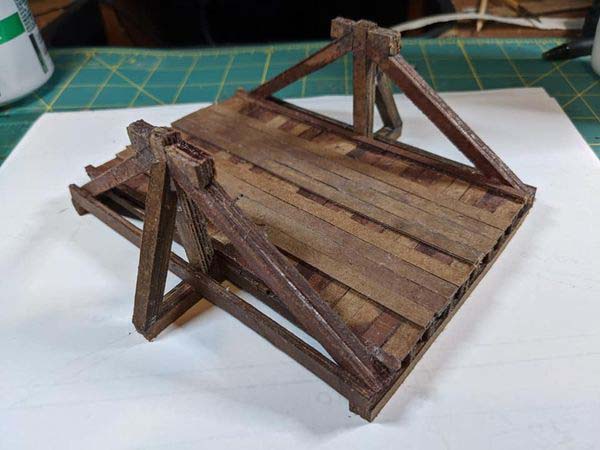
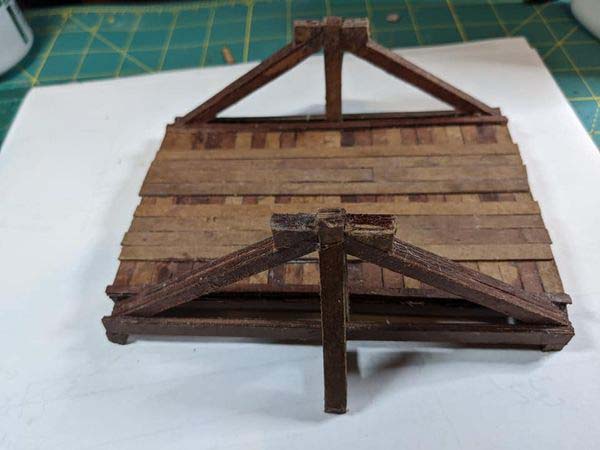
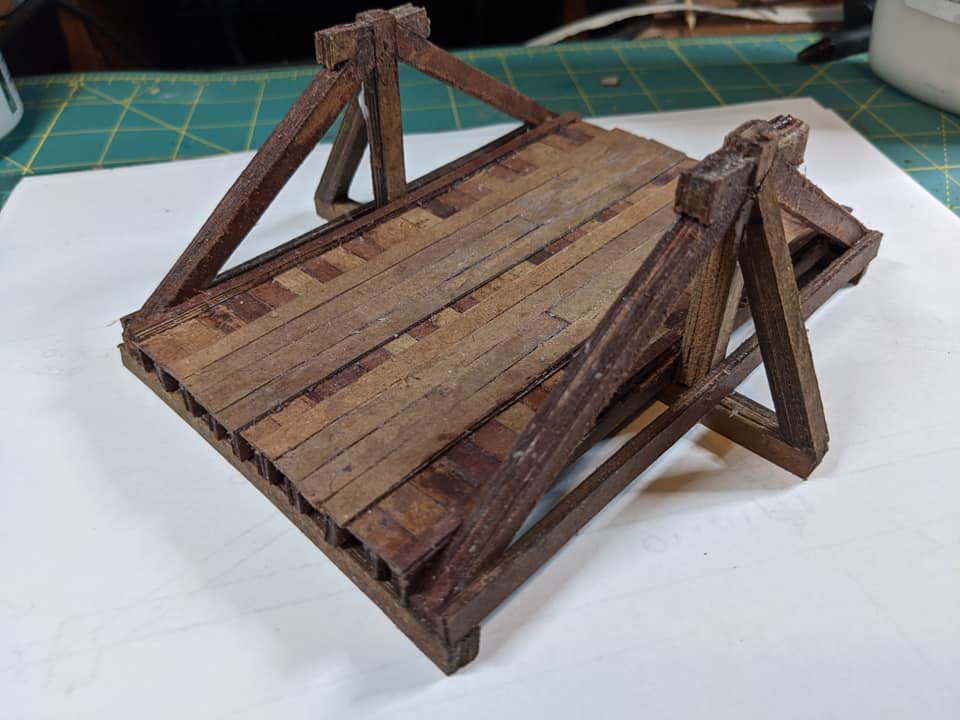
This is a 1/4 inch scale (O scale kingpost bridge).

I made this little bridge today 100% from card that I salvaged from soda can boxes.

The card was glued together with Elmers Glue All (a brand of PVA glue).

All the card was stained with Minwax stains to make it look like wood.

There are some small details left to work on.

Here is the thing — I could never have built this little bridge without the skills that I learned while building and kitbashing your wonderful Print-Out kits.

Your Print Out buildings and the videos you sometimes share taught me first about how to make card models look realistic. Then they helped me build skills so that I can build “beyond the box”.

Thank you for your wonderful site AND thank you especially for teaching me about modeling with paper beginning with your amazing Print Out buildings.

Sincerely,

John
Chatsworth CA, USA”

John’s always sending me stuff of his builds – he’s using the print out scenery exactly what it’s best at: scratch building.

Here’s another of his projects:

“Hi Al…

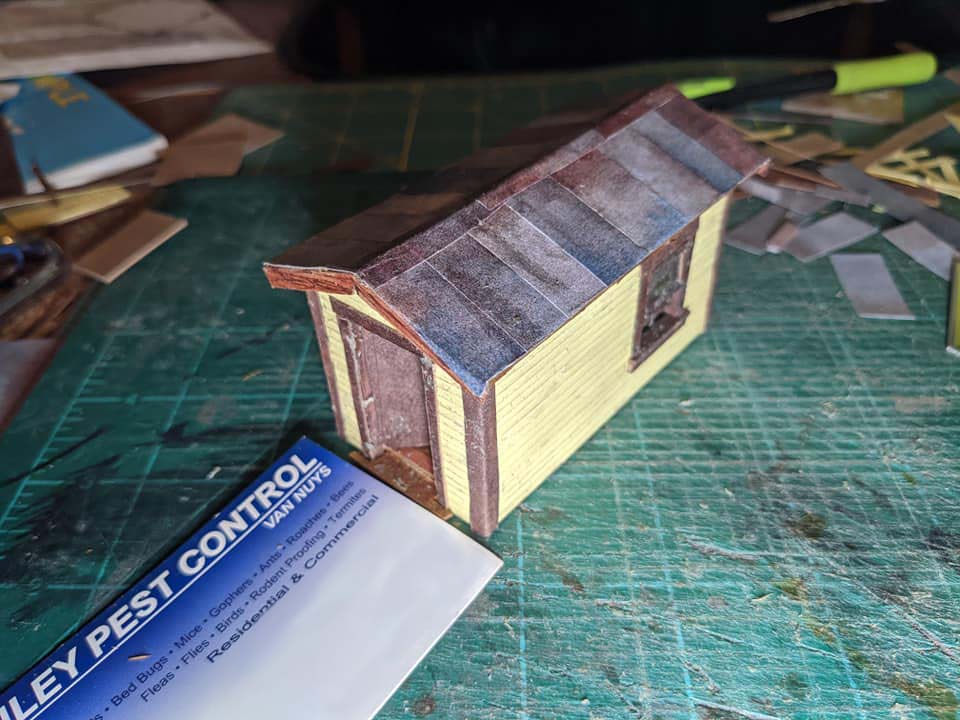
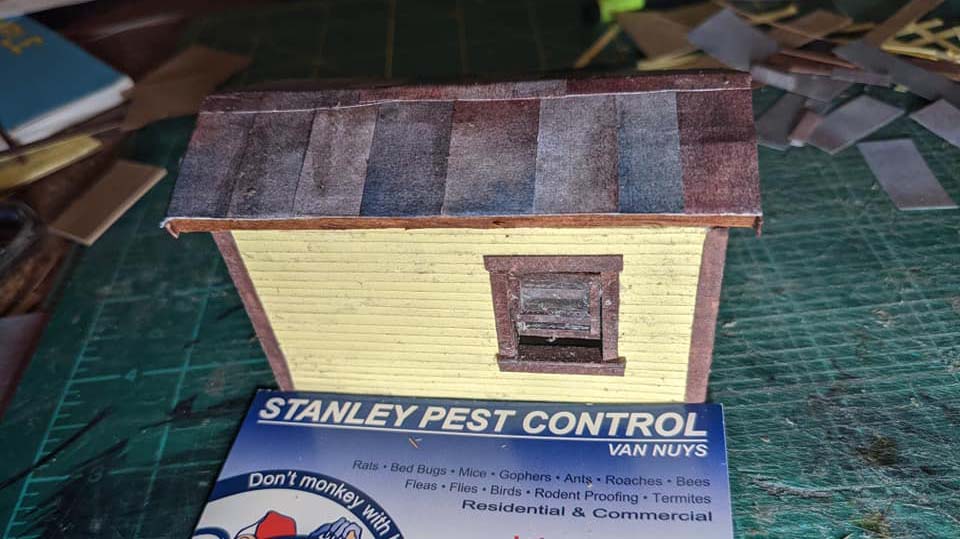
This is a little O scale building that I constructed over the past two or three days.

The inspiration was a challenge by a Facebook friend to build something that would fit on a business card. I love it when I am challenged to build something —

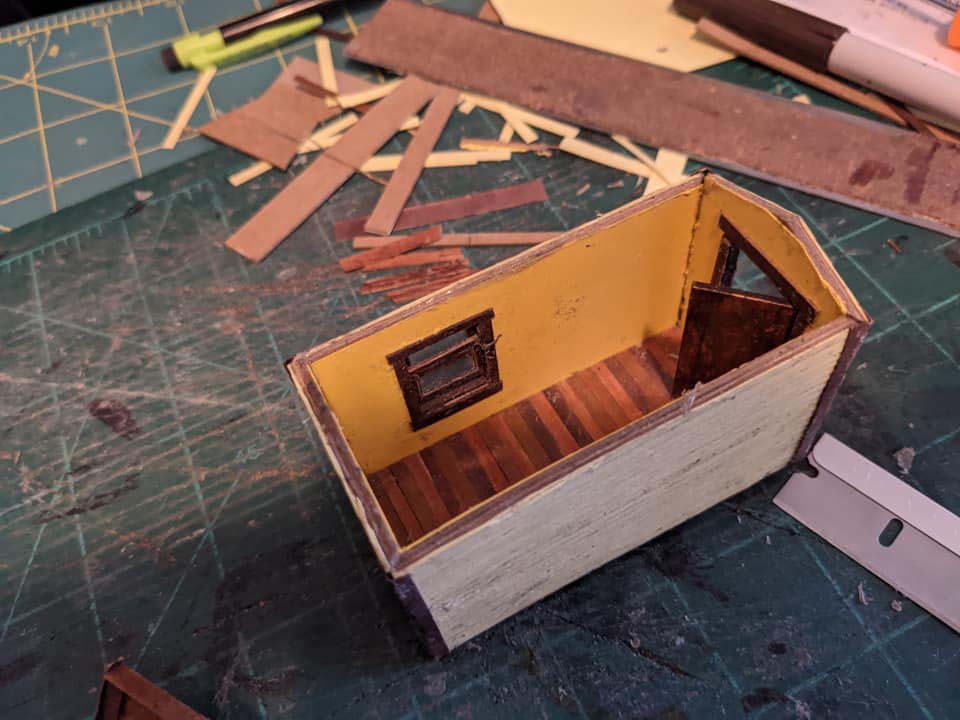
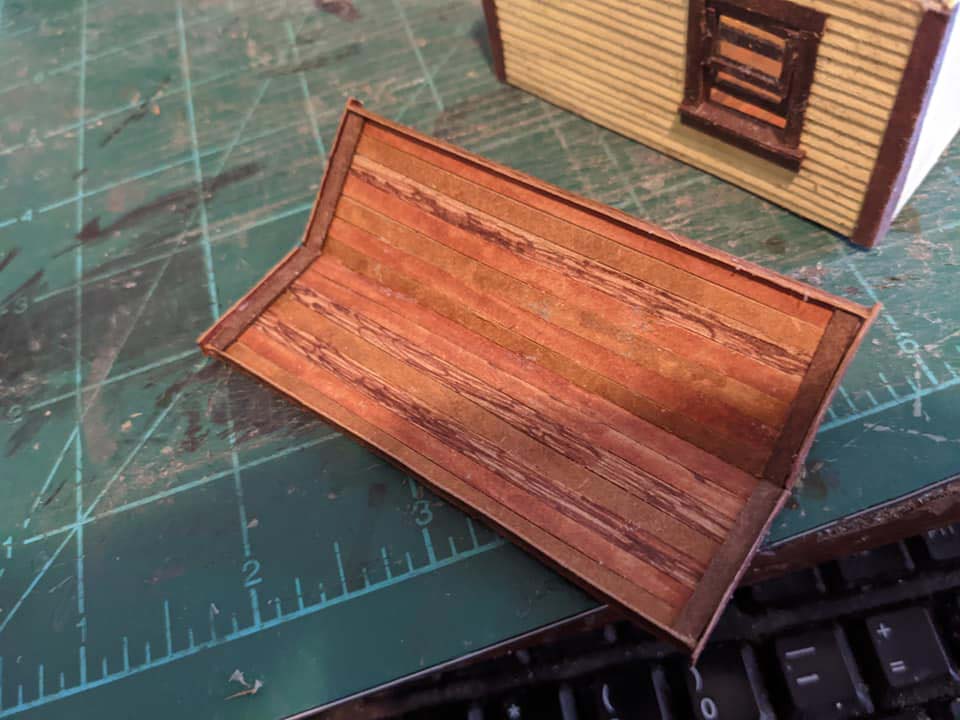
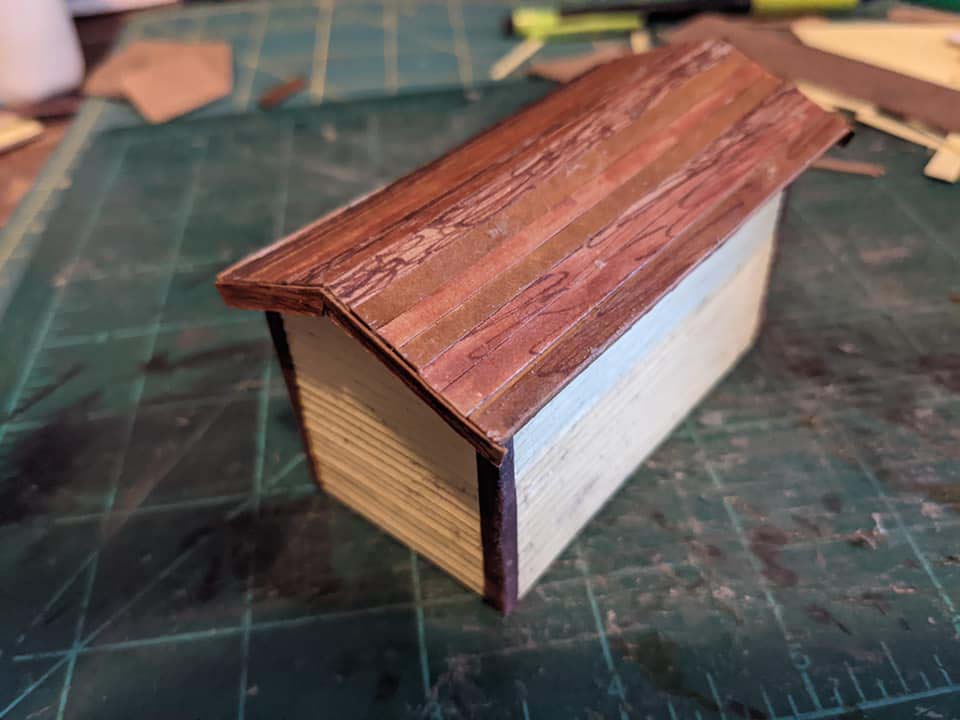
I used my favorite soda can boxes for most of this…They farm the base for the buildings, the base for the walls, and much of the “stripwood” that I also used fr many of the details.

The “glass” in the window came from a food tray — Takeout container.

The clapboard siding was cut from yellow printing card –

To make the siding, 1/8 inch wide strips were cut and shingled to give the appearance of 3 inch clapboards.

The “wood” was stained with felt tip pens that I had lying around.

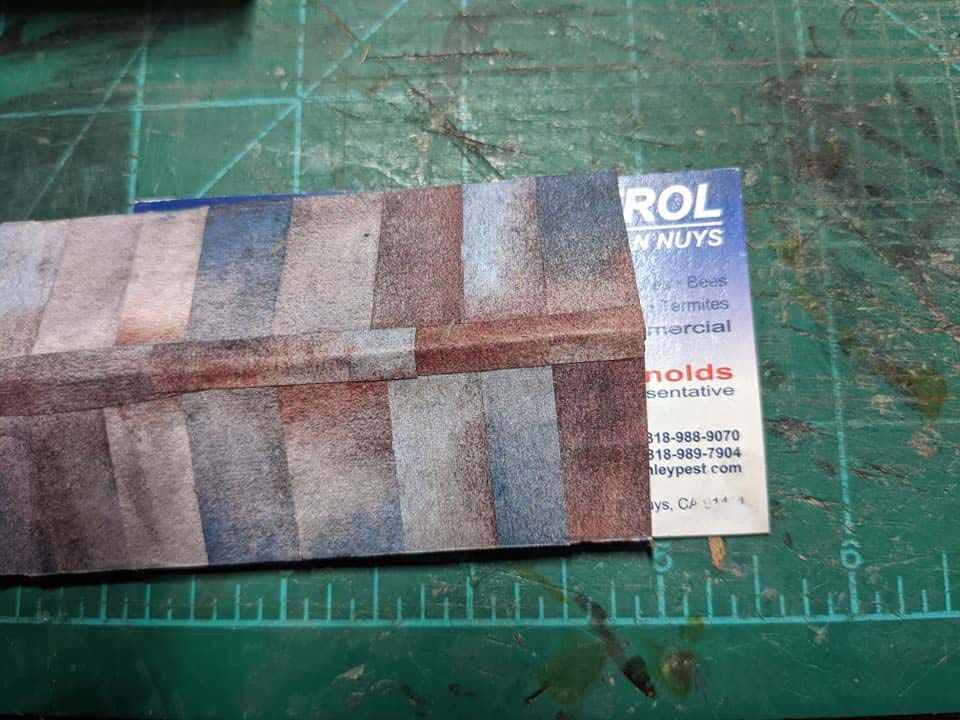
The roofing came from one of your kits — The blue office building if I remember.

A standard business card is roughly two inches by three and one half inches.

That determined the size of the roof “dripline”.

My shed is roughly 1.5 inches wide (6 scale feet), and three inches long (12 scale feet)

These photos capture the first part of the build.

The fun that I am having now began about five or six years ago with the first “Print Out kit” that I purchased on this site. That was an enginehouse… And since then I just keep working to make every model better than the one before.

Even if you believe that you do not have room for a layout, I would suggest having a go at a few of Alastair’s kits… They are fun to build, you develop your modeling skills, and sooner or later you will build a diorama or a layout to put them on! It is a START!

Sincerely,

John

California USA”

A huge thanks to John.

Of course, he’s right, the big thing in this hobby is to make a start – even if it’s making a model building to get your feet wet.

Over the years, you lot have sent in some fantastic model built from the printable buildings.

Scratch built freight shed

More scratch builds

Even more of your scratch builds

Things you’ve made with the silly sale

More scratch builds

John’s shelf layout

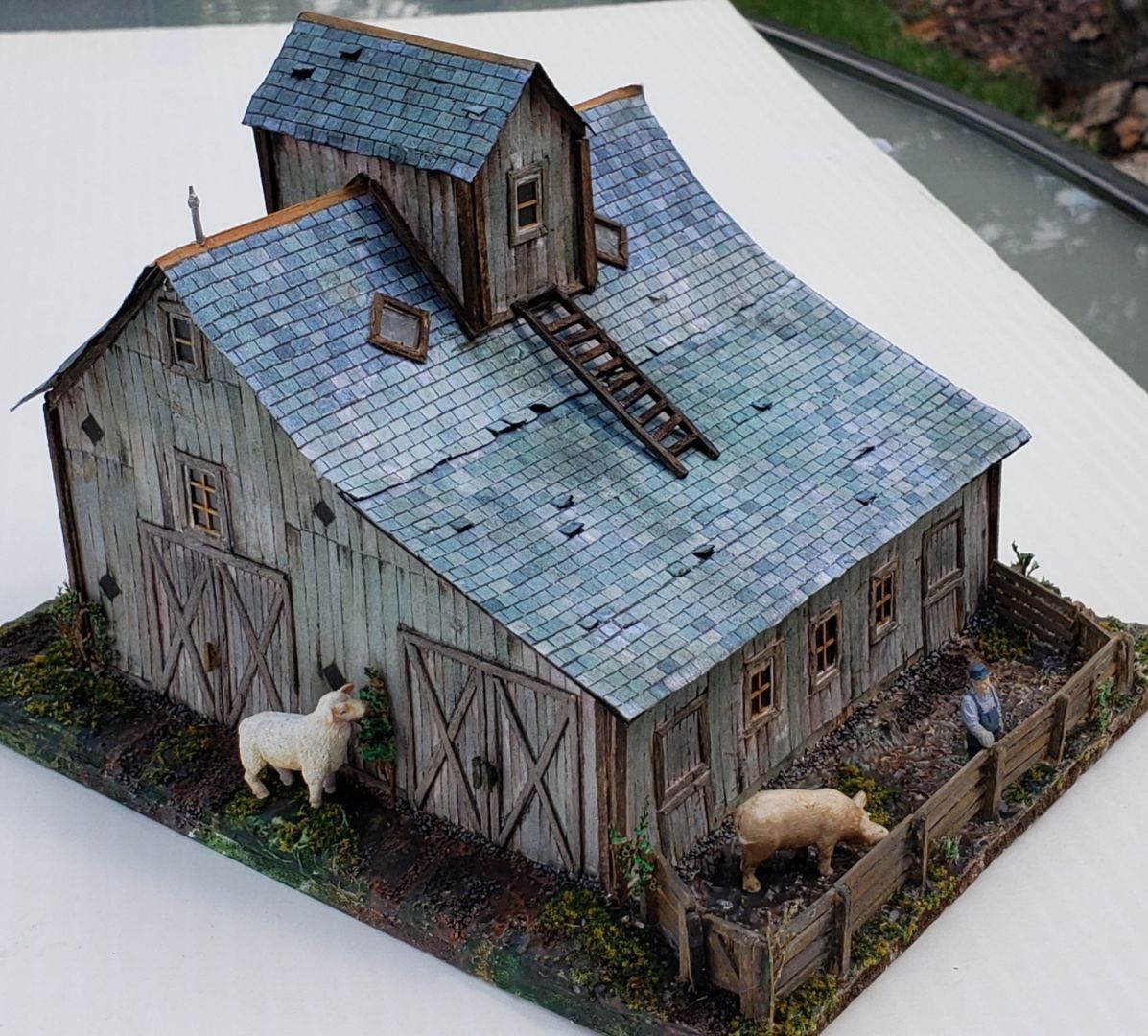
Perhaps the most popular model is the barn – lots of you have enjoyed making it:

Just so you know the barn is bundled free at the moment with the Beginner’s Guide.

That’s all for today folks.

Please do keep ’em coming.

And if today is the day you get started on your layout, the Beginner’s Guide is here.

Best

Al
PS Latest ebay cheat sheet is here.


HOn3 18 inch radius works for Dave

Dave’s been in touch – he found a HOn3 raduis worked well for him and the space his has:

“I am very new to the hobby having started right around three years ago not really knowing much about anything involving model railroading.

My only real exposure was back when I was very young having a very typical DC train set. My new interest got sparked after seeing some different video’s on YouTube which re-introduced me into that world.

I first began by collecting photos off the internet of scenes that I liked and doing a lot of research into, well, everything.

The first really important thing that I learned was that the maximum track radius one can fit into their space determines everything.

In other words, how large can you make your curves around the layout? That radius is the limitation to the scale you can work with and the type of track plan you can have. It is not just a mechanical limit to what can physically run, but also to what looks proportionally correct.

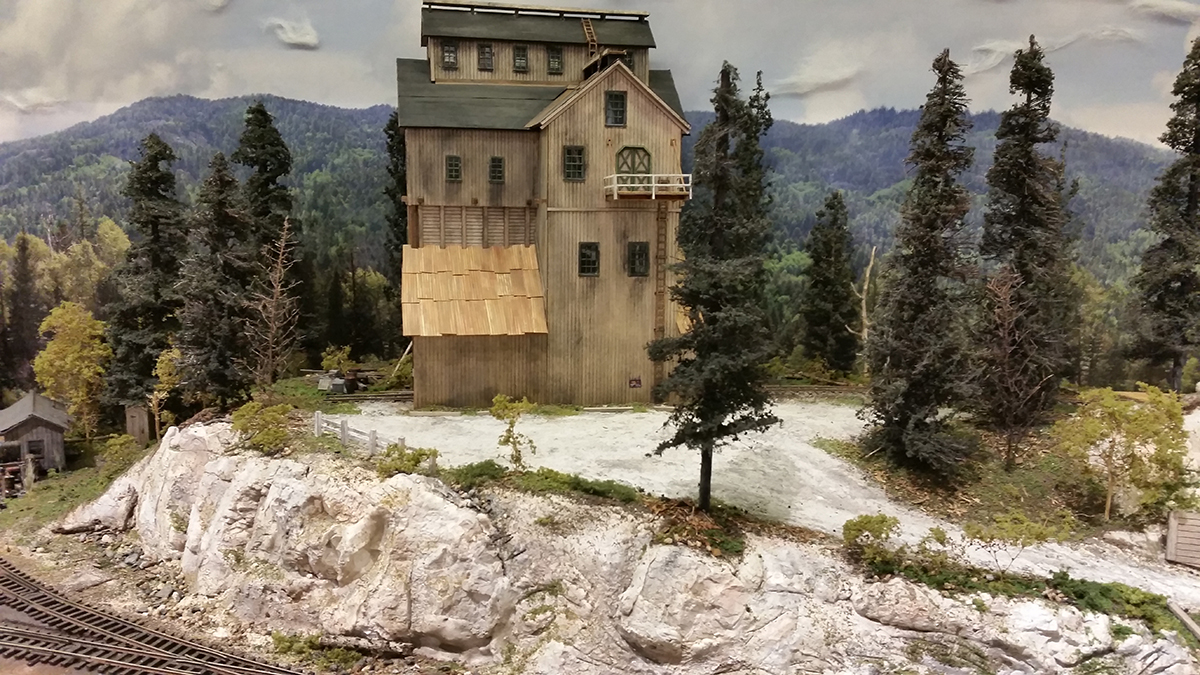
HOn3 scale model railroad mine

My space is a very small spare bedroom. I had considered HO to be my ideal scale to work with, but I figured that the broadest curves I could have were based on an 18 inch radius, due to the need to round a peninsula. So, it was N scale that would work perfectly with that radius limitation. It was far too sharp a curve for HO.

So, I spent several months learning different aspects of N scale and creating possible track plans all without any real understanding of how real railroads work, or what their operational needs were.

I then started to gather more photos of scenes that I liked and found a common theme to most of them. Nearly all of them were of narrow gauge railroads. I didn’t even know what that was. Once I had looked into it I found out that I could indeed model in HO scale and still stay within the track radius limits of my room by going with HOn3.

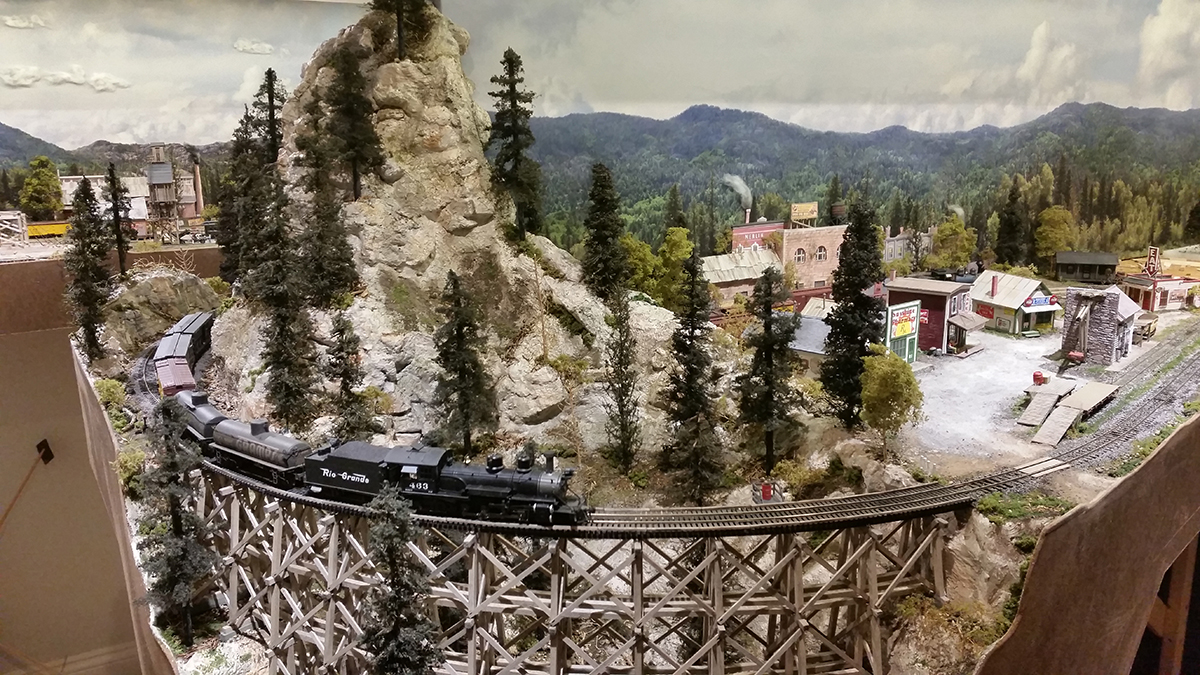
HOn3 works fine with 18 inch radius curves since the engines and cars are smaller and the track used is very close to N scale in width.

One other very important aspect that I picked up on looking at my gathering of preferred model railroad photos, was that the visual backdrops were of primary focus and not just an afterthought.

So, when I started actually building the layout the backdrop was the first thing installed and later all the scenery would expand outward from them as an extension creating visual depth.

I did my layout in stages choosing to nearly fully complete each section before moving on to the next. This way I felt the mistakes I would make in the track, scenery, etc. would be isolated to just that section. So, in theory things would improve as I moved along.

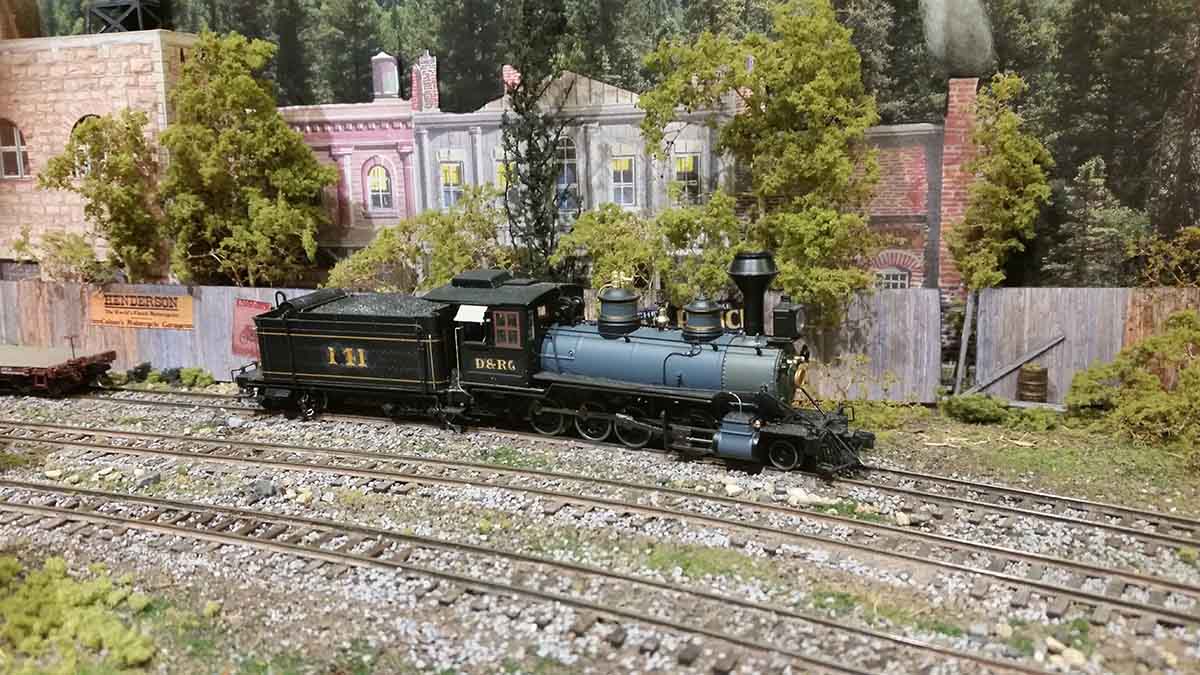
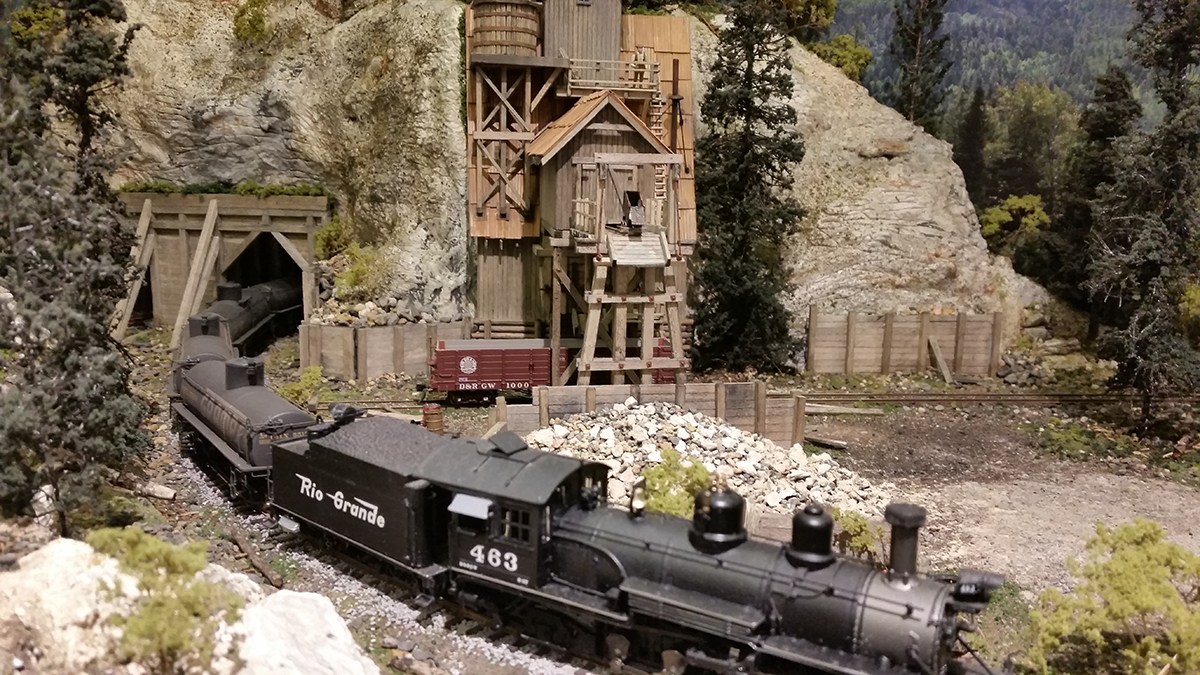
My railroad is DCC running the JMRI Operations software and called the Nickel Creek & Western. It is as freelance as one can possibly get. It doesn’t model any specific place, or time just a general feel of the Northwest sometime in first part of the century.

I consider it a facsimile of a reality rather than reality itself. So far I have basically gone with what I feel looks nice and not worried about counting the rivets.

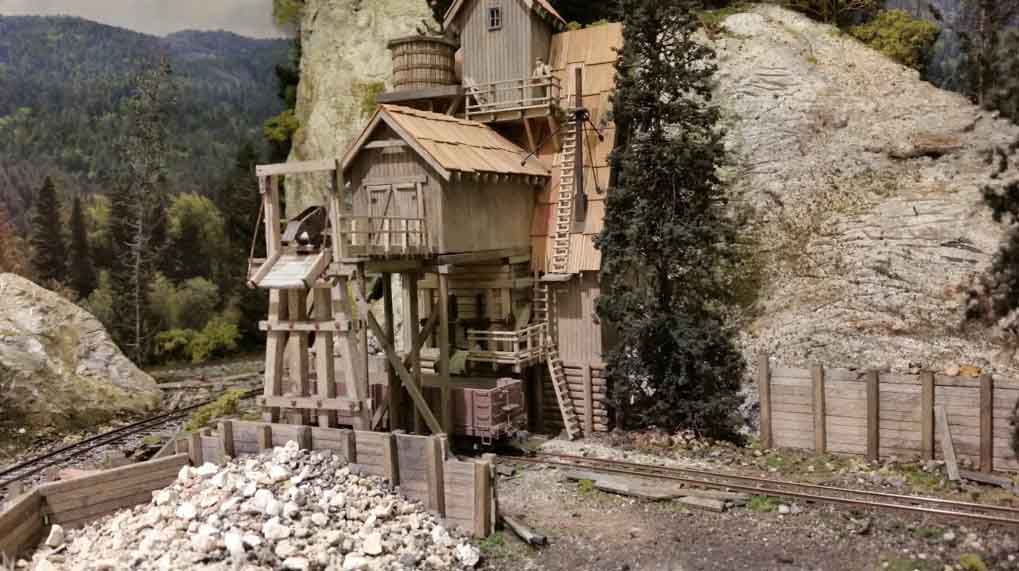
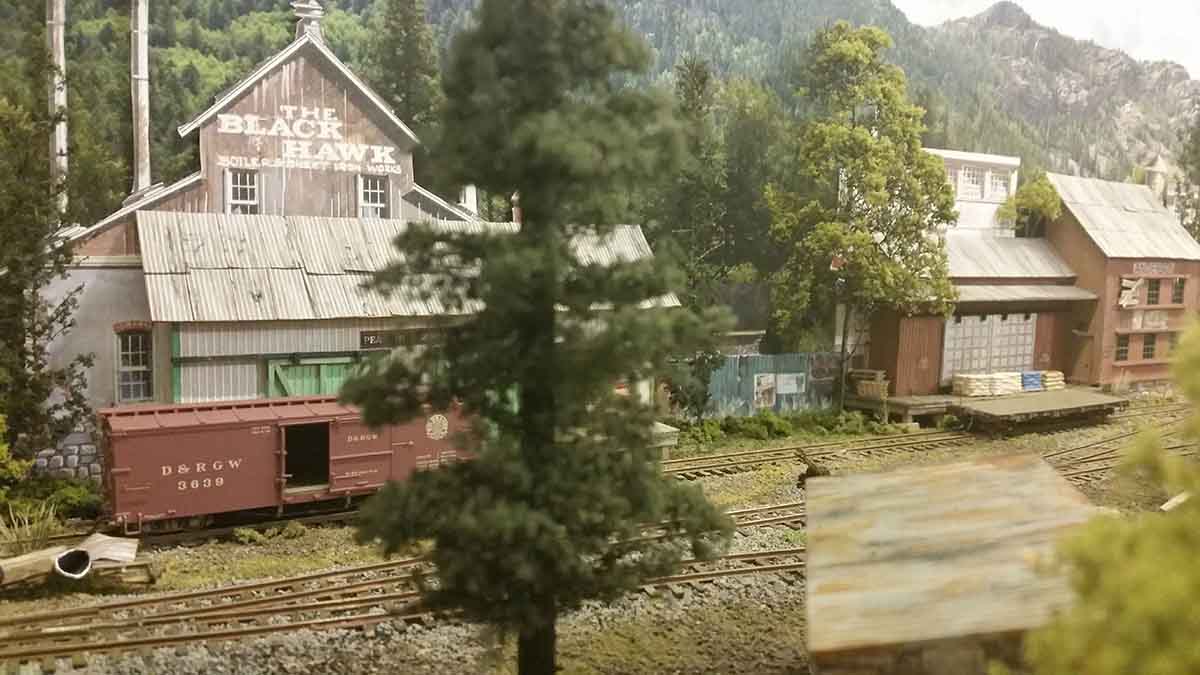
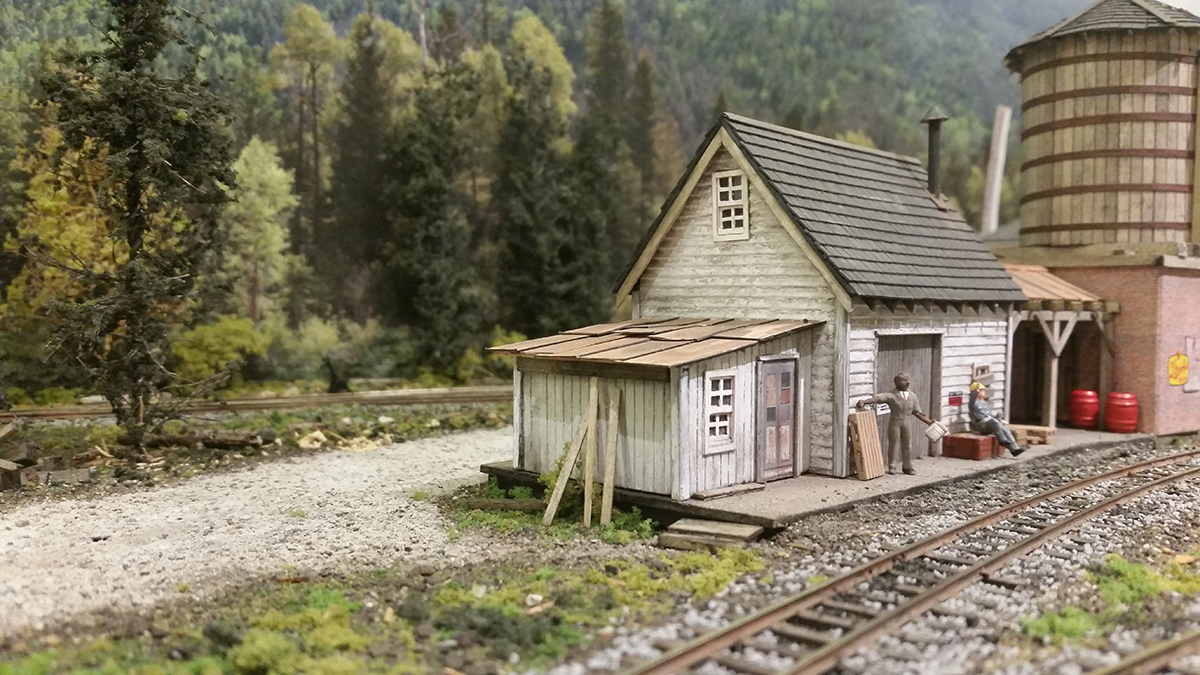
A lot of my structures are scratch built from either my imagination, or from photos of what others have done. It isn’t finished. I still have a few small sections to complete as well as adding in a lot more detail such as people and vehicles everywhere.

Dave”

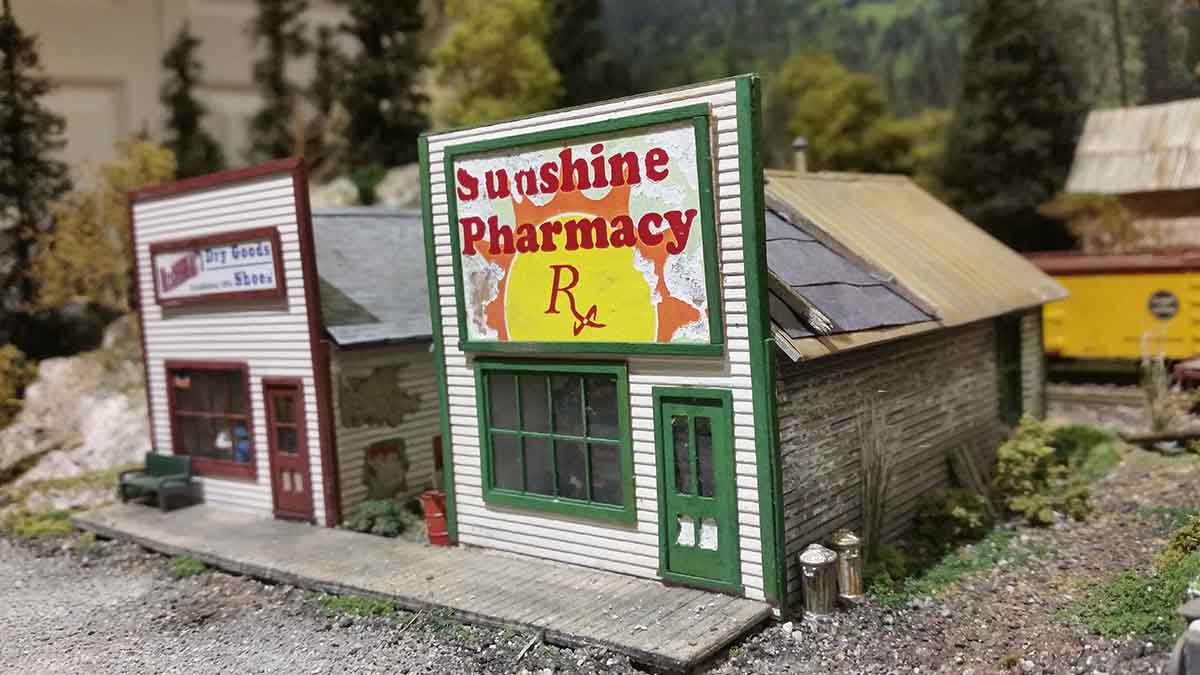
HOn3 scale buildings

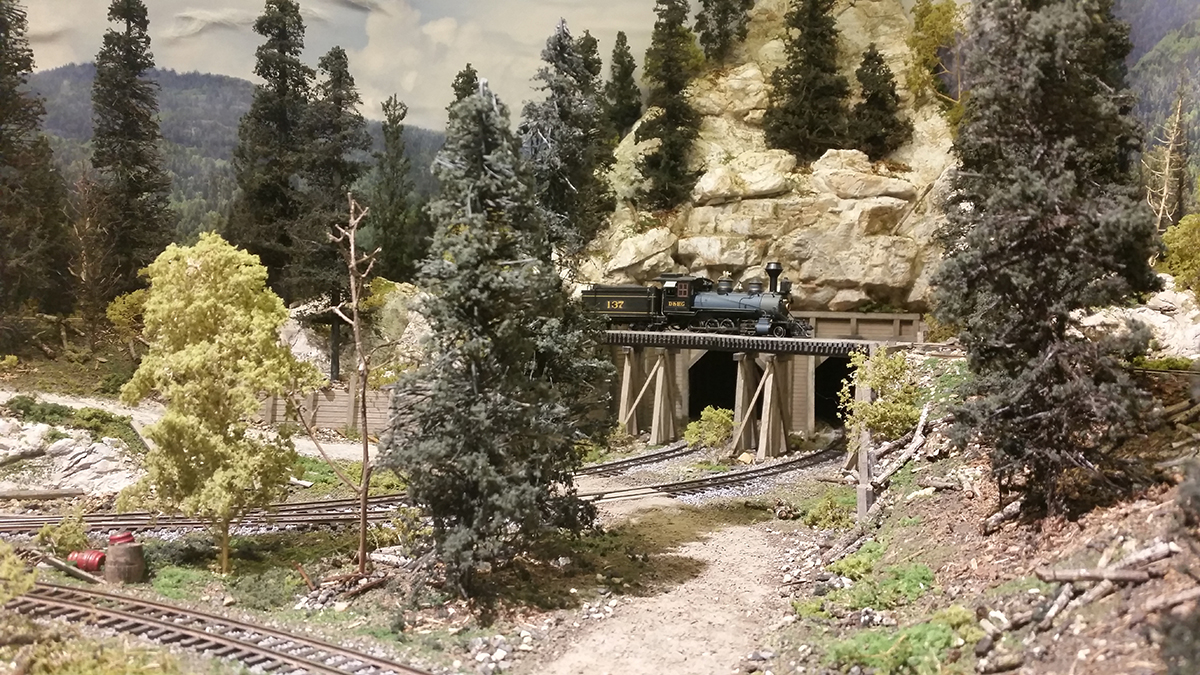
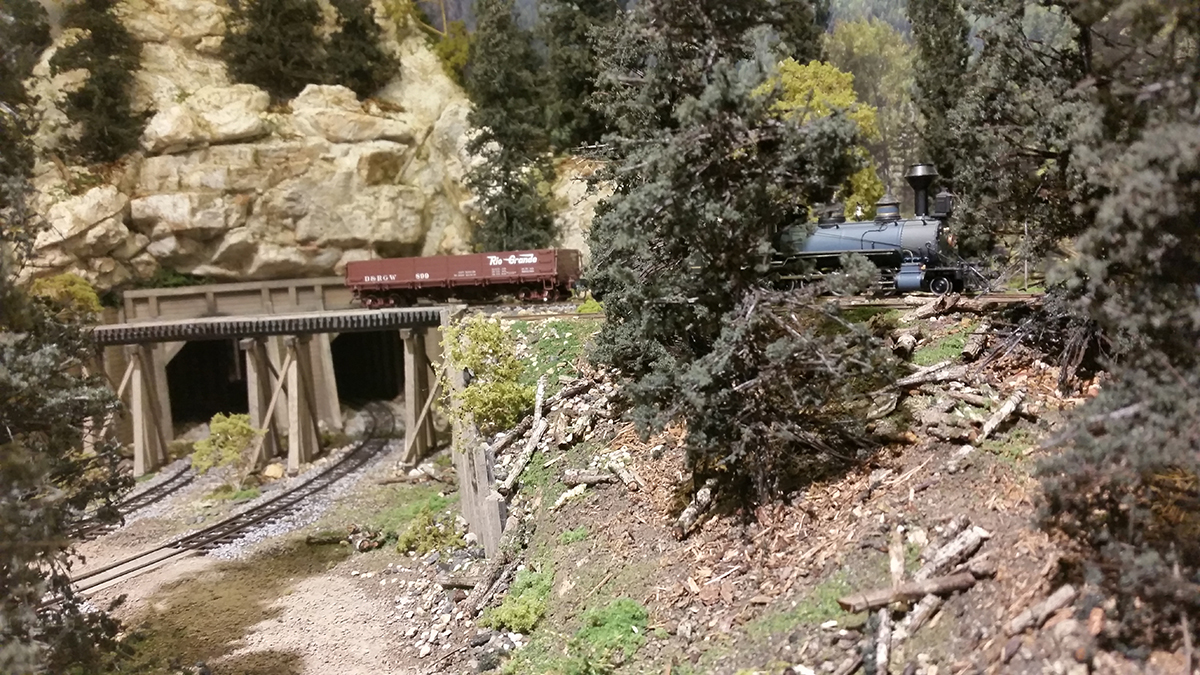
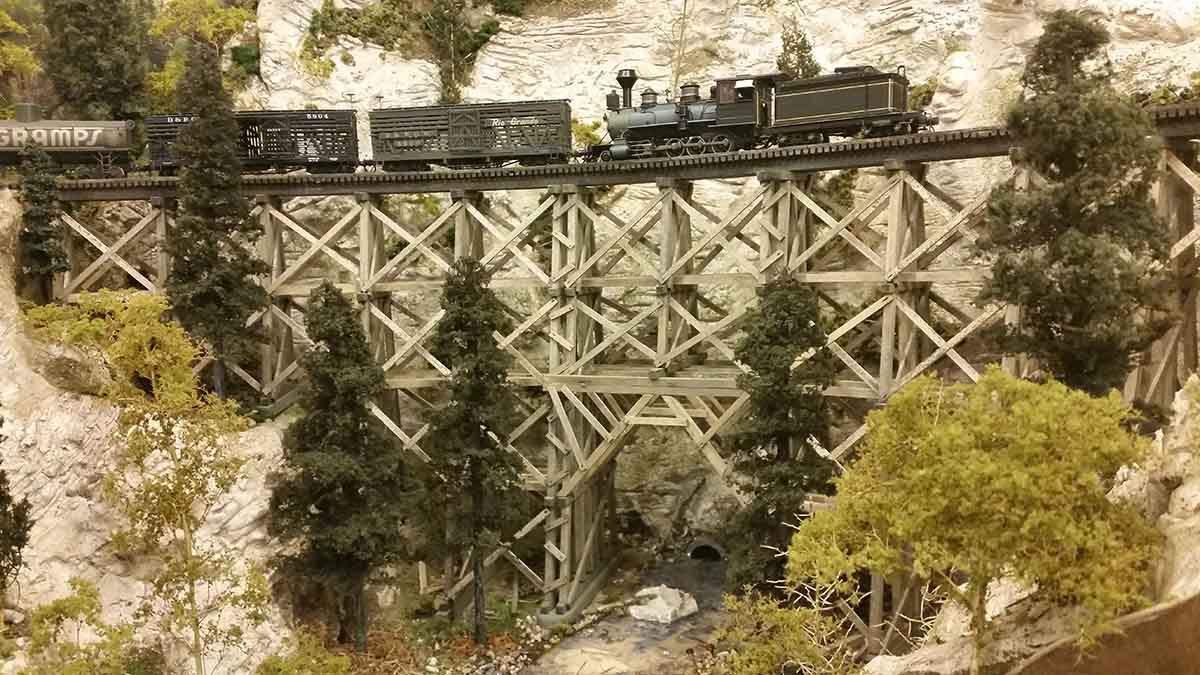
HOn3 trestle bridge

HOn3 shops

Hon3 18 inch radius


18 inch radius HOn3 trestle bridge

HOn3 water tower

HOn3 steam train tunnel

HOn3 factory

HOn3 steam train tunnel

Hon3 steam train freight


A huge thank you to Dave. I’ll bet he’s glad he stumbled upon his HOn3 18 radius – how many of us have been frustrated by the space we have? And what a layout.

The pics are stunning, but for me, it’s the narrative that stands out.

It just goes to show how a little planning can go a long, long way. Spectacular stuff.

Hope you enjoyed that as much as me.

Whenever it comes to HOn3, Brian’s posts always spring to mind, like this one.

That’s all for today folks.

Please do keep ’em coming.

And if today is the day you get started on your layout, the Beginner’s Guide is here.

Best

Al
PS More HO scale train layouts here if that’s your thing.


Need buildings for your layout? Have a look at the Silly Discount bundle.