Model train water

Old Taz has been back in touch with his way of making the model train water look so realistic.

He’s very kindly taken the time to answer your questions.

Have a look at his layout – which is here – that way his answers will make a lot more sense.

N scale 8x8

n scale 8x8

“A lot of questions popped up I will do my best to answer most of them. Let’s start with a hard one.

First: My spellchecker was in the wrong language, Sorry!

Now, as for the model train water. I lived on and fished on the Bighorn River for 18 years saw it almost every day.

model train water

Like I said before, I like depth. I start with a color of the bottom of the river. Then pour a very thin coat of Realistic Water from Woodland Scenic. Let that dry and put other color that mimics the river moss (oil base flat). Then another thin layer of Realistic Water.

The last coat is tinted just ½ a shade. Let this dry. Then I use Impasto (clear gel acrylic medium). Stipple it on with the end of your brush. FIRST PRACTICE ON A PIECE OF GLASS. I used a 3/8 flat brush for that. Then a touch of flat white on the downstream side of the rocks, bushes and logs

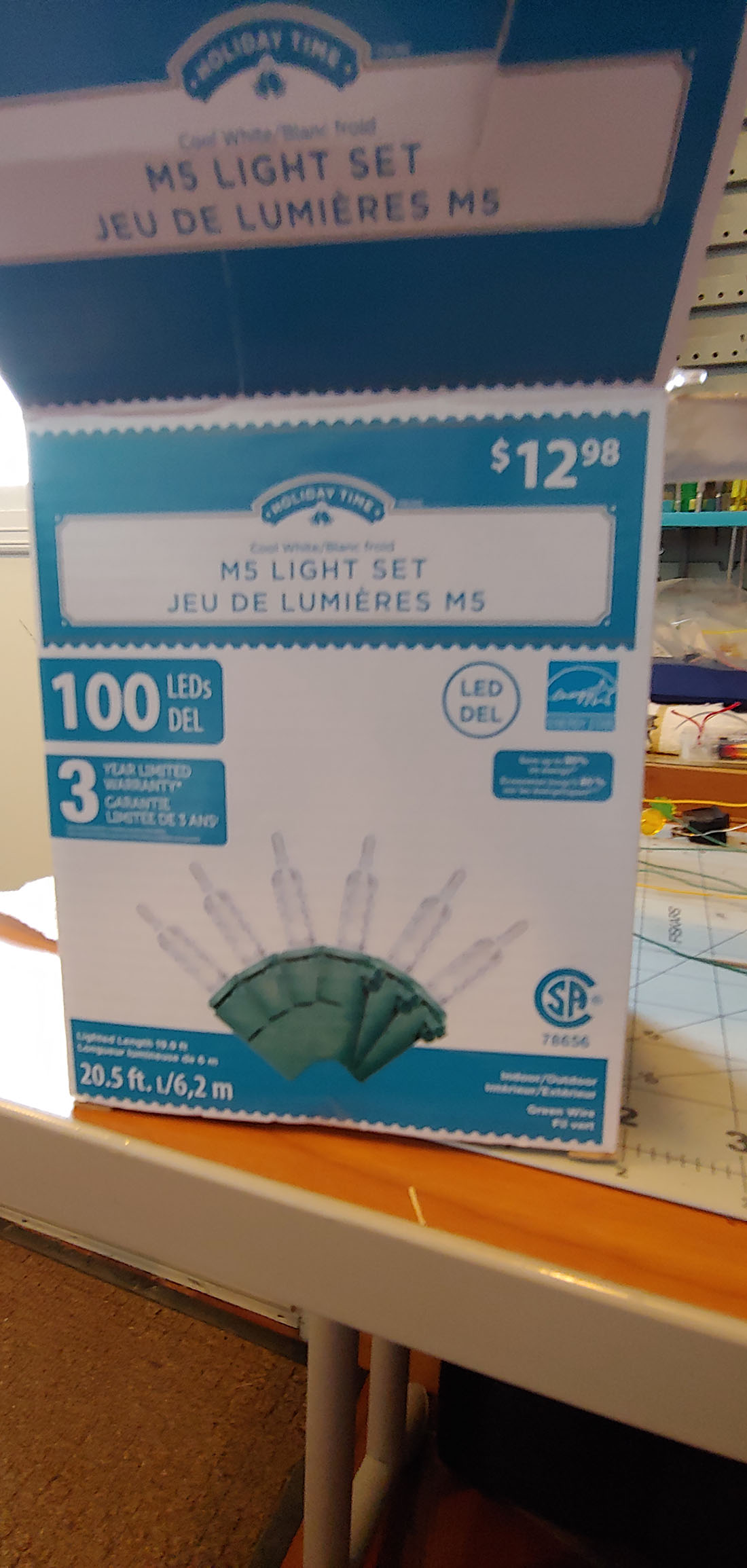
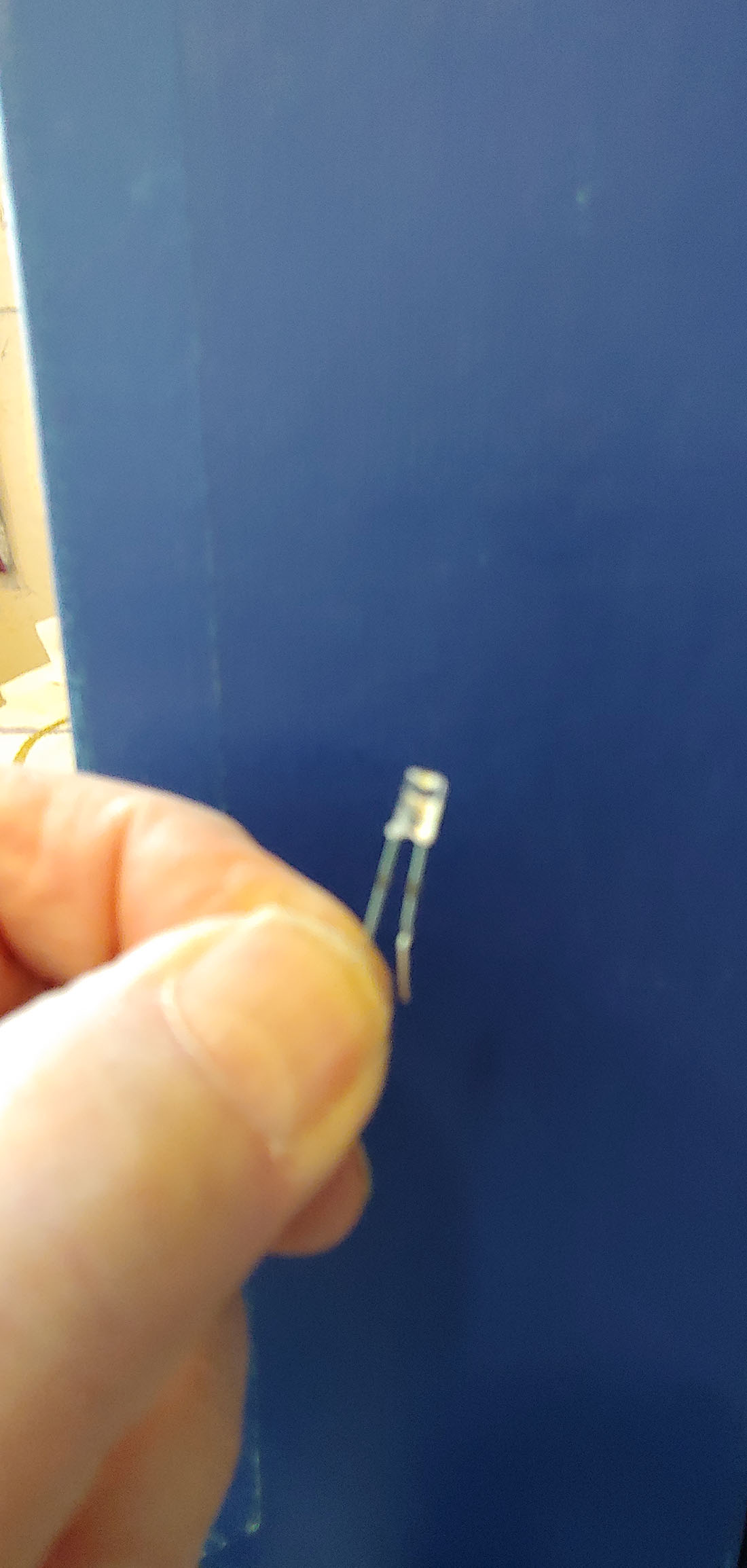
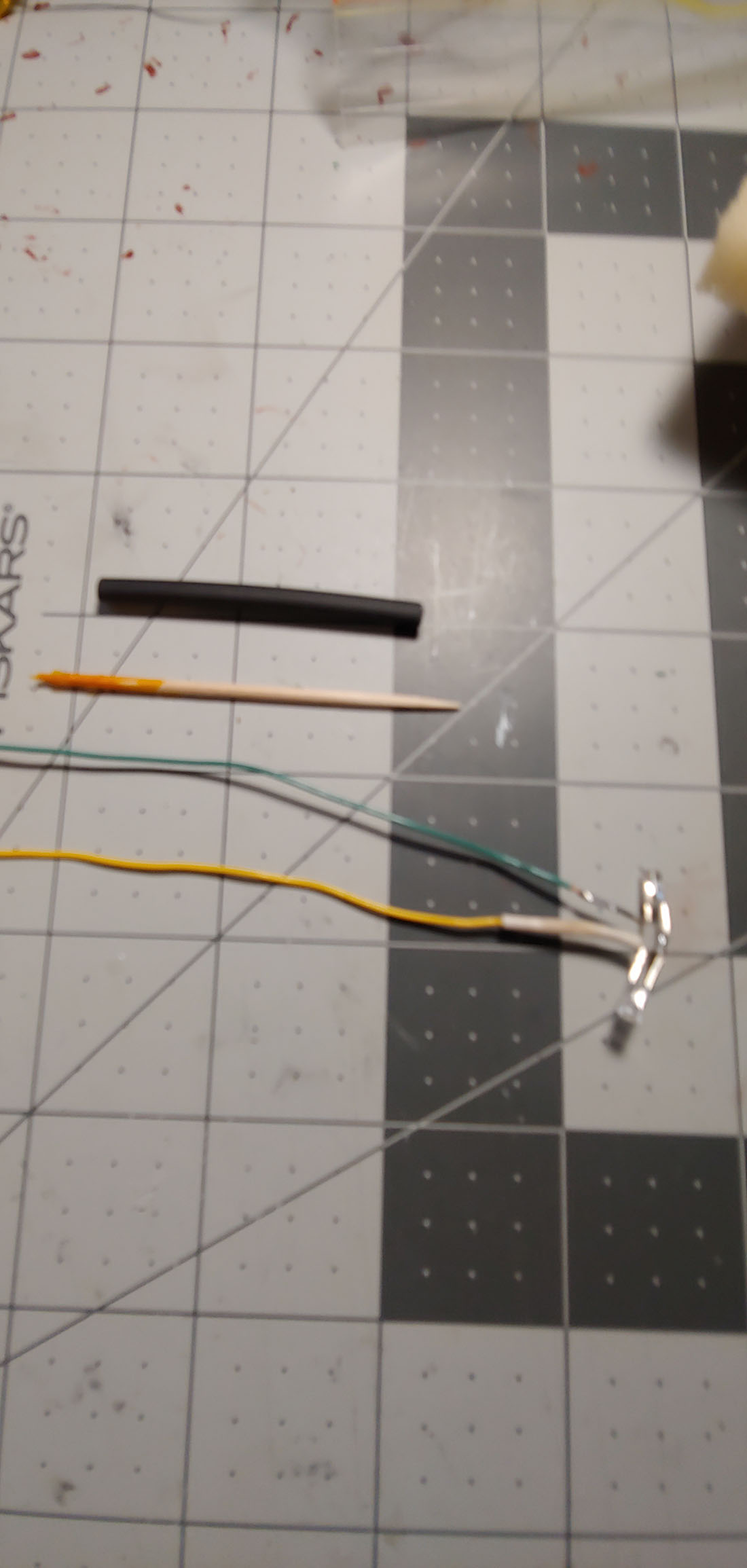
For the camp fires you need 2 yellow and 1 red blinking lights. The ones I use are 12 volt and the blinkers are built in. Wire them together to make sure there working.

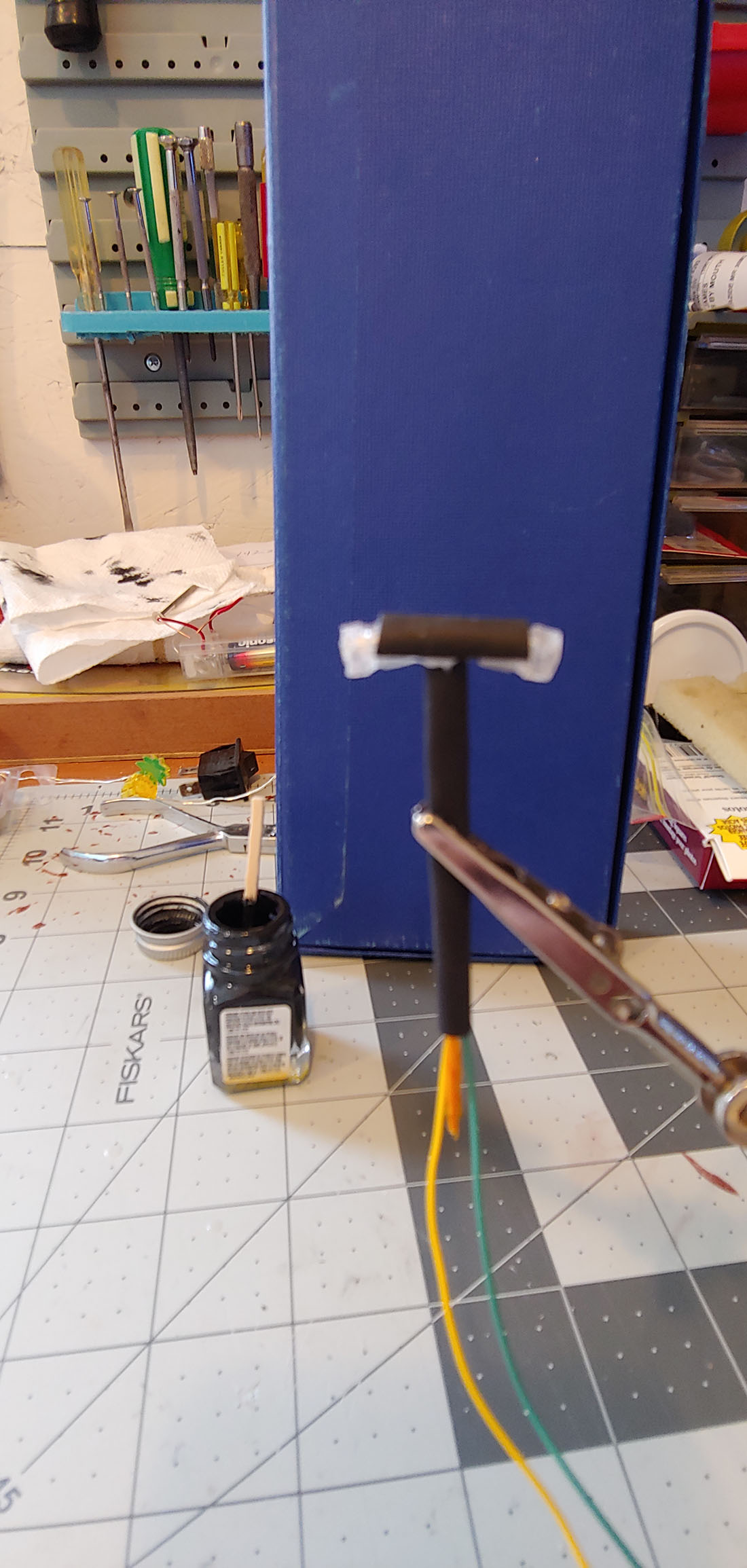
I hate to finish a project and find it doesn’t work. I’m always testing it as I am building it. The three lights go in a capsule. I used a top off of a clear eyedropper rand then a little hot glue to hold all together.

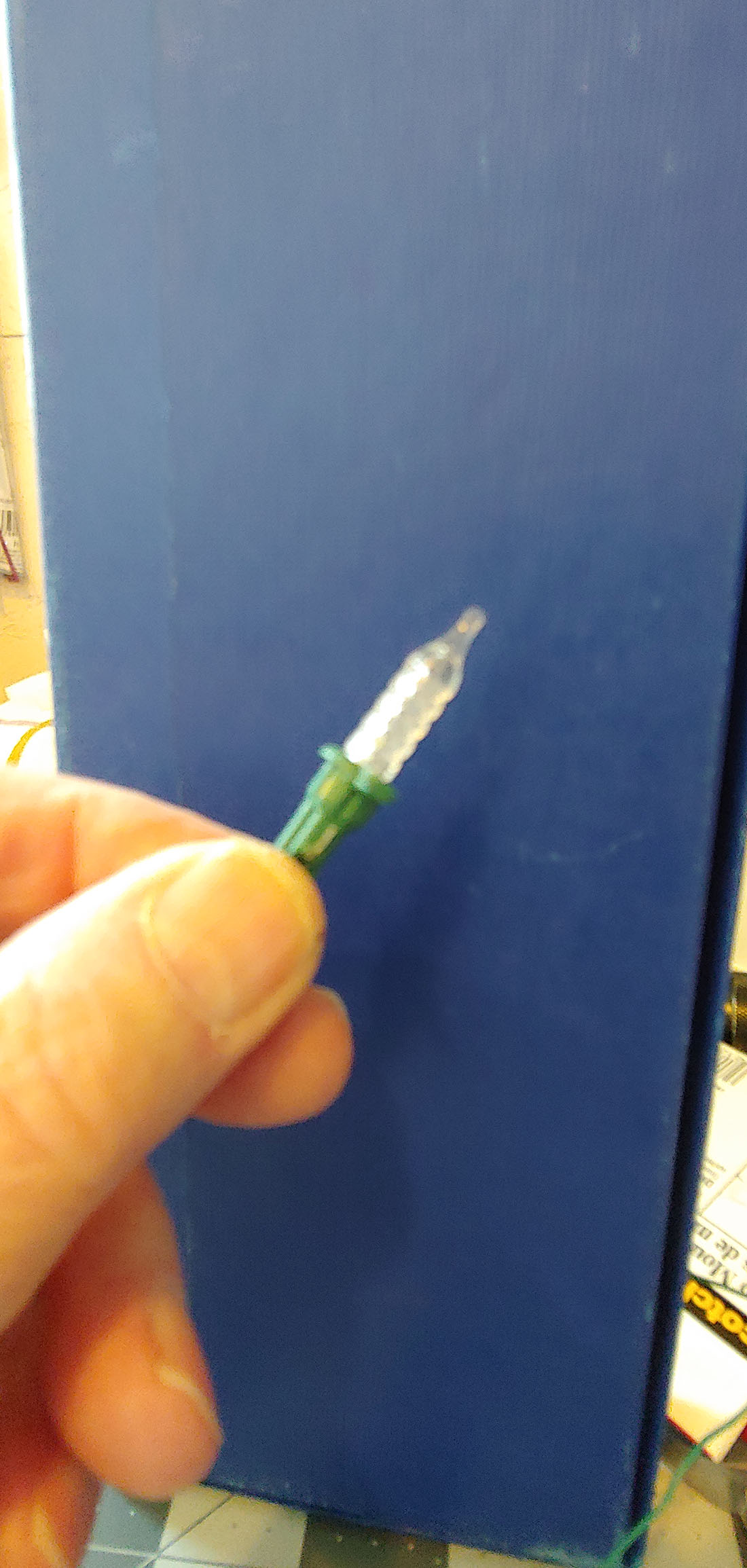
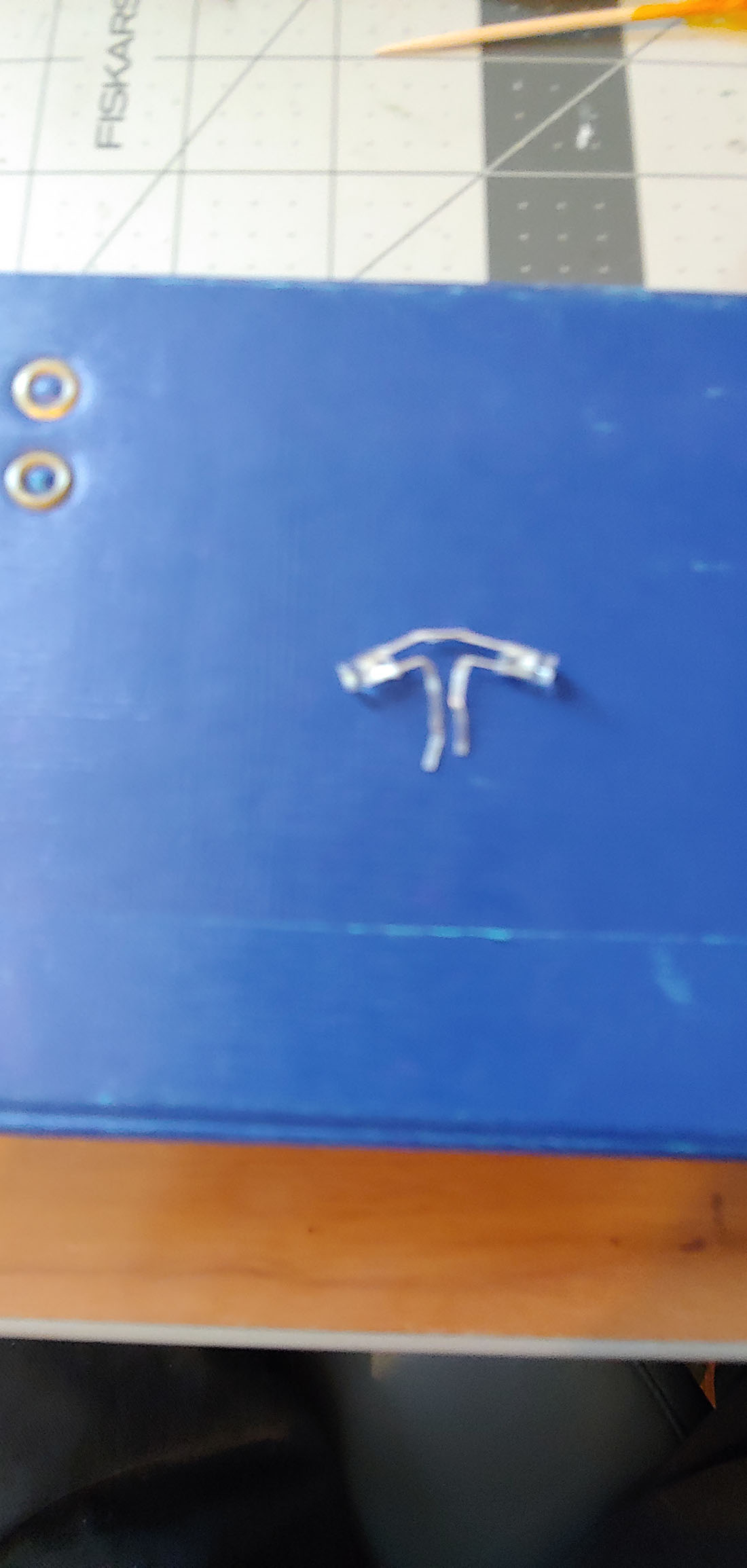
Some black paint to cover what you don’t want light to come through. Glue your micro light filament to the top. I only use four or five pieces of the filament. I had to buy a kid’s toy to get it. It’s expensive. I found that the rough end gives off more light. Look at the pictures.

I let the fishermen get in the water wherever they want after I cut their legs off.

For the magnets I’ll try and get some pictures. I’ve been using what they call earth magnets. The ones I get are wrapped in rubber. I found that when I take the rubber off, they are smaller and stronger and also easier to work with. Use the screw to raise and lower the magnet which, is fastened to your building.

As for the new car look, I’ve been putting them on the front porch to weather, but they keep disappearing.

The switch motors, I’m thinking would work on N and HO. I think the pictures are going to say more than I can. Take the electronics out. Keep the two red wires to attach your power wires to.

There’s a notch in the lid for your wires. Close up the servo. The servo travel is a little over half way.

I hope the pictures help.

OLDTAZ”

n scale switch motor

N scale switch motor

n scale switch motor

n scale switch motor


n scale switch motor

n scale switch motor

turnouts next to model train water

n scale turnouts

model train water camp fire LED

model train water fisherman

model railroad building

model train water

I will get into Saw Mill next time! Thanks all for the GREAT REVIEW!!!

Happy Rails To You!

OLODTAZ Mt.”


Next on to Mike, who has made a good start:

“Hi Al:

Been a while since relocating trains from 10×12 room to full basement.

I’ve finally settled on a final “L-shaped” track plan featuring three main lines on two decks, inter-connected with switches. Now I have a lot of landscaping to do. Cheers.

Mike from Michigan, U.S.A.”

track plan

track plan

model railroad track plan

model railroad buildings

model railroad buildings

model railroad

Now on to Dave:

“Hi Al,

I am 74 years old and starting my first HO layout.

I’ve been enjoying your posts for several years and decided to just go for it.

I have a room in the basement that is 22′ x 13 1/2′ and I used AnyRail to design a layout that will fit the room.

I will be using DCC for control. I think I have two reverse loops designed into the layout so I can turn the train around no matter what direction it is headed.

I bought two AR1 auto-reversers but I’m not sure how to correctly wire switches A and B.

Also, I am hoping your audience can determine if this layout is even feasible. I can use all the advise I can get.

David, Bloomington, Indiana”

A huge thanks to Old Taz for sharing his model train water tips, and who can help David?

That’s all for today folks. Please do keep ’em coming.

And if you want to make your start – just like David did – the Beginner’s Guide is here.

Best

Al

PS Latest ebay cheat sheet is here.

PPS More HO scale train layouts here if that’s your thing.


Need buildings for your layout? Have a look at the Silly Discount bundle.

How to hide a seam on your model railroad

Bill’s been back in touch with another superb update – how to hide a seam on your layout.

If you want to get up today, his last post is here.

“Hi Al

As always good day to you and our fellow modelers!

Today I have a little ‘how to’ that covers a few ways we can hide seams for those that have sectional layouts that we have to pull apart for storage.

The first picture shows the layout pieces apart and the elements I’ve used to hide the seam.

The second picture shows how I use clump foliage to over hang one section of the layout. When the two pieces are pulled together the foliage will blend in with similar foliage on the other section and hide the seam and make the area look like a thicket.

The next several pictures show how adding a boardwalk along the seam hides it very well.

I used strip wood from a local craft shop and made a walk about 8 scale feet wide from the station over to the shops so workers can come and go. I did find a video on YouTube of this exact thing on a real railroad from the 1930’s. I used white glue to put in place then painted it with an acrylic paint with some chalk weathering. Overall the effect is good.

The last area was by an asphalt lot and dirt access road near the shops. What I did here was take a piece of wax paper and slide it between the sections then slowly built up the area between the sections with some full strength white glue that I mixed with scenery material and silt/sand to minimize the seam size.

Once the glue was dried I pulled the sections apart and was left with a very narrow seam. When the sections of the layout were put back together I place a small strip of sandpaper between the sections there. The grit held the piece in place and then I used a very little amount of silt/sand and filled in the seam and blended with a little ground cover when done. The sandpaper caught the material I added right at the top so I really only needed a very little amount to hide it.

Since my layout is in a garage when I pull it apart to store it out of the way that little added sand will fall to the floor but is an easy clean up.

The last photo shows the area with the seam covered when I run the railroad.

Ive also attached a link to a very short video of a maintenance train running through the layout.

Thanks to all the modelers who post here and from whom I have learned new ways of doing things! Thanks one and all!

All the best!

Bill in Virginia”

HO layout

hiding seam HO layout

HO seam

switching layout HO


HO scale yard

HO scale tracks with foliage

model railroad shed

model railroad foliage

model railroad paints for foliage

model railroad truck embankment

HO scale model railroad sidings

model railroad seams joint

hide seams model train layout


A huge thanks to Bill – what a layout!

Seeing it all come together step by step, is a real joy too.

That’s all for today folks.

Please do keep ’em coming.

And don’t forget the Beginner’s Guide is here it today is the day you take that first step on your very own layout.

Best

Al

PS Latest ebay cheat sheet is here

PPS More HO scale train layouts here if that’s your thing.


Bob’s suspended layout

“Hello Alastair,

I know your fans like ideas on how to start model railroading so here are some photos that might start some ideas.

The plan shows an area where you can walk through shown in purple.

The blue lines show what happened and the new area for a turntable.

The main section has two main line tracks with a double crossover and the back had a siding from the bridge along the wall.

There were also two sidings that had short number four switches to the front but these will not accommodate large locomotives so the plan is to remove the sections and be able to turn the main section over and install number six switches and a track to the new turntable. This will require moving the switch machines and changing the section.

There are two photos taken long ago looking at the wiring under the control panel and under the main section where you can see the levers for the switching of the double crossover using only one switch machine.

The main idea was to have the return track be hoisted to the ceiling so you can walk through the area when the layout was not being used. The other parts of the modules would not move.

You can see the modular section taken out ready for the changes. The figure eight layout was once my main track and it was totally raised to the ceiling when not in use. Once it was abandoned you can see the photo of the old table resting against the fence where it was cut up and fed to the fireplace.

To make this I used a boat winch any hardware store sells. The winch wraps around a small spool so I made a wooden spool and cut it in half to mount it on the steel shaft and glued it together again so it would give a larger diameter for the fifty pound steel fishing line I used to crank the layout up and down.

Building it was not hard as each line went around the spool through a set of home made pulleys and then attached to the layout section at the lowered height. I made sections about four feet long and did a section at a time. I used steel loops you can buy and the fish line was secured by pinching copper tube a quarter inch long using diagonal cutters.

I like the modular idea as often you can see it at train shows where the layouts are brought in pieces to the shows. I could never be able to flip up a section to change it if it was all attached to a ten foot train table. Possibly this might help some people fit a table where they could not see possibilities before.

I started this hobby in the fifties where Gordon Varney kept telling everyone that model railroading was fun. It is.

Take care,

Bob”


Latest ebay cheat sheet is here.

Some wise words from Bob.

He looks like he’s been having a lot of fun with his trains over the years too. Great stuff.

I’m all for publishing half finished layout – becuase it gets the point across that unless you start, nothing happens.

Bob’s pictures made me think he’s started and finished a hundred times. Loved seeing his set up on the video too.

Now on to Guenter.

The pics he’s sent in look quite old because I suspect they probably are.

But it’s still a fine layout:

“Hello Alistair,

It is always a pleasure to see pictures from other modeler’s layouts. So I thought that I could share some pictures from my own.

It is a freelance layout depicting features from Southwest Germany.

The size of the HO layout is 8.5 x 4.5 meters.

One feature is a model of the grandfather of all freestanding towers. It was built in 1954 on a mountain outside of Stuttgart. It is 211 Meters high. The top of the model is made entirely from brass. The transmitter tower is made from 1.6 mm brass angle, cut to length and painstakingly soldered to form the mast. Scale of the tower is 1:200, normal scale of 1:87 wouldn’t have fit in my basement.

Track and rolling stock are from Märklin.

I hope you and your viewers enjoy the pictures

Guenter, Hilton NY”

That’s all for today folks.

Please do keep ’em coming.

And if you want to make your start today, the Beginner’s Guide is here.

Best

Al