HO scale stone walls

Paul’s been in touch with a great ‘how to’ for HO scale stone walls:

Hi Alastair, I thought I would share how I made some stone walls. The album I sent should play as a slide show so that it will repeat all the photos.

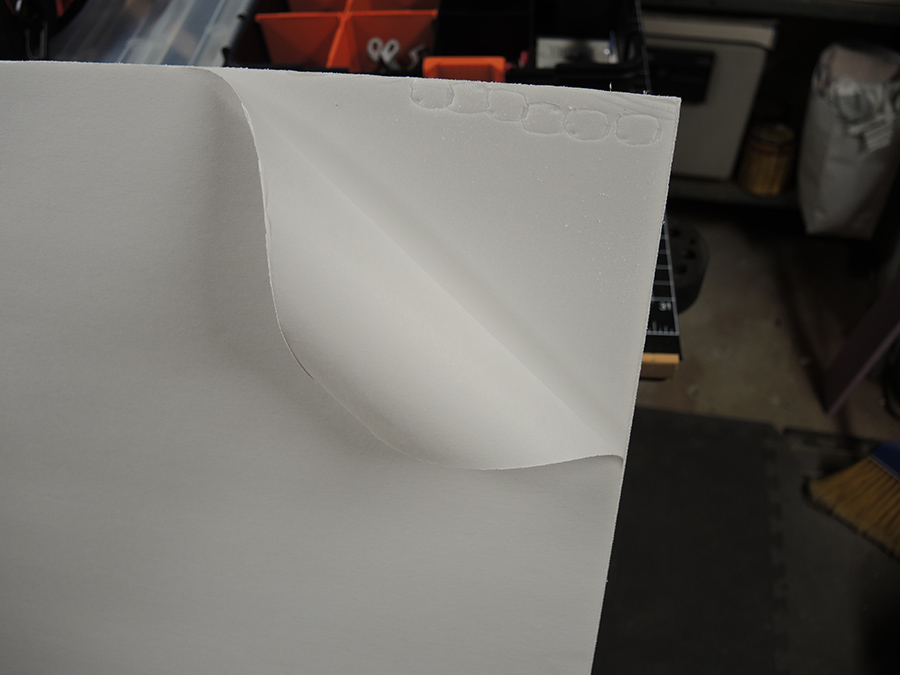
First thing is to get some white foam board at the dollar store. Next peel off the paper cover on both sides. This can be facilitated by wetting the paper. You can use the board as a single layer or glue two pieces together with PVA glue as I did.

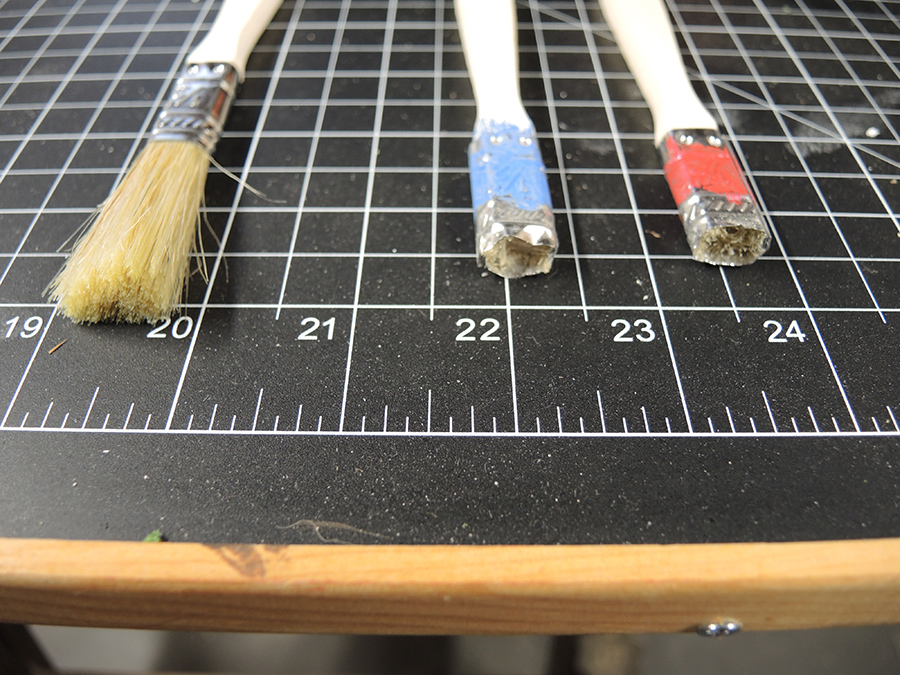
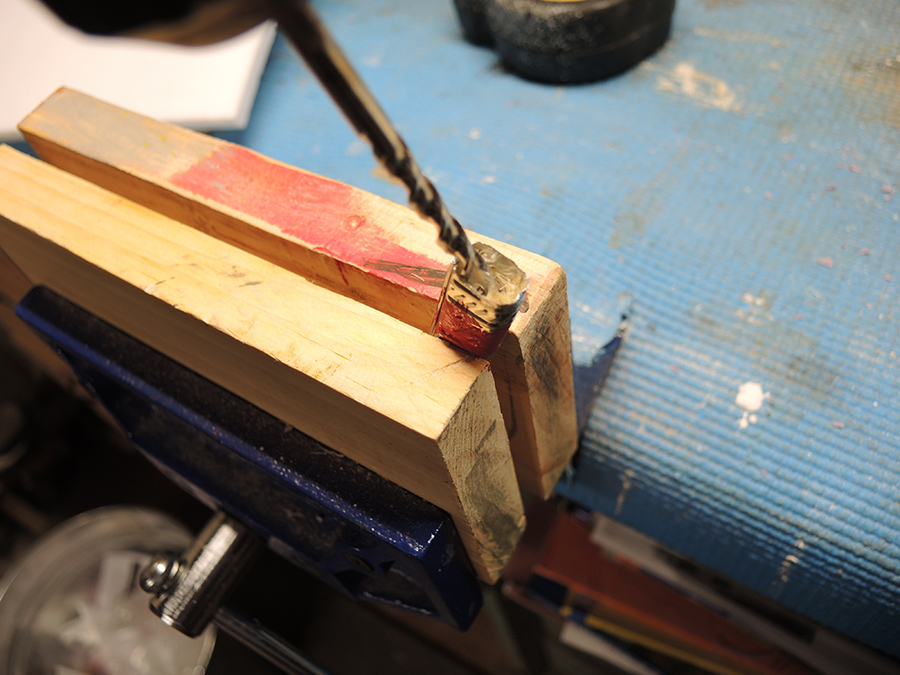
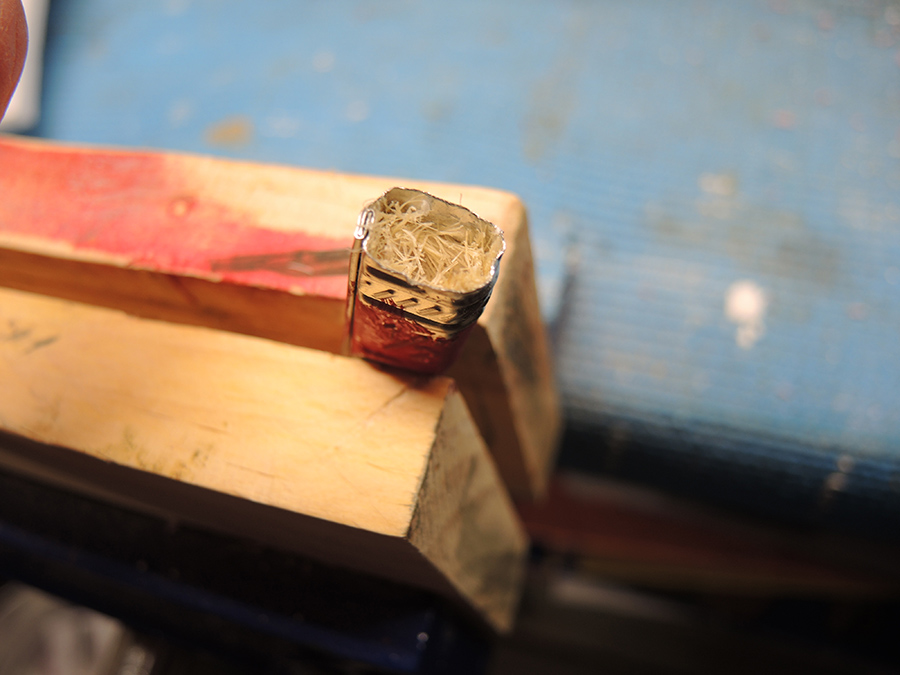
Next get some cheap ½” brushes and cut off the bristles right down to the metal binding. Using a drill remove the bristles down below the metal at least 1/8”. This leaves the metal binding exposed which will make the stone impressions in the foam board. You can make few different brushes and bend the metal into different profiles. Mark the tools you now made with different markings so the you will get different shape stones.

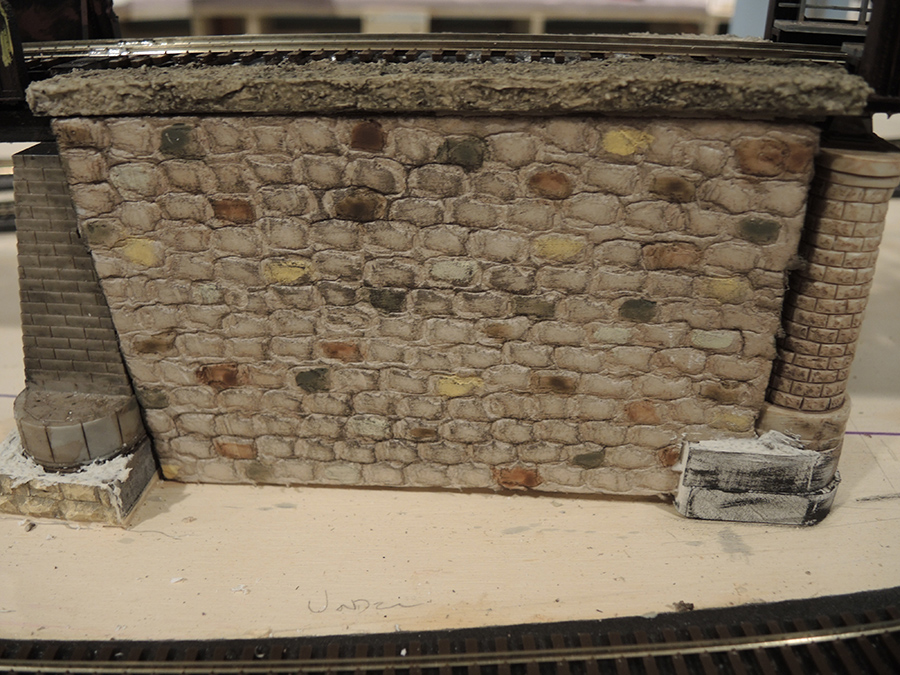
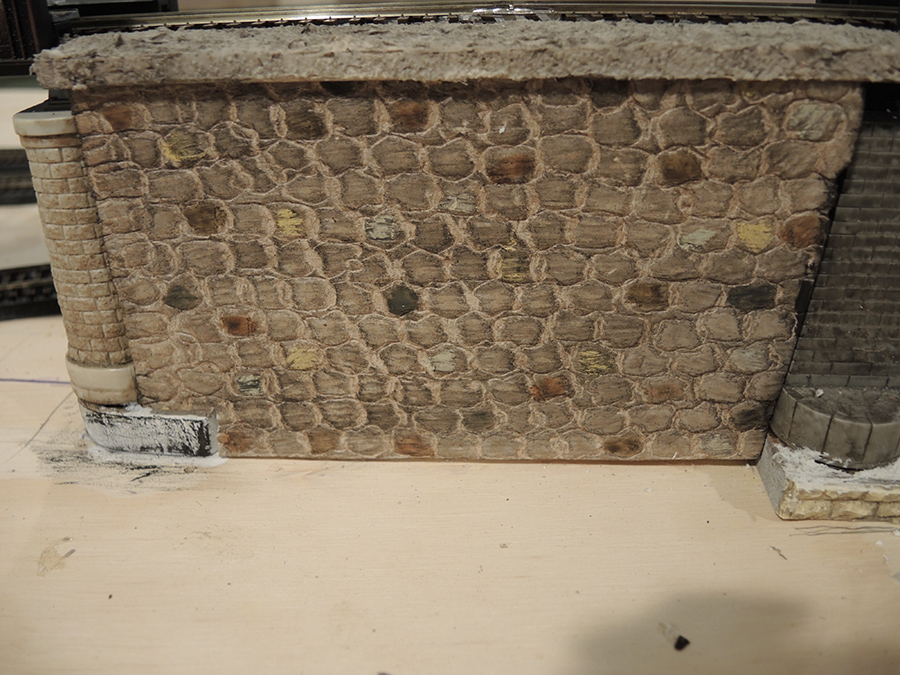
After you make all your impressions in the foam to form your wall you have to paint on the colors that you want. Make notations of the steps you use and the colors so that you get uniform walls. My walls were colored with the following procedure:

Two layers of Burnt Umber wash allowing drying between coats.

Add the different color stones as you like.

A coating of dry brushed black using a fan brush.

Lastly a single coating of a black wash to emphasize the grout lines between the stones.
ho scale stone walls

ho scale stone walls

ho scale stone walls

ho scale stone walls

ho scale stone walls

ho scale stone walls

ho scale stone walls


Now on to Bill:

Bill’s been in touch again. He’s cracking on with his switching layout – his last post is here.

“Hi Al

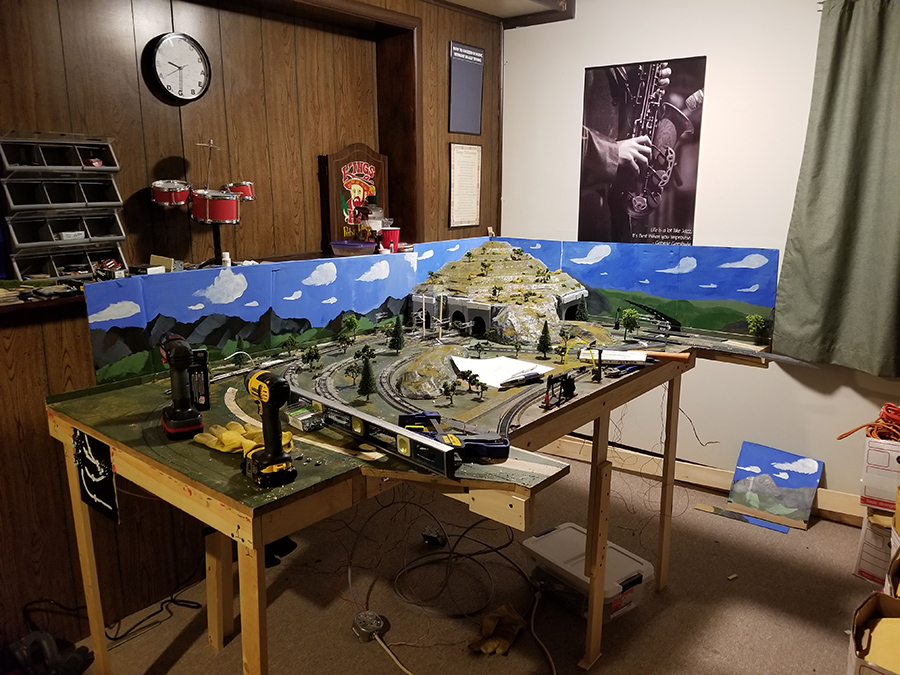
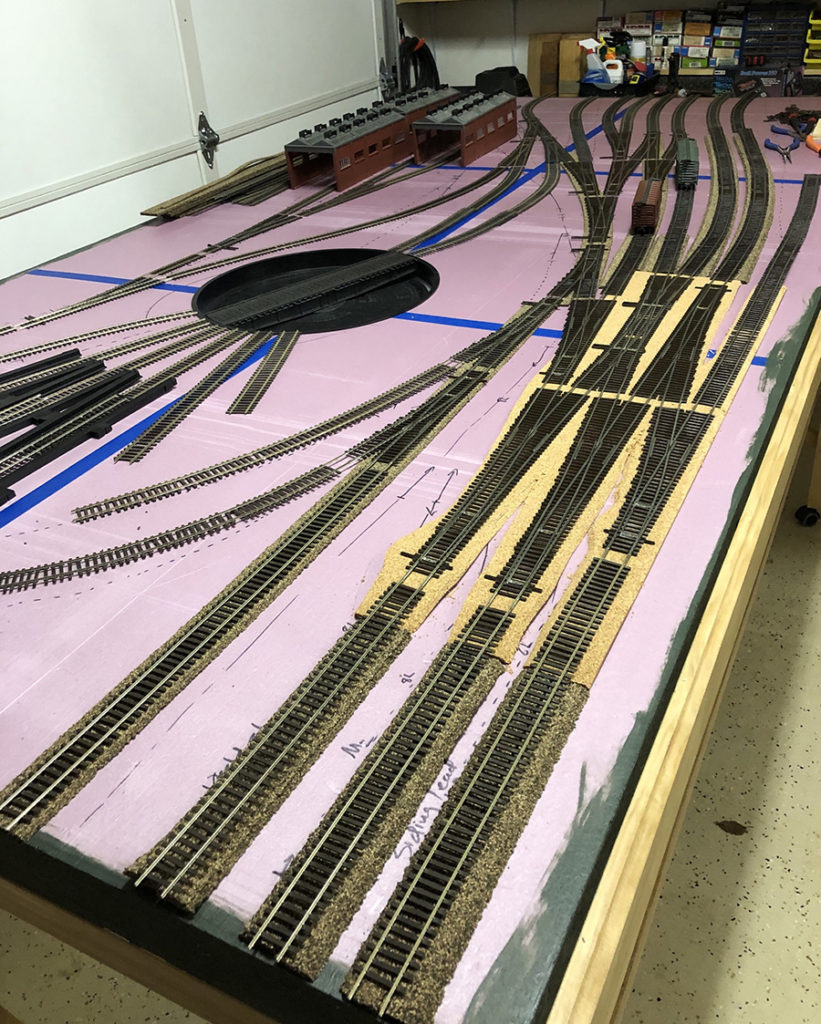
Just sharing an update on the first section of my modular switching layout.

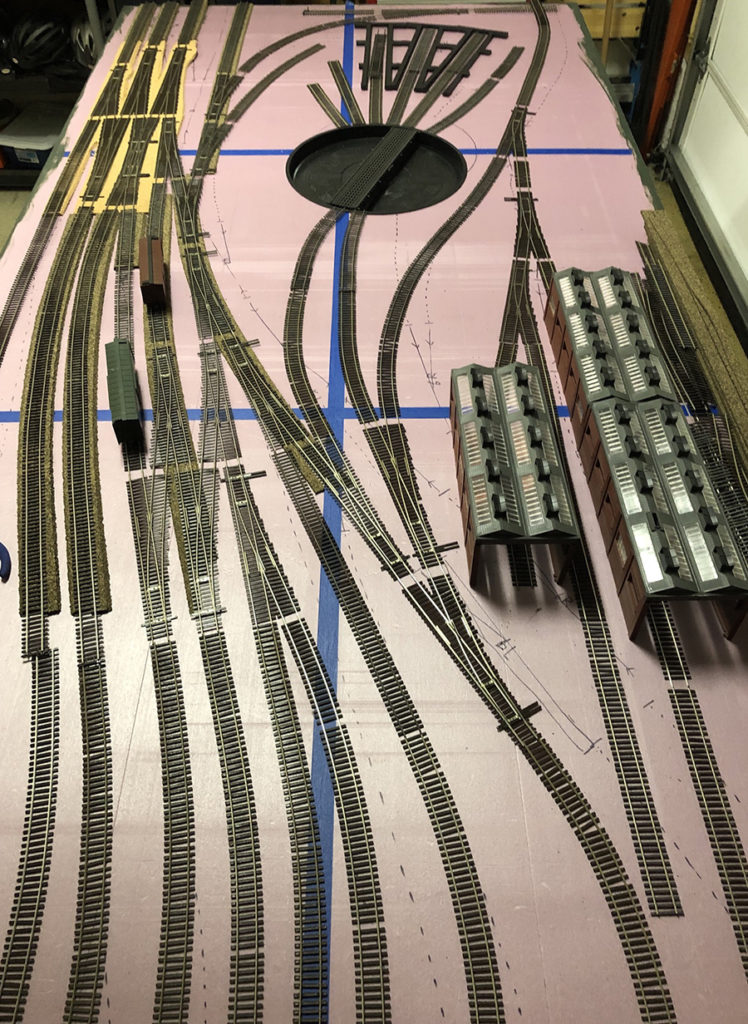
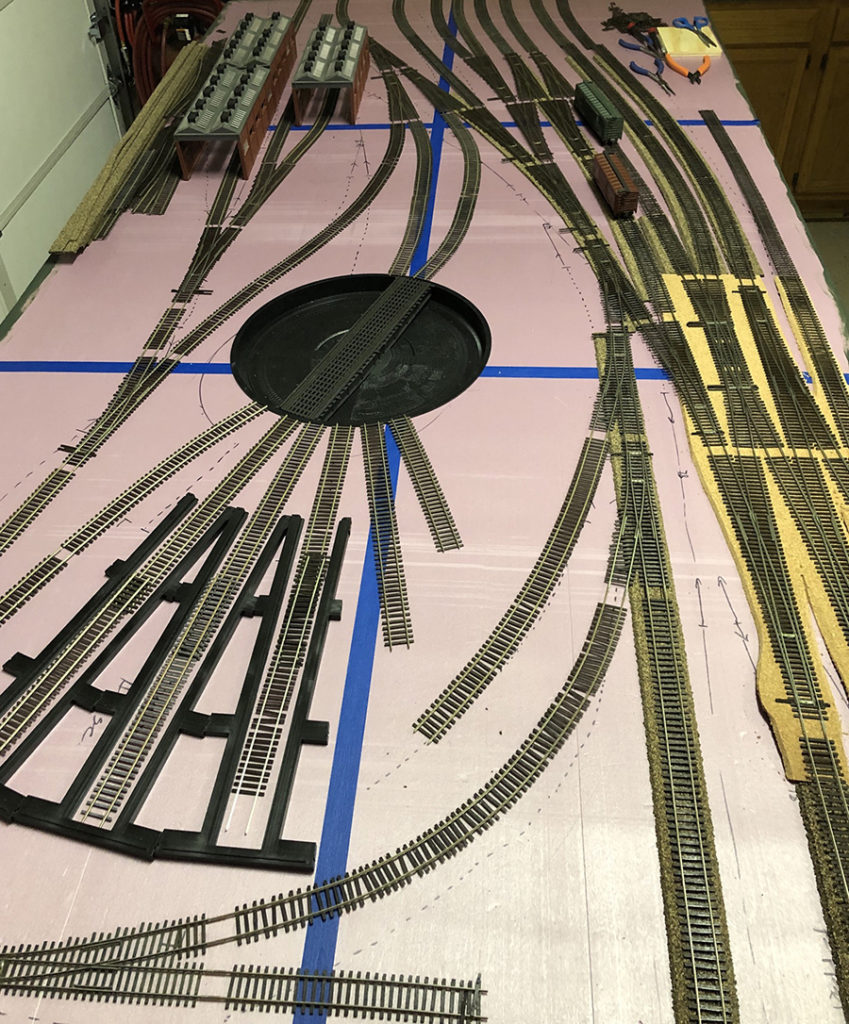
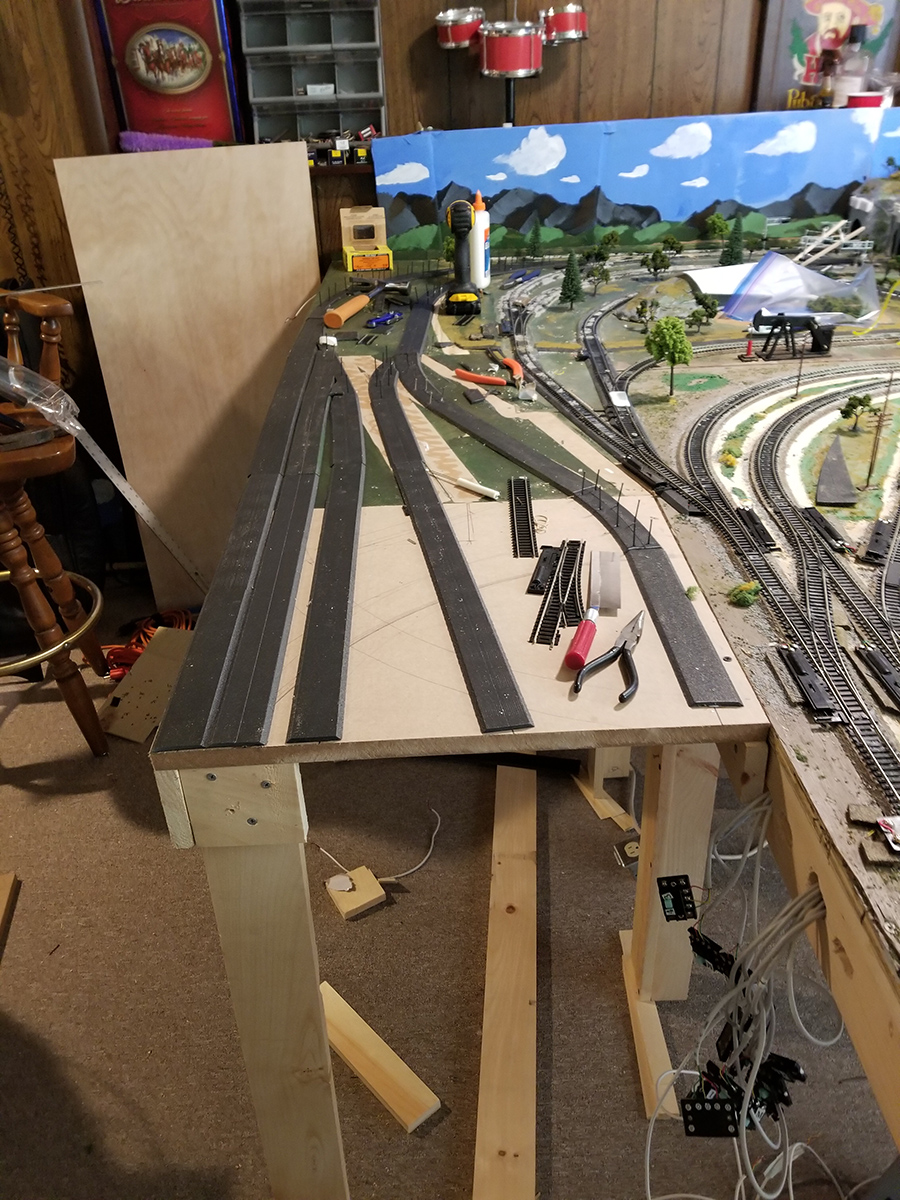
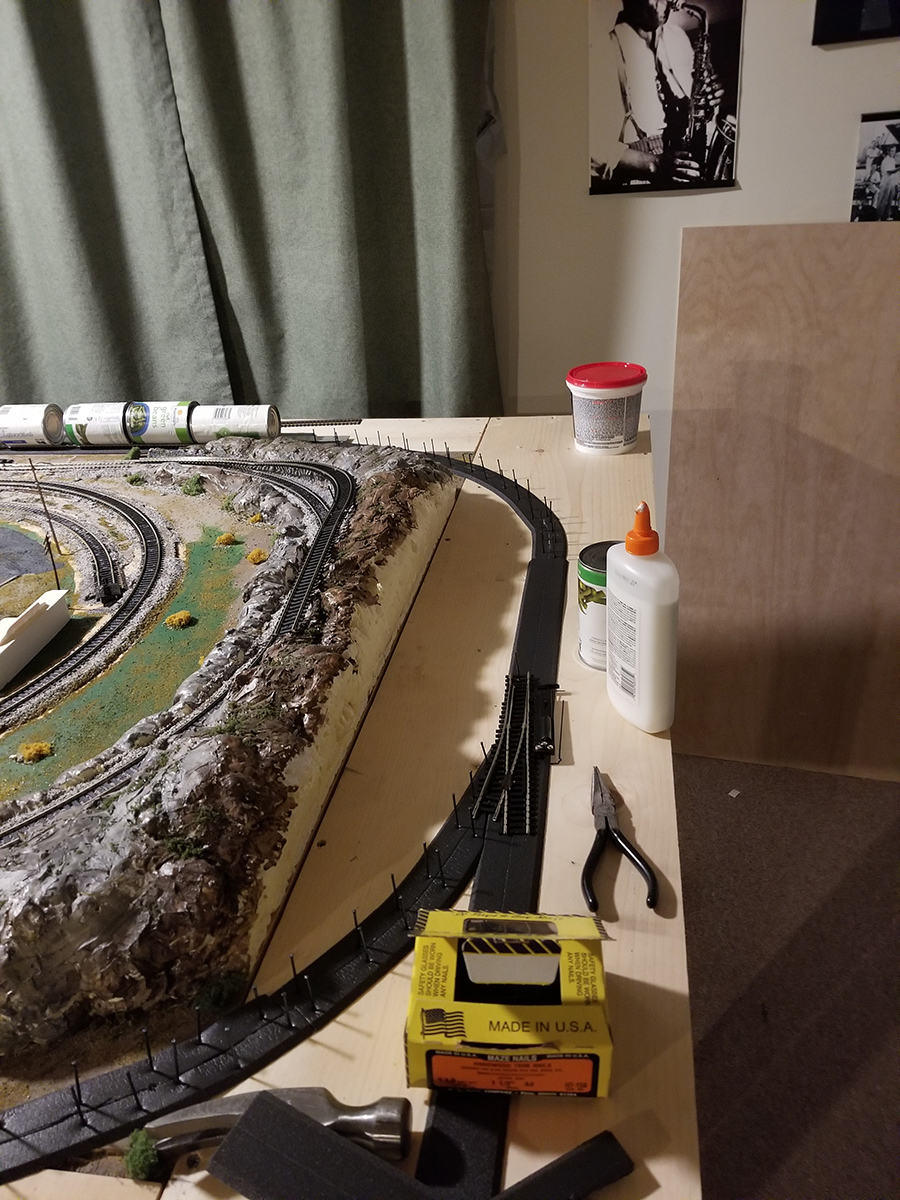
I’ve had a few hours each weekend to enjoy my hobby and now I am finishing up cutting and test fitting everything together for the track.

In the next couple of weeks I’ll get the cork in place and I’ll start wiring the switches and other track components then I’ll put the track in place and start to power it up. I’m using a mix of cork for road bed. I’m using HO scale for the mains. Then I will transition to N Scale cork on less important segments. Finally some of the track will go directly on the foam.

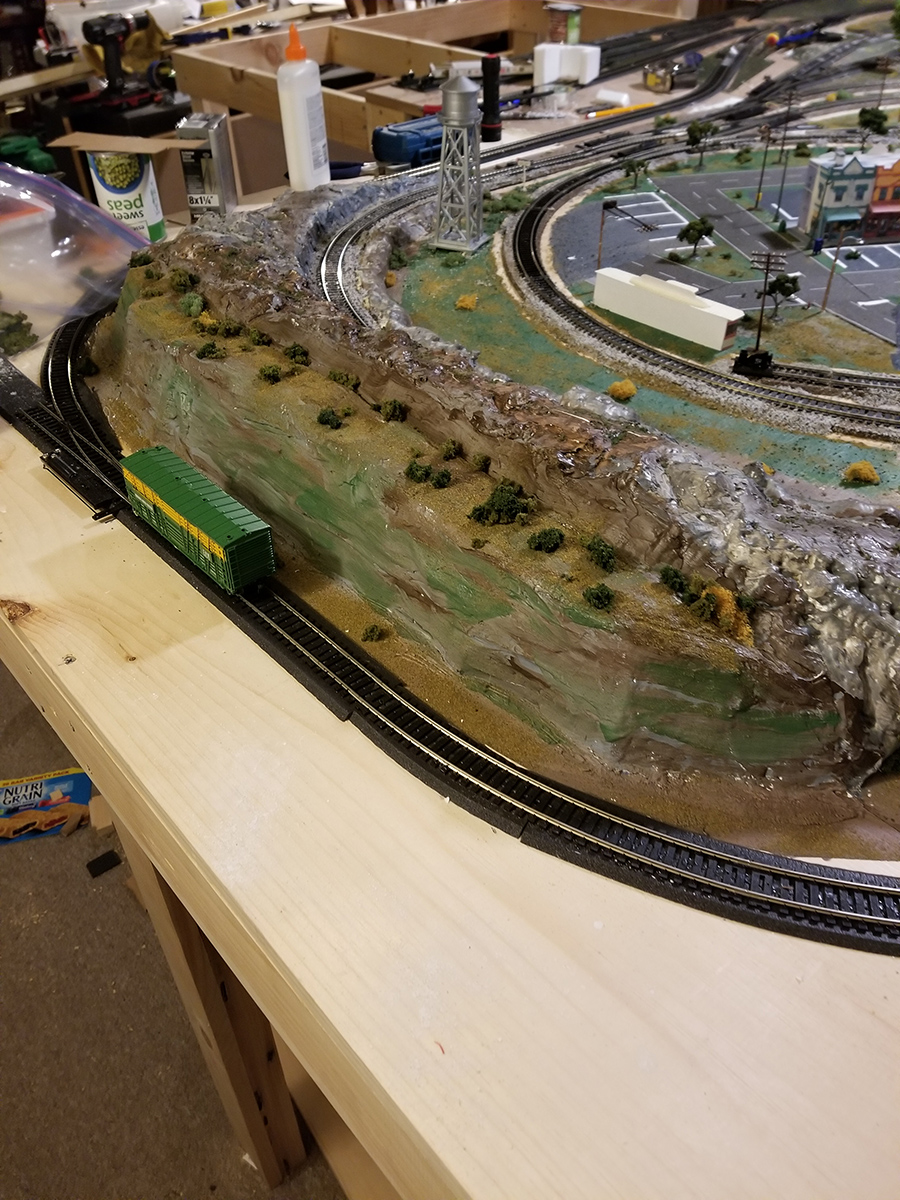
It is fun to see how much I can put on a 4X8 table and still have room for the yard and service bulldings that are yet to come.

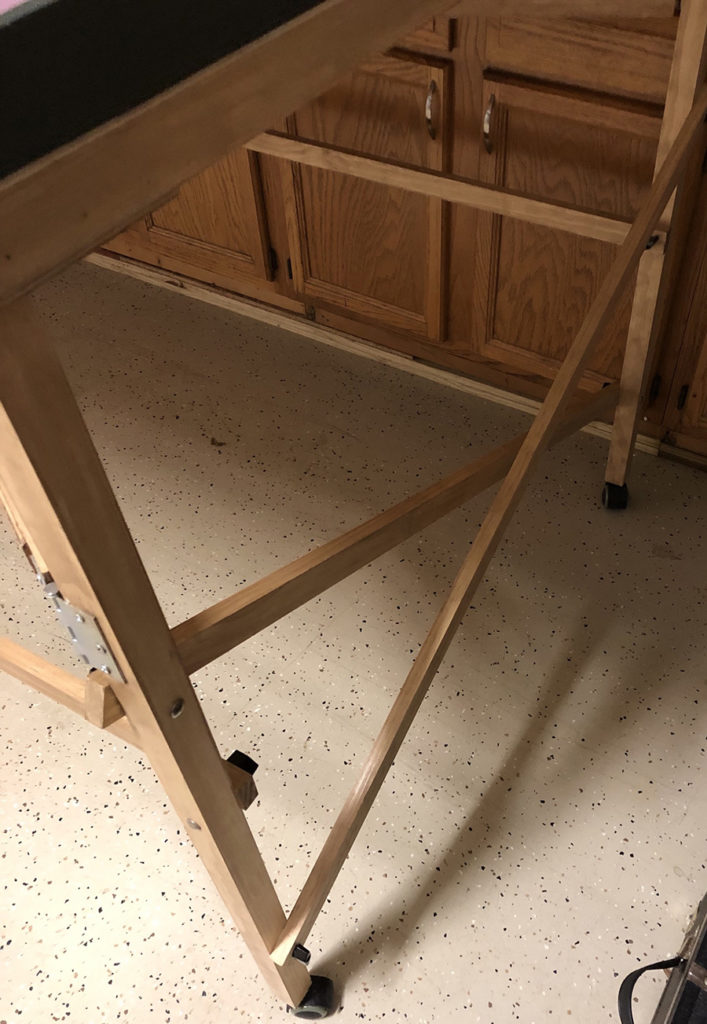
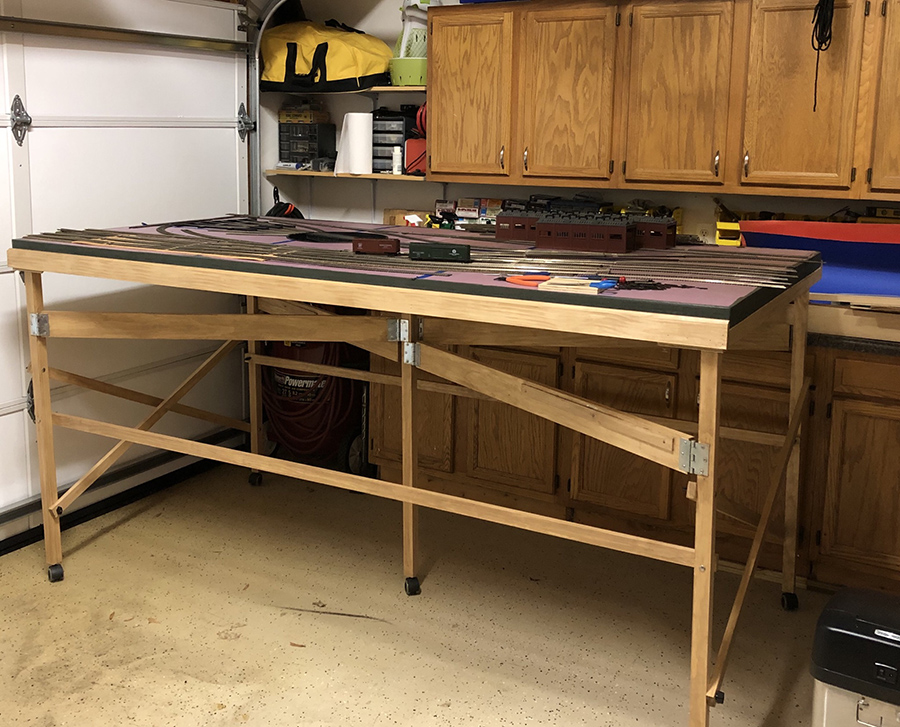
A note on my bench work – I did add a second cross brace to each side of my portable legs. I needed to crank on the T Handle knobs hard. to keep the legs true as I move it around. By added the other cross brace I now have a true ‘X’ brace and everything stays aligned nicely.

Thanks!

Bill in Virginia”
model railroad switching layout

model railroad switcher

model railroad switching

model railroad switching layout

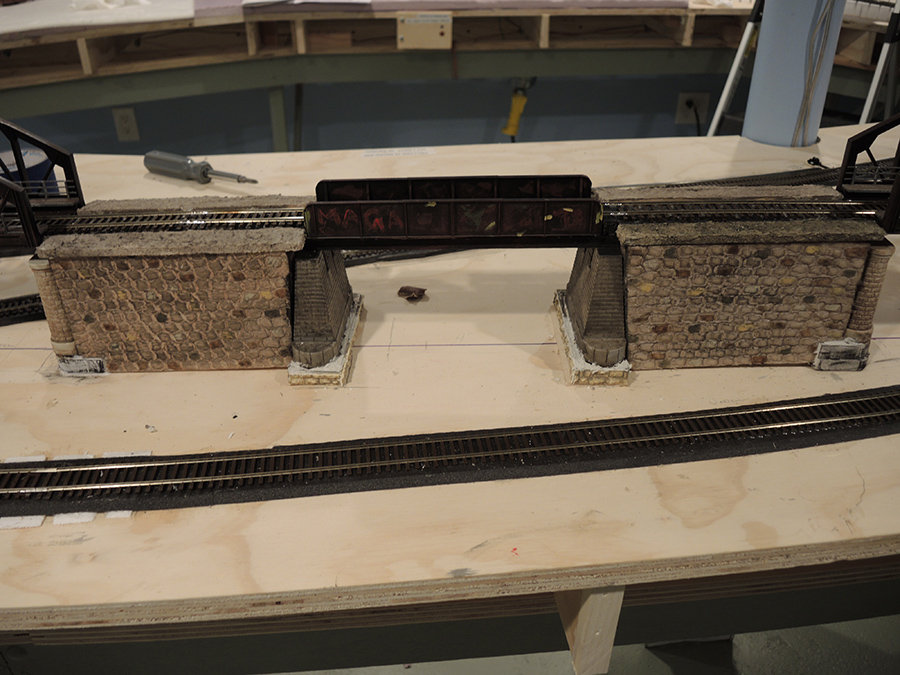
A huge thanks to Paul for sharing his HO scale stone walls, and to Bill too. I do love seeing how your layouts are coming along and how you make stuff. Thought Paul’s wall was excellent.

That’s all for today folks.

Please do keep ’em coming.

And if today is the day you get started on your layout, the Beginner’s Guide is here.

Best

Al

PS Latest ebay cheat sheet is here.

PPS More HO scale train layouts here if that’s your thing.


HO scale siding

Bob’s been back in touch. He’s added a HO scale siding to his layout, and another loop too.

His last post is here.

“Al,

My original layout after adding sidings still only allowed me to run two trains in the two inner ovals. Running outside of the inner ovals required stopping one train to allow another to access the whole outer loop.

I decided to move my layout to a bigger room and expand it, adding a HO scale siding and loop.

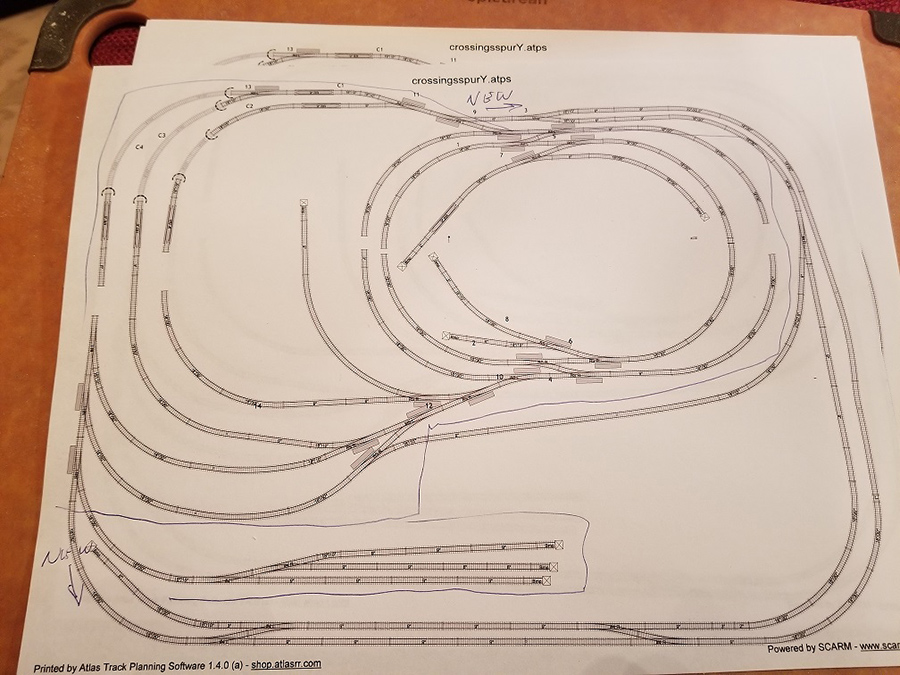
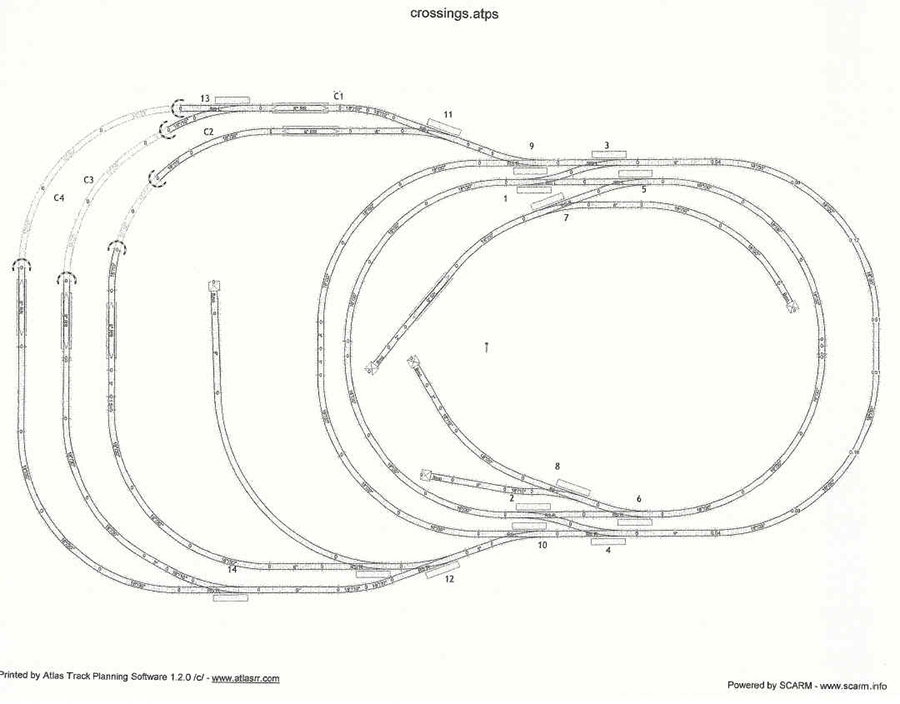
Attached are two track plans: the 4x6x4x5 is the original and the other is the new expanded layout.

The third picture of the layout before I partially dismantled and moved it.

track plan

track plan

model railroad

The first picture shows the first part of the move where I added legs to the first section.

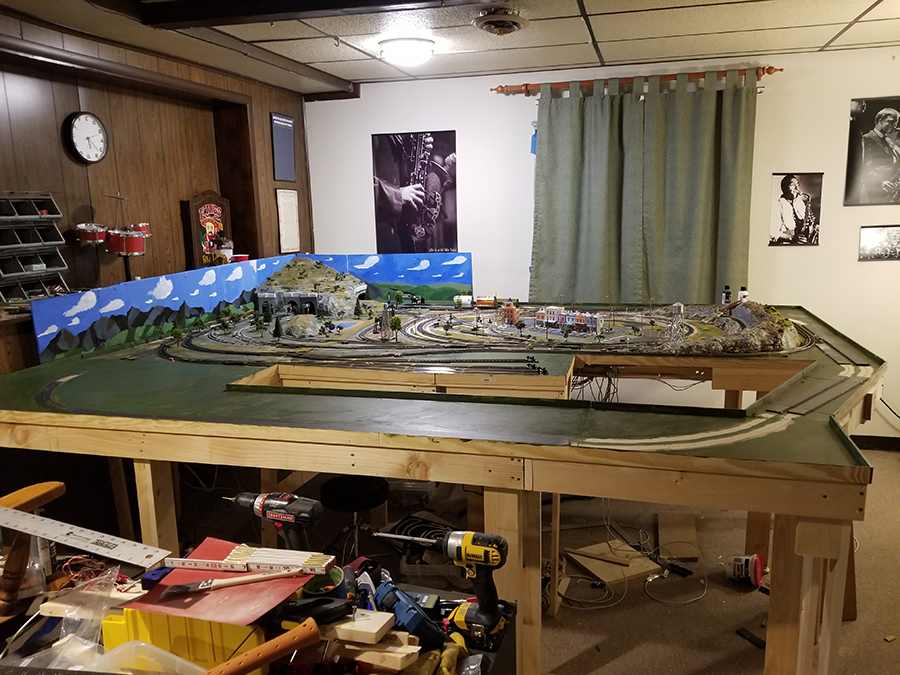
In the second picture I expanded the ladder area to provide longer sidings. Next I added 6 inches on both sided and 10 inches on the end of the layout. The one 6 inch addition and the 10 inch addition allowed me to add a wye to split the single main into a double main that covers ¾ of the outer area and has two crossovers that allow access to a new siding and converts the double main back to a single main.

ho scale siding

ho scale siding

The 10 inch expansion exposed the back side of the rock formation so I had to do some work with plaster cloth. Once I finished the initial expansion I moved on to the major part of the expansion where I had to deviate slightly from the track plan because of a pull-down ladder. But it was a blessing in disguise because it allowed me more room for the lift-out section.


Ho scale siding:

ho scale siding

ho scale siding

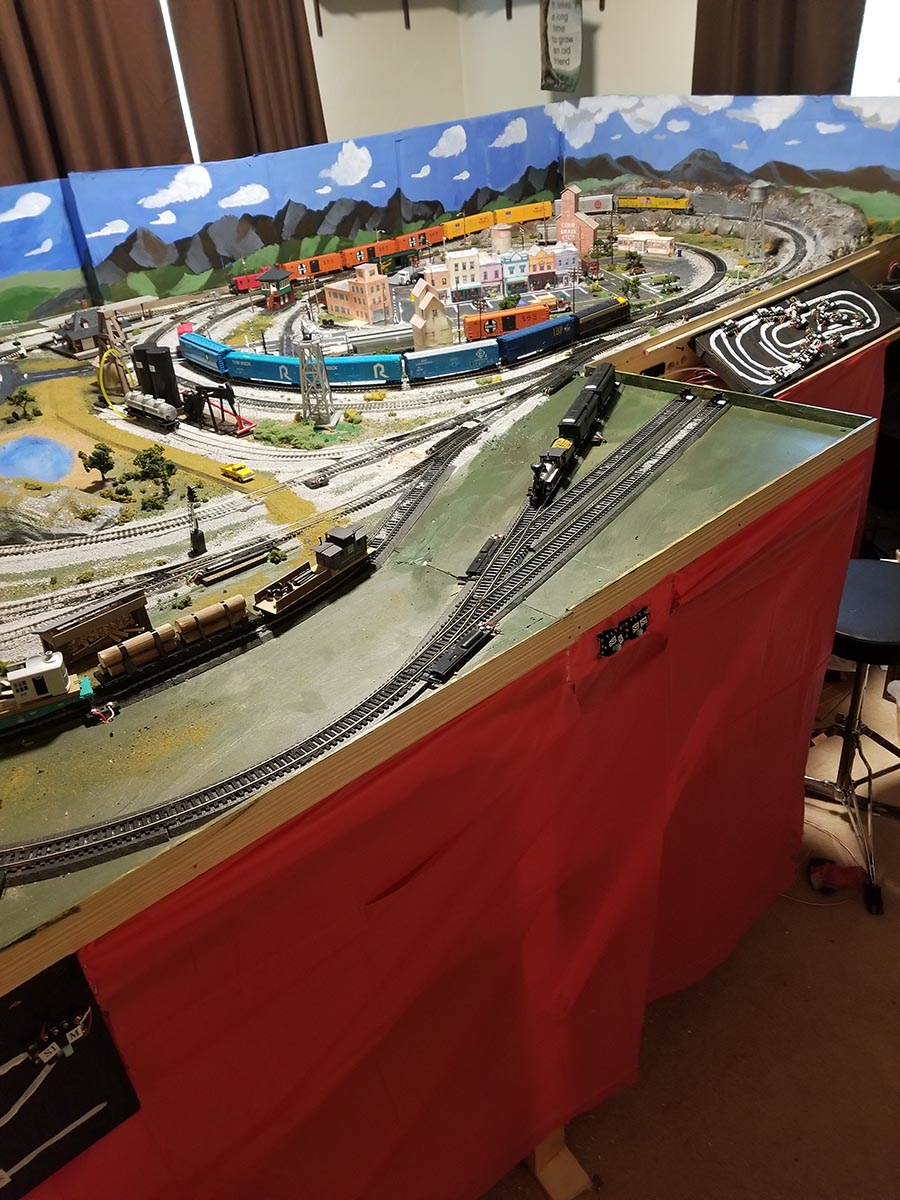
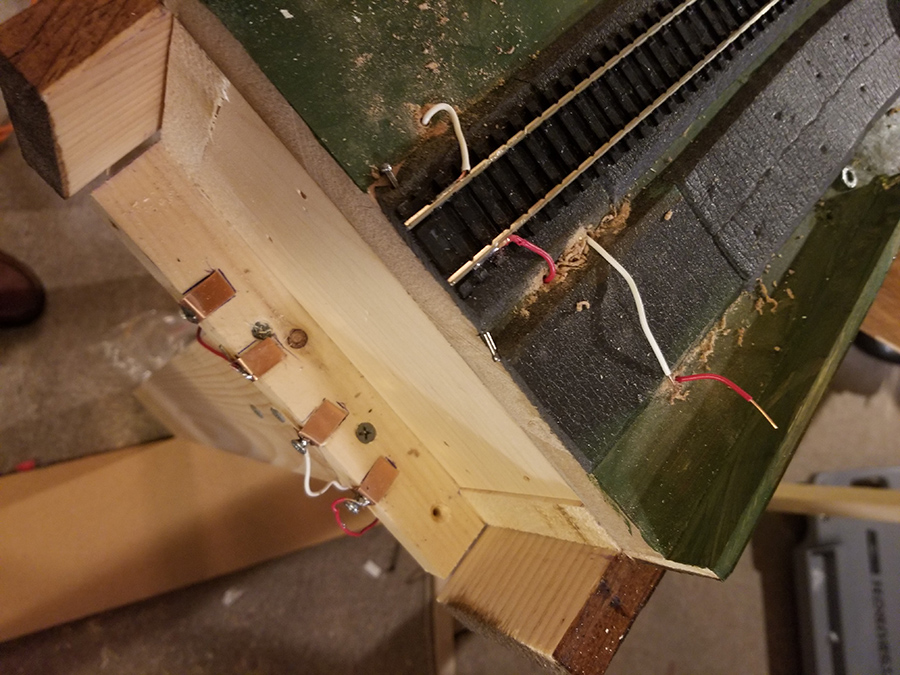
The picture shows the finished tablework and the lift-out section is the part with the two sections of foam on the right of the picture. I cut pieces from a sheet of .16 copper I got at the hobby center to use as contacts for the lift-out section shown in the second picture. The lift-out required some tweaking but works fine.

ho scale siding

ho scale siding

The move and expansion while not complete yet allowed me to clean up and straighten up most of the wiring. I also added a NCE SB Power Booster and a RJ12 Control loop with a second UTP control.

Nowhere near finished but most of the hard work is done for the added HO scale siding.

Bob, Virginia”


“Hi Al, just loaded part 9 of the re building of my layout, a good few keep asking about the connectors I use and the disco lights, in this one I show both and add a lead to bay were they can be bought, with a tip on using LED lights… still a way to go yet… but now got one of the outer circuit tracks up and running.

Regards

Dave”


Latest ebay cheat sheet is here

A big thanks to Bob for sharing his ho scale siding addition, and to Dave. And if you want to join in with the fun, the Beginner’s guide is here.

That’s all for today folks.

Please do keep ’em coming.

And if today is the day you get started on your layout, the Beginner’s Guide is here.

Best

Al

PS More HO scale train layouts here if that’s your thing.


Need buildings for your layout? Have a look at the Silly Discount bundle.

O gauge roundhouse

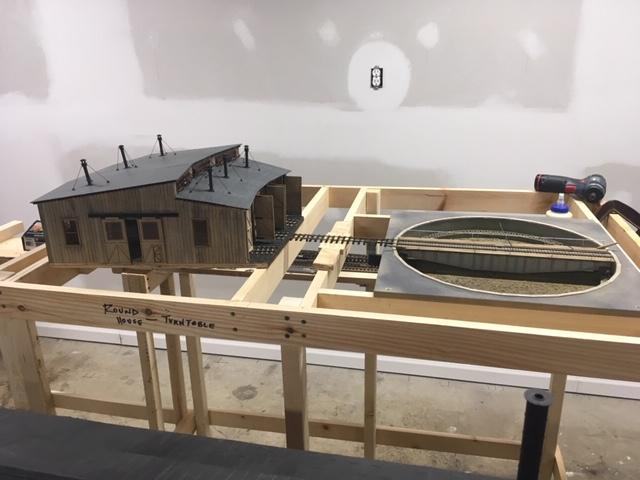
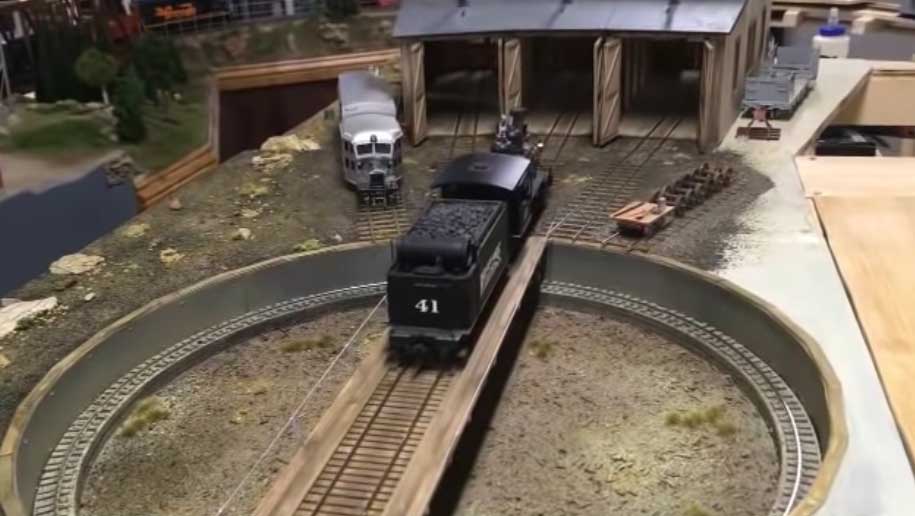
Peter’s been in touch again. This time he shows us his o gauge roundhouse – how it was, and now, how it is.

(his last post is here if you want to catch up).

I have to say, I do like it when I see Peter’s name pop up in my inbox, I know it’s going to be good:

“Hi Al,

When you get a chance please post.

Standard O gauge roudnhouse and the start of On3 narrow gauge.

o gauge roundhouse

o gauge roundhouse

o gauge roundhouse


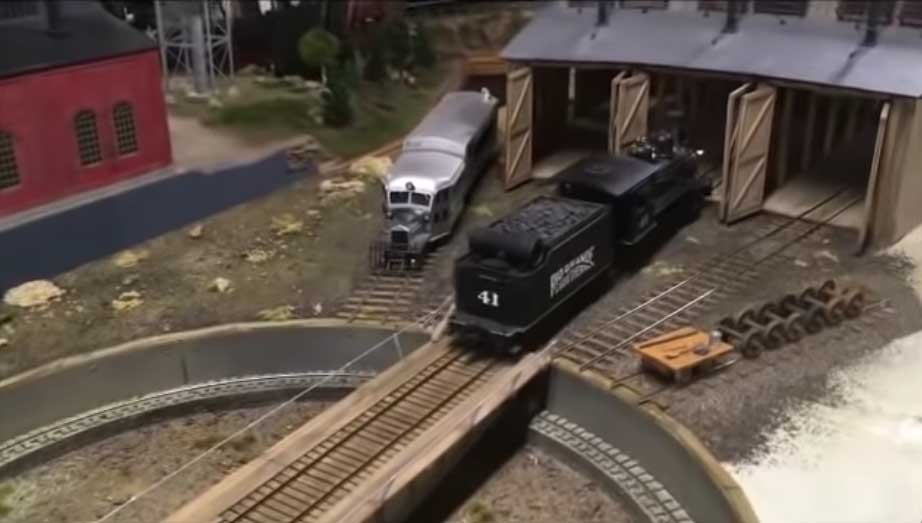
See the O gauge roundhouse on its own, and then in a scene, really does get across how good Peter’s work is.

And best of all, Peter seems to be having a great time and that’s what it’s all about.

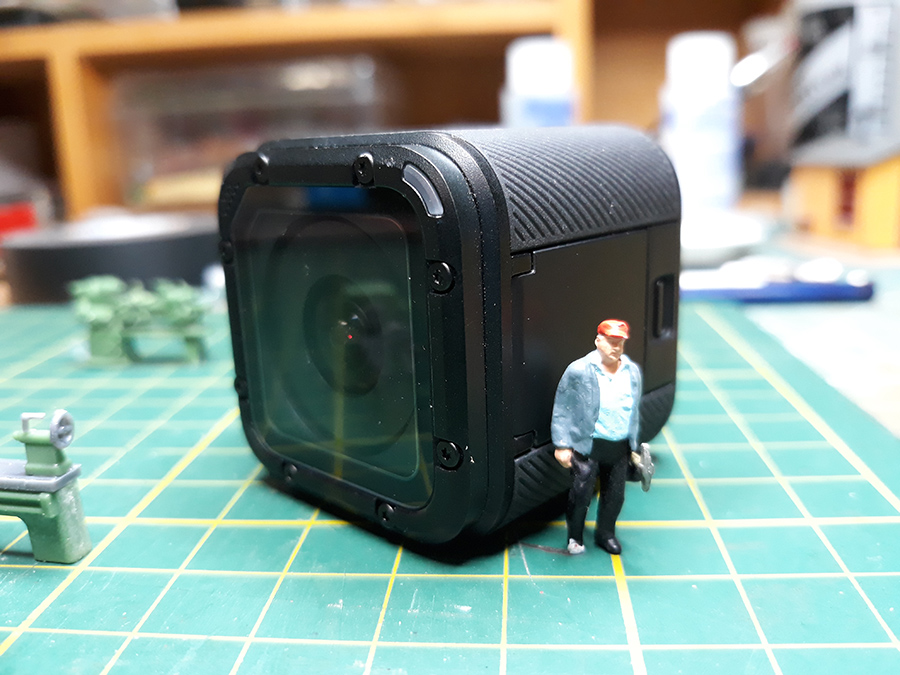
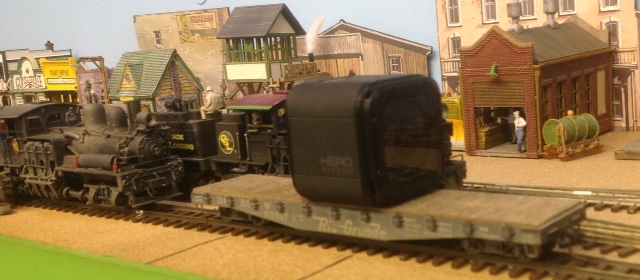
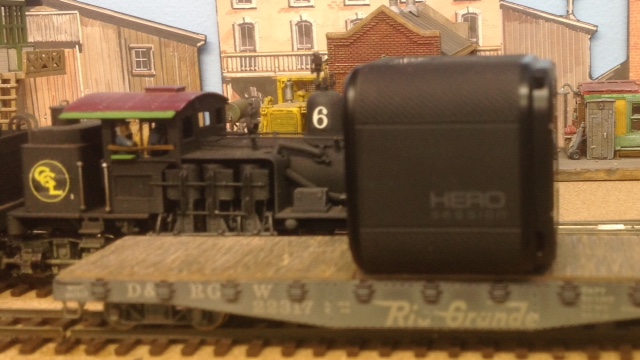
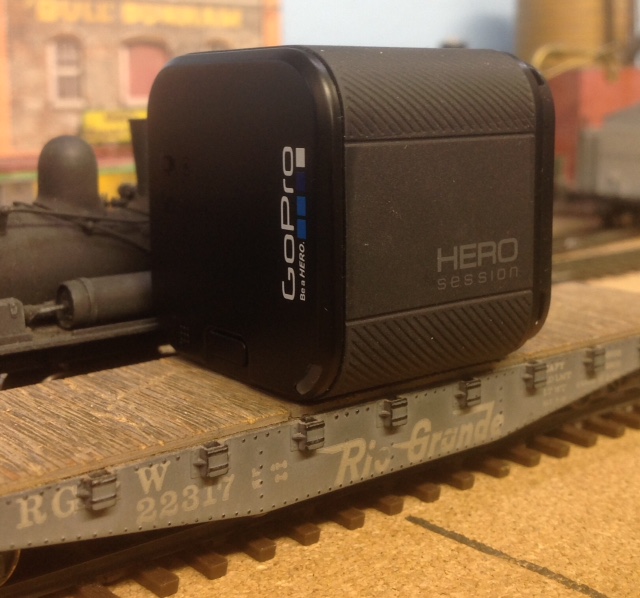
Now on to Brian, who is using a ‘cheap’ camera to create his cab ride videos.

“Hi Alistair.

Thanks for the posting of the video.

The comments are great and I did answer the questions asked about the video camera and the ceiling height.

Maybe you could post the pictures to show the guys what the camera looks like. I am sure that it would answer some of the questions and be appreciated by all.

I know dangerous Dave uses a small camera and may like to see this one. I have googled the one he uses and it was too big for my narrow gauge.

Many thanks and all the best in keeping up the excellent work.

Brian”

model train cab ride

model train cab ride

model train cab ride

model railroad cab ride

(Brian’s video is here.)

A huge thanks to Brian and to Peter for sharing his O gauge roundhouse.

You all know how I love an update and we’re being spoilt at the moment. Hope it continues.

That’s all for today folks – please do keep ’em coming.

And if you want to start you layout today, don’t forget the Beginner’s Guide is here.

Best

Al