Making model railroad trees

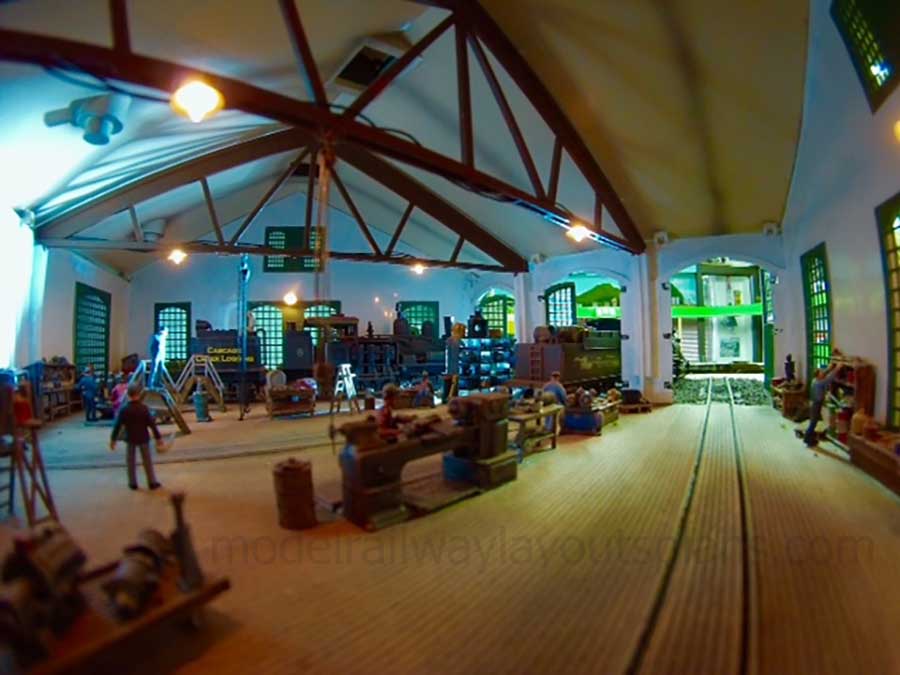
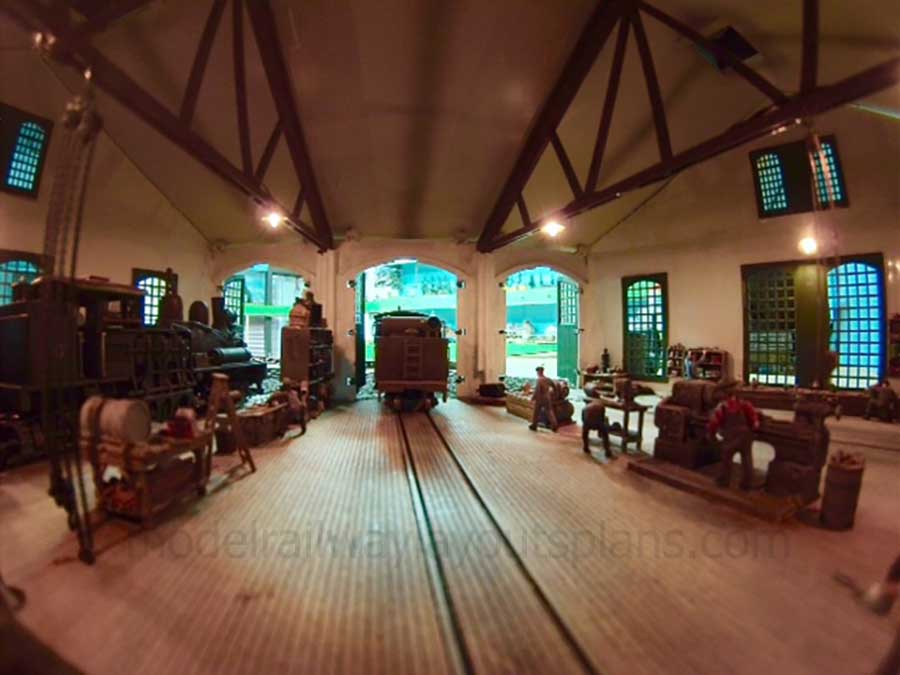
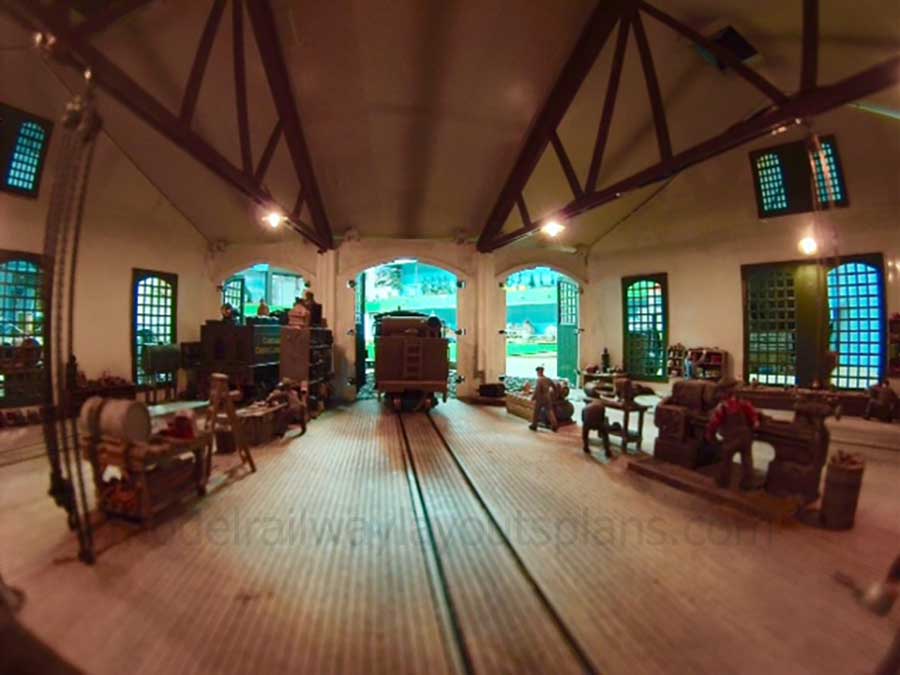
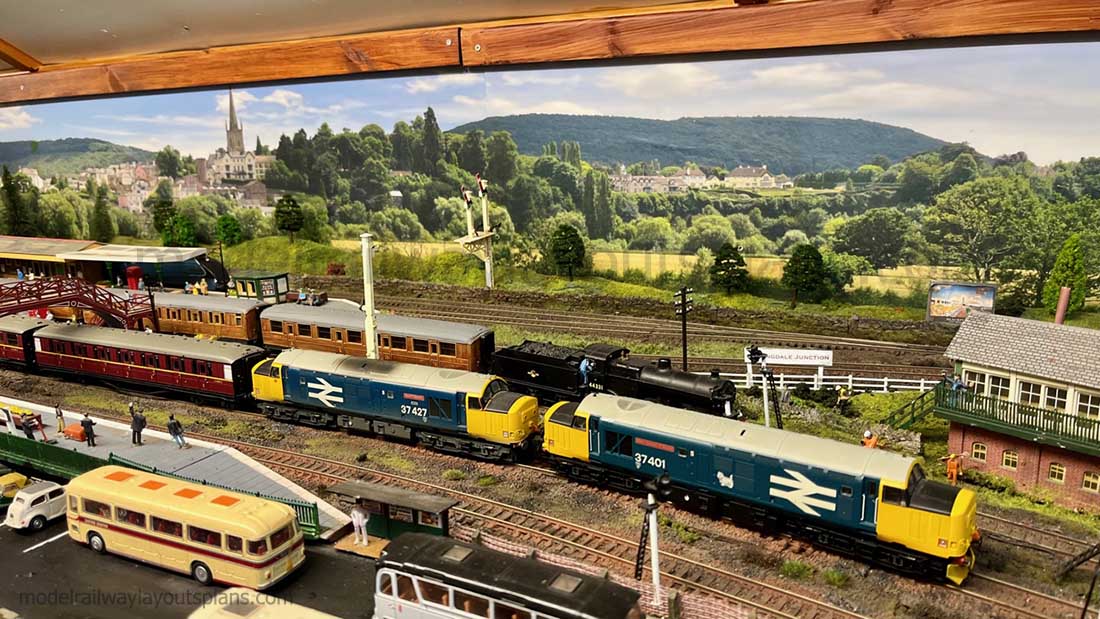
Fred’s been in touch with a fantastic ‘how to’ on making model railroad trees.

He’s a man of few words, but his pics speak for him.

There are lots of tree ‘how to’ posts on the site, but this one really is spectacular.

“Hi I must say some cracking tips of late ….love them ..

Thought this might be of interest to some my take on a wire tree

Fred”

making model railroad trees from wire

making model railroad trees

making model railroad trees from wire

making model railroad trees from wire

Fred’s also made a ‘Making model railroad trees’ youtube:


Fred’s post reminded me of Rob’s on trees too:

How to make model train trees.

In fact, there’s lots on making model railroad trees, on the blog. Here’s a few more:

HO model train trees.

Model train trees.

Trees for a model train layout.

Now on to Michael who has been in touch again.

(his last post is here.)

“Al,

Here are a few pictures of my tunnel entrances, before and after assembly and the natural materials used.

I used tree bark from a white oak tree in the woods that I found and glued them (all 4 pcs.) to the top of the tunnel entrances, let them dry and painted them with a dark gray mixed with white paint and water.

Then dry brushed them with white paint.

Mickael”

model railroad tunnel

model train rock face tunnel

model train tunnel entrance

“I have been reading this article for some time now and enjoy it very much. Unlike most on here, I run both O and S scale trains.

I thought I would share so hints I got from the old timers. Since I am 70 maybe I am the old timer now. I use a lot of wheat and rice bulbs with bare wire leads. I found nail polish make a good wire insulation after all connections are made. I also use it to lock on nuts to bolts and numerous other things. I prefer red so I can tell that everything is covered, but clear , black or any color will do.

The other hint is artificial coal. The original artificial coal was made from Bakelite which has some hazard properties. They then went to plastic which also has its draw backs. I found these lodged in motors and cut up belts using coal loaders. I also found black aquarium gravel worked better but still jammed up belts and was work to un-lodge from places. Try Grape Nuts cereal. Dry in microwave for 30 seconds then spray paint black. It takes a few spray times. Now if this gets caught in the motor or belts is crunches up and does not lodge as often as other materials. It takes just a little air and a brush to clean up Also safer for children and pets.

Your comments please….

Joseph”

“Well, seeing as how I am the least handy person on this planet, and cheap to boot, here are a couple:

Since my layout is in a permanent winter mode, I wrapped the plywood bases in white bedsheets —
It makes a a great “canvas” for laying down landscaping and a SUPERB conduit to run the wiring between the sheets and the wood – no drilling required.

The “snow” is actually a ceramic product: Duncan’s no-fire snow, available, among others, online at Amazon. You can paint or sculpt it on, and it dries to a plaster-like state.

More recently I wanted to add some ice-covered ponds, and as I dislike mixing chemicals, etc. for water effects, I went to the nearest drugstore and purchased a couple of ladies’ hand mirrors, you know, the kind they carry in their purses. I laid down some snow and partially buried them, feathering the edges with more snow.

But then I wanted a larger ice-covered swamp or pond, and here comes the cheapest solution of all: I headed to the kitchen, ripped off a good-sized sheet of food clingwrap (like Saran Wrap), painted the bedsheet in the colors I wanted to show through, and laid the wrap on top with a little landscape cement. You can make it smooth or rippled, and it looks great!

I hope these help.

Bill”

A huge thanks to Fred for his fab ‘how to’ on making model railroad trees, and to Mickael and Bill.

It just goes to show (again) that you should never throw anything out, and with a bit of thought and creativity, you can get stunning results.

That’s all for today, folks.

Please do keep ’em coming.

And if you want to take that first step with your very own layout, the Beginner’s Guide is here.

Best

Al


Atlas train track HO scale – Scott’s

Scott’s been in touch with his Atlas train track HO scale:

“Dear Alastair,

My wife and I have been working for about 8 months on a new HO model railroad layout. We love your emails.

The layout is approximately 100 square feet with two layouts connecting from inner to outer. The inner layout is from an old Atlas book with 18 radius turns and the outer was freelanced.

We have about 50 buildings some of which are 50 or 60 years old including an old German butcher shop with a lift off roof showing the meat on the counters and an old Putin’s Chow factory.

A number of the buildings including the castle cane from antique shops or flea markets.

The trees are made from twigs but most of them have not been installed yet.

We also use real rocks for small mountains and loose rock.

For the side of the farm road we used fish tank stones and also used them on large mountain.

The large mountain was partially old school wire screen and light weight plaster and part plaster wrap. The snow on the mountain is plater sanded into dust.

Much still to do including improving the running. We used old atlas track and that may have been a mistake I need to fix. Your site is a great help and much appreciated.

Scott”

model railroad shop

model railroad butcher shop

HO model railroad mountain

atlas train track ho scale corner view

atlas train track ho scale outer track


HO model railroad farm building

atlas train track ho scale

HO scenery

atlas train track ho scale

HO purina chow

atlas train track ho scale

atlas train track ho scale

HO model railroad mountain

HO model raiload mountain scene

HO model railroad mountains

HO model railroad bridge

atlas train track ho scale bridge

A huge thank you to Scott and his wife for sharing their Atlas train track HO scale – what a layout! Lots going on, and it looks great too.

And I have to say, if my little web site has helped Scott and his wife along the way, then I’m very pleased – it really does make it all worth while.

Speaking of which, it seems my last missive caused some confusion with some of you.

To share your pics, just hit reply to any of my mails, or send them directly to al@modelrailwaylayoutsplans.com

You can send in as many pics as you like – but please don’t attach more than three pics per mail.

Send as many mails as you need to, to get them all across.

Hope that has cleared it up if there was any confusion.

In fact, it’s getting a bit thin on the ground this end, so if you’ve got something to share, now’s a great time to do so.

That’s all for today folks.

Please do keep ’em coming, and don’t forget the Beginner’s Guide if you want to grab the bull by the horns, just like Scott and his wife have.

Best

Al

PS More HO scale train layouts here if that’s your thing.


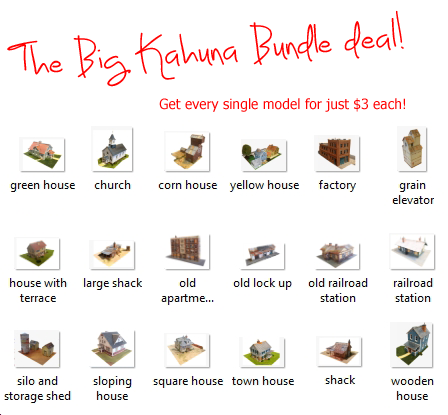
Need buildings for your layout? Have a look at the Silly Discount bundle.

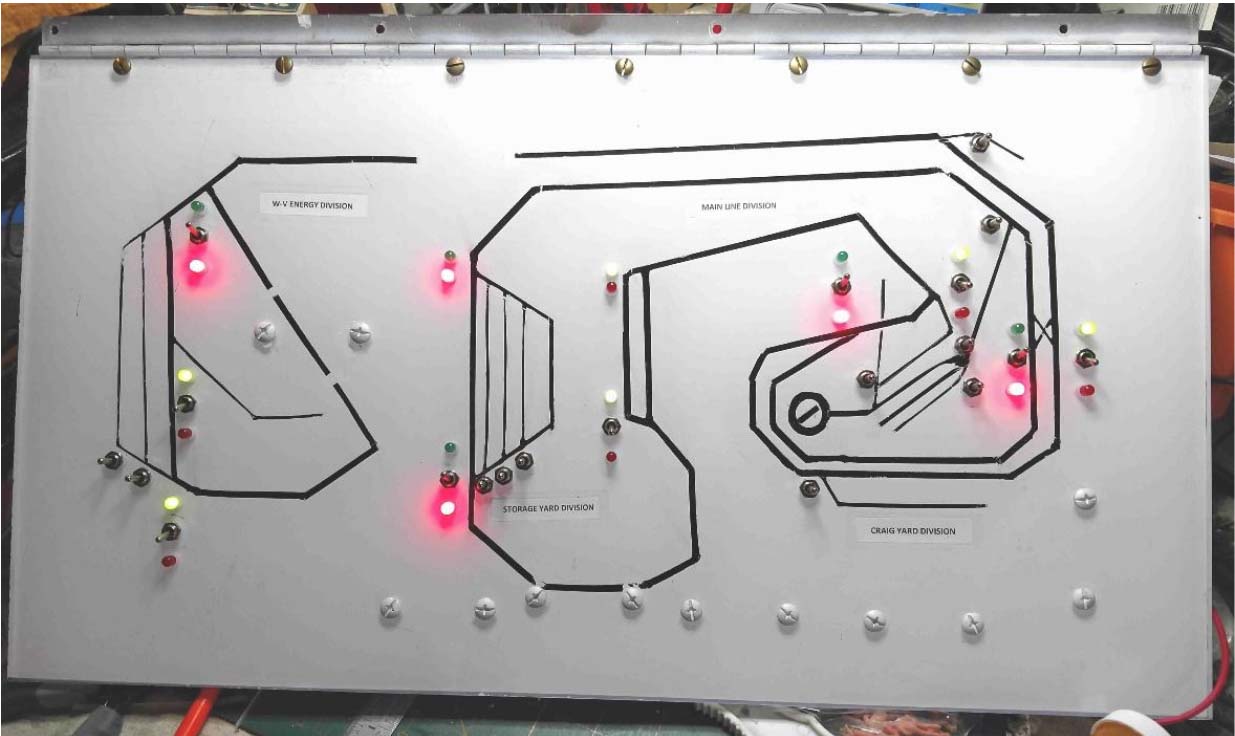
Signal lights for model train switch

Eric’s been in touch with a clever but simple way to manage his signal lights for model train switch.

“Hi, Alastair,

Thank you for your daily blog, which is a real service to the model rail community.

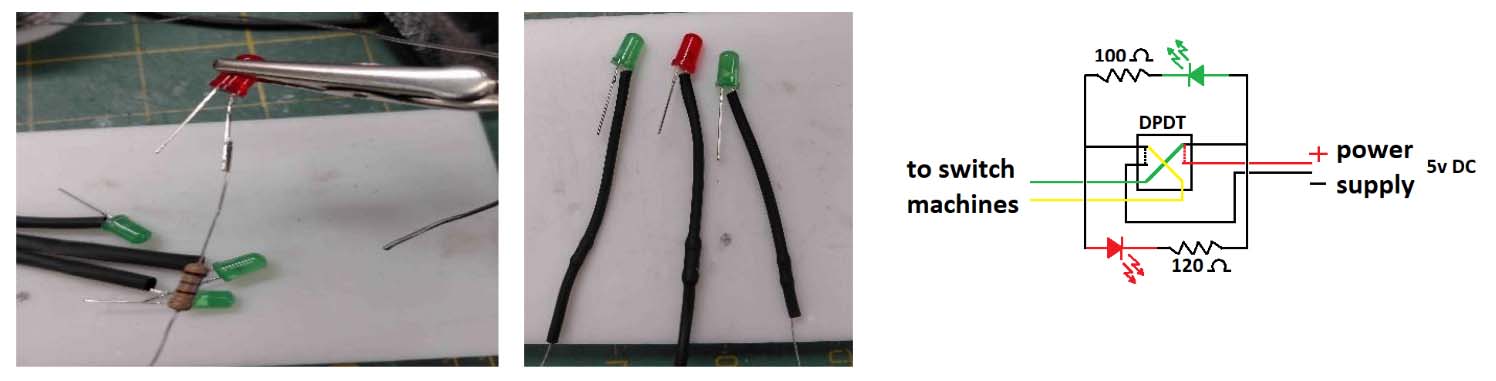
I have attached details of a way to change a simple 2 aspect, red/green led signal using contacts on a points motor. As there are only two wires from the led signal this can be a real challenge. I hope this helps others that may have encountered this difficulty.

The Problem: How to use Gaugemaster SEEP points motor PM 1, to switch Gaugemaster SEEP 2 Aspect colour light signals from red to green etc, when ONLY 2 wires are present from the light signal unit and you would normally need 3-4.

You need to change both the positive and negative to each coloured LED and this is normally achieved manually by the supplied manual crossover switch with the light unit.

However to achieve this automatically by using the contacts on the points motor is a challenge.

The Solution: Shown below is a low tech proposal using 2, 9 v batteries. The red and green LED are in effect using one battery each to provide the required polarity change when the points change.

The thicker line shows the current path at each change over.

Signal lights for model train switch:

Signal lights for model train switch wiring diagram

Image is clickable

Eric”

Now on to Fred:

“Al –

I didn’t tell you, but I’ve been working on my lighting.

Theater gels on fluorescent tubes in the diorama soffit, dimmers on the incandescent spots, and a small planetarium for my celestial effects!

Obviously the moon isn’t exactly to scale, but I can make it appear to rise from behind the mountains, and I’m working on the optics to make it smaller.

A little “over-the-top,” but sort of a cool effect, don’t you think?

Fred”

model railroad backdrop LED lighting

Joe’s been in touch with his progress (his last post is here).

“Hi Al; Thanks for putting up the pics.

Here are some more “construction” pics.

The layout is a ‘free lanced’ 1940 – 1950 steam era set roughly in the “town” of San Juan Creek in N.W. New Mexico.

The main industries are coal mining and lumber.

I can’t tell if I already sent these. IF they are duplicate, please discard.

Laying roadbed. Elevation for inner main line completed. 2.75% grade.

Joe”

model railroad freight yard

model train loading platform

model railroad oval loop

model train track plan

That’s all for today folks – a big thanks to Fred and Eric for sharing his signal lights for model train switch wiring diagram.

Please do keep ’em coming. If there’s anything you want to share just hit reply to any of my mails.

(You can send as many pics as you like, but please don’t send more than 3 pics per mail – send as many mails as you like…)

And if you’re enjoying the posts, don’t forget there are hundreds and hundreds more with the Beginner’s Guide.

Best

Al

PS Latest ebay cheat sheet is here.