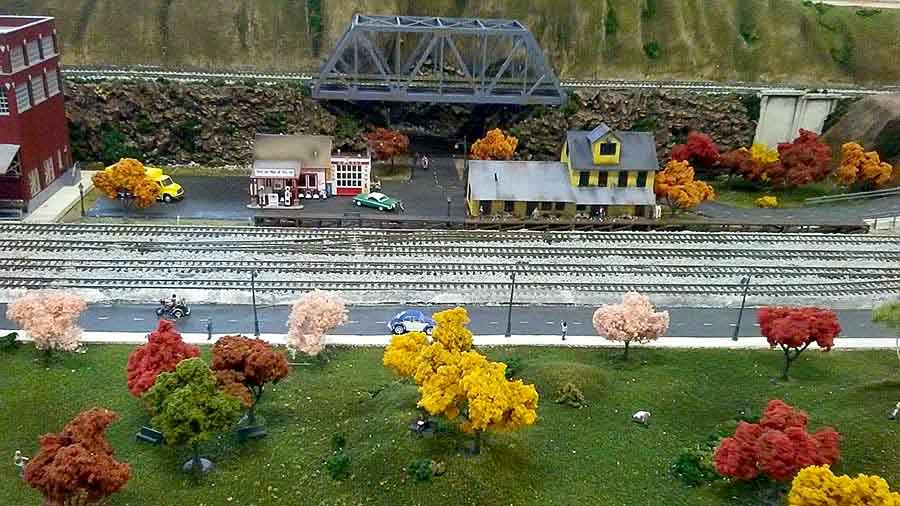
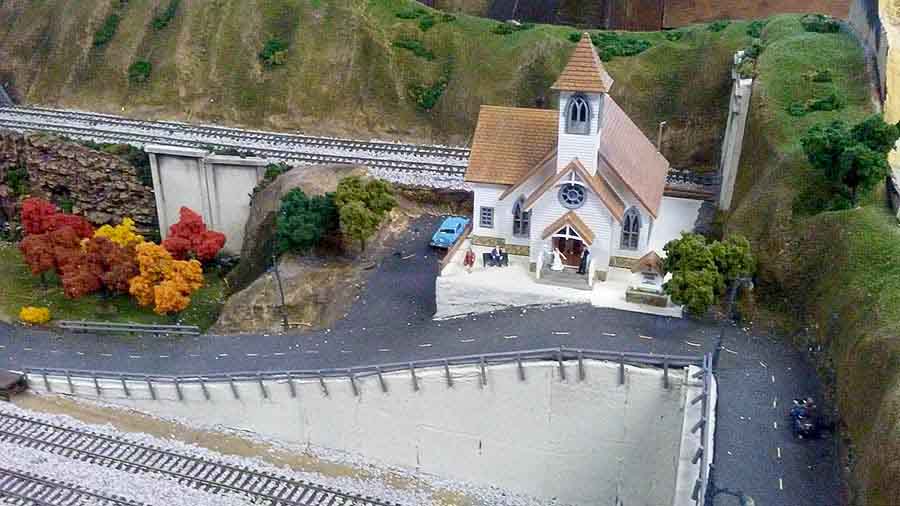
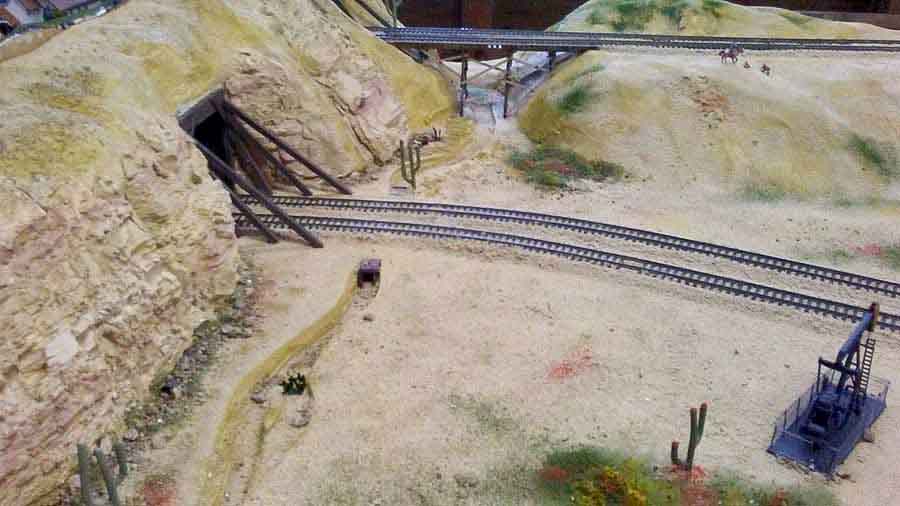
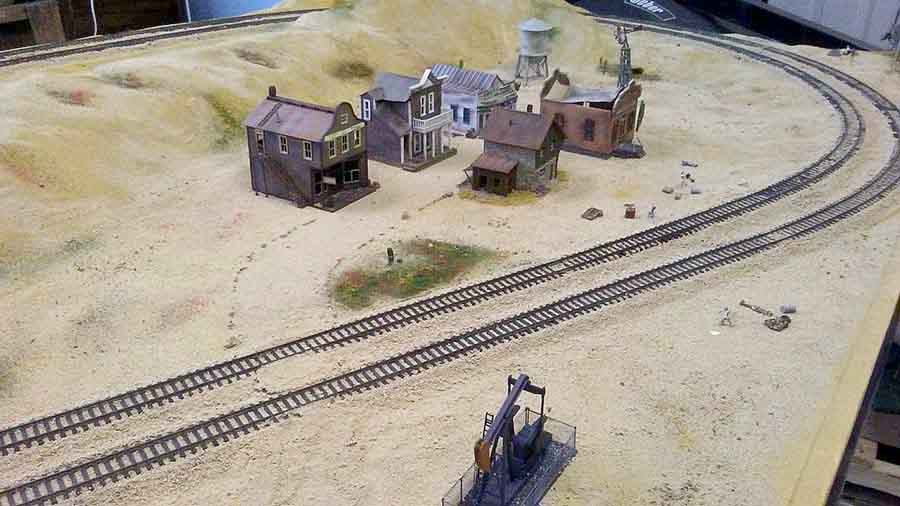
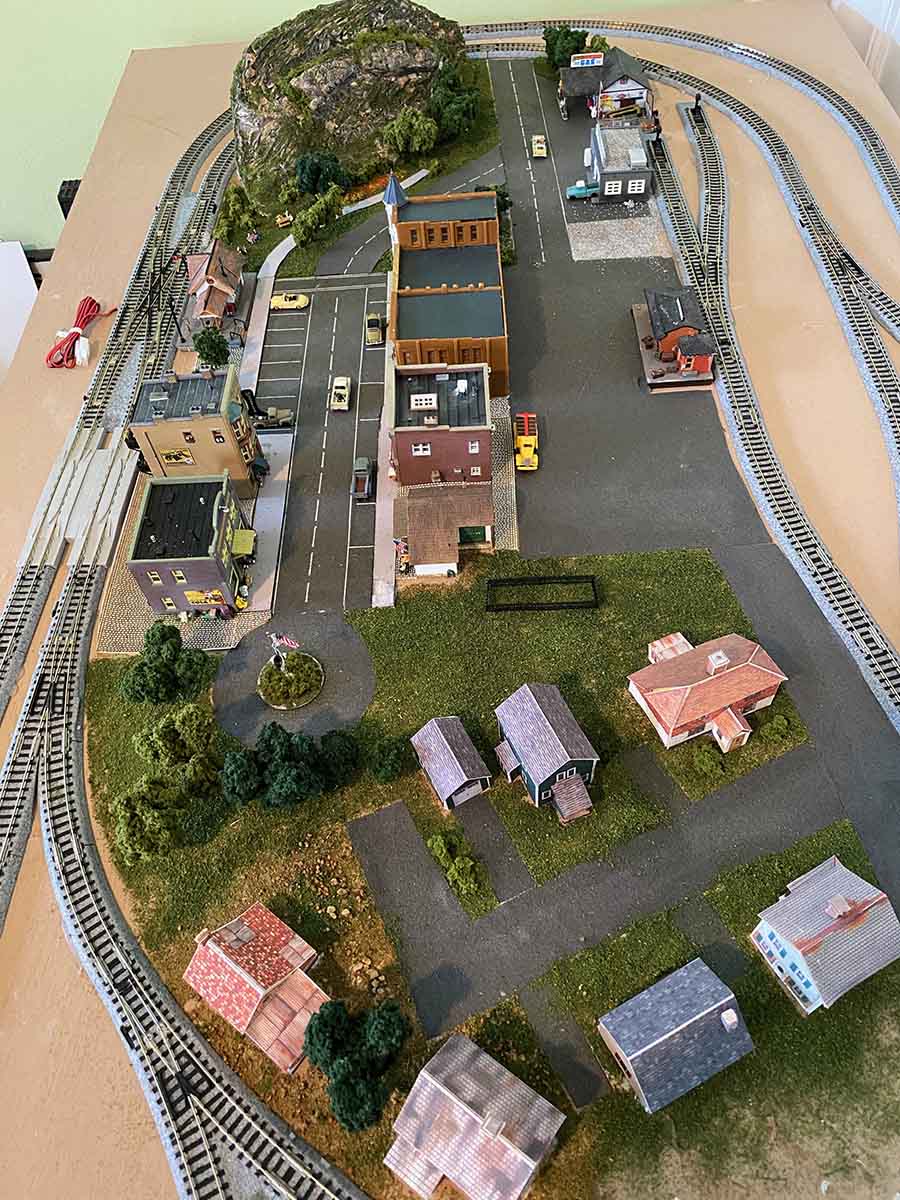
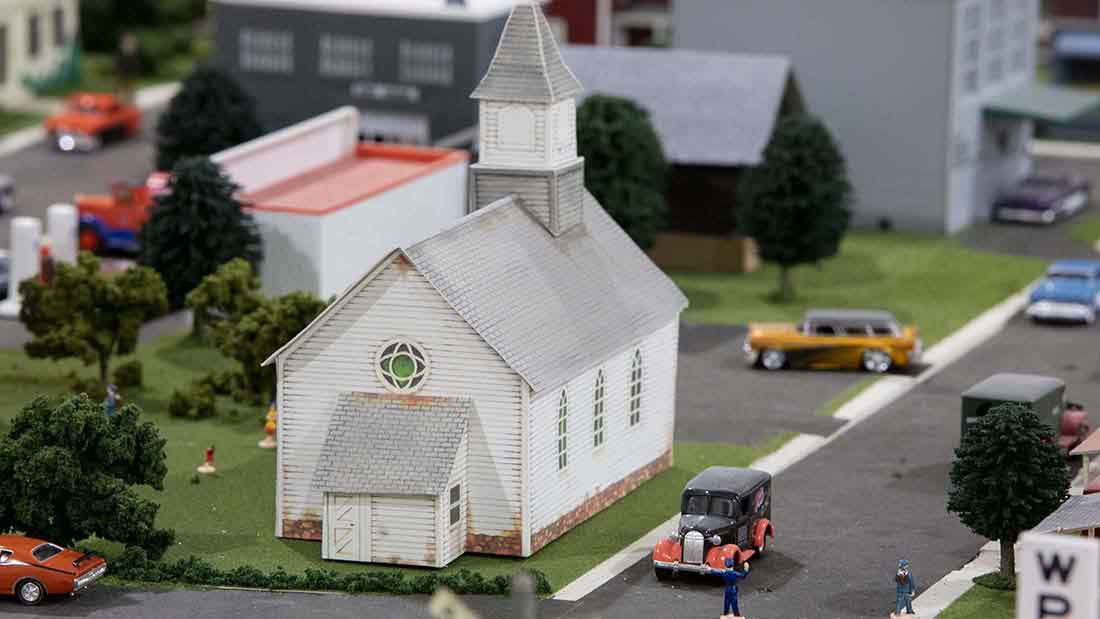
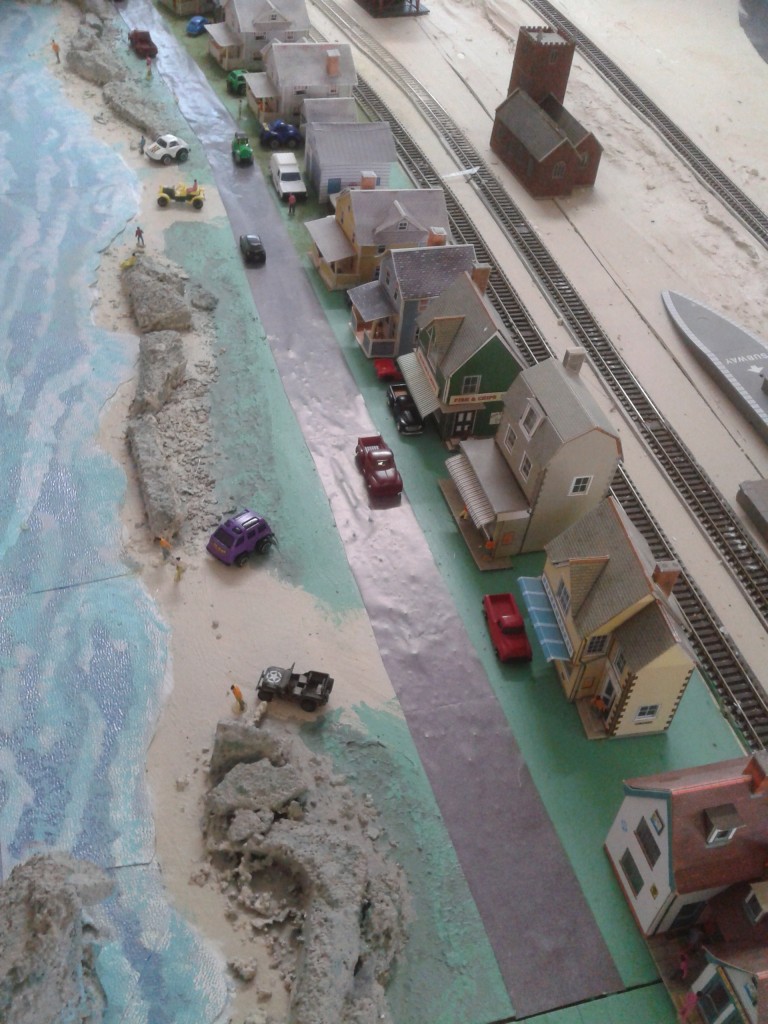
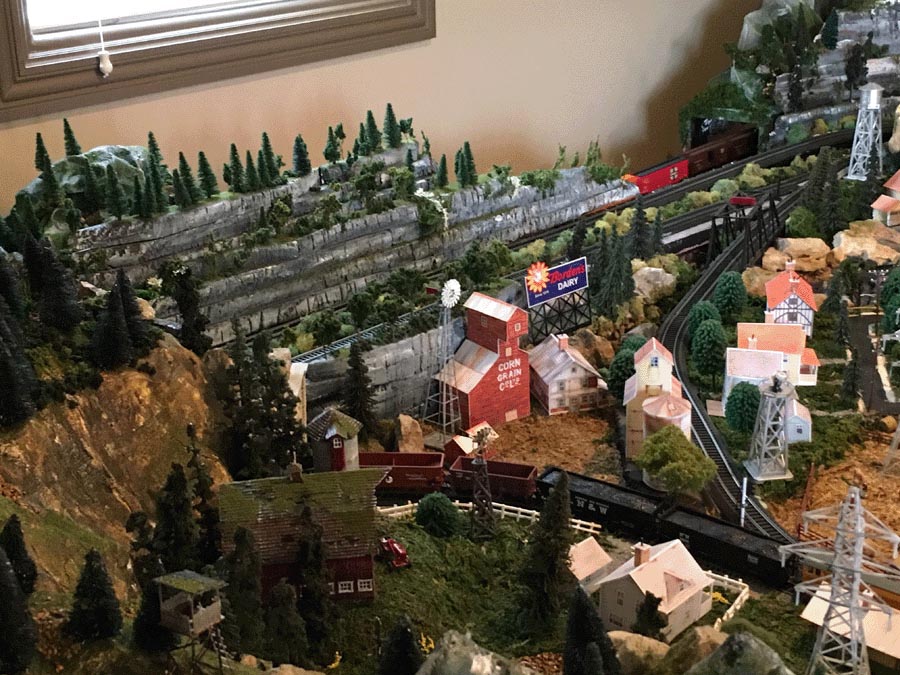
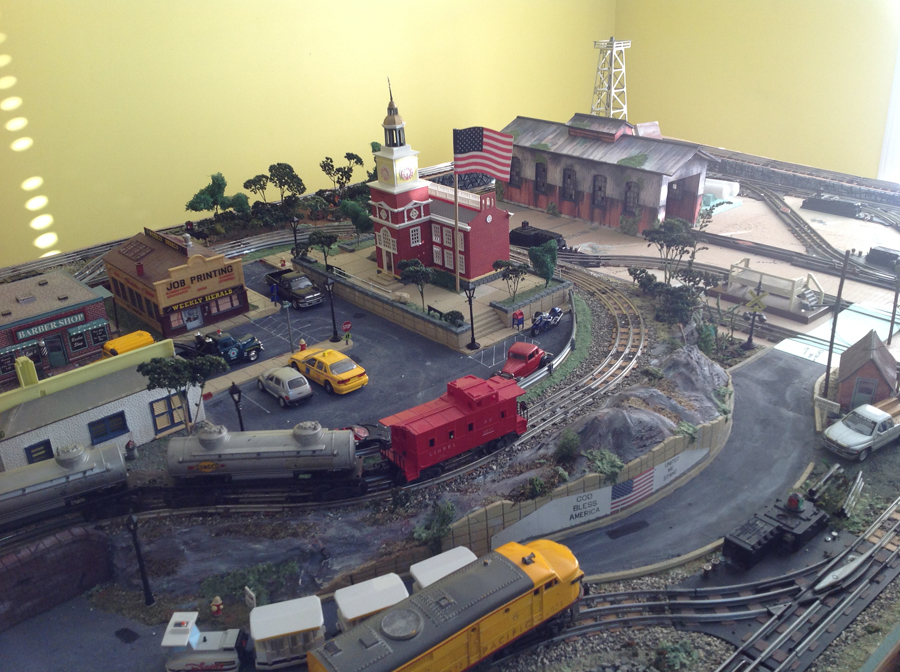
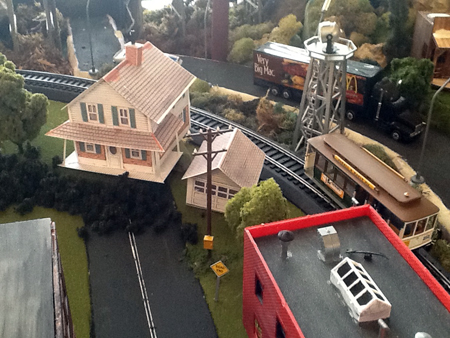
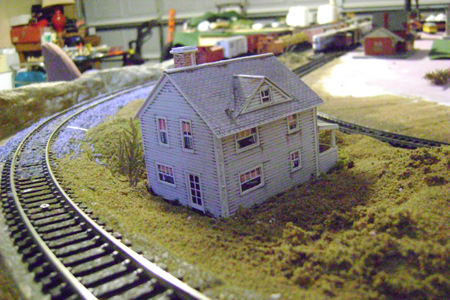
William has been in touch with his DCC N scale auto reverse loop:
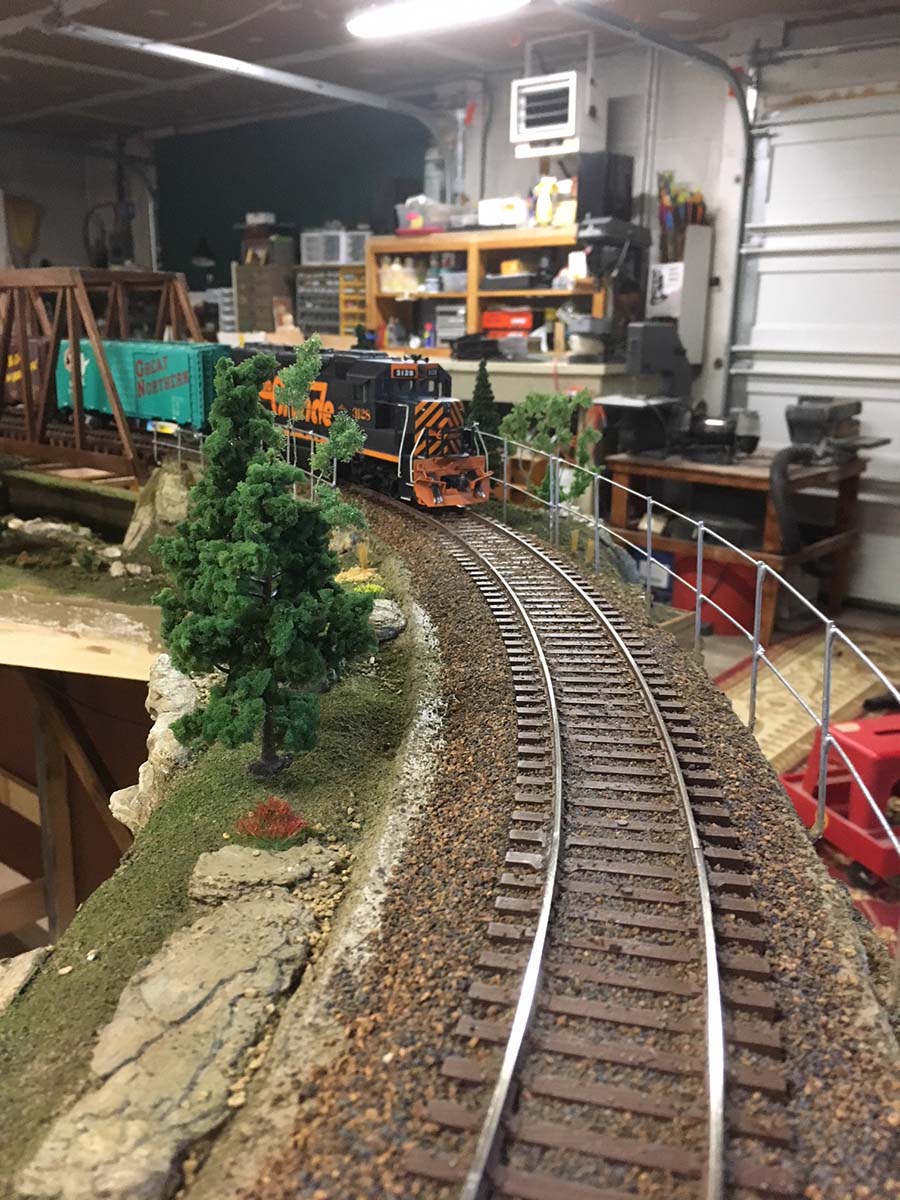
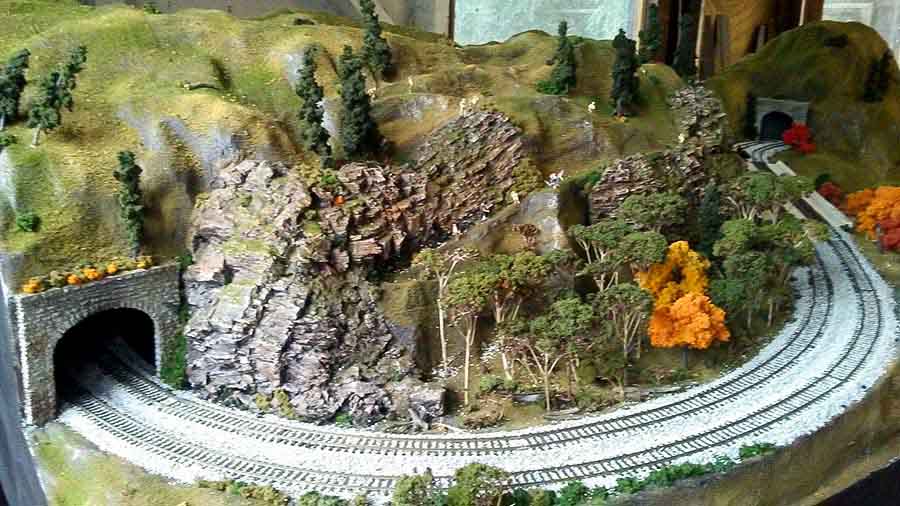
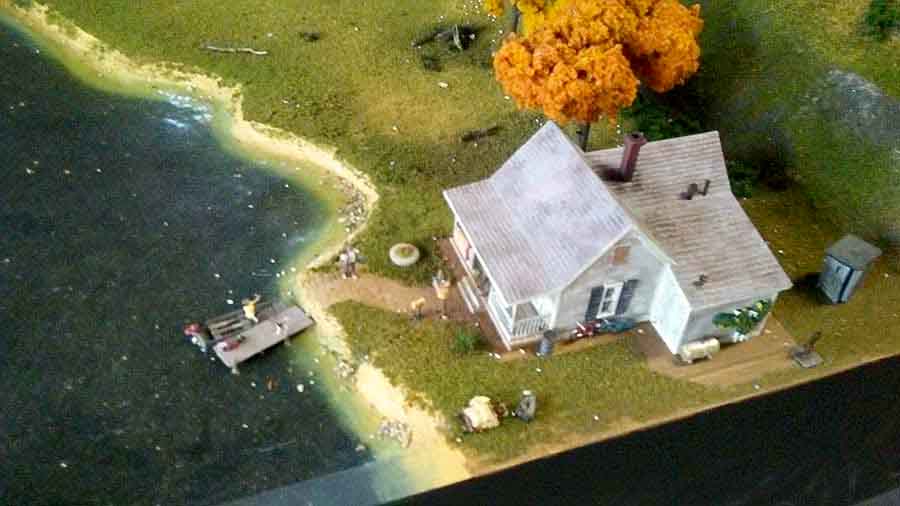
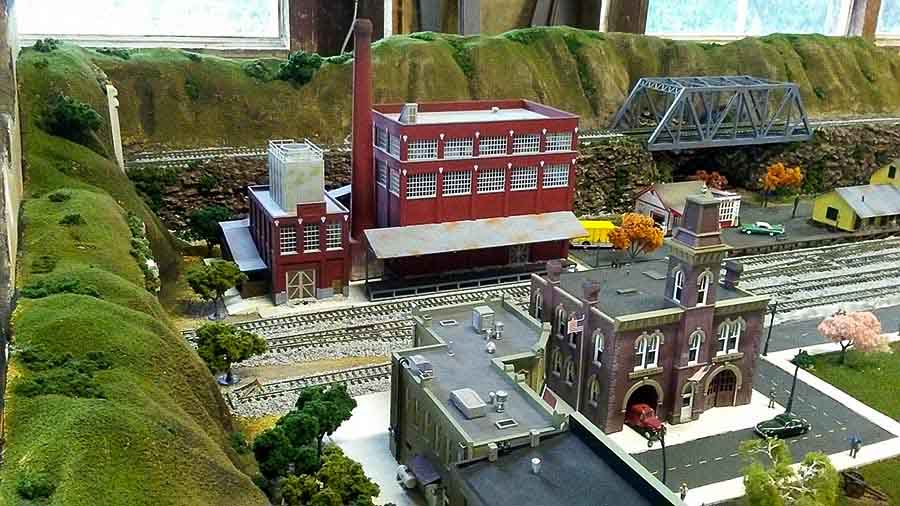
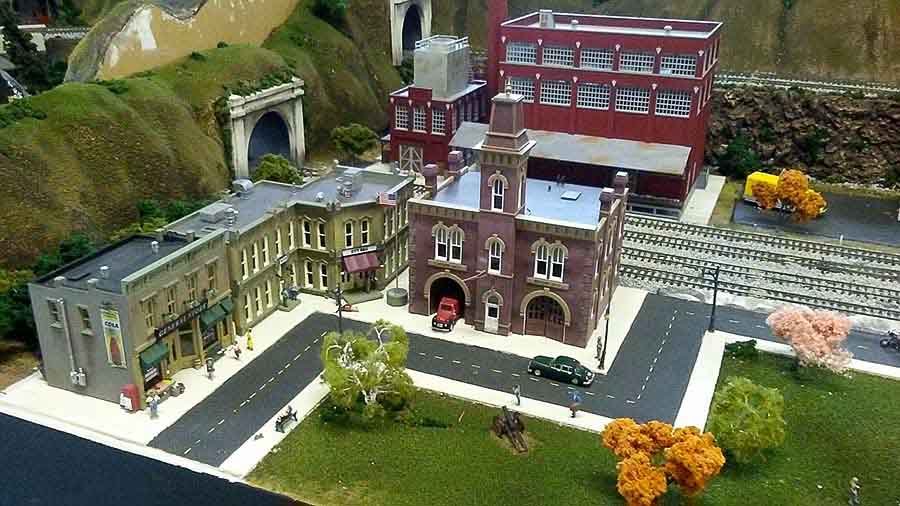
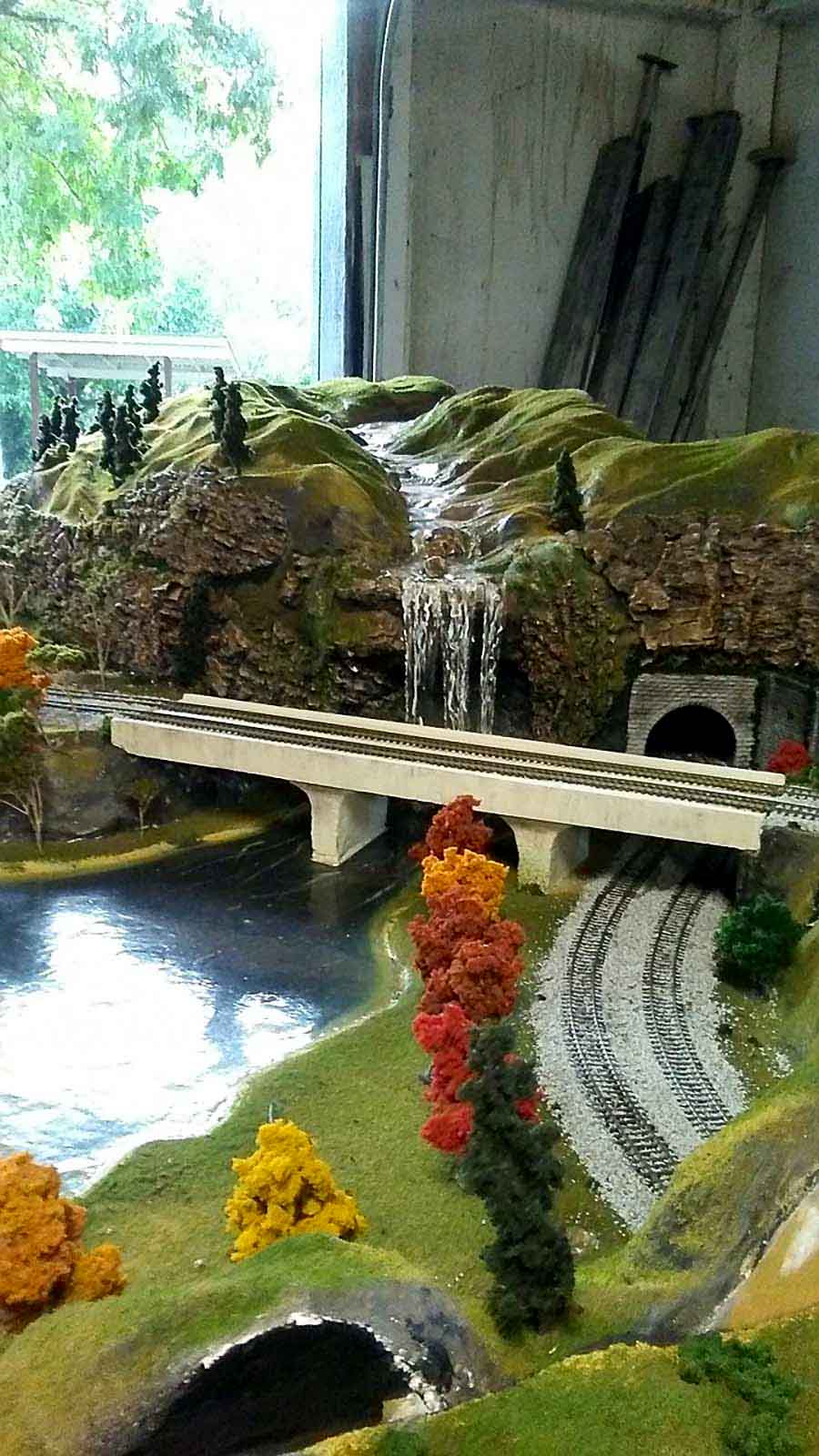
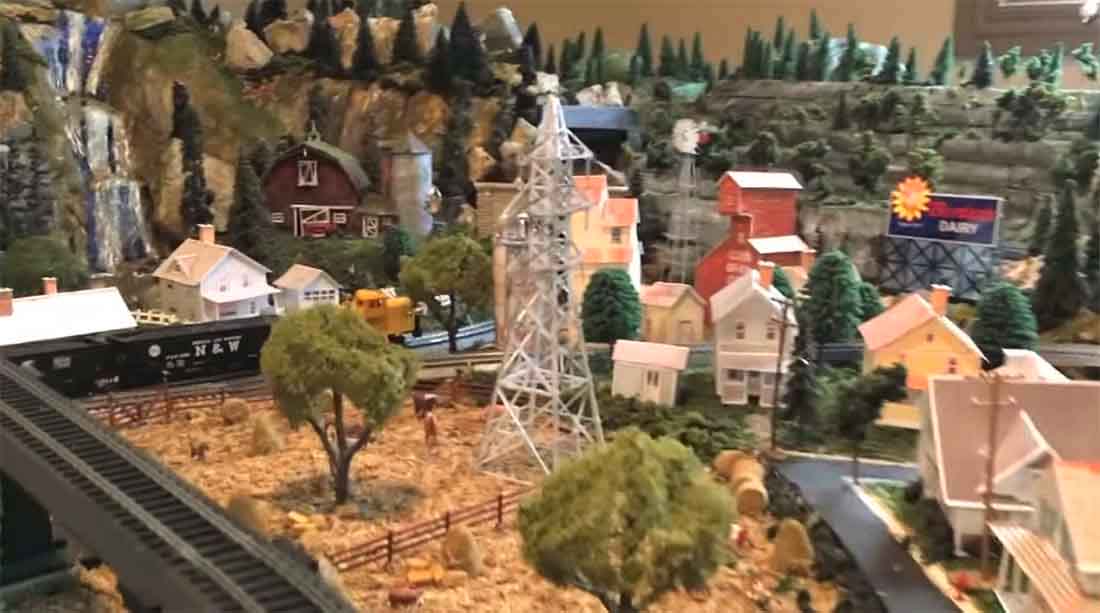
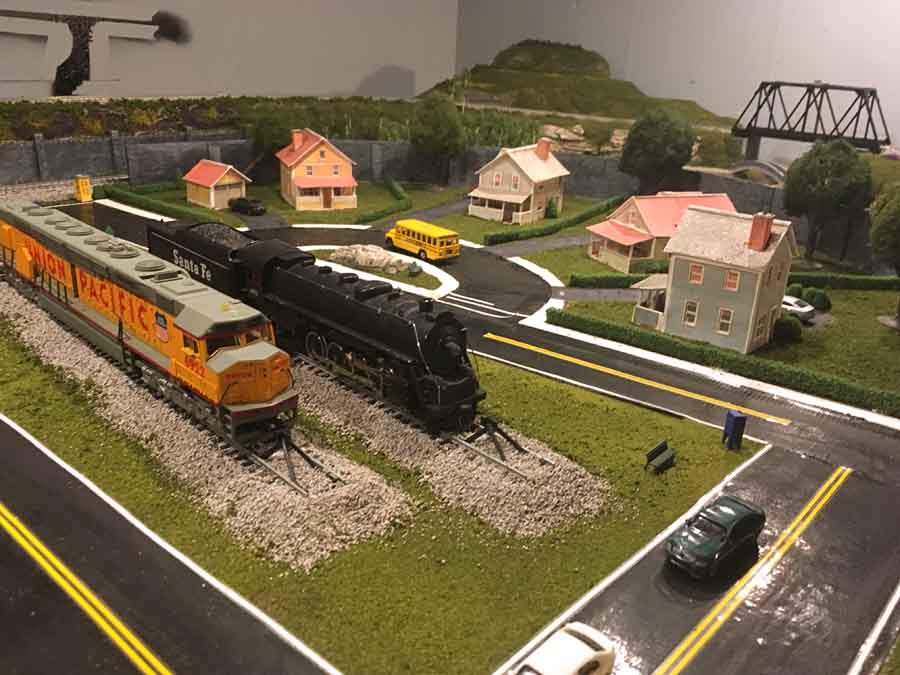
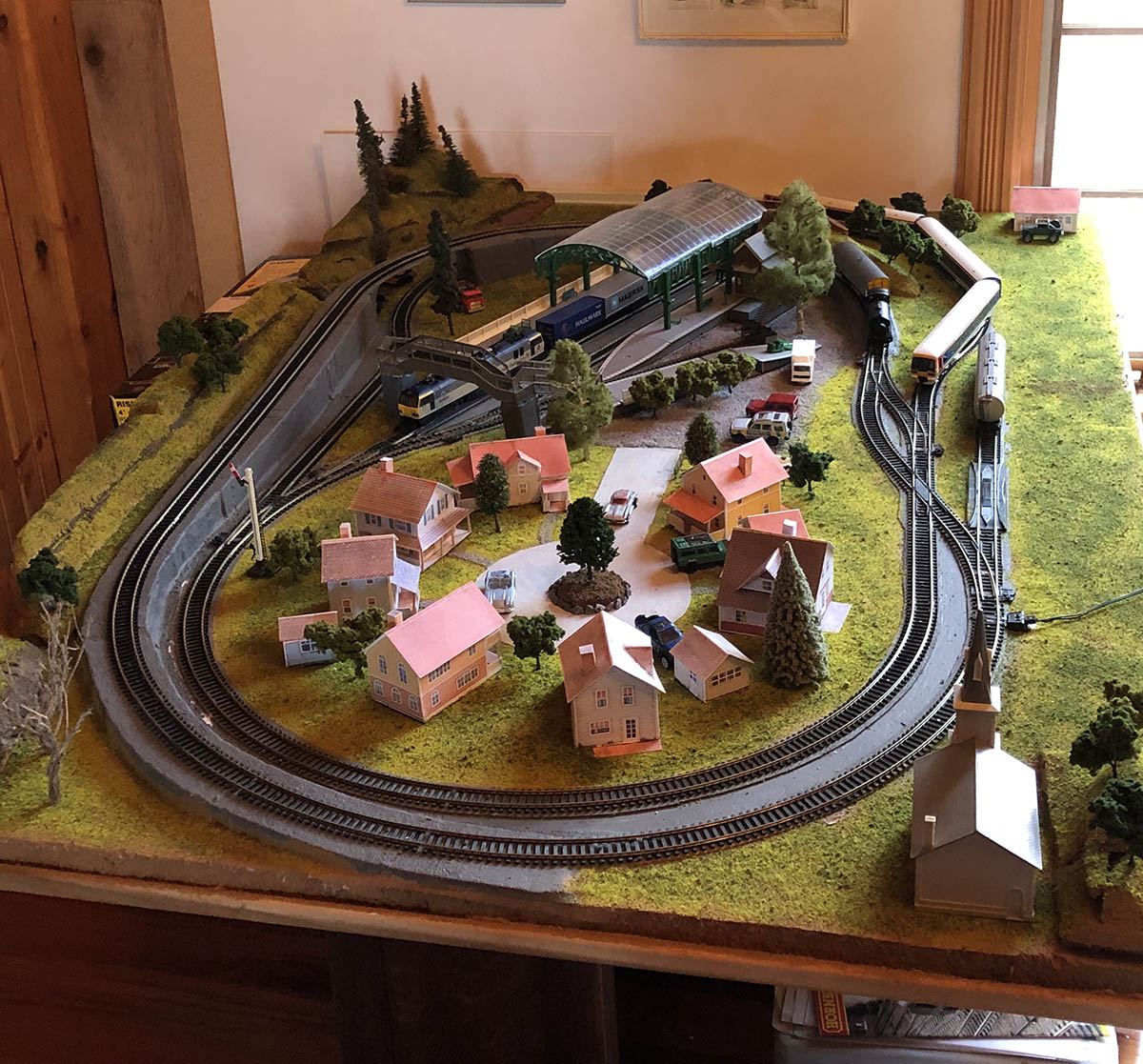
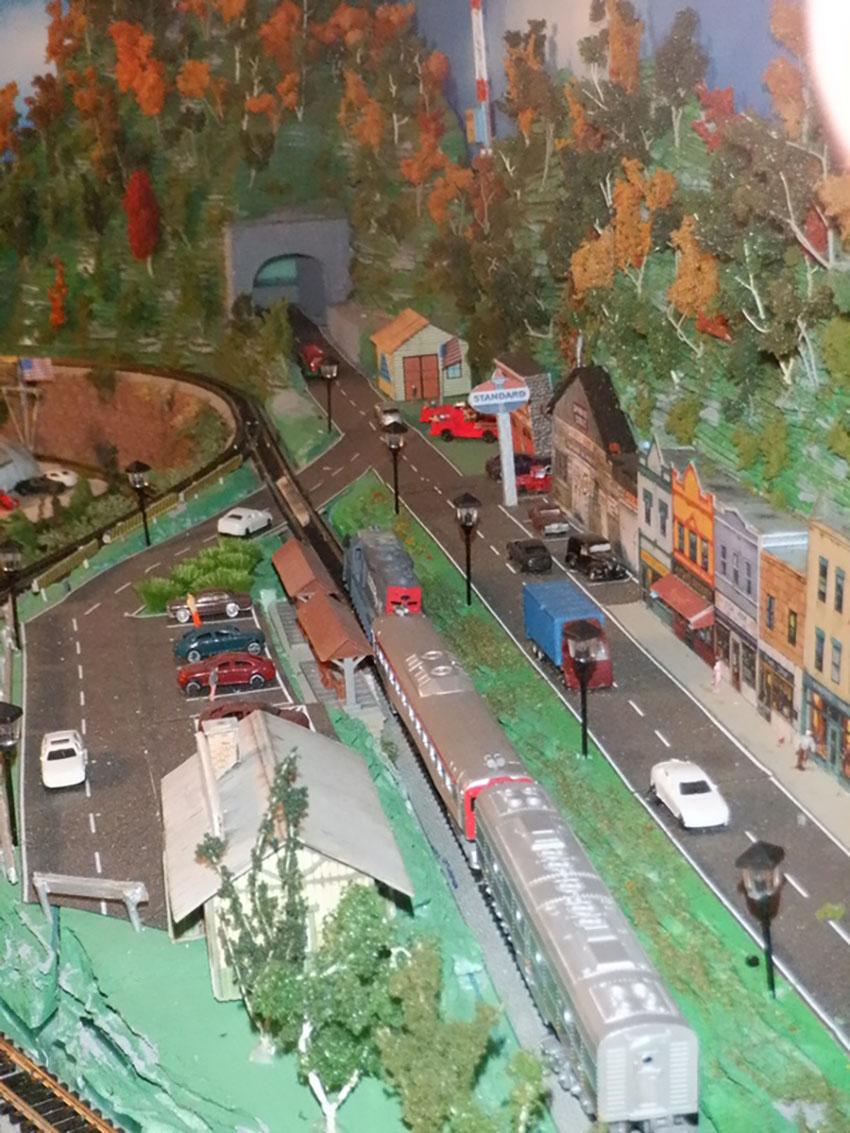
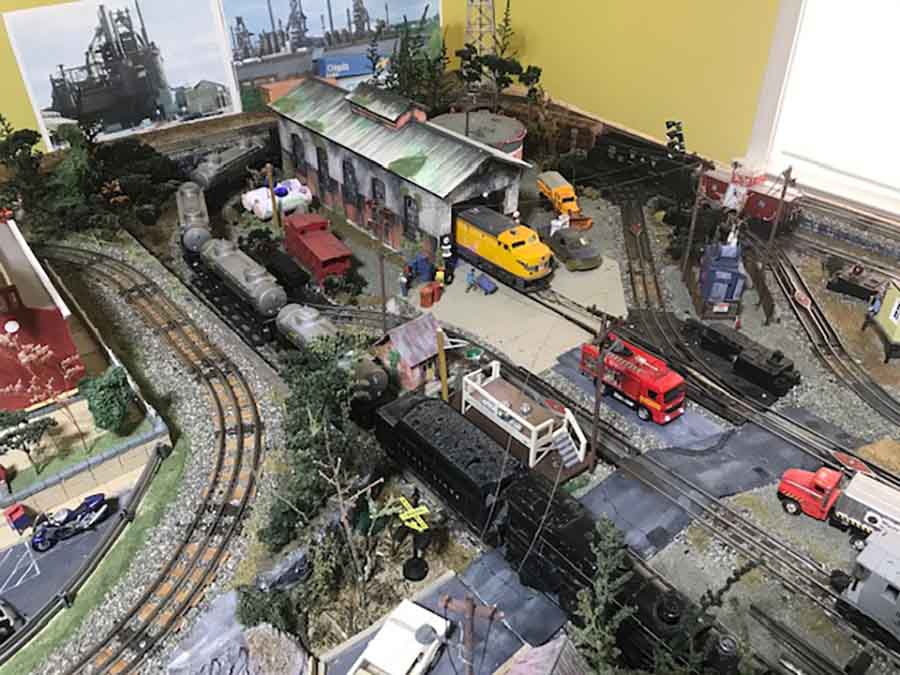
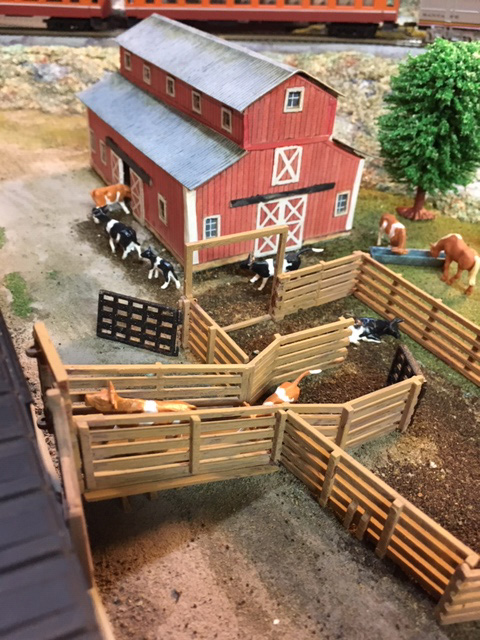
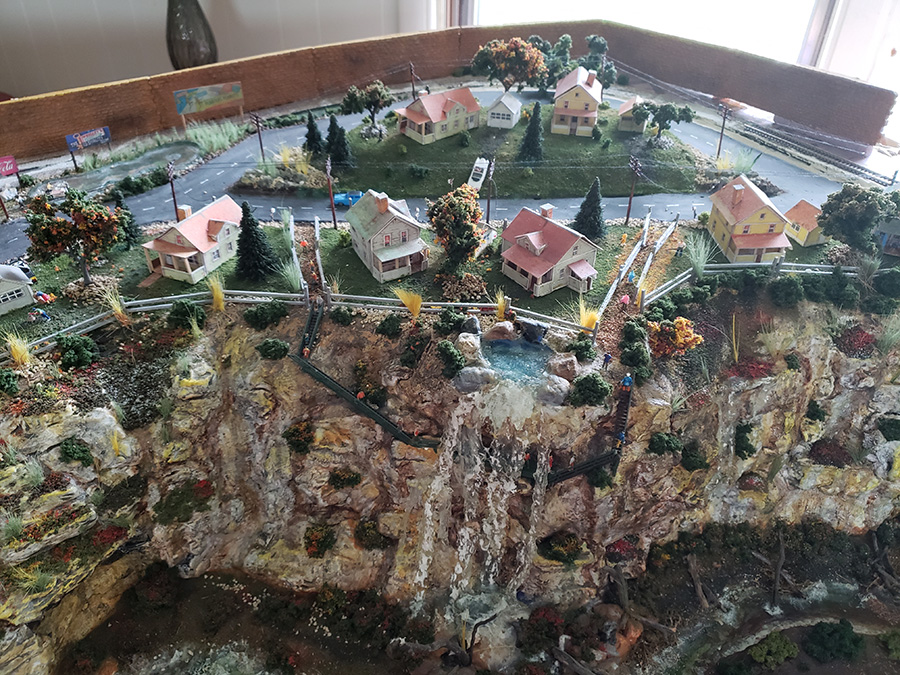
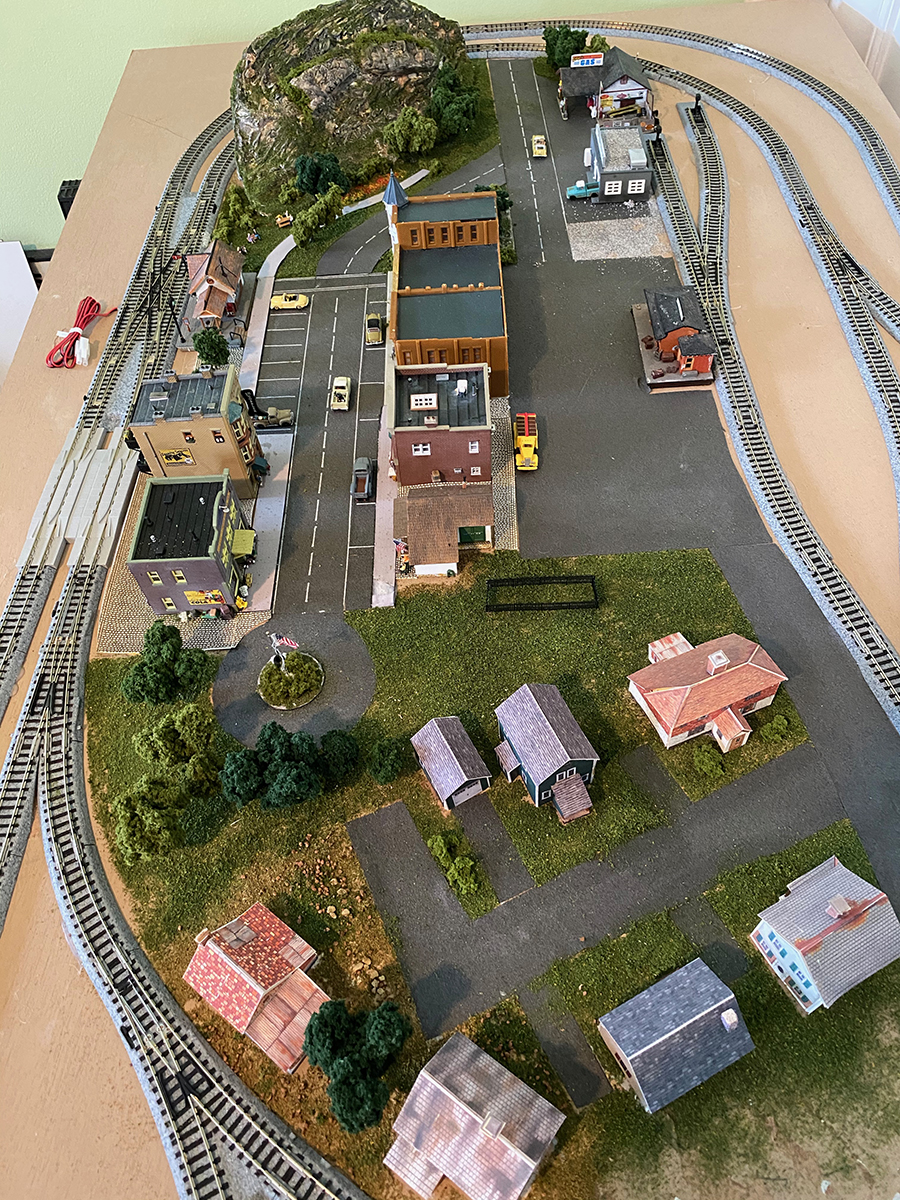
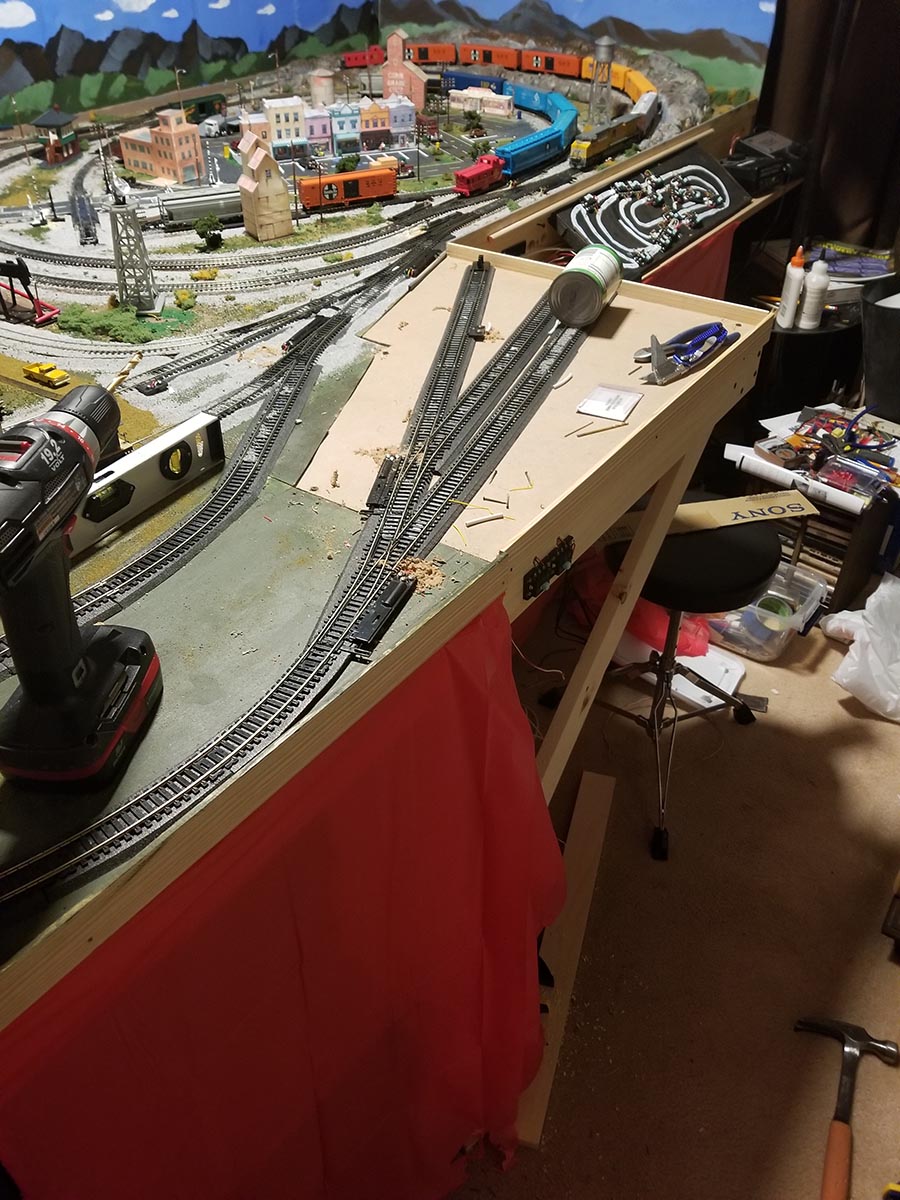
“My layout is 4′ X 10′.
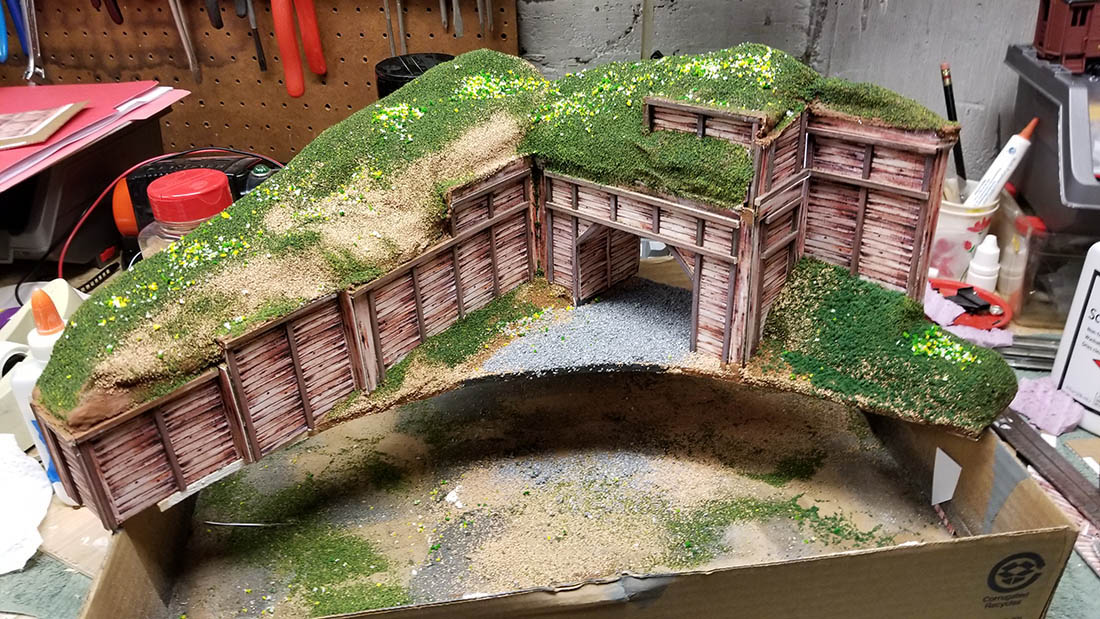
The railroad has a trestle and 3 other bridges crossing a stream.
It has 2 reverse loops and light sensitive switching to prevent the train from approaching a switch thrown the wrong way.
If the switch is in the incorrect position it will automatically correct itself and accordingly change the color of the LED on the control panel fascia. Because of the automatic switching the route is long as it travels behind the big mountain and the next time it travels in front of the big mountain.
It’s a Great Northern/Santa Fe layout. I have I have 4 Great Northern DCC Sound Engines and 1 Santa Fe DCC sound engine.
At one point the double track oval merges into a single track for a little while and then reopens to a double track…Because of the change to a single track, running two or more trains at once requires an attentive engineer to avoid a collision.(Just like in real railroading).
The big mountain was cast from a large piece of petrified wood. The DCC is Digitrax. The reverse loops are flawlessly controlled by 2 “Tony’s” PSX reversers.
The real railroading fun is the ability to program horns, engine start, engine stop, lights, bells, etc.
William”
(All pictures are clickable)
And now the latest from Dangerous Dave.
It’s wonderful to see videos of layouts with the trains running, but sometimes the videos can be slightly ‘wobbly’.
Dave’s bought himself a new toy – a gimble to stop camera wobble. And you watch the vid, you’ll see his camera following a train flawlessly:
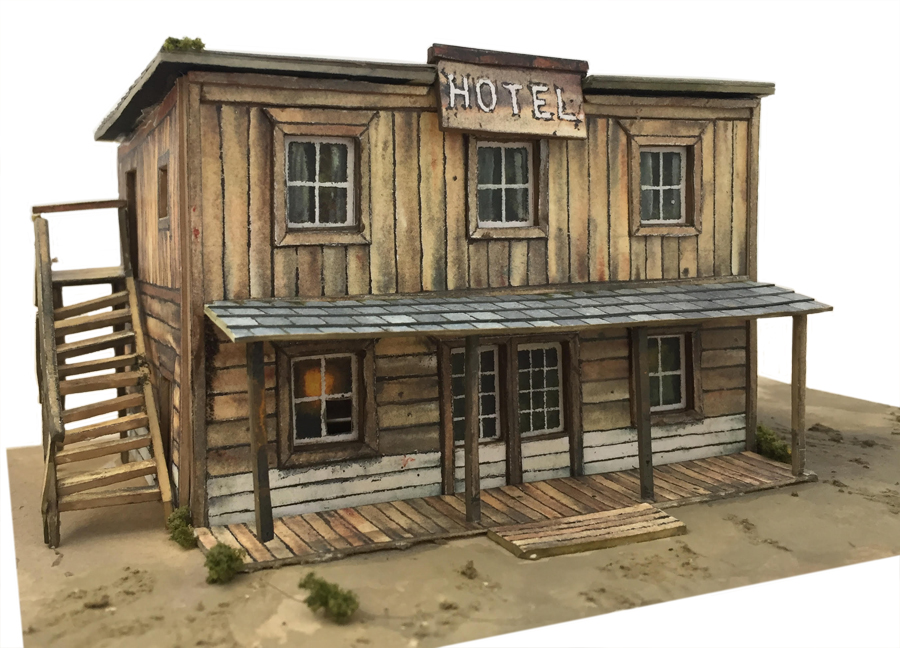
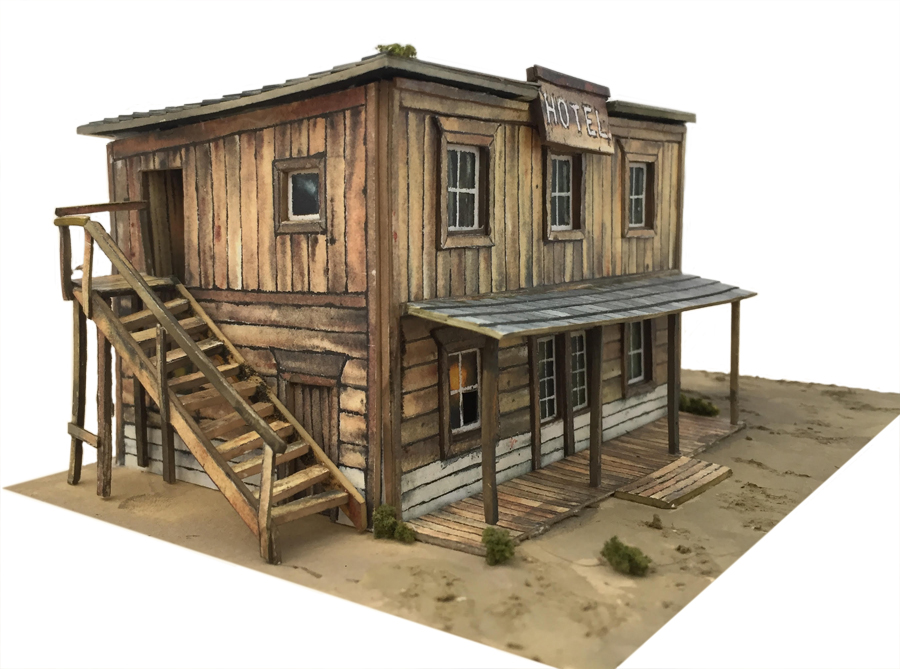
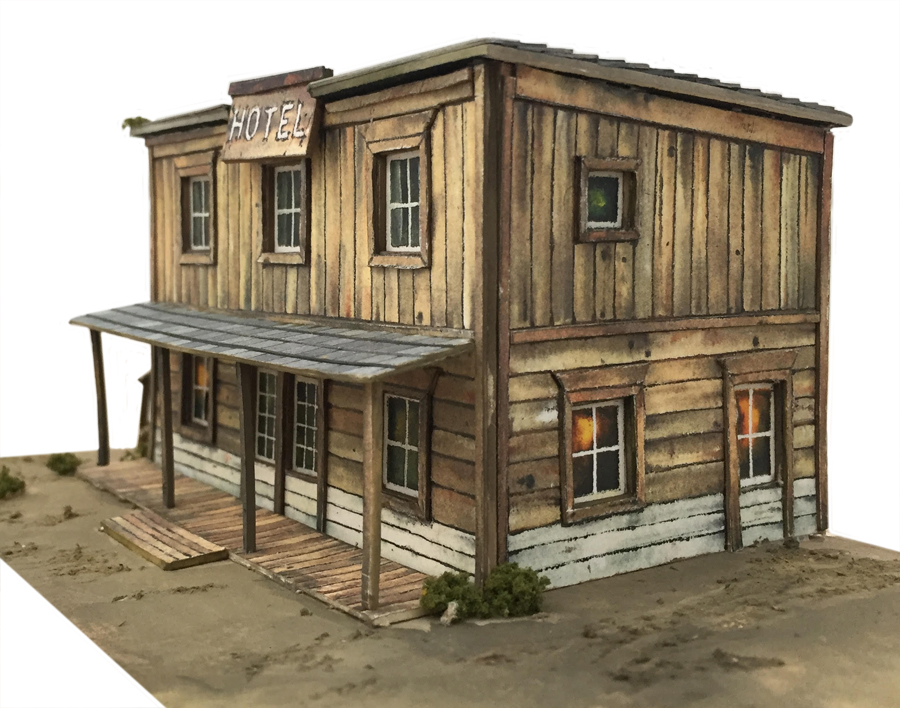
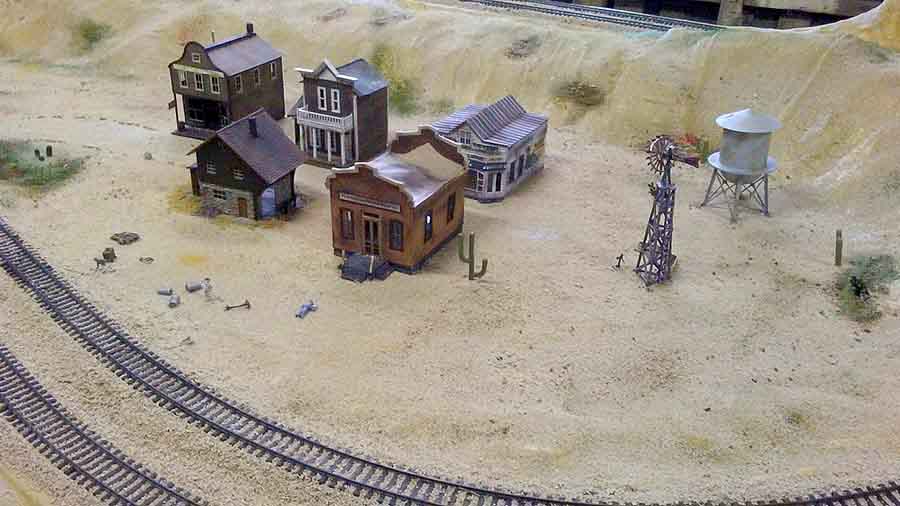
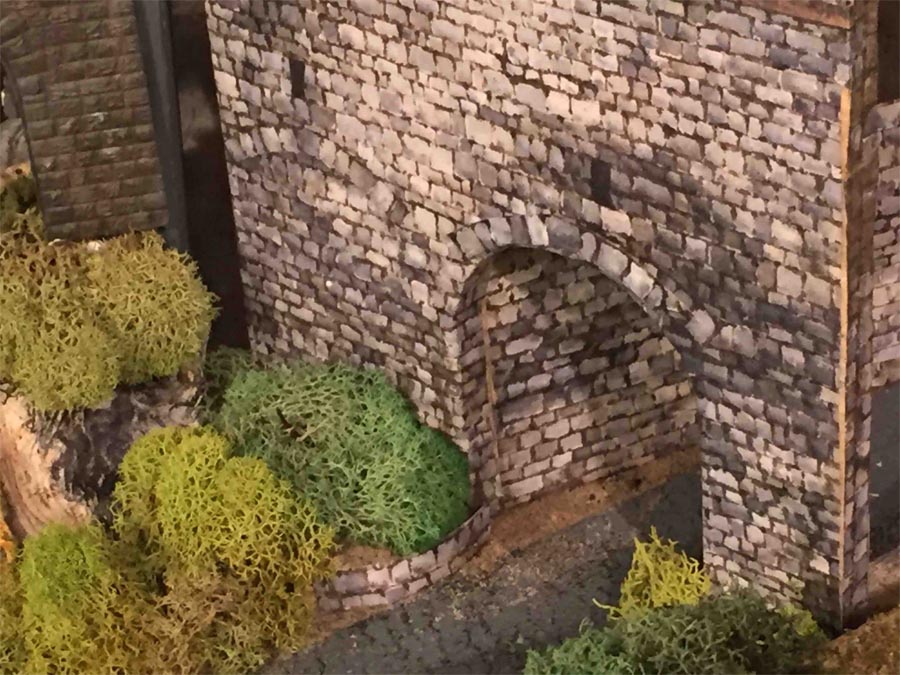
William’s layout reminded me of some print out scenery: the hotel/saloon.
Somehow, it never got put on the site, so I’m going to put that right this week.
It’s worth seeing again just for the bonkers video John did.
It’s all HO scale, so if you want N scale, just reduce the print by 54%.
Here’s the saloon – or hotel – depending on what sign you stick on it (you get both with the print).
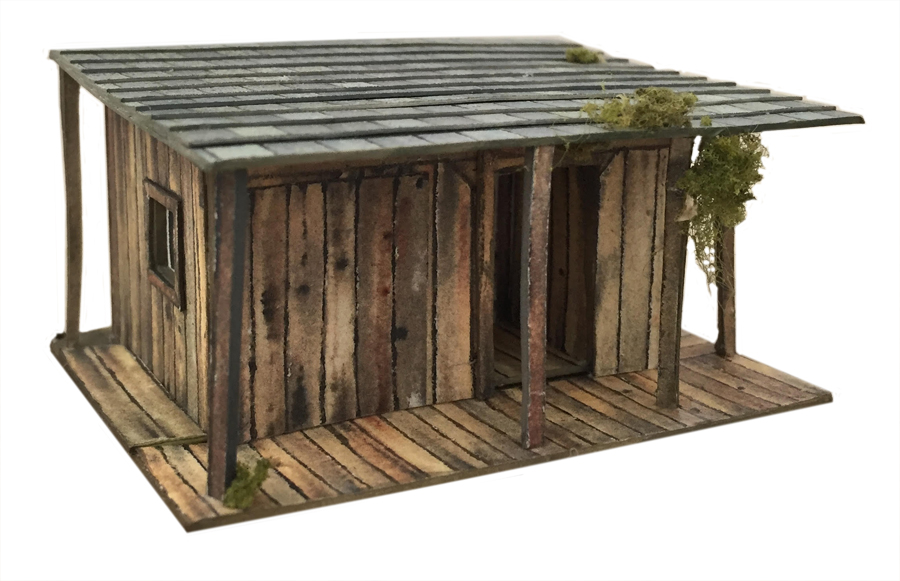
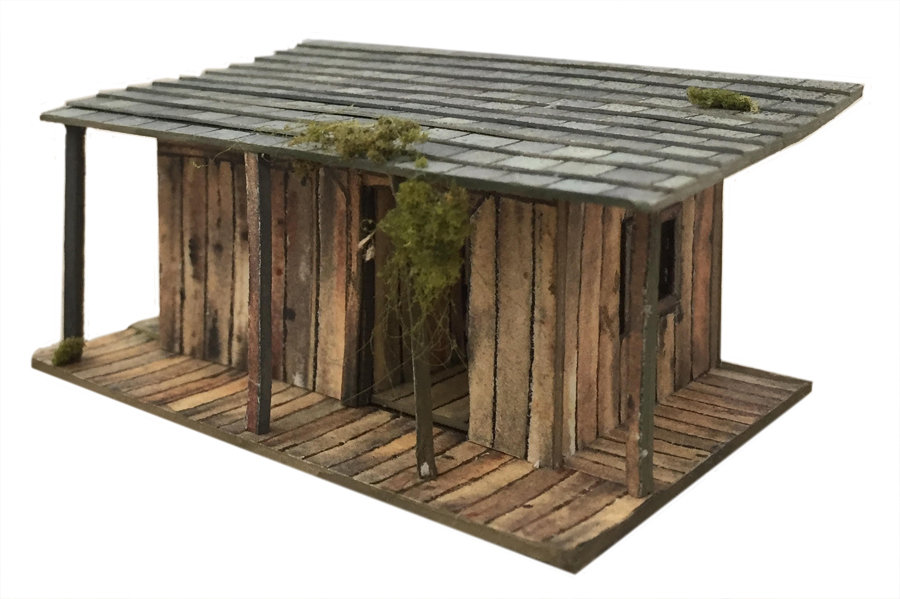
And if you’ve watched the video below, you’ll also see that John used the same print to make this little shed:
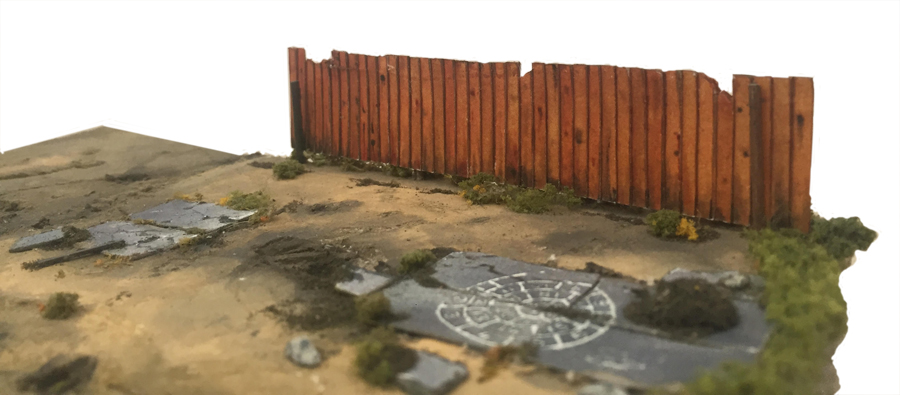
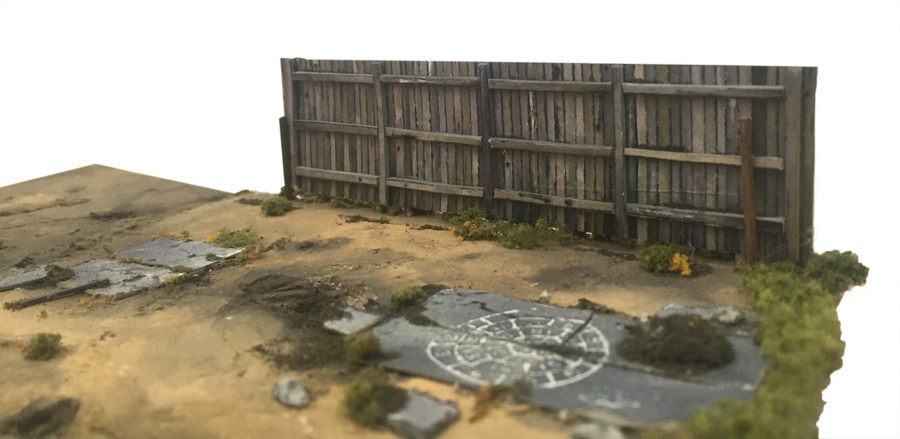
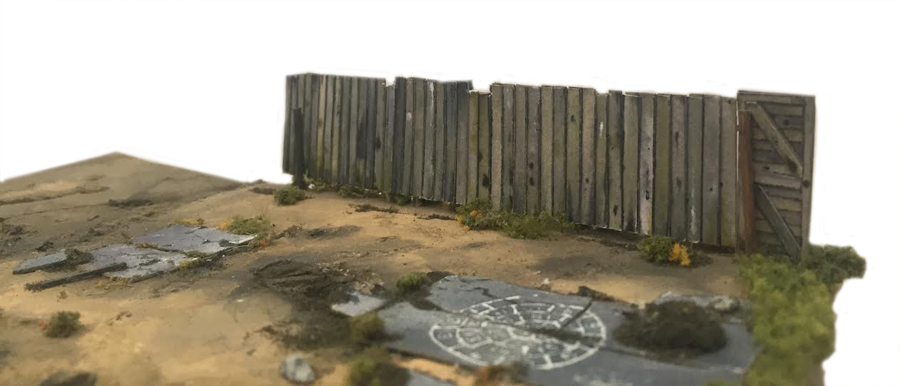
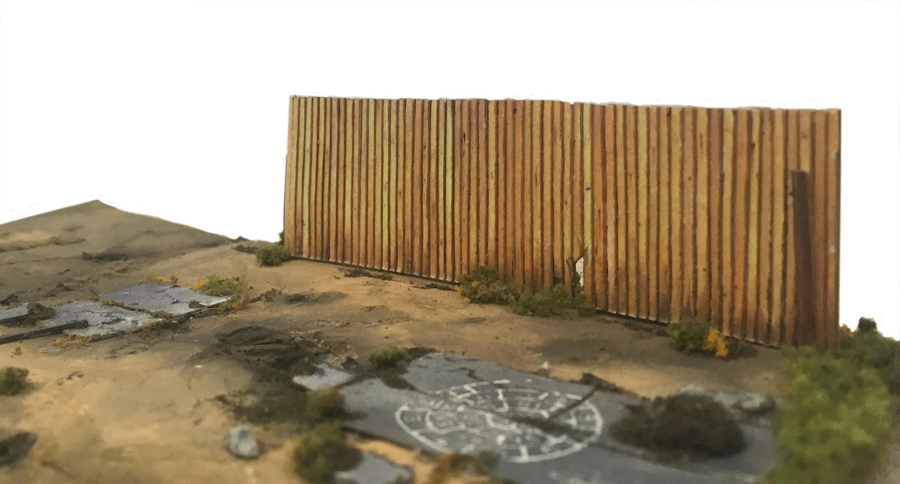
And here are the fences – here the pics only show a short length of them – but of course, you can print out as many as you like and make the fences as long as you like.
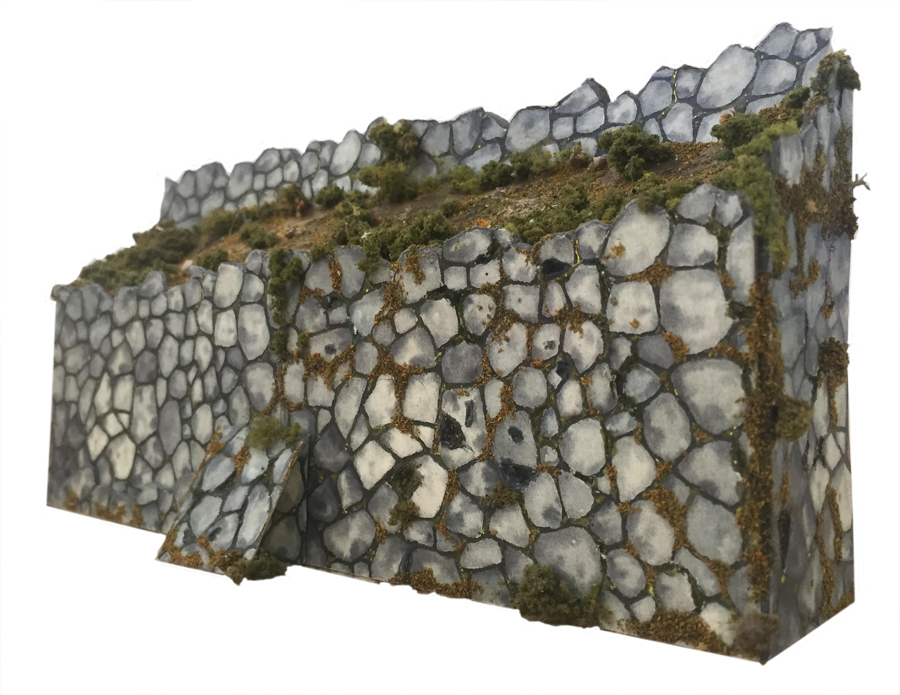
The patios are included in this set of prints too – but I didn’t take any pics – you’ll see them on the vid though. John also made a wall out of one of the patio prints too:
Here’s the vid:
Right now, you can get all three for just $9 – that’s a $18 saving.
Just click here, or the button below, to buy them right now at the discount price, and save yourself $18. Course, I’m biased, but that’s not a bad saving at all.
Peter’s been in touch again with some more pics of his railroad scenes – his O scale models really do bring it all to life.
If you missed his last post, it’s here (he also wrote a wonderful narrative too).
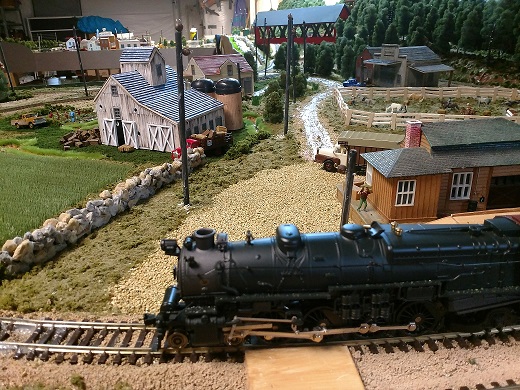
“Hi Al, various scenes from my O scale 2 rail, from humble beginnings to detail… thx and be well!
Peter”
(All images are clickable)
O scale models:
Stunning stuff and some wonderful scenes. It’s a wonderful layout to revisit with new pics.
A huge thanks to Peter for sharing pics of his O scale models.
He’s been kind enough to send lots of pics and helpful stuff in over the years – it’s a real joy when I see his name pop up in my inbox, because I know it’s going to be something good.
Clearly he loves his scenery and painting his engines, if you look at his pics the locos look spot on.
You can see how he strips the engines down and paints them in the bottom of this post:
Another contributor to the blog in O scale is Bill (Well, he does HO and N as well). His scenery really stand out for me – don’t just take my word for it though, have a look for yourself.
O scale scenery. Bill also uses a lot of O scale models to bring his layout to life.
There’s also the every popular Lionel O scale trains:
There are quite a few updates from Wayne on the blog and I’ve enjoyed them all.
If you’d like to share your layout, Just like Brent did with the 4 lane HO track layouts, please just email me.
Lastly, if you’ve been sitting on the fence about the Beginner’s Guide and printable buildings, I guess it’s now or never for you.
It’s nearly the last day day for the silly sale, I thought I’d show just how good value it is with some more scenes made from the printable scenery in the silly sale.
If you want to watch the full length version, with Bonkers John at full throttle, It’s here.
I’ve never given away so much for so little – just $9.
Are you really going to miss out on this crazy offer?
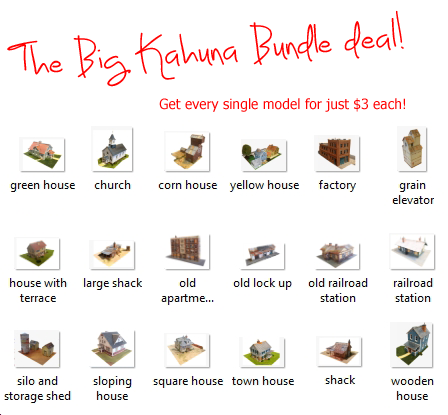
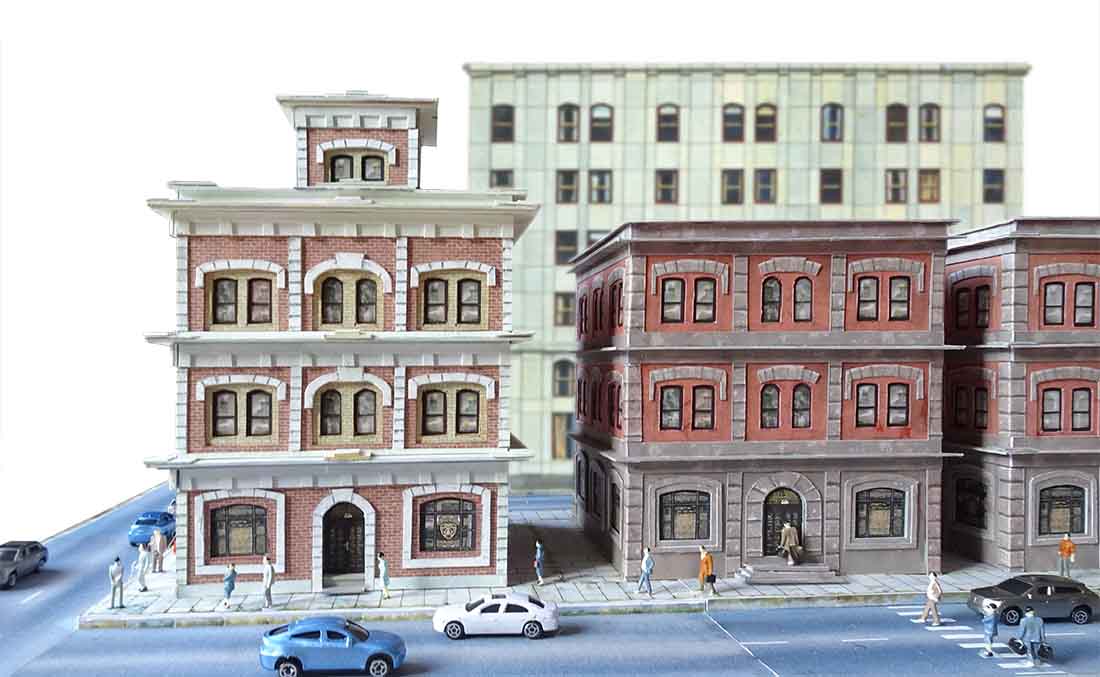
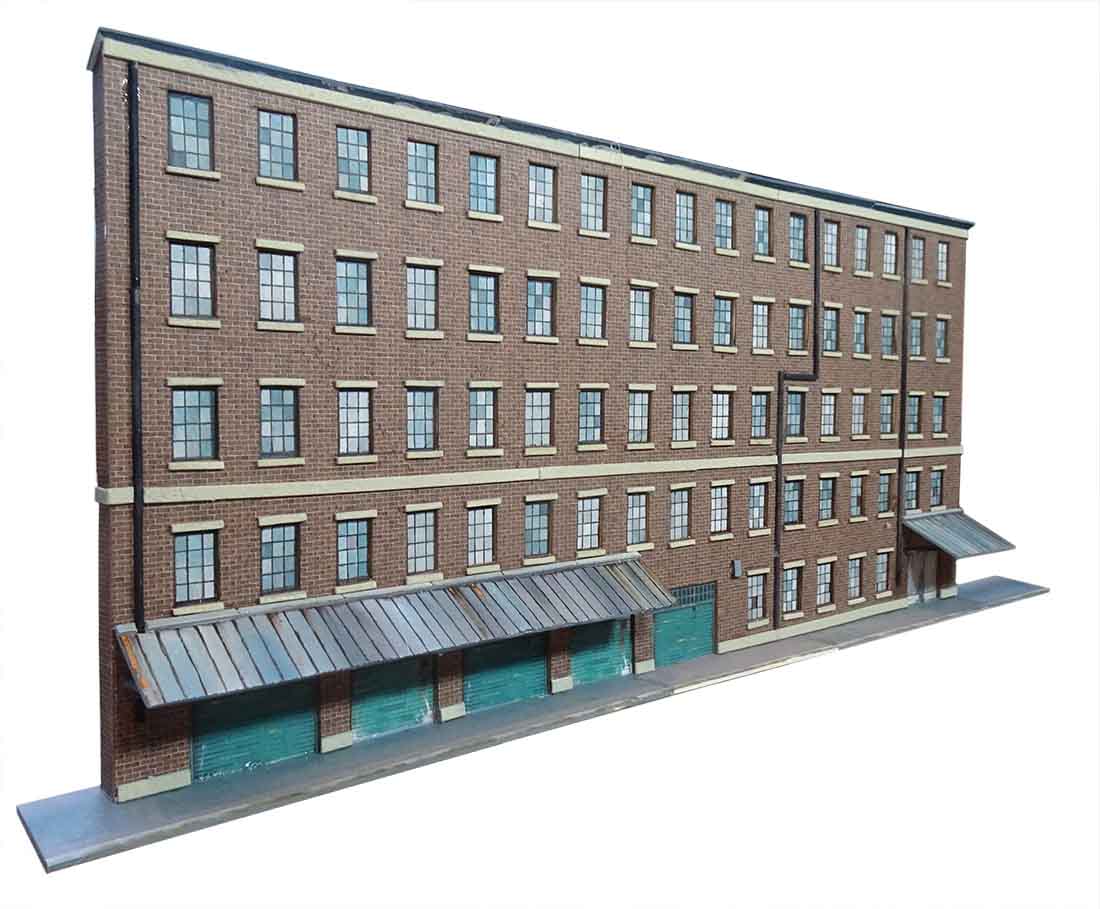
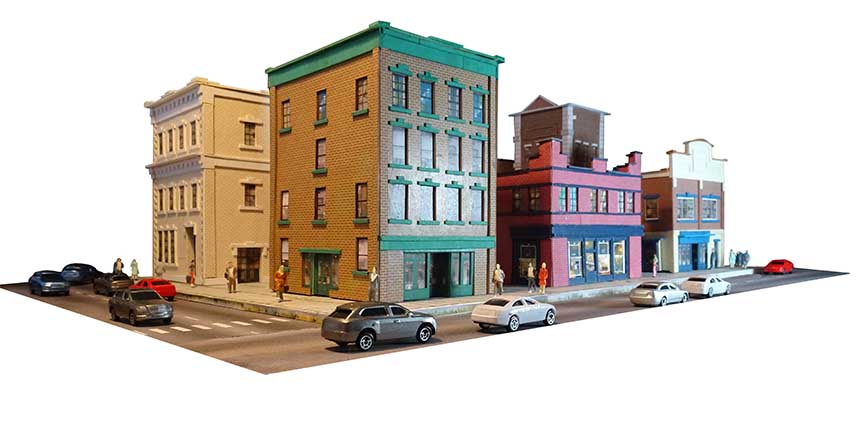
Here are some of the buildings on your layouts:
“Al, like you I have been retired for some time now.
I have gone back to my American Flyer, s Guage boyhood train.
I have had “n guage, HO, G scale”, and this American Flyer has been the most fun of all. I guess it takes me back to my parents basement where my 4 x 8 foot layout was back in the early 50’s.
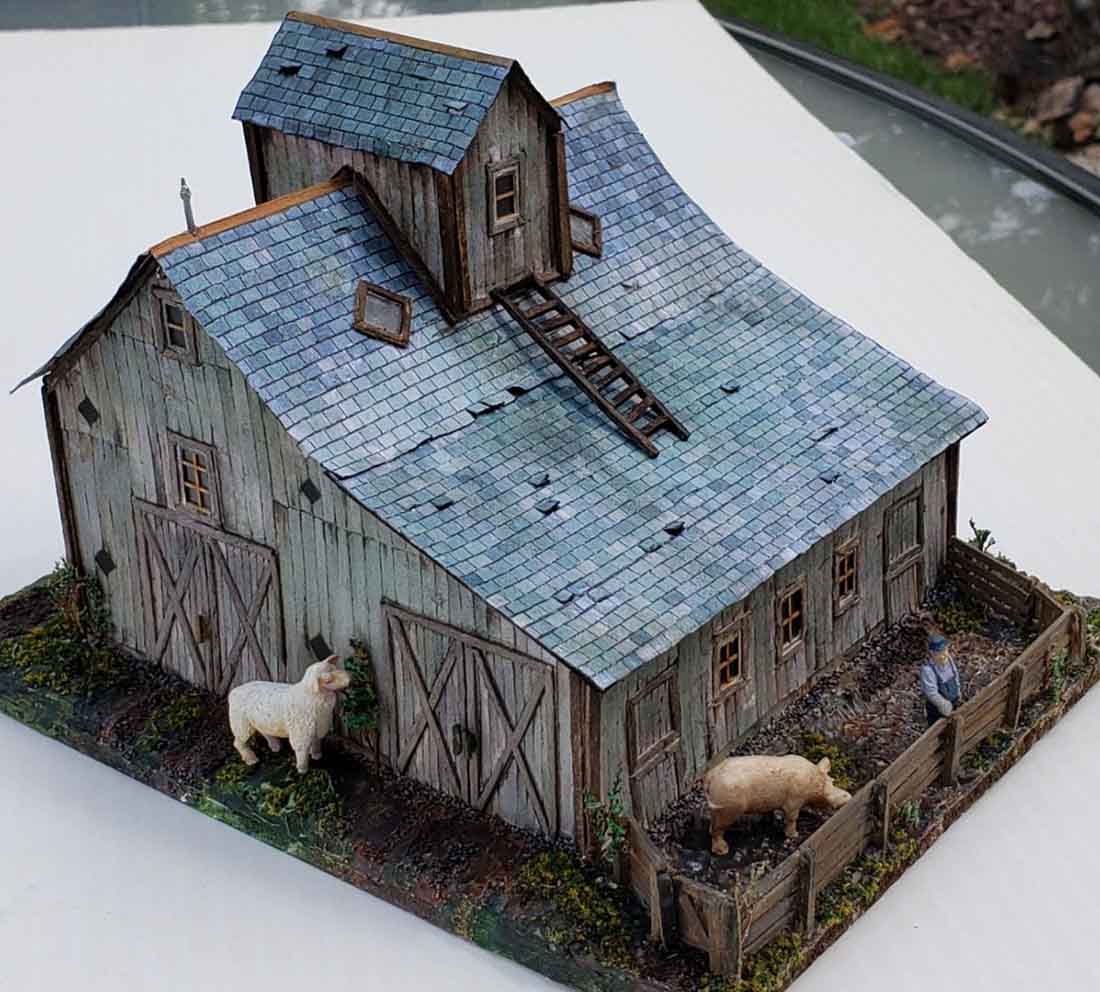
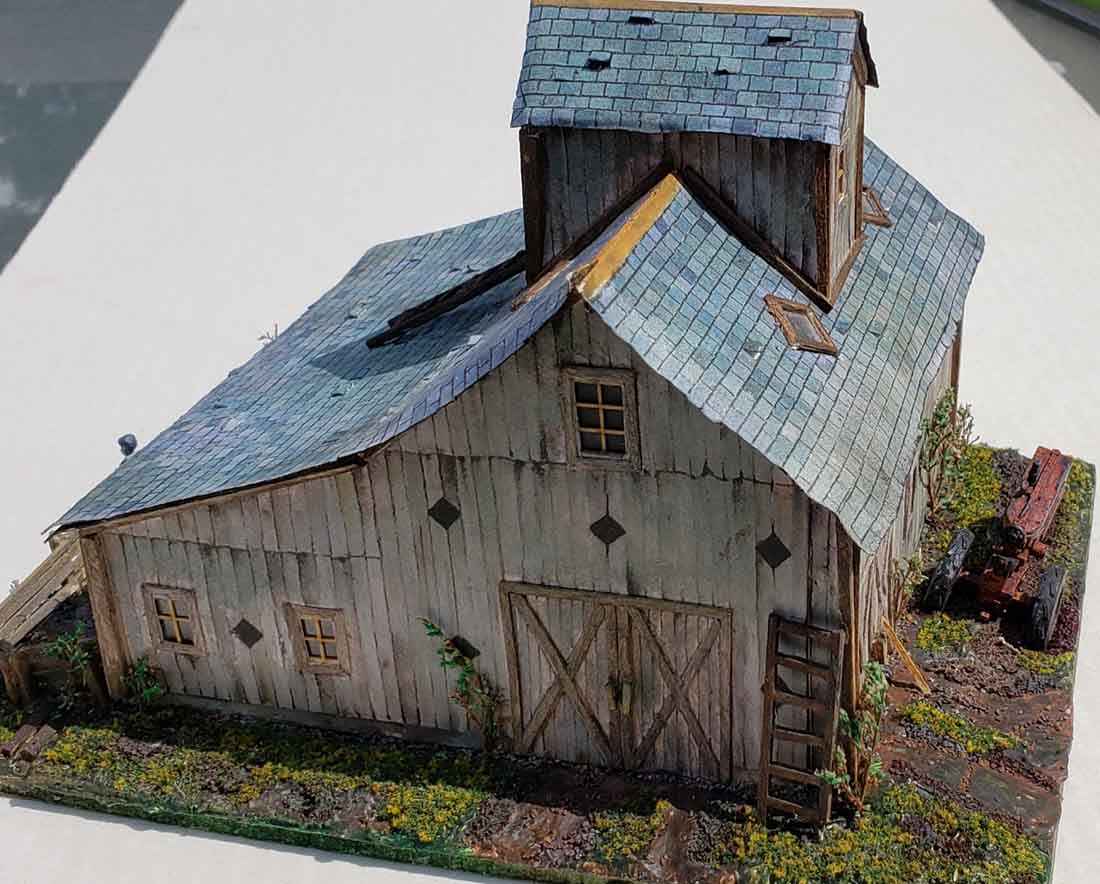
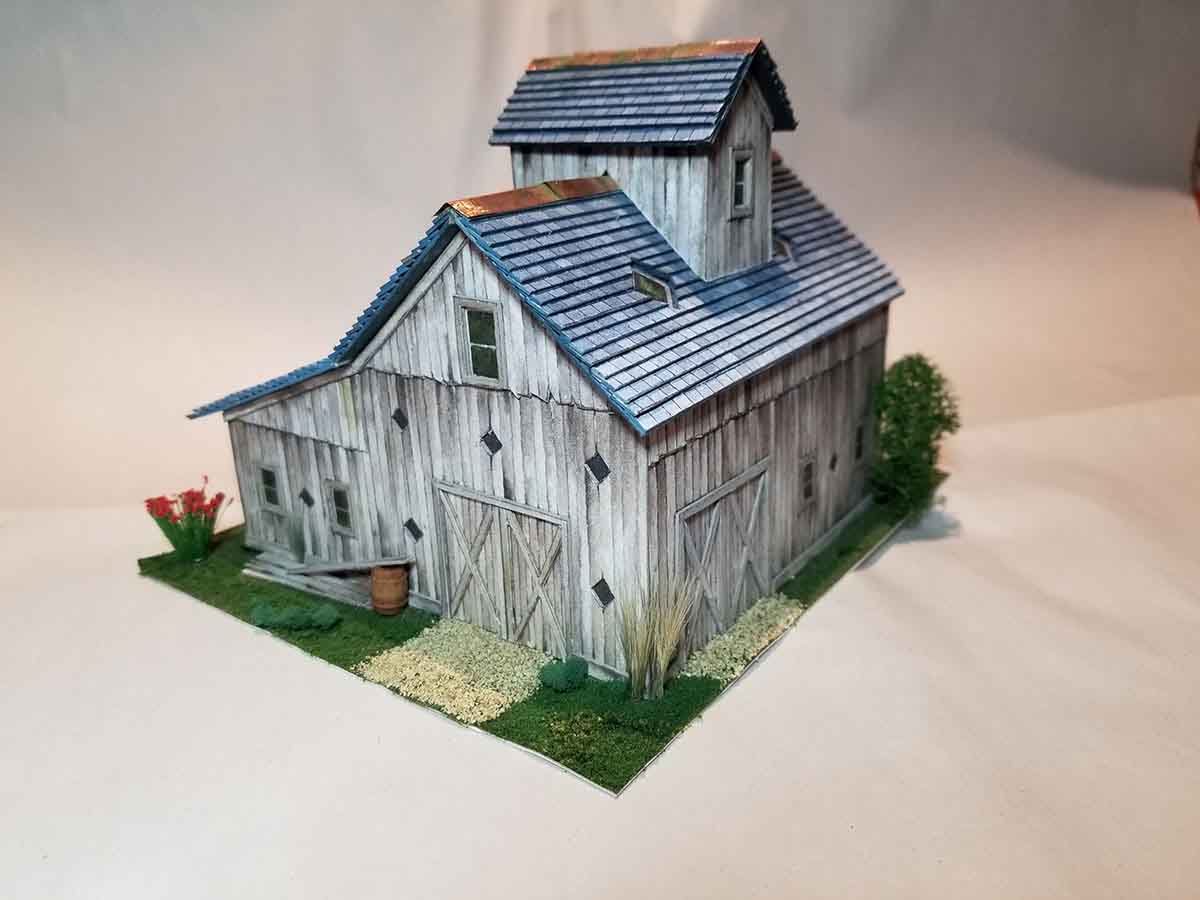
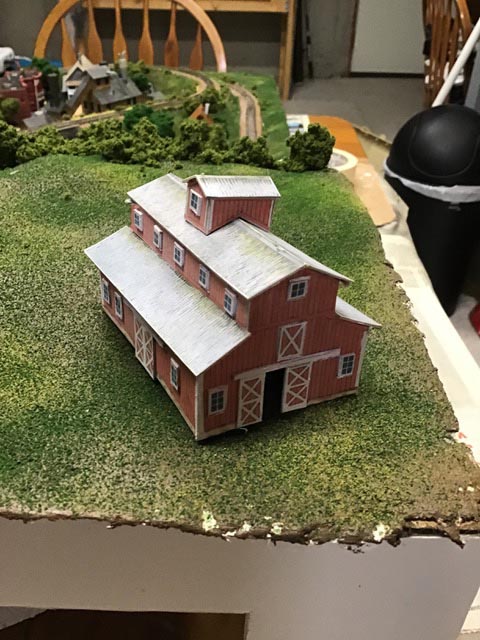
I resized your wonderful old barn and had so much fun building it. Here are some pics. Hope everyone enjoys it as much as I have.
Jerry from Illinois, USA.”
“Al,
Great project and a lot of fun. The barn is on it’s way to the Railroad Club.
Charles”
“Al
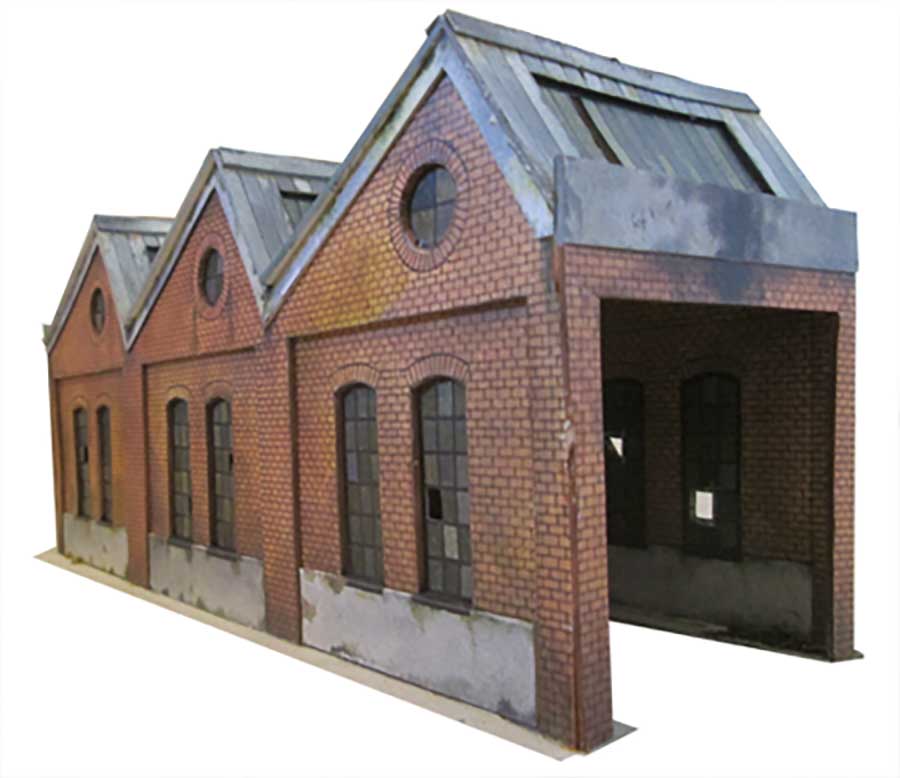
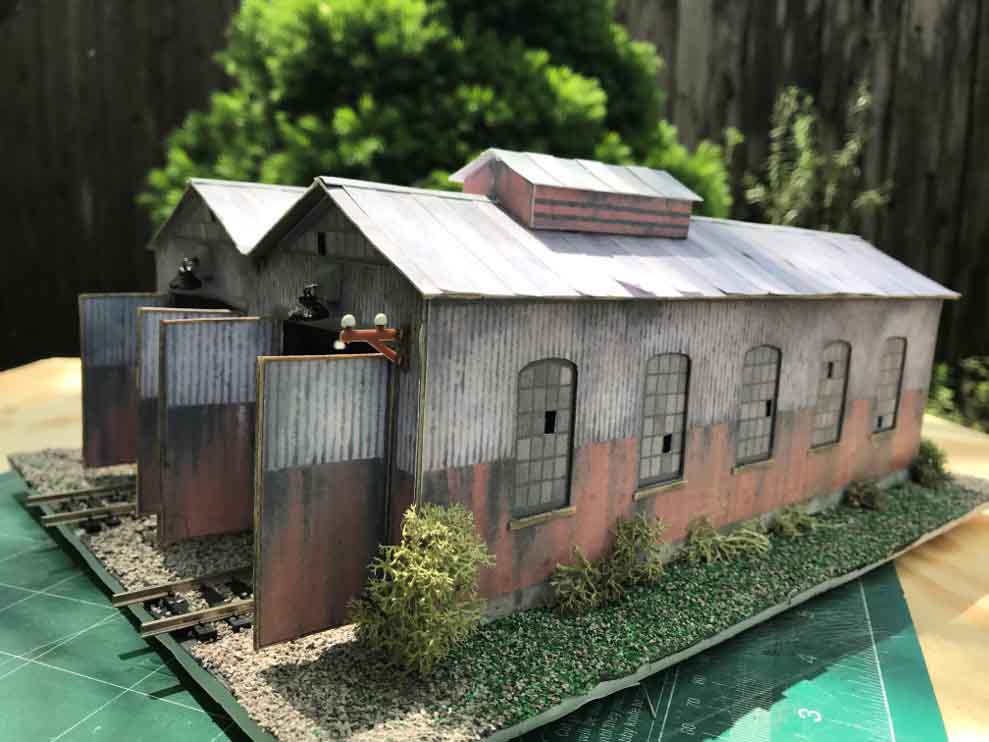
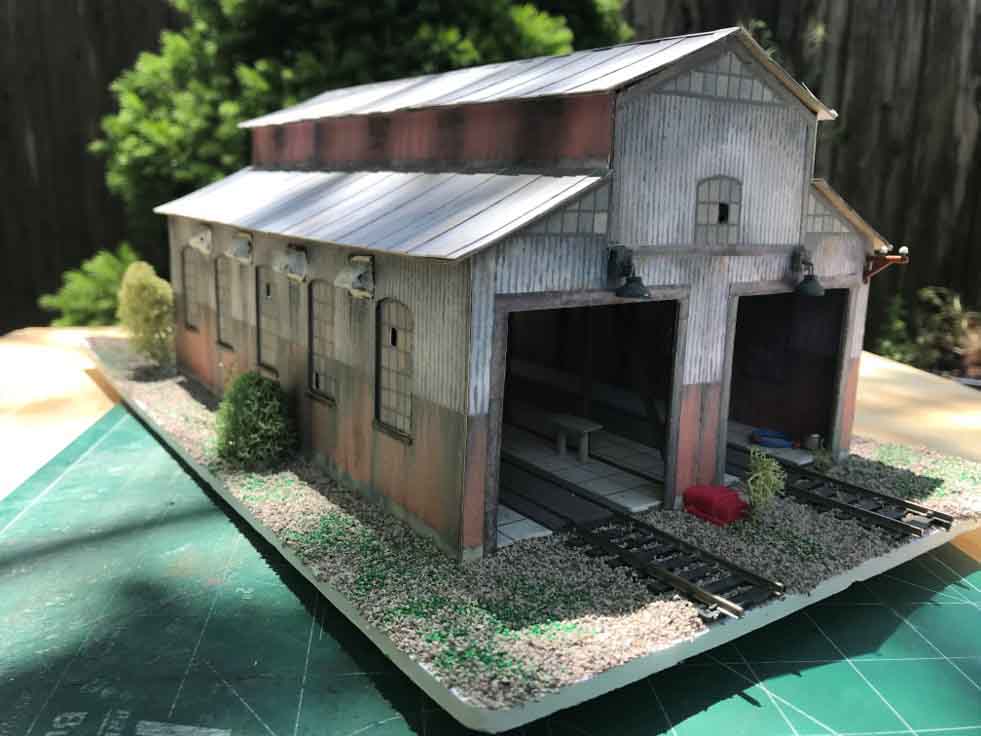
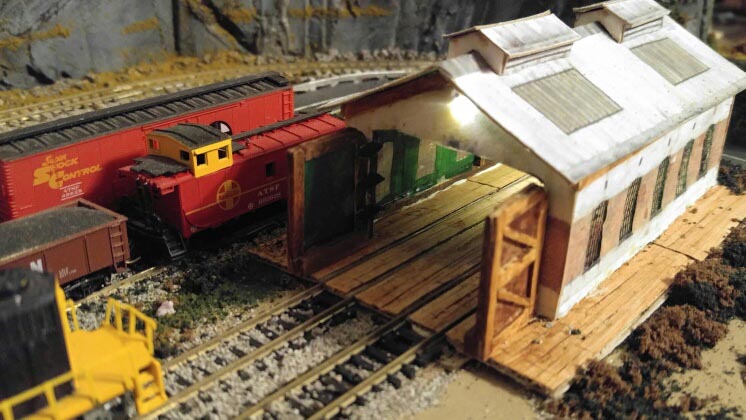
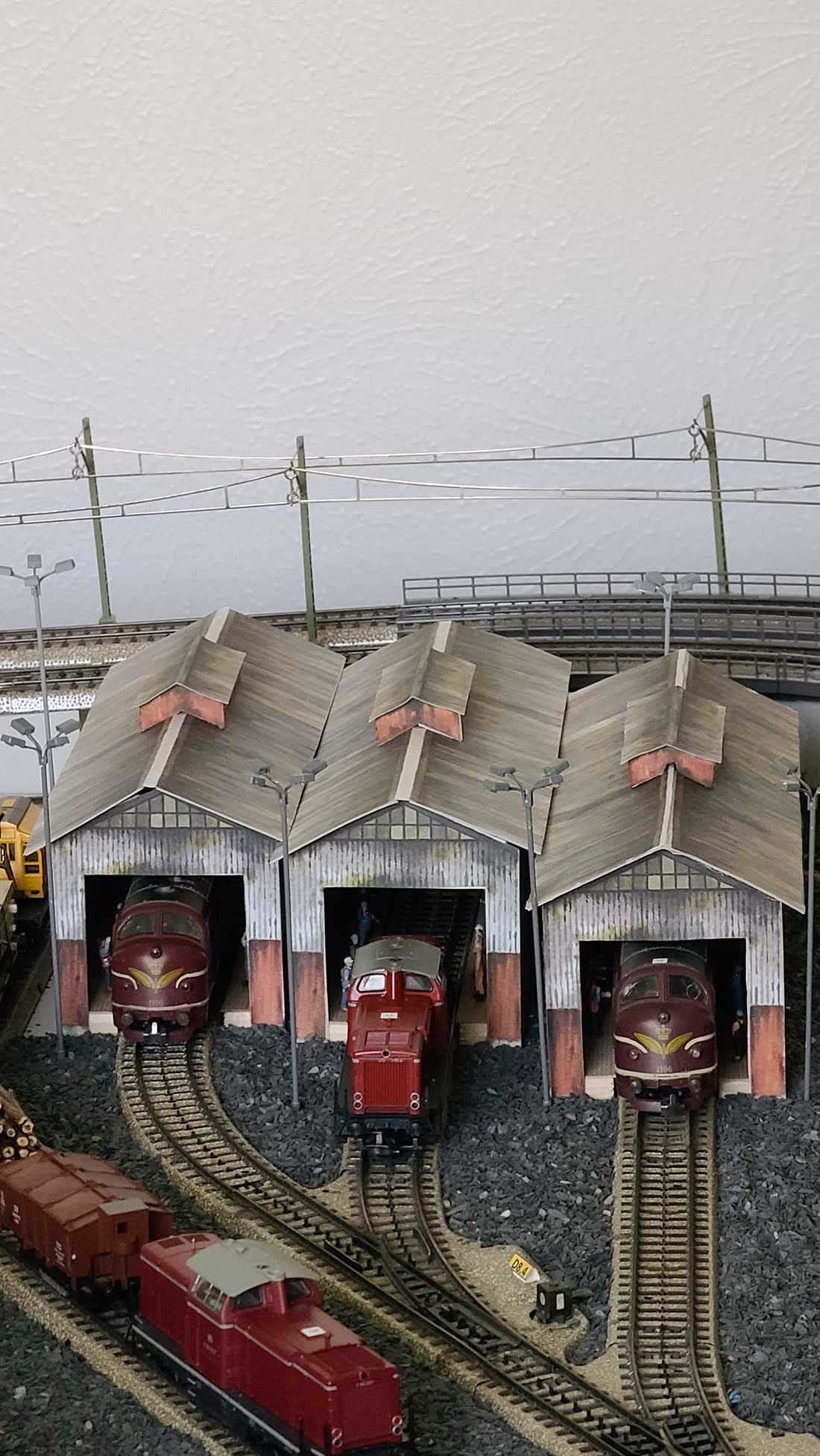
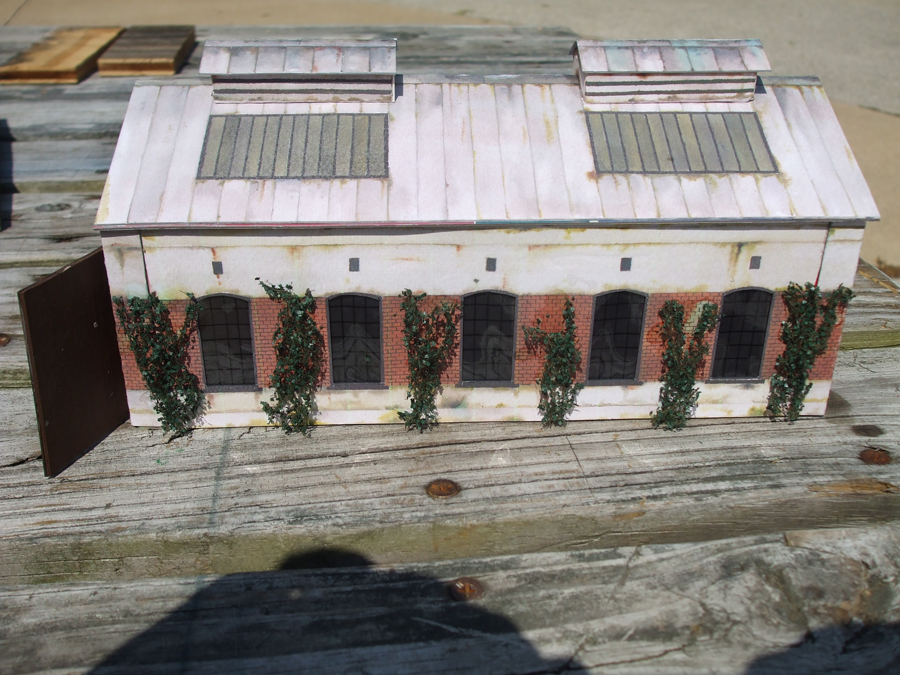
I have enjoyed your site for a long time, since I have retired had to find something to fill the spare time, I purchased one of your bundles and printed out one of the Engine sheds among many others.
I have created my own version of the Engine shed as shown in the pictures.
Side walls have ventilation fan vents.
I have dreamed to set up a model railroad layout for a long time and when I started to make it a reality one thing came up after another, like kids, education, weddings and now I have time and room to finish the dream, but not much of a budget.
Best to all talented people like Hall of Fame Dave, talented hobbyists and their many beautiful layouts.
Ryszard”
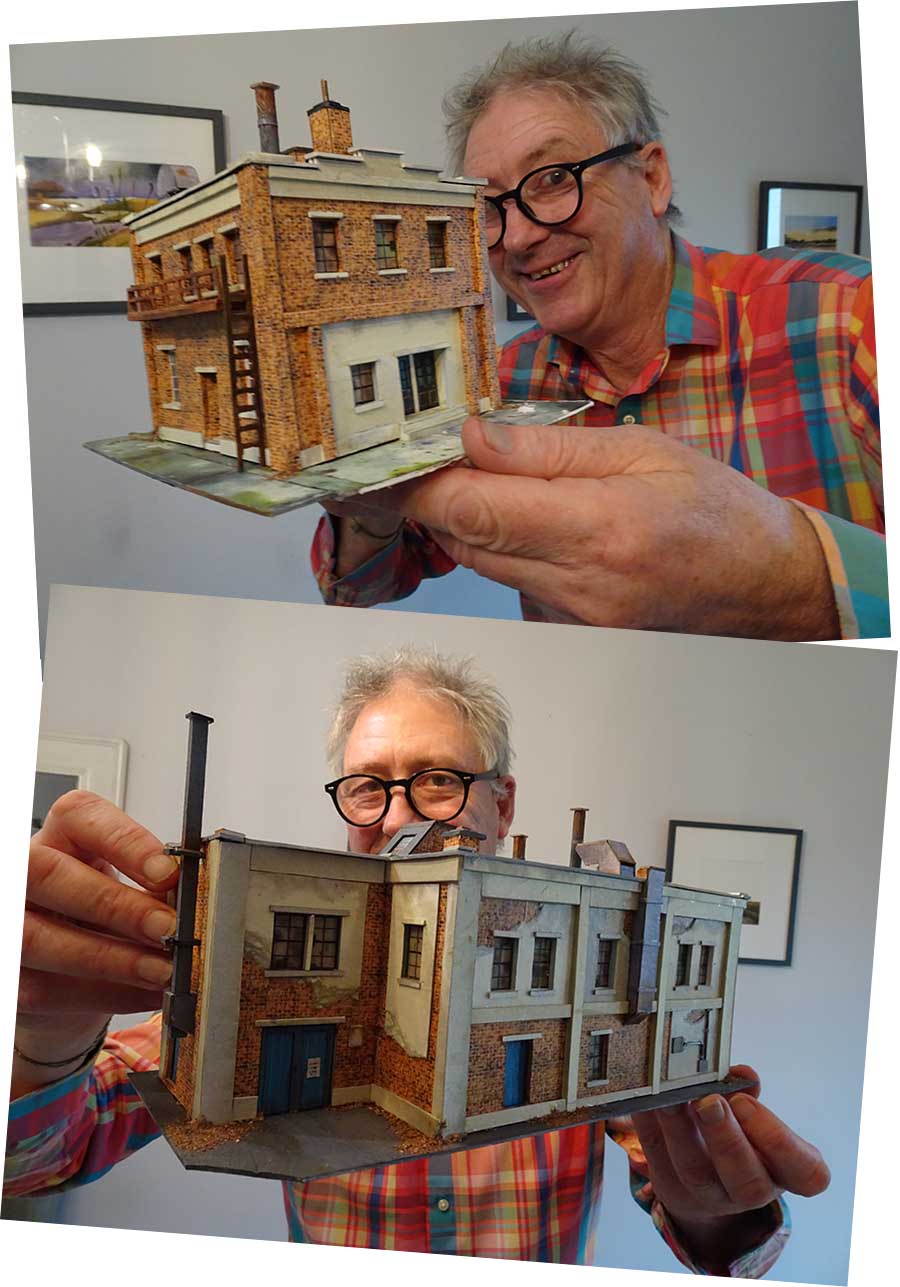
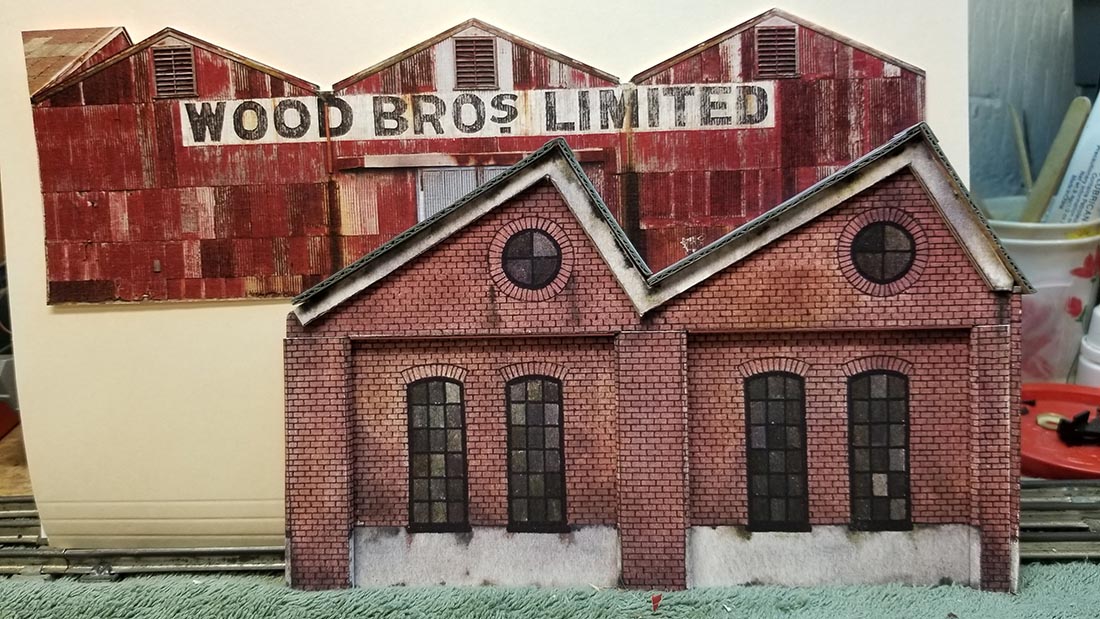
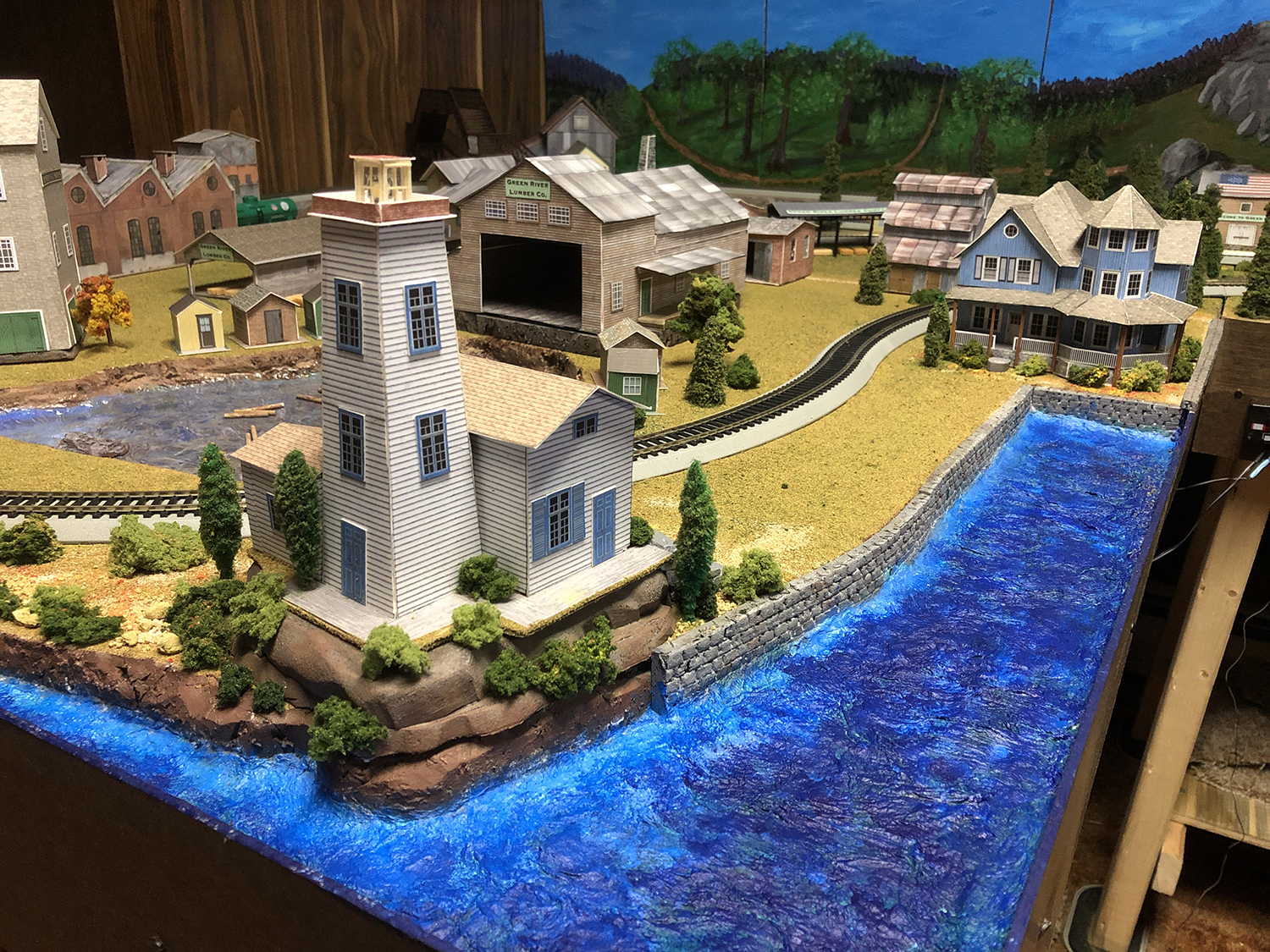
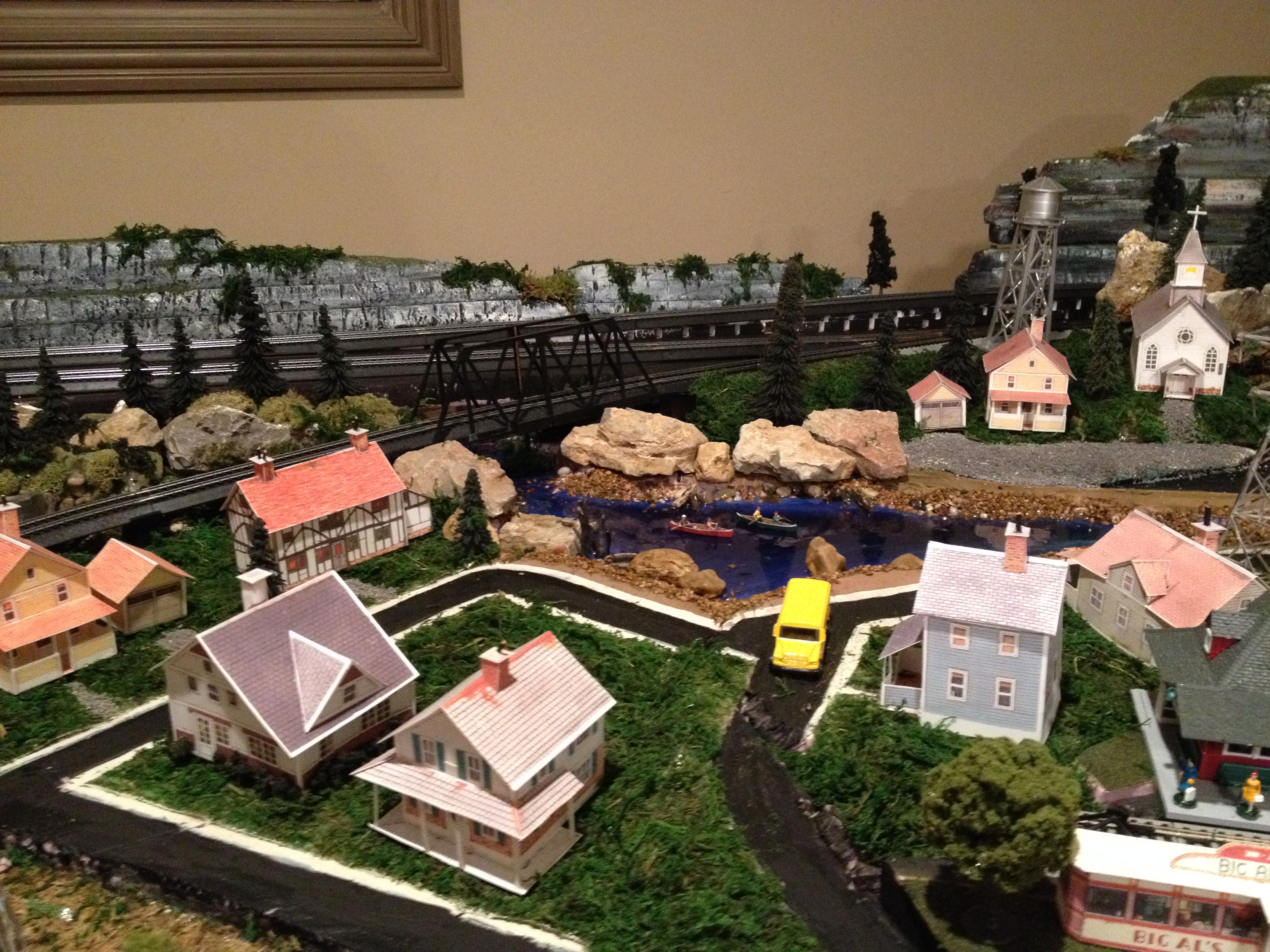
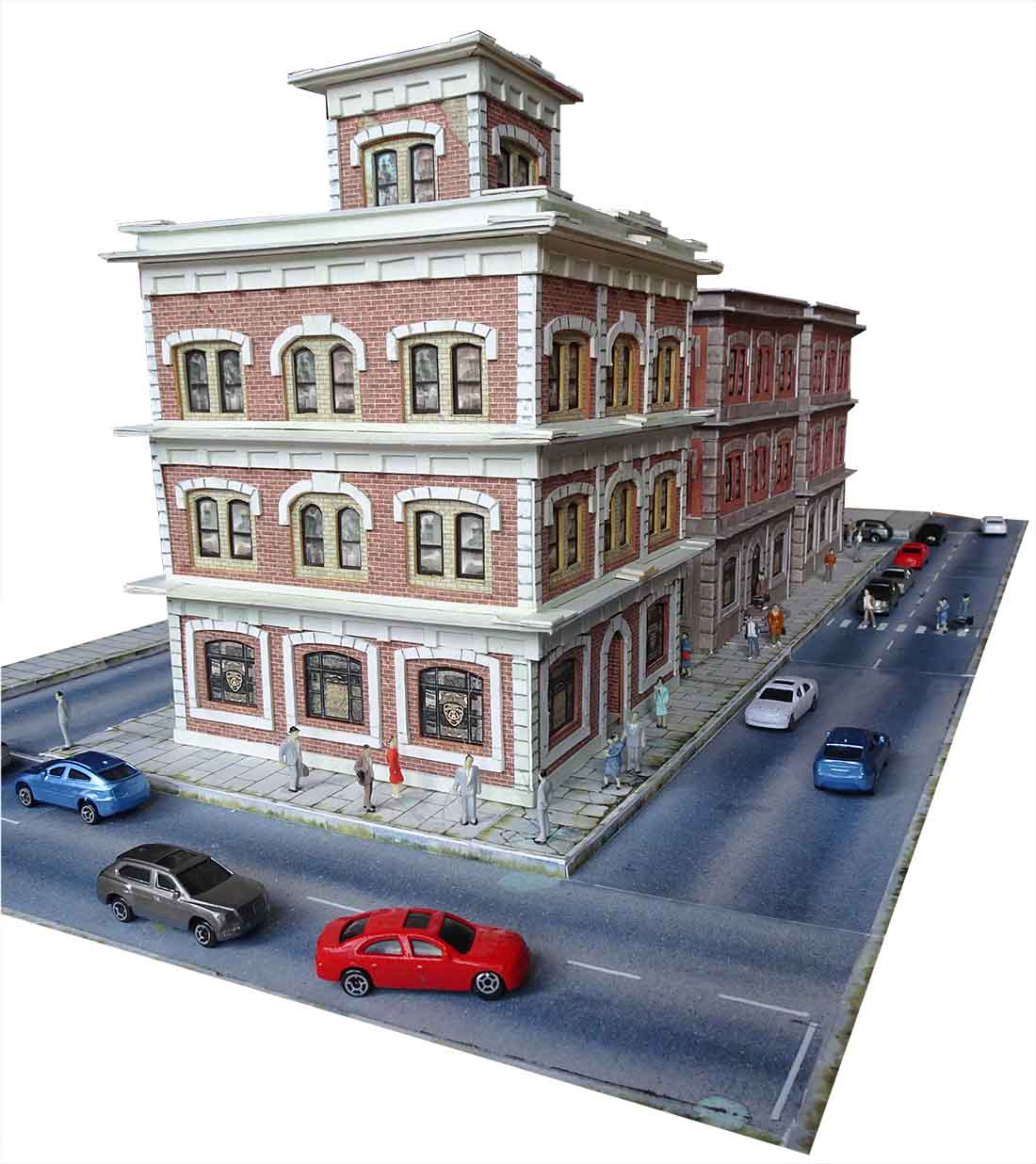
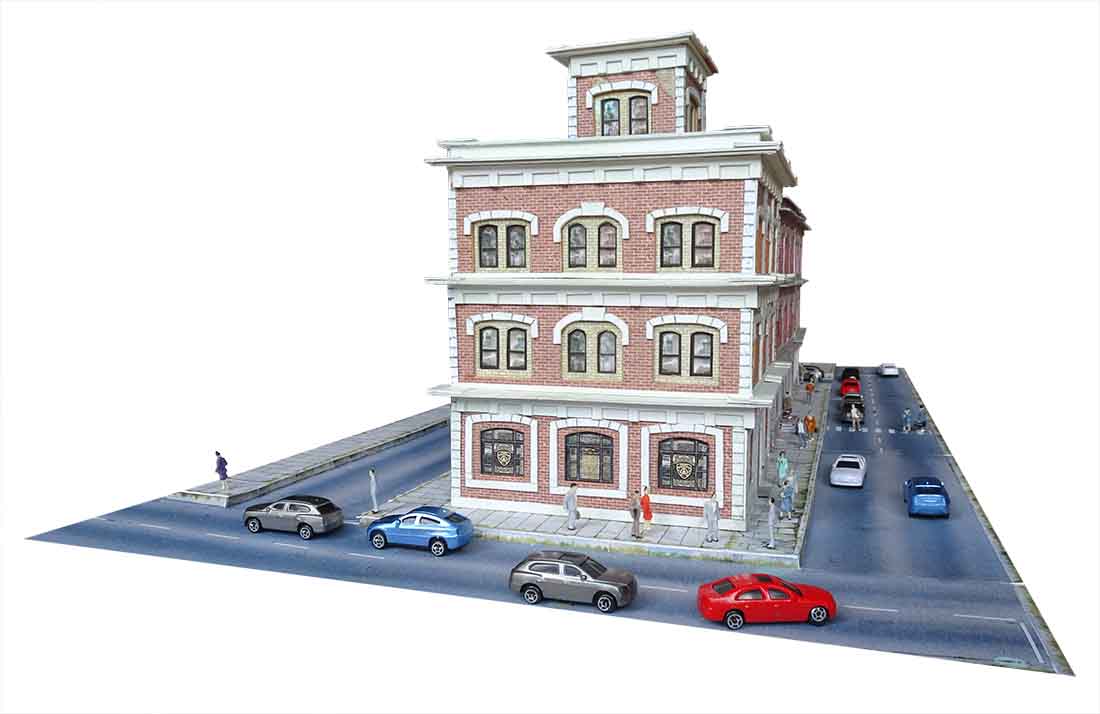
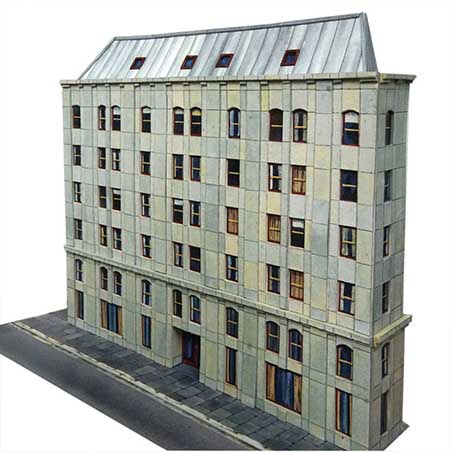
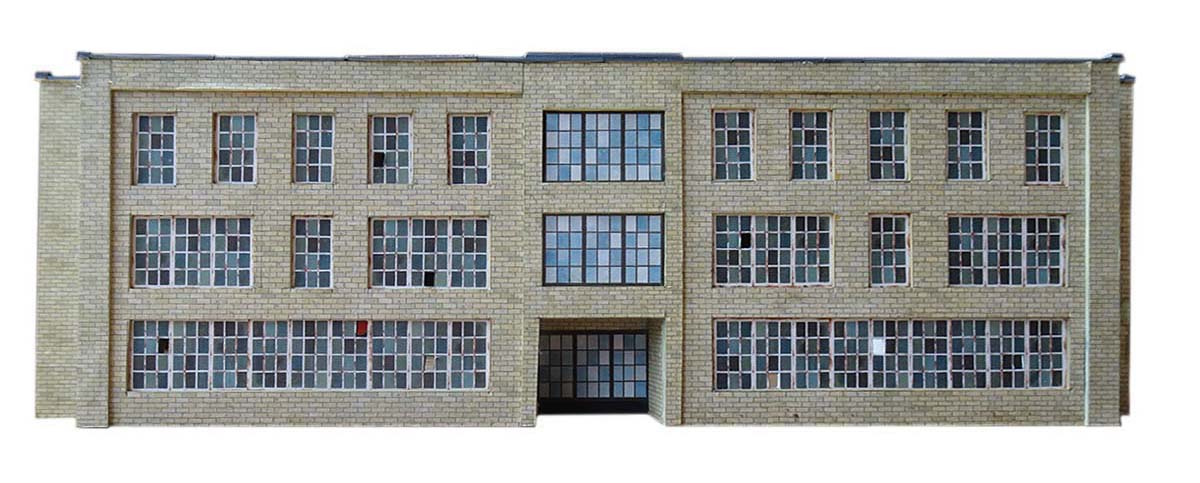
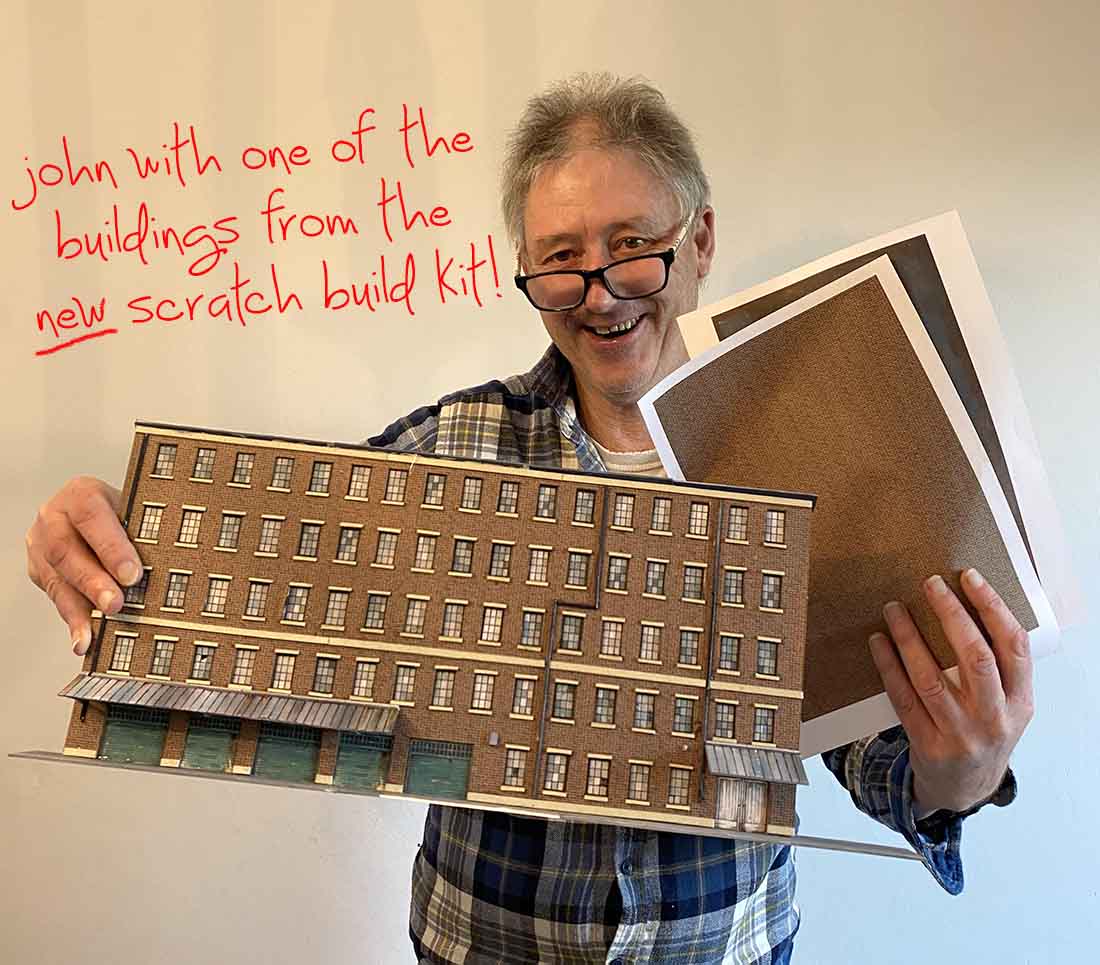
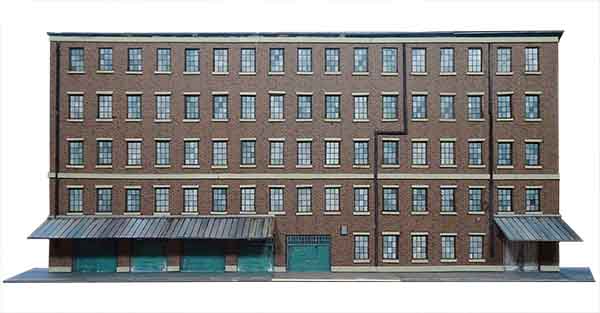
And of course, there’s lots of the printable buildings on your layouts.
Here some pictures of them:
Mike has used a lot of the houses and grain elevators (not featured in the bundle – just using a print out example).
But don’t forget – it’s not just the printable buildings you get – it’s the Beginner’s Guide too:
Of course, I’m biased so here’s what others say about it:
“Al,
I really like the Beginner’s Guide. As a true beginner it helped me quite a bit. The Guide answered questions I didn’t know enough to ask.
I haven’t gotten to the building prints yet, still working on my terrain.
Bruce”
“Hi Alistair,
Your print out building kits have saved me hundreds of dollars on buildings and they provide the unique option of being able to customize the builds most any way I desire.
Until I came across your kits, I was very limited on what I could add to my planned N-scale layout. Commercial building kits are way too expensive for a retired person’s budget.
I now have the ability to not only build nice scenes, they don’t require weathering. Something I’m not terribly adept at accomplishing. Also, as a 70 year old kid, working in N-scale can be challenging for clumsy arthritic fingers. Your kits eliminate most of those issues. All I need is a sharp blade, scissors, glue and my imagination.
Also, your beginner’s guide is invaluable. I’m a retired network systems architect, so tech is not scary to me yet surfing the web for information can be tedious. I was a pre-teen the last time I played with model trains, and a lot has changed in the hobby since the early 60’s. You’ve solved all of that by providing one source for virtually all my basic needs, plus your daily email blog covers it all. What an incredible resource you are to this hobby.
Thanks for doing all of what you do.
Best Regards,
Ken”
“Hi Al
I really enjoyed the beginner’s guide book. I’m new to the train world. I have just retired and trying to make an attempt to start a hobbie with HO scale trains. You and your followers have encouraged me for the last two year’s. I Thankyou and your followers for sharing their train world
Sam”
Of course, I’m very biased, but I think the Beginner’s Guide and all these printable buildings bundled free are a real steal – just $9 for the next day or so.
I think Ken’s quote above puts it best:
“Your print out building kits have saved me hundreds of dollars on buildings and they provide the unique option of being able to customize the builds most any way I desire.”
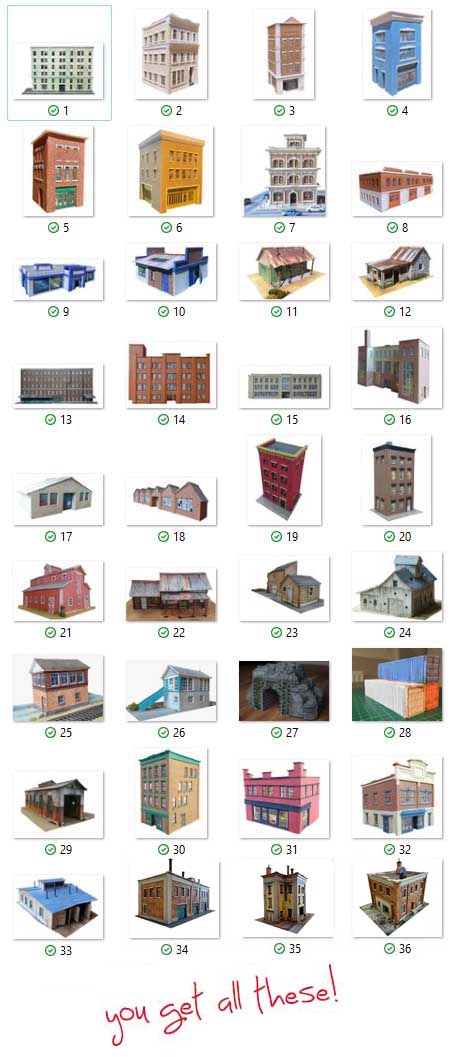
You get 25 printable buildings with the Beginner’s Guide (although with a bit of imagination you can make, many, many more).
You’ll see these buildings sell in the store for $9 each or more.
And the Beginner’s Guide sells for $27.
So you are saving a massive $342 on this deal.
You’re also getting the track plans PDF too.
What’s more, have a look at throught the store and you can see it’s a real, genuine, saving.
But please bear in mind, this silly sale is only for a few days, and then it’s all goes back to normal.
I do like to think that when I have a sale it’s genuine, and there is real value.
So if you fancy this bargain before it disappears like a shadow in the night, grab it right now.
Or, I know some of you good people just buy it to support the site. God bless each and every one of you.
Whatever your reasons, the Beginner’s Guide for $9 and the free printable buildings make it easy for you to make that all important start.
And that, my friends, is what it’s all about. Making that start.