HO scale model roundhouse

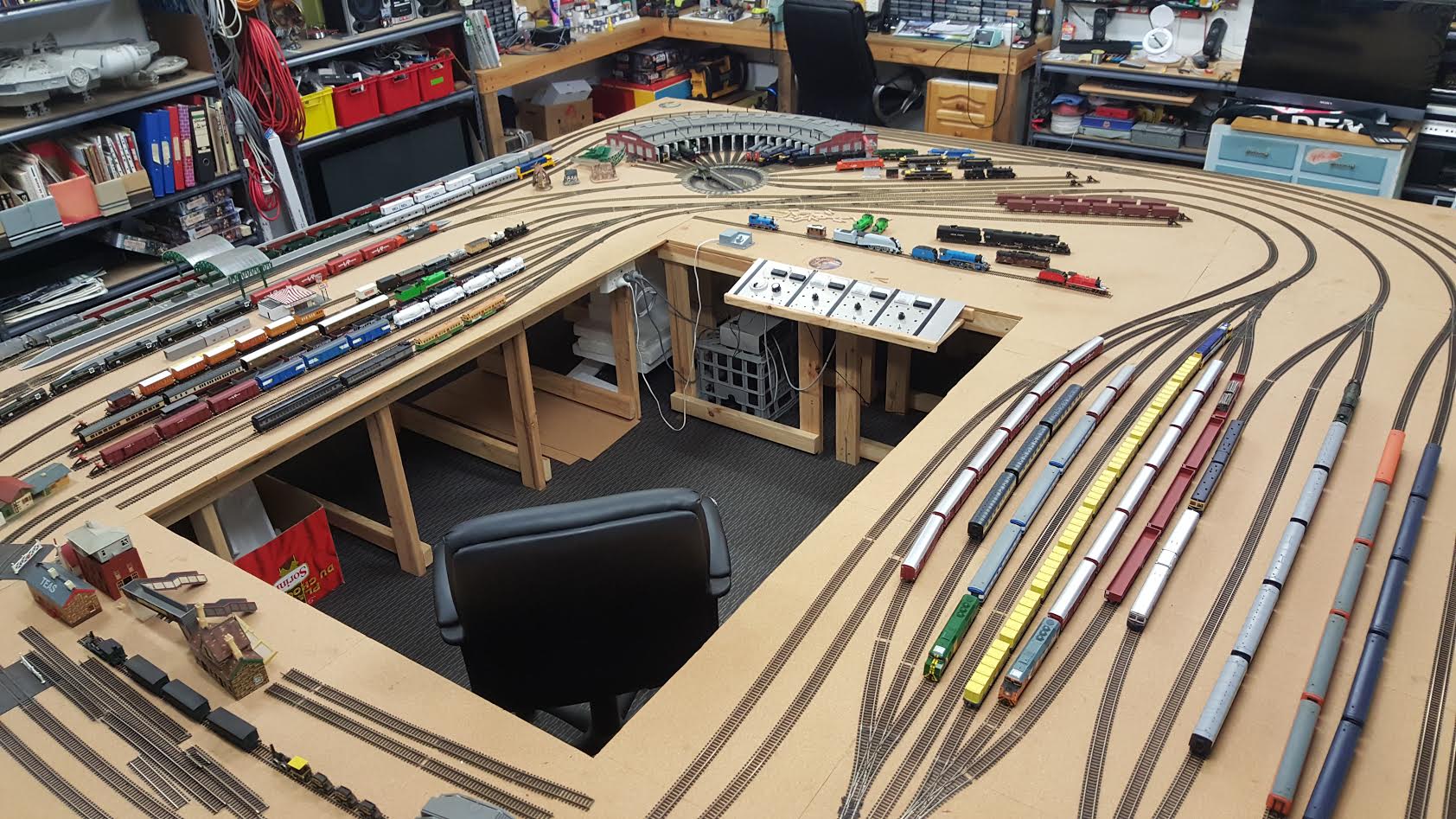
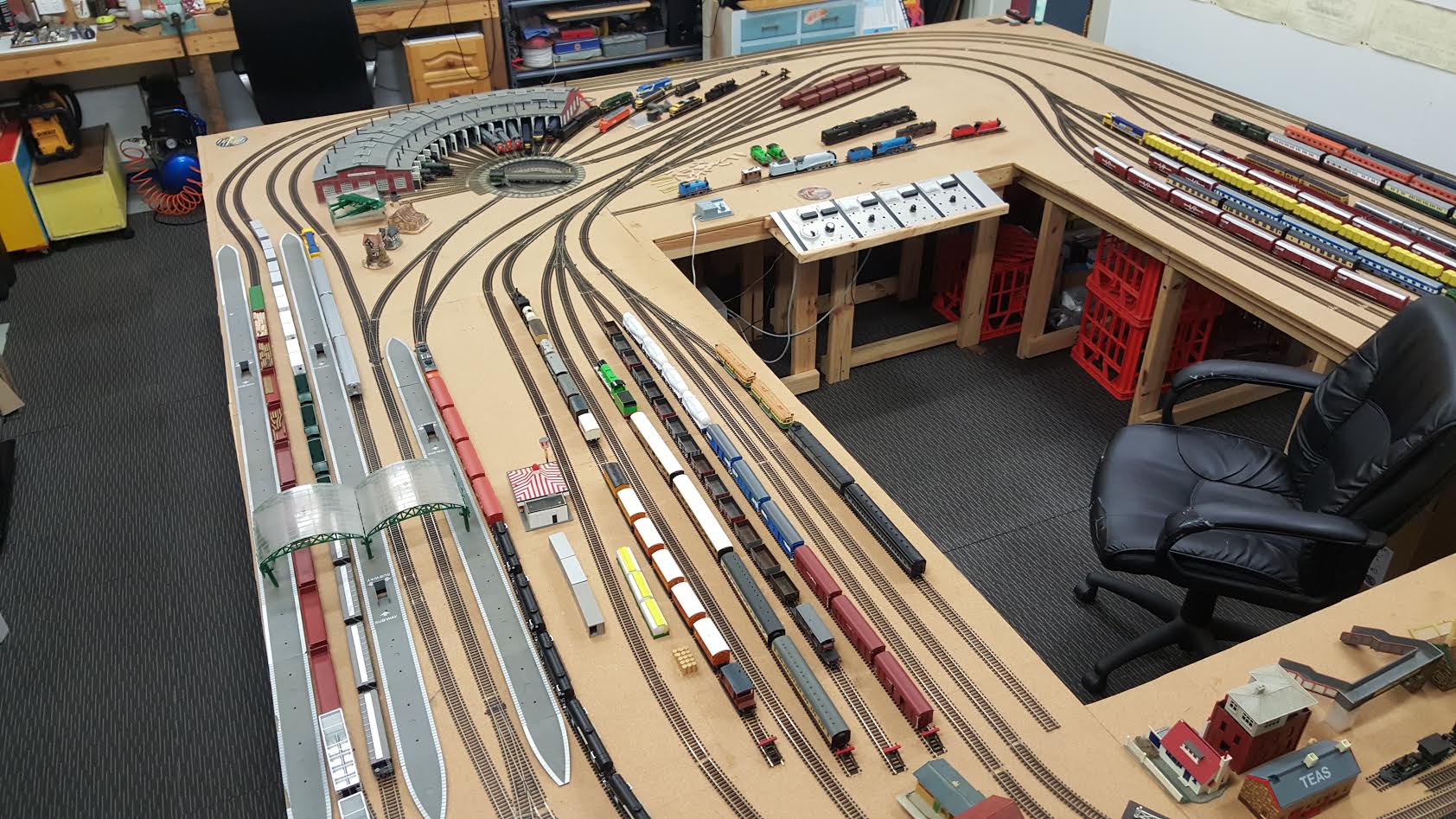
Herb has been having fun with his HO scale model roundhouse and track – really like what he’s done:

“Hi my name is Herb from Melbourne Australia I enjoy your emails, so i will send a couple of pictures of my layout.

Not much too talk about,& i don’t model any spefic era as my son is austic.

But we get out there & have a great deal of fun & father son bonding time & i believe that’s what’s life is all about.

Plus we get out from under my wife’s feet well that’s all for now.

From Herb & Rick in the land down under.”
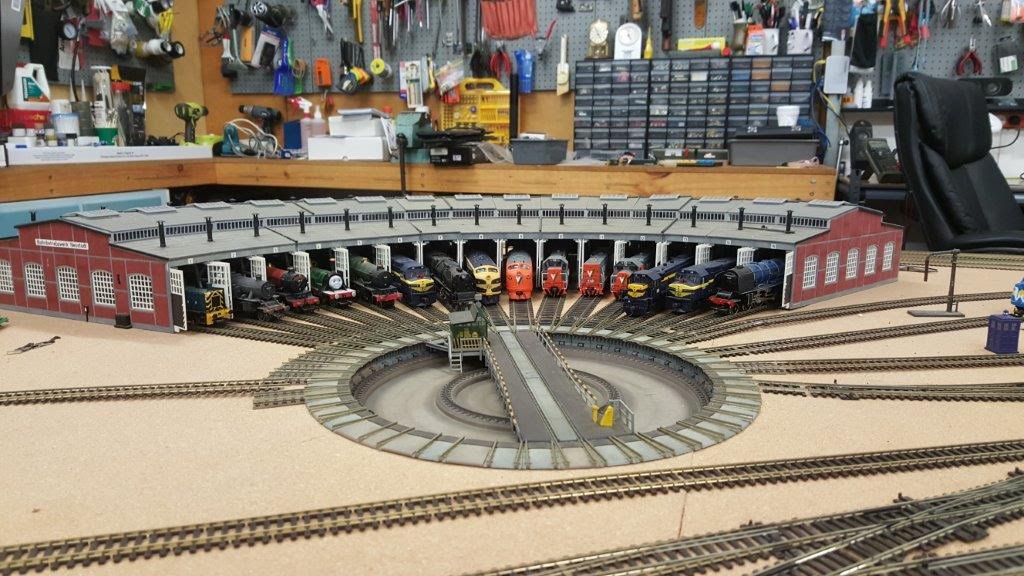
ho scale model roundhouse

HO scale model roundhouse layout

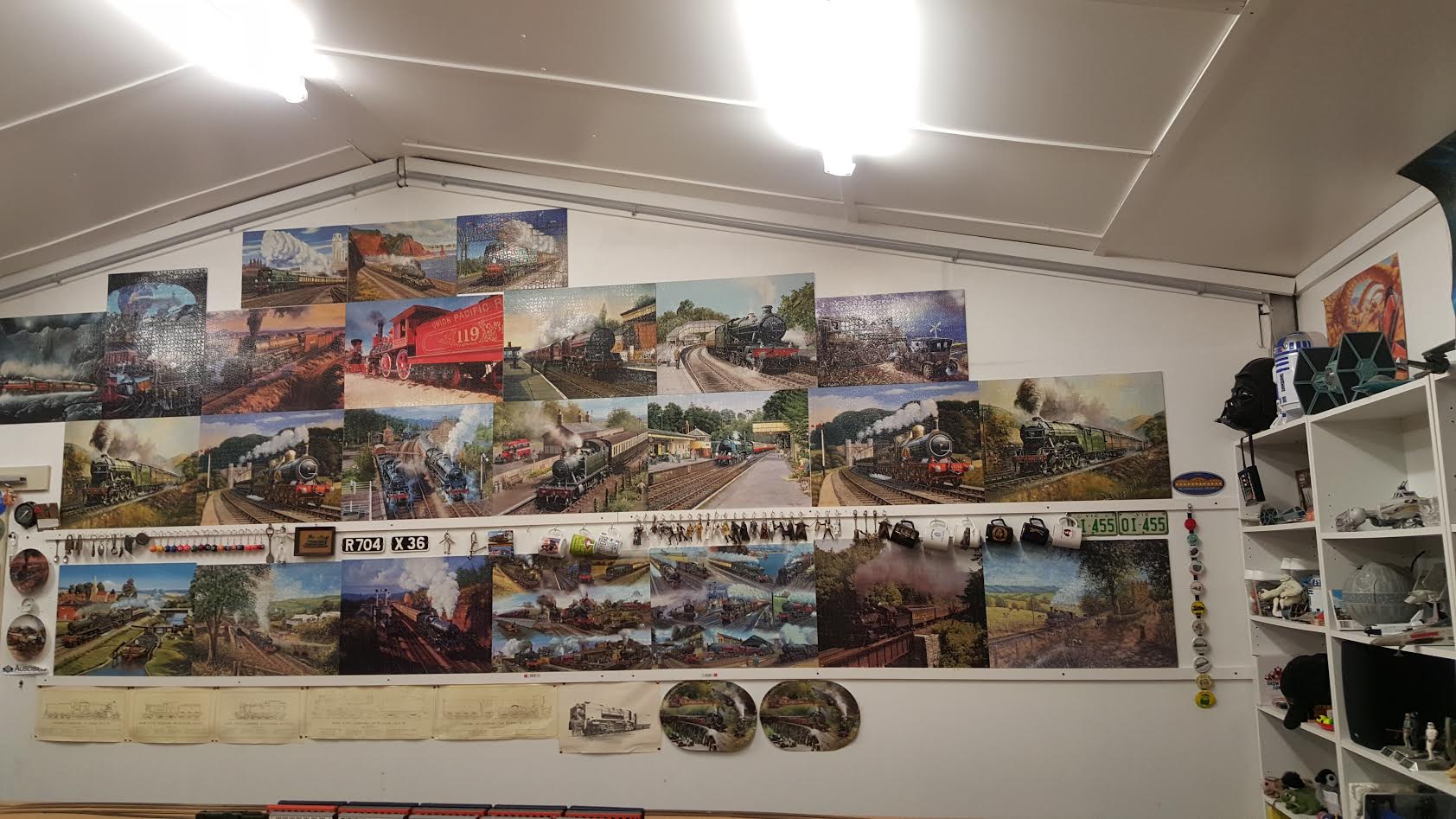
HO scale model roundhouse train room

ho scale model roundhouse

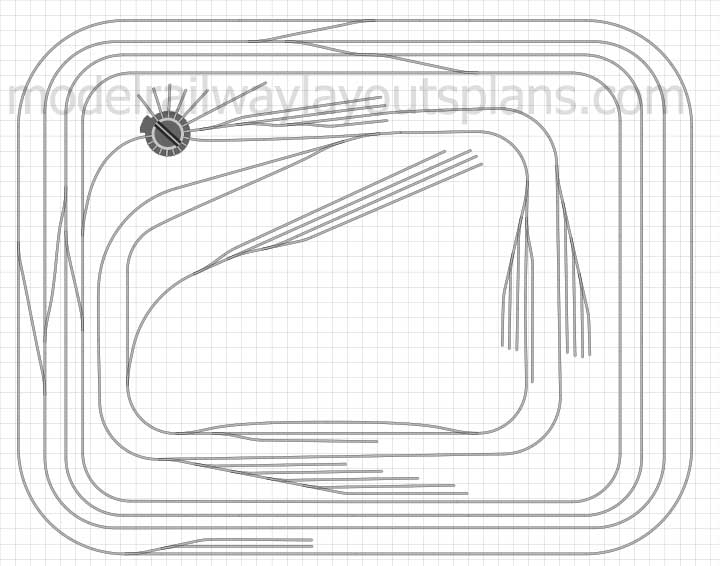
model train track plan

“Hi Al,

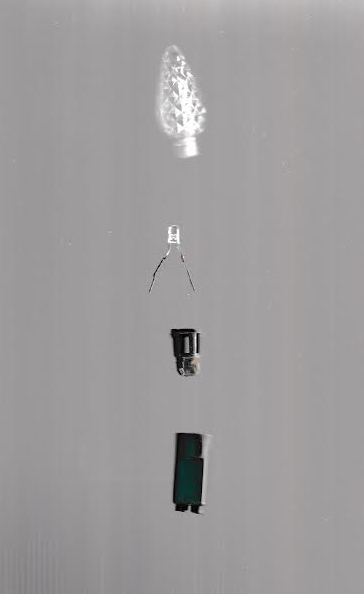
This picture shows a dismantled L E D christmas light from a multi coloured string. When a string of L E D christmas lights stop working don’t throw it away dismantle it and use the L E Ds in train sets, even if you buy a string of 70 multi coloured lights you will have many different coloured L E Ds for your hobbies sets you just need to figure out what resistance you need to use as they can be used on AC/DC, I have replaced the headlights on some of the Diesel engines sure nice & bright, I have also converted the lighting in some of the passenger cars but you also need to make a reversing bridge to reverse + & – without losing the lights. also different colours use different resistance, and some are assembled a little differently so you just need to experintment.

Ken”
“Hi Al.

One of the most frustrating and demoralizing events in model railroading is when your short wheelbase or sound equipped loco halts be/cause of poor or dirty track.

Fortunately, manufacturers are now beginning to equip locos with “keep alive” or “stay alive” modules that make this problem a thing of the past.

Attached is a photo of a “stay alive” equipped 4 wheel Plymouth switcher that will run all day through any track configuration with absolutely no power loss.

Truly a pleasure to operate even at speed step 1 while watching the couplers mate.

Mark”
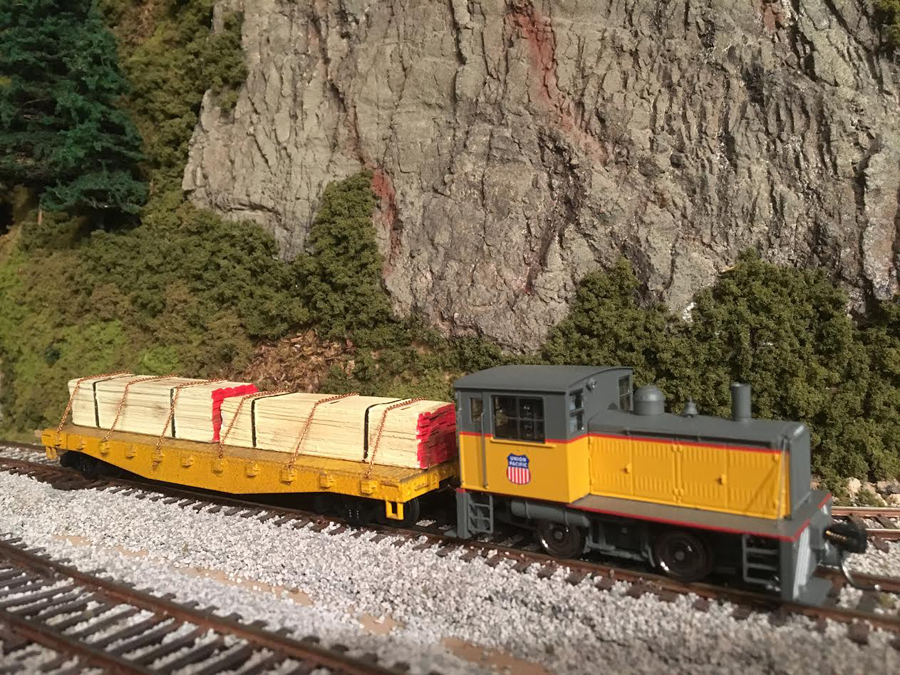
stay alive loco

A big thanks to Herb for sharing his HO scale model roundhouse, and to Mark and Ken too.

I real mixed bag today – but enjoyed them all. Just goes to show, you don’t have to have a finished layout to enjoy ’em.

That’s all for today folks.

Please do keep ’em coming.

And if today is the day you get stop dreaming and start doing, the Beginner’s Guide is here.

Best

Al

PS Latest ebay cheat sheet is here.

PPS More HO scale train layouts here if that’s your thing.


HO scale fairground

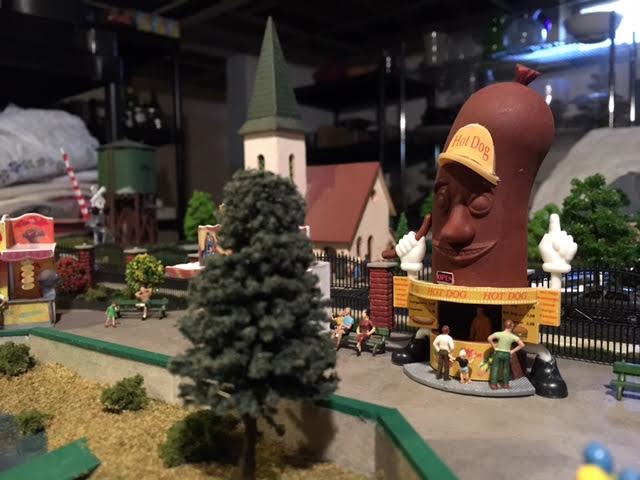
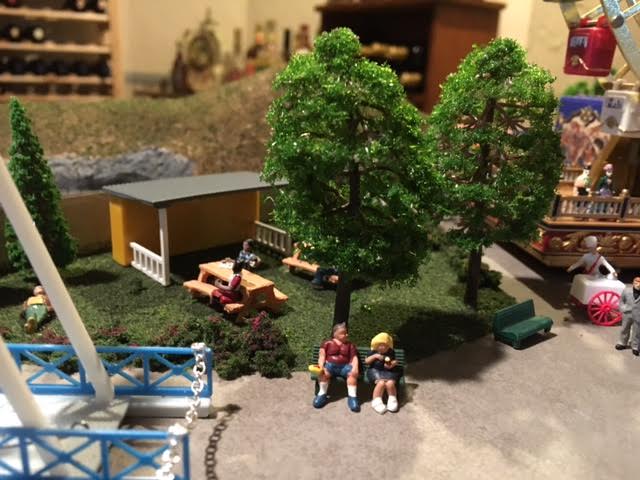
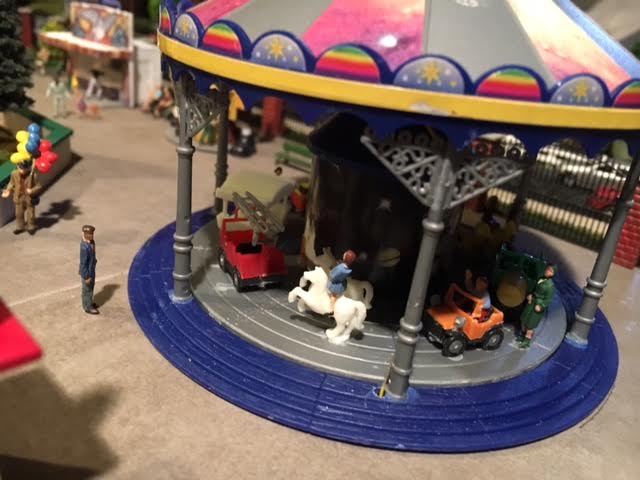
Jack’s been in touch again. He’s been busy adding his HO scale fairground scene:

(His last post is here.)

“Hi Al,

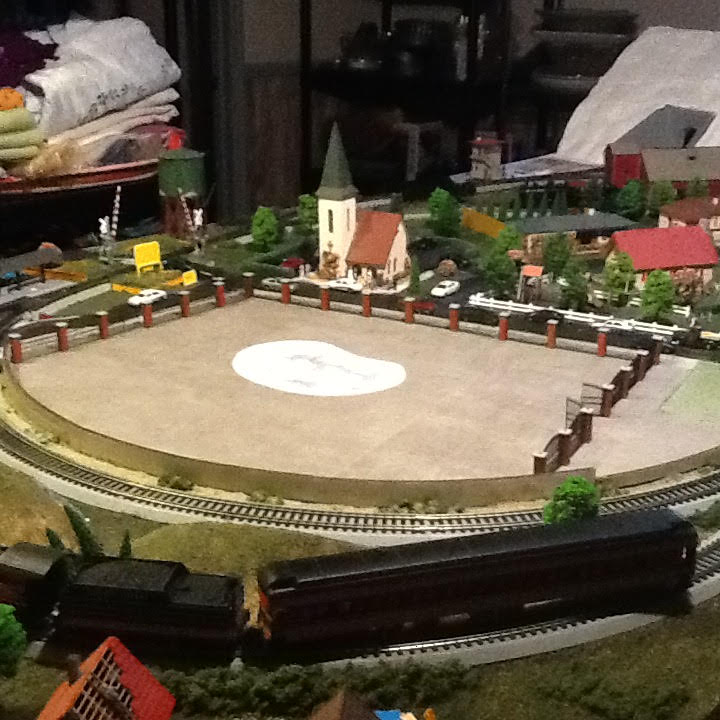
I made some progress on the amusement park. I didn’t know what to do for the base of the park, so I decided to just do it all in concrete. I can add planters later with flowers and such.

I went to Home Depot to get some more flooring samples but there weren’t any. Looks like they no longer sell sheet vinyl. I found two vinyl floor tiles that look like concrete, so I bought them. I cut them to fit the space. They were a little shiny so I sprayed them with Dull Coat.

The old Dorney Park had a pond with swans and sea lions which you could feed. I decided to add a pond and don’t you know you can get ho gauge swans and sea lions. So they are on order.

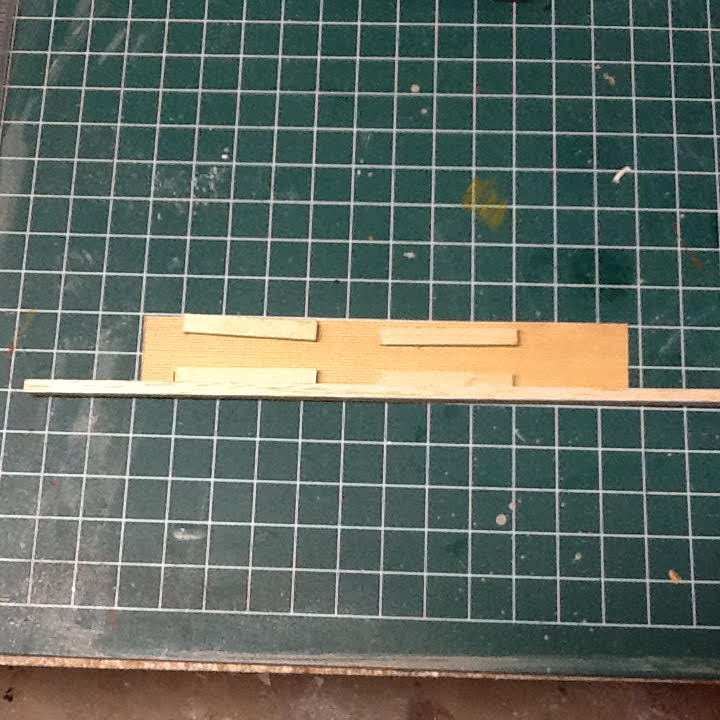
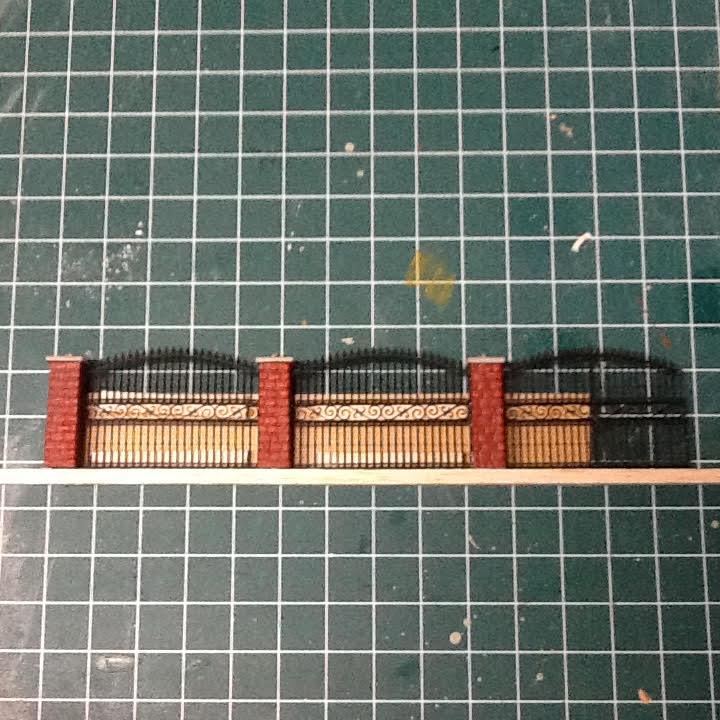
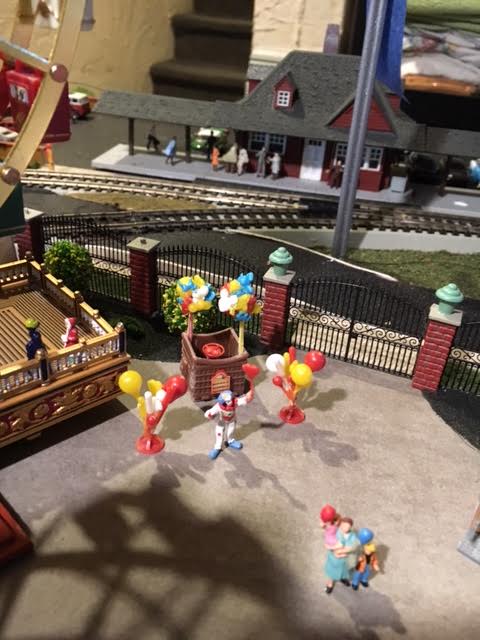
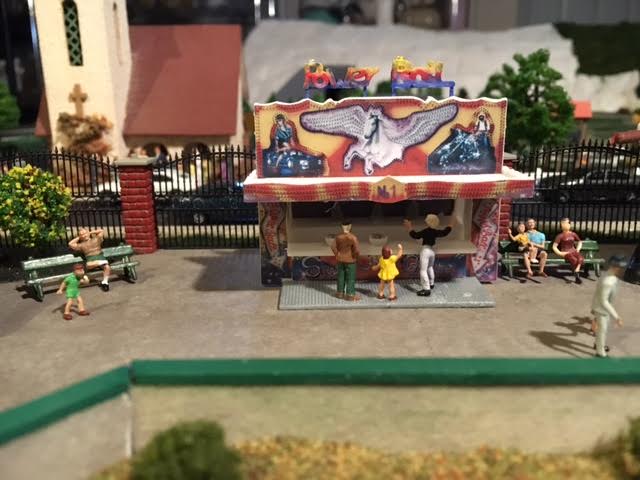
I got some fencing that is fancier than the chain link fence Dorney Park had, but I wanted something decent looking since the park is across the street from the church. The fence has brick pillars and iron fencing. I put it together in about 6” sections using a jig I made. It’s too flimsy to make longer sections. I’ll glue the sections together as I go.

Between the park and the tracks, I made concrete walls with my flooring samples. I cut them into scale 6′ strips, glued them back to back and curved them to the radius of the track. I painted the top edge brown and glued them to the edge of the ‘concrete’ base.

HO scale fairground

The photos show the jig I made and the concrete base for the park. The concrete walls are in place and I am test fitting the iron fence.

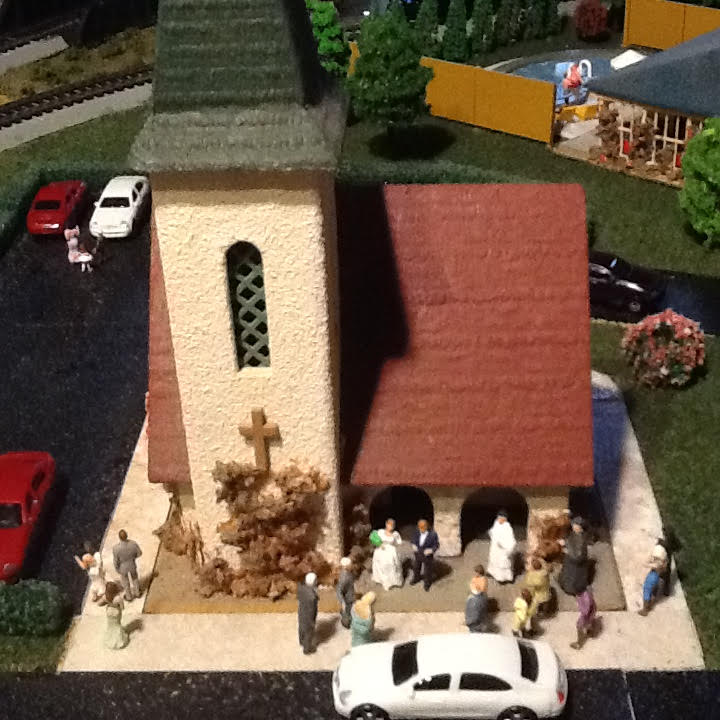
I also wanted something happening at the church, so I got some wedding people.

I also needed a number of cars for my parking lots. I found 50 cars for $15 on line. I knew they wouldn’t be great, but they are OK as fillers. About half the cars are very dark blue, green and black. I’ll be painting some of them lighter colors. They’ll do until I replace them with better ones down the road.

HO scale fairground

HO scale fairground

HO scale fencing


The old Dorney Park had a sky ride with gondolas for 2 people. I couldn’t find any gondolas I liked, so I made some from small plastic Easter eggs. They look pretty much like the original.

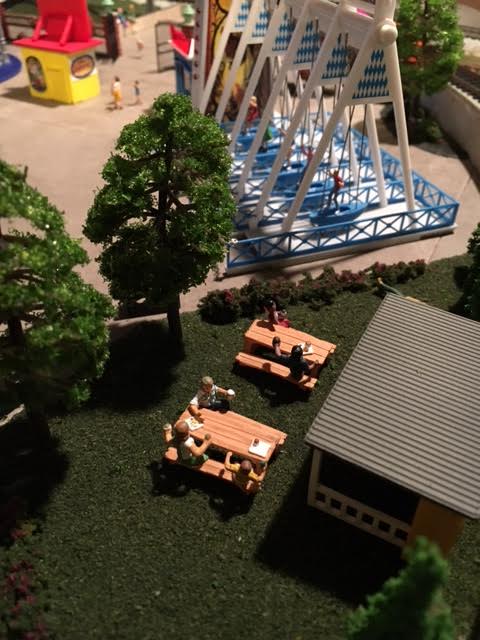
Attached are some photos and a video of the park. The video is a little jerky, but captures the essence of the scene.

Jack in PA”

HO scale fairground

HO scale fairground

HO scale fairground

HO scale fairground

HO scale fairground


And now on to Brian:

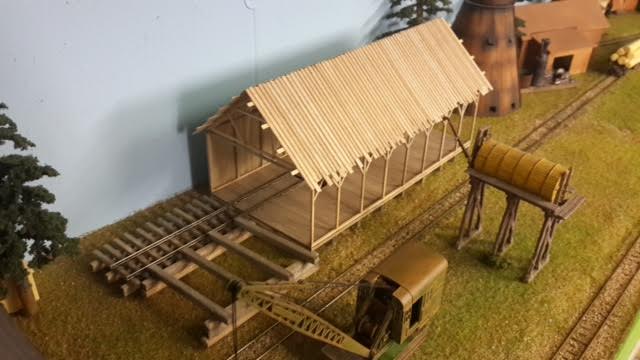
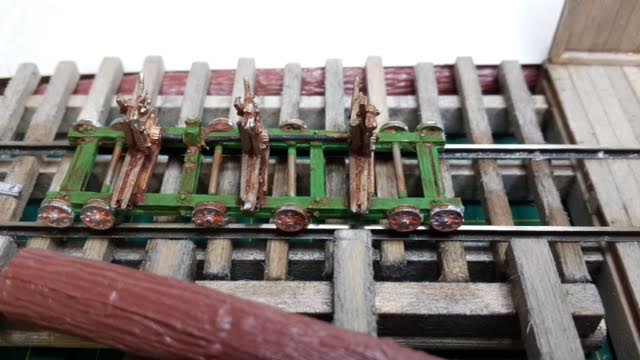
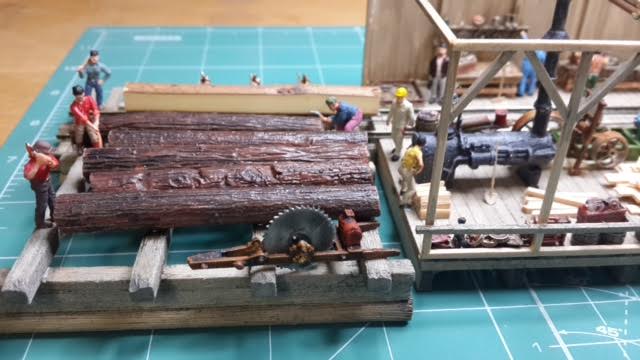
“Hi Al, I have finished the sawmill at last and placed it on the layout. It just needs to be “bedded” into the surrounds.
This is a continuation of my previous post of building and modifying a Fine Scale Miniatures Sawmill.

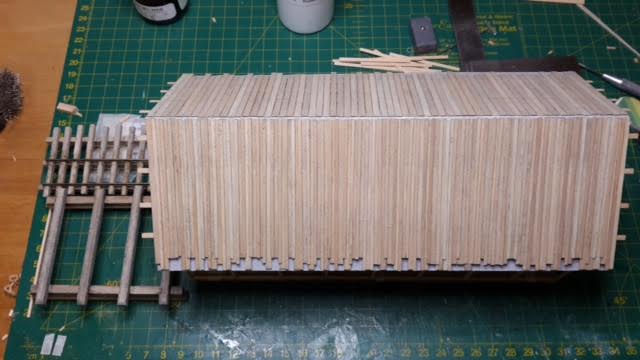
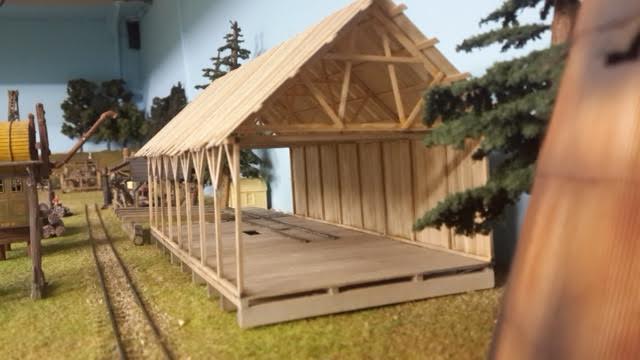
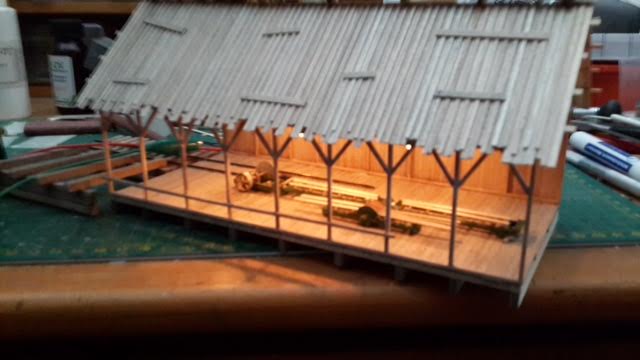
Photo below, roof done except for the roof walk and fire barrels

Below, test fit on the layout to make sure all is in the correct place. The crane will be used to offload logs from the log cars as well as the incoming logs by road on trucks.

scratch build

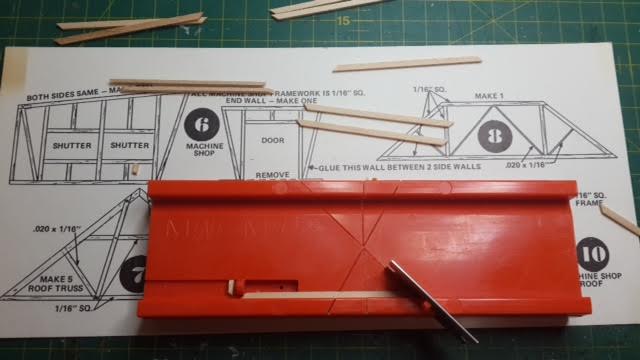
Below, the mitre box used for cutting the roof truss pieces at the correct angle and length.

scratch build sawmill

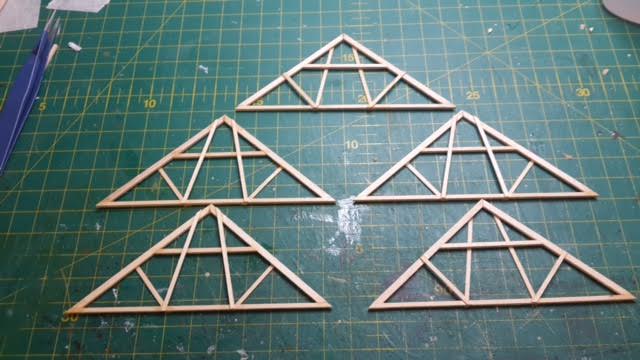
The five roof trusses assembled.

Final test before carrying on with the building at the workbench.

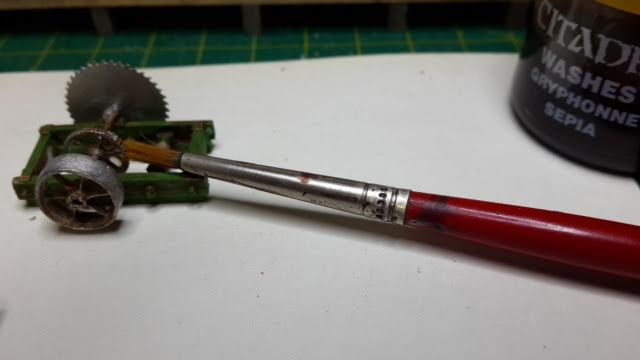
This is where a lot of time is needed in painting all the details. After the main color, I use a wash to age it and add the used look to the parts. (I use Warhammer washes)

Same procedure used here as above.

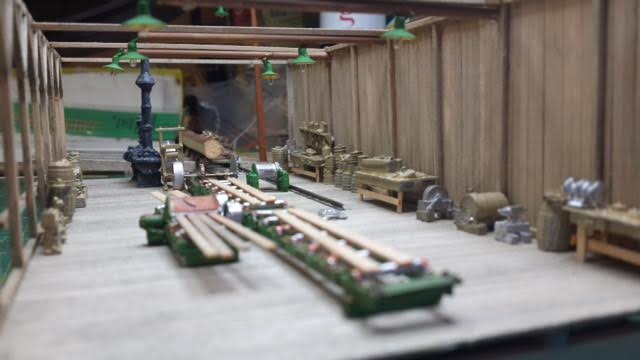
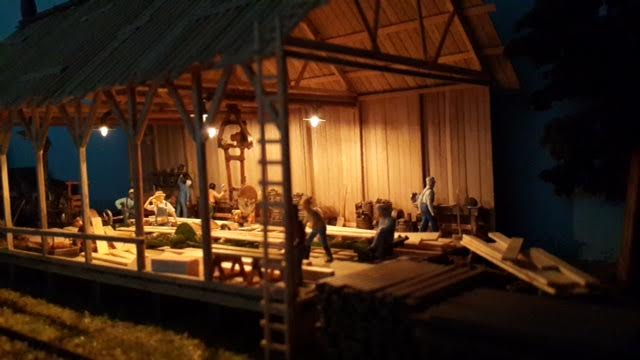
I have used 12 volt grain of wheat bulbs in Campbell Scale lamp shades for the interior lighting and run them at 6 volts from a power source under the layout to ensure long lasting lights.

model railroad sawmill

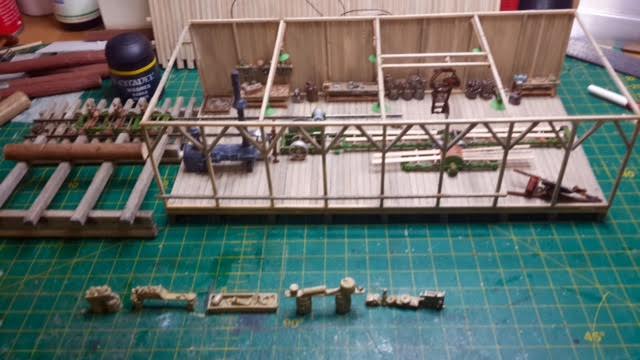
The fun part of the hobby is placing all the bits and pieces in the model.

I spray paint all the metal castings with a light sand color and when dry, I start picking out all the detail and color on them. When this is complete, I then do a black wash over all the parts and do a final dry brush using white acrylic paint from a tube.

Figures in (as close as you can get) positions are placed around the model to bring it to life. I have placed 15 figures around this model.

Two night shots of the sawmill in action.

model railroad sawmill

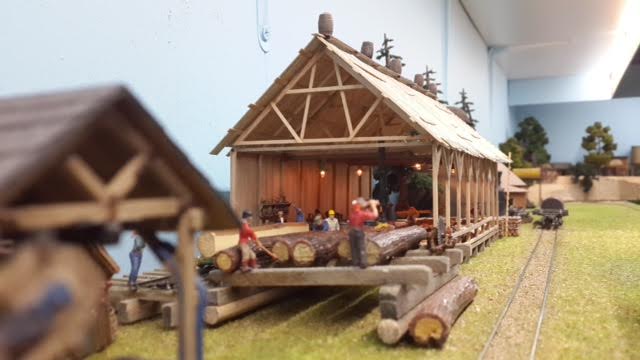
Final photos of the sawmill on the layout ready to receive the first load of logs.

Total number of hours to build this model is 91. It is an HO Scale model used on my 3 foot narrow gauge layout named the Cascade Creek Railroad.

My next model to build is also a Fine Scale Miniatures kit of a logging repair shed which will be placed to the right of the sawmill above.

Till next time – keep having FUN.

Brian”

A huge thanks to Brian. I’ve lost count of the wonderful ‘step by steps’ he’s done for us.

And thanks to Jack too, for sharing his HO scale fairground.

That’s all for today folks.

Please do keep ’em coming.

And if today is the day you get started on your layout, the Beginner’s Guide is here.

Best

Al

PS Latest ebay cheat sheet is here.


Model train tunnel building

Lawrence has been in touch again with some model train tunnel building:

(here’s his last post):

“Al

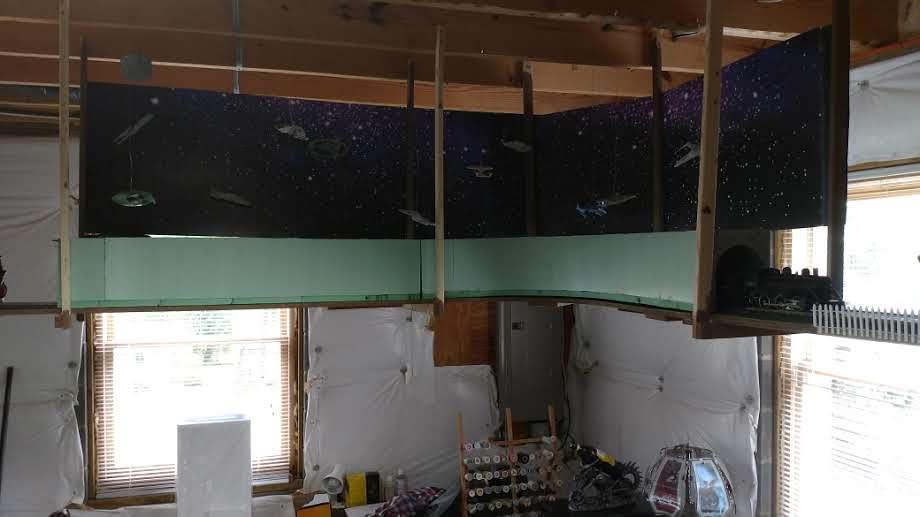
With my overhead train layout I do not have the space for the tunnels I see being made on the table tops. To separate the alternate world areas that the train travels through I needed to build tunnels.

After looking at what has been displayed by your emails and what I could find online I started my tunnels.

Started with paper as found on the web. I was not successful in getting what I wanted so used the idea and did my own. Did not like the look of it. Back to the web.

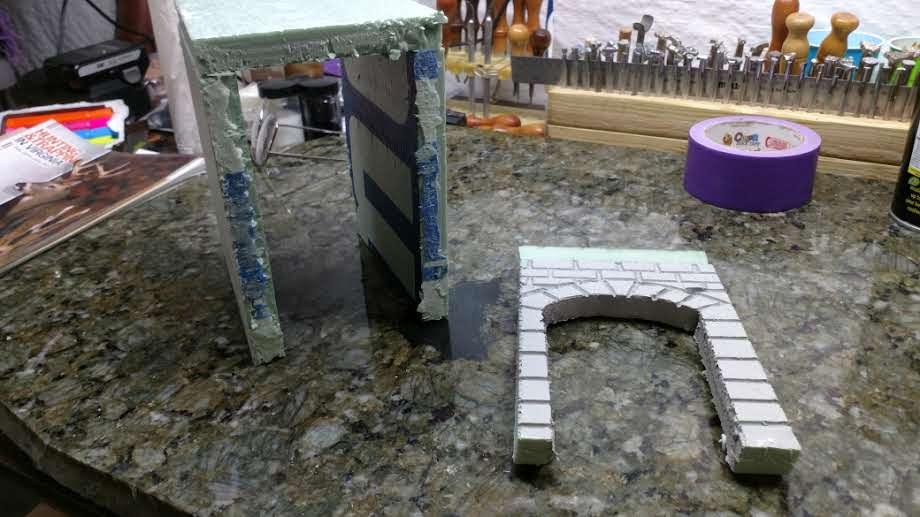
Found a way using 3/4 inch foam. That appeared to work at least on the web.

Figured out what the inside dimensions of the tunnel was that allows the train to pass. Got the foam and foam glue from Lowe’s.

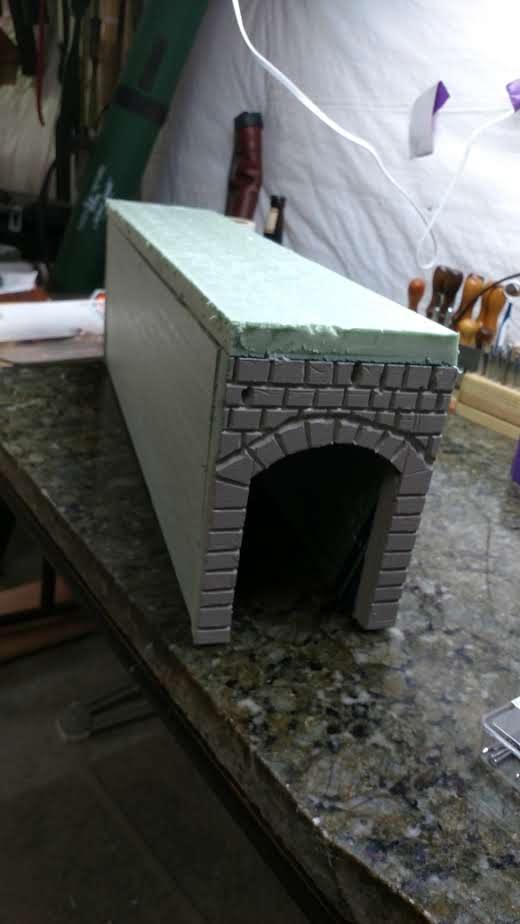
Built a number of straight tunnels by cutting the shapes with a soldering iron and using the iron for the facing design.

With the glue put them all together and worked just like it did on the web.

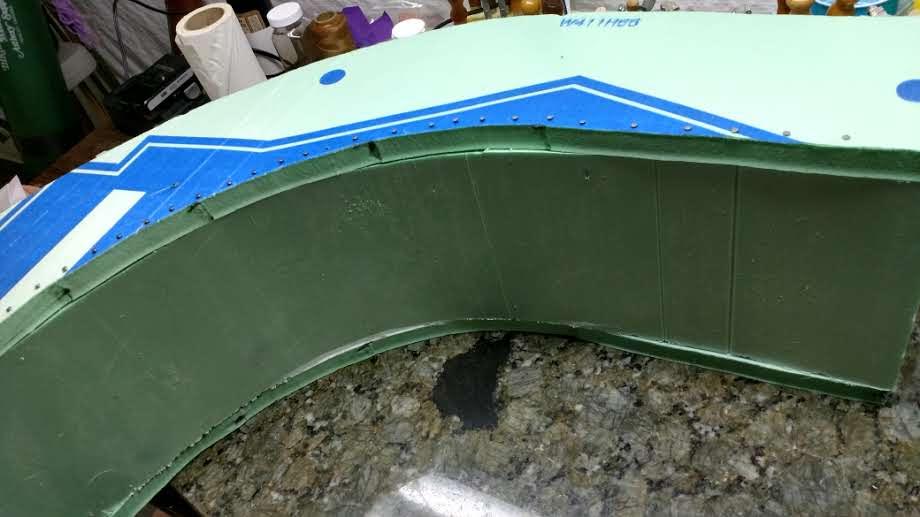
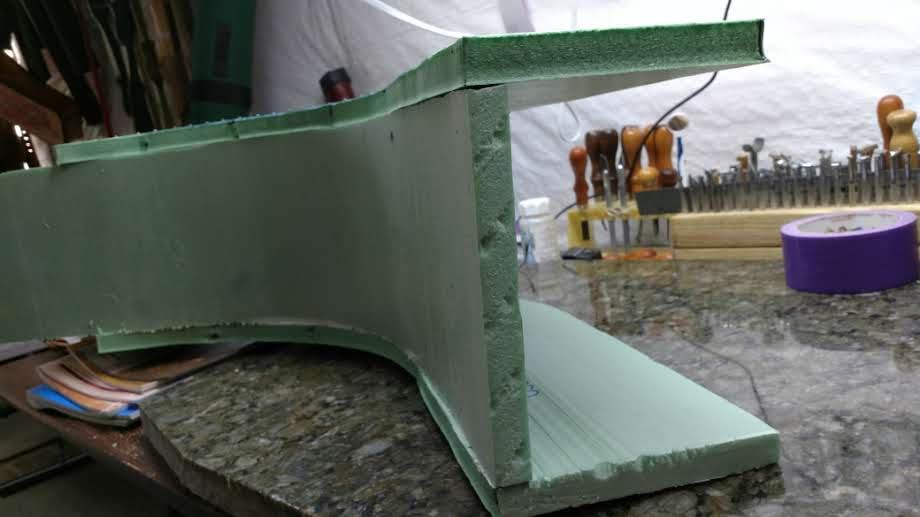
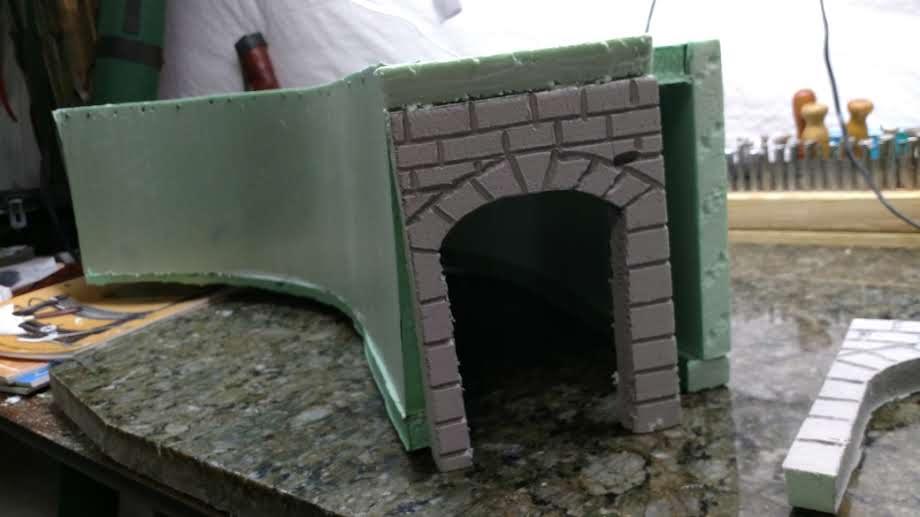
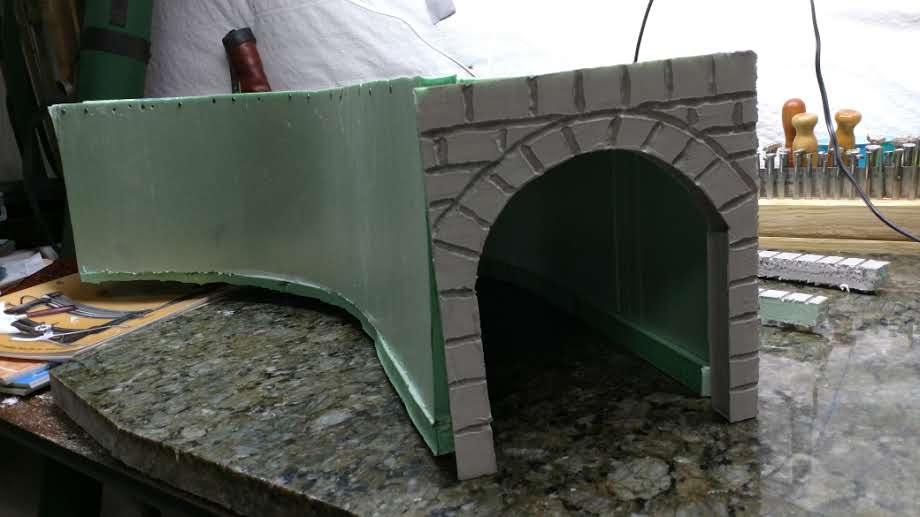
Now wanted to put a tunnel around the curve. And found out that the foam will just take the bend of the curve without breaking, just like it showed on the web.

Made a top and bottom piece that matched the curve. But need to pin the side piece in place, either top or bottom. Then glued the side piece to the other curve section.

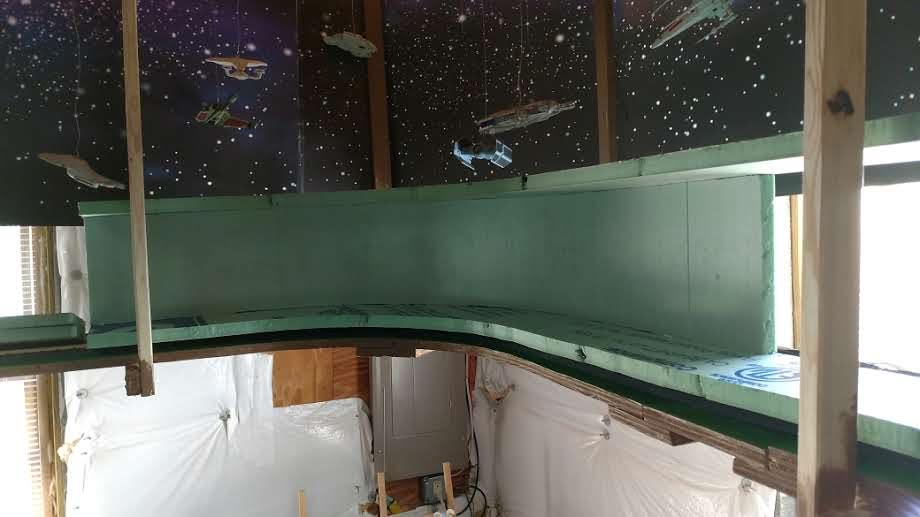
Continued the process for all four corners. Cut out the middle of the bottom curved section, was needed for stability for building. Obvious that the width of straight tunnel facing is not wide enough for curved tunnel. So made new tunnel facings.

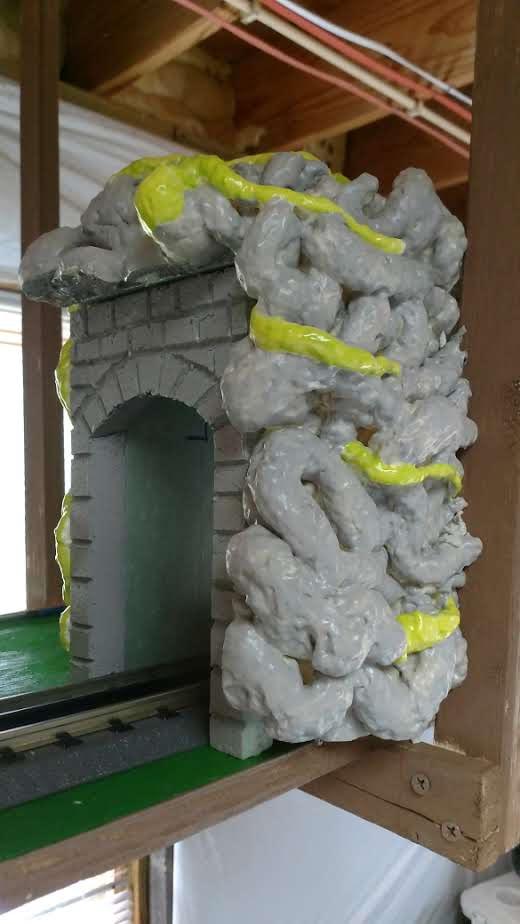
All tunnels built and train runs through them with no problem. The straight tunnels are from six inches to two feet. The curved tunnel is thirty six inches and eighty eight inches. The final step is to use sealing foam to give the appearance of rocks/mountains and paint with grey and green for vines. After doing the first one the foam might need a bit of forming yet.

Lawrence”

(All images are clickable, and that’s the same for every post too).

model train tunnel cast

Model train tunnel building

curved tunnel

curved tunnel

curved tunnel

model railroad tunnel

curved tunnel

Model train tunnel building

Model train tunnel building

A huge thanks to Lawrence. You can tell Lawrence is having fun with his Model train tunnel building, and the whole of his layout too – loved the Star Wars back drop.

That’s all for today folks.

Please do keep ’em coming.

And if today is the day you make a tunnel from scratch just like Lawrence, the Beginner’s Guide is here.

Best

Al

PS Latest ebay cheat sheet is here.

PPS More HO scale train layouts here if that’s your thing.