Henry’s been in touch with something that can be a bit tricky, model train signals.
“Hi Al
I just want to share this with you, as some of our other readers might have had similar problems with signalling.
On my layout there is a passenger station with two platforms, that needs to be signalled for operating sessions as the engineers needs to obey the signals.
I encountered a bit of a brain teaser when it came to the simple arrangement of 3 signals at each leg of a turnout or switch.
On the opposite side of my layout, the arrangement is quite easy, as there is a single platform, so a simple double pole switch does the trick.
Throw it to the left and it turn the east side home signal green and the west side home signal red, and vice versa when thrown to the right.
At the next station which is more complex, I wanted to use a similar switch arrangement, which also helps with interlocking, that we do not get to opposing green signals.
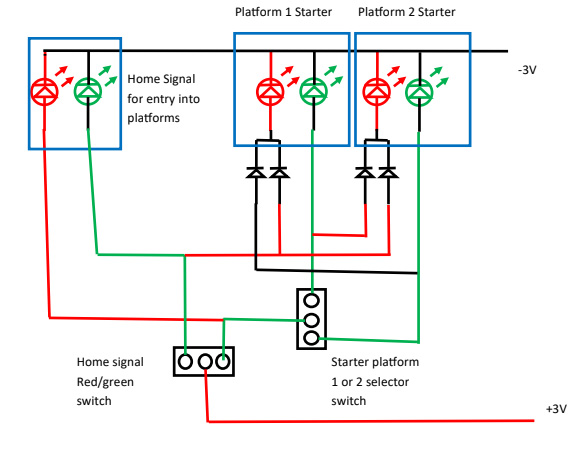
I then realized when the Home signal controlling entry into the station, on either platform 1 or 2 is green, I need both the starter signals on platforms 1 and 2 to be red at the same time.
To keep cost down, I opted to use only one single pole switch double throw switch to select between platform 1 and 2 to turn the starter signal green.
Another single pole double throw switch controls the home signal. If I simply wire the signals from the switches, I end up getting a green and red signal at whatever platform I select the starter to be green at, as there is a feedback from the home signal switch to both red starter signals.
Then it dawned on me, why not use the diode matrix system I am using for my turnout control for the model train signals too?
I quickly drew a table with the 6 signal lights, and the switch positions, and saw that I would need 4 diodes to control the signals.
I then wired the diodes into the signal wiring, and hey presto, all is working well.
(I still have to install the signals on the layout, but now the wiring is sorted.
I include a pic with the wiring diagram. Hope this can be of help to someone.
Regards
Henry in Pietermaritzburg, Kwa-Zulu Natal, South Africa”
Rob has also done a very helpful post on signals:
Now on to John with this simple tip:
“Hi Al,
Spent many frustrating hours trying to carefully strip the ends of the very thin wires on LEDs and Grain of Wheat Bulbs.
I even resorted to not stripping them but just soldering them hoping the heat would burn off the plastic. Not ideal but it mostly worked.
Today I have found a solution!!!!
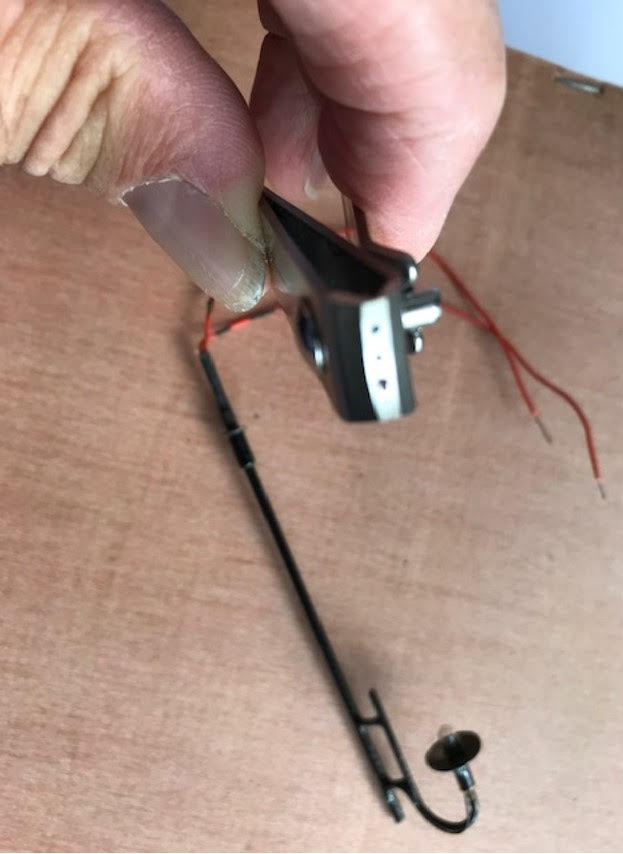
I got an old pair of nail clippers, the cheap nasty sort from Christmas crackers, and squeezed them on 3 different gauges of spring steel wire.
This created notches in the clippers which are just perfect for stripping theses fine wires.
Hope this might help any one else struggling with the same problem.
Best regards,
John”
“Hi Al,
I thought you might be interested in this video. I’ve gotten a good response with it on my channel I demonstrate how to add very cost effective signals to any layout.
The first few scenes are just me having a play with my new DCC controlled coaches/passenger cars. It is fun to be able to operate the lighting remotely.
I have heard from many that these easy to understand videos have started them to add signals and railway crossings to their layouts. It is fun, not hard and very rewarding building automated signals. There are many suppliers that will provide kits, but they are expensive. This method is not.
cheers,
Rob”
“Hi Al
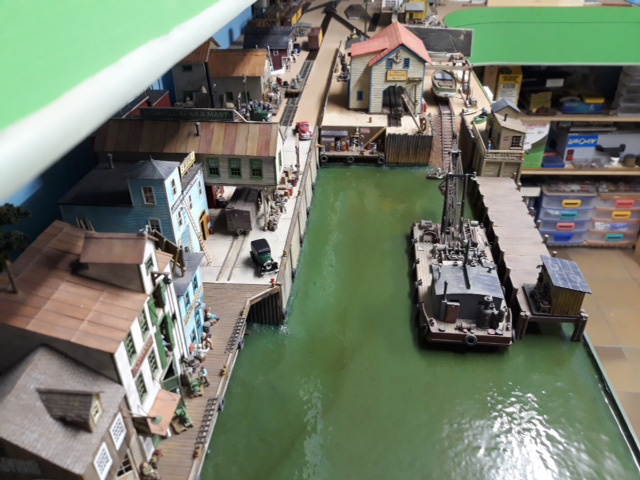
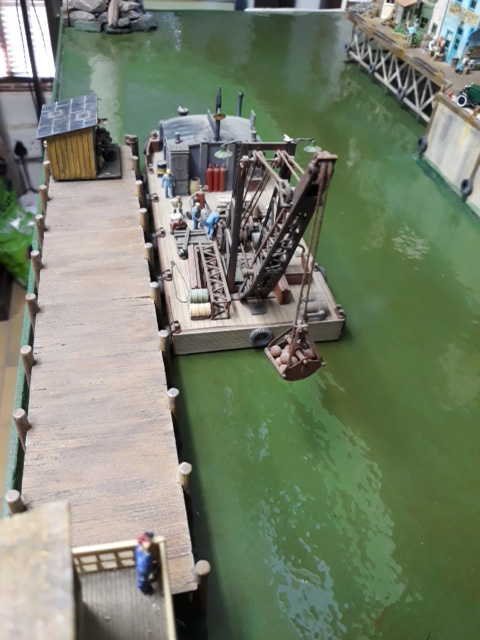
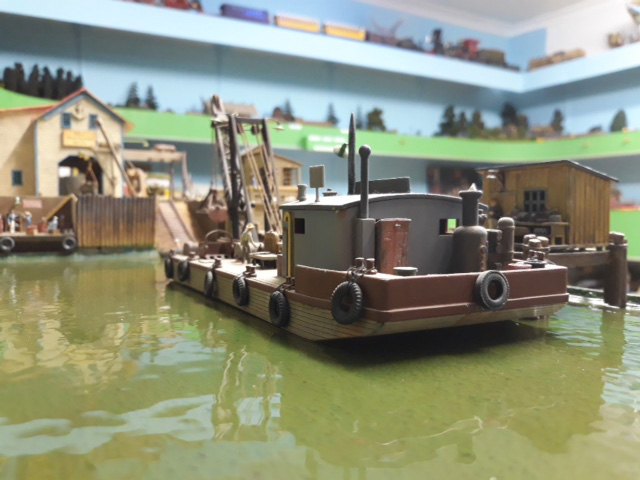
Someone asked if the water on my harbor was superimposed.
Definitely not (I would not know how to do it anyway)
Here are a few photos of the water in the harbor.
Many thanks
Brian – the HOn3 guy – Knysna RSA”
A big thanks to Henry for his tip on model trains signals.
What a clever lot you all are. Some great tips today – and a big thanks to Rob, John, and Brian too.
Please do keep ’em coming, and if you’d like to make a start on your own masterpiece, the Beginner’s Guide is here.
Best
Al