HO scale yard ballast

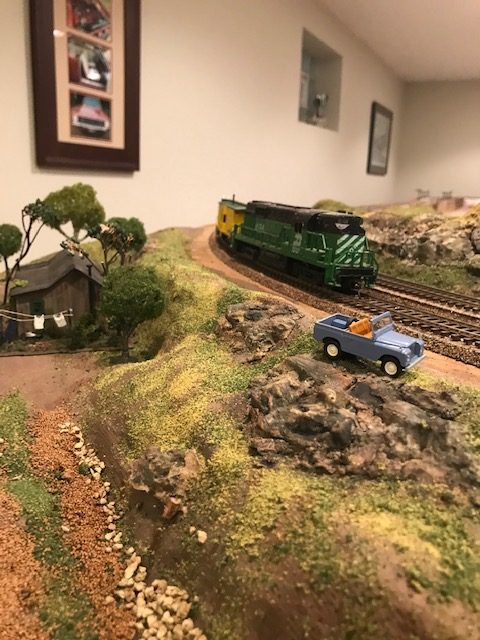
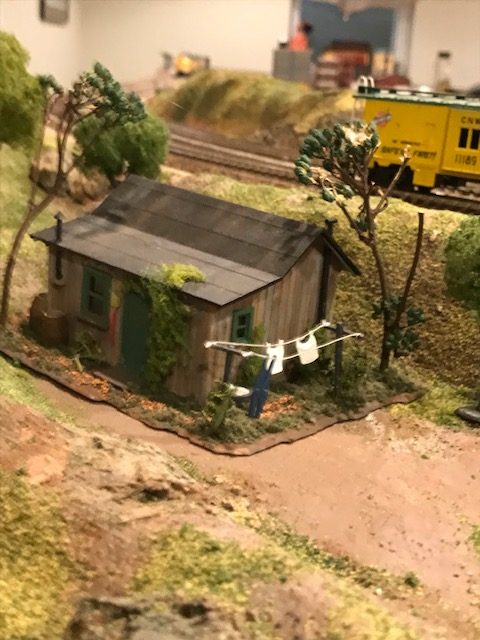
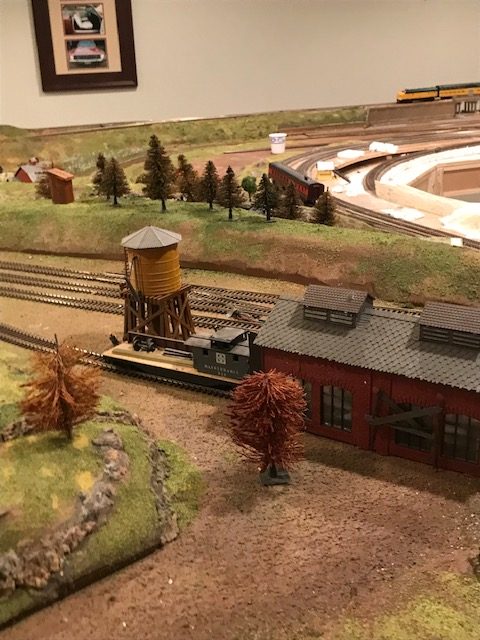
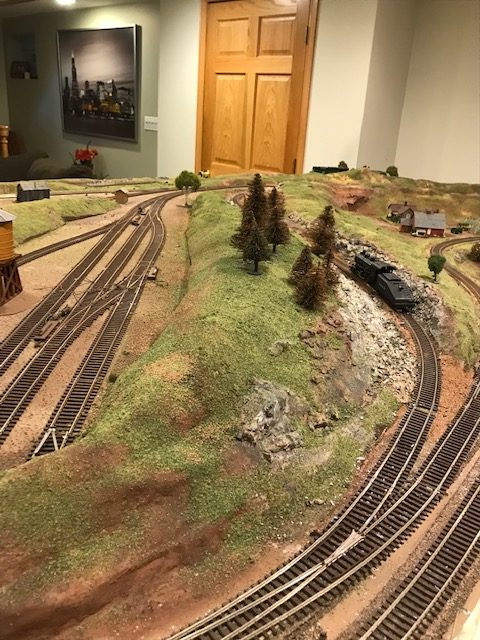
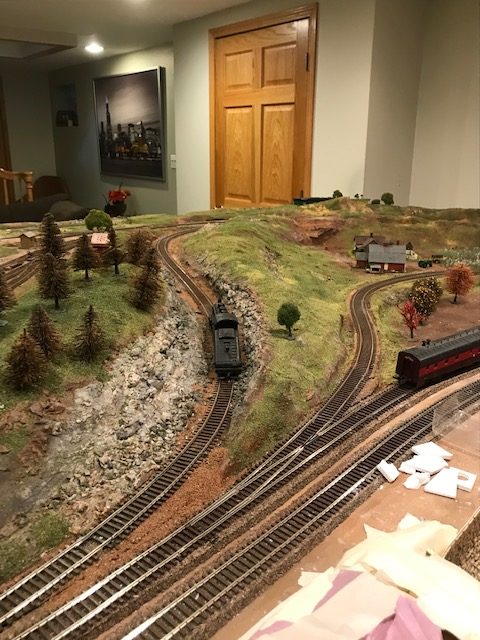
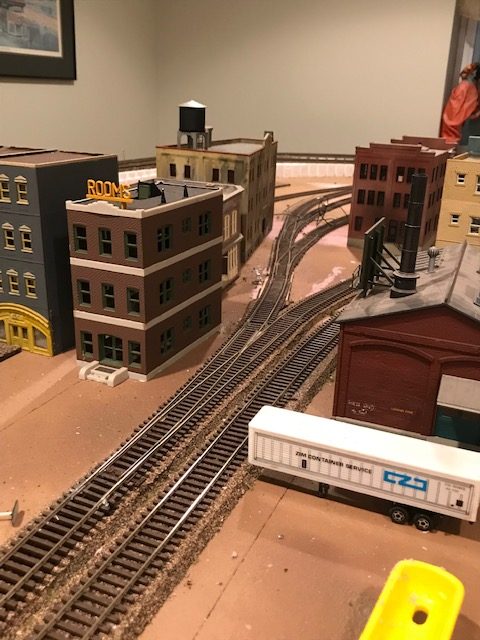
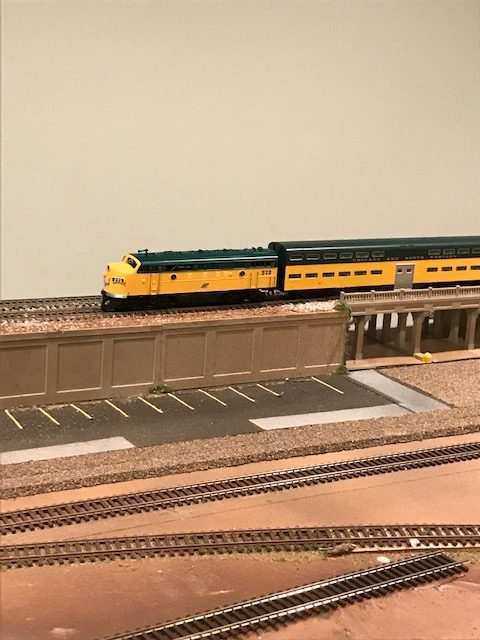
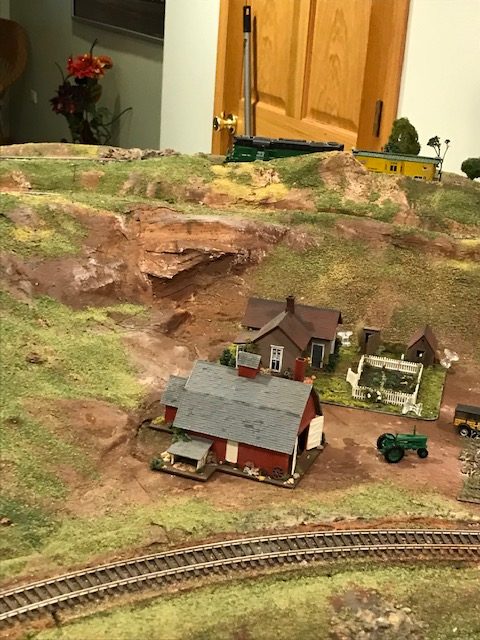
Bill’s been back in touch with some pics of his HO scale yard ballast.

He’s been busy on his scenery. If you missed his last post, it is here.

“Hi Al

I’ve been enjoying adding scenery to my second 4×8 section of my switching layout. I have a fair amount done at this point and it’s coming together nicely.

I’ve adding what is going to be my only major water feature and that is a ditch in which I’ve added Woodland Scenics water as well as some cattails and several HO Scale geese.

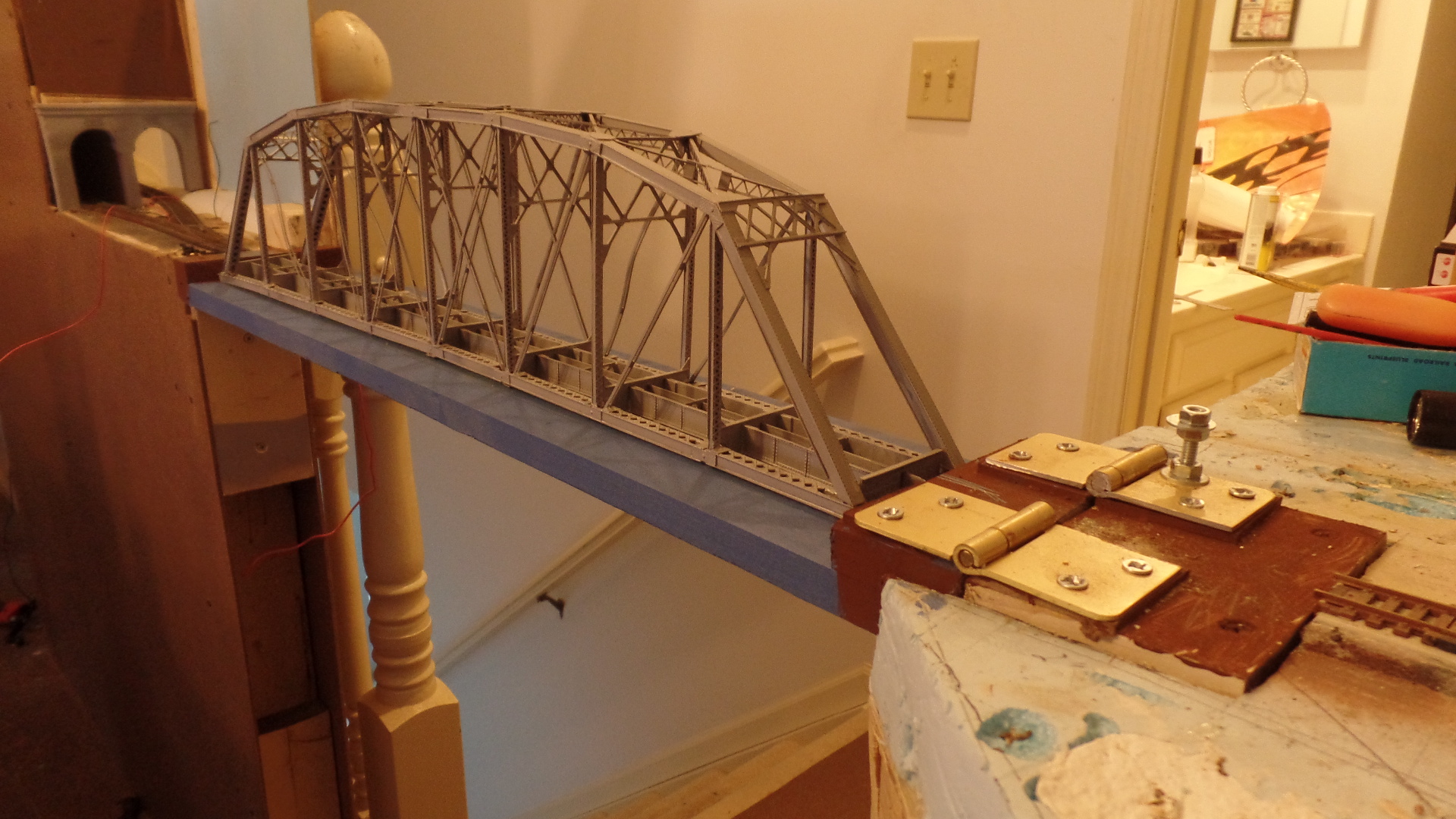
Another addition is a small bridge going off scene by the oil distributor.

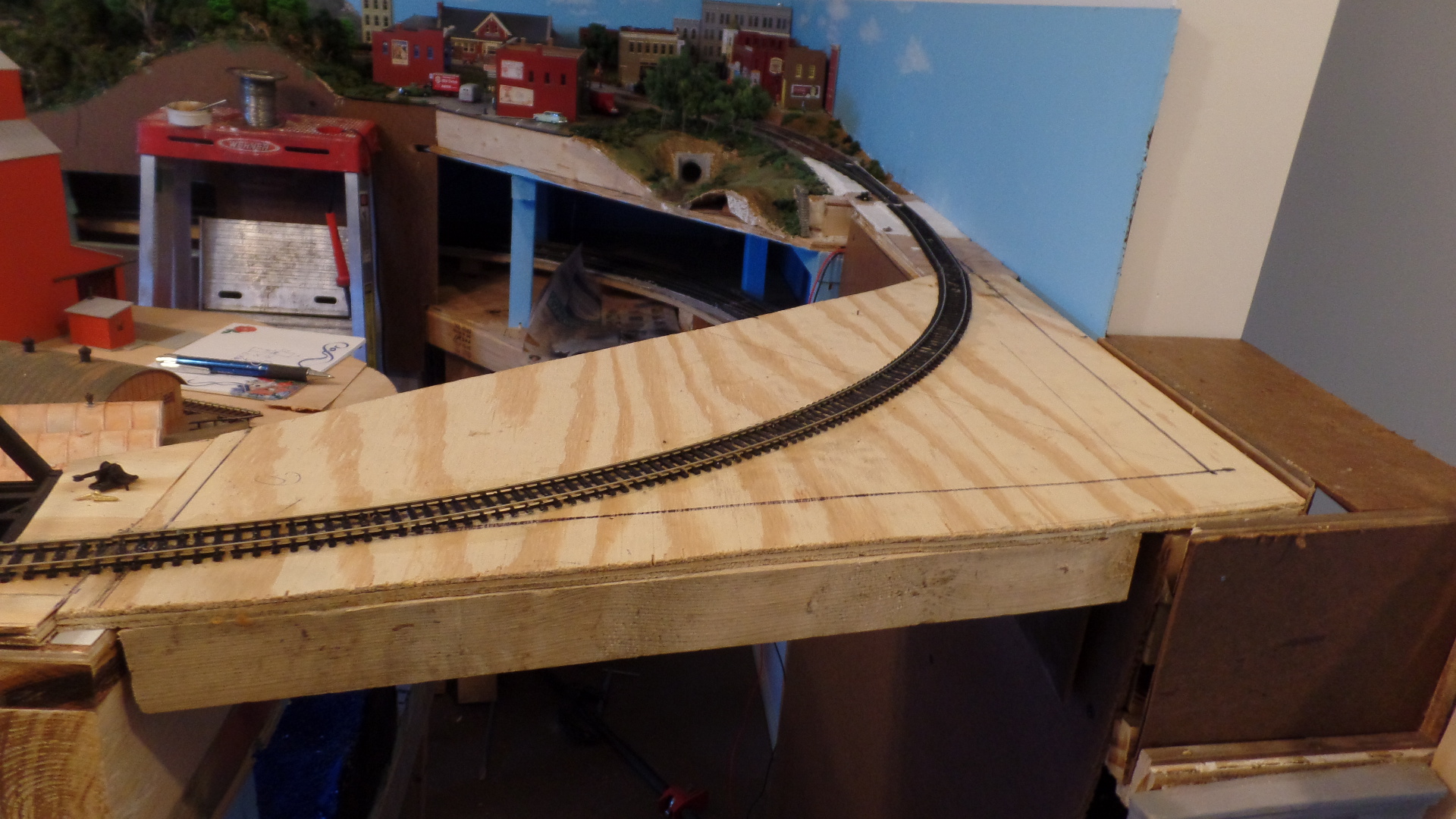
I reduced the amount of roads I originally was going to add but doing so cut off access to the filling area of the scene so I created a small road coming in from off scene and built a small piece of a bridge where I had added some s energy in the side of the foam board base due to damage to it. I think it works well there.

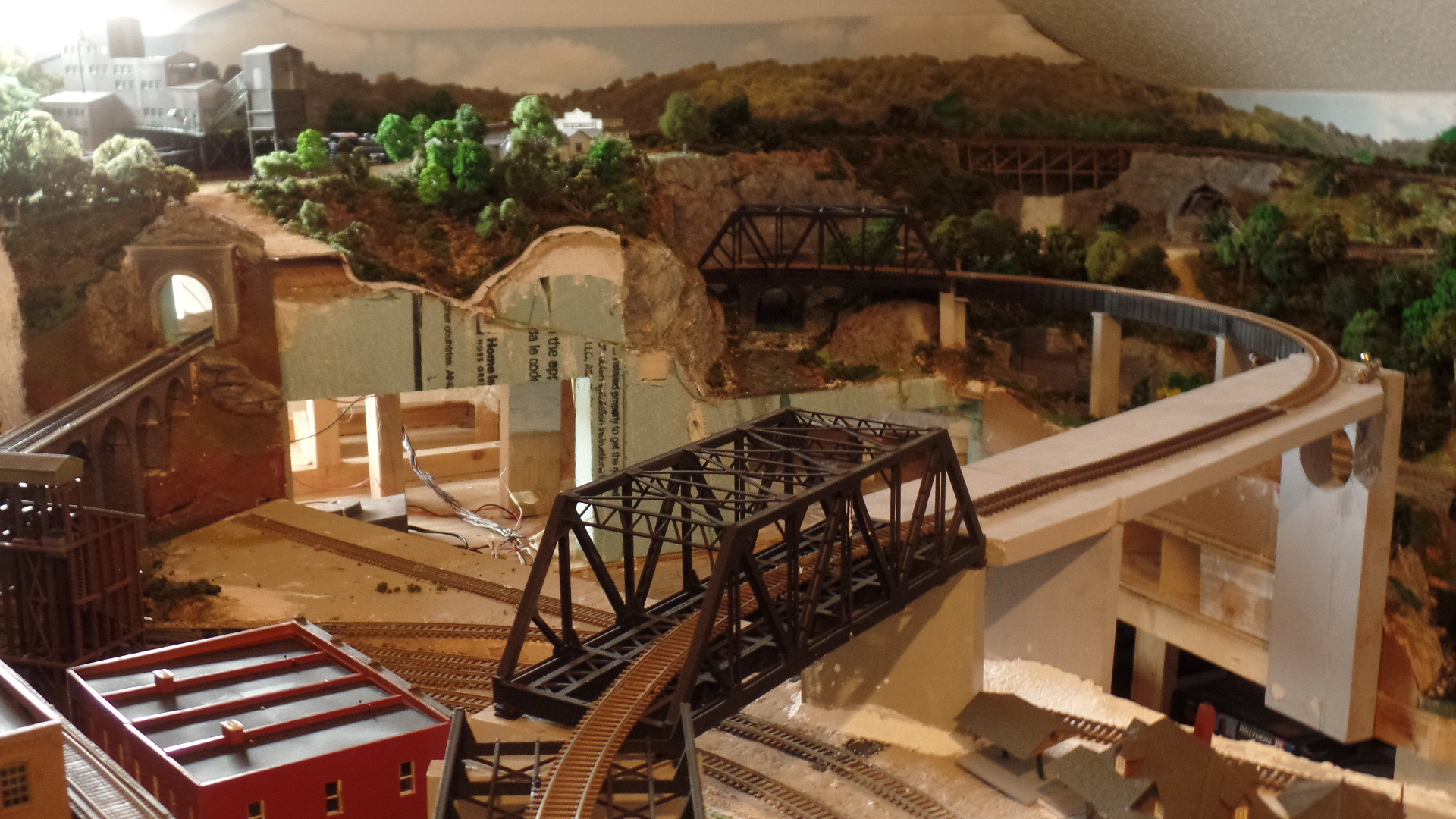
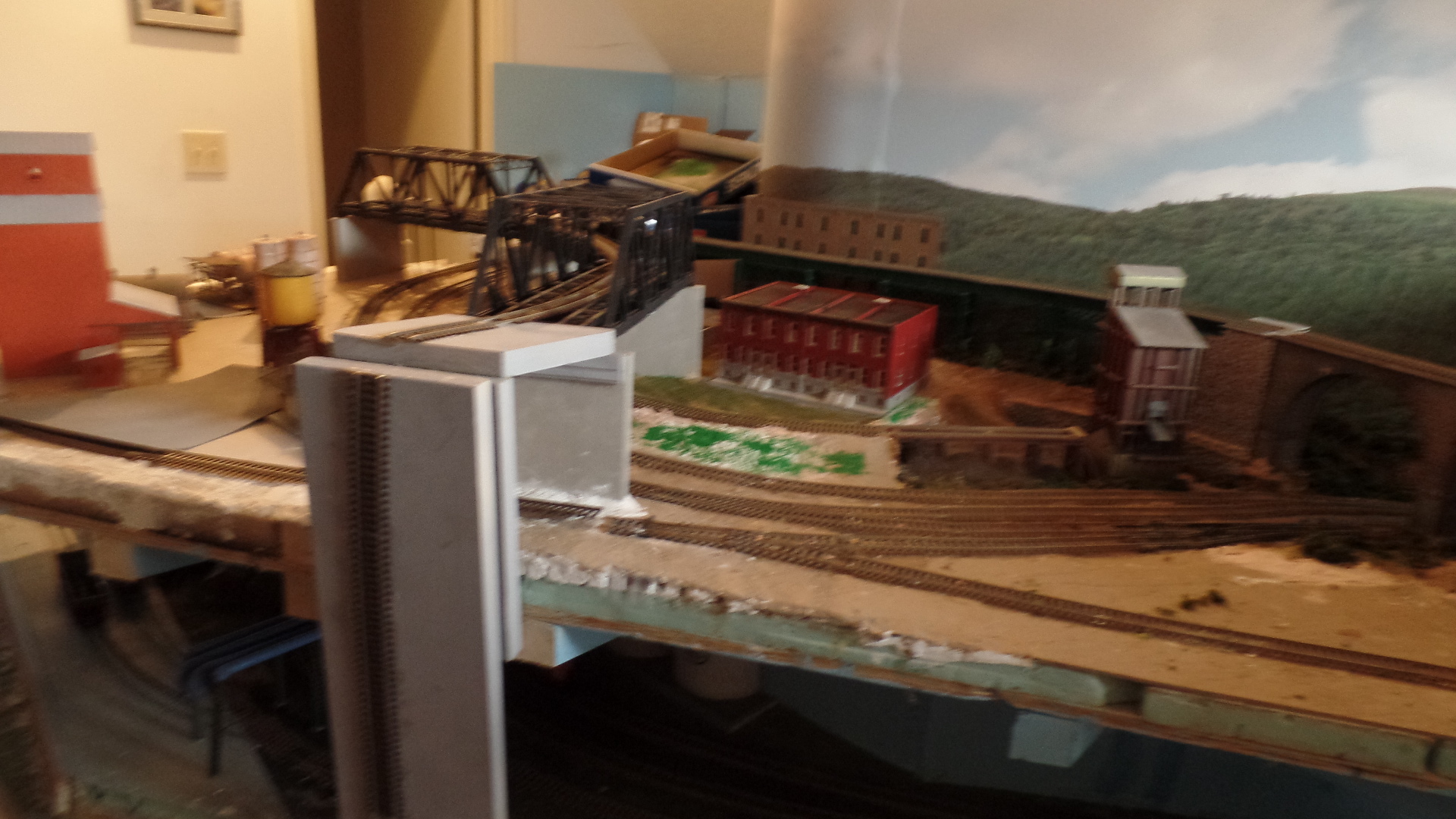
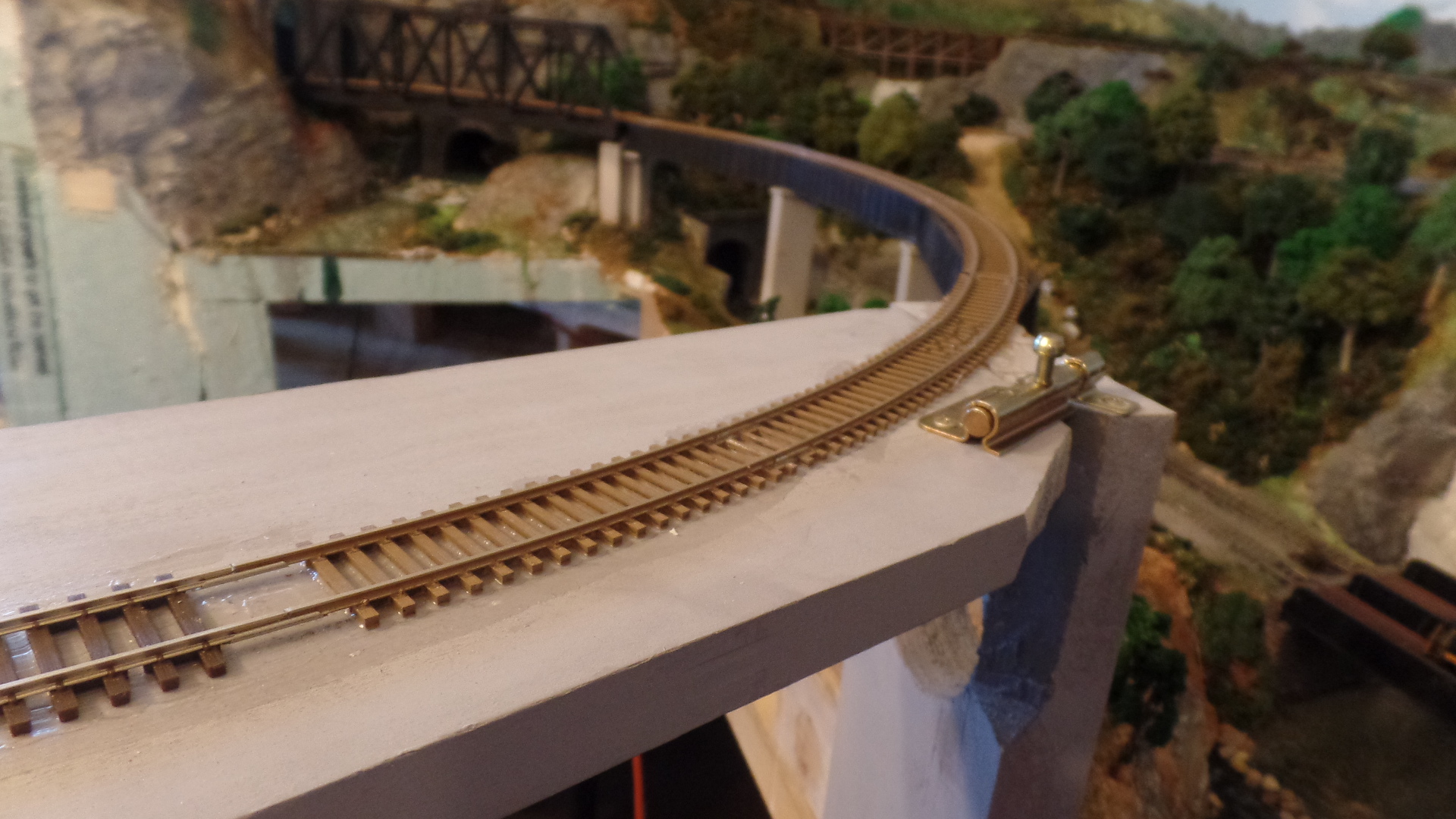
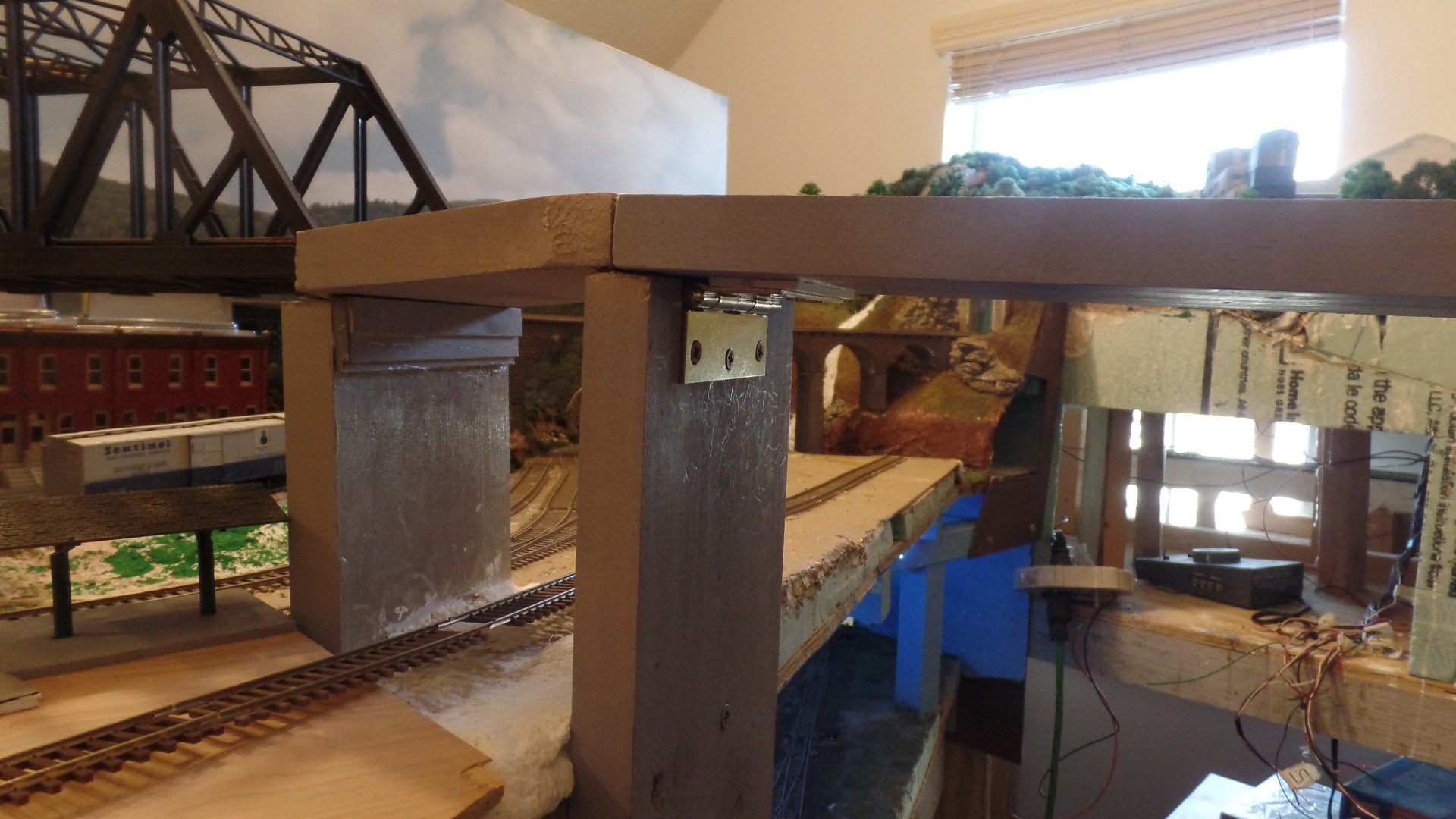
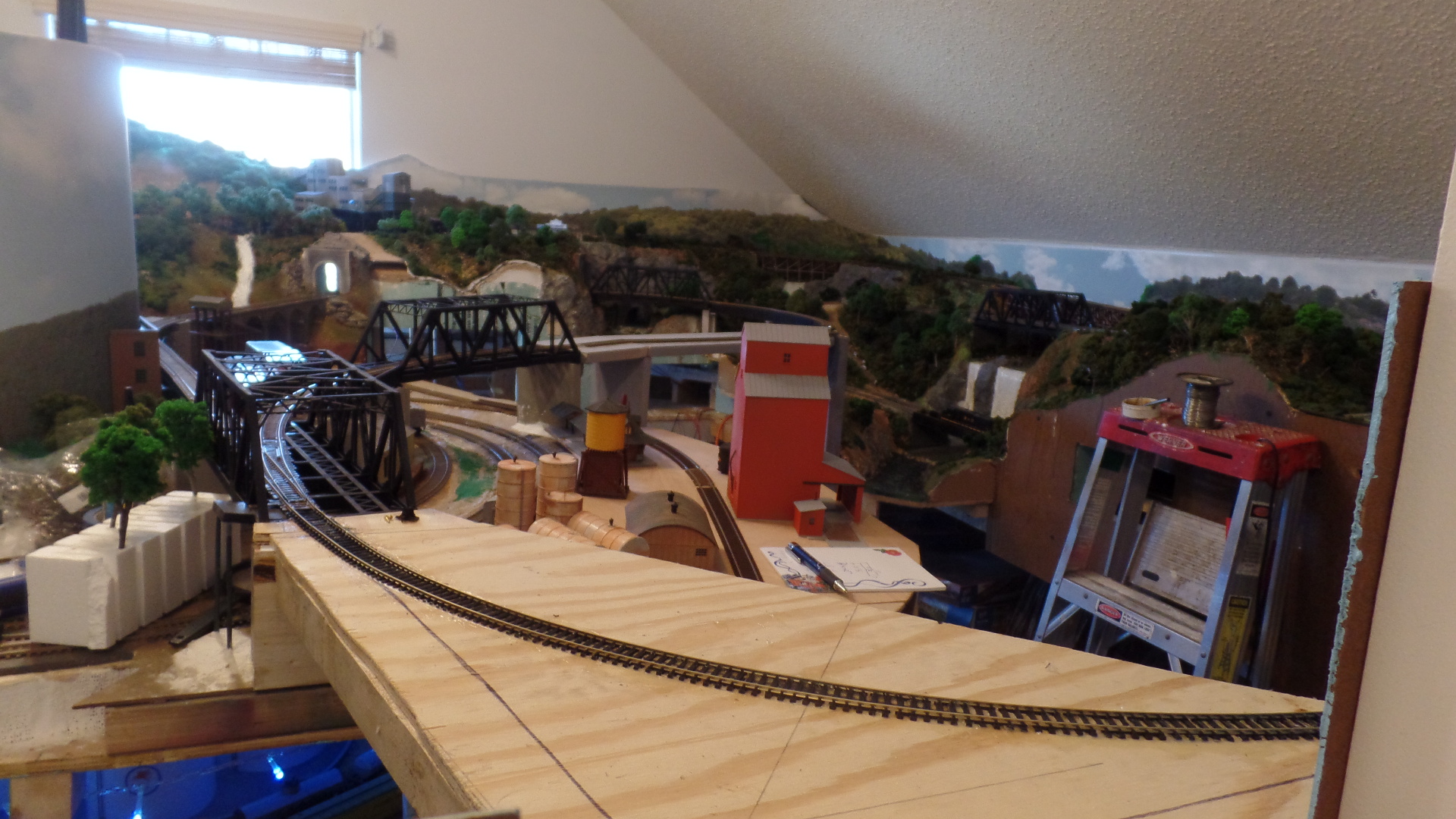
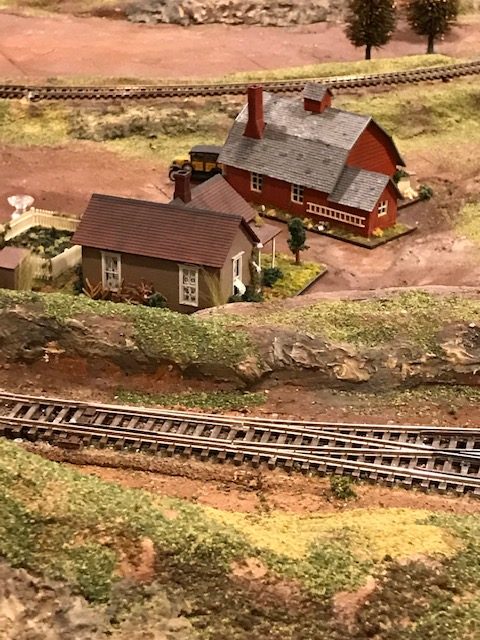
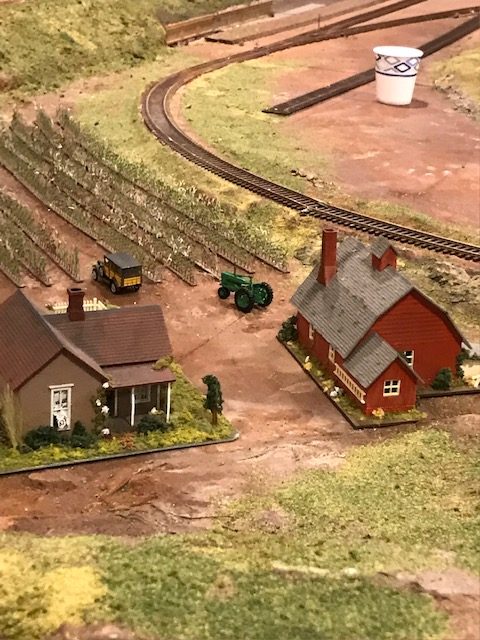
I’ve done a lot of other scenery too. Pictures are below of the HO scale yard ballast. Still much more to do such as add in people and start to work on the larger buildings for painting and detailing. I’ll be busy for a long while yet and I’m enjoying every minute I get working on the rail road:D

Cheers!

Bill in Virginia”

HO scale yard ballast

HO scale yard crane

HO scale oil store

HO road crossing

HO scale yard ballast

HO scale yard ballast

HO scale yard ballast


“Hello Alastair

As a child, I had a Lionel layout, built into an unused cistern in the basement of our house in Wisconsin. A new Lionel layout was created in another basement in the ‘70’s.

However, in the latter part of that decade I visited the UK and made the costly mistake of walking into a British model Railway hobby shop (Howe’s in Oxford).

I was smitten. Since then I have been collecting OO scale equipment, structures and track in hopes of one day having a space worthy of the beauty of British rail in the Grouping Period, well, some of it anyway, because even in my wildest imagination I could not figure out how to justify all four railways in a single layout. I ended up settling for three, omitting the Southern Railway.

Now, at the ripe old age of 77, I am embarking at last on a large layout (22×8), in a new Wisconsin basement. I had an even grander one in mind, one with a huge terminus, but the reality of all the wiring of so many turnouts and crossovers struck home. I looked at what I had designed and experienced a panic, never having moved beyond a three-track format. So, I have changed my plan to be large, but relatively simple and using DCC. That, at least, was a benefit of the delay in building my layout.

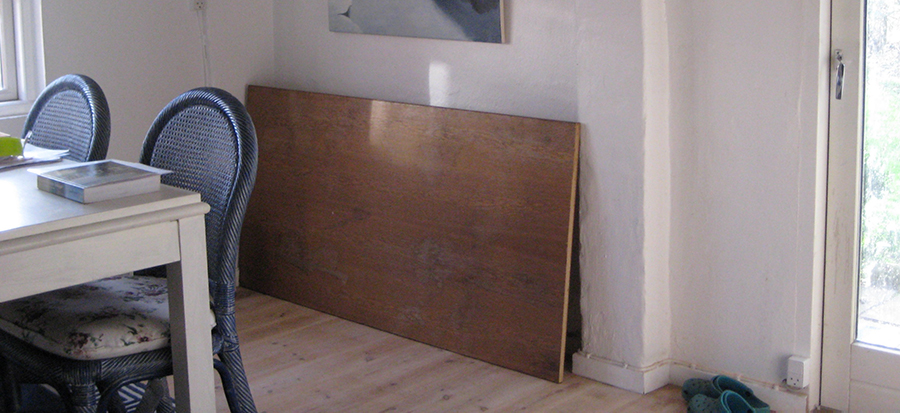
I have begun constructing the table sections, six of which will be required. This will allow me to run large rakes of carriages, seven or more, and not exceed the capacity of a single straightaway.

I have completed the first table, just five to go. I have acquired Digitrax electronics and a fully “chipped” locomotive, in this case, the Hornby Flying Scottsman, to encourage me in achieving my goal, including putting chips in the locomotives that I have collected since 1978.

Wish me luck (and long life to complete my project).

Dean”

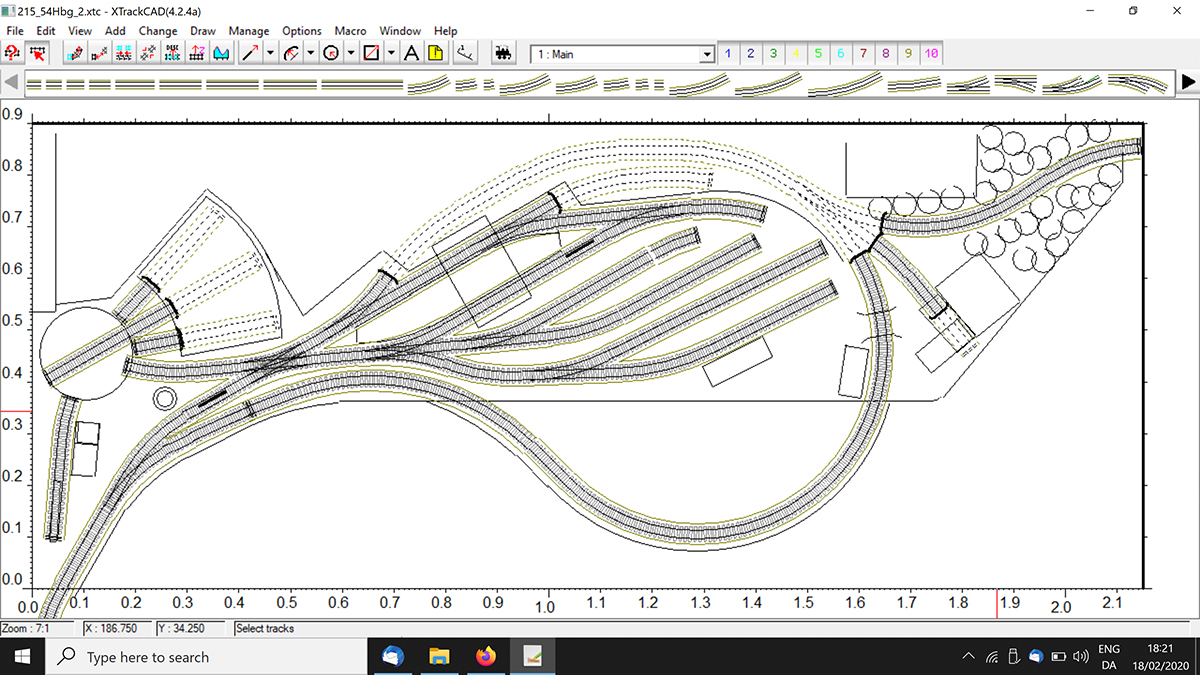
OO scale track plan

OO scale steam train

workbench

Well done – it’s all about making that start! Can’t wait to see your updates.

And what about Bill’s latest HO scale yard ballast pics? Stunning stuff as usual.

That’s all for today folks.

Please do keep ’em coming.

And don’t forget the the Beginner’s Guide is here it today is the day you grab the bull by the horns.

Best

Al

PS Latest ebay cheat sheet is here. Still going strong.

PPS More HO scale train layouts here if that’s your thing.


Model train table legs

Bob’s been back in touch with a great tip on model train table legs.

He show’s how to get your table level.

(Here’s his last post.)

“In my last post I said I was going to do things right this time around.

So I got out my Bosch Pro Laser Level and identified that my new L-girder framework to take into account the slope in the floor.

The room originally was going to be a screened in patio thus the slope. I tended up full-blown 16’ x 28’ addition to the house. There is a difference of ¾-in in 8’.

So I needed my model train table legs to accommodate this.

measure Model train table legs

measure Model train table legs

I started with building an 8’ section and a 6’ section of framework. The two sections highlighted in this picture:

The red line represents where I used the laser. I built four sets of legs, two sets for each section, and setup the laser at the high point.

I made the first set of legs so the top of the L-girder at 42” and lined up the lase with the top of that set of legs and then swung it to make that height on the 2x2s for the other legs of that framework and built that set of legs.

In the videos I watched about L-girder framework they recommend adjustable feet for the legs so you can avoid the use of shims as much as possible.

I looked up leveling feet and they are expensive to my way of thinking. One of the videos suggested tee nuts and hex bolts. I bought two 25 packs of tee nuts at $6.98 each and a box of 50 hex bolts for about $14.00. I put them on the legs:

Model train table legs

This will allow about 1-in of adjustment once the framework is put together which should be adequate since the initial height of the leg sets has been set with the laser.

After patting myself for saving by using hex bolts and tree nuts, I looked at the legs and thought: All the weight of the frame is going to be resting on four ½-in wide hex bolts. I studied the situation and decided I need to create wider feet for the legs.

My solution was to take a piece of 1×2-in left from the cross bracing and mark off squares and then use a ½-in forstner bit to drill holes in the center of the squares. The holes were the depth of the hex nut head.

layout table

I drove the bolts into the holes with a hammer. The dark strip on the bottom is a strip of whiteboard that I glued with contact cement with the smooth side down to allow the feet to turn easy on the carpet. Next I cut each block to make individual feet.


Model train table legs

The finished product adds about 1and 1/2-in to the height of the legs.

Model train table legs

As I go along I will submit updates and discoveries.

Bob, Virginia”

A huge thanks to Bob for sharing his tip on Model train table legs.

Some of you may think this is a lot of effort to go to – but as Bob found out, getting your bench / table level is critical.

A table that is not level, uneven or wobbly table will slowly drive you insane and sap all of the enjoyment from you.

I’m with Bob: tables that aren’t level are the work of the devil.

Please do leave a comment below and share your own insights. I’d love to hear them on this.

Now on to Dave:

“Hi Al…

Well my new Loco came this week with sound fitted, the class 67 from Hornby, and what a great runner it is, well pleased with it, so just had to share my video of her.

Also showing from last week the different size of Peco Track can be used together, a small piece of transition track can be used to join the 2 types up on a layout, I have used blue tack just to hold it down so it looks a bit on the wobbly side, but this is just to show as a demonstration.

Regards

Dave”


Latest ebay cheat sheet is here.

That’s all for today folks.

Please do keep ’em coming.

And if today is the day you claim your spare room or basement in the pursuit of having fun with trains, the Beginner’s Guide is here.

Best

Al


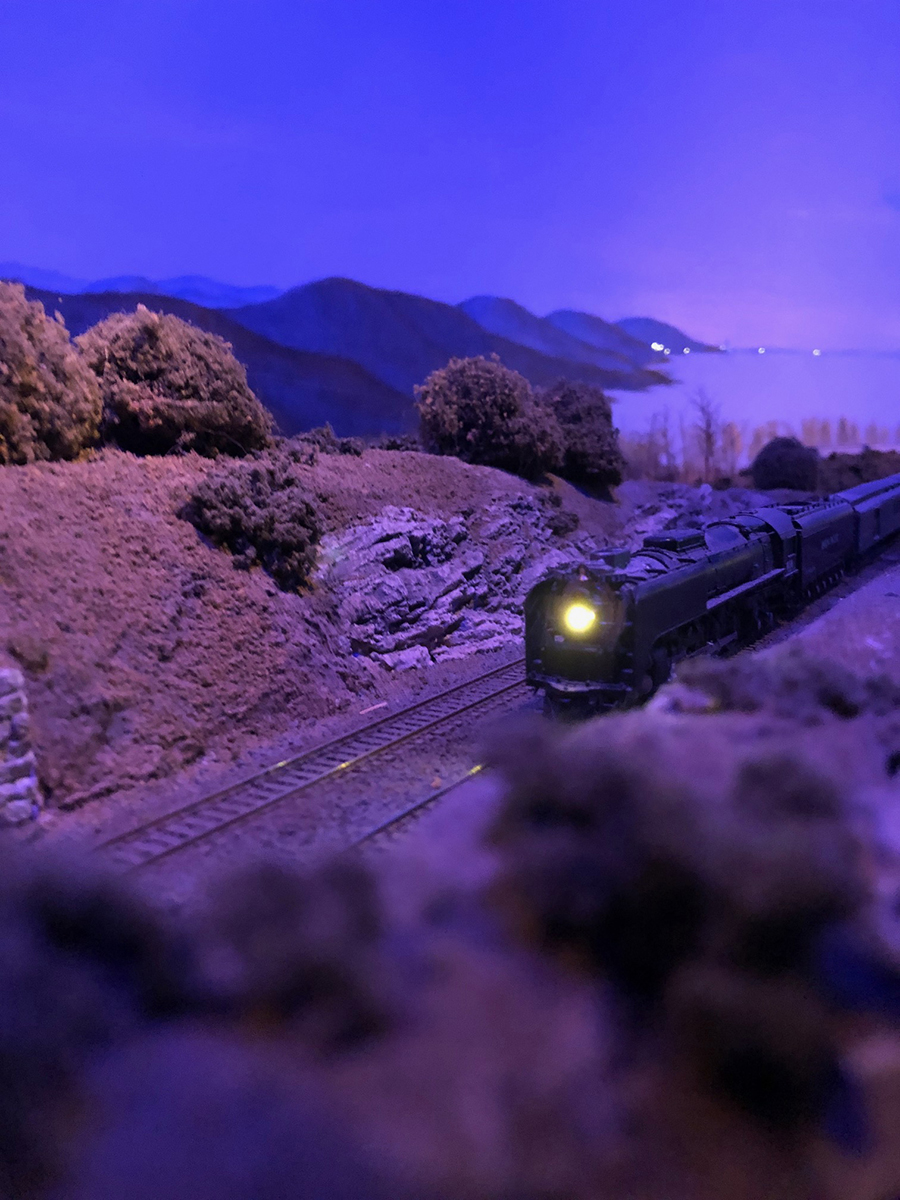
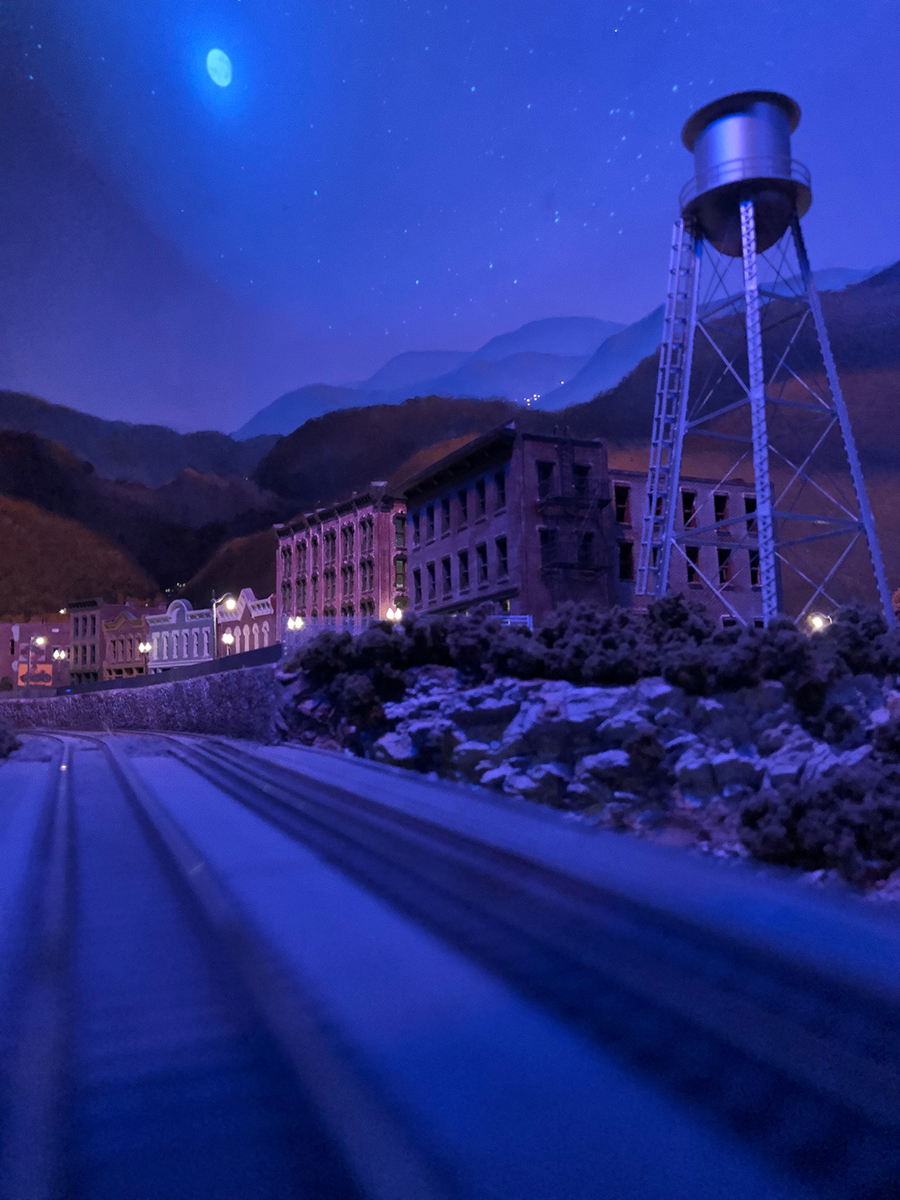
HO scale coal mines

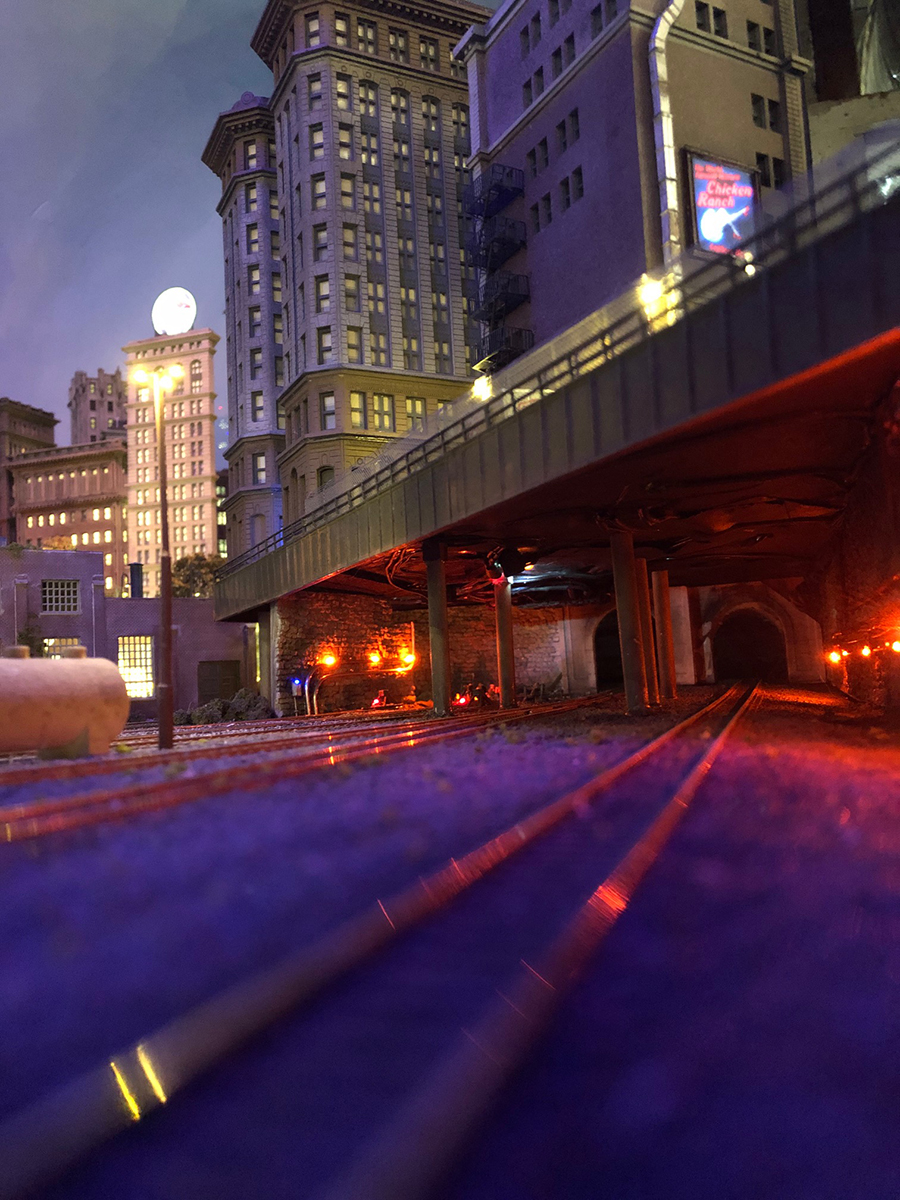
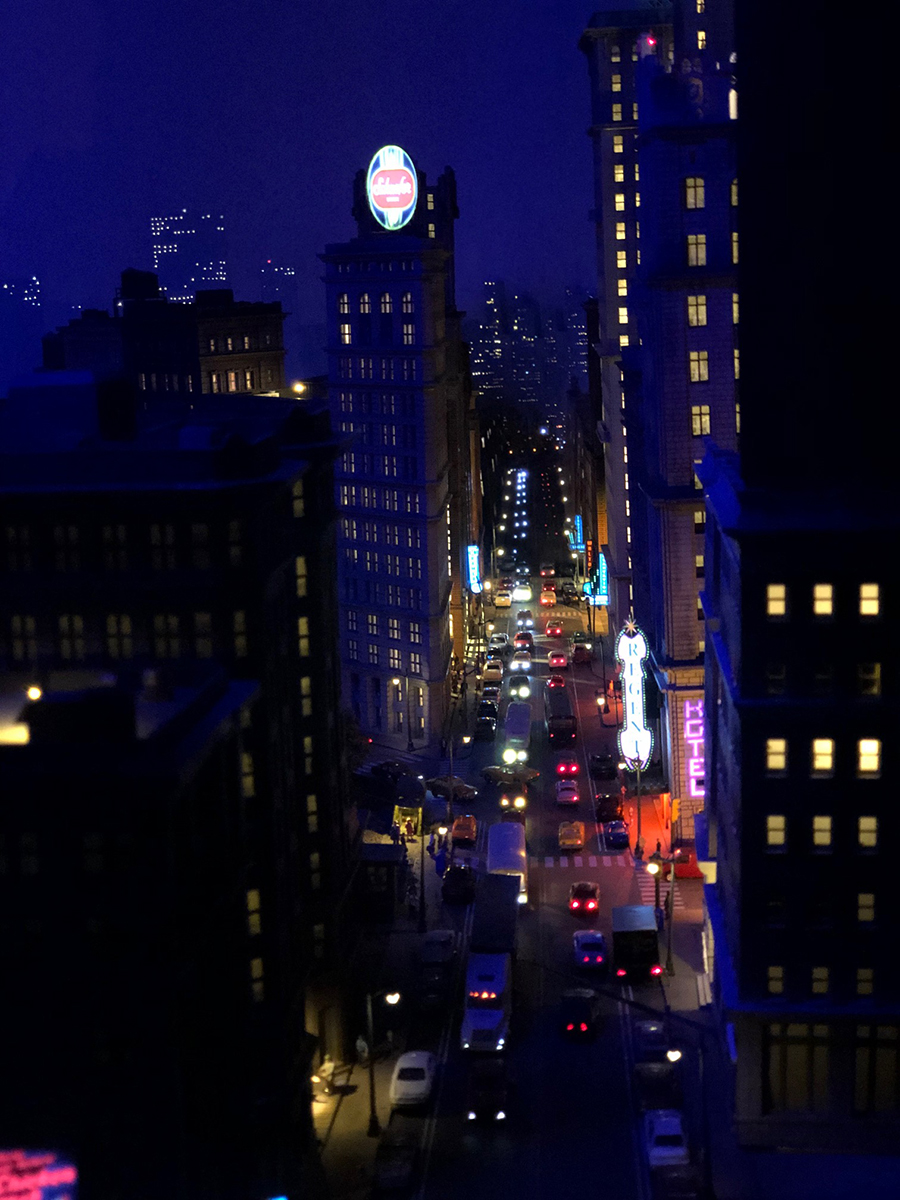
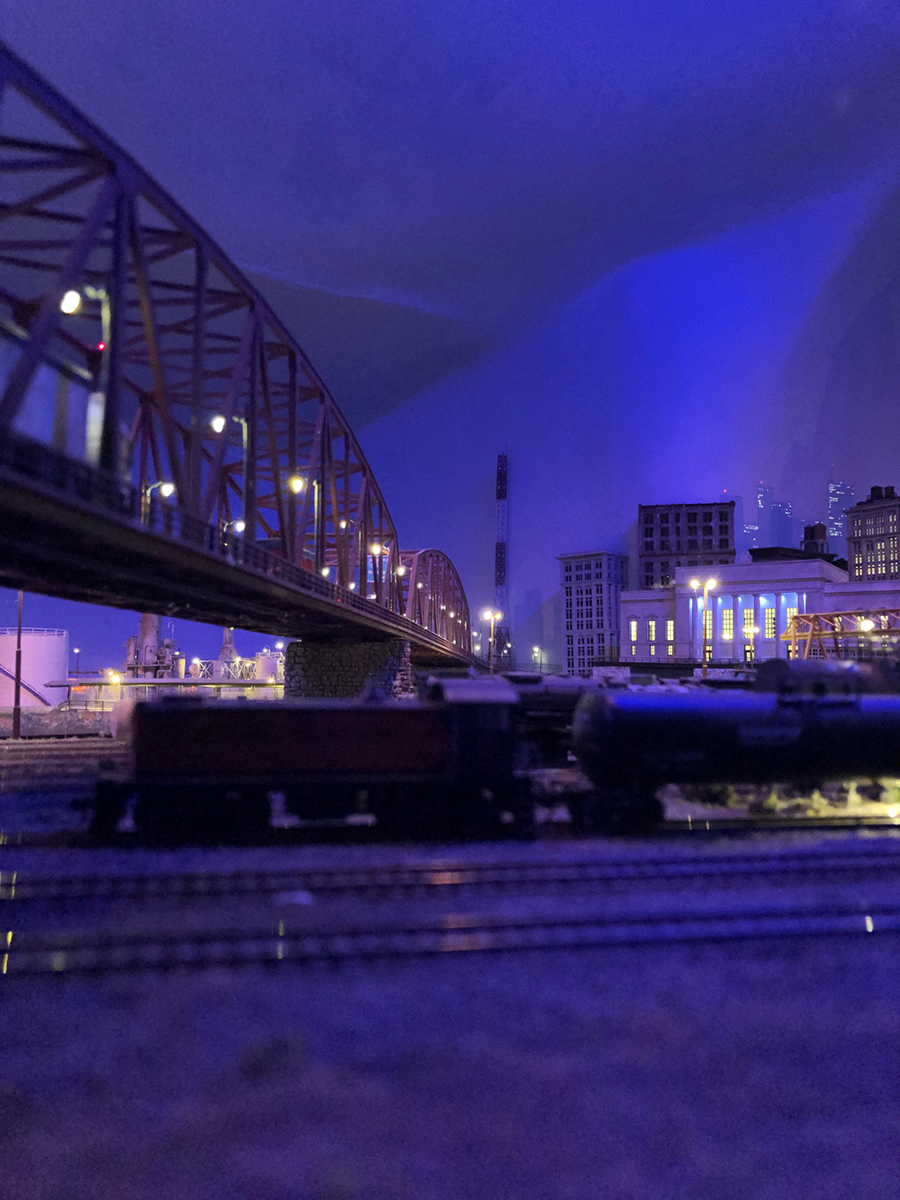
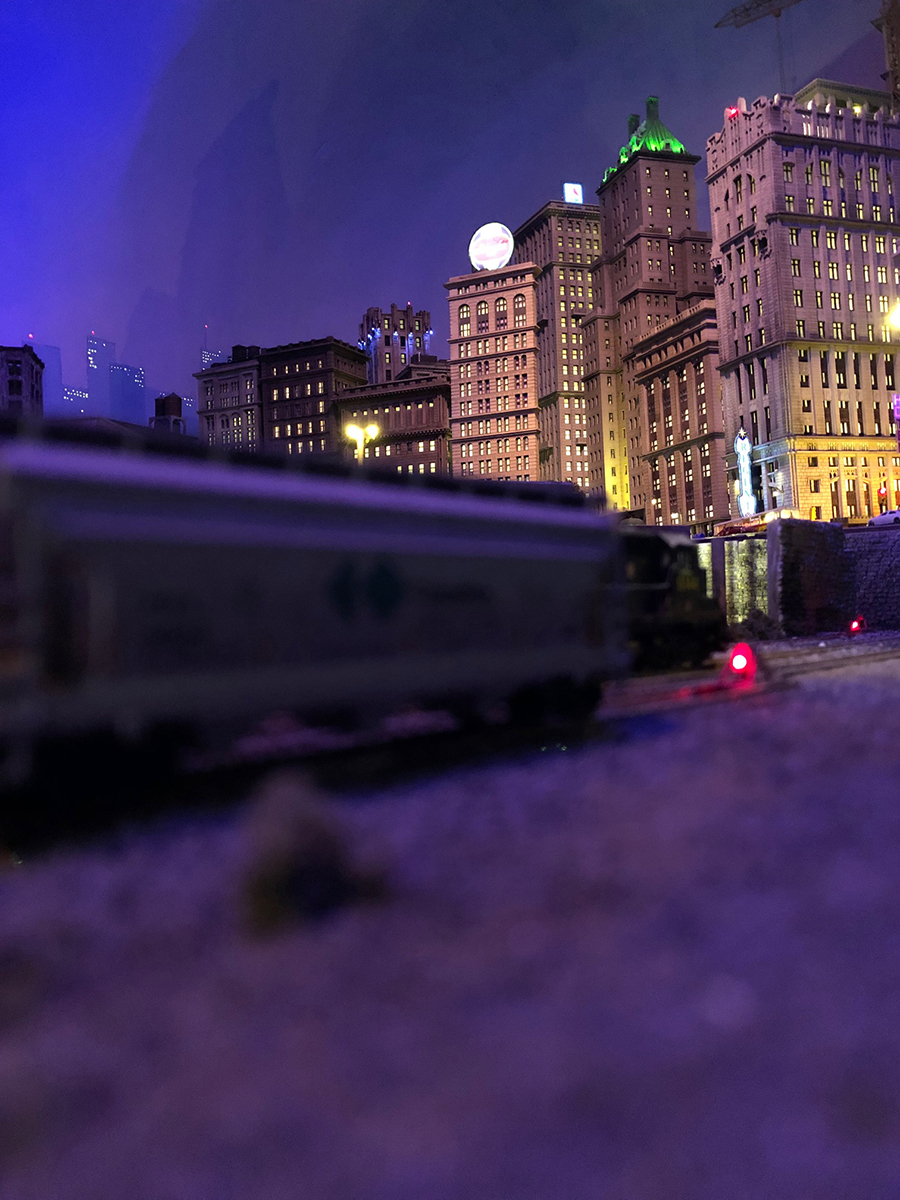
John’s been back in touch, he’s added to the collection of HO scale coal mines on the blog.

I know we are in for a treat when I see his name pop up in my inbox.

And today’s no different.

If you want to get up to speed, here’s John’s wiring update.

Here’s the update before the wiring.

And don’t miss this one.

Now let’s see where he’s up to:

“Hi Alastair,

John From Baltimore here.

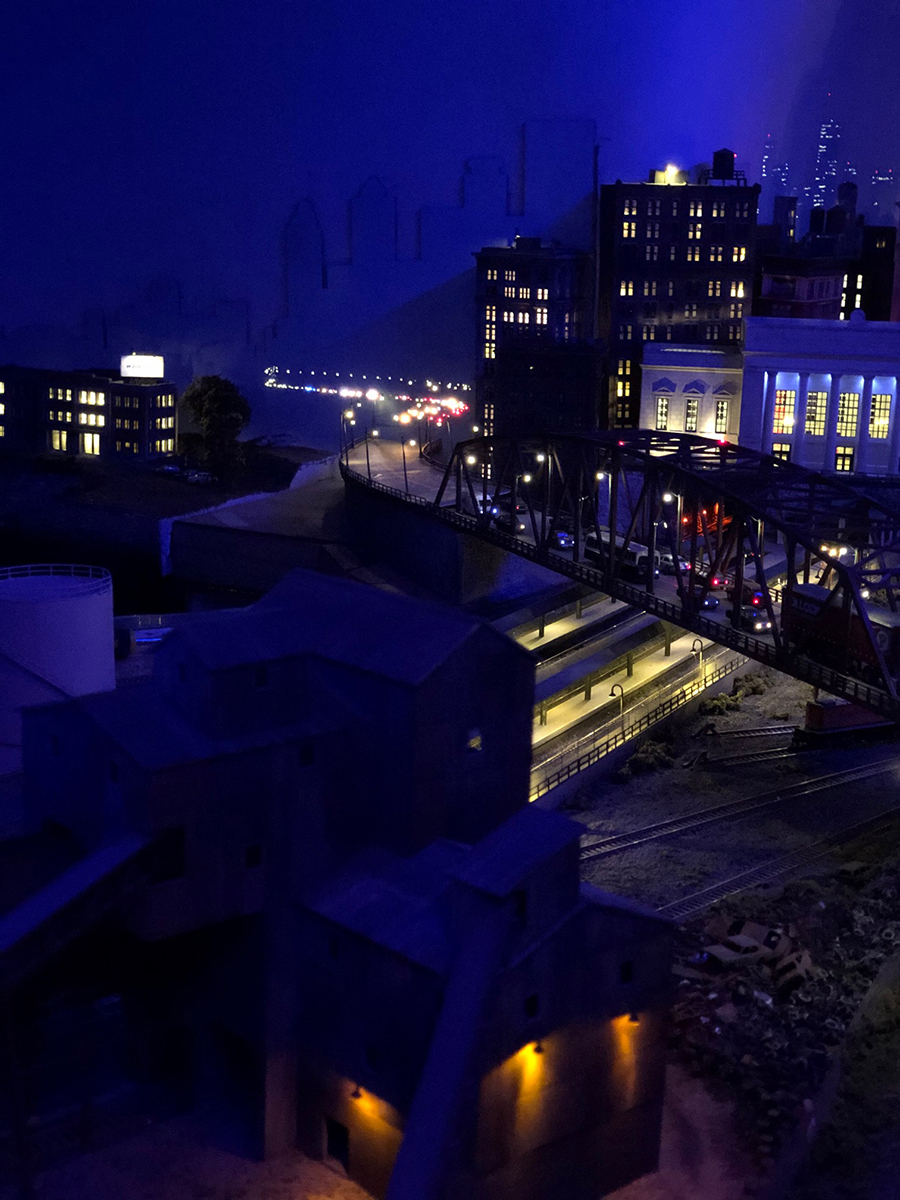
I’ve been working on lighting, wiring and overall updates to my layout. The changes are kind of subtle but in there.

I’m still working on some spotlighting of the various places where shadows hit the scenery. The bridges and lighting them has been a real challenge.

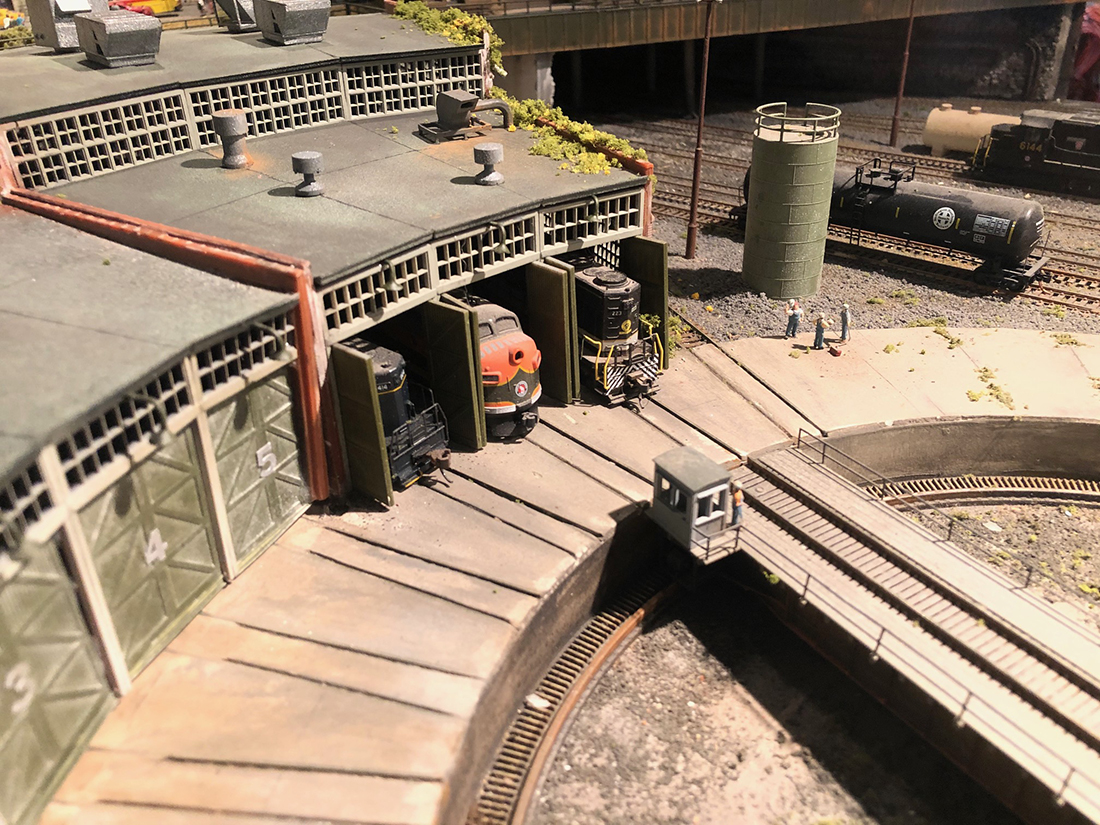
My next layout project is replacement of the turn-table at the engine roundhouse with a more prototype in ground one. Of course there’s a wood beam directly where I need to cut into the layout base!

More when I get into that in a few weeks, I’ll try to document the whole thing, wood chips flying and all.

Thanks for all you do for the model railroad community.

John From Baltimore”

ho scale coal mines

(All images are clickable by the way.)

coal mine railroad

ho scale coal mines

ho scale coal mines

ho scale coal mines

ho scale coal mines

A huge thanks to John – as far as I’m concerned, the blog can’t have enough HO scale coal mines.

John’s post reminded me of Wayne’s coal mine too:

HO scale coal mine buildings

It’s so wonderful to see any layout spring to life. And when the fine detailing comes too – well, that’s when the real fun starts.

Can’t wait to see John’s roundhouse.

That’s all for today folks.

Please do keep ’em coming.

Don’t forget the Beginner’s Guide is here if you want to get off that armchair and have some fun.

Best

Al

PS Latest ebay cheat sheet is here.