Rich has been in touch with some model railroad layout tips:
“Having access to a wide variety of products from Walthers, Inc.; one product I found which works great for ballast on model railroads, is plain old beach sand. You can get some, wash it, rinse it, let id dry before using.
Then, when you go to use it, you can spray it with a diluted tint, let dry, and then use it for ballast.
For HO railroads, beach sand will duplicate ballast for use around yard tracks.
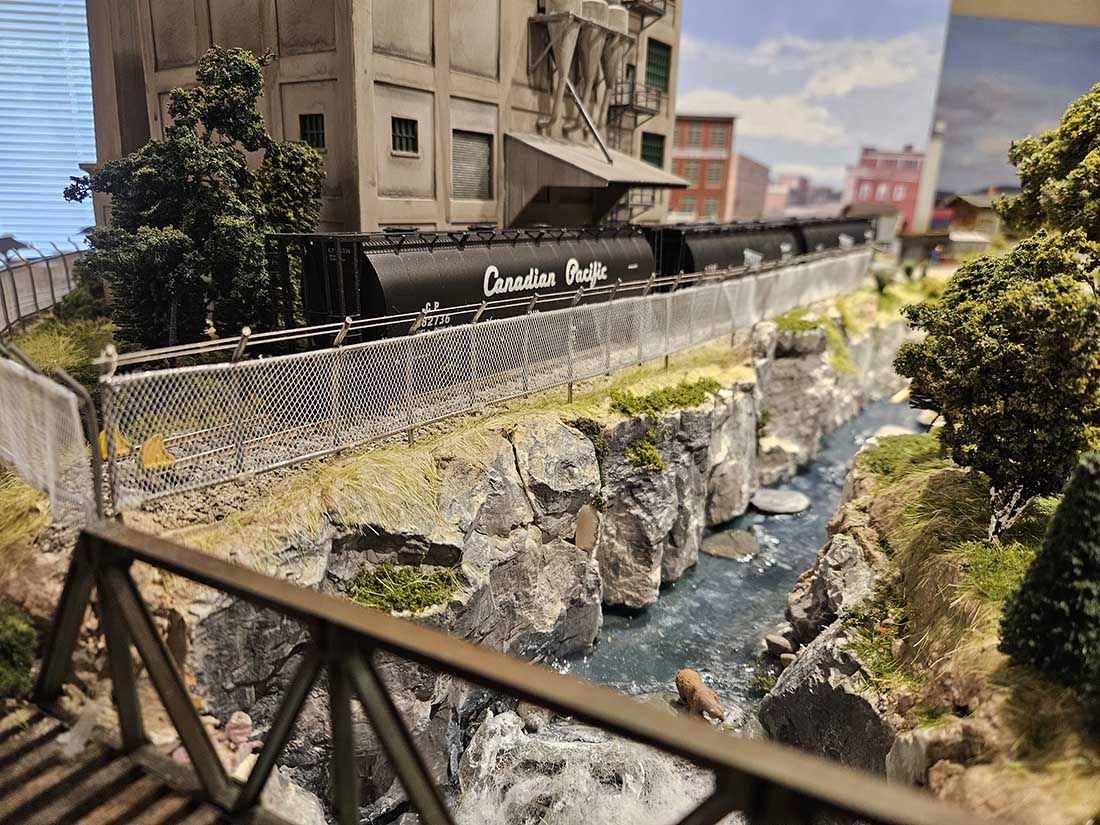
To model strata in rock faces; I use molds for rocks, but also use gypsum boards, made over an inch thick. I cut the width down to 1.5 to 2 inches wide, then carve the exposed side, before putting in place and coloring.
The process might be a bit time consuming for some, but I like doing that in places where the use of such is not readily noticed; as in an extension of a modeled rock face.
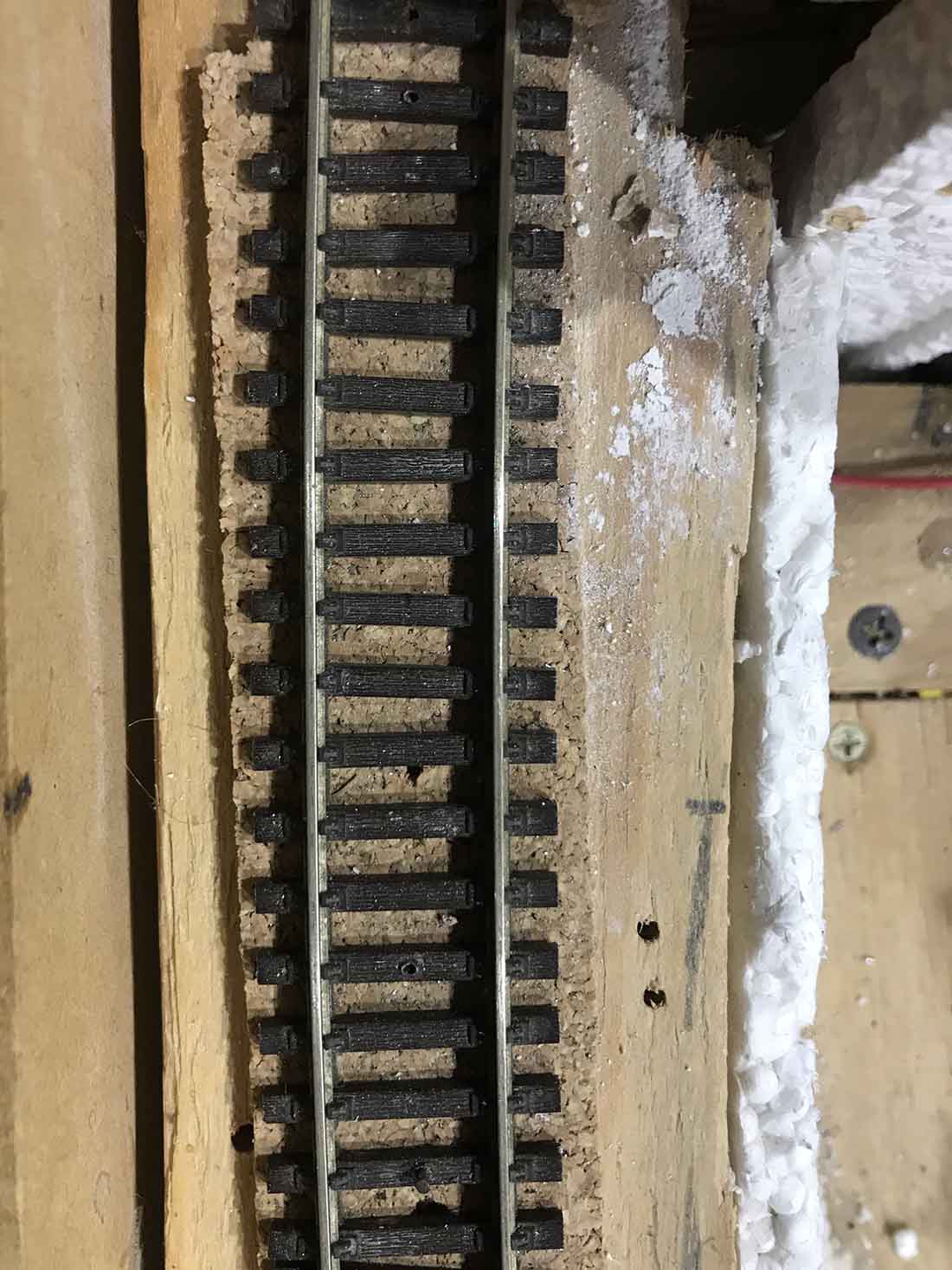
I also use gypsum board as underlayment for the trackage, and hide this with a cork roadbed, which I then hide with ballast.
I have also learned that gypsum, in loose form, makes good “snow”, although you have to be careful not to get it wet, as it will clump, and after it dries, it sticks.
One thing about Gypsum, is that it is the main ingredient in Plaster and sheet rock. But it is great to work with; and I have laid road ways, air strips and even built buildings using this stuff. It really is great for model railroading.
I also use a wood water proofer, but what I use is Kuprinol 10; which comes in either clear, or green. I use the green for water proofing wood posts when building fences, decks, or setting up foundations for barns, sheds, etc.
I have been using the clear product for making many of the wooden structures on my layouts, water proof, so that the structures don’t absorb water vapor from the air.
Also, Thompson’ Sealer works just as good, but I find that to be a wee bit more expensive, per gallon.
To me, the best tip I could give to any one wanting to get into model railroading is: “Start small.” Regardless as to how big you eventually “grow” your layout; don’t make the mistake of trying to do every thing all at once.
Start with a small layout, which should not take more than one or two weekends to complete.
Then, as time, space, and budget permits, add to this small layout.
Keep your expectations from leading you to get more involved in the modeling, when you don’t have time or space, or the budget to get deeper.
Don’t run lots of trains; although you can have many different types of locomotives and rolling stock.
AND, The most important idea to remember is: Don’t let others tell you what you need to do with your hobby. The model railroad you build, belongs to you and your family; not to the rest of the model railroading community, (unless you start a club and invite others to join). If you want to make it “Toy like” in appearance; this is your prerogative. Remember: This is Your hobby, and every thing you do with it, belongs to you.
I use gypsum for scenery, which I buy direct from the maker. It works out real good, and can be mixed with dry colors for various shades of rock and dirt.
I also use in/out door carpeting, green in color, which I cover with colored gypsum, to simulate yards and fields. This saves time and money, and doesn’t look half bad.
For tunnels, I have molds which cover the outside with plaster, let set and harden, and then remove the tunnels and place them where they will fit on the scenery, before I build in the mountains. This gives me the ‘rock-cut’ interior, which most tunnels have, although for me, you can only seee into the tunnels maybe 6 to 7 inches.
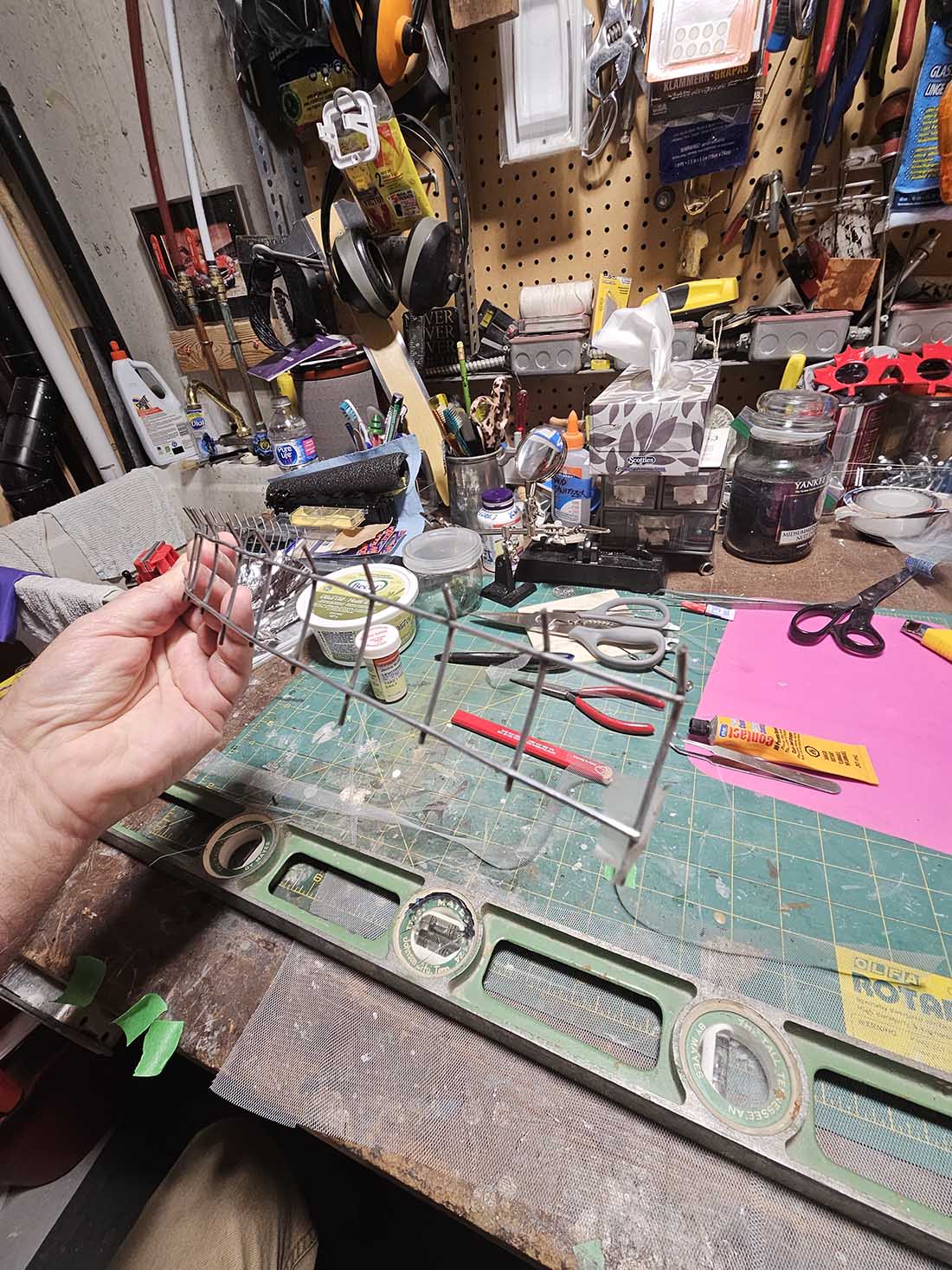
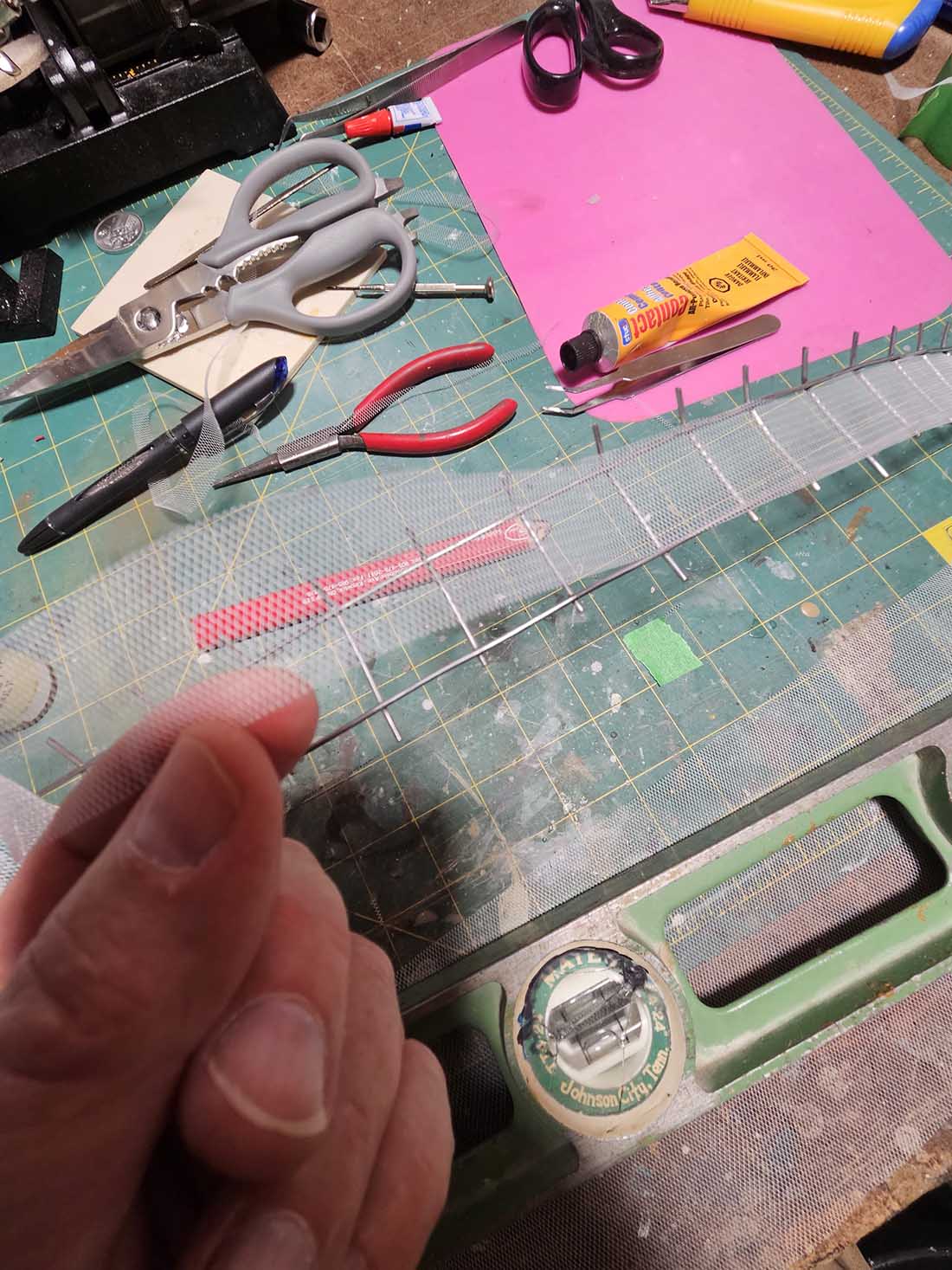
For bridges, I use scaled plans and structural plastic shapes, which I heat weld when building the bridge. A current project bridge is being built using steel, for under-framing, with the plastic parts, (beams, columns, etc), heat welded together, so the steel will be hidden. This is because I plan a bridge which will be built in a canti-lever style, and will measure around 12′ long (real time measurements). This bridge is needed to span a walk-under part of the layout.
Have a great day
Richard”
“Hi Alastair,
I’ve noticed a lot of train cars, etc. come with a plastic bag of some sort or other. I have been taking emptied plastic bread sacks, turning them inside out to dry them and remove the bread crumbs. After about a week I turn them right side out, punch some holes in them for ventilation and use them to store trains that do not have boxes or packaging. Then they can be wrapped in any medium you wish to use for cushioning and the cars are protected quite well.
I enjoy the emails I receive from you, thanks.
Best regards
Rich”
“I had been making a scale scene kit of a loco inspection pit.
I found a easy way to remove the sleepers of the track.
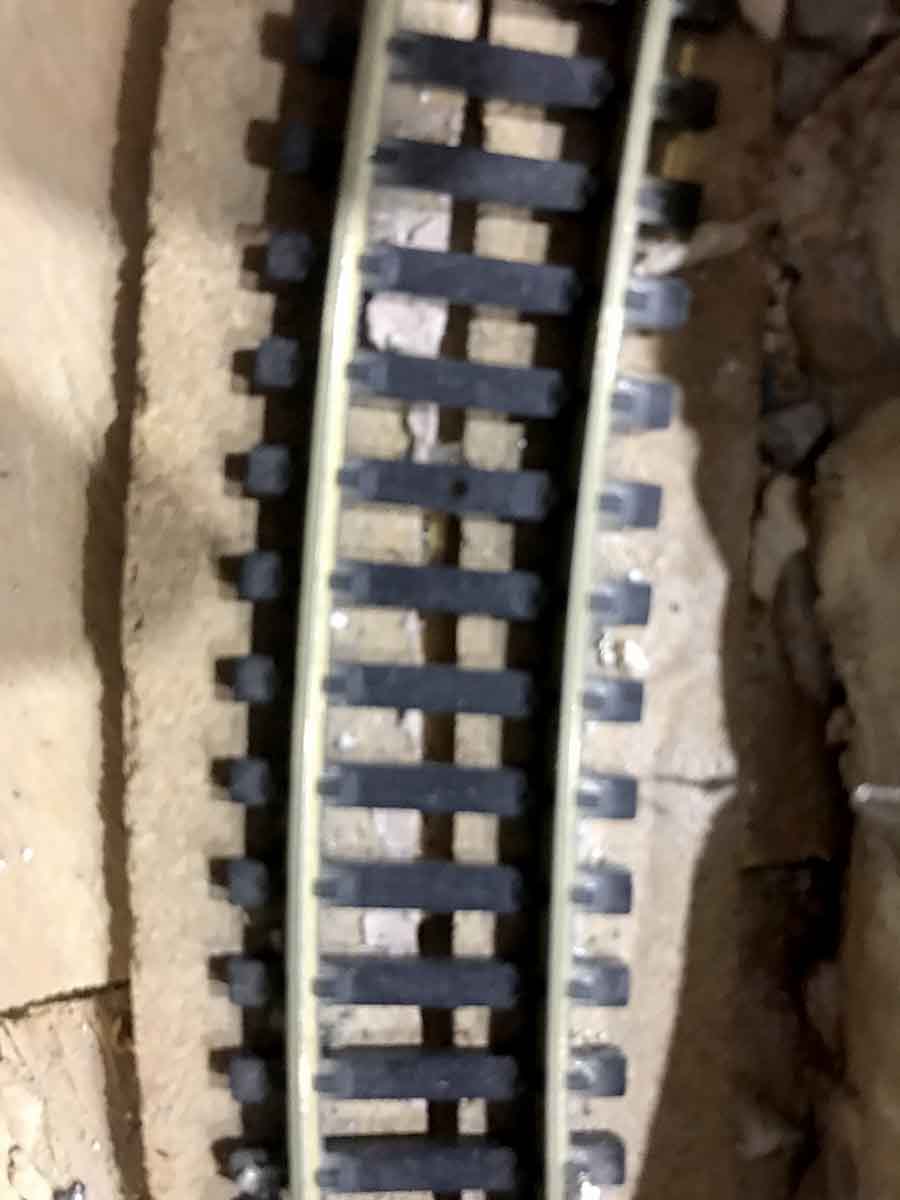
Leave the 2 end sleepers. & with a soldering iron melt the clips from the sleepers, then cut the web under the track.
Then melt the rest of the sleepers with the iron to soften them, then pull them away.
Note this should be done outside.
Paul”
“Al, I know youre always looking for new ways to make a layout look realistic. I thought i might share something ive done to save some money. Resin or hydrocal retaining walls are expensive, especially if you need 10-15 of them. I found some images on google of several stone wall applications.
I expanded them to the largest size then printed them, then cut them to fit with mortor lines in correct format. Ive enclosed some pics so you can see how real they look. For myself currently im on a fixed income, but I love the railroad.
Thanks.”
Don M from Jonesboro Ga
“Hi Al
Just by accident I Discovered a way to make rock walls from the above material.
I was making the scalescenes kit of the low relief warehouse & when I completed it, I found where I wanted to install was too small for it to fit as I had glued 2 large blocks of polystryrene there.
So anyway I needed to cut those blocks but instead cutting with a knife and making a mess, I thought why not melt off some those blocks & use a soldering iron to cut through them.
So thats want I did with the iron, It did stink & smoke a little & it make a real neat rock face, all I have to do is paint it.
Paul”
“Hmm.
See, now I’m just starting out, and I’m having a ball re-laying out stuff as I experiment. Sometimes it’s tough to do too much in advance, especially when you’re just starting out and can’t decide between a loop and a switching shelf, so I came up with a few tips from my first tentative steps:
1. Get SCARM, and play with it to get a feel for the kinds of track pieces that flow together;
2. Start small, and be prepared to mess around a lot before you know what it is you want from your layout;
3. Never, ever, glue *anything* down unless you’re happy with it;
4. Try to have two layouts – a permanent one, and somewhere to try stuff out, even if that’s just the kitchen floor!
I’m at stage 3 with a switching shelf layout that *will* one day have a loop, because I want the best of both worlds!
Keep on handing out this good info!
Best,
Guy”
“Hot-melt glue guns are miraculous in that you can use them on plastic or metal surfaces (to secure a figure, for example) and if you mess-up or simply want to move it: no problem. The glue releases with a little pressure and you can use your finger nail to peel-off the glue in preparation for gluing again—usually without peeling paint.”
Rick Johnston
Cincinnati, OH
“One of the best ways to show rapidly running water or waterfalls is to take lint (white) from your dryer and gently pull it over your waterfall area. Looks very realistic!
Doug”
As you’ll read, there are some simple tips, and some which are a bit more complicated (have a look at the tips below in the comments too).
But as with all things, it’s just a case of breaking things down, step by step.
Take a trestle bridge for example – they look complicated.
But look how easy Dan makes them:
That’s all for today folks. A big thanks to Rich for sharing his Model railroad layout tips, and to the others too.
Please do keep ’em coming.
And if today is the day you get started on your layout, the Beginner’s Guide is here.
Best
Al
PS More HO scale train layouts here if that’s your thing.
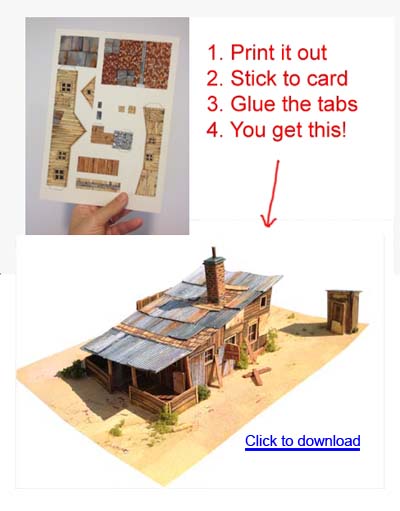
Need buildings for your layout? Have a look at the Silly Discount bundle.